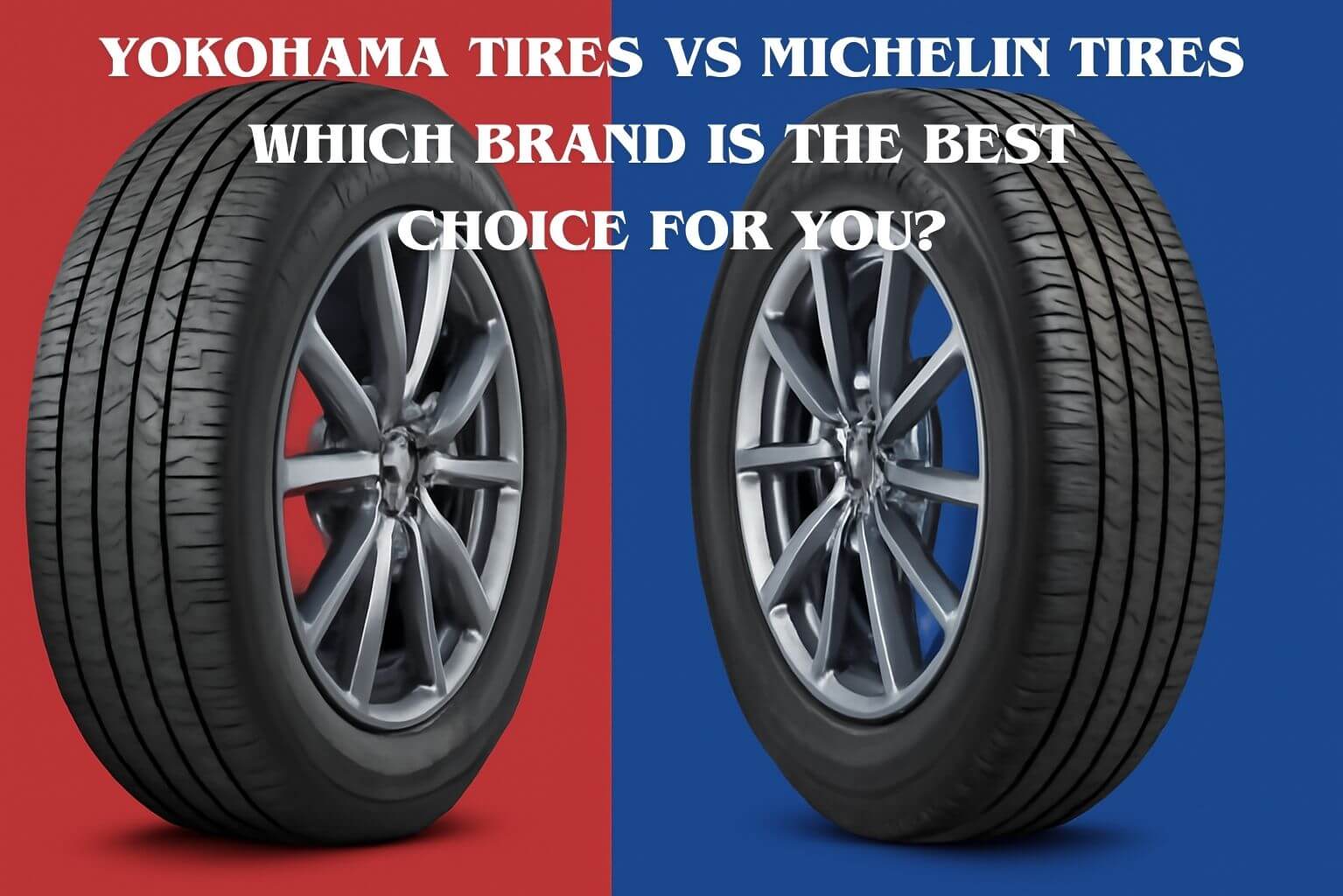
Yokohama Tires vs Michelin Tires: Which Brand is the Best Choice for You?
Last updated on October 18th, 2025
When it comes to choosing the right tires for your vehicle, the decision can often feel overwhelming. After all, tires are one of the most important investments you’ll make for your car’s performance, safety, and comfort. Two of the biggest names in the tire industry are Yokohama Tires and Michelin Tires, both renowned for their quality and innovation. But how do you decide between them? Is Yokohama the more budget-friendly option, or does Michelin truly offer superior performance?
In this blog post, we’ll dive into a detailed comparison of Yokohama Tires vs Michelin Tires to help you make an informed decision based on your unique driving needs. Whether you’re after all-season reliability, enhanced fuel efficiency, or off-road durability, this guide will walk you through the key differences between these two tire giants. By the end, you’ll have a clear understanding of which brand is the best fit for your car, your wallet, and your driving style.
The Importance of Choosing the Right Tires
When it comes to your car, tires are like the shoes on your feet. They’re the only part of your vehicle that touches the road, and they play a huge role in your driving experience. Choosing the right tires isn’t just about grabbing the first set you find; it’s about ensuring your safety, comfort, and the overall performance of your vehicle.
Tires affect everything from fuel efficiency to handling in bad weather. For example, if you’re driving in snowy conditions, tires like the Michelin Defender are designed to handle winter roads better, while Yokohama Geolandar tires might give you a smoother ride on rugged, off-road terrain. But if you choose the wrong type, you could be compromising safety or spending more on gas than you need to.
Think of it this way: good tires help you drive smoothly and save money in the long run. They can improve your car’s fuel economy, reduce wear and tear, and even enhance your braking ability. So, whether you’re commuting to work, going on a road trip, or tackling tough terrain, making the right tire choice is crucial for both your safety and your wallet.
In short, tires are more than just rubber—they’re a key part of your driving experience. By picking the right set, you’ll not only keep yourself safer on the road but also get the most out of your vehicle’s performance. And that’s why it’s so important to compare top brands like Yokohama and Michelin before making your decision!
Yokohama Tires: An Overview
History of Yokohama Tires
Yokohama Tires has a long history that dates back to 1917 in Japan. Since then, it’s grown to become one of the world’s leading tire manufacturers. The company’s legacy is built on a commitment to quality and innovation. Over the years, Yokohama has expanded its global presence, with production facilities and a network of dealers in over 120 countries. This makes them a trusted name, not just in Japan, but around the world.
From the very beginning, Yokohama has focused on creating tires that enhance performance and safety. Whether you’re driving a compact car, a sports car, or a truck, Yokohama offers a wide range of tires to fit various vehicles and driving needs. Their long-standing reputation and global reach reflect their commitment to producing reliable and high-quality products.
Key Features of Yokohama Tires
Yokohama Tires are known for their impressive performance, cutting-edge technology, and long-lasting durability. Let’s break down what makes them stand out:
- Performance Characteristics: Yokohama tires are designed with driving performance in mind. Their ADVANCED technology focuses on delivering superior grip, handling, and stability, whether you’re cruising down highways or taking sharp corners. For instance, the Yokohama ADVAN Sport V105 offers excellent traction for sporty drivers, while the Geolandar A/T G015 is great for off-roading enthusiasts who need traction in tough conditions.
- Technology: Yokohama uses innovative technology in their tire designs. One example is their Orange Oil Technology, which uses a natural oil extract from orange peels to enhance tire performance and reduce rolling resistance. This results in better fuel efficiency and a smoother ride. Plus, their tires are engineered to handle extreme weather conditions, making them a reliable choice year-round.
- Durability: Yokohama tires are built to last. They use advanced rubber compounds that ensure their tires resist wear and tear over time. For example, the Yokohama Avid Ascend GT is known for its long tread life and ability to perform well in both wet and dry conditions, making it an excellent option for everyday drivers.
In short, Yokohama combines innovative technology with a focus on durability and performance, making them a solid choice for a variety of driving needs. Whether you’re after comfort on the highway or the ability to tackle off-road adventures, Yokohama has a tire that can get you there safely and efficiently.
Best Yokohama Tires – Comprehensive Review

1. Yokohama Avid Ascend GT
The Yokohama Avid Ascend GT is an all-season tire designed for cars, crossovers, and minivans. It offers a balance of performance, comfort, and durability, making it a great option for everyday driving.
Key Performance Highlights:
- Excellent performance in both wet and dry conditions
- Comfortable and quiet ride for long drives
- Long-lasting tread life with impressive wear resistance
- Provides strong traction on light snow and ice
Pros:
- Affordable option for everyday drivers
- Great comfort with reduced road noise
- Durable tread, lasting up to 70,000 miles
Cons:
- Not the best for extreme winter conditions
- Handling may not be as responsive as sportier tires
Best for:
Drivers looking for a reliable, all-season tire for daily commutes, family trips, and long drives. It’s perfect for those who want a good balance of comfort, performance, and longevity without a high price tag.
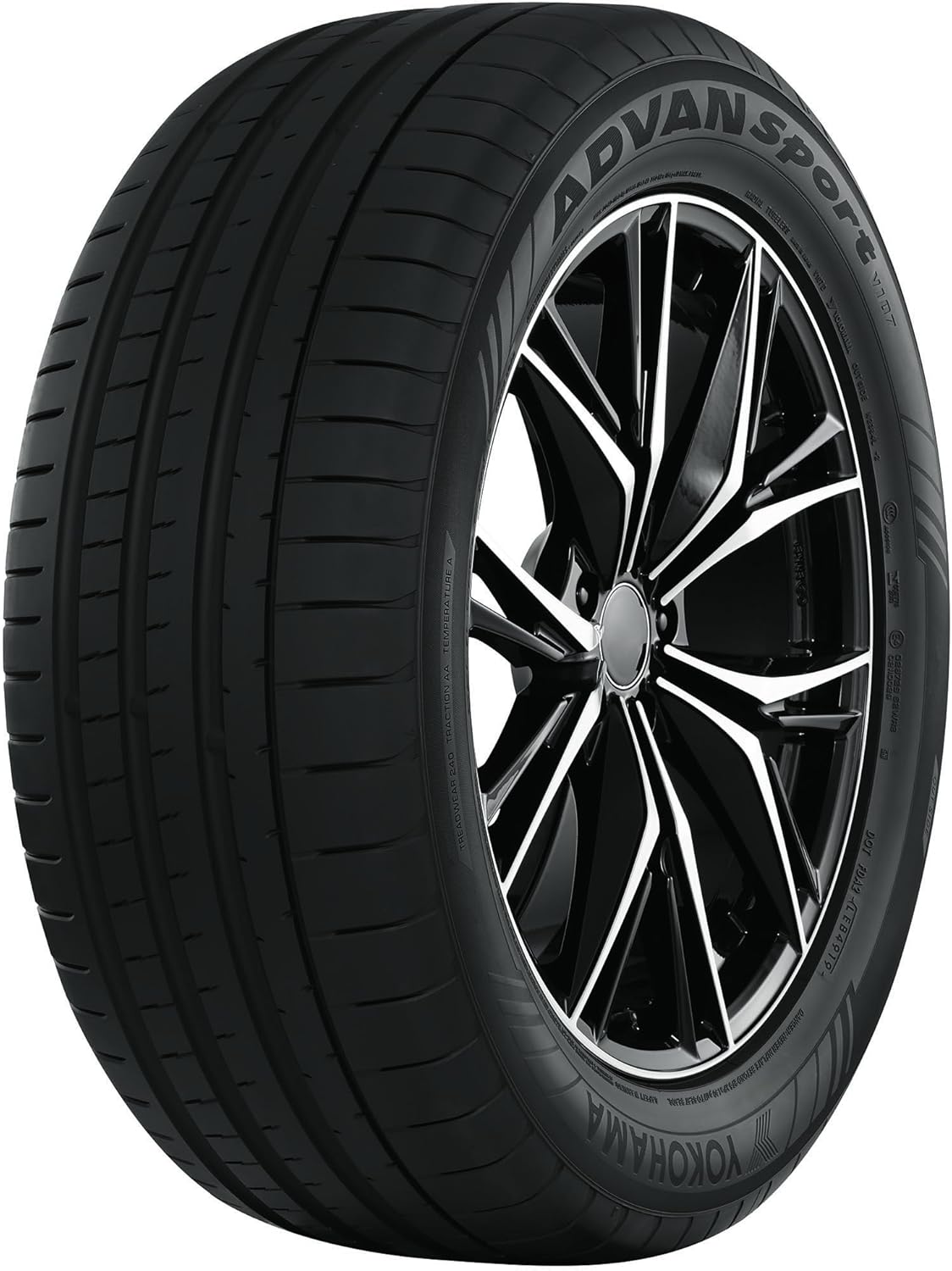
2. Yokohama Advan Sport V107
The Yokohama Advan Sport V107 is a high-performance tire designed for sports cars and performance vehicles. It’s made for drivers who seek speed, responsiveness, and precision on both wet and dry roads.
Key Performance Highlights:
- Superior handling and cornering abilities
- Excellent traction and braking performance, especially on dry roads
- Designed for high-speed stability and a dynamic driving experience
- Improved grip in wet conditions for enhanced safety
Pros:
- Exceptional performance for sports cars and high-performance vehicles
- Strong wet and dry traction
- Comfortable ride despite high-performance design
Cons:
- Not ideal for extreme winter conditions
- Higher price point compared to standard tires
Best for:
Drivers with performance cars who want a tire that delivers exceptional speed, handling, and precision. Ideal for those who enjoy sporty driving on highways or tracks but still need decent wet-weather performance.

3. Yokohama Avid Ascend LX
The Yokohama Avid Ascend LX is a well-rounded tire designed for crossovers, SUVs, and sedans. It’s built to provide a smooth, quiet ride with solid all-season performance, perfect for everyday driving needs.
Key Performance Highlights:
- Strong all-season performance, especially on dry and wet roads
- Comfortable and quiet ride with low road noise
- Good traction on light snow
- Durable with an extended tread life
Pros:
- Excellent value for an all-season tire
- Quiet and comfortable for daily commutes and long trips
- Good fuel efficiency due to low rolling resistance
Cons:
- Not as durable in extreme winter weather
- May not offer the same high-performance handling as sportier tires
Best for:
Drivers of crossovers, SUVs, and sedans who want a dependable all-season tire that combines comfort, performance, and durability at an affordable price. Great for families or anyone needing a reliable tire for year-round use.
These Yokohama tire models provide different options depending on your driving style and needs, from high-performance models like the Advan Sport V107 to the all-season versatility of the Avid Ascend GT and Avid Ascend LX. Each of these tires is designed to offer great value, solid performance, and comfort.
Michelin Tires: An Overview
History of Michelin Tires
Michelin has been a leader in the tire industry for over a century, founded in 1889 in Clermont-Ferrand, France. It’s one of the oldest and most respected tire brands in the world. From its beginnings, Michelin set out to create tires that would offer superior performance, safety, and durability. Over the years, Michelin’s innovations, like the radial tire, have revolutionized the industry and earned the brand a reputation for excellence.
Today, Michelin is known globally, with production plants and a vast distribution network across the world. Their tires are used by everything from everyday cars to high-performance vehicles and commercial trucks. Michelin’s legacy is rooted in its commitment to quality and safety, making it a trusted name among drivers everywhere.
Key Features of Michelin Tires
Michelin tires are synonymous with premium quality, advanced technology, and eco-conscious design. Here’s what sets them apart:
- Premium Performance: Michelin is known for creating tires that provide exceptional performance. Whether you’re driving on wet roads, icy conditions, or off the beaten path, Michelin tires are designed for maximum grip and control. For example, the Michelin Defender 2 offers a smooth, quiet ride while delivering excellent wet traction, making it a top choice for family vehicles.
- Safety Features: Safety is at the heart of Michelin’s design. Their tires are equipped with features like EverGrip technology, which helps improve traction as the tire wears down. This means you can count on your Michelin tires to maintain strong performance throughout their lifespan. The Michelin CrossClimate 2 is a great example, offering all-season safety with outstanding performance in both dry and snowy conditions.
- Eco-Friendliness: Michelin also focuses on sustainability. Their tires are made with eco-friendly materials and designed to reduce rolling resistance, which helps improve fuel efficiency. Tires like the Michelin Energy Saver A/S use innovative compounds to reduce energy loss, saving you money on gas while helping to reduce your carbon footprint.
In short, Michelin tires offer a perfect blend of performance, safety, and environmental consciousness. Whether you prioritize a smooth ride, top-notch safety, or fuel efficiency, Michelin tires have you covered with their high-quality engineering.
Best Michelin Tires – Comprehensive Review

1. Michelin Pilot Sport 4S
The Michelin Pilot Sport 4S is a high-performance tire designed for sports cars, sedans, and coupes. It combines exceptional handling with outstanding grip, making it ideal for drivers who demand precision on both dry and wet roads.
Key Performance Highlights:
- Superior dry grip for quick acceleration and sharp cornering
- Excellent wet performance, even in heavy rain
- Enhanced braking ability for improved safety
- Long-lasting tread wear for a performance tire
Pros:
- Top-tier handling and performance for sports cars
- Excellent wet and dry traction
- Comfortable ride for a high-performance tire
Cons:
- Higher price point compared to regular tires
- Not ideal for snow or icy conditions
Best for:
Sports car enthusiasts and performance drivers who want a tire that delivers outstanding speed, cornering, and braking performance. Perfect for those who value precision driving and are willing to invest in premium tires for their vehicle.

2. Michelin CrossClimate 2
The Michelin CrossClimate 2 is an all-season tire designed for cars, SUVs, and crossovers. It offers year-round performance, providing great traction in both wet and dry conditions, along with exceptional handling in light snow.
Key Performance Highlights:
- Excellent grip on wet and dry roads, with enhanced performance in light snow
- Comfortable and quiet ride with low rolling resistance
- Long-lasting tread life
- Energy-efficient design, improving fuel economy
Pros:
- All-season versatility, great for year-round use
- Impressive snow performance for an all-season tire
- Quiet, smooth ride with improved fuel efficiency
Cons:
- Not as effective in extreme winter conditions as dedicated winter tires
- Slightly higher price for an all-season tire
Best for:
Drivers who need a tire that works well in any season, especially in areas with mild winter conditions. Perfect for everyday driving in cars, SUVs, or crossovers, providing a balanced mix of comfort, performance, and fuel efficiency.

3. Michelin Defender LTX M/S 2
The Michelin Defender LTX M/S 2 is an all-season tire designed for trucks and SUVs. It offers a smooth ride with a focus on durability, making it a great option for drivers who need reliable performance on both highways and rough roads.
Key Performance Highlights:
- Excellent durability and tread life, up to 70,000 miles
- Provides great traction on dry, wet, and light snow-covered roads
- Enhanced comfort with reduced road noise
- Fuel-efficient design that helps save on gas
Pros:
- Long-lasting tread life with up to 70,000 miles of durability
- Solid performance in various weather conditions
- Comfortable and quiet for a truck/SUV tire
Cons:
- Not designed for extreme off-roading
- Slightly higher price compared to other truck/SUV tires
Best for:
Truck and SUV drivers who need a reliable all-season tire that offers durability and comfort, whether for daily driving, long trips, or light off-roading. Ideal for those who want a tire that delivers strong performance with a focus on fuel efficiency.
These Michelin tire models offer a range of options based on your vehicle and driving needs. From the high-performance Pilot Sport 4S for sports cars to the versatile CrossClimate 2 for all-season driving and the durable Defender LTX M/S 2 for trucks and SUVs, Michelin has something for every driver looking for top-notch quality and performance.
How to Choose Between Yokohama Tires and Michelin Tires
Choosing between Yokohama Tires and Michelin Tires can be tricky, but breaking it down into key areas can help you make the right decision. Let’s look at performance, comfort, durability, and price to help you understand which brand is the best fit for you.
Performance Comparison
When it comes to performance, both Yokohama and Michelin offer great options, but they shine in different areas.
- Wet Conditions: Michelin tires, like the Michelin Defender 2, are known for their excellent grip on wet roads. The EverGrip technology provides added traction as the tire wears down, making it safer in rainy conditions. On the other hand, Yokohama tires, such as the Yokohama Avid Ascend GT, also perform well in wet conditions, offering strong grip and reliable handling but may not match Michelin’s top-tier wet traction.
- Dry Conditions: Both brands perform well on dry roads, but Yokohama’s ADVAN Sport V105 is specifically designed for high performance, giving it a bit of an edge when it comes to sportier driving and faster cornering. Michelin’s CrossClimate 2 also provides solid dry performance, especially with its all-season capabilities, offering stability even in more unpredictable weather.
- Snowy Conditions: When it comes to snow, Michelin is a bit more reliable overall. Tires like the Michelin CrossClimate 2 are designed to handle snow and ice, thanks to their unique tread pattern and rubber compounds. Yokohama, while still capable in light snow, is generally not as strong in extreme winter conditions, though their Geolandar series does a decent job for off-road and snowy terrains.
Comfort and Noise Levels
Comfort and road noise are important factors, especially for long trips or daily commuting.
- Comfort: Michelin tends to take the lead in terms of overall comfort. Tires like the Michelin Defender 2 offer a smooth and quiet ride with excellent shock absorption. This makes them a popular choice for people who prioritize comfort during long drives. On the other hand, Yokohama tires like the Avid Ascend LX provide decent comfort but might not be as smooth as Michelin’s high-end models.
- Noise Levels: Michelin also wins in the quietness department. Thanks to their advanced tread design, Michelin tires are often quieter, offering a more peaceful ride. Yokohama tires, while not excessively noisy, might generate a bit more road noise, especially on rougher surfaces.
Durability and Longevity
Both Yokohama and Michelin are known for their durability, but there are some differences when it comes to tire lifespan and warranties.
- Lifespan: Michelin tires are built to last longer. With their advanced rubber compounds and tire technologies, Michelin often offers longer tread life. For example, the Michelin Defender 2 is designed to last up to 80,000 miles, depending on driving conditions. Yokohama, while still durable, generally offers a shorter lifespan for their tires, with models like the Avid Ascend LX lasting around 60,000 to 75,000 miles.
- Warranty: Michelin typically offers a more robust warranty, reflecting their commitment to quality. Many Michelin tires come with a 6-year or 80,000-mile warranty, depending on the model. Yokohama offers warranties that are competitive but tend to be shorter in comparison, generally ranging between 5 years or 50,000 to 70,000 miles.
Price Comparison
Price is always a big factor when choosing between tires. So, how do Yokohama and Michelin compare in terms of value for money?
- Michelin Tires: As a premium brand, Michelin tires are typically more expensive. The higher price reflects the brand’s focus on superior performance, safety features, and longer-lasting durability. If you’re willing to invest a bit more upfront for a longer-lasting tire with excellent performance, Michelin is a great choice.
- Yokohama Tires: Yokohama offers a more budget-friendly option without sacrificing too much in performance. Their tires like the Avid Ascend GT or Geolandar series provide good value, especially for drivers who don’t want to spend as much on tires but still want decent quality and performance.
In short, Yokohama tires tend to be more affordable, making them a solid choice for budget-conscious drivers. On the other hand, if you want top-notch performance, durability, and advanced features, Michelin tires might justify the higher price tag.
Side-by-Side Comparison of Yokohama Tires vs Michelin Tires
| Feature | Yokohama Tires | Michelin Tires |
| Performance (Dry) | Good dry performance with solid grip and handling | Excellent dry traction and handling, great for high-speed stability |
| Performance (Wet) | Reliable grip, especially in moderate rain | Superior wet performance, excellent hydroplaning resistance |
| Performance (Snow) | Performs well in light snow, not ideal for extreme winter | Great in light snow, but still not a dedicated winter tire |
| Comfort and Ride Quality | Comfortable, but some road noise on rougher roads | Very comfortable with minimal road noise, especially on highways |
| Durability (Lifespan) | Lasts up to 60,000-70,000 miles | Lasts up to 80,000 miles, long-lasting tread life |
| Fuel Efficiency | Good fuel efficiency due to low rolling resistance | Excellent fuel efficiency with energy-saving designs like the Michelin Energy Saver |
| Price Range | More affordable, budget-friendly options | Premium pricing for advanced features and durability |
| Warranty | 5-6 years, varies by model | 6 years, often with mileage warranties of 70,000-80,000 miles |
Detailed Comparison of Top Models: Yokohama vs Michelin
In this section, we’ll compare some of the top models from Yokohama and Michelin to help you make a better-informed decision. We’ll look at the Michelin Defender 2 vs Yokohama YK-CTX, Yokohama Avid Ascend LX vs Michelin Defender 2, and Yokohama Geolandar vs Michelin Defender. Let’s break down how these models compare in terms of performance, durability, comfort, and price.
Michelin Defender 2 vs Yokohama YK-CTX
- Performance:
- The Michelin Defender 2 is designed for year-round performance, offering exceptional grip in both wet and dry conditions. Thanks to its EverGrip technology, it maintains strong traction even as the tire wears. It’s particularly great for drivers who prioritize safety and handling in a variety of road conditions.
- The Yokohama YK-CTX is a solid all-season tire that performs well in dry and wet conditions, but it doesn’t quite match the Michelin in extreme weather conditions, especially in snow or ice. However, it’s still a reliable option for daily driving and provides decent handling.
- The Michelin Defender 2 is designed for year-round performance, offering exceptional grip in both wet and dry conditions. Thanks to its EverGrip technology, it maintains strong traction even as the tire wears. It’s particularly great for drivers who prioritize safety and handling in a variety of road conditions.
- Comfort:
- Michelin Defender 2 excels in providing a smooth, quiet, and comfortable ride, making it a great option for long-distance driving. Its tread design helps reduce road noise, and the tire’s ability to absorb road shocks contributes to a more pleasant driving experience.
- The Yokohama YK-CTX, while comfortable, doesn’t offer the same level of smoothness or quietness as the Michelin Defender 2. Road noise can be a bit more noticeable, especially on rougher surfaces.
- Michelin Defender 2 excels in providing a smooth, quiet, and comfortable ride, making it a great option for long-distance driving. Its tread design helps reduce road noise, and the tire’s ability to absorb road shocks contributes to a more pleasant driving experience.
- Durability and Longevity:
- The Michelin Defender 2 stands out in terms of durability, with a lifespan of up to 80,000 miles, depending on driving habits and conditions. Its warranty is also impressive, offering up to 6 years of coverage.
- The Yokohama YK-CTX offers good durability, with a lifespan of around 65,000 miles. While this is still decent, it doesn’t quite match Michelin’s longevity.
- The Michelin Defender 2 stands out in terms of durability, with a lifespan of up to 80,000 miles, depending on driving habits and conditions. Its warranty is also impressive, offering up to 6 years of coverage.
- Price:
- The Michelin Defender 2 is on the higher end of the price spectrum, but it justifies the cost with superior performance, safety, and durability.
- The Yokohama YK-CTX is more affordable, making it a better choice for those looking for value while still getting decent performance.
- The Michelin Defender 2 is on the higher end of the price spectrum, but it justifies the cost with superior performance, safety, and durability.
Yokohama Avid Ascend LX vs Michelin Defender 2
- Performance:
- The Michelin Defender 2 is known for its outstanding wet and dry performance, making it an excellent choice for those who face varying weather conditions. It also performs well in light snow, though it isn’t specifically designed for heavy snow or extreme winter conditions.
- The Yokohama Avid Ascend LX provides solid all-season performance and is particularly good for everyday driving. It handles wet conditions well and offers decent dry performance, but it doesn’t outperform the Michelin Defender 2 in heavy rain or snow.
- The Michelin Defender 2 is known for its outstanding wet and dry performance, making it an excellent choice for those who face varying weather conditions. It also performs well in light snow, though it isn’t specifically designed for heavy snow or extreme winter conditions.
- Comfort:
- Michelin Defender 2 delivers a quieter, more comfortable ride compared to the Yokohama Avid Ascend LX, especially on highways or long-distance drives. Michelin’s focus on comfort is clear in the way it absorbs bumps and minimizes road noise.
- The Yokohama Avid Ascend LX is also comfortable, but it might not be as smooth or quiet on rough roads as the Michelin Defender 2.
- Michelin Defender 2 delivers a quieter, more comfortable ride compared to the Yokohama Avid Ascend LX, especially on highways or long-distance drives. Michelin’s focus on comfort is clear in the way it absorbs bumps and minimizes road noise.
- Durability and Longevity:
- With a lifespan of up to 80,000 miles, the Michelin Defender 2 is a tire that’s built to last. The longer tread life is a major advantage, especially for those who put a lot of miles on their tires.
- The Yokohama Avid Ascend LX offers a slightly shorter lifespan of around 70,000 miles. While it still provides great value, it doesn’t quite last as long as the Michelin tire.
- With a lifespan of up to 80,000 miles, the Michelin Defender 2 is a tire that’s built to last. The longer tread life is a major advantage, especially for those who put a lot of miles on their tires.
- Price:
- The Michelin Defender 2 is priced higher due to its premium features and long-lasting durability.
- The Yokohama Avid Ascend LX offers a more budget-friendly alternative with similar performance but at a more affordable price point.
- The Michelin Defender 2 is priced higher due to its premium features and long-lasting durability.
Yokohama Geolandar vs Michelin Defender
- Performance:
- The Michelin Defender is a highly versatile tire, performing well in both wet and dry conditions. It’s known for offering excellent ride quality and reliability in all-season driving. While it does okay in light snow, it’s not specifically built for heavy winter conditions.
- The Yokohama Geolandar is an off-road tire that excels in rugged terrains. It’s a great choice for drivers who frequently venture off the beaten path or need tires for tougher conditions. However, it doesn’t offer the same level of smoothness or handling on paved roads as the Michelin Defender.
- The Michelin Defender is a highly versatile tire, performing well in both wet and dry conditions. It’s known for offering excellent ride quality and reliability in all-season driving. While it does okay in light snow, it’s not specifically built for heavy winter conditions.
- Comfort:
- The Michelin Defender is designed to provide a quiet and comfortable ride, which makes it a good choice for daily driving, especially on highways.
- The Yokohama Geolandar is more rugged and may not offer the same level of comfort on paved roads. Its stiffer tread design can lead to a rougher ride, particularly on smooth surfaces.
- The Michelin Defender is designed to provide a quiet and comfortable ride, which makes it a good choice for daily driving, especially on highways.
- Durability and Longevity:
- The Michelin Defender has an impressive lifespan of up to 80,000 miles and is backed by a solid warranty, making it a long-term investment.
- The Yokohama Geolandar is built for durability in off-road conditions, with a lifespan of around 60,000 miles, depending on driving conditions. It’s not quite as long-lasting as the Michelin, but its rugged build is designed to withstand tough terrains.
- The Michelin Defender has an impressive lifespan of up to 80,000 miles and is backed by a solid warranty, making it a long-term investment.
- Price:
- The Michelin Defender is more expensive, but its superior performance and longevity make it worth the investment for many drivers.
- The Yokohama Geolandar is priced lower, making it a great choice for off-road enthusiasts who need durability without the premium price tag of Michelin tires.
- The Michelin Defender is more expensive, but its superior performance and longevity make it worth the investment for many drivers.
Pros and Cons of Yokohama Tires
Pros of Yokohama Tires:
- Affordable: Yokohama offers high-quality tires at a more budget-friendly price compared to premium brands like Michelin, making them a great value for money.
- Performance: Their tires, like the Yokohama ADVAN Sport V105, deliver solid performance in dry and wet conditions, ideal for daily driving and sporty cars.
- Durability: Many models, such as the Yokohama Avid Ascend LX, offer decent longevity, lasting up to 70,000 miles.
- Versatility: Yokohama offers a range of tires for different needs, from all-season to off-road options like the Geolandar series, making them a good fit for various driving styles.
Cons of Yokohama Tires:
- Limited Winter Performance: While decent in light snow, Yokohama tires aren’t as strong in extreme winter conditions compared to brands like Michelin.
- Noise: Some models can generate more road noise, especially on rougher roads, which may be a concern for those who prioritize a quiet ride.
- Shorter Lifespan: Although durable, their tires generally don’t last as long as premium alternatives, with an average lifespan of 60,000-70,000 miles.
Overall, Yokohama is a solid choice for those who want good performance at a reasonable price but may not be the best for extreme weather conditions or those seeking the longest-lasting tires.
Pros and Cons of Michelin Tires
Pros of Michelin Tires:
- Premium Performance: Michelin tires, like the Michelin Defender 2, are known for their exceptional performance in wet, dry, and even light snowy conditions. They provide excellent traction and stability.
- Comfort and Quiet Ride: Michelin designs tires that offer a smooth, quiet ride. The Michelin CrossClimate 2, for example, is great for comfort and low road noise, especially on long drives.
- Durability: Michelin tires are built to last, with some models offering a lifespan of up to 80,000 miles, such as the Defender 2. This makes them a reliable choice for drivers looking for longevity.
- Eco-Friendly: Michelin focuses on sustainability, creating tires like the Michelin Energy Saver that reduce rolling resistance, improving fuel efficiency and reducing carbon footprints.
Cons of Michelin Tires:
- Higher Price: Michelin tires tend to be more expensive than many other brands, like Yokohama, which can make them less appealing for budget-conscious buyers.
- Not the Best for Extreme Off-Roading: While great for everyday driving, Michelin tires, like the Defender 2, aren’t built for heavy off-road use compared to rugged tires from brands like Yokohama’s Geolandar series.
- Soft Tread on Some Models: Some Michelin tires, especially those designed for comfort, might have a softer tread that can wear out quicker if driven aggressively.
In summary, Michelin tires are ideal for drivers who want premium performance, comfort, and longevity, but they come with a higher price tag and might not be the best option for extreme off-roading or aggressive driving.
Customer Reviews and Expert Opinions: What People Are Saying
Reviews of Yokohama Tires
Customer Feedback:
Many customers love Yokohama tires for their affordable pricing and solid all-season performance. For example, the Yokohama Avid Ascend LX is often praised for its comfort and grip, especially on wet roads. Drivers also appreciate how it offers good value for money, performing well without breaking the bank. However, some users mention that while it handles light snow decently, it may not be the best choice for extreme winter conditions.
Expert Reviews:
Experts highlight Yokohama’s innovation in tire design, especially their ADVANCED technology, which provides great traction and performance. The Yokohama Geolandar series is highly recommended for off-road enthusiasts due to its durability and rugged performance. However, experts also note that while Yokohama tires are solid, they often don’t last as long as premium brands like Michelin.
Reviews of Michelin Tires
Customer Feedback:
Customers rave about Michelin tires for their durability and comfort. The Michelin Defender 2 stands out for its quiet ride, excellent handling in all weather, and long lifespan, with many users reporting it lasting well beyond 70,000 miles. However, some drivers feel the premium price is a bit steep compared to other brands.
Expert Reviews:
Experts consistently rate Michelin highly for its performance and safety features. The Michelin CrossClimate 2, for example, is praised for its versatility in handling both dry and wet conditions and even light snow, making it a top pick for year-round driving. While Michelin offers fantastic durability, experts point out that the higher price might not appeal to those on a tighter budget, especially when compared to brands like Yokohama.
Conclusion: Which Brand is the Best Choice for You?
Choosing between Yokohama Tires and Michelin Tires ultimately depends on your specific driving needs, budget, and performance priorities. If you’re looking for a cost-effective option with solid all-season performance, Yokohama offers great value without sacrificing quality. However, if you want premium durability, top-notch performance, and superior comfort, Michelin might be worth the investment.
Both brands have their strengths, and the right choice for you will depend on what matters most in your daily driving experience. Whether you prioritize affordability, longevity, or all-around performance, you’re bound to find a perfect match.
Still unsure which tire is right for you? Dive deeper into our tire comparison guides, or explore customer reviews and expert feedback to make the best decision. Don’t forget to sign up for our newsletter for the latest tire recommendations and tips to keep your vehicle running smoothly!
Frequently Asked Questions
Which is Better, Michelin or Yokohama Tires?
The choice between Michelin and Yokohama depends on your specific needs. Michelin is known for its premium quality, long-lasting durability, and eco-friendly options, making it ideal for drivers who prioritize safety and performance. On the other hand, Yokohama offers great value for money, with a focus on affordability without sacrificing performance, making it an excellent choice for budget-conscious buyers.
Are Yokohama Tires Better Than Michelin?
It depends on your driving conditions and preferences. Yokohama tires generally provide excellent traction at a more affordable price, but Michelin tires excel in long-term durability, premium comfort, and higher-end performance, especially in harsh weather conditions. Both brands have their strengths, so it’s essential to match them with your driving habits.
Are Yokohama Tires Good Quality?
Yes, Yokohama tires are known for their quality, particularly when it comes to their Geolandar and Avid Ascend models. They provide good performance at a more affordable price, though they may not have the same long-term durability as some of the higher-end Michelin models.
Are Yokohama Tires As Good As Michelin?
While Yokohama tires are great for those seeking a balance of performance and value, Michelin tires are often regarded as the gold standard in the tire industry. Michelin tires tend to offer better durability, comfort, and traction, especially in premium models like the Michelin Defender 2.
Is Yokohama a Premium Tire Brand?
Yokohama is generally considered a mid-range tire brand. While it offers some premium models, its pricing and value proposition make it more accessible than higher-end brands like Michelin. However, many Yokohama tires are still highly rated for their performance.
Is Michelin the Best Tire in the World?
Michelin is certainly one of the leading tire brands globally, known for its high-quality performance, innovative tire technology, and eco-friendly options. While it may not always be the cheapest, many consider it the best tire brand for its overall quality, longevity, and premium offerings like the Michelin Defender and Michelin CrossClimate 2.
What is the Best Tire Brand?
The “best” tire brand varies depending on your needs. For premium quality, Michelin often takes the top spot. However, if you are looking for affordable yet reliable tires, Yokohama provides excellent performance at a competitive price. It’s essential to consider your driving conditions, budget, and preferences when choosing the best tire brand for you.
Michelin Defender 2 vs Yokohama Avid Ascend LX: Which Tire Lasts Longer?
The Michelin Defender 2 generally offers superior longevity, with a longer tread life compared to the Yokohama Avid Ascend LX. Michelin’s advanced tire technology ensures better wear resistance and long-term durability, making it a better option if longevity is a priority.
Michelin Defender 2 vs Yokohama Geolandar: Which is Better for Off-Road?
If you plan to drive off-road or in rough conditions, the Yokohama Geolandar series is a better choice. Its rugged design and off-road capabilities outperform the Michelin Defender 2 in tough terrain. However, if you’re looking for an all-around tire for both on and off-road conditions, the Michelin Defender 2 offers a good balance of durability and comfort.
Are Yokohama Tires Budget-Friendly?
Yes, Yokohama tires are typically more budget-friendly compared to Michelin. They offer a solid range of models that provide great performance at a lower price point. This makes them an attractive option for drivers looking for reliable tires without breaking the bank.
Is Yokohama a Good Tire Brand for Winter?
Yokohama does offer winter tires, such as the Yokohama IceGuard series, which are designed for snow and ice conditions. However, Michelin’s CrossClimate 2 is often regarded as one of the top-performing all-season tires in winter conditions, offering better grip on snow and ice while providing excellent performance in dry and wet weather.
