General Tires Review: Are General Tires Good?
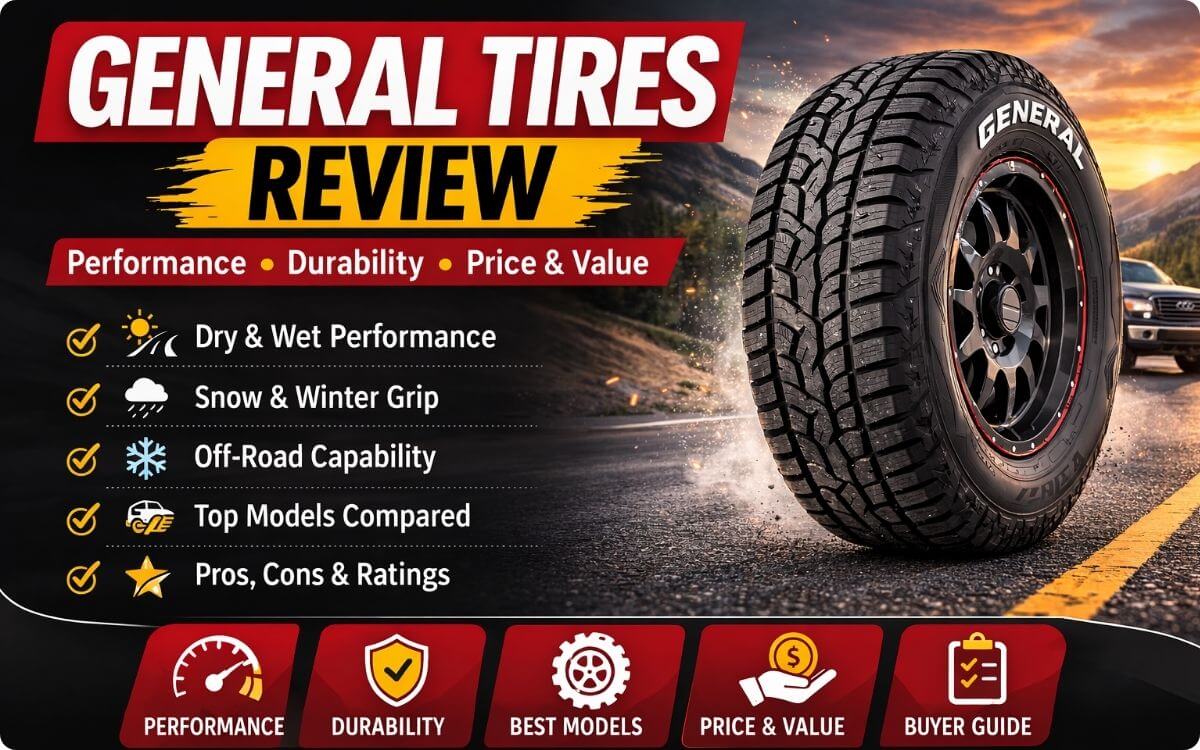
If you’re looking for a clear answer on whether General Tires are a good choice, you’ve come to the right place. This General Tires Review takes a close look at what makes these tires stand out, how they perform, and whether they are worth the price.
In this article, we’ll explain what General Tires are, their performance on dry, wet, and snowy roads, and how long they typically last. You’ll also see an overview of their price and value compared to other brands.
We’ll go through the best models for different vehicles, from everyday cars to SUVs and trucks, and highlight which tires are suited for specific driving needs. Finally, we’ll share insights from real customer experiences so you can make an informed decision.
If you want a practical, honest assessment of General Tires’ reliability, durability, and value, this review covers everything you need to know before buying.
About General Tire Brand
History of the Brand
General Tire started in 1915 and has been making tires for over a century. Over that time the company grew from a small maker into a brand drivers recognize for dependable, everyday tires.
Today, Continental AG is the parent company. That means General benefits from larger-scale engineering and quality controls without always carrying a premium price tag.
General built its reputation by offering practical tires for common vehicles. You’ll most often hear the name linked with tires for SUVs, trucks, and off-road use—areas where durability and tread design matter a lot.
What Makes General Tires Unique
General tires try to strike a balance: you’ll find models that give steady traction, a comfortable ride, and decent tread life without costing as much as top-tier brands. That balance is the brand’s main selling point.
Price is another strength. General usually costs less than premium competitors, so it’s a common pick for drivers who want reliable performance on a budget.
The brand also focuses on tougher rubber mixes and solid construction. That helps tires resist wear and handle heavier use—especially useful for trucks and SUVs.
Finally, General offers a wide range of options for trucks and SUVs, from smoother highway tires to aggressive all-terrain and mud-terrain models. That selection makes it easier to find a tire that fits your driving style.
One honest note: while General delivers good value, it doesn’t always match the highest-performing or quietest tires from premium makers. If you need top-tier sport handling or the absolute quietest ride, a premium brand may be a better fit.

Types of Tires Offered by General Tire
General Tire makes several types of tires because different vehicles and driving styles need different things. A family car used for commuting doesn’t need the same tire as a truck that goes off-road. Below are the main categories the brand offers and what they are best for.
Passenger Car Tires
Passenger tires are made for everyday driving. If you mainly drive to work, run errands, or take highway trips, this is the type most people use.
Many of these are all-season touring tires. They are designed to handle dry roads, rain, and light snow while staying comfortable and quiet.
Another option is grand touring tires. These usually focus even more on ride comfort and longer tread life. They are a good fit for drivers who spend a lot of time on highways and want a smooth ride.
The trade-off is that these tires are not built for aggressive driving or rough roads. They focus on comfort and reliability instead.
Performance Tires
Performance tires are designed for drivers who want sharper handling. These tires respond more quickly when you steer and often grip the road better during fast turns.
Some models are ultra-high performance summer tires, which work best in warm weather and on dry or wet pavement. They usually offer very strong grip but should not be used in snow or freezing temperatures.
There are also ultra-high performance all-season tires. These try to balance strong handling with year-round use. They are more flexible than summer tires, though they may not perform quite as well in extreme driving conditions.
These tires are popular with sports cars and performance sedans. The downside is that they may wear out faster and can sometimes be a bit louder on the road.
Winter / Snow Tires
Winter tires are made for cold weather and snowy roads. They use softer rubber that stays flexible in freezing temperatures, which helps the tire grip the road.
Some winter models from General Tire can be studded, meaning small metal studs can be added for extra grip on icy roads. This is especially useful in areas with harsh winters.
These tires work very well in snow and ice. However, they wear down faster if used during warm months, so they are usually installed only during winter.
SUV and Light Truck Tires
General Tire is especially well known for its tires made for SUVs and pickup trucks. These tires are built to handle heavier vehicles and rougher conditions.
Drivers can choose from several styles depending on how they use their vehicle:
- Highway terrain tires for smooth and quiet road driving
- All-terrain tires for a mix of pavement and dirt roads
- Mud-terrain tires for serious off-road driving
Highway tires feel the most comfortable during daily driving. All-terrain tires are more versatile and work well if you sometimes leave paved roads.
Mud-terrain tires provide strong grip in mud, rocks, and rough trails. The downside is they can be louder and less smooth on normal roads.
Choosing the right type depends on how and where you drive most of the time. A tire that fits your driving habits will usually last longer and perform better.
Key Features and Benefits of General Tire
One reason many drivers choose General Tires is the balance they offer. They aim to provide steady grip, decent durability, and everyday comfort without pushing the price too high. Below are some of the main features that stand out.
Advanced Tread Design
The tread is the part of the tire that touches the road, and its design matters a lot for safety. Many General tires use patterns with wide grooves and small cuts that help move water away from the tire.
This helps the tire keep contact with the road during rain instead of sliding on top of water. In everyday driving, that means better grip and more control when roads are wet.
Durable Rubber Compounds
General tires are built with rubber mixes designed to handle regular use without wearing out too quickly. For many drivers, this means the tires can last several years before needing replacement.
Of course, how long a tire lasts still depends on driving habits and road conditions. Rough roads, heavy loads, and aggressive driving will wear any tire faster.
All-Season Capability
Many General tires are made to handle a mix of common driving conditions throughout the year. Instead of switching tires every season, drivers can use one set most of the time.
These tires usually perform well in:
- Dry roads during normal driving
- Rainy conditions where good traction matters
- Light snow in colder months
However, if you deal with heavy snow or ice every winter, a dedicated winter tire will still perform better.
Comfortable Ride Quality
Ride comfort is another area where General tires do well. Many models are designed to absorb small bumps and keep road noise at a reasonable level.
That means long drives on highways tend to feel smoother and quieter. Off-road or aggressive tires can still be louder, but that’s normal for that type of tire.
Affordable Pricing
One of the biggest advantages of General Tires is price. In many cases, they cost less than well-known premium brands while still delivering reliable everyday performance.
This makes them a practical option for drivers who want dependable tires without paying top-tier prices. The trade-off is that they may not always match the absolute best performance or quietest ride from premium models.
General Tire Performance Review
When people search for a tire review, they usually want to know one thing: how the tires actually perform on the road. This section explains how tires from General Tire behave in common driving situations so you can decide if they fit your needs.
Dry Road Performance
On dry roads, most General tires feel stable and predictable. The car responds normally when you turn the steering wheel, which makes daily driving comfortable and easy.
Handling is generally good for normal driving. When you go around corners or change lanes, the tire keeps a solid grip on the road without feeling loose.
Steering response is also steady. When you turn the wheel, the car reacts quickly enough for everyday driving. However, drivers who want very sharp, sporty handling may notice that premium performance tires feel more precise.
Stability is one of the strong points. At highway speeds, the tires usually feel planted and balanced, which helps make long drives less tiring.
Wet Weather Performance
Rain is where tire design really matters. Many General tires include grooves in the tread that help push water away from the tire. This helps reduce the chance of hydroplaning, which happens when a tire slides on top of water instead of gripping the road.
In normal rainy conditions, braking performance is generally reliable. The tires can slow the car down safely if you keep a reasonable driving speed.
Like most tires, performance depends on tread depth. As tires wear down over time, their ability to handle heavy rain can decrease. Keeping tires properly maintained makes a noticeable difference in wet weather safety.
Snow and Winter Performance
In snowy areas, tire grip becomes very important. General winter tires are designed to hold the road better in cold temperatures.
On packed snow, these tires usually provide solid traction, allowing the vehicle to move forward without spinning the wheels too easily.
Ice is always more difficult for any tire. While winter models improve grip, drivers still need to slow down and drive carefully in icy conditions.
All-season tires from General can handle light snow, but they are not as effective as dedicated winter tires in harsh winter climates.
Off-Road Performance
General tires are especially popular with truck and SUV owners who sometimes drive off paved roads.
In muddy conditions, all-terrain and mud-terrain models can dig into soft ground and keep the vehicle moving forward. The deeper tread patterns help push mud away from the tire so it doesn’t get stuck.
Rocky terrain is another place where these tires perform well. Many models are built with tougher sidewalls, which helps protect the tire when driving over rough surfaces.
Durability is important for off-road use, and General tires are known for holding up fairly well in these situations. That said, aggressive off-road tires can be louder and slightly rougher on normal roads.
For drivers who split their time between highways and trails, choosing a balanced all-terrain tire is usually the most practical option.
Fuel Efficiency and Rolling Resistance
The way a tire is designed affects how much fuel your car uses. Tires that roll easily over the road, with less friction, help your vehicle use less gas. This is called rolling resistance.
Most General tires have moderate rolling resistance, which means they aren’t the absolute best for fuel savings, but they also don’t drag down your efficiency. You can expect a balanced fuel economy that is comparable to other mid-range tires.
If you drive mostly on highways or long daily commutes, keeping tires properly inflated and in good condition will make a bigger difference in fuel efficiency than choosing one brand over another. General tires provide a reasonable balance between performance, durability, and fuel use for everyday driving.
Popular General Tire Models Reviewed
Here’s a closer look at some of the most popular General tires. Each one is designed for specific driving needs, from daily commuting to off-road adventures.
General Altimax 365AW
The Altimax 365AW is General’s all-weather touring tire. It’s made for drivers who want one tire they can use most of the year with steady handling and a comfortable ride. This model balances grip in wet conditions and the ability to handle light snow, so it’s a sensible choice for daily drivers in regions with mixed seasons.

Key features
- All-weather tread design for year-round use.
- Multiple sipes and grooves to move water away from the contact patch.
- Tread compound tuned for a balance of grip and longevity.
- Comfortable ride focus to reduce road noise.
- Good wet braking characteristics for its class.
- Built for predictable handling at highway speeds.
- Available in a wide range of passenger sizes.
- Manufacturer mileage warranty on eligible sizes.
- Designed to perform in light snow conditions.
Pros and cons
Pros:
- Smooth, quiet ride
- Reliable all-weather traction
- Durable tread
Cons:
- Not designed for aggressive sport driving
- Limited performance in deep snow or ice
General Grabber A/T Sport
The Grabber A/T Sport is an all-terrain tire that leans toward on-road comfort while still offering capable off-road traction. It’s a good pick if you drive an SUV or truck, spend most miles on pavement, but want the option to handle dirt roads or light trails on weekends.

Key features
- All-terrain tread pattern for mixed on/off-road use.
- Reinforced sidewall for durability and puncture resistance.
- Tread blocks shaped to balance grip and quietness.
- Wide grooves to help clear mud and water.
- Improved steering response compared with some older A/T designs.
- Compound designed for longer life under truck loads.
- Available for common SUV and light truck sizes.
- Built to resist chipping and tearing on rough roads.
- Good towing and load-carrying capability on selected sizes.
Pros and cons
Pros:
- Versatile for mixed driving
- Strong sidewall durability
- Good highway comfort for an off-road tire
Cons:
- Slightly louder on pavement than pure highway tires
- Not ideal for extreme off-road conditions
General Grabber X3
The Grabber X3 is a mud-terrain tire made for serious off-road use. It’s built with aggressive tread and strong sidewalls to handle mud, rocks, and rough trails. On pavement it’s louder and less smooth, but off-road it gives strong traction and protection for the tire.

Key features
- Very aggressive tread pattern for deep mud and loose surfaces.
- Large, self-cleaning tread blocks to eject mud and stones.
- Strong sidewall reinforcement to resist cuts and punctures.
- High void ratio for better grip in soft terrains.
- Bead and shoulder design to protect the tire on rocks.
- Durable rubber compound for off-road wear resistance.
- Available in larger truck and SUV sizes.
- Built for maximum traction rather than quiet highway comfort.
- Good for heavy off-road duty and trail use.
Pros and cons
Pros:
- Outstanding off-road performance
- Very durable on rough terrain
- Protects well against sidewall damage
Cons:
- Loud and rough on pavement
- Less comfortable for daily highway driving
General Altimax Arctic 12
The Altimax Arctic 12 is General’s winter tire aimed at drivers who face regular snow and icy roads. It uses a softer rubber compound and a tread pattern designed to bite into snow. This tire gives better control in cold conditions than an all-season tire.

Key features
- Winter compound that stays flexible in low temperatures.
- Directional tread pattern for snow and slush evacuation.
- Numerous biting edges to improve traction on snow.
- Studdable options for extra grip on ice (in certain sizes).
- Reinforced construction for winter durability.
- Designed for confident braking in cold weather.
- Good lateral traction to help with cornering on snow.
- Available sizes cover many passenger and SUV applications.
- Meant for seasonal use—remove when temperatures rise.
Pros and cons
Pros:
- Strong winter performance
- Good ice and snow grip
- Maintains flexibility in cold weather
Cons:
- Wears faster in warm weather
- Not for use year-round
Pros and Cons of General Tire
A straight, no-fluff list helps you decide quickly.
Pros
- Good value for money compared to premium brands.
- Solid wet and dry traction in many models.
- Wide selection for trucks and SUVs.
- Comfortable ride in touring models.
- Several models with competitive tread life.
Cons
- Some models can be noisier than premium touring tires.
- Top-tier performance (e.g., extreme dry grip or highest wet braking) generally lags premium competitors.
- Some specialty models can produce a trade-off between off-road performance and on-road comfort.
General Tire Warranty and Mileage Guarantees
When buying tires, the warranty can tell you a lot about how confident the company is in its product. Tires from General Tire usually come with warranty coverage that protects buyers against certain problems and early wear.
Most passenger and touring tires from the brand include a treadwear warranty. This means the company expects the tire to last for a certain distance under normal driving conditions. For many models, the expected range is around 50,000 to 75,000 miles.
If the tire wears out much sooner than that and it was used properly, the warranty may allow you to receive a partial replacement or credit toward a new tire. The exact coverage depends on the specific tire model and how it was used.
Another part of the warranty covers workmanship and materials. This protection is meant for rare cases where a tire has a manufacturing problem. For example, if a tire develops a defect that was not caused by road damage or improper use, the company may replace it.
It’s important to remember that tire warranties come with conditions. Drivers usually need to follow normal maintenance practices such as keeping proper tire pressure, rotating the tires regularly, and avoiding overloading the vehicle.
One small drawback is that warranties rarely cover damage caused by road hazards like nails, potholes, or sharp objects. Because of that, some drivers choose to buy extra road hazard protection from the tire retailer.
Before buying, it’s always a good idea to check the warranty details for the exact tire model you’re considering. This helps you understand how long the tire is expected to last and what kind of protection you will receive.
General Tire Pricing and Value
One reason many drivers consider tires from General Tire is the price. In most cases, the cost sits in the middle range—not the cheapest on the market, but noticeably lower than many premium brands.
For most vehicles, the typical price falls between $80 and $250 per tire. Smaller passenger car tires usually sit at the lower end of that range, while larger SUV or truck tires tend to cost more.
Off-road or specialty tires can also be closer to the higher end. Larger sizes, stronger construction, and deeper tread designs usually increase the price.
What makes General appealing is the value for money. You often get solid performance, decent tread life, and reliable everyday driving without paying the higher price that some premium brands charge.
For example, brands like Michelin or Bridgestone often cost more per tire. Those brands may offer slightly longer tread life, quieter rides, or stronger high-performance handling. But not every driver needs those extra advantages.
General tires can be a practical choice for drivers who want dependable performance at a more reasonable price. They tend to offer a good balance between cost, durability, and everyday usability.
The main trade-off is that some premium features—like the quietest ride or the longest mileage—may be a little better with top-tier brands. Still, for many people, the difference isn’t large enough to justify the higher cost.
Before buying, it’s always smart to compare prices for your exact tire size and vehicle type. That way you can see whether the savings make sense for your driving needs and budget.
General Tires vs Competitor Brands
When choosing tires, it’s helpful to see how General compares to other well-known brands. Each brand has its strengths, so understanding the differences can help you pick the right tire for your vehicle and budget.
General Tires vs Michelin
Michelin is known for top-tier performance, long tread life, and very quiet rides. Their tires often deliver excellent handling in dry and wet conditions, making them a go-to for drivers who want the best in comfort and performance.
General tires, on the other hand, are more affordable. They may not match Michelin in premium handling or extreme mileage, but they still provide reliable performance for everyday driving at a lower cost. For most daily drivers, General tires are a solid, cost-effective alternative.
General Tires vs Goodyear
Goodyear offers a mix of durability and strong wet-weather performance. Their all-season tires tend to be slightly longer-lasting than budget options and handle heavy rain well.
General tires are usually cheaper than Goodyear. While Goodyear may provide a small edge in long-term durability, many drivers find that General tires give similar day-to-day reliability for less money. The trade-off is minor if you maintain the tires properly.
General Tires vs Bridgestone
Bridgestone is known for precise handling and long-lasting tires. Their models often feel tighter on the road and are engineered for performance and comfort over many miles.
General tires may not provide quite the same level of handling or longevity as Bridgestone, but they still offer good stability and performance for normal driving. For drivers looking for a dependable tire without paying top-tier prices, General is a practical choice.
In short, General tires hold up well against big-name brands if your priorities are affordable reliability and balanced performance rather than extreme handling or premium comfort.
How Long Do General Tires Last?
Tire lifespan varies widely with driving habits, road conditions, vehicle alignment, and maintenance. Expect these ballpark figures for many General models:
- Passenger and touring tires: roughly 50,000–70,000 miles under moderate driving conditions.
- All-terrain tires: typically lower end of that range if used off-road frequently.
- Mud-terrain and very aggressive off-road tires: shorter lifespans on pavement due to chunkier tread.
To get the most life from any tire:
- Keep inflation at the manufacturer-recommended pressures.
- Rotate tires every 5,000–8,000 miles.
- Maintain proper wheel alignment.
- Avoid prolonged aggressive driving and heavy overloading.
General Tires for Different Driving Needs
Here’s a quick match of General models to common driving needs to help you choose.
- Daily commuting / highway driving: Choose a touring all-season model for quiet ride and tread life.
- SUV drivers who stay mostly on-road: Highway all-season tires or light all-terrain models give a good balance.
- Weekend off-roading or mixed surfaces: All-terrain models like the Grabber A/T Sport.
- Serious off-roading: Grabber X3 or similar mud-terrain models for extreme traction.
- Winter-focused drivers: Dedicated winter tires such as the Altimax Arctic series.
Think about what percentage of your miles are highway versus off-road or city; that will guide the best category choice.
Real Customer Reviews and Feedback
Independent review platforms provide helpful context. Sources like Tire Rack and Consumer Reports often show customers praising General for value and dependable everyday performance, while common negatives center on noise for aggressive off-road treads or the lack of extreme high-performance characteristics compared with premium brands.
A practical way to use reviews:
- Focus on patterns, not single comments. If dozens of users mention the same strength (e.g., quiet highway ride) or weakness (e.g., faster wear under heavy torque), that’s valuable.
- Check reviews for your specific tire size; a tire can perform differently in narrow vs wide sizes.
Buying Guide: How to Choose the Right General Tire
When choosing tires, use this simple checklist:
- Identify your primary driving conditions: highway, city, snow, off-road.
- Pick the correct tire category: touring, all-season, all-terrain, winter, etc.
- Check size and load rating: follow the vehicle manufacturer’s recommendations.
- Review treadwear and warranty: look for the mileage warranty that matches your expected use.
- Read independent test results and customer reviews: focus on performance where it matters to you (wet braking, snow traction, tread life).
- Compare total cost of ownership: consider price, expected lifespan, and fuel effects.
A concrete example: if you drive a family SUV in a region with light snow and mostly highway miles, a touring all-season or a mild all-terrain from General with a good mileage warranty will likely give the best balance.
Tips for Installing and Maintaining General Tires
Proper installation and routine care extend tire life and keep performance consistent. Here are practical tips:
- Tire rotation: Rotate every 5,000–8,000 miles (or follow vehicle manufacturer guidance).
- Tire pressure checks: Check monthly and before long trips; adjust to the vehicle’s placard pressure, not the maximum on the tire sidewall.
- Wheel alignment: Get it checked if you notice uneven wear or the vehicle pulling.
- Balancing: Have tires balanced when installed and if you experience vibration.
- Storage: Store off-season tires in a cool, dry place away from direct sunlight and chemicals.
- Inspect regularly: Look for cuts, bulges, or uneven wear, and address issues promptly.
Following these simple steps usually results in better mileage, safer performance, and a smoother ride.
Are General Tires Good? Final Verdict
General Tires are a solid choice for many drivers. They offer a good balance of performance, durability, and price. For drivers who want dependable all-season performance, a comfortable ride, or capable truck/SUV options without paying premium prices, General is worth strong consideration.
When to choose General:
- You’re budget-conscious but still want dependable performance.
- You drive an SUV or truck and need a practical all-terrain option.
- You value a comfortable, predictable ride for daily driving.
When to look elsewhere:
- You demand highest-possible performance for track or aggressive sport driving.
- You need the absolute longest tread life and quietest ride available and are willing to pay top-dollar for it.
Overall, General Tires deliver practical value and solid performance for most real-world drivers.
FAQs about General Tires Review
Are General Tires reliable?
Yes. General Tires are generally reliable for everyday driving and many truck/SUV applications. Proper maintenance helps achieve expected lifespan.
Are General Tires good in snow?
Dedicated General winter tires perform well in snow. All-season models handle light snow but won’t match a purpose-built winter tire in heavy snow and ice.
Are General Tires good for trucks and SUVs?
Yes. General offers many attractive options for trucks and SUVs, including all-terrain and mud-terrain models.
Are General Tires noisy?
Noise depends on the model. Touring and all-season models are quiet. Aggressive off-road treads tend to be louder on pavement.
Where are General Tires manufactured?
General partners with manufacturing facilities that may be in different countries. Check the tire sidewall or retailer listing for the specific manufacturing location.
Are General Tires worth the price?
For many drivers, yes—General provides good value, balancing cost, performance, and warranty.
