Hercules Tires Reviews: Are They Good Tires for Your Vehicle?
Yes—Hercules tires are worth considering if you want a budget-friendly tire brand that focuses on practical everyday performance rather than premium-level pricing. Many drivers look at Hercules when they need reliable replacement tires for a car, SUV, crossover, or light truck and want a good balance of cost, comfort, and durability.
In this Hercules tires reviews guide, you will learn what the brand does well, where it falls short, how it performs in real driving conditions, and which drivers are the best match for its tire lineup. We will also look at ride comfort, tread life, overall value, and the models that make the most sense for different needs, so you can decide whether Hercules is the right choice for your vehicle.
What Are Hercules Tires?
Hercules is a tire brand designed around affordability, choice, and practical performance. On its own site, the company describes its products as offering the performance, choice, and affordability customers deserve, and its tire finder is built to help shoppers match tires by vehicle, size, name, type, or performance feature. That is a strong sign that the brand is focused on making shopping simpler for everyday buyers, not just enthusiasts.
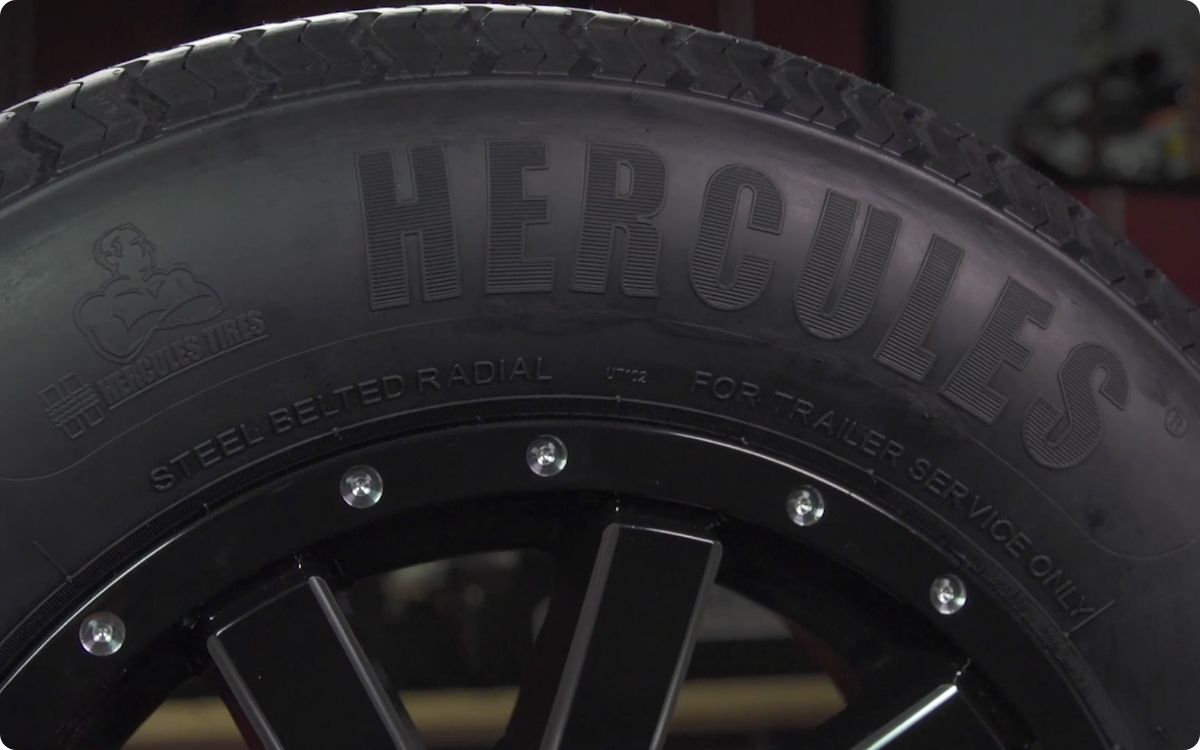
The brand also covers a broad mix of driving needs. You can find models for passenger cars, crossovers, SUVs, light trucks, winter driving, and even trailers. In practice, that means Hercules is not trying to be a niche brand with one or two standout products. It is trying to be a practical option for people who need tires that fit real-life vehicles and real-world budgets.
Who Makes Hercules Tires?
Hercules tires are made and supported by The Hercules Tire and Rubber Company, which presents itself as the company behind the brand on its official website. The company also highlights a long history dating back to 1952 on its own materials, which helps explain why the brand has stayed visible in the value-tire space for so long.
For shoppers, the important point is not just who owns the brand, but what kind of support comes with it. Hercules offers customer support, tire registration, care information, and warranty resources through its site, which is useful when you are buying from a brand that many drivers may know less about than the big household names.
Who Should Consider Hercules Tires?
Hercules is a smart brand to consider if you are a budget-conscious buyer who still wants a tire that feels dependable in normal driving. That includes commuters, families, SUV and crossover owners, pickup truck drivers, and people replacing worn-out OEM tires without wanting to pay premium-brand prices. The brand’s lineup and tire-finder tools are clearly built around those everyday needs.
It can also be a good fit if you like the idea of a strong warranty and a lower-risk purchase. Hercules says many of its passenger and light truck tires are backed by a road-hazard protection program and a 45-day “Trust our Ride” test drive, which is the kind of benefit that matters to cautious buyers.
Hercules is especially relevant for drivers who do not need a tire built for aggressive performance driving. If your goal is comfortable daily use, decent traction, and sensible pricing, the brand belongs on your shortlist. If you want luxury-car quietness, razor-sharp handling, or the highest possible winter capability, you may want to compare premium alternatives too.
Hercules Tires: Main Pros and Cons
Pros
- Competitive pricing
- Wide range of tire categories
- Good value for budget buyers
- Decent everyday performance in many models
- Practical for commuters, trucks, and SUVs
Cons
- Not the quietest or most refined option in every category
- Some models may not match premium-brand performance
- Tread life, wet grip, or snow traction may vary by model
- Not ideal for drivers who want top-tier handling or luxury-level comfort
Hercules Tire Performance Review
Hercules tires are built to give most drivers a good balance of price, comfort, and everyday performance. They are not usually the most advanced tires in the market, but they can still do the job well for normal driving. The real question is how they perform in the conditions most people actually face.
Dry Road Performance
On dry roads, many Hercules tires feel steady and predictable. Steering response is usually good enough for commuting, highway driving, and everyday errands. You may not get the sharp, sporty feel of a premium performance tire, but most drivers will find the handling easy to live with.
Cornering stability is generally solid for normal use. When you turn into a curve or change lanes on the highway, the tire usually feels controlled rather than loose or nervous. That matters because most people want a tire that feels safe and smooth, not one that tries to act sporty.
Braking confidence is another important point. In dry weather, Hercules tires usually provide reasonable stopping power for daily driving. They are made for practical use, so they do the basics well. Still, if you drive aggressively or expect high-end braking performance, a premium tire may feel more reassuring.
For everyday highway driving, the overall experience is usually comfortable and stable. These tires are made for real-world use, not racing or extreme performance, so they are a sensible choice for commuters and families.
Wet Traction
Wet traction is where tire quality becomes much more important. A tire can feel fine on dry pavement but lose confidence quickly when the road gets wet. Hercules tires vary by model, but many are designed to give decent grip in rain for normal driving.
Wet braking is usually acceptable for everyday use, especially on newer tires with plenty of tread left. Drivers should still be careful in hard rain, because budget-friendly tires may not stop as sharply as premium options.
Hydroplaning resistance depends a lot on the tire pattern and tread depth. Some Hercules models handle standing water well enough for routine commuting, while others may feel less confident if the road has deep puddles or heavy water buildup. As with any tire, performance drops as the tread wears down.
In heavy rain, the tread design matters a lot. Some Hercules tires inspire decent confidence because they move water away well, while others are better suited for light to moderate rain rather than stormy conditions. If you live somewhere with frequent heavy rain, it is worth checking the exact model instead of judging the whole brand as one thing.
Snow and Winter Performance
Hercules tires are not all built for snow, and that is important to understand. Some all-season models can handle light snow and cold weather, but they are not the same as a dedicated winter tire.
In light snow, many Hercules all-season tires can get by if you drive carefully and do not face harsh conditions every day. For mild winters, that may be enough. Drivers in places with only a few snowfalls each year often use all-season tires without major problems.
Cold-weather use is a bit different from snow use. Even when the roads are dry, tires can lose grip as temperatures drop. Some Hercules models hold up reasonably well in cool weather, but none of them should be expected to match the grip of a true winter tire on ice or packed snow.
If you live somewhere with regular snowfall, freezing roads, or icy mornings, a dedicated winter tire is the better choice. Hercules all-season models can handle mild winters, but they are not the safest option for severe winter driving.
Ride Comfort
Ride comfort is one of the areas where many buyers care most. After all, most people spend their time driving on rough city streets, potholes, patched highways, and broken pavement.
Many Hercules tires offer a comfortable ride for the price. They usually absorb small bumps well enough for daily commuting, and they are often easy to live with on longer drives. You probably should not expect a luxury-car feel, but the ride is generally good enough for regular use.
Road feel is usually straightforward and predictable. That means the tire communicates the road without feeling harsh or overly stiff. For many drivers, that is a good thing because it makes the vehicle feel settled and easy to control.
On rough pavement, comfort can vary by model. Some Hercules tires are better suited to smooth highway driving, while others are made to handle heavier vehicles or tougher use. If comfort is a top priority, it is worth checking reviews for the exact tire you plan to buy.
Road Noise
Road noise is another area where expectations matter. Some drivers do not mind hearing a little tire sound, while others want the quietest ride possible. Hercules tires are usually decent, but they are not always the quietest in their class.
At city speeds, most models are quiet enough for normal driving. On the highway, some tires stay calm and smooth, while others become more noticeable, especially on rough roads or older pavement. That is one of the small trade-offs that can come with a value-focused tire.
Noise can also increase as the tire wears. This is not unusual, but it is something to keep in mind if you plan to keep the tires for a long time. A tire that starts out fairly quiet may become more noticeable after years of use.
Drivers who care most about low noise are usually people who commute long distances, drive families around often, or spend a lot of time on the highway. If a very quiet cabin matters to you, it is worth looking closely at reviews for the exact model.
Tread Life and Wear
Tread life is one of the biggest questions buyers ask. Nobody wants to save money today and then replace the tires too soon. Hercules tires can offer good value, but their lifespan depends a lot on the model, the vehicle, and how the tires are used.
Some Hercules tires are built to last a reasonable number of miles for the price, while others are designed more for traction or comfort than maximum durability. That means one Hercules tire may wear differently from another, even if they are from the same brand.
Driving style has a big effect on wear. Hard braking, fast cornering, heavy loads, and poor tire pressure can shorten tire life no matter what brand you buy. Regular rotation and proper inflation help a lot, and that advice matters even more with budget tires.
The road surface and weather also matter. Hot pavement, rough roads, and frequent stop-and-go traffic can all wear tires down faster. If you drive mostly on highways with smooth pavement, your tires may last longer than if you drive in heavy city traffic every day.
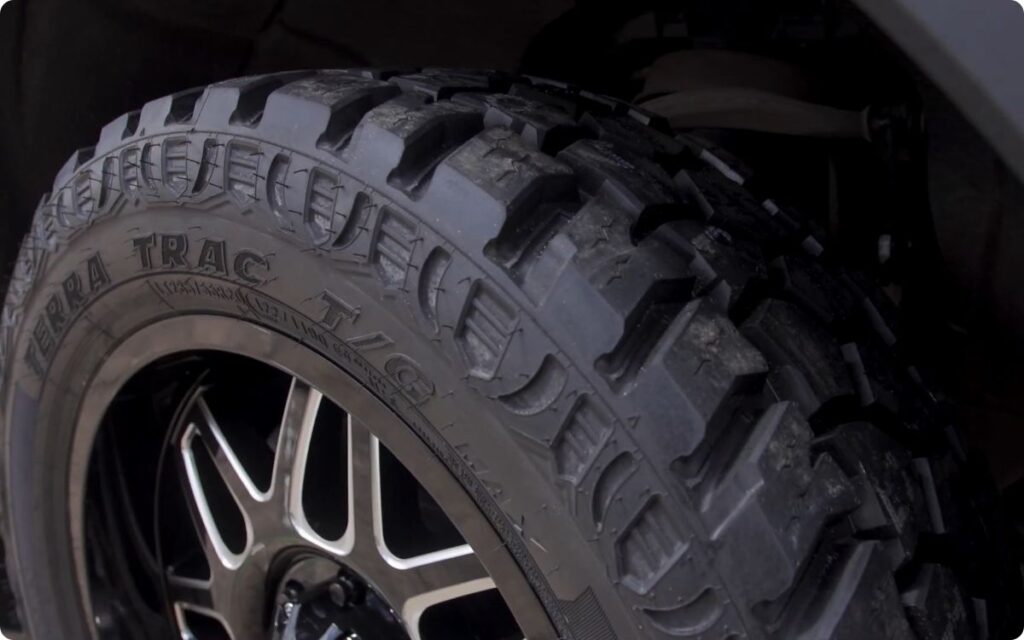
Some Hercules models may last longer than others simply because they are designed for different jobs. A touring tire, for example, may focus more on steady daily driving and tread life, while an all-terrain tire may sacrifice some longevity for stronger grip on loose surfaces.
Overall, Hercules tires can be a practical choice for drivers who want dependable everyday performance without paying premium prices. They are best seen as honest, value-focused tires: good enough in many situations, but not the top choice if you want the highest level of rain grip, winter traction, comfort, or long-distance refinement.
Hercules Tire Categories and What They Are Best For
Hercules offers several types of tires, and each one is made for a different kind of driving. That matters because the “best” tire is not always the most expensive one—it is the one that fits how you actually use your vehicle.
All-Season Tires
All-season tires are the everyday choice for many drivers. They are meant to give you a balanced mix of dry-road grip, wet-road safety, and decent comfort in normal weather.
These are a good fit for people who drive to work, run errands, and take regular highway trips. If you live in a place with mild weather and only occasional light snow, all-season tires can make a lot of sense.
The main trade-off is that they are built to do many things well, not one thing perfectly. In rough winter weather or more demanding conditions, they usually will not match a tire made for that specific job.
Touring Tires
Touring tires are made for drivers who care more about comfort than anything else. They are often a good choice if you spend a lot of time behind the wheel and want a smoother, quieter ride.
These tires are especially useful for long-distance commuting and highway driving. They usually feel calm and easy to live with, which is why many families and daily drivers like them.
The downside is that touring tires are not usually the best pick for aggressive driving or rougher conditions. They are built for comfort and steady performance, not excitement.
All-Terrain Tires
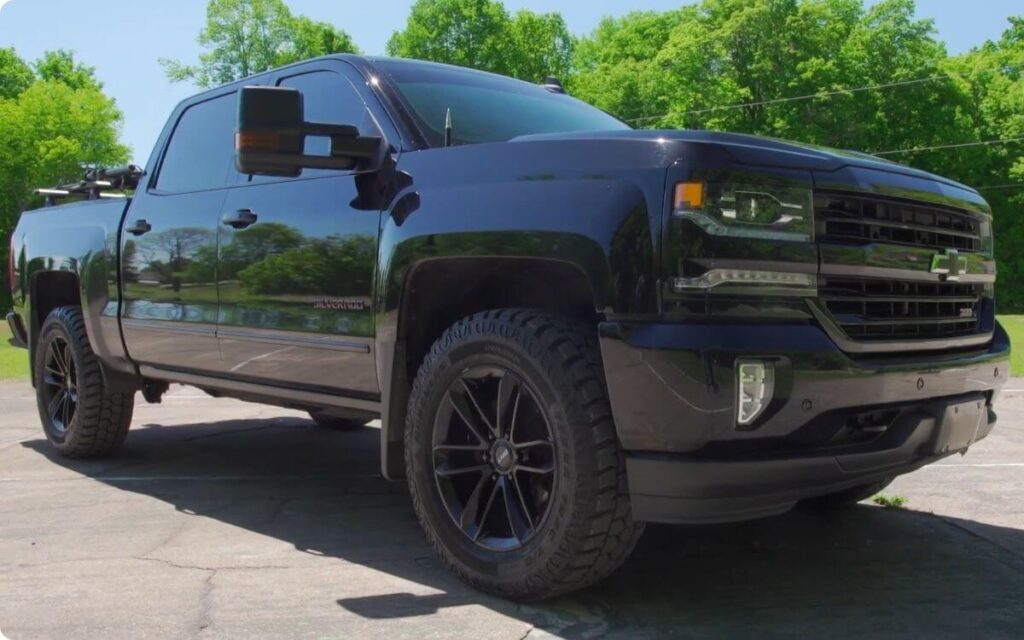
All-terrain tires are a strong choice for trucks and SUVs. They are designed for drivers who spend most of their time on pavement but still need some extra grip for dirt roads, gravel, or light trails.
They can also be useful for towing, job sites, and utility use. If you need a tire that can handle both everyday roads and occasional off-road work, this category is worth a look.
The trade-off is that all-terrain tires often make more road noise than touring or highway tires. They can also feel a little less smooth on regular roads, which is something to keep in mind if you drive mostly in the city.
Winter Tires
Winter tires are made for cold weather, snow, and icy roads. They use a softer rubber and tread design that helps them stay flexible and grip better when temperatures drop.
These tires matter most in harsh climates where winter driving can be difficult or unsafe. If your area gets heavy snow or long periods of freezing weather, winter tires can make a big difference in control and stopping power.
The main drawback is that they are not meant to be used year-round. In warm weather, they wear faster and do not perform as well as regular all-season tires.
Commercial or Work Truck Tires
Commercial and work truck tires are built for tougher jobs. They are made for vehicles that carry heavy loads, travel long miles, or work in demanding conditions.
These tires can be a smart fit for fleets, contractors, delivery vehicles, and utility trucks. They are designed to hold up better under pressure than a standard passenger tire.
The trade-off is that they are usually less focused on comfort. If your vehicle is a work tool first and a daily driver second, this category makes more sense than a softer, quieter tire.
Knowing these tire types makes the rest of the buying process much easier. Once you match the category to your driving needs, it becomes much simpler to compare specific Hercules models and pick the right one.
Hercules Tires vs Competitors
A lot of shoppers don’t compare Hercules tires against premium brands right away. They usually compare them with other affordable or mid-range brands to see where they get the best value.
That’s smart, because price alone doesn’t tell the full story. A cheaper tire may save money upfront but cost more later if it wears out quickly or performs poorly in bad weather.
Here’s how Hercules generally compares to other popular brands.
Hercules vs Cooper Tires
Cooper often sits slightly above Hercules in price, but many drivers feel the extra cost can be worth it.
Cooper tires tend to offer better ride comfort and often feel more refined on highways. Road noise is usually lower on many of their touring tires.
Wet traction is often stronger with Cooper, especially in higher-end models.
Hercules usually wins on upfront affordability. If your budget is tight, Hercules may feel like the better deal.
If you want better long-term refinement and don’t mind spending more, Cooper may be the safer choice.
Hercules vs General Tire
General Tire is well known for truck and SUV tires.
Compared with Hercules, General often offers stronger off-road reputation and slightly better durability in some all-terrain categories.
Ride comfort can be similar depending on the model.
Road noise varies, but aggressive tread patterns from both brands can get louder over time.
Hercules may be the better value for drivers who only need light off-road performance and want to save money.
Hercules vs Kumho
Kumho often competes directly with Hercules in the budget-friendly market.
Prices are usually close, although Kumho can sometimes cost a little more.
Kumho often performs well in wet conditions and may offer slightly better handling on some passenger tires.
Hercules may offer stronger value in certain truck tire categories.
This comparison often comes down to specific tire models rather than the overall brand.
Hercules vs Falken
Falken is very popular among truck and SUV owners, especially for all-terrain tires.
Falken tires often provide better off-road performance and stronger overall traction in tougher conditions.
They also tend to cost more than Hercules.
Ride quality can be slightly firmer on aggressive Falken models, and road noise may increase depending on the tread design.
Hercules may be the better option for drivers who want occasional off-road capability without paying more for serious trail performance.
Hercules vs BFGoodrich
BFGoodrich is often the brand people look at when they want serious off-road performance.
Their tires are usually more expensive than Hercules.
They often provide better durability, stronger off-road traction, and a more proven reputation among truck enthusiasts.
However, many BFGoodrich tires can be louder on highways and may feel less comfortable for everyday commuting.
If your truck spends most of its time on pavement, Hercules may offer better value.
If you regularly tackle difficult trails, BFGoodrich may be worth the extra cost.
Hercules vs Michelin or Goodyear
This is where the biggest price gap usually appears.
Michelin and Goodyear often cost significantly more than Hercules.
In return, they usually offer:
- Better ride comfort
- Lower road noise
- Stronger wet braking
- Longer tread life
- Better overall refinement
For drivers who want premium performance and plan to keep their vehicle for many years, paying more may make sense.
But not everyone needs top-tier tires.
Many drivers simply want reliable everyday performance at a lower price, and that’s where Hercules becomes appealing.
Where Hercules Fits in the Market
Hercules usually sits in the value category.
It’s often cheaper than premium brands and sometimes cheaper than mid-range competitors.
That lower price makes it attractive for drivers who want dependable tires without overspending.
The trade-off is that you may give up some comfort, long-term durability, or wet-weather performance depending on the model.
For many everyday drivers, that trade-off is completely reasonable.
The key is being honest about how you drive. If your needs are basic and your budget matters, Hercules can be a smart purchase. If you expect premium performance in every category, another brand may be a better fit.
Hercules Tires Price and Value
Price is the main reason many people search for Hercules tires in the first place. The brand explicitly markets affordability and value, and that matters because tires are one of the few vehicle purchases where the cheapest option is not always the worst option. Sometimes the smartest move is simply buying a tire that fits your needs without paying for features you will never use.
That said, value does not mean “cheapest.” A good value tire is one that lasts long enough, handles safely in your climate, and feels good enough in daily use to justify the price. Hercules looks strongest when you judge it on that definition. It is not a luxury tire brand, but it may still be an excellent value if the model and vehicle match properly.
Warranty and Customer Support
One of Hercules’ strongest trust signals is its Performance Promise warranty program. The company says it offers a 45-day “Trust our Ride” test drive, coverage for workmanship and materials, and road hazard protection for eligible passenger and light truck tires. Its warranty materials also state that eligible tires can qualify for free replacement for the first 50% of tread wear up to two years, with some model-specific differences.
That warranty support matters because it lowers the risk of buying a less familiar brand. Hercules also provides tire registration and support resources, which can be useful if you need help with a claim or want recall contact in the future. For a budget-minded buyer, that kind of backing can make the purchase feel much safer.
Real-World User Feedback
The most common praise a buyer usually wants from a tire brand like Hercules is simple: good value, decent performance, and no unpleasant surprises. Hercules’ own messaging leans into those same themes, which suggests the brand understands what its customers care about most.
The common complaints to watch for are usually the same ones that appear with many value brands: some models may not feel as refined as premium options, and performance can vary a lot from one tread design to another. That is why a careful review should never talk about “Hercules tires” as one single thing. A winter tire, an all-terrain tire, and a touring tire can give very different ownership experiences.
What to Check Before Buying Hercules Tires
Before you buy, make sure the tire actually fits the way you drive. Start with your vehicle, your climate, and your mileage expectations. A tire that looks like a bargain can become a bad purchase if it is too noisy for your commute, too aggressive for your SUV, or too mild for your winter weather. Hercules’ own tire-finder tool is built to help with this matching process, which is a useful reminder that tire shopping should begin with fit, not brand name.
You should also check load rating, speed rating, warranty coverage, and whether the dealer offers any extra protection. Hercules says proper inflation, alignment, and rotation are important to tire performance and life, so maintenance matters too. A good tire still needs proper care to deliver the value you paid for.
Frequently Asked Questions
Are Hercules tires good?
Yes, Hercules tires can be a good buy for drivers who want value, useful everyday performance, and a broad selection of tire types. The best choice depends on the model and the vehicle. Hercules itself markets the brand around performance, choice, affordability, and warranty support.
How long do Hercules tires last?
It depends on the model and how you drive. Hercules lists mileage coverage on some models, including 50,000 miles for the Raptis R-T6 and 60,000 miles for the Raptis R-T6X, but real-world life also depends on rotation, alignment, inflation, and road conditions.
Are Hercules tires good in snow?
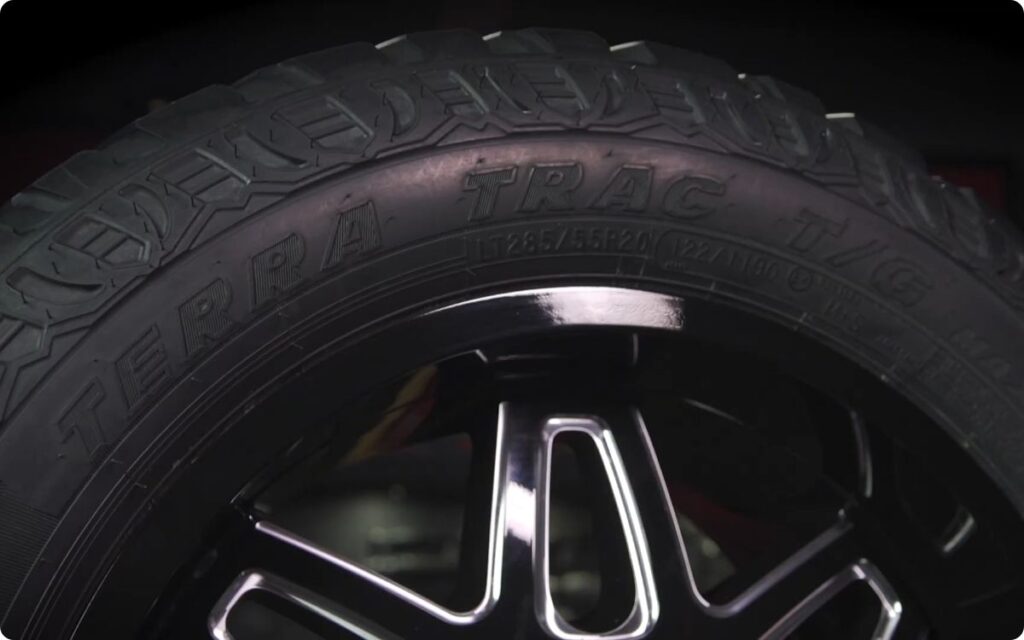
Hercules offers dedicated winter tires as well as all-terrain models with 3PMS certification, including the Terra Trac AT-X Venture. That gives cold-weather drivers options, but the right answer still depends on whether you need a true winter tire or just a capable all-season tire.
Are Hercules tires worth the money?
For many buyers, yes. They are especially worth considering if you want a practical tire at a lower price and value the added peace of mind of a warranty and road-hazard protection. If you want premium refinement above all else, you may prefer a more expensive brand.
Where can I find the right Hercules tire?
The easiest place to start is Hercules’ own tire-finder tool, which lets you search by vehicle, tire size, tire name, tire type, or performance feature. That is the most reliable way to narrow the choice before buying.
Final Verdict
Hercules tires are best seen as a smart value choice for practical drivers. They are not trying to beat premium brands at every detail. Instead, they aim to give you dependable everyday performance, a wide range of options, and meaningful warranty support at a price that is easier to justify. For commuters, SUV and light truck owners, and budget-focused shoppers, that can be exactly what matters most.
If your main goal is to buy a tire that fits your vehicle, handles daily driving well, and does not strain your budget, Hercules deserves a serious look. If you want the absolute best in ride comfort, quietness, or performance polish, you may want to compare it against more premium alternatives before making your final choice.
