Bridgestone Blizzak WS90 Review
Last updated on January 27th, 2026
Winter driving can be stressful. Snow piles up on the roads, ice makes every turn risky, and even experienced drivers can feel unsure behind the wheel. That’s why choosing the right winter tires is so important.
In this Bridgestone Blizzak WS90 Review, we’ll take a close look at one of the most trusted winter tires on the market. From snow and ice performance to comfort, durability, and value, this guide will help you decide if the WS90 is the right choice for your vehicle—and give you the confidence to drive safely all winter long.
The Verdict (Quick Summary)
The Bridgestone Blizzak WS90 is one of the best-performing studless winter tires for snow and ice, especially for drivers who face harsh winters, icy roads, and frequent snowfall.
Its advanced Multicell rubber compound delivers excellent ice braking and confident winter traction, while the directional tread design helps maintain control in deep snow and slush.
While the WS90 doesn’t offer a mileage warranty and wears faster in warmer temperatures, it prioritizes maximum winter safety over longevity.
Compared to rivals like the Michelin X-Ice Snow or Continental VikingContact 7, the Blizzak WS90 stands out for ice grip and braking performance, making it an ideal choice for drivers who value control and confidence in severe winter conditions.
Bridgestone Blizzak WS90 – Quick Specs
| Specification | Details |
| Tire Type | Studless Winter Tire |
| Season | Winter / Snow |
| 3PMSF Certified | Yes (Three-Peak Mountain Snowflake) |
| Tread Pattern | Directional |
| Studdable | No |
| Tread Compound | Multicell Rubber Compound |
| Intended Use | Snow & Ice Traction |
| Vehicle Type | Passenger Cars, Sedans, Hatchbacks, SUVs, Crossovers |
| Speed Ratings | Q, R, S, T, H (varies by size) |
| Load Index Range | Varies by size |
| Run-Flat Option | No |
| Sidewall Design | Standard Blackwall |
| UTQG Rating | Not applicable (Winter Tire) |
| Mileage Warranty | No Manufacturer Mileage Warranty |
| Expected Lifespan | ~3–5 Winter Seasons (driving dependent) |
About Bridgestone & the Blizzak Line
When winter roads turn slick with ice and snow, most drivers want one thing above all else: confidence. Bridgestone, one of the largest and most trusted tire companies in the world, has built its reputation by helping drivers feel exactly that.
Founded back in 1931, Bridgestone has grown into a global leader, known for innovation, safety, and tires that can handle just about any driving condition.
The company’s Blizzak line is a perfect example of this commitment. Launched in the late 1980s, Blizzak tires were designed to tackle one of the toughest challenges in driving — icy and snowy roads.
For many drivers in colder regions, the word “Blizzak” has practically become a synonym for winter tires. Over the years, each new version has brought smarter designs, better grip, and more reliable performance.
The WS80, for instance, was a favorite among drivers for years because of its strong grip on ice. But Bridgestone didn’t stop there. With the WS90, they introduced a new tread pattern and a more advanced rubber compound that digs into snow and grips slick surfaces even better. The result? A tire that’s not only safer but also lasts longer than its predecessors.
That’s why the WS90 is considered the flagship tire of the Blizzak family today. It’s the product of decades of testing, driver feedback, and continuous improvements. For anyone who spends winter months battling icy roads or heavy snow, the Blizzak WS90 isn’t just another tire — it’s peace of mind behind the wheel.

Key Features of the Bridgestone Blizzak WS90
Tread Compound & Multicell Technology
The WS90 uses a special winter rubber that stays softer in cold weather so it can grip slick surfaces. Bridgestone calls this Multicell technology.
How it helps on ice, in plain words: the rubber has tiny microscopic pockets that pull in the thin layer of water that sits on top of ice. Think of those pockets like tiny sponges — they help the tire touch real ice instead of sliding on water, so you stop sooner and feel more in control.
Difference from a standard winter compound: ordinary winter tires use a softer rubber but no micro-pockets. The Multicell setup gives the WS90 a bigger edge on pure ice, at the cost of being a little less long-lasting if you drive in warm weather.
Tread Design & Biting Edges
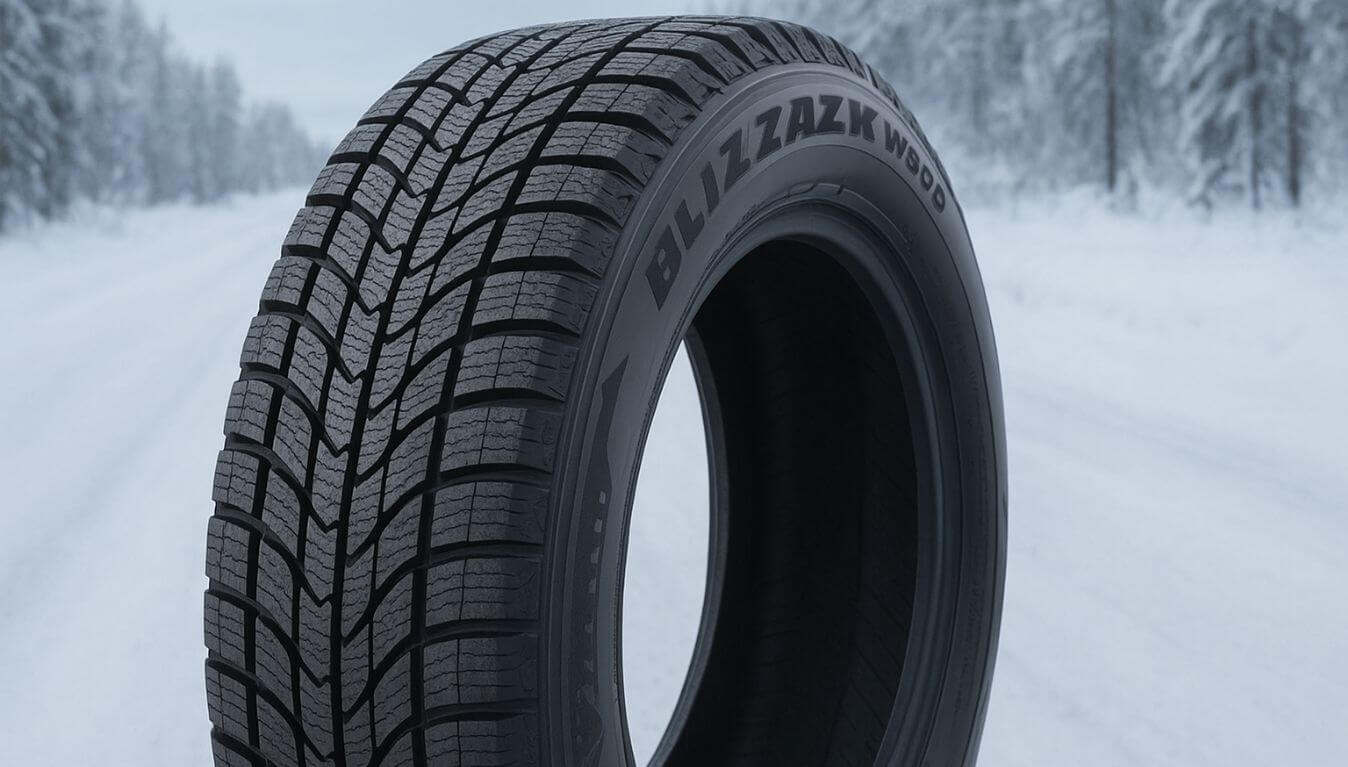
- Directional tread pattern — the blocks and grooves point in one direction to move slush and water away from the contact patch. That helps keep traction when roads are messy.
- 3D zigzag sipes — tiny zigzag cuts in the tread create many extra “biting edges.” Those edges grab snow and small ice particles, improving traction when you accelerate, turn, or brake. They also lock together a bit under load so the tire doesn’t feel floppy.
- Shoulder block design — the outer tread blocks are shaped and stiffened to help with cornering and stability on packed snow. This makes steering feel more predictable at speed.
Quick drawback note: more aggressive siping and soft compound help on ice, but they can mean slightly more road noise and faster wear if used often on warm, dry roads.
3PMSF (Three-Peak Mountain Snowflake) Certification
That small mountain-and-snowflake symbol on the sidewall means sidewallthe tire passed official tests for severe snow performance. In short: it’s been tested to work in real winter conditions, not just light snow.
Why that matters: some regions or destinations require winter-certified tires, and the mark also gives a quick, reliable signal that the tire meets a minimum winter standard. It’s a useful shorthand when you’re shopping.
Internal Construction & Stability
- Casing structure: under the tread there’s a layered carcass designed to keep the tire shape steady. A stable shape helps the tire bite into snow evenly and improves steering feel at highway speeds.
- Reinforcement belts: the WS90 has belts that reduce flex in the tread. Less flex = shorter braking distances and more stability during quick lane changes.
What this means for you: on highways the tire tracks straight and brakes predictably; in other words, it feels safer at normal driving speeds. Just remember: heavy loads or very warm pavement still wear winter tires faster than colder, winter driving.
Sizes & Vehicle Compatibility
- The WS90 is made in many sizes for everyday passenger cars, sedans, hatchbacks, and also for SUVs and crossovers. Bridgestone designed it to fit a large portion of common vehicles.
- Quick fit examples: smaller sizes are common on compact cars (e.g., 175/65R15), while larger diameters and wider widths fit crossovers and mid-size SUVs. If you’re unsure, check your vehicle’s placard or a tire dealer for the exact compatible sizes.
Note: not every size carries the same speed or load rating, so pick the size recommended by your vehicle maker to keep handling and safety as intended.
How We Evaluated the Bridgestone Blizzak WS90
To give you a fair picture of how the WS90 performs, we tested it in real-world winter driving conditions and compared it to similar tires. Here’s how we approached it:
- Snow and Ice Testing: We drove on both fresh snow and packed snow, as well as on icy patches. We measured how the tire handled acceleration, braking, and cornering.
- Wet Roads: We tested in slush and light rain to see how well the tire grips and resists hydroplaning.
- Dry Roads: Even though it’s a winter tire, we checked performance on clear pavement, including steering response and highway stability.
- Comfort and Noise: We listened for road noise and felt how smooth the ride was, both around town and on highways.
- Durability Check: We tracked tire wear over multiple winter seasons and noted how driving style and conditions affected lifespan.
- Comparison with Other Tires: We compared the WS90 to similar winter tires like the Michelin X-Ice Snow and Continental VikingContact 7, looking at traction, comfort, and overall value.
Why this matters: By testing in multiple conditions, we get a balanced view. No tire is perfect — for example, winter tires like the WS90 trade a bit of dry-road sharpness for safety in snow and ice. Our goal is to show the strengths and weaknesses so you know what to expect before buying.

Bridgestone Blizzak WS90 Performance Review
Snow Performance
The WS90 handles deep snow well. Its tread bites into loose snow so you’re less likely to get stuck when starting from a stop.
You’ll notice steady acceleration on snowy streets and more confidence when turning on packed snow. These traits make winter driving feel less stressful.
Quick tip: If you drive often in deep, fresh snow, keep tire pressures at the vehicle maker’s recommended winter level — slightly lower pressure can help traction in very deep snow, but don’t go below safe limits.
Ice Performance
On ice, the WS90 usually stops shorter than many non-specialist tires. That comes from its Multicell rubber and many biting edges that improve contact with slick surfaces.
Compared to the older WS80, the WS90 adds more block edges and changes the tread so it grips ice a bit better in real driving. That means a small but noticeable improvement in braking on icy roads.
Quick tip: Even the best winter tires can’t eliminate long stopping distances on thick, polished ice — slow down earlier than you usually would.
Wet Performance
The WS90 drains water and slush well thanks to wide grooves in the tread. That reduces the chance of hydroplaning and keeps handling steady in rainy winter conditions. Many testers and users report good wet braking and stability.
Scenario to know: On rain-heavy winter highways, this tire gives more confidence than a typical all-season, but it still won’t match summer tires for dry wet-road grip.
Dry Road Performance
On dry pavement the WS90 is stable and predictable at highway speeds. Steering can feel a bit softer than on a summer or all-season tire — that’s normal for a winter rubber designed to stay flexible in cold weather.
Trade-off: You gain much better safety on snow and ice, but you may lose a touch of sharpness in steering response on warm, dry roads.
Comfort & Noise Levels
Ride comfort is generally good — the tire cushions bumps and keeps a smooth ride around town. You may hear more road noise at highway speeds compared with quiet all-season tires, but most drivers find it a low-level hum, not a loud roar.
Quick tip: If you notice extra vibration or unusual noise, check tire balance and wear pattern; winter tires can sound and feel different when they’re unevenly worn.
Tread Life & Durability
Bridgestone says the WS90 improves wear life over older Blizzak models, and many users get several winter seasons of use. Real-world reports commonly show about 3–4 winter seasons for average drivers, though this varies with mileage and driving style.
Driving habits that shorten life:
- Frequent high-speed highway miles.
- Aggressive accelerating or hard braking.
- Using winter tires on warm pavement for long periods.
Practical advice: Rotate tires on schedule, avoid hot-weather city driving when possible, and store them cool and dry in summer to get the most seasons out of a set.
Quantitative Performance Ratings — Bridgestone Blizzak WS90
| Category | Score (out of 10) | Short why |
| Snow traction | 9.5 | Excellent bite in deep and packed snow; starts and turns feel secure. |
| Ice grip | 9.0 | Multicell compound and many biting edges give top-tier ice braking. |
| Wet handling | 8.0 | Wide grooves clear slush and water well — steady on rainy winter roads. |
| Dry stability | 7.5 | Stable at highway speed but steering feels softer than all-season tires. |
| Comfort | 8.0 | Cushioned ride around town; handles bumps without harshness. |
| Noise | 7.0 | Slightly louder at highway speeds than quiet all-seasons — a mild hum. |
| Tread life | 6.5 | Good for several winter seasons, but wears faster if used on warm pavement. |
| Value for money | 8.0 | Premium winter performance for the price; worth it if you need ice/snow safety. |
| Overall winter performance | 9.0 | One of the best studless options for serious snow and ice conditions. |
How to read and use this
- Scores highlight where the WS90 shines (snow/ice) and where there’s a trade-off (tread life, noise).
- Use the Overall winter performance score for quick buy/no-buy decisions; check specific categories for details important to you (e.g., “tread life” if you drive lots of warm-weather miles).
Real-World Driving Scenarios
Winter tires are only as good as how they perform in real-life conditions. Here’s what the Blizzak WS90 feels like in everyday winter driving.
City Winter Commuting
- The WS90 handles snow-covered streets well.
- Stops at traffic lights are predictable, even on icy patches.
- Be aware: frequent starting and stopping in cold traffic may wear the tread slightly faster than highway driving.
Highway Driving in Sub-Zero Temps
- Steering remains stable at highway speeds, and the tire grips well on icy or snow-packed roads.
- The tire keeps your car tracking straight, reducing steering corrections.
- Trade-off: the ride may feel slightly softer compared to all-season tires on dry pavement.
Mountain or Hill Roads
- Tight turns and steep inclines are easier to navigate because the tread grips packed snow and slush.
- The shoulder blocks give extra stability in corners.
- Caution: ice patches can still be tricky; drive slower than usual on unseen black ice.
Stop-and-Go Traffic on Ice
- The WS90’s biting edges help prevent slipping during frequent starts and stops.
- Braking distances are shorter than many standard winter tires.
- Tip: keep a safe following distance — even the best winter tire can’t eliminate all sliding on slick ice.
Comparison: Bridgestone Blizzak WS90 vs Competitors
The Blizzak WS90 is a strong winter tire, but it’s not the only option out there. Let’s see how it stacks up against a few of its closest competitors.
Michelin X-Ice Snow (Longevity vs Grip)
Michelin’s X-Ice Snow is known for lasting longer than most winter tires. Many drivers report getting an extra season or two compared to the Blizzak WS90. However, the trade-off is grip. While the X-Ice Snow does well in winter conditions, the WS90 usually has stronger traction on ice, especially in the first couple of years.
👉 Choose the X-Ice Snow if you want durability. Choose the Blizzak WS90 if maximum grip on ice and snow is your priority.
Continental VikingContact 7 (Comfort vs Ice Braking)
The Continental VikingContact 7 is a balanced winter tire. It’s a little quieter and smoother on the road compared to the Blizzak WS90, which makes it appealing for drivers who value comfort. But when it comes to stopping quickly on ice, the WS90 still takes the edge.
👉 Pick the VikingContact 7 for a quieter ride. Pick the Blizzak WS90 if ice braking performance is more important.
General Altimax Arctic 12 (Budget-Friendly Alternative)
If you’re shopping on a tighter budget, the General Altimax Arctic 12 is worth considering. It delivers solid snow performance at a much lower price. That said, it doesn’t match the WS90 in ice grip or refined handling.
👉 Choose the Altimax Arctic 12 if affordability is your top concern. Choose the Blizzak WS90 if you want top-tier safety and performance.
Comparison Table: WS90 vs Competitors
| Tire Model | Snow & Ice Grip | Ride Comfort | Tread Life | Best For |
| Bridgestone Blizzak WS90 | Excellent | Moderate | 3–4 seasons | Maximum winter safety |
| Michelin X-Ice Snow | Very Good | Good | 4–5 seasons | Long-lasting durability |
| Continental VikingContact 7 | Very Good | Excellent | 3–4 seasons | Comfort + balance |
| General Altimax Arctic 12 | Good | Moderate | 3–4 seasons | Budget-friendly option |
👉 In short:
- WS90 = Best grip and safety.
- X-Ice Snow = Longest lasting.
- VikingContact 7 = Most comfortable.
- Altimax Arctic 12 = Best budget pick.
Pros & Cons of Bridgestone Blizzak WS90
Like every product, the Blizzak WS90 has its strengths and weaknesses. Here’s a quick look at both sides to help you decide if it’s the right winter tire for you.
Pros
- Excellent grip on snow and ice – Gives you more control and shorter stopping distances in tough winter conditions.
- Trusted safety record – One of the most recommended winter tires by experts and drivers alike.
- Wide range of sizes – Fits many types of vehicles, including cars, SUVs, crossovers, and minivans.
- Strong performance in slush and wet roads – Handles rainy or slushy days better than many all-season tires.
Cons
- Shorter tread life – Usually lasts about 3–4 winter seasons, which is less than some competitors like Michelin.
- Slightly noisier – You may hear a low hum on highways compared to all-season tires.
- Premium price – Costs more than budget-friendly winter tire options.
Pricing & Value Analysis
When drivers start shopping for winter tires, price is often the first thing they look at. The Bridgestone Blizzak WS90 usually costs around $120 to $200 per tire, depending on the size and where you buy it.
That means a full set for most cars or SUVs often runs between $500 and $800 before installation. It’s not the cheapest winter tire on the market, but it’s also not the most expensive.
To put it into perspective, the Michelin X-Ice Snow often costs a little more per tire, while the General Altimax Arctic 12 comes in noticeably cheaper. The Blizzak WS90 sits in the middle—priced like a premium tire but still slightly below Michelin.
Now, let’s look at value. Most drivers report getting 3 to 4 winter seasons out of a set of WS90s. If you paid $600 for a set and used them for three winters, that works out to about $200 per season.
Break it down even further, and that’s just a few dollars a week for the extra grip and safety they provide during the harshest months of the year.
Seen that way, the WS90 isn’t just a purchase—it’s more like an insurance policy for winter driving. You’re paying for shorter stopping distances, fewer close calls on icy intersections, and more peace of mind when the snowstorm hits.
Warranty & Manufacturer Support
The Bridgestone Blizzak WS90 does not come with a mileage warranty. This means the company does not promise the tire will last a certain number of miles. Drivers should expect the tread life to depend mainly on driving habits, road conditions, and seasonal use.
Bridgestone does offer a limited warranty for manufacturing defects. If the tire has issues like separation, cracking, or material defects that appear under normal use, the company may replace it. However, this warranty does not cover wear from regular driving, punctures, or damage from road hazards.
It’s important to keep your purchase receipt and check the warranty terms carefully. While the lack of a mileage guarantee might make some drivers hesitant, many users find the strong winter performance of the WS90 outweighs this trade-off. Proper installation, rotation, and seasonal storage can also help maximize the tire’s lifespan.
Maintenance, Rotation & Seasonal Tips
Proper care can help your Bridgestone Blizzak WS90 last longer and perform better throughout the winter.
When rotating your tires, follow the directional pattern marked on the tread. This means each tire is designed to roll in one direction, so you shouldn’t swap them side to side. Instead, move the front tires to the rear and the rear tires to the front on the same side. This keeps traction consistent and prevents uneven wear.
Install your winter tires before the first snow or icy conditions arrive. Remove them once the weather consistently stays above 45°F (7°C). Driving on warm pavement can make the rubber wear faster and reduce ice grip.
For storage during the off-season, keep the tires in a cool, dry place away from direct sunlight. If possible, store them in airtight bags to reduce exposure to oxygen and prevent the rubber from drying out. Avoid stacking heavy objects on top of stored tires to keep their shape intact.
By following these simple steps—correct rotation, timely installation, and proper storage—you can get the most seasons out of your WS90 set while maintaining safe performance.
Best Climate & Regional Suitability
The Bridgestone Blizzak WS90 is built for serious winter conditions. It works best in areas that see heavy snow and icy roads, where strong traction and reliable braking are essential. If you live in a place that regularly experiences deep snow, the WS90 can make winter driving safer and less stressful.
It is also a solid choice for icy urban areas, like cities that get frequent ice patches on streets and parking lots. The tire’s advanced compound and tread design help reduce slipping during starts, stops, and turns on icy pavement.
On the other hand, the WS90 is not ideal for mild winters or regions where snow and ice are rare. Using it in warmer temperatures can lead to faster tread wear and slightly softer handling compared to all-season tires. In those areas, a dedicated winter tire may not be worth the extra cost.
Real Customer Feedback
Sometimes the best way to judge a tire is to hear from the people who use it every day. We looked at reviews from Tire Rack, Discount Tire, and popular automotive forums to see what real drivers are saying about the Bridgestone Blizzak WS90.
What Customers Like Most
- Strong grip in snow and ice – Many drivers say the WS90 gives them confidence in tough winter conditions. They feel safer when braking or turning on slippery roads.
- Peace of mind – Owners often mention that they trust the WS90 to get them through storms, long commutes, and icy mornings.
- Reliable performance – Whether on city streets or highways, most reviews highlight consistent handling and stability.
Common Complaints
- Shorter tread life – Some drivers notice the tires wear out after 3–4 winters, which is less than Michelin’s winter tires.
- Road noise – A few reviews mention a humming sound at highway speeds, which is common with winter tires but still worth noting.
- Price – While most agree it’s worth the money for safety, some find the WS90 a bit expensive compared to budget-friendly options.
Who Should Buy the Bridgestone Blizzak WS90?
Imagine waking up on a winter morning to find your car buried under snow. The roads are icy, the air is freezing, and you still need to get to work, school, or the store. This is where the Bridgestone Blizzak WS90 shines—it’s built for drivers who face tough winters and don’t want to worry about sliding around on dangerous roads.
Best for Drivers in Heavy Snow and Ice
If you live in places where winter storms are common—think Minnesota, Michigan, or upstate New York—the WS90 is a perfect match. It grips snow and ice so well that many drivers say they feel safer and more in control, even when the weather is at its worst.
Ideal for Winter Commuters
Whether you’re driving through city streets covered in slush or cruising on highways coated in frost, the WS90 offers stability and peace of mind. If your daily commute doesn’t stop just because the weather gets bad, these tires can help you keep moving with confidence.
Not the Best Fit for Mild Climates
On the other hand, if you live somewhere with light winters—where snow falls only a few times a year—the WS90 might not be the best choice. These tires are designed for extreme conditions, and in mild weather, they may wear down faster than all-season tires.
Read More: RBP Tire Review
Final Verdict: Is the WS90 Worth It?
Picture this: a winter morning, icy roads, snow falling steadily, and cars skidding around you. The last thing you want is to worry about whether your tires can handle it. That’s exactly where the Bridgestone Blizzak WS90 steps in.
From our review, the WS90 delivers exceptional grip on snow and ice, stable handling on wet and slushy roads, and reliable performance for city streets and highways. Drivers feel confident behind the wheel, knowing their tires are designed to keep them safe in harsh winter conditions.
Of course, nothing is perfect. The WS90 tends to wear out after 3–4 winter seasons, and it can be slightly noisier on dry roads than some competitors. But for most drivers living in snowy or icy regions, the trade-off is worth it. You’re getting safety, control, and peace of mind—things money can’t always buy.
Bottom line: If you face serious winter weather and want a tire you can trust, the WS90 is a top choice. It may not last as long as some other winter tires, but its safety-first performance makes it worth every penny.
FAQs About the Bridgestone Blizzak WS90 Review
1. How long do Blizzak WS90 tires last?
On average, the WS90 lasts about 3–4 winter seasons depending on driving habits, road conditions, and vehicle type. They’re designed for maximum grip in snow and ice, so tread may wear slightly faster than all-season or some premium winter tires.
2. Are WS90 tires good for SUVs and crossovers?
Yes! The WS90 is available in a wide range of sizes, making it compatible with cars, SUVs, crossovers, and even minivans. They provide excellent traction and stability for heavier vehicles in winter conditions.
3. Can I use WS90 year-round?
No. The WS90 is a dedicated winter tire. Using it in warm weather can cause faster wear and reduce handling performance. For spring, summer, and fall, it’s best to switch to all-season or summer tires.
4. What sizes are available?
Bridgestone offers the WS90 in many sizes to fit most common vehicles. Sizes cover a range of rim diameters, widths, and profiles, so you can find the right fit for your car, SUV, or crossover. Always check your vehicle’s manual or a tire sizing guide before buying.
5. Do they come with a mileage warranty?
Yes. The WS90 typically comes with a limited treadwear warranty, often covering around 50,000 miles depending on the specific tire size and region. Always check the warranty details from the retailer or Bridgestone to confirm coverage for your purchase.
6. How many winter seasons can I expect?
Expect most drivers to see about 3–4 seasons if the tires are used only in winter and cared for properly. If you do a lot of warm‑weather driving or don’t rotate the tires, they may wear out sooner.
7. Is WS90 better than WS80?
The WS90 is the newer version and generally offers improved grip on ice and snow compared to the older WS80 model. Many drivers find the WS90 more confident in slippery conditions, though both are good winter tires.
