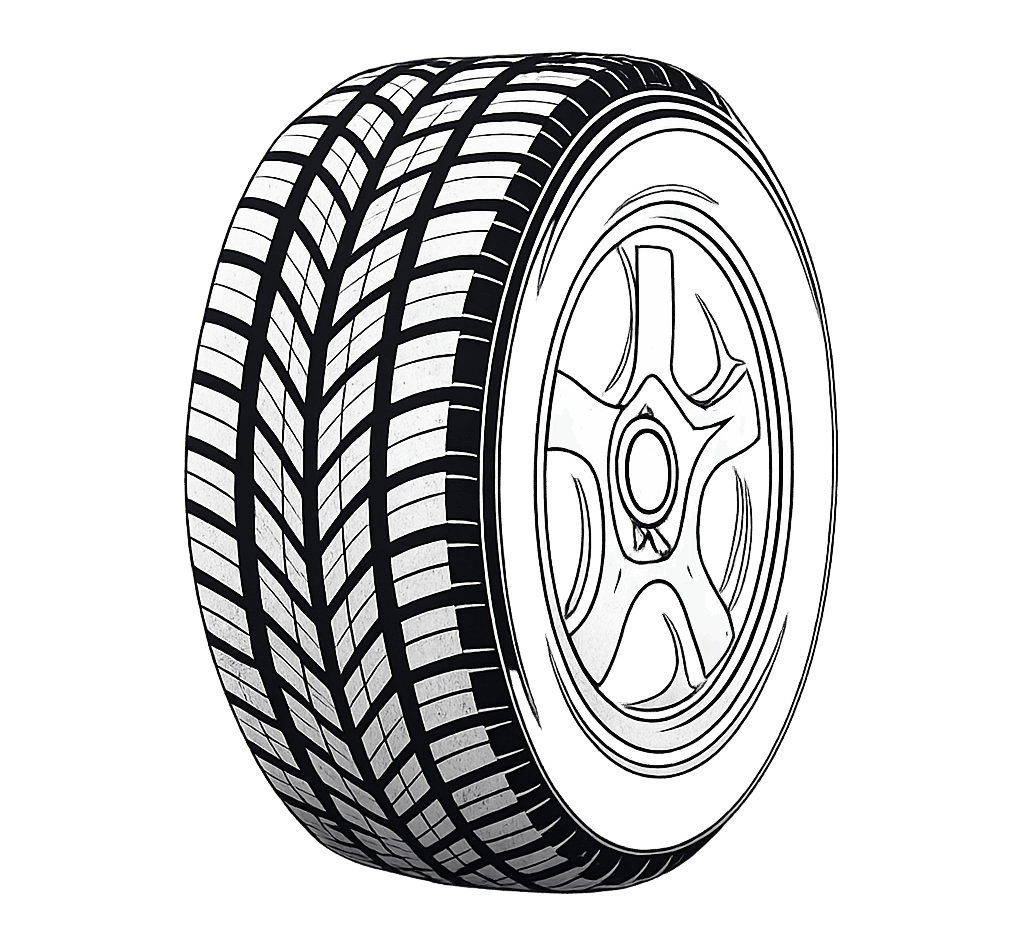
Choosing the right tire size is essential for your vehicle’s safety, performance, and overall driving experience. Our Tire Size Comparison Calculator helps you compare two different tire sizes side by side, so you can understand exactly how a new tire will affect your vehicle before making a purchase.
By entering your current (OEM) tire size and the new tire size you’re considering, this calculator instantly shows differences in tire diameter, width, sidewall height, circumference, and speedometer accuracy.
Whether you’re upgrading for better performance, switching to a different wheel size, or simply replacing worn tires, comparing tire sizes ensures you avoid rubbing issues, handling problems, or incorrect speed readings.
Tire Size Comparison Calculator
Tire 1 (OEM)
Tire 2 (New)
| Measurement | Tire 1 | Tire 2 | Difference |
|---|
Speedometer Reading
Visual Size Comparison
How to Use the Tire Size Comparison Calculator
Follow these simple steps — no math or technical knowledge needed.
1. Find your current tire size
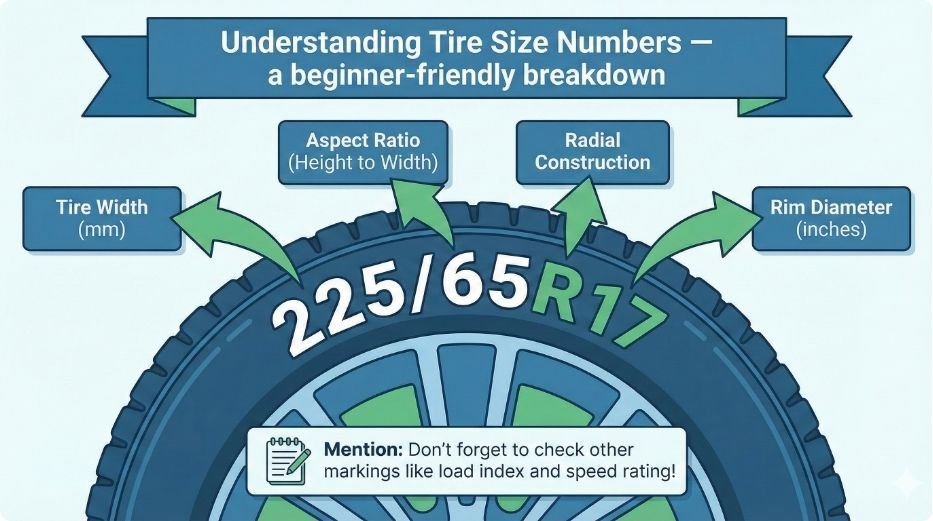
Look at the side of your tire or your vehicle’s owner manual. It looks like this: 225/65R17.
- 225 = tire width (millimeters)
- 65 = aspect ratio (sidewall height as a percent of width)
- 17 = rim (wheel) size in inches
2. Enter your current (OEM) tire size
Type the three numbers into the first set of boxes: width, aspect ratio, and rim size.
3. Enter the new tire size
Type the three numbers for the tire you want to compare into the second set of boxes.
4. Click “Calculate Comparison”
The calculator will work and show the results instantly.
5. Read the results (easy-to-understand):
- How much bigger or smaller the new tire is overall.
- How width and sidewall height change.
- How your speedometer reading may change.
- A simple visual that shows both tires side by side.
6. What to look for after the results
- Small changes (a few percent) are usually fine.
- Big changes can cause rubbing, affect handling, or change speed readings.
- If the speedometer changes a lot, you may need to adjust it or keep that in mind while driving.
Comparison Results
This section explains what the calculator shows after you compare two tire sizes. It uses plain language and gives clear next steps.
Tire Size Differences Explained
After you run the calculator, you’ll see a table that compares Tire 1 (your current/OEM tire) and Tire 2 (the new tire) side by side. The table usually shows:
- Tire Diameter — the overall height of the tire.
- Rim Size — the wheel diameter in inches.
- Sidewall Height — the height of the tire side (often shown as a number or in mm).
- Tire Width — how wide the tire is across the tread.
- Circumference — the distance around the tire.
Here’s a simple example table the calculator might show:
| Measurement | Tire 1 (OEM) | Tire 2 (New) | Difference |
| Tire Diameter | 24.0 in | 24.7 in | +0.7 in |
| Rim Size | 17 in | 17 in | 0 in |
| Sidewall Height | 4.9 in | 5.1 in | +0.2 in |
| Tire Width | 225 mm | 235 mm | +10 mm |
| Circumference | 75.4 in | 77.6 in | +2.2 in |
What the “Difference” column means
- A positive difference (for example, +0.7 in) means the new tire is larger than the OEM tire.
- A negative difference (for example, −0.5 in) means the new tire is smaller.
- Small changes (under about 2%) usually don’t cause problems. Larger changes (over about 3%) can affect fit and handling and should be checked by a pro.
Speedometer Impact
Changing tire size changes how far the car travels with each wheel turn. That can make your speedometer show the wrong speed.
- If the new tire is larger, the speedometer will read lower than your actual speed.
- If the new tire is smaller, the speedometer will read higher than your actual speed.
Simple example:
If the new tire is about 3% larger in diameter, the speedometer will read about 3% lower than your true speed. That means:
| Actual Speed (MPH) | Speedometer Shows (≈ for +3% larger tire) |
| 30 | 29.13 |
| 60 | 58.25 |
| 80 | 77.67 |
If the speedometer changes a lot, you might:
- Drive slightly slower to match the speed shown, or
- Have the speedometer recalibrated by a shop.
Visual Size Comparison
The visual comparison shows the two tire shapes side by side—one above the other or overlapping. This helps people who don’t want to read numbers.
Why the picture helps
- You can see how much taller or shorter the new tire looks.
- You can check whether the new tire will reduce the gap between the wheel and fender (or increase it).
- It makes it easier to imagine whether the tire will rub the wheel well or look out of place.
What to look for in the picture
- Big changes in height or width — these are the ones that might cause rubbing.
- Small, barely-noticeable changes — usually fine.
Why Use a Tire Size Comparison Calculator?
A tire size comparison calculator helps you make sure the tires you choose will work properly on your vehicle. Instead of guessing, you can see exactly how one tire size compares to another before buying or installing it.
Here’s how it helps:
- Compare your current tires with new ones
See the difference between the tires your vehicle came with and the ones you want to switch to. This helps you decide if the new size is a good match. - Understand size changes clearly
The calculator shows how tire diameter, width, and sidewall height change. You don’t need to do any math—it explains everything for you. - See the size difference visually
Simple diagrams show how one tire looks next to the other. This makes it easier to understand how much bigger or smaller the new tire really is. - Check how your speedometer may be affected
Changing tire size can make your speedometer read faster or slower than your actual speed. The calculator shows this difference so there are no surprises on the road.
Using a tire size comparison calculator helps you choose tires with confidence, avoid fitment problems, and keep your vehicle driving safely and smoothly.
Importance of Correct Tire Size
Choosing the right tire size is not just about looks. The correct size helps your vehicle drive safely, feel comfortable, and work the way it was designed to.
Safety Implications
Using the correct tire size helps your vehicle stay steady and easy to control. Tires that are too large or too small can change how the car handles when turning, braking, or driving at higher speeds. You may notice longer stopping distances, weaker grip on the road, or a less stable feel while driving.
Correctly sized tires also help safety systems like traction control and anti-lock brakes work properly. When the tire size matches what the vehicle expects, these systems can respond faster and more accurately in emergency situations.
Performance & Fuel Efficiency
Tire size affects how smoothly your vehicle drives and how much fuel it uses. Tires that are too wide or too heavy can make the engine work harder, which may lower fuel mileage. Tires that are the correct size roll more easily, helping the vehicle move efficiently.
Proper tire size also improves ride comfort. The right sidewall height helps absorb bumps in the road, making the drive feel smoother and quieter. This balance between comfort and control is what manufacturers aim for when they choose the original tire size.
Vehicle Warranty and Legal Compliance
Vehicle manufacturers recommend specific tire sizes for a reason. Using the wrong size may affect certain warranty coverage, especially if tire size changes lead to damage or poor performance.
In some areas, using tires that are far from the recommended size can also cause problems during vehicle inspections or traffic checks. Choosing a tire size close to the original helps you stay within legal guidelines and avoid unexpected issues.
Using a tire size comparison calculator helps you check whether a new tire size stays close to the manufacturer’s recommendation and keeps your vehicle safe, comfortable, and compliant.
Frequently Asked Questions
Can I put larger tires on my car?
Yes, but only within safe limits. Larger tires may cause rubbing, affect suspension components, or alter speedometer accuracy. Use the tire size comparison calculator to check compatibility.
How do tire size differences affect my speedometer?
A change in tire diameter affects how far the vehicle travels per wheel rotation. Larger tires make your speedometer read slower, while smaller tires make it read faster.
What does aspect ratio mean in tire sizes?
The aspect ratio is the sidewall height expressed as a percentage of the tire width. A lower aspect ratio means a shorter sidewall and sportier handling.
Will a bigger tire rub against my wheel well?
It depends on the width, diameter, offset, and suspension setup. The calculator helps estimate size changes, but always consider wheel offset and clearance as well.