All-Season Tires vs Winter Tires: Which Is Right for You?
Choosing the right tires can make a bigger difference than many drivers realize. Tires affect how well your vehicle brakes, turns, and stays in control when the weather gets cold, wet, snowy, or icy. That is why the question of all-season tires vs winter tires matters so much.
A lot of drivers assume all-season tires are good enough for every situation. In mild weather, they often are. But once temperatures drop and roads become snowy or icy, the difference between tire types becomes much more important. The right choice depends on where you live, how you drive, and how much winter weather you really face.
This guide breaks down the differences in a simple, practical way so you can make a smart decision with confidence.
Quick Answer
If you live in a place with mild winters, only occasional snow, and roads that are usually cleared quickly, all-season tires may be enough for your needs. They are convenient, familiar, and often more affordable upfront.
If you regularly drive in freezing temperatures, snow, slush, or ice, winter tires are the better choice. They are designed to stay flexible in cold weather and give you stronger grip when roads become slippery.
The simplest rule is this: if winter driving is a regular part of your life, winter tires are usually the safer option. If winter weather is light and rare, good all-season tires may be the more practical choice.
What Are All-Season Tires?
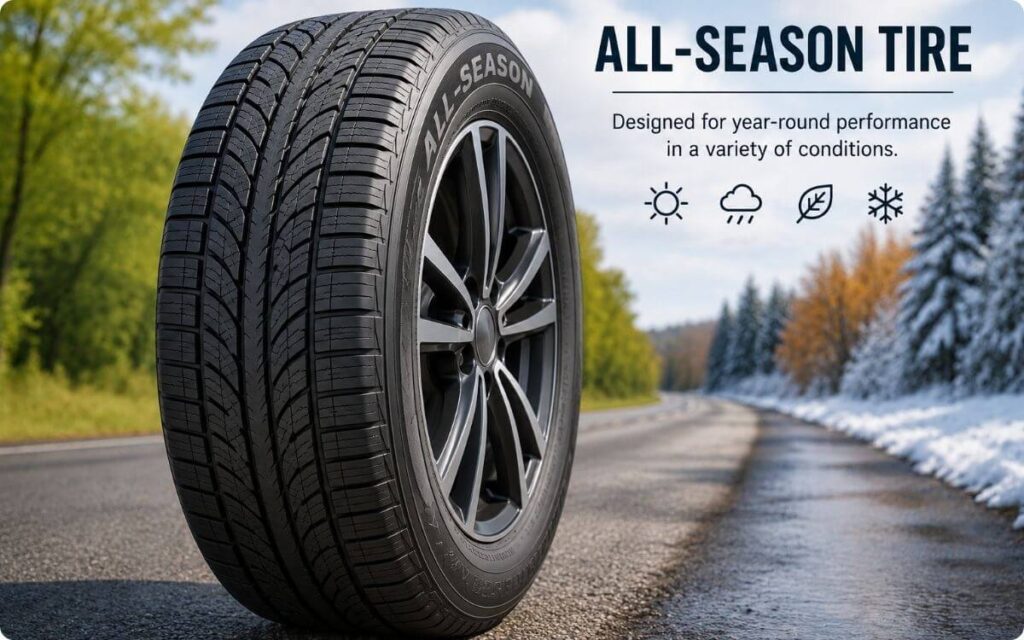
All-season tires are made to handle everyday driving in different types of weather. They are designed to work reasonably well on dry roads, wet roads, and in light winter conditions. For many drivers, they are the standard tires that come with a new car.
The main reason people choose all-season tires is convenience. You can usually keep them on your vehicle all year without changing them when the seasons change. That saves time, money, and the hassle of storing another set of tires.
They also tend to cost less upfront than buying separate summer and winter tires. For drivers who live in places with mild winters, that can make them a practical option.
In normal driving conditions, all-season tires do a solid job. They handle rain well and provide a comfortable, quiet ride for daily commuting, errands, and highway driving.
But they do have limits.
All-season tires are not built for heavy snow or icy roads. When temperatures get very cold, the rubber can become harder and lose some grip. That can make braking and turning more difficult in severe winter weather.
This does not mean all-season tires are unsafe. It simply means they are designed to be a middle-ground option instead of a specialist tire for extreme conditions.
For example, if you live in a city where roads are cleared quickly after snowstorms, all-season tires may work just fine. But if you regularly drive through deep snow, icy roads, or freezing temperatures, they may not give you the traction you need.
All-season tires are usually best for:
- Drivers in towns and cities
- Areas with mild winters
- Places that only get occasional snow
- People who mainly drive on plowed and maintained roads
For many people, they offer a good balance between comfort, cost, and convenience. The key is understanding where they perform well — and where they do not.
What Are Winter Tires?
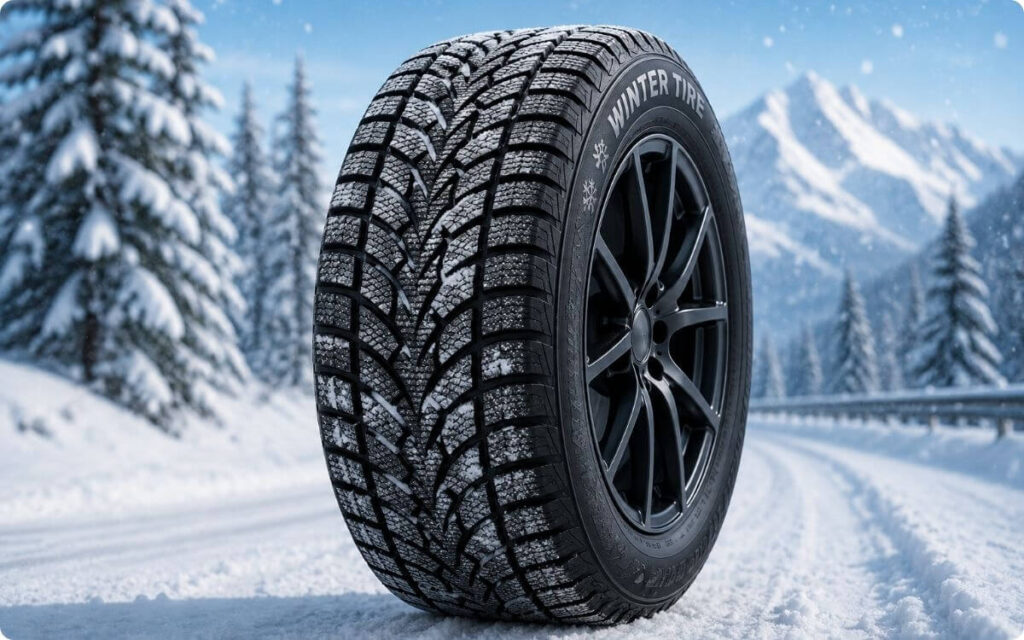
Winter tires are made for cold weather driving. They are built to handle snow, slush, ice, and freezing temperatures better than regular all-season tires. If you live somewhere with long winters or slippery roads, they can make driving feel much safer and more controlled.
What makes winter tires different is the material they are made from and the design of the tread.
The rubber in winter tires stays softer when temperatures drop. That may not sound important at first, but it makes a big difference on cold roads. Softer rubber can grip the road better, even when the surface is icy or freezing cold.
The tread also helps. Winter tires have deeper grooves and small cuts in the tread that are designed to grab snow and improve traction. This helps the tires hold the road better when conditions become slippery.
You often notice the difference most when braking.
On snowy or icy roads, winter tires usually stop the vehicle faster and more smoothly. They also help with turning and accelerating, especially when roads are covered in packed snow or slush.
For many drivers, the biggest benefit is confidence. The car feels more stable and predictable during winter driving. That can reduce stress during snowstorms or early morning commutes on icy roads.
But winter tires are not perfect for every situation.
They are not designed for warm weather. When temperatures rise, the softer rubber wears down faster on hot pavement. That means they should usually be removed once winter ends.
They also require more effort to manage. You may need a second set of wheels or a place to store the tires during warmer months. Some drivers do not want the extra cost or seasonal tire changes.
Still, for people who deal with real winter weather every year, the trade-off is often worth it.
Winter tires are usually the best fit for:
- Areas with regular snow and ice
- Mountain roads or rural areas
- Drivers who travel long distances in winter
- People who drive early in the morning or late at night when roads are colder
If winter weather is a regular part of your driving life, winter tires can provide extra grip and control when you need it most.
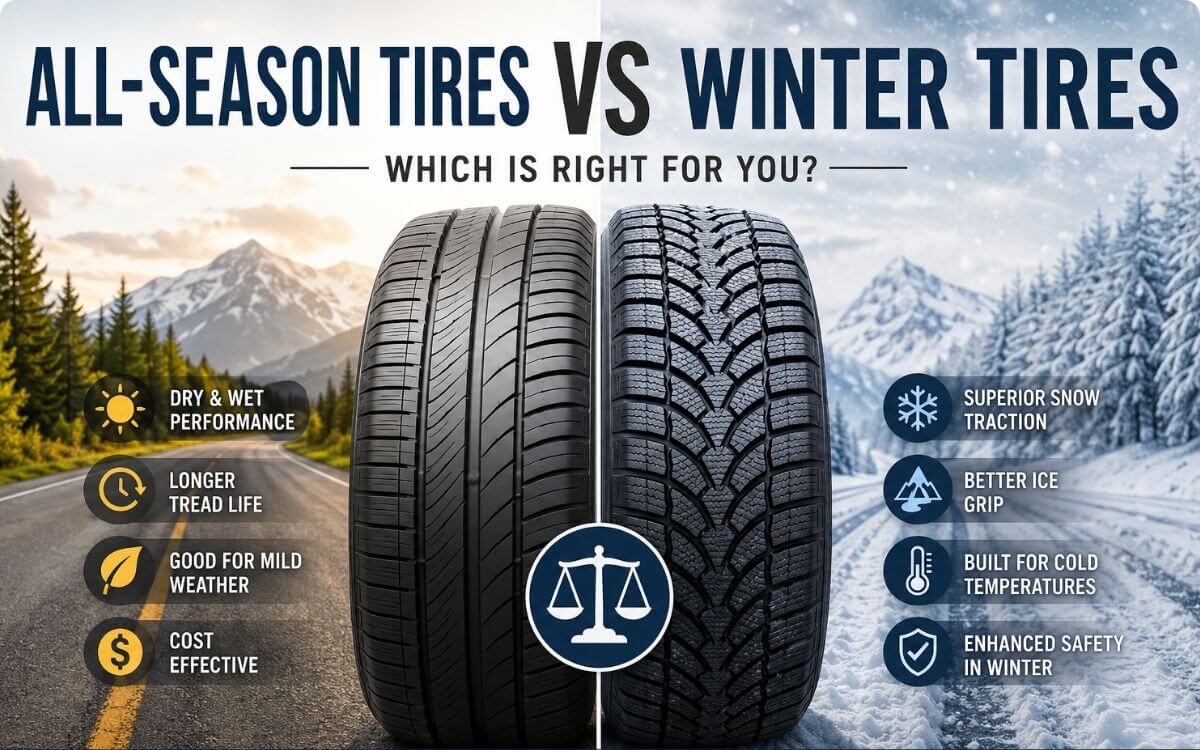
Quick Comparison table All-Season Tires vs Winter Tires: Key Differences
Here’s a simple comparison to help you quickly understand how all-season tires and winter tires perform in different conditions. This makes it easier to see which option fits your driving needs without going through long explanations.
| Feature | All-Season Tires | Winter Tires |
| Temperature performance | Works well in mild to cool weather | Designed for freezing temperatures and stays flexible in cold |
| Snow traction | Handles light snow, but struggles in deeper snow | Strong grip and better control in snow |
| Ice performance | Limited grip on icy roads | Much better control and shorter stopping distance on ice |
| Dry-road performance | Comfortable and stable for year-round driving | Works fine in cold dry weather, but not ideal in warm conditions |
| Tire wear | Slower wear in moderate climates | Wears faster if used in warm weather |
| Convenience | One set can be used all year | Needs seasonal change and storage space |
| Cost | Lower upfront cost | Higher upfront cost, but often better value in harsh winters |
All-Season Tires vs Winter Tires: Key Differences
At first glance, all-season and winter tires can look similar. But once the weather changes, the differences become much easier to notice. Some differences affect comfort and convenience, while others directly affect safety and control on the road.
Here is how they compare in real-world driving.
Temperature Performance
All-season tires are designed to handle a wide range of weather, but they work best in mild to cool temperatures. They can manage light winter conditions, especially if the roads are mostly clear.
Winter tires are built specifically for freezing temperatures. They stay more flexible in cold weather, which helps them grip the road better when temperatures drop.
If you live somewhere with long periods of cold weather, this difference matters more than many drivers expect.
Snow Traction
All-season tires can handle light snow, especially during short winter periods. For drivers in mild climates, they may be good enough for everyday use.
But in deeper snow, they start to lose grip more easily. The car may slide more when starting, stopping, or turning.
Winter tires are much better in snowy conditions. They are designed to dig into snow and provide stronger traction. That extra grip helps the vehicle feel more stable and easier to control.
Ice Performance
Ice is one of the hardest surfaces for any tire to handle.
All-season tires can struggle on icy roads, especially during freezing temperatures. Braking distances may become longer, and the vehicle may feel less stable during turns.
Winter tires perform much better on ice. They are not perfect — no tire can completely remove the danger of icy roads — but they provide more grip and control when roads become slippery.
For drivers who regularly deal with black ice or freezing rain, this can be a major safety advantage.
Dry-Road Performance
On dry roads, all-season tires are usually the better all-around choice for year-round driving. They are designed to stay comfortable and steady in normal weather conditions.
Winter tires also work fine on dry roads during cold weather. But once temperatures rise, they can feel softer and less responsive. They are simply not built for hot pavement or summer driving.
That is why most drivers switch back once winter ends.
Tire Wear
All-season tires are made for everyday use across different seasons, so they usually wear at a steady rate in moderate climates.
Winter tires wear faster in warm weather because their rubber is softer. If used year-round, they may wear out much sooner than expected.
Using each tire in the right season helps extend its lifespan and maintain better performance.
Convenience
Convenience is one of the biggest reasons many people choose all-season tires.
You can leave them on the vehicle all year, which means no seasonal tire changes and no need to store another set.
Winter tires require more effort. You need to switch them when the seasons change, and you also need storage space when they are not being used.
Some drivers do not mind the extra work because they value the added winter safety. Others prefer the simplicity of one tire set year-round.
Cost
All-season tires usually cost less upfront because you only need one set.
Winter tires cost more at first because you are buying an additional set and may also pay for seasonal installation. But in areas with harsh winters, many drivers feel the extra cost is worth it for the added traction and safety.
In some cases, using two sets of tires can even help both sets last longer since each one is only used during part of the year.
The better value depends on your climate, driving habits, and how severe your winters really are.
How Temperature Changes Tire Performance
Many drivers think snow is the main reason winter driving becomes dangerous. But temperature itself plays a big role, even before snow or ice appears on the road.
Tires are made from rubber, and rubber reacts to temperature changes. When the weather gets very cold, regular tire rubber starts to harden. Once that happens, the tire cannot grip the road as well as it normally would.
You can think of it like this: a softer material bends and sticks better, while a hard material slides more easily.
That loss of flexibility affects how the tire handles everyday driving. Braking can take longer, turns may feel less steady, and the vehicle may not respond as smoothly during sudden movements.
Winter tires are different because they are made with a softer rubber compound that stays flexible in freezing temperatures. Even when the road is icy or extremely cold, the tire can still press against the road surface more effectively.
That extra flexibility helps improve contact between the tire and the road. Better contact usually means better grip.
This becomes especially noticeable during real driving situations.
For example, if you need to brake suddenly at a traffic light or avoid something in the road, winter tires can help the vehicle react more predictably. The steering often feels more controlled, and the tires are less likely to slide during quick maneuvers.
The difference may not seem obvious during normal driving on clear roads. But during cold mornings, icy intersections, or unexpected winter weather, tire flexibility can have a major effect on how safely the vehicle handles.
That is one reason winter tires matter even in places that do not get constant heavy snowfall. Cold temperatures alone can change how well a tire performs.
Performance Comparison in Real Conditions
The biggest differences between all-season and winter tires usually show up during everyday driving. A tire may seem fine during normal weather, but road conditions can change quickly once temperatures drop or snow starts falling.
Here is how both tire types perform in real situations drivers commonly face.
Warm Weather Performance
In warm weather, all-season tires are usually the better choice. They are designed for everyday driving in normal temperatures and tend to feel stable, smooth, and comfortable on dry roads.
Winter tires can still be driven in warm weather, but they are not at their best. The softer rubber wears down faster on hot pavement and may feel less responsive during turns or quick lane changes.
For drivers who experience long summers or hot climates, winter tires are not practical year-round.
Dry Cold Roads
Cold weather changes how tires behave, even when the road looks completely dry.
All-season tires can still work reasonably well in light cold weather, but once temperatures become very low, they may lose some grip. The steering can feel slightly less steady, especially during sudden movements.
Winter tires usually feel more controlled in these conditions because the rubber stays softer and maintains better contact with the road.
This difference becomes more noticeable during early mornings, late nights, or long stretches of freezing weather.
Wet Slushy Roads
Slush can be one of the most frustrating winter driving conditions. It reduces traction and can make the vehicle feel unstable, especially during braking or lane changes.
All-season tires can manage light slush, but they may struggle if the roads become heavily covered or temperatures continue dropping.
Winter tires are built to handle slushy roads more effectively. Their tread helps move slush away from the tire, which improves grip and reduces slipping.
Drivers often notice better control and less sliding during wet winter weather with winter tires installed.
Deep Snow
This is where winter tires usually have the biggest advantage.
All-season tires can get through light snow, especially on roads that are quickly plowed. But in deeper snow, they often lose traction more easily. The vehicle may struggle to start moving, climb hills, or stop safely.
Winter tires are designed for these conditions. They grip snow better and help the vehicle stay more stable during acceleration and turning.
For drivers who regularly deal with heavy snowfall, this added traction can make daily driving much less stressful.
Ice and Black Ice
Ice is difficult for every tire, and no tire can completely remove the danger of icy roads.
Still, winter tires perform much better than all-season tires on ice and black ice. They provide more grip and help reduce sliding during braking and turning.
All-season tires can feel less predictable on icy roads, especially during sudden stops or quick steering movements.
Even with winter tires, careful driving is still necessary. Slowing down and leaving extra space between vehicles remains important in icy conditions.
Highway Driving
Highway driving during winter weather can quickly become dangerous because of speed, wind, and changing road conditions.
All-season tires may feel fine on dry highways during mild weather. But once snow, slush, or ice appears, traction can drop faster at higher speeds.
Winter tires usually provide better stability and confidence during winter highway driving. They help the vehicle maintain better grip during lane changes, braking, and sudden weather changes.
Drivers who commute long distances during winter often notice the difference most on highways.
Emergency Braking Situations
Emergency braking is one of the clearest ways to feel the difference between tire types.
On cold, snowy, or icy roads, winter tires usually stop the vehicle in a shorter distance. That extra grip can help avoid accidents or reduce the severity of a collision.
All-season tires can still perform reasonably well in mild conditions, but they often need more distance to stop once roads become slippery.
This matters most during unexpected situations — a car stopping suddenly ahead, a slippery intersection, or an obstacle appearing in the road.
In those moments, better traction can make a real difference in how much control the driver keeps.
When Are All-Season Tires Enough?
All-season tires are often enough for drivers who live in mild climates and do not deal with harsh winter weather very often. If the temperature only drops below freezing now and then, and snow is usually light, they can be a practical choice.
They also make sense when roads are cleared quickly after a storm. In places where plows and salt trucks keep roads in decent shape, all-season tires can handle daily driving fairly well.
These tires are also a good fit for people who mostly drive short, familiar routes. If your driving is local, predictable, and mostly on main roads, you may not need a separate set of winter tires.
Many drivers in milder areas are also comfortable slowing down and being more careful when the weather gets bad. That matters. Even the best tires have limits, and careful driving helps make up for some of them.
Still, one important point should be clear: all-season does not mean best in every season. These tires are built to do a decent job in a wide range of conditions, but they are not the strongest choice for severe winter weather.
So if your winters are mild, your roads are well maintained, and you are not often driving in deep snow or ice, all-season tires may be enough for your needs.
When Do You Actually Need Winter Tires?
Winter tires make the most sense when cold weather is not just occasional, but a regular part of your driving life. If temperatures often stay below freezing, standard tires can lose some of their grip even when the roads look dry.
They are also worth serious consideration if you drive in places that get regular snow or ice. A road that looks only a little slippery can still be hard to handle, especially when you need to stop, turn, or climb a hill.
Mountain driving is another strong reason to use winter tires. Steeper roads, changing weather, and colder temperatures can make traction problems show up quickly. In those conditions, having tires made for winter can make the drive feel more stable and less stressful.
Rural drivers often benefit too. In many rural areas, roads are cleared later than in cities, and the surfaces may stay snowy or icy for longer. If that sounds familiar, winter tires can help give you more control when roads are not in great shape.
They also make sense for people who drive early in the morning or late at night. Those are often the coldest times of day, and untreated roads can be slick even if the snow has stopped.
Some drivers simply want the safest option and do not mind the extra effort of changing tires. If that is you, winter tires are usually the better choice when winter weather is serious.
A simple rule helps make the decision easier: if winter weather is bad enough that stopping distance and grip are real concerns, winter tires are worth thinking about. That does not mean every driver needs them, but it does mean the risk is high enough that better traction can matter a lot.
The bottom line is this: if winter affects your driving often, not just once in a while, winter tires are usually the smarter pick.
Who Should Choose Which Tire?
There is no single “best” tire for everyone. The right choice depends mostly on where you live and how you drive every day. Thinking in terms of driver types can make the decision much easier.
City commuter in a mild climate
If you mainly drive in a city where winters are mild, all-season tires are usually enough. Roads are often cleared quickly, and snow does not stay for long.
In this situation, convenience matters more than extra winter grip. You can safely use one set of tires all year without much trouble.
Highway commuter in a snowy region
If you drive long distances on highways in a place that gets regular snow, winter tires are often the safer choice.
Highways can look clear but still become slippery quickly when temperatures drop. Winter tires give you better control when driving at higher speeds in changing conditions.
Rural driver
Rural drivers often face less predictable road conditions. Roads may not be cleared as quickly, and snow or ice can stay longer.
In these cases, winter tires usually make more sense. The extra grip can help when roads are rough, slippery, or poorly maintained.
Occasional snow driver
If snow only happens a few times a year and roads are usually cleared quickly, good-quality all-season tires may be enough.
You should still drive carefully during those rare snow days, but you may not need the extra cost or effort of winter tires.
Safety-focused driver
Some drivers simply want the highest level of control in winter conditions, no matter where they live.
For them, winter tires are usually the better option. They provide stronger grip and shorter stopping distances in cold weather, which can offer extra peace of mind.
Simple way to decide
If you are still unsure, think about this: how often does winter weather actually affect your driving?
If it is frequent, winter tires are usually worth it. If it is rare and mild, all-season tires are often enough.
Cost Comparison: Upfront Price vs Long-Term Value
Cost is one of the biggest reasons people choose all-season tires. They usually cost less upfront because you only need one set, and you do not have to pay for seasonal swaps or extra storage.
Winter tires cost more at first because you are either buying an additional set or paying for regular tire changes. That can make them seem expensive. But the real cost depends on how you use them.
If you use winter tires only during cold months and switch back to all-season tires when the weather warms up, both sets may last longer overall. That can help balance out the cost over time. In some cases, the safer choice may also be the better long-term value.
There are other costs to think about too. You may need storage space for the off-season set. You may also pay mounting and balancing fees when you switch tires. These costs matter, but they should be weighed against the safety benefits and the wear savings from using each tire type in the right season.
The cheapest option is not always the best value. For some drivers, winter tires are worth every extra dollar. For others, all-season tires are the more reasonable and practical fit.
Safety Considerations That Matter Most
When people compare all-season tires vs winter tires, the most important question is safety. Tires affect how quickly a vehicle can stop, how well it can turn, and how much control the driver has in an emergency.
Winter tires usually shorten stopping distances in cold, snowy, or icy conditions. That difference can help you avoid a crash or reduce the severity of one. They also improve traction when you are accelerating from a stop or trying to climb a hill on a slippery road.
All-season tires can do a good job in mild conditions, but they are not built to handle the worst of winter. That does not mean they are unsafe everywhere. It means they are less capable when the road surface becomes genuinely difficult.
The most important safety lesson is simple: the right tire can help you stay in control, but no tire can replace careful driving. Slowing down, leaving more space, and being prepared for weather changes still matter every time you get behind the wheel.
Common Myths About All-Season vs Winter Tires
One common myth is that all-season tires are good enough everywhere. That sounds convenient, but it is not true in harsh winter conditions. They are a compromise, not a specialist tire for a severe cold.
Another myth is that winter tires are only useful when the road is covered in snow. In reality, they also help in cold temperatures and on icy roads, even when snow is not falling.
Some drivers worry that winter tires are unsafe on dry roads. That is not quite right. They are simply not ideal for warm pavement. In cold dry weather, they can still be a very good choice.
There is also a belief that all-season tires are always cheaper overall. That may be true at first, but the real cost depends on how long the tires last, how much wear they take, and how much value you place on better winter performance.
How to Choose the Right Tire for Your Situation
A good tire choice starts with a few honest questions. How cold does it get where you live? How often do you drive in snow or ice? Are roads usually cleared quickly? Do you have room to store a second set of tires? And how important is winter safety to you?
If your winters are mild and snow is rare, all-season tires may be the right answer. They are simple, affordable, and easy to live with.
If winters are severe, winter tires are usually the smarter choice. They are built for the exact conditions that make driving more dangerous.
For drivers in the middle, the decision can go either way. In some mixed climates, all-season tires are enough. In others, the extra grip of winter tires is worth the added effort. The best choice is the one that matches your real driving conditions, not just your budget or convenience.
Tread Life, Maintenance, and Storage Tips
No matter which tire type you choose, good maintenance matters. Tire pressure should be checked regularly, especially in cold weather, because temperatures can affect inflation. Proper pressure helps maintain grip and even wear.
Tire rotation is also important because it helps tires wear more evenly. That can extend their life and improve performance over time.
If you use winter tires, storage is part of the plan. Keep the off-season set in a cool, dry place away from direct sunlight and heat. Clean them before storing them and label them if needed so you know where each tire belongs next season.
It is also wise to watch for signs that tires are aging or wearing out. Uneven tread wear, cracks, and reduced tread depth all mean it may be time for replacement. Tires are one part of the car where cutting corners is not worth it.
Buying Tips
When shopping for tires, do not rely on marketing alone. Independent tire tests, owner reviews, and advice from trusted mechanics can all help you make a better choice.
Make sure the tire size matches your vehicle’s requirements. A tire that sounds impressive is not useful if it is the wrong fit. Look for tires that suit your climate, your driving style, and the roads you use most often.
It also helps to think beyond price. A cheaper tire may save money today but perform poorly when the weather turns bad. A more capable tire may cost more upfront but give you better safety and longer-term value.
If you are unsure, a reputable tire shop or mechanic can help you narrow the options based on your region and your vehicle.
Related Topic: All Season vs All Weather Tires
FAQ Section
Are all-season tires safe in snow?
They can handle light snow, but they are not as capable as winter tires in deeper snow or icy conditions.
Do winter tires improve braking?
Yes. In cold, snowy, and icy conditions, winter tires usually provide shorter stopping distances than all-season tires.
Can I use winter tires all year?
You can, but it is not recommended. They wear faster in warm weather and are not designed for year-round use.
Are all-weather tires a middle ground?
Yes. They are designed to offer better winter performance than standard all-season tires while still working year-round, though they are still not the same as dedicated winter tires in severe conditions.
How do I know when to switch to winter tires?
A common rule is to switch before winter weather becomes severe, especially if temperatures regularly fall below freezing.
Are winter tires worth the money?
For drivers in cold, snowy, or icy regions, they often are. The safety benefits can be well worth the extra cost.
Final Verdict
The choice between all-season tires and winter tires comes down to how much winter your driving life really includes.
All-season tires are a practical, convenient option for mild climates and light winter weather. They are easy to live with and work well for many everyday drivers. But they are not built for serious snow and ice.
Winter tires are the better choice when cold weather becomes a real driving challenge. They give you stronger grip, better braking, and more confidence when roads are slippery and temperatures stay low.
If winter weather is part of your normal routine, winter tires are usually the safer and smarter investment. If winter is short and mild where you live, all-season tires may be enough. The best choice is the one that keeps you safe and fits the conditions you actually drive in.
