Why Are Tires So Expensive: Real Reasons Behind High Tire Prices
If you have ever walked into a tire shop and seen the final price, you probably had the same reaction many drivers have: Why are tires so expensive? It is a fair question. A set of tires can cost as much as a major car repair, and the total often feels much higher than people expect.
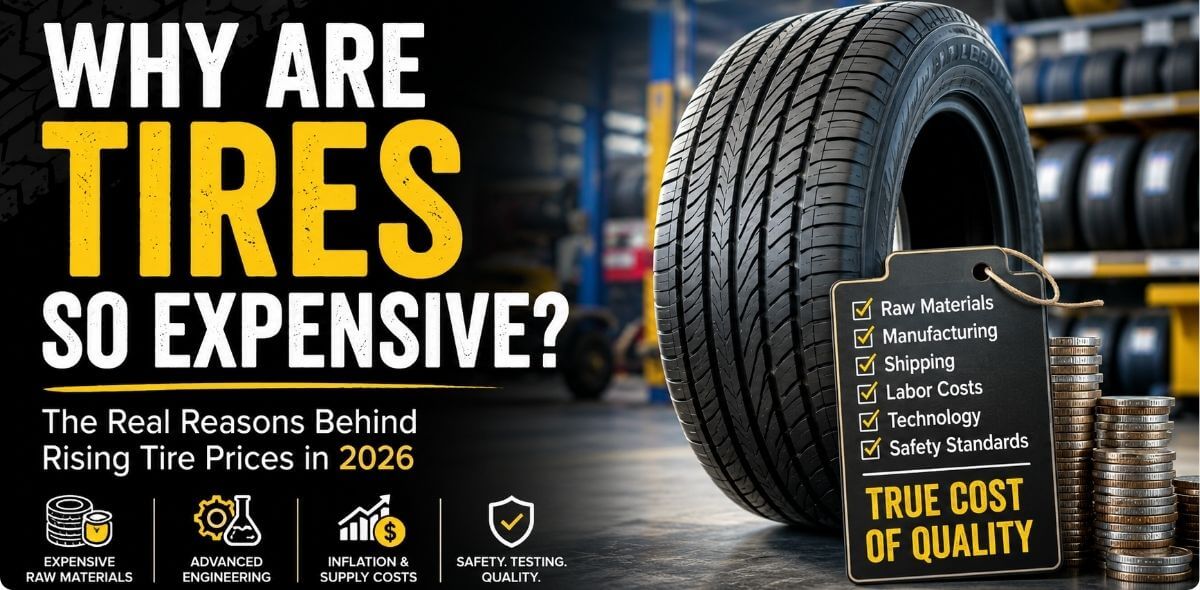
The short answer is that tires are not simple rubber rings. They are carefully engineered safety products made from expensive materials, tested under strict standards, and sold through a supply chain that adds its own costs. On top of that, installation, balancing, disposal fees, and alignment can push the final bill even higher.
This guide explains the real reasons tire prices are high, what hidden costs many buyers miss, whether expensive tires are worth it, and how to save money without making a poor choice. By the end, you will understand what you are paying for and how to make a smarter decision the next time you need new tires.
How Much Do Tires Cost Today?
Tire prices vary a lot depending on the vehicle, tire size, brand, and performance level. A basic passenger tire may seem affordable at first, while a larger SUV, truck, or performance tire can quickly become much more expensive.
Average Price by Tire Type
Passenger car tires are usually the least expensive because they are smaller and use less material. SUV and crossover tires cost more because they are larger and often need stronger construction. Truck and all-terrain tires usually sit at the high end because they must handle heavier loads, rougher roads, and tougher use. Performance tires can also cost more because they are designed for better grip, handling, and braking.
Price Range by Category
Budget tires are usually the lowest-cost option, but they often sacrifice tread life, comfort, or wet-weather performance. Mid-range tires often offer the best balance for most drivers because they provide decent quality without the highest price tag. Premium tires cost the most, but they often come with better materials, longer tread life, more advanced engineering, and stronger performance in rain, heat, or snow.
Cost of a Full Set
Most drivers do not buy just one tire. They buy a full set, and that is where the price shock really happens. Even if the tire price looks manageable on its own, the final bill usually includes mounting, balancing, disposal fees, taxes, and sometimes alignment. That is why a tire purchase can feel much bigger than expected when the shop gives you the full total.
Why Are Tires So Expensive
Tire prices are high for several reasons, and most of them make sense once you understand how tires are built and sold.
Raw Materials Are Expensive
Tires are made from more than rubber. They use natural rubber, synthetic rubber, steel belts, fabric layers, carbon black, silica, oils, and chemical additives. Each of these materials affects cost. Natural rubber prices can change based on global supply, weather, farming conditions, and demand. Synthetic rubber often depends on oil-based materials, which means fuel and petrochemical prices can influence tire production too.
Tires also need steel for strength and structure. The belts inside the tire help it keep its shape, carry weight, and stay stable at speed. High-quality materials cost more, but they are necessary for safety and durability. A cheaper material blend might lower the retail price, but it could also reduce tread life, grip, or comfort.
Tires Are Highly Engineered Products
A tire may look simple, but it is one of the most complex parts on a car. It must grip dry roads, handle wet roads, resist heat, support vehicle weight, reduce road noise, and last for thousands of miles. It also needs to roll efficiently so it does not waste fuel.
Designing a tire that performs well in all those areas is not easy. A tire with excellent grip may wear faster. A tire that lasts a long time may not stop as quickly in the rain. A quiet tire may need a different tread pattern than a sporty tire. Engineers have to balance all of these needs at once, and that level of design is part of what you are paying for.
Research and Development Costs
Big tire companies spend a lot of money on research and testing. They build new tread designs, test rubber compounds, study wet braking, measure wear, and look for ways to reduce noise and improve fuel efficiency. This work costs money long before a tire ever reaches a store shelf.
That research is not wasted. It is what helps produce safer tires with better traction, more consistent wear, and better overall value. When a company spends heavily on development, those costs are built into the price of the tire.
Strict Safety Regulations
Tires are safety-critical products, so they must meet strict standards. They are tested for strength, load capacity, heat resistance, traction, and other safety-related performance factors. These requirements protect drivers, but they also raise production costs because tire makers have to invest in testing, certification, and quality control.
This is one of the main reasons cheap-looking tires are not always a smart bargain. A tire that costs less may have fewer safety features, simpler materials, or a shorter testing process. That can affect real-world performance when the road gets wet, hot, or rough.
Manufacturing Complexity
Tire manufacturing is far more involved than many people realize. Multiple layers of rubber and reinforcement materials must be shaped, assembled, and cured under controlled conditions. If one part of the process is off, the final tire may not meet the required standard.
This process requires advanced equipment, trained workers, and careful quality checks. It is not a product that can be made cheaply without trade-offs. The more precise the tire design, the more expensive it tends to be to build.
Shipping and Supply Chain Costs
Most tires are made in large factories and then shipped around the world. That means transportation, import handling, warehousing, and distribution all add to the final price. When fuel costs rise, shipping costs often rise too. When supply chains are disrupted, the cost can go up again.
Even when the tire itself is not dramatically more expensive to make, getting it from the factory to the store can add a meaningful amount to the final retail price. Many drivers do not see this part of the process, but it is built into what they pay.
Inflation and Market Trends
Like most products, tire prices are affected by inflation. Labor costs go up. Raw materials go up. Shipping goes up. Store overhead goes up. Over time, these increases add up and show up on the final invoice.
This is one reason a tire that seemed fairly priced a few years ago may now cost much more. The market does not stay still, and tire pricing moves with it.
Retail Markups and Distribution
The tire maker does not sell directly to every driver. Tires often pass through distributors, wholesalers, and retailers before they reach the customer. Each step in that chain adds some margin to cover business costs and profit.
That does not mean the price is unfair. It simply means the final number reflects more than the tire’s factory cost. The shop also has to cover rent, staff, equipment, service, warranties, and other business expenses.
Hidden Costs of Buying Tires
Many drivers focus only on the tire price and are surprised when the final total is much higher. That happens because the tire itself is only part of the purchase.
You may also pay for mounting, balancing, tire disposal, valve stems, TPMS service, and alignment. Taxes and shop fees can also add to the bill. In some cases, these extra charges make the total cost feel much bigger than the tire price alone.
This is important because two tires with the same sticker price may not cost the same in the end. One shop may include more services, while another charges separately for each one. Always ask for the full out-the-door price before you decide.
Why Are Truck and SUV Tires Even More Expensive?
Truck and SUV tires usually cost more than standard passenger car tires because they are bigger, heavier, and built for tougher use. Larger tires need more raw material, and more material means more cost.
They also often need stronger sidewalls and higher load ratings. If the tire is designed for towing, hauling, off-road driving, or all-terrain use, the construction becomes more specialized. That adds cost too.
In simple terms, a tire for a larger vehicle has more work to do. It has to carry more weight, often last under harder conditions, and still perform safely. That is why pickup truck and SUV tires often come with a much higher price tag.
Why Tire Prices Have Increased in Recent Years
Tire prices have risen for a mix of reasons, and most of them are tied to broader economic changes. Supply chain issues, shipping delays, material shortages, and inflation have all played a role.
Rubber and petroleum-based materials can become more expensive when global markets are unstable. Shipping costs can rise when fuel prices go up or transport networks get disrupted. Labor and manufacturing expenses can also increase over time. When all of these pressures happen together, the final tire price climbs.
This does not mean every price increase is temporary, but it does explain why many drivers feel that tires are more expensive now than they were a few years ago.
Are Expensive Tires Worth It?
This is one of the most important questions buyers ask. The answer depends on how you drive, how long you plan to keep the vehicle, and what matters most to you.
Expensive tires are not always necessary, but they are often worth it for drivers who want better wet traction, quieter roads, longer tread life, or stronger performance. A premium tire may cost more up front, but it can save money over time if it lasts longer and performs better.
The key is to think beyond the sticker price. A cheaper tire that wears out sooner may end up costing more per mile than a better tire that lasts longer.
Performance Comparison
Budget tires usually get the job done for basic driving, but they may not offer the same grip, comfort, or durability as higher-end options. Premium tires often handle rain better, stop more confidently, and feel smoother on the road. That matters more for highway drivers, families, and anyone who drives in difficult weather.
Cost-Per-Mile Analysis
A tire that costs less at the store is not automatically cheaper in the long run. For example, if one tire costs less but wears out much faster, the cost per mile may be worse than a more expensive tire that lasts much longer.
This is one of the smartest ways to think about tire value. Do not ask only, “How much does it cost today?” Ask, “How much will it cost over the life of the tire?”
Safety Considerations
Tires affect braking, handling, and wet-road control. That means price is not only about comfort or brand name. A better tire can help you feel more stable and confident in the car, especially in rain or sudden stops.
For many drivers, that peace of mind is worth the extra cost.
Cheap vs Expensive Tires
Here is a simple comparison to help make the difference clearer:
| Factor | Budget Tires | Premium Tires |
| Upfront price | Lower | Higher |
| Tread life | Usually shorter | Usually longer |
| Wet-weather grip | Basic | Better |
| Ride comfort | Average | Smoother |
| Noise control | Often louder | Often quieter |
| Long-term value | May be lower | Often better |
Cheap tires can make sense in some situations, especially if you drive very little or need a short-term solution. But premium tires usually offer better overall value for most drivers who care about safety, comfort, and durability.
When Buying Cheap Tires Makes Sense
Cheaper tires are not always a bad choice. They can be reasonable if you drive only short distances, keep your car mostly in the city, or plan to replace the vehicle soon. If the car is older and you do not want to invest heavily in it, a budget tire may be a practical option.
They may also make sense if your driving needs are simple and you are not facing harsh weather or heavy use. In that case, paying extra for premium features you will not use may not be necessary.
When You Should Avoid Cheap Tires
There are situations where saving money on tires can cost more later. If you drive long highway distances, carry heavy loads, tow a trailer, or regularly drive in rain, snow, or rough conditions, cheap tires may not be the best choice.
They are also a poor fit if safety, stopping distance, and long tread life matter most to you. In those cases, spending more up front can be a smarter decision.
How to Save Money on Tires
The good news is that you do not always need to pay the highest price to get decent tires. There are smart ways to reduce the cost without making a bad purchase.
One of the best ways to save money is to shop at the right time. Tire sales often appear during seasonal promotions or holiday events. It also helps to compare several brands, because similar tires can have very different prices.
You should also keep your current tires in good shape. Proper air pressure, regular rotation, and alignment checks can help tires last longer. That means fewer replacements over time.
Another useful tip is to ask for the full installed price, not just the tire price. This helps you compare offers more honestly and avoids surprise charges later.
Related Topic: Can I Replace Just One Tire?
Special Case: Why EV Tires Are More Expensive
Electric vehicles often need specialized tires, and that can make them pricier than standard tires. EVs are usually heavier because of battery packs, and they often deliver instant torque, which can wear tires faster. Many EV tires also need extra noise control because electric cars are much quieter than gas cars.
That means tire makers may need to design EV tires with stronger construction, lower rolling resistance, and better sound control. Those design goals add complexity and cost.
Common Mistakes That Make Tires More Expensive
Some tire costs are unavoidable, but others are made worse by poor buying habits. One common mistake is waiting too long to replace worn tires, which can cause extra wear, poor handling, and sometimes damage to other parts of the car.
Another mistake is buying the wrong type of tire. A tire that looks like a bargain might not fit your vehicle’s real needs, leading to poor performance or shorter life. Ignoring rotation, pressure, and alignment can also make tires wear out too soon.
Finally, many buyers forget to check the warranty or ask about road hazard coverage. That can be a costly mistake if a tire is damaged early.
FAQs
Why are tires so expensive now?
Tires have become more expensive because of higher material costs, shipping costs, labor costs, and broader inflation. Global supply chain problems have also pushed prices up in many cases.
Why are truck tires more expensive?
Truck tires use more material, support more weight, and often need tougher construction. All of that makes them more expensive to produce.
Are premium tires worth it?
For many drivers, yes. Premium tires often last longer, ride better, and perform more safely in wet or difficult conditions. Over time, they can offer better value than cheaper tires.
How long should tires last?
That depends on the tire type, driving style, road conditions, and maintenance. A well-maintained tire may last many miles, while a poorly maintained one may wear out much sooner.
Can I mix cheap and expensive tires?
It is usually better to keep tires matched on the same axle, and in many cases a full matching set is best. Mixing tires can affect handling, comfort, and balance.
Why do tire prices vary so much?
Prices vary because of size, brand, materials, performance level, and vehicle type. Larger, more specialized tires usually cost more.
Final Verdict
Tires are expensive because they are not simple products. They are advanced safety items made from costly materials, shaped by engineering, tested under strict standards, and delivered through a supply chain that adds more cost along the way. Larger vehicles, premium features, and rising market expenses make the final price even higher.
That does not mean every expensive tire is automatically the best one for you. The smartest choice is the tire that matches your vehicle, your driving habits, and your budget. For some drivers, a mid-range tire gives the best balance. For others, paying more for better performance and longer life is the right move.
The biggest lesson is simple: the cheapest tire is not always the least expensive choice in the long run.
