Michelin vs Cooper Tires: Which Brand Is Better?
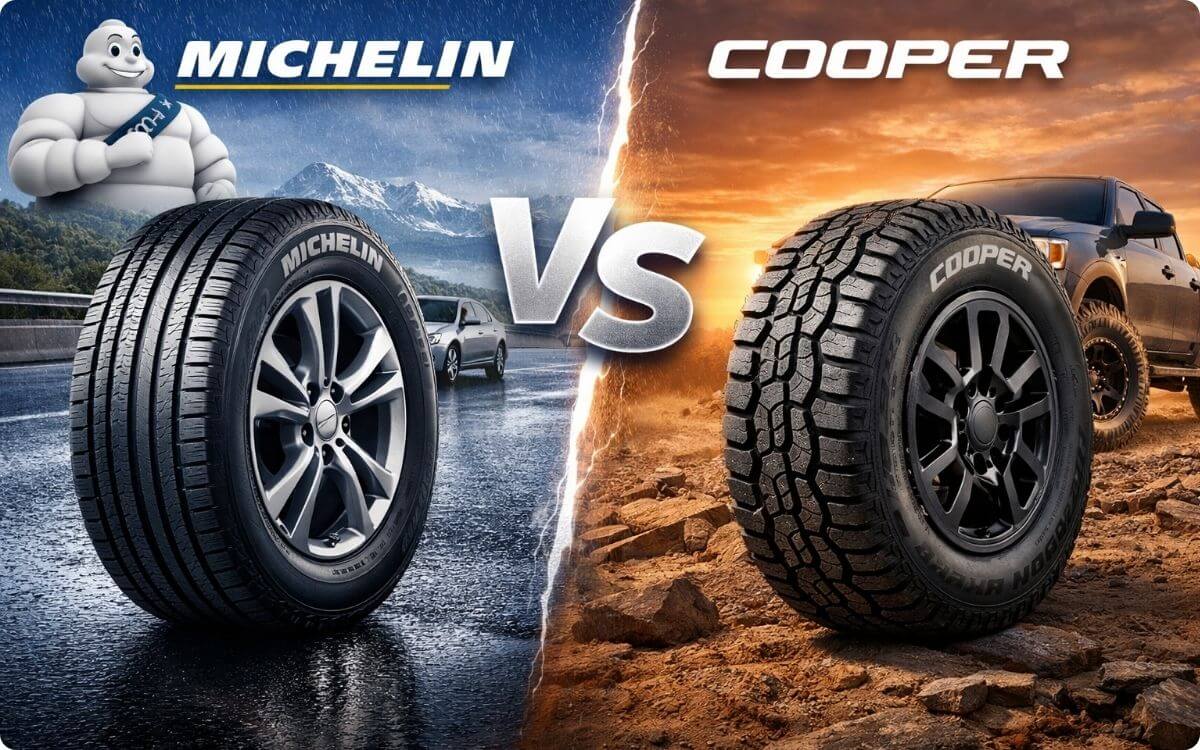
Choosing the right tires for your car can feel overwhelming, especially when you’re comparing two well-known brands like Michelin vs Cooper Tires. Both have a strong reputation in the U.S., but they are built for different priorities. Michelin is often praised for comfort and long-lasting performance, while Cooper focuses on value and durability.
If you’re a daily driver, SUV owner, or truck enthusiast, this comparison will help you understand the key differences and decide which brand fits your needs. By the end, you’ll have a clear idea of which tires match your driving style, budget, and the roads you use most.
While Michelin offers premium quality and a smooth ride, it comes with a higher price. Cooper, on the other hand, gives solid performance at a lower cost but may feel firmer on the road. Knowing these trade-offs makes it easier to choose the tires that are right for you.
Quick Verdict (Fast Answer)
If you don’t want to read the full comparison, here’s the simple answer.
Choose Michelin if you want:
- A more premium driving feel with better comfort and less road noise
- Strong all-season touring performance for wet, dry, and light snow conditions
- A wide range of passenger and light-truck tires, including popular SUV and highway options
Choose Cooper if you want:
- A more budget-friendly tire without giving up everyday reliability
- Solid performance for cars, SUVs, and pickup trucks
- Strong all-terrain and truck-focused options for mixed or rough road use
Michelin usually fits shoppers who prioritize refinement and long-term premium ownership, while Cooper often fits shoppers who want practical performance and broader value.
Brand Overview: Michelin and Cooper Tires
Michelin overview
Michelin is usually seen as the more premium tire brand in the U.S. market. Many drivers know it for tires that focus on a smooth ride, strong road feel, and long-term value. On Michelin’s U.S. site, shoppers can browse tires for cars, SUVs, and trucks, including separate paths for all-season tires and light-truck tires.
For a typical buyer, that means Michelin is often a good place to start if comfort, steady performance, and a wide range of road-use tires matter most. The tradeoff is usually price: Michelin is often not the cheapest option, so it tends to appeal to drivers who are willing to pay more up front for a brand they trust over time.
Cooper overview
Cooper is a well-known U.S. tire brand that focuses on practical choices for everyday drivers. Its website organizes tires by vehicle type, including car/minivan, SUV, and truck/pickup, and by tire category such as winter, all-season, and all-terrain. That setup makes it easy for shoppers to match a tire to the way they actually drive.
Cooper often makes sense for readers who want a solid tire without moving all the way into a premium price range. It also has a strong presence in truck and all-terrain categories, which is useful for drivers who need more than just a simple city or highway tire. The downside is that some buyers may still see Michelin as the more polished option for ride comfort and premium feel.
Why brand history should stay short
Brand history is nice to know, but it should not take over the article. Most readers are not trying to study tire company history. They are trying to figure out which tire is safer, quieter, longer-lasting, and worth the money for their vehicle.
Michelin vs Cooper Tires: Quick Comparison
Here’s a simple side-by-side table to help you understand the key differences at a glance. This is meant to give you a quick, practical overview before you dive deeper.
| Feature | Michelin | Cooper Tires |
| Price positioning | Premium (higher upfront cost) | Mid-range (more budget-friendly) |
| Ride comfort | Very smooth and refined | Comfortable, but less premium feel |
| Road noise | Quiet on most roads | Slightly more road noise in some models |
| Wet traction | Strong and reliable in rain | Good performance for daily driving |
| Snow performance | Solid (especially all-weather/winter lines) | Good, with some strong winter options |
| Tread life potential | Often longer-lasting | Good, but varies more by model |
| Warranty style | Mileage warranties vary by tire line | Competitive warranties, often value-focused |
| SUV/truck options | Strong selection (road-focused + light truck) | Very strong, especially for trucks/SUVs |
| Off-road options | Available, but not the main focus | Strong focus on all-terrain and rugged use |
| Best fit for | Comfort, long-term value, daily highway driving | Budget-conscious buyers, trucks, mixed terrain |
Quick takeaway
This table gives you a general idea, but don’t treat it as the final answer.
Real-world performance depends on the exact tire model, size, and your vehicle. Both Michelin and Cooper make a wide range of tires, so two models from the same brand can feel very different on the road.
If you want the best result, always compare specific tire models, not just the brand name.
Performance Comparison Between Michelin and Cooper Tires
Ride Comfort and Noise
When people talk about “comfort” in tires, they usually mean three things: how smooth the car feels over bumps, how much road noise you hear inside the cabin, and how stable the car feels at higher speeds.
A comfortable tire should absorb small bumps instead of sending every vibration into the steering wheel. It should also keep road noise low, so your drive feels quiet and relaxed, especially on highways.
Michelin is known for doing this really well. Many of its touring and all-season tires are designed to feel soft on the road and stay quiet even at higher speeds. If you spend a lot of time commuting or driving long distances, Michelin often feels more refined and less tiring over time.
That said, this comfort usually comes with a higher price. Some drivers may not notice a huge difference if they mostly drive short distances or on rough city roads.
Cooper Tires takes a more practical approach. Its tires are generally comfortable enough for daily driving, and many people use them for regular commuting without any issues. You still get a stable and controlled ride, especially on normal roads.
The tradeoff is that Cooper tires can feel a bit firmer, and you may notice slightly more road noise compared to Michelin, especially on highways. For many drivers, though, the difference is small enough that the lower price makes it worth it.
In simple terms, if you want a quieter, smoother ride and don’t mind paying more, Michelin is often the better choice. If you want a solid, everyday tire that still feels comfortable but costs less, Cooper is a strong option.
Wet-Weather Performance
Wet grip matters more than most people think. In many parts of the U.S., rain can come suddenly, and roads get slippery fast. During heavy rain or seasonal storms, your tires are what keep the car from sliding when you brake or turn.
Good wet performance means the tire can push water away and stay in contact with the road. Without that, the car can feel loose or unstable, especially at highway speeds.
Michelin puts a strong focus on this. Many of its all-season tires are designed to handle wet, dry, and even light icy conditions. In real driving, that often shows up as better grip during sudden braking and more confidence when driving through rain.
Still, not every Michelin tire performs the same. Some are built more for comfort or long life, so it’s always worth checking the specific model.
Cooper Tires also offers solid wet-weather performance, especially in its all-season and all-weather tire lines. These are made for year-round use, and some models come with the “3PMSF” (three-peak mountain snowflake) symbol, which means they meet certain standards for snow traction as well.
On the road, Cooper tires usually handle rain well for everyday driving. You may notice a small difference compared to Michelin in heavy rain or at higher speeds, but for most drivers, the performance is still reliable.
If you regularly drive in heavy rain or want the most confidence in wet conditions, Michelin often has the edge. If your driving is more typical—city roads, light to moderate rain—Cooper will still get the job done without much trouble.
Snow and Winter Performance
Not all all-season tires behave the same in snow. Some can handle light winter driving, but they are still built mainly for everyday use, not for deep snow or icy roads. That is why the exact tire model matters more than the brand name alone. Michelin’s site separates all-season, winter, and other tire categories, and Cooper does the same, which is a good reminder to compare the specific tire you are buying.
A standard all-season tire is meant to work in a mix of weather, but it is not the same thing as a winter tire. An all-weather tire is built to handle year-round use with better winter grip than a regular all-season tire, and Cooper notes that all-weather tires carry the 3PMSF symbol while all-season tires typically do not. The 3PMSF symbol, the mountain-and-snowflake mark, is used for tires that meet snow traction requirements.
A winter tire is the best choice for real snow and ice. Michelin describes its winter tires as designed for strong snow and ice confidence, and it also keeps winter tires in a separate category from all-season tires. In simple terms, if your winters are serious, winter tires usually give more grip, but they may also be noisier and wear faster on dry roads.
The safest way to shop is to look past the brand and check the exact tire model, sidewall markings, and category. If you drive in a place that gets only a little snow, a good all-season or all-weather tire may be enough. If you regularly drive in snow or on icy roads, a true winter tire is the smarter pick.
Tread Life and Durability
Tread life is simply how long your tires last before they need to be replaced. It’s about how quickly the rubber wears down as you drive. The longer the tread lasts, the fewer times you’ll need to buy new tires.
Durability is a bit broader. It includes tread life, but also how well the tire handles rough roads, heat, and everyday wear without getting damaged.
With Michelin, many drivers expect longer tread life. In real use, Michelin tires often wear slowly and stay consistent over time. That can make them feel like a better long-term investment, even if the upfront cost is higher.
Cooper Tires also offers solid durability, especially for everyday driving and light truck use. Some Cooper tires hold up very well, but the lifespan can vary more depending on the specific model and how you use it.
One important thing many people miss: tire life is not the same across an entire brand. Both Michelin and Cooper clearly show that mileage warranties depend on the exact tire line, not the brand as a whole.
That means you should always check the mileage warranty for the specific tire model you’re considering. One Michelin tire might be rated for much longer use than another. The same goes for Cooper.
Also, keep in mind that real tread life depends on how you drive. Fast acceleration, rough roads, and poor tire maintenance can wear out any tire faster, no matter the brand.
In simple terms, Michelin often has an edge in long-lasting performance, but Cooper can still offer strong durability—especially if you pick the right model for your driving needs.
Off-Road and Truck Use
If you drive a pickup or SUV in the U.S., this part matters a lot. Not all tires are built the same, especially when you leave smooth highways and deal with gravel, mud, or rough backroads.
Cooper Tires has a strong focus on trucks and off-road use. It offers many all-terrain and mud-terrain tires designed for tougher conditions. These tires are built to handle dirt roads, loose gravel, and uneven surfaces without wearing out too quickly.
In real driving, Cooper is often a good fit if you use your truck for work, drive on rural roads, or go off-road on weekends. The grip is usually strong, but the ride can feel a bit firmer, and you may hear more road noise on highways.
Michelin also makes tires for trucks and SUVs, especially through its LTX line. These are more focused on on-road comfort, highway driving, and long-distance use. They still handle light off-road conditions, but that’s not their main strength.
If most of your driving is on paved roads, Michelin truck tires usually feel smoother and quieter. But if you need something for mud, dirt, or rough terrain, they may not feel as aggressive as Cooper’s off-road options.
The choice comes down to how you actually use your vehicle. If you want a comfortable, quiet ride for daily driving, Michelin is often the better match. If you need stronger grip and durability for rough or off-road conditions, Cooper is usually the more practical choice.
Fuel Economy and Rolling Efficiency
Tires can affect how much fuel your car uses. Some tires are easier for the engine to turn, which means the car doesn’t have to work as hard. When that happens, you may get slightly better fuel economy over time.
In simple terms, a smoother-rolling tire can help you save fuel, while a heavier or more aggressive tire can use a bit more. The difference is usually small day to day, but it can add up over months of driving.
Michelin often focuses on making tires that roll smoothly on highways. Many of its touring and all-season tires are designed to reduce resistance, which can help support better fuel efficiency in normal driving conditions.
Cooper Tires also offers efficient all-season options, but it has a stronger focus on durability and traction in certain models, especially for SUVs and trucks. That added grip can sometimes come with a small tradeoff in fuel efficiency depending on the tire.
One thing that matters even more than brand choice is tire pressure. If your tires are underinflated, your car has to work harder, which uses more fuel and wears the tires faster. Keeping the right air pressure helps improve both fuel economy and tire life.
The U.S. National Highway Traffic Safety Administration also notes that proper tire maintenance, including correct inflation, can improve fuel efficiency and extend tire life. In other words, simple care habits can make a real difference no matter which brand you choose.
In short, Michelin may have a slight advantage in smooth, efficient highway driving, while Cooper balances efficiency with strength in more rugged or heavier-duty tires. But for most drivers, proper tire pressure and regular maintenance matter more than the brand itself.
Warranty, Support, and Ownership Experience
Michelin warranty and support
Michelin offers warranties that are mainly based on the specific tire model you choose. Some tires come with mileage warranties, while others do not. This depends on the tire line, so there is no single “one-size-fits-all” coverage.
Michelin also includes a limited warranty that covers defects in materials or workmanship. In simple terms, if something is wrong with the tire that is not caused by normal wear or misuse, the warranty may help replace or repair it.
The main thing to understand is that Michelin’s warranty strength is tied to the tire you pick, not just the brand name.
Cooper warranty and support
Cooper Tires also uses a similar approach. It offers a standard limited warranty on its tires, which covers manufacturing defects under normal use. Some Cooper tires also include mileage warranties, but again, it depends on the exact model.
In some cases, Cooper also offers satisfaction-style programs on selected tires, which can give buyers extra confidence during the early use period. These offers are not available on every tire, but they are worth checking when comparing options.
Overall, Cooper’s warranty support is practical and straightforward, especially for everyday drivers.
Why warranty matters to shoppers
A tire warranty is not just paperwork. It gives you an idea of how confident the brand is in its product. It also tells you what kind of support you can expect if something goes wrong early.
It can also help you estimate how long a tire is expected to last, even though real-life driving conditions may change that.
One simple habit that helps a lot: always save your purchase receipt and keep basic maintenance records. Things like tire rotations and pressure checks can matter if you ever need to make a warranty claim.
In the end, both Michelin and Cooper offer fair support, but the details depend heavily on the exact tire you buy.
Price vs Value Comparison
When people compare tires, price is usually the first thing they notice. But the real question is not just “which is cheaper,” it’s “which gives better value over time.”
Michelin is usually on the higher end of the price range in the U.S. You often pay more upfront, but many drivers feel they get longer tread life, smoother driving, and a more comfortable ride in return. For people who keep their cars for a long time, that can balance out the higher cost.
The drawback is simple: not everyone wants to spend more at the start, even if the tire lasts longer.
Cooper Tires is usually more budget-friendly. The upfront price is often lower, which makes it easier for drivers who want to replace tires without spending too much at once. For many everyday drivers, this makes Cooper an attractive choice.
The tradeoff is that you may replace them a bit sooner depending on the model and how you drive. That can reduce the long-term savings in some cases.
A helpful way to think about it is “cost per year” instead of just sticker price. A cheaper tire that wears out quickly may not actually save money over time. On the other hand, a more expensive tire that lasts longer can sometimes work out cheaper in the long run.
In simple terms, Michelin often leans toward long-term value and comfort, while Cooper focuses on making good, practical tires at a more affordable starting price. The better choice depends on whether you prefer lower upfront cost or longer-term performance.
Read More: Pirelli vs Michelin
Best Michelin Tires Models vs Best Cooper Tires Models
Cooper Zeon RS3-G1 vs Michelin Pilot Sport All Season 4
Cooper Zeon RS3-G1

Michelin Pilot Sport All Season 4
When you move into sportier driving, tires are no longer just about getting from point A to B. They start to affect steering feel, grip in corners, braking distance, and how confident the car feels when you push it a little harder.
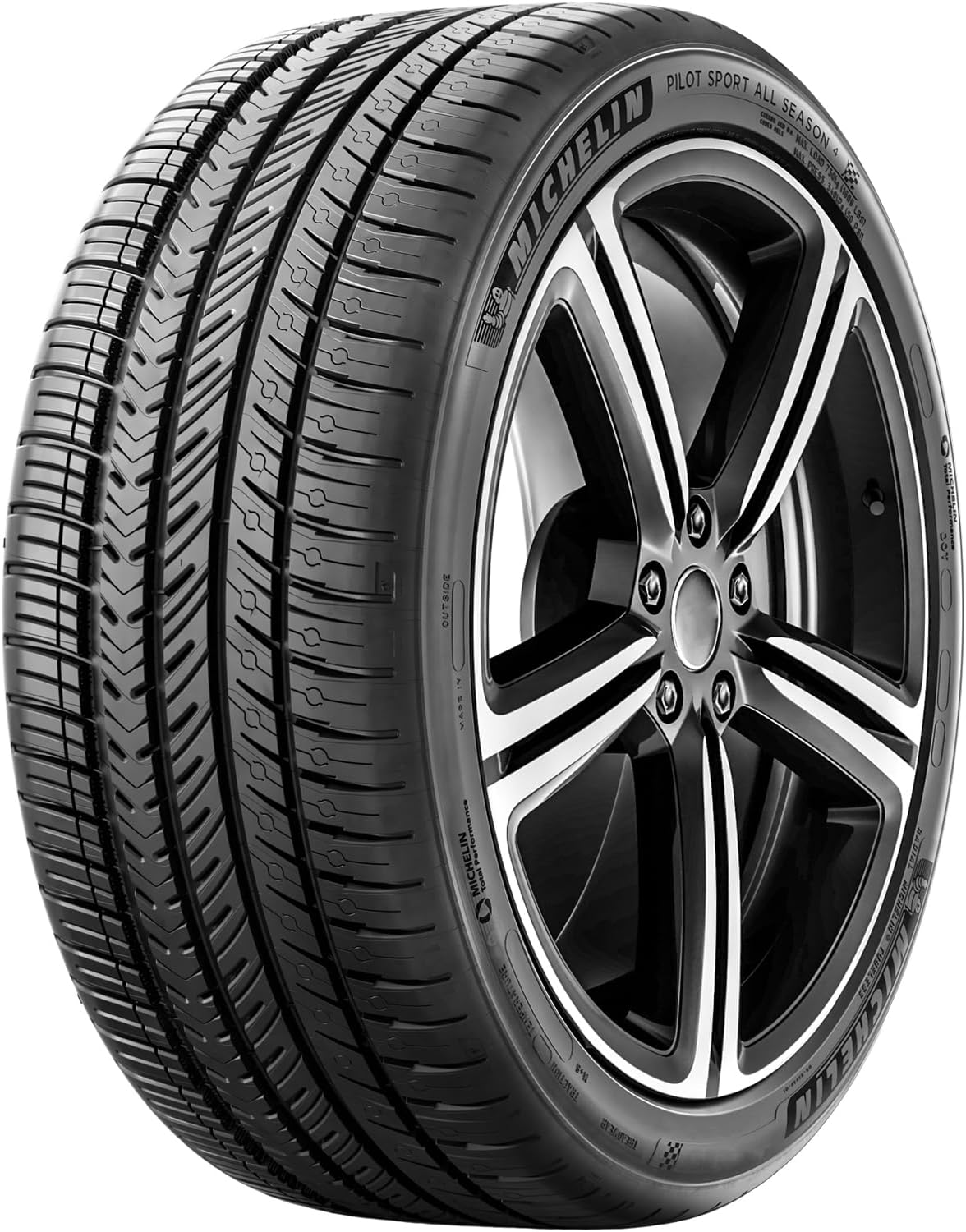
Two common choices in this category are the Cooper Tires Zeon RS3-G1 and the Michelin Pilot Sport All Season 4. Both are ultra high-performance all-season tires, but they are built with slightly different priorities.
The Michelin Pilot Sport All Season 4 is designed to feel sharp and controlled. In simple terms, it responds quickly when you turn the steering wheel and gives strong grip during hard braking or fast cornering. Many drivers choose it because it feels more confident at higher speeds and in wet conditions.
The tradeoff is that it is more focused on performance, so the ride can feel a bit firmer compared to comfort-focused tires. It is not uncomfortable, but you will feel the road more clearly.
The Cooper Zeon RS3-G1 takes a more balanced approach. It still grips well in dry and wet conditions, and it is known for feeling quieter and more relaxed during normal driving. Many everyday drivers like it because it does not feel overly stiff or aggressive.
However, compared to the Michelin, it is not as sharp in quick steering response or high-speed cornering. You may notice a slightly softer feel when pushing the car harder.
In simple terms, Michelin is more about precision and strong performance, especially when driving more aggressively or in changing weather. Cooper is more about comfortable daily driving with good performance at a lower cost.
Cooper Endeavor vs Michelin CrossClimate 2
Cooper Zeon RS3-G1

Michelin CrossClimate 2
Grand touring all-season tires are made for everyday driving. The goal is simple: a smooth ride, low noise, steady grip in most weather, and good comfort for long trips. They are not sporty tires, and they are not off-road tires. They sit in the middle and try to do everything well.
Two popular choices in this group are the Cooper Tires Endeavor and the Michelin CrossClimate 2.
The Cooper Endeavor is designed for comfort-first driving. It feels smooth on normal roads, stays fairly quiet, and gives stable performance for daily commuting. Many drivers choose it because it feels easy to live with and does not feel overly stiff or harsh.
It also focuses on long-lasting tread life and everyday reliability. In simple terms, it is built to handle regular city and highway driving without asking for much attention.
The Michelin CrossClimate 2 takes a more advanced approach. It is still an all-season tire, but it is built to perform strongly in changing weather, especially rain and light snow. Independent testing often shows strong braking and winter performance compared to many other all-season tires in its class.
This means it can feel more confident when the weather gets worse, especially compared to standard touring tires. The tradeoff is that it can feel a bit firmer on the road, and not as soft as comfort-focused tires like the Cooper Endeavor.
In simple terms, the Cooper Endeavor is better suited for drivers who want a calm, comfortable, and budget-friendly daily tire. The Michelin CrossClimate 2 is better for drivers who want stronger all-weather confidence, especially in rain and occasional snow, even if it feels a little less soft.
The right choice depends on what you value more: everyday comfort at a lower cost, or stronger performance when the weather changes.
Cooper CS5 Grand Touring vs Michelin Defender 2
Cooper CS5 Grand Touring

Michelin Defender 2
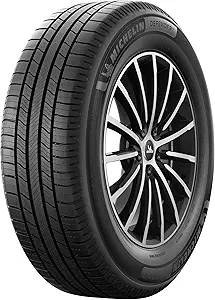
Standard touring tires are made for everyday driving. They are not sporty or off-road focused. The main goal is simple: a steady ride, good tread life, and safe performance in normal road conditions like city streets and highways.
Two common choices in this category are the Cooper CS5 Grand Touring and the Michelin Defender 2.
The Cooper CS5 Grand Touring is usually seen as a value-focused option. It gives a comfortable ride for daily driving and does well in dry and light wet conditions. Many drivers choose it because it feels solid without costing too much.
It is not trying to be fancy. It focuses more on getting the basics right for regular use.
Some drivers do mention that it can feel a bit less quiet compared to premium options, especially as it gets older.
The Michelin Defender 2 is more focused on long tread life and a smooth, steady highway feel. It is often chosen by people who want a tire they can forget about for a long time. Independent road tests and user feedback often point to strong durability and consistent performance over many miles.
One thing to know is that it can feel a bit firmer on rough roads compared to softer touring tires. It is built more for durability than a soft, cushioned ride.
In simple terms, the Cooper CS5 Grand Touring is a good pick if you want a lower-cost tire that handles daily driving well. The Michelin Defender 2 is better if you want longer life and a more refined highway feel, even if it costs more.
Both are safe and reliable choices. The better one really depends on whether you care more about saving money now or getting longer service over time.
Cooper Discoverer EnduraMax vs Michelin CrossClimate SUV
Cooper Discoverer EnduraMax

Michelin CrossClimate SUV

Crossover and SUV touring tires are made for heavier vehicles like SUVs, crossovers, and light trucks. They need to handle daily roads, highway trips, and sometimes rougher surfaces like gravel or broken pavement.
The Cooper Discoverer EnduraMax and the Michelin CrossClimate SUV are two well-known options in this group.
The Cooper Discoverer EnduraMax is built with durability in mind. It is often chosen by drivers who deal with rough roads, potholes, or light off-road use. The tire feels solid and can handle tougher daily abuse better than many comfort-focused SUV tires.
Some drivers like that it gives a stable, controlled feel on mixed roads. The tradeoff is that it can feel a bit firm, and not as smooth as more comfort-oriented SUV touring tires.
The Michelin CrossClimate SUV is more focused on road performance and all-weather confidence. It is known for strong grip in wet conditions and reliable braking on both dry and rainy roads. Many tests also show it performs very well in light snow for an all-season SUV tire.
It tends to feel more refined and confident on paved roads. The downside is that it may not feel as tough or impact-resistant as more rugged, durability-focused options when roads get rough.
In simple terms, the Cooper EnduraMax is a better match if your driving includes rough roads, construction areas, or frequent potholes. It is built more for toughness than comfort.
The Michelin CrossClimate SUV is better if most of your driving is on paved roads and you want stronger wet-weather confidence and a smoother, more refined feel.
Cooper Discoverer AT3 4S vs Michelin LTX A/T 2
Cooper Discoverer AT3 4S

Michelin LTX A/T 2

On-/off-road all-terrain tires are made for drivers who don’t stay only on smooth highways. They are common for pickup trucks, SUVs, and rural driving where roads can change often. One day it’s pavement, the next day it might be gravel or dirt.
Two well-known choices here are the Cooper Discoverer AT3 4S and the Michelin LTX A/T 2.
The Cooper Discoverer AT3 4S is often chosen by drivers who want a stronger grip when leaving paved roads. It is designed for mixed use, so it handles dirt roads, light trails, and rough patches better than many highway-focused tires. Reviews and testing data often show it performs well in wet conditions and light off-road driving.
It also tends to feel stable and confident on everyday roads, which is important if you still spend most of your time driving in town or on highways. The tradeoff is that it may wear a bit faster or feel slightly less smooth than a pure highway touring tire.
The Michelin LTX A/T 2 is more road-focused for an all-terrain tire. It is built to give a quieter, more comfortable ride on highways while still handling light off-road use when needed. Many drivers like it for towing, long trips, and steady highway driving.
In comparison tests, it often shows strong performance in dry-road grip and fuel efficiency, which makes it appealing for people who stay on-road most of the time.
The downside is simple: it is not as aggressive or capable on rough terrain as more off-road-focused all-terrain tires.
In plain terms, the Cooper AT3 4S is better if you regularly drive on rough roads, gravel, or light trails and want extra confidence when leaving pavement.
The Michelin LTX A/T 2 is better if most of your driving is on highways and city roads, and you only occasionally need light off-road ability.
Read More: Nexen vs Michelin Tire
Which Brand Is Better for Different Drivers?
Best for commuters
For daily commuting, Michelin is often the better pick if you want a smoother, quieter, more refined drive. Michelin’s U.S. tire pages also show a strong focus on all-season and light-truck options, which is useful for people who spend a lot of time on paved roads.
Cooper is a smart choice if you want a practical commuter tire at a lower starting price. It has a broad range of car, SUV, and truck tires, so it is easy to find something that fits a normal daily driver without paying premium-brand prices.
Best for families
For families, the main things to look for are a quiet ride, strong wet braking, and steady grip in bad weather. Michelin’s all-season tires are marketed for wet, dry, and icy roads, which fits that kind of everyday family use well.
Cooper can also be a good family option, especially if you want a solid tire without going all the way into premium pricing. The bigger point is that tire condition matters just as much as the brand. NHTSA says proper tire pressure affects safety, tire durability, and fuel use, so keeping tires inflated correctly is part of the decision too.
Best for SUVs and crossovers
For SUVs and crossovers, the right choice depends on how you drive. If you stay mostly on roads and want a calmer ride, Michelin’s light-truck and SUV-focused tires are worth a close look. Michelin’s site highlights LTX tires for light trucks and SUVs, including road-focused all-season choices.
If you split time between road driving and rougher conditions, Cooper gives you more rugged-style options, including all-terrain tires made for SUV and CUV fitments. That makes it easier to match the tire to mixed use instead of choosing a one-size-fits-all option.
Best for trucks and pickup owners
For trucks and pickup owners, Cooper deserves a strong look because it has a very visible truck and pickup lineup, including all-terrain and winter categories. Some of its truck tires are clearly aimed at tougher use and off-road traction.
Michelin should still be on the list if you want a truck tire that stays more road-focused. Michelin’s LTX family is built for light trucks and SUVs, and Michelin describes those tires as offering long tread life, all-season safety, and all-terrain traction.
Best for rough roads or mixed terrain
If you deal with gravel, potholes, farm roads, or light off-road use, the tire’s construction matters more than the brand name. A tougher all-terrain tire may make more sense than a softer road tire, even if the road tire has a better comfort reputation. Cooper’s all-terrain lineup is built around that kind of use, while Michelin’s truck tires lean more toward road comfort and long wear.
Read More: Kumho vs Michelin
FAQs
Is Michelin better than Cooper tires?
Michelin is generally better for comfort, quiet ride, and long tread life. Cooper is better for affordability and practical everyday performance.
Are Cooper tires good quality?
Yes. Cooper tires are good quality and widely used in the U.S., especially for drivers who want reliable performance at a lower price.
Are Michelin tires worth the extra money?
Yes, if you value a smoother ride, longer tire life, and better highway comfort. If budget is your priority, Cooper may be enough.
Which tire brand lasts longer?
Michelin usually lasts longer on average, but actual lifespan depends on the tire model, driving habits, and maintenance.
Which is better for SUVs?
Michelin is better for highway comfort and family SUVs. Cooper is better for mixed use, rough roads, or budget-friendly SUV options.
Which is better for trucks?
Cooper is often preferred for trucks due to strong all-terrain and rugged tire options. Michelin is better for road-focused truck driving.
Which is better for wet weather?
Both perform well, but Michelin usually has an edge in consistent wet-road grip and braking stability, depending on the model.
Final Verdict
Both Michelin and Cooper are good tire brands, but they serve different drivers.
If you want comfort, long life, and a premium driving experience, Michelin is the better choice. If you want affordability, durability, and strong everyday performance—especially for SUVs or trucks—Cooper is a smart option.
The best decision is not just about brand. It’s about matching the tire to your driving habits, road conditions, and budget.
