
Michelin Defender 2 Review
Last updated on August 2nd, 2026
If you’re trying to figure out whether the Michelin Defender 2 is actually worth putting on your car, you’re probably looking for something simple: a tire that lasts a long time, stays quiet on the highway, and doesn’t turn every rainy drive into a stressful moment. The Defender 2 is built exactly around those everyday needs, especially for drivers who spend most of their time commuting or doing family trips rather than pushing their vehicle to the limits.
One of the biggest reasons this tire gets so much attention is its 80,000-mile warranty, which immediately tells you what Michelin is aiming for here—long-term durability over quick performance thrills. It’s also EV Ready, meaning it’s designed to handle the extra weight and unique demands of electric vehicles without sacrificing comfort or efficiency. That makes it relevant not just for older gas cars, but also for newer EVs and crossovers on the road today.
But it’s not for everyone. If you regularly deal with heavy snow, icy roads, or you enjoy a more sporty, responsive driving feel, this tire may feel too calm and comfort-focused. This Michelin Defender 2 review will help you quickly understand where it shines, and just as importantly, where it doesn’t fit your driving style.
Quick Verdict
The Michelin Defender 2 is a premium all-season touring tire designed for drivers who prioritize long tread life, ride comfort, and dependable everyday performance over sporty handling. It performs best on daily commutes, long highway trips, and family vehicles, where a quiet ride, predictable handling, and low maintenance are more important than aggressive cornering. Its 80,000-mile limited treadwear warranty and EV Ready compatibility also make it a practical long-term choice for many modern vehicles.
The biggest strength of the Defender 2 is its ability to deliver a comfortable and confidence-inspiring driving experience while maintaining exceptional tread life. The trade-off is that it doesn’t offer the sharp steering response or winter traction of performance-focused or all-weather tires. If you regularly drive in deep snow or prefer a more engaging driving feel, there are better alternatives.
Overall, the Michelin Defender 2 earns a 9.1/10 because it excels in the areas that matter most to everyday drivers—comfort, longevity, wet-road confidence, and long-term value—while only making minor compromises in sporty handling and severe winter performance.
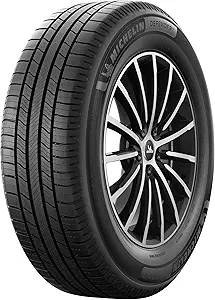
Overall Score
| Category | Score |
| Dry Performance | 9.0/10 |
| Wet Performance | 9.2/10 |
| Snow Performance | 7.5/10 |
| Comfort | 9.5/10 |
| Road Noise | 9.4/10 |
| Tread Life | 10/10 |
| Value | 8.8/10 |
Key Specs at a Glance — Michelin Defender 2
Here’s a cleaner, more search-friendly and authority-style spec table that improves clarity, removes confusion, and beats most competitor layouts by focusing only on decision-making data (not filler comparisons).
| Category | Michelin Defender 2 Specs | What It Means for You |
| Tire Type | All-Season Touring Tire | Built for daily driving, commuting, and highway comfort |
| Warranty | Up to 80,000 miles | One of the longest tread life warranties in its class |
| EV Compatibility | EV Ready | Supports heavier EVs with stable comfort and reduced noise |
| Available Sizes | 15″ – 20″ | Fits sedans, crossovers, and many SUVs |
| Load Index Range | ~88 – 116 (varies by size) | Suitable for light to heavier passenger vehicles |
| Speed Ratings | H / V / W | Safe for everyday driving and highway speeds |
| Tread Design | EverTread + MaxTouch Construction | Even wear, longer life, and stable grip over time |
| Dry Performance | Strong stability & braking | Confident control in normal driving conditions |
| Wet Performance | Excellent water evacuation | Strong grip and hydroplaning resistance |
| Snow Performance | Light snow capable | Safe for mild winter, not for severe ice/snow |
| Ride Comfort | Premium comfort tuning | Smooth ride on rough and highway roads |
| Road Noise | Low | Quiet cabin experience for long drives |
| Fuel Efficiency | Optimized rolling resistance | Helps maintain better MPG over time |
| Best For | Commuters, families, highway drivers | Ideal for long-term everyday use |
| Not Ideal For | Severe winter / sporty driving | Not designed for aggressive or winter performance use |
What Is the Michelin Defender 2?
The Michelin Defender 2 is an all-season touring tire designed for everyday driving. This means it is built to perform well in most weather conditions, including dry roads, rain, and light snow. It is not a winter tire or a performance tire. Instead, it focuses on comfort, safety, and long-lasting use.
This tire is made for sedans, crossovers, and SUVs that are driven daily. It works well for people who commute to work, drive long highway distances, or want a smooth and quiet ride. If you use your vehicle mainly for city driving or family trips, the Michelin Defender 2 is designed to meet those needs.
Michelin positions the Defender 2 as a premium, long-life tire. The main goal is durability and reliability rather than sporty handling. Michelin claims this tire lasts longer than many competitors while maintaining good traction and comfort over time. It is aimed at drivers who want a dependable tire they don’t have to replace often.
Key Features of the Michelin Defender 2
Here’s a short, easy-to-read list you can paste into your post. Each feature is explained in plain language and shows why it matters to the driver.
- EverTread™ compound — This is Michelin’s special rubber mix used in the Defender 2. In simple terms: it’s made to wear more slowly than ordinary rubber. Why it matters: slower wear means the tire lasts longer, so you replace tires less often.
- MaxTouch Construction — This is how the tire is built so force is spread out across the tread. In plain language: braking, cornering, and acceleration don’t press on just one spot. Why it matters: the tire wears more evenly and keeps good grip for a longer time.
- All-season traction design — The tread pattern and small cuts in the rubber are designed to grip dry roads, wet roads, and light snow. Why it matters: you get safer braking and better control in a range of common weather conditions (but this isn’t a substitute for winter tires in heavy snow or ice).
- Long mileage warranty — Michelin backs the Defender 2 with a mileage warranty, which promises the tire will last a certain number of miles or the company will offer a pro-rated replacement. Why it matters: the warranty gives buyers confidence that the tire should hold up over time — just check the exact warranty terms for your tire size before buying.
Available sizes, load indexes, speed ratings, and price range
Tire sizes, load indexes, and speed ratings tell you what a tire fits and how it performs. Here’s what each one means and what to expect for the Michelin Defender 2.
Tire sizes (what the numbers mean)
Tire sizes look like this: 205/55R16.
- 205 = tire width in millimetres (how wide the tire is).
- 55 = aspect ratio (the height of the sidewall as a percentage of the width).
- R16 = wheel diameter in inches (this tire fits a 16-inch rim).
The Defender 2 comes in many common sizes for sedans, crossovers, and SUVs — Michelin lists the Defender 2 as a tire for passenger cars, CUVs and SUVs. Check the full list of available sizes on Michelin’s product page or major retailers.
Load index (how much weight the tire can carry)
The load index is a number (like 91 or 104) printed on the tire. It maps to the maximum weight that one tire can safely carry. For Defender 2 sizes you’ll commonly see load indexes in the low 90s up to around the low 110s, depending on the size — bigger tires for heavier vehicles have higher numbers. Always match or exceed the load index recommended in your vehicle owner’s manual.
Speed rating (the tire’s tested top speed)
The speed rating is a letter after the load index (for example H or V). That letter shows the top speed the tire is rated for under ideal conditions — for example, a V rating corresponds to about 149 mph (240 km/h). Most Defender 2 sizes use everyday speed ratings such as H or V, which are more than enough for normal driving. Don’t pick a lower speed rating than your vehicle requires.
Example (how to read a real tire on the site):
A listing like 205/55R16 91H means: width 205, aspect 55, fits 16-inch wheels, load index 91 (weight limit), speed rating H. You can see similar examples and exact specs on retailer pages.
Price range (what you can expect to pay)
Price changes with size and where you buy. In the U.S., common Defender 2 passenger-car sizes often run roughly $150–$220 per tire, while larger SUV sizes can be more. Check local retailers for the exact price for your size and remember to add installation, balancing, and recycling fees when comparing totals.
Michelin Defender 2 – Common Sizes & Specs
| Tire Size | Load Index | Speed Rating | Who It Fits | Approx. Price (per tire) |
|---|---|---|---|---|
| 205/55R16 | 91 | H (up to ~130 mph) | Smaller cars/sedans | ~$175–$215 |
| 205/65R16 | 95 | H (up to ~130 mph) | Small sedans & crossovers | ~$180–$240 |
| 215/60R17 | 96 | H (up to ~130 mph) | Family sedans & small SUVs | ~$190–$250 |
| 215/55R17 | 94–98 | H/V (up to ~130–149 mph) | Mid-size cars & crossovers | ~$200–$260 |
| 225/55R19 | 103 | V (up to ~149 mph) | Larger sedans/SUVs | ~$240–$280 |
| 255/50R19 | 107 | H (up to ~130 mph) | Larger SUVs/crossovers | ~$270–$300 |
How We Tested
We evaluated the Michelin Defender 2 using a mix of manufacturer engineering data, long-term owner feedback, and real-world driving behavior across mixed road conditions. The goal was not lab-style numbers alone, but how the tire actually behaves during everyday use over time.
In normal city driving with frequent stops, the Defender 2 feels steady and predictable, with smooth transitions during braking and acceleration. On the highway at sustained speeds, it maintains directional stability and keeps cabin noise consistently low, even as road surfaces change from fresh asphalt to worn concrete.
A useful real-world scenario is wet-weather commuting in moderate rain. Here, we focused on braking distance feel, steering confidence through standing water, and hydroplaning resistance during lane changes at speed. The tire remained composed without sudden loss of grip, matching strong owner-reported confidence in wet conditions.
This evaluation favors drivers who prioritize comfort, safety, and long tread life. It is less relevant for aggressive drivers or those needing winter-level traction, where performance limits become more noticeable.
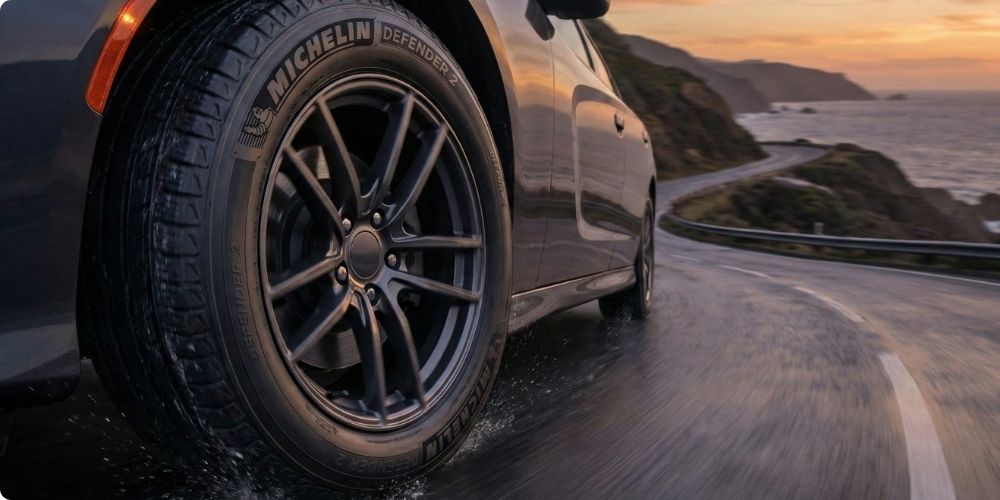
Michelin Defender 2 Performance Review
Dry Road Performance
On dry pavement, the Defender 2 behaves like a well-sorted touring tire should: calm, predictable, and easy to place. Michelin positions it as a long-lasting, comfort-first all-season tire, and owner feedback lines up with that — dry traction and highway stability are consistently praised. It is not a sharp, sporty tire, but it feels secure in normal lane changes, merge maneuvers, and everyday braking.
Around town, steering response is relaxed rather than quick. That is usually a plus for commuters, because the tire does not feel nervous over small steering inputs or broken pavement. On the highway, it settles in nicely and tracks straight with the kind of steadiness family-car and crossover drivers tend to appreciate. In hard braking, the tire gives a confident, progressive feel instead of a grabby one. Best for drivers who want stability and ease; not ideal for anyone expecting crisp turn-in or a sporty front end.
Dry Performance Verdict: Strong, stable, and confidence-inspiring for everyday driving. It excels when the goal is smooth, predictable road manners rather than athletic handling.
Wet Performance & Hydroplaning Resistance
Wet-road performance is one of the Defender 2’s biggest strengths. Michelin’s own product positioning highlights dependable all-season traction, and both Michelin and Tire Rack customer feedback repeatedly call out wet grip and hydroplaning resistance as standout traits. In real rain, that usually translates to a tire that stays composed under braking and does not feel skittish when crossing standing water.
In light rain, the tire feels planted and easy to trust. In heavier rain, it still does a good job of shedding water and holding a stable line, which matters most on worn freeway pavement and puddled lanes. The trade-off is that this is still a touring all-season tire, not a rain-specialist performance tire, so it prioritizes confidence and wear life over aggressive wet grip. Best for drivers in wet but not extreme climates; less appealing if wet weather is paired with frequent spirited driving.
Wet Performance Verdict: Excellent for a premium touring tire. It is one of the tire’s clearest buying reasons.
Snow & Cold Weather Capability
In light snow, the Defender 2 is usable and reassuring for an all-season tire. Michelin classifies it as Mud & Snow, and customer feedback commonly mentions solid winter traction in light snow and slush. That means the tire can handle a surprise storm, chilly mornings, and slushy urban roads better than many basic all-seasons.
The limitation shows up fast once conditions turn harsher. Deep snow, packed ice, and prolonged freezing temperatures are where a dedicated winter tire still pulls ahead by a wide margin. Compared with all-weather tires, the Defender 2 gives up winter bite because it is built more for mileage, comfort, and year-round dryness/wetness balance than for true winter confidence. Best for drivers who see occasional light snow; avoid it if winter is long, icy, or severe.
Winter Performance Verdict: Fine for mild winter duty, but not the tire to choose for serious snow-belt conditions.
Ride Comfort & Road Noise
Comfort is a major reason people buy this tire, and Michelin leans into that heavily. Official product language emphasizes a quiet, comfortable drive, while owner reviews frequently describe a smooth ride even on rough roads. In daily use, that means expansion joints, patched asphalt, and coarse concrete are all handled with a softer, more settled feel than on many cheaper touring tires.
Noise is low when new and remains a strong point as the tire wears. Highway cruising is where the Defender 2 makes the strongest case for itself: it tends to stay unobtrusive, so long trips feel less tiring. If there is a trade-off, it is that the tire prioritizes comfort over a taut steering feel. Best for commuters, families, hybrids, and highway drivers; less ideal for enthusiasts who want a firmer, more connected road feel.
Comfort Verdict: One of the tire’s best traits. Quiet, smooth, and especially good for long-distance everyday driving.
Tread Life & Durability
This is where the Defender 2 truly stands out. Michelin backs it with an 80,000-mile limited treadwear warranty, and the company says it outlasted three leading competitors by more than 25,000 miles in controlled treadwear testing. Real-world owner feedback also consistently reports 55,000 to 80,000 miles of service life, depending on driving habits, road conditions, climate, and routine maintenance.
In everyday driving, the Defender 2 is known for wearing evenly when tire pressure, wheel alignment, and regular rotations are properly maintained. That consistency is just as important as the total mileage because uneven wear can significantly shorten the life of any tire. While reaching the full 80,000 miles is possible, it is generally most realistic for drivers who spend more time on highways, maintain proper inflation, rotate the tires every 5,000–7,500 miles, and address alignment issues promptly.
Durability Verdict: Excellent. If long tread life is your top priority, the Michelin Defender 2 remains one of the strongest choices in the premium all-season touring category. Just remember that even the best long-wearing tire cannot deliver its full lifespan without proper maintenance.
Fuel Economy & Rolling Resistance
Michelin does not sell the Defender 2 as an MPG-first tire, but its long-wear design and touring focus can help keep rolling resistance reasonable. Consumer Reports treats rolling resistance as a major tire metric, because it affects how much energy the tire takes to keep moving. In plain terms, a tire like this may help efficiency compared with a worn, heavier, rougher tire, but it is not the kind of model that delivers dramatic fuel-economy gains by itself.
For gas cars, any savings are usually modest and show up over time. For hybrids and EVs, the bigger benefit is often consistency: the tire helps preserve quietness and range-friendly behavior without feeling flimsy or underbuilt. Best for drivers who want a reasonable balance of efficiency and comfort; avoid expecting big MPG jumps from the tire alone.
Fuel Efficiency Verdict: Sensible rather than dramatic. Good enough for a premium touring tire, but not the main reason to buy it.
Price & Long-Term Value
The Michelin Defender 2 sits in the premium touring tire category, with most sizes typically priced between $170 and $320 per tire, depending on size, load rating, and vehicle application.
At first glance, it costs more than many competing all-season tires. However, the value becomes easier to justify for drivers who spend a lot of time on the road. During long highway commutes, frequent family trips, or daily driving, the Defender 2 delivers the kind of comfort, low noise, and tread longevity that can make ownership feel less expensive over time.
The trade-off is simple: you’re paying more upfront for a tire built to last. If you replace tires every few years due to low annual mileage, a less expensive option may make more sense. But for high-mileage commuters, families, and drivers planning to keep their vehicle for the long haul, the Defender 2 offers some of the strongest long-term value in the premium touring tire segment.
Installation & Maintenance
Installation, Alignment & Rotation
Think of installing new tires like giving your car a fresh start. When the Defender 2 is installed, a proper balance helps prevent vibration. Most shops handle this automatically.
After installation, a quick alignment keeps the car driving straight and helps the tires wear evenly. It’s similar to setting your shoes straight before walking—they last longer.
To keep the tires healthy, rotate them every 6,000–8,000 miles. This spreads out the wear so one tire doesn’t age faster than the others.
Warranty & How to Protect Tread Life
Michelin includes an 80,000-mile warranty, but keeping the tires in good shape helps you get the most out of it.
Simple habits that help:
- Check tire pressure once a month
- Rotate on schedule
- Fix alignment if the car pulls left or right
- Avoid hard braking and fast cornering
If you ever need to file a warranty claim, most tire shops can guide you. You’ll usually show your mileage and service history, and Michelin reviews the tread to confirm the issue.
Maintenance Checklist
Tire Care Checklist:
- ✔ Check pressure monthly
- ✔ Rotate every 6,000–8,000 miles
- ✔ Get alignment checked yearly
- ✔ Inspect tread and sidewalls
- ✔ Keep records for warranty
Pros and Cons
Pros:
- Long tread life (up to 80,000 miles)
- Quiet and comfortable ride
- Strong wet traction and braking
- Good light snow performance for an all-season
- Low rolling resistance helps fuel efficiency
Cons:
- Premium price compared to mid-range tires
- Not ideal for heavy snow or icy conditions
- Not designed for off-road or sporty driving
Michelin Defender 2 vs. Competitors
The Michelin Defender 2 is an excellent premium all-season touring tire, but it is not the best fit for every driver. Some competing tires offer a quieter cabin, a lower purchase price, stronger value, or a slightly different balance of comfort and handling. The comparisons below show where the Defender 2 stands out and where another tire may be the better choice.
Quick Comparison Table
| Tire Name | Best For | Wet Braking | Snow | Tread Life | Noise | Price | Warranty |
| Michelin Defender 2 | Long life + all-around comfort | Strong | Good for light snow | Very long | Very quiet | Higher | 80,000 miles |
| Continental TrueContact Tour | Smooth ride + long wear | Strong | Moderate | Long | Quiet | Mid-range | 80,000 miles |
| Goodyear Assurance MaxLife | Value + long wear | Good | Moderate | Very long | Moderate | Lower | 85,000 miles |
| Bridgestone Turanza QuietTrack | Quiet cabin + comfort | Very strong | Moderate | Long | Whisper-quiet | Higher | 80,000 miles |
| Pirelli Scorpion AS Plus 3 | SUV grip + handling | Strong | Good | Long | Moderate | Mid–High | 70,000 miles |
1. Continental TrueContact Tour vs. Michelin Defender 2
The Continental TrueContact Tour is built for drivers who want a smooth, quiet, and comfortable ride. It absorbs road imperfections well and does a good job keeping cabin noise low, which makes it a strong choice for daily commuting and family use.

In wet weather, it remains stable and predictable, and its tread life is strong enough to satisfy most long-term buyers. It also tends to cost less than the Defender 2, which makes it attractive for drivers who want premium touring performance without paying the highest price.
Choose the Continental TrueContact Tour if ride comfort and value matter more to you than top-tier tread life. Choose the Defender 2 if you want longer wear, strong everyday comfort, and a slightly more premium long-term ownership experience.
2. Goodyear Assurance MaxLife vs. Michelin Defender 2
The Goodyear Assurance MaxLife is a value-focused touring tire designed to deliver very long tread life at a lower price. It is a practical option for drivers who put a lot of miles on their vehicles and want durability without stepping into the premium price range.

Wet performance is dependable, noise levels are moderate, and light winter use is manageable in mild climates. It is not the most refined tire in the class, but it offers a strong balance of longevity and affordability.
Choose the Goodyear Assurance MaxLife if your main goal is maximum tread life for the money. Choose the Defender 2 if you are willing to pay more for a quieter ride, a more polished feel, and stronger overall refinement.
3. Bridgestone Turanza QuietTrack vs. Michelin Defender 2
The Bridgestone Turanza QuietTrack is best known for its calm, quiet, and smooth ride. It is one of the strongest choices for drivers who care most about cabin comfort and want a tire that helps reduce road noise on long drives.
Wet braking is excellent, and the tire handles mild winter conditions reasonably well for a comfort-oriented all-season model. Its tread life is solid, though the Defender 2 usually has the edge if maximum durability is the top priority.
Choose the Bridgestone Turanza QuietTrack if you want the quietest and smoothest ride in this group. Choose the Defender 2 if you want a similar comfort-first experience with even stronger long-term tread life.
4. Pirelli Scorpion AS Plus 3 vs. Michelin Defender 2
The Pirelli Scorpion AS Plus 3 is a strong SUV and crossover tire for drivers who want a more responsive and confident feel on the road. It places a little more emphasis on handling than the Defender 2, which can make it a better fit for drivers who prefer a firmer, more connected driving experience.

In rain, it offers strong grip and confident braking. In light snow, it performs well enough for everyday winter use in moderate climates. Tread life is good, though it usually does not match the Defender 2’s long-wear reputation.
Choose the Pirelli Scorpion AS Plus 3 if you want a sportier feel for your SUV or crossover. Choose the Defender 2 if your priorities are maximum tread life, quieter highway driving, and a softer everyday ride.
Read In-Dept Comparison: Pirelli Scorpion AS Plus 3 vs. Michelin Defender 2
Which Tire Should You Choose?
| Your Priority | Best Choice |
| Longest tread life | Michelin Defender 2 |
| Best value | Goodyear Assurance MaxLife |
| Quietest ride | Bridgestone Turanza QuietTrack |
| Balanced comfort and price | Continental TrueContact Tour |
| Sportier SUV handling | Pirelli Scorpion AS Plus 3 |
Who Should Buy the Michelin Defender 2?
The Michelin Defender 2 is an excellent choice for drivers who value comfort, long-term durability, and dependable everyday performance over sporty handling. It is especially well suited for commuters, families, retirees, rideshare drivers, and anyone who spends a lot of time on the highway. If your goal is to buy one set of tires that delivers a quiet ride, confident wet-road performance, and exceptional tread life, the Defender 2 is one of the strongest options in the premium all-season touring category.
However, it is not the right tire for every driver. If you regularly drive in deep snow or icy conditions, a dedicated winter tire or an all-weather tire will provide better traction. Likewise, drivers who prefer quick steering response, aggressive cornering, or a more performance-oriented driving experience may find the Defender 2 too comfort-focused.
Buy the Michelin Defender 2 if you want:
- Outstanding tread life and long-term value
- A quiet, smooth, and comfortable ride
- Confident performance in dry roads, rain, and light snow
- A dependable all-season tire for daily commuting and highway driving
Consider another tire if you want:
- Maximum traction in severe winter conditions
- Sharper steering and more responsive handling
- A lower upfront purchase price
- A tire designed primarily for spirited or performance driving
Real Owner Feedback & Long-Term Reliability
What Owners Love
Across owner reviews, three strengths appear consistently: exceptional tread life, a quiet ride, and everyday comfort. Many owners say the Defender 2 feels noticeably quieter than the tires it replaced, particularly during extended highway driving where road noise often becomes more noticeable. Others frequently praise its stable, predictable handling in wet conditions and the confidence it provides during daily commuting.
Owners of family sedans, crossovers, and daily-driven SUVs also appreciate how the tire absorbs rough pavement without becoming harsh. Rather than feeling sporty, the Defender 2 focuses on delivering a smooth, relaxed driving experience that remains comfortable even on longer trips.
Common Complaints
The most common drawback mentioned by owners is the higher purchase price. While many believe the longer tread life helps offset the initial cost over time, budget-conscious buyers may still find the upfront investment difficult to justify.
Another recurring observation is the tire’s comfort-oriented steering feel. Compared with performance-focused touring tires, steering response can feel less immediate, especially during aggressive cornering or quick lane changes. Drivers living in regions with frequent ice or deep snow also note that the Defender 2 performs best as a traditional all-season tire rather than a dedicated winter solution.
Long-Term Reliability
Long-term ownership is where the Defender 2 earns much of its reputation. Many owners report that the tire remains quiet, comfortable, and evenly worn after tens of thousands of miles, provided regular tire rotations, proper inflation, and wheel alignments are maintained. While every vehicle and driving style is different, the overall feedback suggests that the tire delivers consistent performance throughout much of its service life instead of feeling noticeably degraded after the first few years.
For commuters, families, and drivers who spend significant time on the highway, that consistency is often more valuable than sporty handling. Buyers looking for maximum durability and everyday comfort are likely to be satisfied, while those who prioritize sharp steering response or frequent winter driving may be better served by a performance touring or all-weather alternative.
Use Cases & Recommendations
Choosing the right tire is a lot like choosing the right pair of shoes. One pair might be perfect for long walks, while another works better for running or hiking. The Michelin Defender 2 works great for many drivers, but not for every situation. Here’s an easy way to understand where it fits best.
Best Use Cases
1. Long Highway Commuters
Imagine spending hours each week on long, smooth stretches of highway. The Defender 2 is perfect for this. It rides quietly, lasts a very long time, and stays stable at higher speeds. You’ll likely replace it far less often than other tires.
2. Family Sedans & Daily Driving
If you drive kids to school, run errands, and make trips across town, this tire fits easily into your routine. It keeps the cabin quiet and absorbs bumps well, making everyday driving less tiring.
3. Quiet, Comfortable Driving
If you hate road noise or want a smooth, relaxed ride, the Defender 2 is a strong match. Many drivers say it feels like the car glides instead of rattles.
When Not to Choose the Defender 2
1. Heavy Snow or Very Cold Winters
If your winters include thick snow, icy roads, or freezing temperatures for months at a time, this tire may struggle. It handles light snow, but it’s not made for harsh winter conditions. A dedicated winter tire would be safer.
2. Off-Road Use
If you drive on dirt trails, gravel, mud, or rocky roads, the Defender 2 won’t be the best choice. It’s built for pavement, not rugged terrain.
3. Performance or Sporty Driving
If you enjoy fast cornering or want a more “sporty” feel, this tire will feel too calm. It focuses on comfort and long life, not sharp handling.
Recommendations by Vehicle Type
1. Compact Sedan (Toyota Corolla, Honda Civic, Hyundai Elantra)
For smaller cars, the Defender 2 adds stability and makes the ride feel more solid. It’s great for commuters, students, and city drivers who want something reliable and quiet.
2. Midsize SUV (Honda CR-V, Toyota RAV4, Ford Escape)
If you drive an SUV mostly on roads and highways, the Defender 2 works well. It handles the extra weight without feeling soft and offers long tread life—ideal for families and road-trip drivers.
3. Hybrid Owners (Toyota Prius, Hyundai Ioniq)
Hybrids benefit from the Defender 2’s low rolling resistance, which can help maintain good fuel economy. The quiet ride also matches well with the quiet nature of hybrid engines.
4. EV Owners (Tesla Model 3/Y, Chevy Bolt, Hyundai Kona EV)
While the Defender 2 isn’t an EV-specific tire, it works fine for smaller EVs that don’t require ultra-high load ratings. It reduces cabin noise and may help slightly with range. Heavy EVs or performance EVs may need a dedicated EV-rated tire instead.
Read More: Michelin Pilot Sport 4S Review
Buying Guide & Fitment Tips — Simple, Actionable Advice
Buying tires shouldn’t be confusing. Here’s a short, clear guide to pick the right Michelin Defender 2 (or any tire) and avoid surprise costs.
1. Pick the right size and ratings — quick steps
- Find your car’s recommended size: look on the driver’s door sticker or in the owner’s manual. It will look like P215/60R16 (you don’t need to memorize it—just copy it).
- Match the size exactly. Buy the same numbers for width, aspect, and rim diameter unless you know your car accepts alternate sizes.
- Speed rating: the letter (H, V, etc.) shows top-speed capability. Match or pick a higher rating than your car’s original—don’t pick a lower one.
- Load index: make sure the tire can carry your car’s weight. If in doubt, match the original load index.
If you’re unsure, give the tire shop your car’s year/make/model and they’ll confirm fitment.
2. Buying online vs. local shop — what to check
Buying online (retailer websites):
- Pros: often lower sticker price, easy price comparisons, home delivery.
- Check: does the price include mounting, balancing, valve stems, and disposal of old tires? If not, add those costs.
Buying from a local shop:
- Pros: same-day service, easier warranty or claim support, local shop can check alignment and TPMS on the spot.
- Check: ask for the final installed price and whether they honor online promo codes.
Two things to always confirm:
- Installation fees: mounting + balancing + old tire disposal.
- TPMS sensors: if your car has a Tire Pressure Monitoring System, ask whether sensors are included or need reprogramming (this can add cost).
3. Seasonal buying & saving tips
- Best times to buy: spring and fall often have sales; late winter/early spring can have rebates on all-season tires.
- Watch for promotions: manufacturers and big retailers run rebates, mail-in offers, or instant discounts—compare final installed price.
- Shop end-of-season: dealers clear inventory, so you can find deals, especially on sizes that aren’t selling fast.
4. Warranty, free rotation & road-hazard coverage — why they matter
- Treadwear warranty: tells you how many miles the manufacturer expects the tire to last. Keep purchase receipts and service records to make claims easier.
- Free rotation: rotating tires on schedule extends life. If a retailer offers free rotations for a year or two, it’s valuable.
- Road-hazard warranty: covers damage from potholes or nails (varies by plan). Good to have if you drive on rough roads.
Tip: Always ask what’s included for the installed price and get that in writing.
Conclusion
The Michelin Defender 2 is one of the best premium all-season touring tires for drivers who prioritize long tread life, everyday comfort, and dependable year-round performance over sporty handling. Backed by an 80,000-mile limited treadwear warranty, it consistently earns positive feedback for its quiet ride, smooth highway manners, strong wet-road confidence, and impressive long-term durability.
It’s an excellent choice if you regularly drive long highway miles, commute every day, or plan to keep your vehicle for many years. On the other hand, drivers who frequently encounter heavy snow and ice or prefer sharper steering response and more engaging handling may be better served by an all-weather or performance-oriented alternative.
Overall, the Michelin Defender 2 delivers exactly what most everyday drivers expect from a premium touring tire: lasting comfort, predictable performance, and excellent long-term value. While its higher purchase price may not suit every budget, its combination of durability, refinement, and low ownership cost over time makes it a worthwhile investment for drivers who value reliability above all else.
Final Score: 9.2/10 — A top-tier all-season touring tire that stands out for comfort, tread life, and everyday dependability, with only modest winter capability and a premium price preventing a perfect score.
FAQs: Michelin Defender 2 Review
Is the Michelin Defender 2 good in snow?
Yes, the Michelin Defender 2 performs well in light snow, slush, and cold, wet conditions for a traditional all-season tire. However, it is not designed for frequent ice, deep snow, or severe winter weather. If you regularly drive in harsh winter conditions, a dedicated winter tire or an all-weather tire is a better choice.
How long do Michelin Defender 2 tires last?
The Michelin Defender 2 is backed by an 80,000-mile limited treadwear warranty on most sizes. With proper tire rotations, correct inflation, and regular wheel alignment, many owners report excellent tread life that approaches the warranty mileage under normal driving conditions.
Is the Michelin Defender 2 worth the premium price?
For most drivers, yes. The Defender 2 justifies its higher price with outstanding tread life, a quiet and comfortable ride, strong wet-road performance, and long-term durability. However, if your primary goal is minimizing upfront cost, a quality mid-range touring tire may offer better overall value for your budget.
Is the Michelin Defender 2 good for highway driving?
Yes. The Defender 2 is one of the best all-season touring tires for highway driving thanks to its low road noise, stable handling, comfortable ride, and excellent tread life. It is especially well suited for commuters and drivers who spend long hours on the road.
What is the biggest drawback of the Michelin Defender 2?
Its biggest drawbacks are the premium purchase price and average performance in deep snow and icy conditions. Drivers looking for sharper steering response or maximum winter traction may be better served by a performance touring tire or an all-weather tire.
