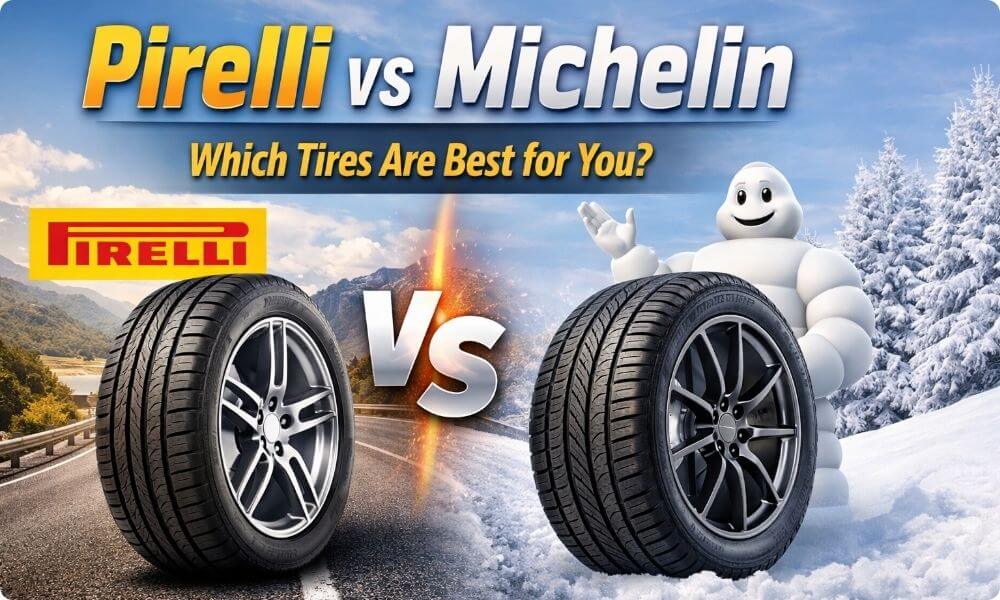
Pirelli vs Michelin: Which Tire Brand Is Right for You?
Choosing new tires shouldn’t feel like decoding a spec sheet or trusting vague brand hype — but when you’re stuck deciding between Pirelli vs Michelin, that’s exactly how it can feel. Both brands are premium, both are trusted by major car manufacturers, and both promise top-tier performance. The real question is: which one actually fits the way you drive?
This comparison is for everyday drivers who want a clear, honest answer — whether you care most about sharp handling, long tread life, quiet highway comfort, or getting the best value over time. Instead of marketing claims, we’ll focus on real-world driving differences, practical trade-offs, and the situations where one brand genuinely makes more sense than the other. By the end, you’ll know which tire brand matches your driving habits, your car, and your priorities — without the guesswork.
Pirelli vs Michelin: At-a-Glance Comparison
| Category | Pirelli | Michelin |
| Best For | Sporty, performance-focused drivers | Daily drivers prioritizing comfort & longevity |
| Driving Feel | Sharp steering, responsive cornering | Smooth, stable, confidence-inspiring |
| Dry Performance | Excellent high-speed grip | Very strong, slightly less aggressive |
| Wet Performance | Strong, especially in performance lines | Excellent braking and hydroplaning resistance |
| Winter Capability | Depends heavily on model (not a winter specialist overall) | Industry-leading winter and all-season options |
| Ride Comfort | Firmer, more road feedback | Softer, quieter ride |
| Noise Level | Moderate to loud on some performance tires | Consistently low road noise |
| Tread Life | Shorter on performance models | Longer-lasting on most models |
| Fuel Efficiency | Good, but not a primary focus | Excellent rolling resistance efficiency |
| Price Point | Often slightly cheaper upfront | Higher upfront cost, better long-term value |
| OEM Fitment | Common on sports & luxury cars | Common across sedans, SUVs, EVs |
| Brand Focus | Performance and driving excitement | Safety, durability, and efficiency |
Quick takeaway for readers
- Choose Pirelli if you enjoy spirited driving, responsive handling, and a more connected road feel.
- Choose Michelin if you want a quieter ride, longer tire life, and dependable performance in all conditions.
Who This Comparison Is For
If your tires are worn out and you just need a reliable replacement, this comparison is for you. You may not care about racing or brand names — you just want something that feels safe, lasts a reasonable amount of time, and doesn’t make your car noisier than it already is. We’ll explain what actually matters for daily driving, without getting technical.
This is also for drivers who enjoy how their car feels on the road. If you like quick steering, confident cornering, or a more responsive drive, the differences between Pirelli and Michelin matter more than you might think. We’ll be clear about where performance really shows up — and where it doesn’t.
Families looking for safety and comfort will find this useful too. If you drive kids around, spend time on highways, or deal with bad weather, your priorities are different. Quiet rides, strong braking, and predictable handling matter more than sporty feel, and we’ll keep that focus front and center.
If you drive an SUV, crossover, or electric vehicle, tire choice plays a bigger role than most people realize. These vehicles are heavier and put more stress on tires. We’ll explain which brand tends to hold up better over time and which feels more comfortable for everyday use.
Finally, this comparison is for anyone stuck between two premium brands and unsure which one is actually worth the money. Pirelli and Michelin both make good tires, but they’re good for different reasons. By the end, you should have a clear idea of which one makes sense for your car and your driving — without feeling like you need to be an expert.
Brand Philosophy: How Each Company Designs Tires
Pirelli’s approach
Pirelli builds tires with driving excitement in mind. They tune their rubber and construction so the car feels lively — quicker steering, stronger grip in corners, and a sharper connection to the road. That makes them a popular pick when a car’s handling and responsiveness matter more than anything else.
The trade-off is that this sportier setup can mean a firmer ride and, on some models, faster wear or more road noise. In plain terms: you get a more engaging drive, but you may swap tires sooner and notice bumps and sound more than with softer, comfort-focused tires.
Michelin’s approach
Michelin focuses on safety, long life, and a comfortable ride. They spend a lot of time testing and refining designs so tires brake well, wear evenly, and stay quiet over many miles. The result is consistent performance you can count on day after day.
Because Michelin tilts toward durability and comfort, their tires often don’t feel as “sharp” in quick steering or aggressive cornering. You’ll trade a bit of sporty feel for longer tread life, smoother cruising, and fewer surprises.
Why this matters to you
How a company designs tires shows up every time you drive. If you want a car that responds quickly and feels sporty, you’ll notice Pirelli’s choices right away. If you’d rather have a quiet, predictable ride and fewer trips to the tire shop, Michelin’s approach will make life easier.
Think about what frustrates you most: a numb, dull steering? Or a noisy, firm ride that wears out fast? Match the brand’s focus to what you want from your daily drive — that makes picking a tire a lot simpler.
Performance in real driving conditions
This section explains how tires behave where it matters — on dry roads, in heavy rain, and in cold or snowy weather. Read it to know what you’ll actually feel behind the wheel and which brand traits matter for your daily driving.
Dry road performance
On dry roads, the two biggest things you notice are how the car turns and how quickly it stops. Some tires give very direct steering and strong grip in corners — you’ll feel the car respond the instant you turn the wheel. Other tires trade a bit of that sharpness for steadier, more predictable behavior at speed.
If you like driving with confidence through twisty roads, pick a tire that emphasizes handling. If you mostly cruise on highways and want predictable stops and less fuss, a tire tuned for stability and consistent braking is better. Remember: a softer ride often means less razor-sharp steering, and very sporty tires can wear faster.
Wet road performance
In the rain, the two biggest risks are slipping when you turn and long stopping distances. Good wet-weather tires move water out from under the tread so the rubber keeps contact with the road. That directly shortens braking distance and reduces the chance of sliding.
When shopping, look for real wet-braking test results from independent labs — those numbers show which tires stop sooner in a downpour. Also check how a tire resists hydroplaning; deeper, well-designed channels help evacuate water. A small downside: some wet-focused, performance designs can be a bit noisier or wear quicker in dry use.
Winter and cold conditions
Cold weather changes everything. Many tires harden and lose grip when temperatures drop, even if there’s no snow. All-season tires try to cover every situation, but they’re a compromise. Dedicated winter tires use a softer rubber and more biting edges to grip snow and ice — they make a big difference for safety and control.
If you regularly see temperatures below about 45°F (7°C), or you get snow and ice, choose winter tires for those months. If winters are mild where you live, a good all-season may be fine. The trade-off: winter tires wear faster in warm temperatures, so swap them out when the season ends.
Handling and traction (everyday meaning)
Handling and traction are just how well your car accelerates, corners, and stops in everyday use. That depends on the tire’s grip, the road surface, and even tire pressure. Well-matched tires will give you confidence — predictable turns, shorter stops, and steady starts without wheel spin.
Actionable things you can do: keep tires inflated to the maker’s recommended pressure, check tread depth regularly, and replace tires before they’re too worn. A top-performing tire can still feel poor if it’s underinflated, misaligned, or old.
Ride Comfort, Noise, and Daily Usability
How a tire feels on the road can make a big difference in everyday driving. Some tires are firm and sporty, giving you sharp feedback through the steering but letting more bumps and rough pavement into the cabin. Others are softer and absorb road imperfections, making long drives more relaxing but sometimes feeling less connected to the road.
Noise is another factor people notice quickly, especially on highways. Tires that focus on performance or aggressive tread patterns can be louder, while comfort-oriented tires usually keep the cabin quieter. It’s not just about volume — some tires produce high-pitched vibrations that can get annoying over time.
Daily usability isn’t just about comfort. Tires also affect how easy it is to drive in stop-and-go traffic, highway cruising, or tight city streets. A tire that balances softness with responsive handling makes the car easier to control without feeling harsh or bouncy.
In short, pick a tire that matches how you drive. If you spend hours on the highway, a quieter, softer tire improves long trips. If you enjoy feeling the road or drive a sportier car, a firmer tire can make each turn more engaging. The key is knowing what matters most to you.
Tread Life, Durability, and Long-Term Value
How long a tire lasts is more than just the number of miles on the label. Tires wear differently depending on how they’re built, how you drive, and the road conditions you encounter. Some tires grip hard and wear faster, while others focus on even wear to stretch their lifespan.
Wear patterns also matter. Tires that wear unevenly can feel unstable and may need replacing sooner, even if the tread isn’t completely gone. Regular rotation and proper inflation help extend life, but some designs naturally last longer than others.
When thinking about value, consider the cost per mile rather than just the sticker price. A more expensive tire that lasts longer can end up cheaper over time than a cheaper option that wears out quickly. Warranties are another factor — they don’t prevent wear but give peace of mind if something goes wrong early.
In short, higher upfront cost doesn’t automatically mean you’re overpaying. Tires that last longer, wear evenly, and offer consistent performance often give better value in the long run, saving both money and hassle.
Fuel Efficiency and EV Considerations
Tires can affect how much fuel your car uses or how far an electric vehicle can go on a charge. This comes down to something called rolling resistance — basically, how hard the tire has to work to keep rolling. Lower rolling resistance means the car uses less energy, which saves fuel or extends EV range.
Michelin puts a lot of focus on efficiency. Many of their tires are designed to reduce rolling resistance without sacrificing grip or safety. That means you can drive longer distances with less fuel or electricity, and the tires still feel stable in corners and braking.
Pirelli has started making EV-specific tires too. These are built to handle the heavier weight of electric vehicles and provide good grip for instant torque, but they may not always match Michelin in pure efficiency. Some Pirelli models trade a little range for sharper handling and sporty performance.
For most EV owners who care about getting the most distance per charge, Michelin is often the safer choice. If you drive a heavier performance EV and enjoy a sportier feel, some Pirelli EV tires can make sense — just be aware they might slightly reduce efficiency.
Popular Tire Models Compared: Pirelli vs Michelin
The 5 Best Pirelli Tire
1. Pirelli P Zero
The Pirelli P Zero is a high‑performance summer tire that’s often chosen for sports cars and powerful sedans. It’s designed to give strong grip and precise steering, especially when the road is dry and warm. This tire line is also used by some luxury car makers as original equipment on their performance models.
For everyday drivers, the P Zero feels sharp and confident when accelerating, turning, and braking. Many people notice strong traction at higher speeds, which makes the tire feel lively on open roads. At the same time, because it’s meant for summer use, it’s not built for cold weather or snowy roads. If you live where winters are cold, you’ll need a different tire for those months.

Key benefits you can expect:
- Grip and handling that make the car feel responsive and steady in dry conditions.
- Good performance in rain for a summer tire, helping you keep control in most wet weather.
- Wide range of sizes for many sports cars and performance vehicles.
Pros and cons:
Pros:
- Strong traction and quick responses on dry pavement.
- Confident cornering at higher speeds.
- Positive performance on wet roads for its class.
Cons:
- Not suitable for cold weather, snow, or ice.
- Some owners report higher road noise or shorter tread life compared with touring or all‑season tires.
- More expensive than basic economy tires.
2. Pirelli Scorpion All Season Plus 3
The Pirelli Scorpion All Season Plus 3 is an all‑season tire made mainly for SUVs, crossovers, and light trucks. It’s built to provide good grip in dry and wet conditions, a comfortable ride, and long tread life — all year round.
Most drivers notice this tire is quiet on highways and smooth over everyday roads. It also holds up well in rain and light snow, giving you confidence on wet or slippery surfaces. Because it’s an all‑season tire, it won’t replace a true winter tire in deep snow or ice, but it handles common winter conditions fine for many drivers.

Key benefits you can expect:
- Comfortable, quiet ride that reduces road noise for everyday driving.
- Strong grip in wet and dry conditions with stable handling.
- Long tread life backed by a generous warranty (up to ~70,000 miles).
Pros and cons:
Pros:
- Smooth, quiet feel that makes long trips less tiring.
- Good all‑season performance, including rain and light snow traction.
- Durable wear and a solid tread life warranty.
Cons:
- Not a substitute for dedicated winter tires in heavy snow or icy conditions.
- Slightly higher price than basic all‑season tires.
- Size selection can be more limited than some competitors.
This tire works well if you want a balanced all‑season option for everyday driving and a range of weather conditions, especially on larger vehicles like SUVs and crossovers.
3. Pirelli Scorpion All Terrain Plus
The Pirelli Scorpion All Terrain Plus is an all‑terrain tire made for SUVs, trucks, and crossovers that see both paved roads and rougher surfaces. It’s designed to handle dirt roads, gravel, and light off‑road use while still providing a smooth ride on highways and city streets.
Most drivers find this tire feels sturdy and confident when the road gets uneven or loose. The tread pattern gives a strong grip on dirt and mud, and it still performs well in rain. Because it’s built tougher than a regular street tire, it can handle rugged surfaces better, but that also means the ride may be a little firmer on smooth pavement.

Key benefits you can expect:
- Reliable traction on gravel, dirt, and light off‑road trails.
- Good stability and control on paved highways.
- Durable build that stands up to rougher road surfaces.
Pros and cons:
Pros:
- Better grip off the pavement than standard all‑season tires.
- Comfortable enough for daily highway and city driving.
- Strong tread design that helps resist cuts and chips from rocks.
Cons:
- A firmer feel on smooth roads compared with highway‑only tires.
- Slightly louder road noise at highway speeds.
- Not as capable in deep mud or heavy snow as dedicated off‑road or winter tires.
This tire is a solid choice if you regularly drive on both paved and rough roads and want one tire that can handle both without feeling fragile. If you mostly stay on smooth pavement, a street‑focused tire might feel quieter and softer.
4. Pirelli Cinturato P7
The Pirelli Cinturato P7 is a tire made for everyday cars like sedans and smaller crossovers. It’s built to give a smooth, comfortable ride while still offering good grip in dry and wet conditions. Most people choose this tire when they want a balance of performance and comfort for daily driving.
When you’re cruising around town, this tire feels calm and predictable. It doesn’t try to be sporty, but it does help the car feel stable and controlled on highways and city streets. It also aims to use fuel efficiently, meaning you may see a small improvement in gas mileage compared with older tires.

Key benefits you can expect:
- Comfortable, quiet ride on regular roads.
- Reliable traction in dry and rainy weather.
- Designed to be fuel‑efficient and easy on everyday driving.
Pros and cons:
Pros:
- Smooth and comfortable for daily use.
- Good wet‑weather traction for most conditions.
- Helps keep road noise down on highways.
Cons:
- Not designed for winter snow and ice — you’ll want a winter tire if you face harsh cold conditions.
- Not as sporty or performance‑oriented as some other Pirelli tires.
- Can be more expensive than some basic touring tires.
This tire works well if you want a balanced, comfortable option for daily driving and aren’t focused on high performance or rough‑road use. It’s a solid all‑around choice for most drivers.
5. Pirelli P4 P7 Cinturato AS Plus
The Pirelli P4 P7 Cinturato AS Plus is a tire built for everyday driving on cars like sedans and small crossovers. It’s designed to deliver a smooth ride, steady grip in both dry and wet weather, and long life — all without making your car feel harsh or rough. Many people pick this tire when they want reliable daily performance without spending too much.
On normal roads and highways, this tire feels calm and predictable. It doesn’t feel sporty or aggressive, but it handles common driving situations confidently. Its design also aims to wear evenly, helping you get more life out of each set compared with older, budget‑oriented tires.

Key benefits you can expect:
- A smooth, comfortable ride for everyday commuting.
- Solid traction in dry and rainy conditions helps with everyday safety.
- Designed to last a long time with even wear.
Pros and cons:
Pros:
- Comfortable and quiet on paved roads.
- Good all‑season performance for daily use.
- Often more affordable than premium performance tires.
Cons:
- Not designed for heavy snow or ice — a dedicated winter tire still works better in cold climates.
- Handling is stable but not sporty — don’t expect sharp cornering like with performance‑focused tires.
- Some drivers may notice a milder road feel compared to sportier models.
This tire is a solid choice if you want dependable, everyday performance without special needs like performance driving or serious off‑road capability. It’s a practical option for most drivers who spend most of their time on city streets and highways.
The 5 Best Michelin Tire
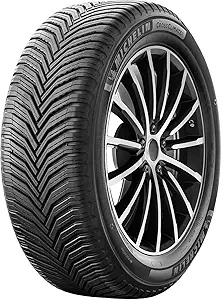
1. MICHELIN CrossClimate2
The MICHELIN CrossClimate2 is a well‑rounded all‑season tire that works for many cars, from small sedans to larger crossovers. It’s built to give drivers confidence in dry, wet, and light winter conditions without having to change tires every season. Many people choose this tire because it combines solid everyday performance with safety and long wear.
On everyday roads, the CrossClimate2 feels stable and composed. It stops well in rain and handles light snow better than many standard all‑season tires. While it’s not a dedicated winter tire for deep snow and ice, for most climates with mixed weather, it’s a reliable choice that saves you a second set of winter tires.
Key benefits you can expect:
- Good traction in dry, wet, and light winter conditions.
- Smooth and predictable feel for daily driving.
- Longer tread life that helps you get more miles before replacing.
Pros and cons:
Pros:
- Strong all‑season performance for everyday drivers.
- Confident grip in rain and light snow without needing tire changes.
- Comfortable, stable ride on city and highway roads.
Cons:
- Not as strong in heavy snow or ice as dedicated winter tires.
- Sometimes a bit pricier than basic all‑season options.
- A few drivers notice modest noise at highway speeds.
This tire is a great pick if you want one set of tires that handles most conditions well and lets you drive year‑round without seasonal swaps.
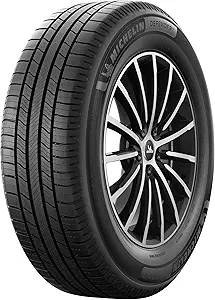
2. MICHELIN Defender 2
The MICHELIN Defender 2 is an all‑season tire made for everyday passenger cars, minivans, and crossovers. It’s designed to deliver long life, comfortable rides, and dependable performance in dry and wet weather. Many drivers pick it when they want a tire that feels smooth on city streets and on long highway drives.
On the road, this tire feels steady and confident‑inspiring. It doesn’t try to be sporty, but it does focus on lasting a long time without losing grip. That means fewer tire changes and a stable feel year after year. It handles rain well and gives good control in everyday driving situations.
Key benefits you can expect:
- Comfortable and quiet ride on regular roads.
- Long tread life that helps stretch miles between replacements.
- Strong wet‑weather grip for everyday safety.
Pros and cons:
Pros:
- Excellent durability — many drivers get a lot of miles before needing new tires.
- Smooth and predictable handling for daily use.
- Good performance in rain and light wet conditions.
Cons:
- Not designed for heavy snow or ice — a dedicated winter tire still works better in harsh cold weather.
- Not a performance tire, so steering isn’t very sharp.
- A bit more expensive than the basic budget all‑season options.
This tire is a solid choice if you want everyday reliability and long life without fuss, especially for family cars and daily commuters.
3. MICHELIN Defender LTX M/S2
The MICHELIN Defender LTX M/S2 is an all‑season tire made mainly for SUVs, light trucks, and crossovers. It’s built to give you long tread life, a calm ride, and dependable grip in dry and wet weather. Many people choose it when they want a tire that feels steady both around town and on long road trips.
On everyday roads, this tire feels smooth and controlled. It doesn’t jump out at you with sporty handling, but it does help the vehicle stay balanced in most normal driving situations. Its all‑season design means you can use it year‑round, though a dedicated winter tire is still better in heavy snow or ice.

Key benefits you can expect:
- Quiet, comfortable ride on city and highway roads.
- Durable tread that helps stretch miles between replacements.
- Solid braking and traction in wet and dry conditions.
Pros and cons:
Pros:
- Long‑lasting tread makes this a good value over time.
- Calm and predictable feel for daily driving.
- Works well in a wide range of weather without changing tires each season.
Cons:
- Not ideal for deep snow or ice — a winter tire will perform better in very cold climates.
- Handling isn’t sharp or sporty — it’s tuned more for smoothness than performance.
- Can be pricier than basic all‑season tires.
This tire is a good pick if you drive an SUV or light truck and want dependable, long‑lasting performance without sacrificing comfort or everyday control.
4. MICHELIN Latitude Tour
The MICHELIN Latitude Tour is an all‑season tire made mostly for SUVs and crossovers used on paved roads. It’s designed to feel smooth and stable on city streets and highways, with decent grip in both dry and wet conditions. Many people choose this tire when they want comfortable everyday driving and reliable performance without surprises.
On regular roads, this tire feels calm and predictable. It doesn’t try to be sporty, but it gives steady handling that helps you feel in control around town or on long trips. Because it’s an all‑season tire, it works well for most weather you’ll see during the year, though it’s not a replacement for a winter tire in heavy snow.

Key benefits you can expect:
- Comfortable, quiet ride on paved surfaces.
- Good grip in both dry and rainy weather.
- Built to last a long time before needing replacement.
Pros and cons:
Pros:
- Smooth, confident feel for everyday driving.
- Solid traction in wet and dry conditions.
- Tends to wear evenly and last many miles.
Cons:
- Not ideal if you regularly drive in deep snow or icy conditions — a winter tire will be safer.
- Handling isn’t sharp or lively — it’s made more for comfort than performance.
- A bit pricier than some basic all‑season tires.
This tire is a good choice if you want a reliable, comfortable ride from your SUV or crossover without needing special tires for each season. It’s especially handy for drivers who stick mostly to paved roads and want dependable performance year‑round.
5. Michelin Pilot Sport AS 4
The Michelin Pilot Sport AS 4 is a performance‑oriented all‑season tire made for drivers who want strong grip and handling without giving up year‑round usability. It’s often chosen for sportier cars and drivers who enjoy spirited driving but still need reliable performance in rain and light winter conditions.
On everyday roads, this tire feels responsive and confident. Steering feels direct, and the car feels planted when cornering or changing lanes. Unlike summer‑only performance tires, it also manages wet roads well and performs better than many truly winter‑only tires in mild snowy conditions.
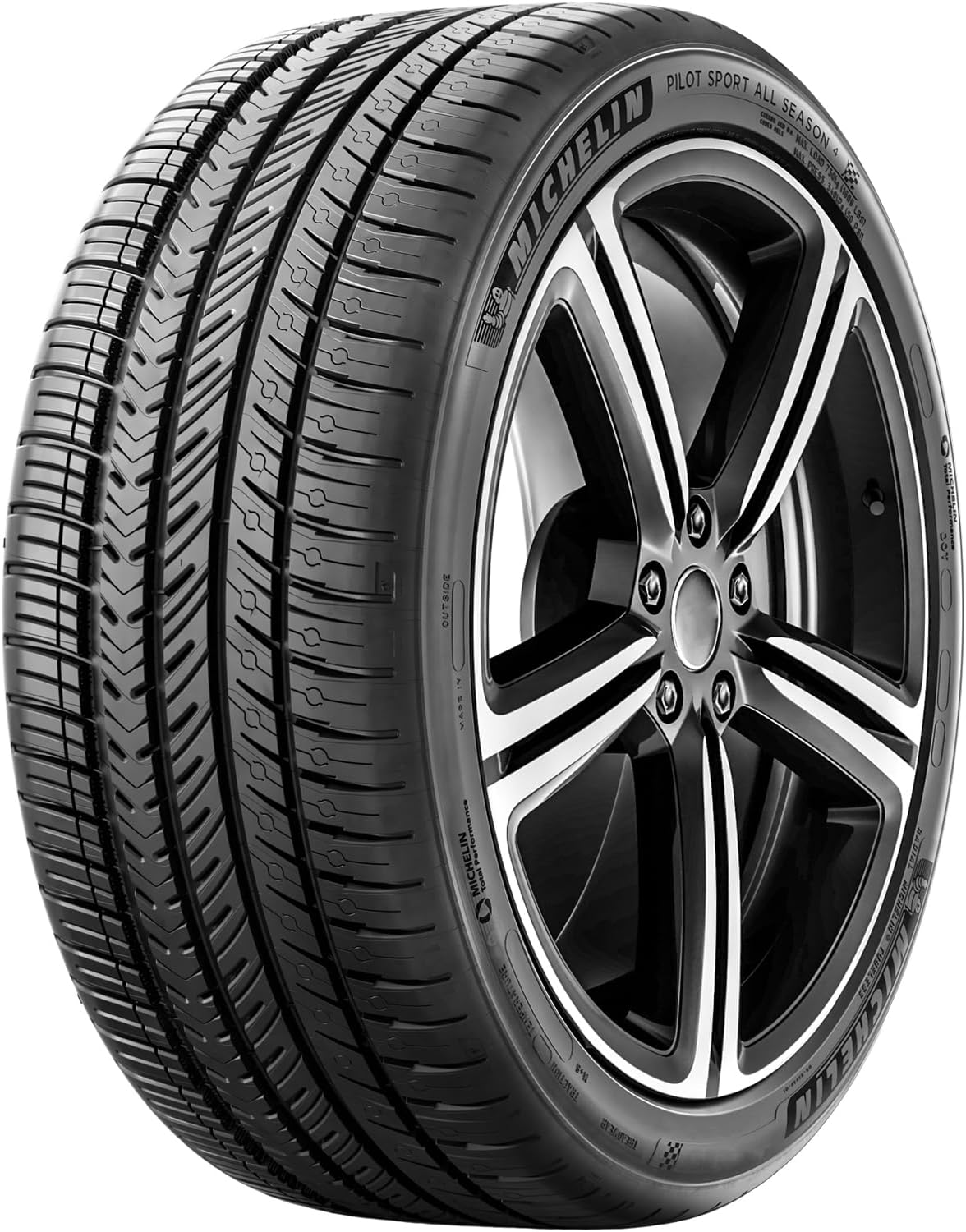
Key benefits you can expect:
- Strong grip and sharp handling that make driving feel more engaging.
- Reliable traction in both dry and wet weather, even at higher speeds.
- Usable in a wider range of conditions than summer performance tires.
Pros and cons:
Pros:
- Excellent handling and steering response for everyday performance driving.
- Good wet‑weather traction, reducing the chance of slipping in rain.
- All‑season design means more months of use before needing seasonal changes.
Cons:
- Tread can wear faster than comfort‑focused or touring tires, especially with aggressive driving.
- Not as good in heavy snow or icy conditions as dedicated winter tires.
- Slightly firmer ride compared with everyday all‑season tires.
This tire is a strong choice if you want performance feel and responsiveness with the flexibility to drive safely in a variety of everyday weather conditions. If you live somewhere with harsh winters, it’s still best to add a dedicated winter tire when temperatures drop low or snow is heavy.
Which brand is better for your driving style?
Choose Pirelli if you…
You like driving that feels lively and connected. Pirelli tires tend to give sharper steering and better grip when you push into corners, so the car feels more engaging.
You care more about how the car handles than how long the tires last. That sportier setup can mean a firmer ride and slightly faster wear — fine if you value feel over maximum mileage.
You drive a performance or luxury car and want tires that match that character. Pirelli fits well under cars that emphasize responsiveness, but expect to trade a bit of comfort and tread life for that edge.
Choose Michelin if you…
You want tires that last and behave predictably day after day. Michelin focuses on even wear and consistent stopping, which saves you money and worry over time.
You do most of your driving in the city or on highways and prefer a quiet, comfortable ride. Michelin’s designs tend to soak up bumps and keep cabin noise low, even if they don’t feel as “sporty.”
You need dependable all-season or winter performance. Michelin’s range usually gives safer, more confident braking in a variety of conditions — though you may pay more up front for that peace of mind.
Common myths about Pirelli and Michelin — and what’s actually true
There’s a lot of strong talk online. Below I’ll check three common claims and give clear, practical pointers so you can judge for yourself.
“Pirelli tires wear out too fast.”
Partly true in some cases: certain Pirelli models use softer rubber to get better grip, and those can wear faster than harder-compound touring tires. But not all Pirellis are the same — some lines are made for longer life. Instead of believing the brand claim, compare model-specific treadwear ratings, warranty miles, and independent wear tests to see how a particular tire will hold up for you.
“Michelin tires are boring to drive.”
That’s an oversimplification. Michelin does emphasize comfort and predictable behavior, which can feel less “lively” than a very sporty tire. But Michelin also makes high-performance tires that deliver sharp steering and strong grip. If you care about driving feel, pick the right model and take a short test drive before buying — don’t judge the whole brand by a single tire line.
“Price alone determines quality.”
Price is a signal, not the whole story. More expensive tires often include better materials, more R&D, and longer warranties, but higher cost doesn’t automatically mean the best choice for your needs. Look at cost per mile (price divided by expected life), independent braking and wear test results, and the manufacturer’s warranty to decide whether the price is justified.
Quick action steps you can use right now:
- Check independent test results and real-world owner reviews for the specific model you’re considering.
- Compare treadwear warranty miles and calculate cost per mile.
- If possible, do a short drive or ask the shop about the tire’s real-world behavior.
Bottom line: none of these myths are 100% true or false for every tire. Judge tires by model, test numbers, and how you drive — not by brand slogans.
Price comparison and availability
Tire prices depend most on size and purpose. Small-sedan all-season tires are usually the cheapest option, while low-profile performance tires and large SUV/Crossover sizes cost noticeably more. Expect a wide range — the exact number comes down to the model and the wheel size on your car.
When comparing costs, don’t look only at the sticker price. Add mounting and balancing, any alignment needed, old-tire disposal fees, and applicable taxes. Those shop charges often add $15–$40 per tire, so factor them into your decision.
Availability varies by region and by tire size. Common sizes for everyday cars are stocked everywhere; rare performance or large SUV sizes can be limited and sometimes take extra days to order. Winter tires may also be scarce at the start of a cold snap, so planning ahead helps.
OEM (the tires that came on your car from the factory) and aftermarket pricing can differ. OEM-fit tires can be convenient because they match the original spec, but they aren’t always the cheapest. Aftermarket retailers — local shops or online sellers — usually offer more choices and competitive pricing, especially for popular sizes.
Watch for discounts and promotions, but treat them like icing on the cake. Seasonal sales (spring and fall), manufacturer rebates, and retailer bundle deals can save real money. However, don’t jump on a deep discount without checking model-specific reviews and warranty terms — a cheap tire that wears fast costs more per mile.
Quick, practical steps you can take now:
- Search for your exact tire size and compare total price (tire + mounting + tax) across two or three sellers.
- Ask shops if alignment is included or required — getting alignment later can raise total cost.
- If a deal looks much cheaper than usual, check model reviews and the treadwear warranty before buying.
- When you need uncommon sizes, order early to avoid delays or last-minute compromises.
Keeping these points in mind helps you balance upfront price, real availability, and the true long-term cost of the tires you choose.
Final Verdict: Pirelli vs Michelin
Both Pirelli and Michelin make excellent tires, but the right choice depends on how you drive. Pirelli shines if you enjoy sporty handling and a more connected feel, though the ride may be firmer and tread life shorter. Michelin is ideal for comfort, long-lasting performance, and reliable all-season or winter use, even if it feels less “sporty.”
Focus on your needs, not the brand reputation. Match the tire to your driving style, conditions, and priorities, and you’ll get the best balance of safety, performance, and value.
Frequently Asked Questions (FAQ)
Which brand lasts longer?
On average, Michelin tires last longer. They focus on even wear and durability, while some Pirelli tires, especially performance models, may wear faster due to softer compounds. Always check the specific model’s tread life rating.
Are Pirelli tires good for daily driving?
Yes. Pirelli tires handle daily commuting well, especially if you like a more responsive, sporty feel. Keep in mind some models may feel firmer and wear faster than comfort-focused tires.
Are Michelin tires worth the higher price?
Often, yes. Michelin tires tend to last longer, ride more comfortably, and perform consistently in different conditions. Over time, this can offset the higher upfront cost.
Which brand is better in snow or rain?
Michelin generally performs better in wet and snowy conditions, thanks to their focus on all-season and winter tires. Pirelli can handle wet roads well in performance lines, but they’re less consistent in snow unless you choose a dedicated winter model.
Can you mix Pirelli and Michelin tires?
It’s not recommended. Mixing brands can lead to uneven handling, traction differences, and unpredictable braking. For safety and optimal performance, use the same brand and model on all four wheels whenever possible.
