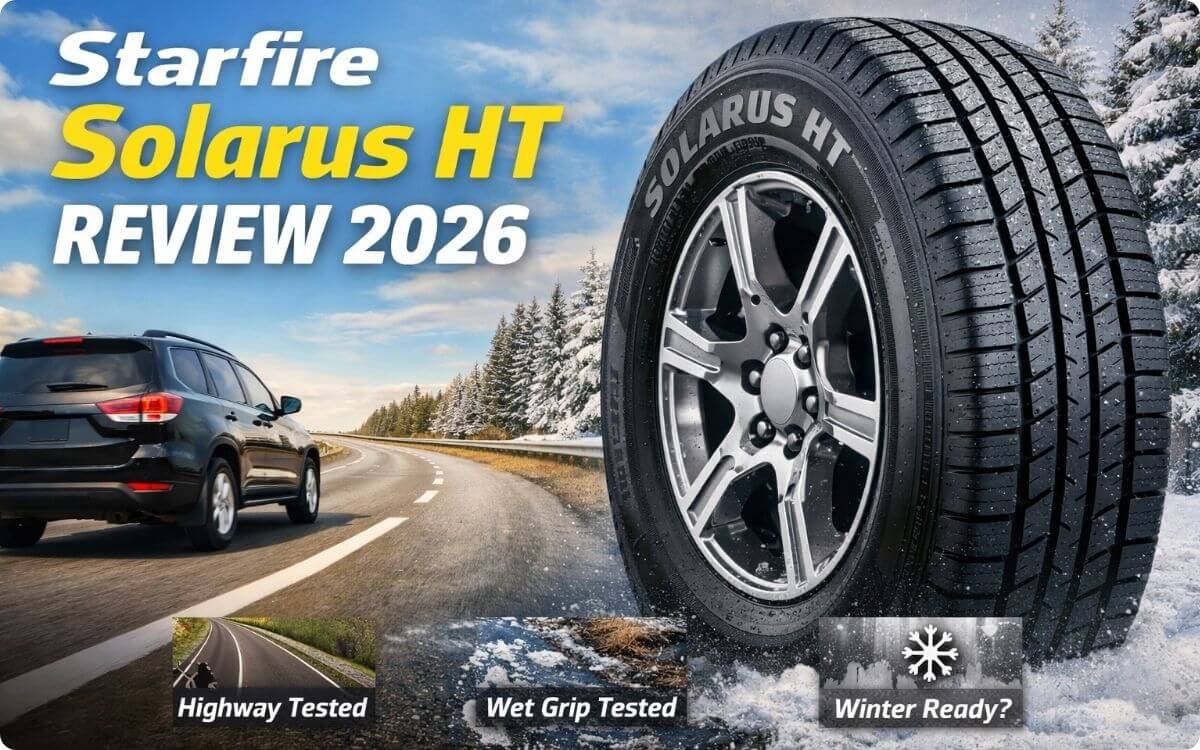
Starfire Solarus HT Review (2026): Is It Worth Buying?
If you’re considering the Starfire Solarus HT, you probably want to know one thing: is it a smart buy for your SUV or truck in 2026? This highway all-season tire is built for everyday driving, but not every affordable tire is worth your money.
In this Starfire Solarus HT review, we’ll break down how it performs on dry and wet roads, how long it lasts, and whether it fits your driving needs. No technical talk—just clear, real-world advice to help you decide with confidence.
Quick Verdict
⭐ Overall rating: 4.6/5 – good value highway tire
Best for: SUV and crossover owners who drive mostly on paved roads and want a dependable tire without paying premium prices.
Not ideal for: Drivers in heavy snow areas, off-road use, or performance-focused handling.
Price range: Typically around $110–$140 per tire, depending on size and retailer.
Estimated tread life: Around 50,000 miles under normal driving and proper care.
If you want a solid, budget-friendly tire for everyday highway and city driving, the Starfire Solarus HT delivers steady performance for the money. It handles dry and light wet conditions well and offers a comfortable ride, but it isn’t designed for heavy snow or sporty driving. For basic commuting and family use, it’s a sensible choice — just don’t expect premium-level traction or refinement.
What is the Starfire Solarus HT?
The Starfire Solarus HT is an affordable, highway-focused all-season tire made for everyday driving. It’s built to give a comfortable ride, steady handling on paved roads, and a reasonably long tread life without a high price tag.
It’s meant mainly for SUVs, crossovers and light trucks — vehicles that spend most of their time on highways and city streets rather than off-road. These tires aim to be quiet and smooth at cruising speeds, while still offering enough grip for routine wet and dry conditions.
Because it’s an all-season highway (HT) tire, don’t expect winter-tire levels of snow traction or aggressive off-road performance. In heavy snow or for serious winter driving, a dedicated winter tire is a safer choice.
Starfire is produced by Cooper Tire & Rubber Company, and Cooper is now part of the Goodyear family. That matters for a few reasons.
When a known manufacturer backs a budget tire, quality control and manufacturing standards are usually more consistent than with small, unknown brands. You’re more likely to see predictable performance and fewer manufacturing defects.
Warranty handling also tends to be easier. Big manufacturers and their dealer networks usually offer clearer warranty terms and a smoother claims process than tiny independent brands.
Finally, brand backing gives buyers confidence. A budget tire from a recognized tire maker carries more credibility than an otherwise similar tire from a little-known label. That said, the tradeoff is that the Solarus HT prioritizes value: you get solid everyday performance without premium features like ultra-quiet tread compounds or top-tier winter grip.
Pros and Cons of Starfire Solarus HT
Pros
- Affordable price for SUV and light truck owners.
- Smooth and steady on the highway.
- Reliable grip on dry roads.
- A practical choice for daily commuting.
Cons
- Wet grip is decent but not outstanding.
- Not a good fit for heavy snow or icy winters.
- Not built for serious off-road driving.
Overall, it’s a solid budget highway tire. It does everyday driving well, but it’s not designed for extreme weather or rough terrain.

Key specifications & technical details
| Specification | Typical value / note |
| Tire type | Highway All-Season (HT). |
| UTQG (common example) | 500 A B for many sizes (varies by size). |
| Speed rating | Varies by size — common examples: T, 111T, 112T, 115T, 117H. Check the exact size. |
| Load rating | Varies by size — examples: 107, 111, 112, 115, 117 (load index). Confirm your wheel size. |
| Treadwear warranty | 50,000 miles (manufacturer limited warranty; terms vary by size). |
| Available sizes | Examples listed: 245/65R17, 245/70R17, 255/70R17, 265/65R17, 265/70R17 (also 15–20″ rims). Confirm fit for your vehicle. |
| Sidewall type | Mostly Black Sidewall (BSW / BLK) on common sizes. |
| Typical price (retail) | Around $120 each on the Goodyear product page; price changes by size & retailer. |
What UTQG means: UTQG is three small ratings on many tires — Treadwear, Traction, and Temperature.
- Treadwear (a number like 500) compares how fast the tire wears versus a reference; higher usually means slower wear.
- Traction (A, B, C) rates braking grip on wet pavement.
- Temperature (A, B, C) shows heat resistance at speed. These ratings are useful for comparing tires, but they don’t guarantee exact mileage or real-world stopping distances.
Quick note: Speed rating, load index, and some performance specs change by exact tire size and whether it’s a passenger (P) or light-truck (LT) version — always verify the specs for the size you plan to buy.
Real-World Performance Review
This is the part that really matters — how the tire feels once it’s on your vehicle and you’re driving every day.
Dry Road Performance
Steering feels predictable and direct for everyday driving. The Solarus HT responds to small steering changes without surprise — it’s not a sports tire, but it tracks where you point it and makes highway lane changes feel controlled.
Braking on dry pavement is steady and reliable. Most shoppers and retailer descriptions note predictable brake response and even wear, though stopping distances won’t match higher-end touring tires. In plain terms: it stops safely for normal driving, but don’t expect race-car level bite.
On the highway the tire holds a straight line well and shows minimal wandering at speed. At 65–75 mph the Solarus HT stays composed; you’ll feel some road texture through the steering, but overall the ride stays calm and confidence-inspiring for long drives.
Cornering is stable for daily use — you can take on-ramps and swept turns without the tire sliding or feeling loose. Expect modest body roll compared with sportier or premium tires; the trade-off is a smoother, more comfortable ride rather than sharp, aggressive handling.
Is it stable for daily commuting? Yes. For commuting, highway driving, and family use the Solarus HT provides steady, predictable performance on dry roads. If you want very sporty handling or track performance, look elsewhere; for everyday stability and comfort it’s a solid, budget-friendly choice.
Wet Road Performance
On wet roads, the Starfire Solarus HT gives you a decent feeling of control, but it’s not at the level of premium all-season tires. The tire’s tread has four wide center grooves that help push water out from under the tire as you drive. That design makes it harder for the tire to lose grip and slide on standing water — what we call hydroplaning — and most drivers report it handles rain better than very cheap alternatives.
When you need to slow down in the rain, most people find the braking confidence acceptable. The grooves and the smaller tread cuts give enough bite on a wet surface to keep you feeling in control, especially at regular highway and city speeds. It won’t stop as quickly as higher-end tires designed for wet traction, but for everyday driving it feels secure and predictable.
The tread pattern on the Solarus HT is built with simple water channels and sipes rather than advanced grip rubber, so it won’t outperform premium tires in heavy rain. But it isn’t weak either — overall wet traction falls in the average range for budget all-season tires. You should still drive carefully in heavy downpours, as stronger wet braking and cornering grip are typical features of tires with more advanced designs.
In everyday terms: this tire holds its own in rain, resisting hydroplaning and giving steady wet braking. It’s not above average compared with pricier models, but it’s reliable enough for routine commuting and highway travel in wet weather.
Light Snow Performance
When it comes to snow, the Starfire Solarus HT can handle light, occasional winter weather, but that’s really the limit. Its tread design gives some grip in slush or on slightly snowy roads, and if you live in an area with only a few light snow events each year, it can get you where you need to go at normal speeds.
This tire is not a winter tire. It doesn’t have the soft rubber or deep siping that you see on tires made for snowy and icy conditions. That means in heavier snow or on packed, icy roads, traction drops off more quickly than on a true winter tire. You might notice wheel spin when starting from a stop or less confidence when turning in deeper snow.
The Solarus HT also doesn’t carry the “three-peak mountain snowflake” symbol that shows a tire meets severe snow performance standards. So it shouldn’t be your primary choice if you regularly drive in areas with serious winter weather.
In short, this tire is okay for mild winter conditions — light snow, wet roads, and cool weather. But if you live where snow sticks around all winter or where blizzards and ice storms are common, you’ll want a dedicated winter tire for safety and better traction.
Ride Comfort & Road Noise
On the highway, the Starfire Solarus HT delivers a smooth, comfortable ride for most everyday drivers. The tire absorbs small bumps and rough patches without making the car feel tense or jittery, which makes longer trips easier on your back and your passengers.
Inside the cabin, road noise is noticeable but not overly loud. You’ll hear some sound from the tires at higher speeds, especially compared with more expensive touring tires, but it doesn’t become annoying or distracting for normal commuting and highway driving.
Compared to premium tires, the Solarus HT isn’t as quiet or refined. Higher-end tires often use advanced rubber compounds and noise-reducing designs that make them noticeably softer and quieter on the road. With the Solarus HT, you trade some of that luxury feel for a lower price — it’s a comfort first tire, not a luxury one.
For family SUVs doing daily driving and road trips, the noise and comfort level is good enough. You won’t get the hushed ride of high-end touring tires, but most families will find it perfectly acceptable for everyday use.
Tread Life & Durability
When you think about how long these tires will last, the key number is the 50,000-mile limited warranty that comes with most sizes of the Starfire Solarus HT. That means the manufacturer expects normal drivers to get many miles out of them before they start to wear down.
In real life, many drivers report that the tires wear evenly and can last a long time if the vehicle is maintained well with regular rotations and proper inflation. That even wear helps the tire stay balanced and predictable as the miles add up.
However, not everyone gets the full 50,000 miles. Some owners have said their tires began showing signs of wear well before that, and a few have even experienced punctures or small air leaks earlier than expected.
The rubber compound in these tires isn’t as soft or advanced as you’ll find in premium touring tires, but that’s part of why they hold up reasonably well for daily highway use. You trade a bit of grip and refinement for tougher tread that doesn’t wear out too quickly.
So will they realistically last 50,000+ miles? Many drivers do reach close to that mark when the tires are rotated and cared for properly, but some fall short depending on driving style, road conditions, and maintenance. They’re good for everyday use, but don’t expect luxury-tire lifespan in all cases.
How It Compares to Competitors
Here’s a clear, honest look at how the Starfire Solarus HT stacks up against some common competitors you might be considering.
Starfire Solarus HT vs Cooper Discoverer HT
The Cooper Discoverer HT generally sits a step above the Solarus HT in performance and overall quality. Discoverer HT tires usually have stronger dry and wet traction, a more refined feel on the road, and sometimes a longer tread life, especially if they carry higher mileage warranties.
Drivers who often cruise highways or want a little more confidence in wet handling may prefer Discoverer HT tires despite the higher cost. The Solarus HT, in contrast, is aimed at budget-oriented buyers who want decent everyday performance without spending much.
Starfire Solarus HT vs Goodyear Wrangler HT
The Goodyear Wrangler HT is another highway all-season tire from a more recognized full-line brand. Compared with Starfire, tires in the Wrangler HT family tend to offer more consistent performance across wet and dry conditions and often feel smoother at highway speeds. Some Wrangler HT versions also come with stronger wear and mileage warranties.
On the downside, Wrangler HT tires usually cost more at retail. For many everyday drivers, Solarus HT delivers acceptable performance for the money, but if you want longer tread life and a quieter ride, paying extra for Goodyear Wrangler HT can be worthwhile.
Starfire Solarus HT vs Another Budget HT Competitor
When stacked against other low-cost highway all-season tires, Starfire often holds its own. It tends to offer smoother highway ride quality and a quieter feel than many cut-rate options with harsher tread patterns, and it comes with a decent 50,000-mile warranty.
However, some budget brands might offer slightly better wet performance or tread life in specific sizes. In most cases, Solarus HT is a balanced choice among value tires, trading off a bit of traction or longevity for a comfortable highway feel.
How They Compare on Key Points
- Price: Solarus HT is usually cheaper than both Cooper Discoverer and Goodyear Wrangler HT.
- Tread Life: Discoverer HT and some Goodyear HT models may offer stronger mileage warranties and longer tread life.
- Noise: Solarus HT is fairly quiet for a budget tire, but premium HT tires often feel smoother and quieter at speed.
- Wet Traction: Premium competitors commonly have stronger grip in heavy rain, while Solarus HT sits around average for its class.
- Overall Value: For tight budgets, Solarus HT is hard to beat. If you value stronger wet traction, longer durability, or comfort at highway speeds, it’s often smarter to spend more on a Cooper Discoverer or Goodyear Wrangler HT.
When Is It Smarter to Spend More?
If you drive long highway miles every week, frequently encounter heavy rain, or simply want your tires to last longer with tighter handling and quieter performance, spending extra on a higher-tier tire usually pays off over time. Premium touring HT tires tend to be safer, more refined, and longer-lasting — which matters when you consider how often and how far you drive.
Who Should Buy the Starfire Solarus HT?
SUV owners in mild climates
If you drive an SUV or crossover and winters are mostly mild where you live, this tire is a good match. It’s built for highway and street use rather than heavy snow or ice, so it performs best in regions without severe winter storms.
Daily commuters
If your driving is mostly commutes, errands, and highway trips, the Solarus HT gives a comfortable ride and steady handling at normal speeds. It’s a practical pick when you want predictable, no-fuss performance every day.
Budget-focused drivers
This tire is aimed at people who want reliable performance without paying premium prices. It frequently sells for less than comparable name-brand HT tires, so it’s a sensible choice if cost matters more than having the absolute best wet grip or ultra-quiet touring comfort.
Highway-focused use
If most of your miles are on highways — long trips, commuting at steady speeds — the Solarus HT is designed for that work. It’s tuned for stability and a smooth ride on paved roads, making it a solid option for drivers who rack up highway miles.
Who Should Avoid Starfire Solarus HT?
Let’s be honest — this tire is not for everyone.
Drivers in heavy snow areas
If you live somewhere with deep snow, icy roads, or long winters, this isn’t the right choice. It’s an all-season highway tire, not a true winter tire. You’ll get better safety and control from a dedicated winter tire in those conditions.
Frequent towing heavy loads
If you regularly tow large trailers, boats, or heavy equipment, you should look at a stronger light-truck (LT) tire made for heavier work. This tire can handle normal SUV use, but constant heavy loads will wear it out faster.
Off-road enthusiasts
If you drive on dirt trails, mud, or rocky terrain often, this isn’t built for that. It’s designed for paved roads. Gravel roads once in a while are fine, but serious off-road driving needs a more aggressive all-terrain tire.
Performance-focused drivers
If you enjoy sharp cornering, quick steering response, and strong high-speed grip, this tire will feel average. It’s built for comfort and steady driving, not sporty handling.
Being clear about these limits helps you avoid buying the wrong tire. If your driving style or conditions match any of the points above, it’s smarter to choose something more specialized.
Long-Term Ownership Considerations for the Starfire Solarus HT
Keeping these tires in good shape is mostly simple: a little regular care goes a long way. Check them often, follow your vehicle’s recommendations, and fix small issues before they become big problems.
Check tire pressure at least once a month and before long trips. Always use the pressure shown on your vehicle’s door placard or owner’s manual — not the maximum number stamped on the tire sidewall. Check pressures when the tires are cold (the car hasn’t been driven for a few hours).
Rotate your tires regularly to spread wear evenly. Most manufacturers and safety authorities suggest rotating every 5,000–8,000 miles (or follow your owner’s manual). Regular rotation helps the tires wear evenly and often extends the usable life of the set.
Get the wheel alignment checked at least once a year or any time you feel unusual steering pull, vibration, or see uneven wear. Poor alignment makes tires wear faster and can harm handling, so it’s an inexpensive check that protects your investment.
Balance and inspect the tires whenever they’re rotated or if you notice vibration. Look for cuts, bulges, uneven tread, or objects stuck in the tread. Also check tread depth visually or with a gauge — built-in tread wear indicators show when it’s time to replace. NHTSA recommends a monthly visual check when you check pressures.
A few quick, practical rules to remember:
- Keep pressures at the vehicle-maker’s recommendation.
- Rotate every 5k–8k miles to even out wear.
- Do an alignment if you hit a big pothole or notice uneven wear.
With this routine care — correct pressure, regular rotations, periodic alignment and inspections — the Solarus HT will offer the best balance of mileage and performance for its price. Proper maintenance often makes the difference between a tire that wears out early and one that reaches its expected life.
Is It Worth the Money in 2026?
If you’re mainly looking at the Starfire Solarus HT because it’s affordable, this tire delivers good value for everyday driving. Many drivers appreciate that it’s much cheaper than premium options while still offering a smooth ride and acceptable all-season grip on paved roads. Some tire listings and reviews show this tire scoring well in basic performance tests at a low price point, which means you get reasonable performance without spending a lot.
Where the Solarus HT really shines is in everyday use on highways and city streets. Most owners find that it handles common wet and dry conditions well enough for commuting and family driving without harsh road noise or roughness. Its tread design also contributes to even wear over time, so you’re less likely to get surprising early failures if you maintain them properly.
But there are trade-offs. This tire is not designed for high-performance handling or very demanding conditions. Wet traction is around average for its price range, and although the tread design helps resist hydroplaning, it won’t stop as quickly as some premium all-season tires in heavy rain. You also won’t get the same refinement, cornering confidence, or long mileage warranties that more expensive touring tires offer.
When you weigh value vs performance, the Solarus HT is worth the cost if you want a dependable tire that doesn’t cost much and performs well for daily driving. If your priorities include top-tier wet braking, longer tread life, or a quieter, more refined highway feel, spending a bit more on a higher-rated highway tire is usually a smarter long-term choice.
In short: yes — it’s worth it for budget-minded drivers who want solid everyday performance. But if you demand more in tough weather or want premium handling and longevity, stepping up to a higher-tier tire makes sense.
Read More: Starfire Solarus AS All-Season Tire Review
Final verdict & buying recommendation
If you want an affordable, reliable, and comfortable highway tire for daily driving, the Starfire Solarus HT is a smart buy. It delivers steady performance on paved roads, feels comfortable at cruising speeds, and gives good value for the price.
If your priorities are strong snow traction, frequent heavy towing, or the quietest, most refined ride, step up to a more specialized tire—choose a 3-PMSF winter tire for snow, an LT/heavy-load tire for towing, or a premium touring tire for top comfort and long tread life.
Quick action: buy the Solarus HT if your driving is mainly commuting and highway miles in mild climates. If your driving includes harsh winters, heavy loads, or performance demands, spend a bit more for the safer, longer-lasting option that fits those needs.
FAQs: Starfire Solarus HT Review
1. Is the Starfire Solarus HT a good tire?
Yes, for everyday driving. It’s a solid choice if you want an affordable highway tire that handles daily commuting and family use without problems. It’s not a high-performance or winter-focused tire.
2. How long does the Starfire Solarus HT last?
Most sizes come with a 50,000-mile treadwear warranty. With proper rotation, correct tire pressure, and good alignment, many drivers can expect close to that range.
3. Is the Starfire Solarus HT good in rain?
It performs fine in normal wet conditions. In heavy rain, you should drive carefully, as wet grip is average compared to more expensive premium tires.
4. Can it handle snow?
It can manage light snow, but it is not made for deep snow or icy roads. If you live in an area with harsh winters, a dedicated winter tire is safer.
5. Is the ride noisy?
For a budget highway tire, it’s reasonably quiet. It may not be as silent as premium touring tires, but most drivers find it comfortable for daily use.
6. Is Starfire made by a reliable company?
Yes. Starfire tires are manufactured by Cooper Tire, which is owned by Goodyear. That backing adds credibility and support compared to unknown budget brands.
7. Is it worth buying over premium brands?
If your priority is saving money and you mainly drive on highways and city roads, it’s worth considering. If you want stronger wet grip, better snow traction, or longer tread life, spending more on a premium tire may be the better choice.
