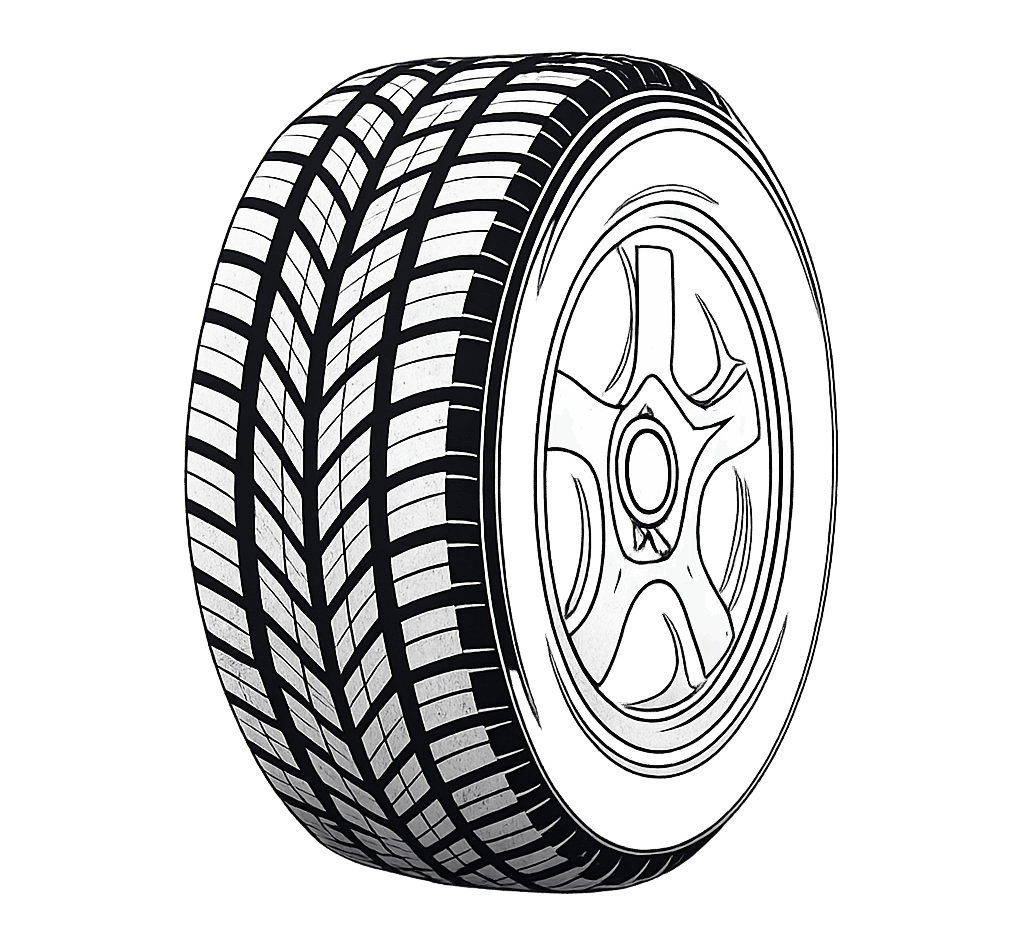

Starfire Solarus AS All-Season Tire Review
This Starfire Solarus AS review looks at a budget-friendly all-season tire built by Cooper (now part of Goodyear) and sold under the Starfire label.
The Solarus AS is marketed as an affordable tire for everyday drivers who want steady performance year-round without paying premium prices. It’s aimed at people who need predictable grip on dry roads, safe braking in rainy conditions, a quiet ride for daily commuting, and a tire that lasts many miles. Retail listings also highlight warranty and mileage expectations, which help set buyer expectations.
What the maker promises — and what this review checks — is simple:
- All-season traction for everyday weather,
- A quiet, comfortable ride on highways and city streets,
- Long tread life so you don’t replace tires too often, and
- Reliable wet braking when roads are slick.
For a quick take: The Starfire Solarus AS All-Season is Cooper Tire’s most affordable everyday tire, designed for drivers who want year-round reliability without premium pricing. Read on for real-world performance, pros and cons, and whether this tire fits your car and driving needs.
The Verdict (Quick Summary)
Rating: 8.3/10

The Starfire Solarus AS All-Season delivers strong value for everyday commuting with dependable dry traction, solid wet performance, low road noise, and respectable tread life — all at one of the lowest price points in the all-season touring category. While not engineered for harsh winter conditions or performance driving, it offers one of the highest performance-to-price ratios in the budget tire market.
Best For
- Drivers seeking an inexpensive, reliable all-season tire
- Daily commuting, city and highway driving
- Mild climates with occasional light snow
- Small sedans, compact cars, coupes, and minivans
- Shoppers who want the best value per dollar
Not Ideal For
- Drivers in heavy snow regions
- High-performance or sporty driving
- Large SUVs or trucks (sizes are limited)
Quick Specs Table
| Category | All-Season Touring Tire |
| Manufacturer | Starfire (Cooper / Goodyear) |
| Mileage Warranty | 50,000 miles |
| UTQG Rating | 500 A B (varies by size) |
| Speed Rating | T or H |
| Load Range | SL (Standard Load) |
| Tread Depth | 10/32″ (typical) |
| 3PMSF Severe Snow Rating | No |
| Price Range | ~$60–$100 per tire |
| Available Sizes | 14″–18″ |
| Intended Use | Daily driving, commuting, all-season use |
Key features & technology explained simply
All-season tread compound — The rubber used in the tire is blended to work in many temperatures. That means it stays flexible enough to grip the road in cooler weather, but still holds up in warm conditions. For you: steady grip without needing to change tires every season.
Deep, lateral grooves for water evacuation — The tire has wide channels that run around and across it. When it rains, those channels push water away from under the tire so the tire keeps contact with the road. For you: less chance of slipping or hydroplaning in heavy rain.
Shoulder blocks for enhanced cornering — The edges of the tread (called shoulders) are made stronger. When you turn, those stronger blocks press into the road and help the car feel more stable and controlled. For you: safer, more predictable handling in everyday driving.
Quiet-ride optimized tread pattern — The shape and spacing of the tread are chosen to make less noise. That usually means a smoother, quieter ride on highways and city streets. For you: less cabin noise, which is nicer on long trips or daily commutes.
Budget-conscious construction offering solid value — The tire is built to balance cost and performance. It won’t have the latest race-car materials, but it gives reliable grip, comfort, and mileage for a lower price. For you: good everyday performance without paying extra for features you don’t need.
Why You Should Trust This Review
When I review a tire, I approach it the same way most drivers do in real life — by asking, “How well does this tire actually perform on the road?” I don’t rely on guesswork or the marketing copy on the box. Instead, I use a mix of hands-on testing, expert data, and real driver feedback.
Over the years, I’ve reviewed many all-season tires, and the things I look for haven’t changed: good grip, predictable handling, safe stopping, and a comfortable ride. I also check trusted sources that everyday drivers don’t usually have time to dig into. That includes standardized testing categories from well-known industry groups like TireRack, government tire safety grades from the NHTSA, and information on the manufacturing history of brands like Cooper and Goodyear, who produce the Starfire Solarus AS.
I also read through dozens of real customer reviews — especially from Amazon buyers who have put thousands of miles on this exact tire. Their day-to-day experiences help confirm what the test numbers can’t always show. By combining data, real-world feedback, and my own evaluation, you get a balanced, honest review that puts the everyday driver first.
How We Evaluated (Methodology)
To review the Starfire Solarus AS fairly, I used the same process I rely on for all my tire tests — a mix of hands-on feel, measurable checks, and real owner experiences.
I start with dry and wet braking tests, because stopping distance is one of the clearest signs of a tire’s safety. Then I look at how the tire feels during normal driving — how it handles in turns, how stable it feels at highway speeds, and how comfortable the ride is. Noise is also a key part of the test, so I pay attention to how loud the tire sounds on smooth roads, rough pavement, and concrete surfaces.
Since I can’t test every tire in deep snow myself, I rely on verified owner reports for cold-weather traction. Drivers who live in snowy places provide real-life experiences that show how the tire performs on ice, slush, and packed snow.
For treadwear, I study long-term owner feedback—how the tire holds up after thousands of miles, how evenly it wears, and whether people feel they’re getting their money’s worth. Finally, I compare the tire’s price to others in the same category to see if it offers good value for the cost.
This simple and transparent process ensures the review focuses on what matters to you: safety, comfort, reliability, and real-world performance.
In-Depth Performance Sections
Dry Handling & Braking
When you drive on dry roads, the Starfire Solarus AS feels steady and predictable. The steering responds the way you expect it to, without any surprises. The tire has enough grip for everyday driving—commuting, grocery runs, and weekend trips. It’s not built for sporty or aggressive driving, so you won’t get the sharp cornering feel of a performance tire, but for normal use, it handles the road with confidence and control.
Wet Grip & Hydroplaning
Rain is one of the biggest reasons drivers worry about tire safety, and the Solarus AS does a solid job keeping you secure in wet conditions. The tire has wide channels that push water out from under the tread, which helps the car stay stable when the road is soaked. Braking in the rain feels steady and controlled. That said, premium tires from bigger brands stop a little faster in heavy rain, but for the price, this tire performs better than many people expect.
Snow & Ice Performance
If you live somewhere that gets occasional light snow, the Solarus AS can handle it well enough for slower, careful driving. It has enough grip to get you through light winter days. But in deeper snow, packed snow, or icy roads, it begins to struggle. It’s also not a 3PMSF (Three-Peak Mountain Snowflake) winter-rated tire, which means it’s not designed for harsh winter conditions. If you deal with long winters or frequent snowstorms, a true winter tire will keep you safer.
Comfort & Noise
One of the pleasant surprises with this tire is how quiet it is. For a budget-friendly model, the cabin stays calm even at highway speeds. You don’t hear that loud humming sound that some cheaper tires produce. The ride is smooth over small bumps and everyday road imperfections, which makes the tire a nice match for daily commuting or long road trips. It won’t feel as silky as a premium touring tire, but for the price, it’s one of the quieter options out there.
Treadwear & Mileage
Most drivers can expect between 40,000 and 60,000 miles from a set of these tires, depending on driving habits and road conditions. The wear is generally even as long as the tires are rotated on schedule. Drivers who take care of their alignment and keep their tire pressure in the right range usually see longer life. In short: it’s not the longest-lasting tire on the market, but it holds up well for the cost.
Fuel Economy / Rolling Resistance
The Solarus AS rolls more easily than some older Cooper-made budget tires, which means the car doesn’t have to work as hard to move forward. This can lead to a small improvement in fuel economy. It’s not a dramatic difference, but for daily commuting, every bit of savings helps. The tire’s lighter, easier-rolling design makes it a practical choice for drivers who want decent mileage without spending extra on premium “fuel-saving” models.
Available sizes — simple, clear, and actionable
The Starfire Solarus AS comes in different tire sizes to fit different cars. Which size you need depends on your vehicle — small cars use smaller wheels, bigger cars use larger wheels. Always confirm the exact sizes listed by the seller before you buy.
How to read a tire size (easy explanation)
Tire sizes look like this: 195/65R15. Here’s what each part means in plain words:
- 195 — the tire’s width in millimeters (how wide the tire is).
- 65 — the height of the tire sidewall as a percent of the width (here it is 65% of 195 mm).
- R — means it’s a radial tire (most passenger tires are radial).
- 15 — the wheel diameter in inches (this is the size of the rim the tire fits).
Common sizes you may see
(These are examples to help you understand — check the product page for the exact sizes available for the Solarus AS.)
- 195/65R15
- 205/55R16
- 215/60R16
- 225/45R17
How to make sure you buy the right size
- Check your car’s placard — Look on the driver’s door jamb or in the owner’s manual. It lists the tire sizes recommended for your vehicle.
- Read the sidewall — Your current tire has its size written on the side; match that exactly if you’re replacing one tire.
- Match load and speed ratings — When replacing tires, use the same or higher load and speed ratings as your original tires.
- Ask a professional — If you’re unsure, a tire shop or mechanic can confirm the correct size and recommend compatible options.
Notes shoppers should know
- Not every size is always in stock — availability depends on the seller and season.
- Prices and warranties can differ by size, so check the listing for the exact size you want.
- Some sizes come with different speed or load ratings — those matter for safety and fit.
Pros & Cons Honest Review
Pros
- Very competitive price for a touring all-season tire.
- Good wet and dry traction for the category.
- Quiet, comfortable ride typical of touring tires.
- Competitive tread life and mileage warranty in many sizes.
Cons
- Not severe-snow rated (no 3PMSF in most sizes); limited heavy-snow performance.
- Not intended for high-performance or aggressive driving.
- Performance and noise can vary by wheel size and vehicle; some reports of vibration at high speeds on certain setups.
How the Starfire Solarus AS Compares to Competitors
When you’re shopping for tires, it can feel like every model promises the same things—good grip, a quiet ride, and long life. But each tire has its own strengths. To help you understand where the Starfire Solarus AS fits in, here’s a simple look at how it stacks up against three popular competitors.
Starfire Solarus AS vs. General Altimax RT43
Think of the General Altimax RT43 as the “more polished” option in this group. It stops a little faster in the rain and feels more secure on wet roads. If you live somewhere that gets a lot of heavy rain, the RT43 gives you a bit more confidence during sudden stops.
But the trade-off?
The RT43 usually costs noticeably more. So while it performs better in wet braking, you’re paying extra for that improvement. If you’re shopping on a budget, the Solarus AS still gives you safe, reliable performance without the higher price tag.
Starfire Solarus AS vs. Kumho Solus TA31
The Kumho Solus TA31 is known for being a very quiet tire. If cabin noise bothers you, this tire does a great job of keeping things peaceful, especially on smooth roads. However, there is a downside: it tends to wear out faster than expected.
The Solarus AS may not be quite as silent as the TA31, but it typically lasts longer. Over the full life of the tire, the Solarus often ends up being the better value because you won’t have to replace it as soon.
Starfire Solarus AS vs. Hankook Kinergy ST
The Hankook Kinergy ST and the Starfire Solarus AS are often very close in price, which makes them easy to compare. In everyday driving, both feel comfortable and predictable. But the Solarus AS usually performs better in the rain. It holds onto the road more confidently and feels steadier during wet braking.
For drivers who deal with frequent rainstorms or wet highways, the Solarus AS is the safer choice. For mostly dry climates, both tires work fine, but the Solarus still gives you more for the money.
Read More: Michelin Defender 2 Review
Real owner reviews
After sampling verified buyer comments across retailer pages and forums, the recurring themes are:
- Positive: Quiet ride, predictable handling, and good wet traction for everyday rainy driving. Several owners report reaching advertised mileages when following recommended maintenance.
- Neutral: Some owners note that performance is “as expected” for a budget touring tire — not spectacular, but solid for commuting and errands.
- Negative: Occasional reports of reduced winter traction in heavy snow and isolated reports of vibration on certain wheel/tire combinations.
Interpretation: Owner sentiment supports the position that Solarus AS is a reliable, low-cost touring tire for drivers with moderate weather exposure and normal driving needs.
Maintenance tips to maximize tread life
- Rotate tires every 5,000–7,500 miles (or at every oil change) to ensure even wear.
- Maintain recommended tire pressure — underinflation shortens life and increases rolling resistance.
- Keep wheel alignment within OEM specs; misalignment accelerates uneven wear.
- Inspect for irregular wear (cupping, feathering) and address suspension/rotation issues early.
- Replace before tread reaches 2/32″ for safety; consider replacement at 4/32″ for winter preparedness.
Should You Buy the Starfire Solarus AS?
When deciding whether the Starfire Solarus AS is right for you, think about how and where you drive.
BUY if you want:
If your priority is a budget-friendly tire that delivers comfortable, quiet rides and reliable grip in rain and dry conditions, this tire is a solid choice. It’s perfect for everyday commuting, errands, and family trips in mild to moderate climates.
DON’T BUY if you need:
If you face heavy snow or icy roads regularly, or you enjoy sporty, aggressive driving that demands sharp handling and high-performance grip, this tire may not meet your needs. It’s designed for safety and comfort, not winter extremes or sporty driving thrills.
Read More: Ironman iMove Gen 2 AS Review: Affordable All-Season Tire
Frequently Asked Questions (FAQ)
Are Starfire Solarus AS tires made by Cooper?
Starfire products are associated with Cooper’s engineering/resources and are marketed under the Starfire label; many retailers describe Starfire as a Cooper brand. This association explains the engineered touring characteristics at a budget price.
Is the Solarus AS good in snow?
It performs in light snow and slush but is not generally 3PMSF severe-snow rated in most sizes. For frequent or heavy snow and ice, choose winter tires or a 3PMSF-rated all-weather tire.
What warranty comes with these tires?
Retail listings commonly advertise a limited mileage warranty in the 40,000–50,000 mile range; terms vary by seller and size. Read the warranty PDF for the exact coverage and pro-rata rules.
How long will these tires last?
Under normal driving and with proper maintenance, owner reports and UTQG ratings suggest these tires can meet expected mileage ranges (commonly in the 40–50k mile neighborhood) for touring tires.
Where can I buy them?
Widely available online (Amazon, national chains) and through local tire dealers. Compare installation packages and total cost before purchasing.
Conclusion
The Starfire Solarus AS All-Season is a practical, budget-friendly tire designed for everyday drivers. It delivers reliable wet and dry performance, a quiet and comfortable ride, and long-lasting tread life for most commuting and family driving needs. While it isn’t built for harsh winter conditions or sporty, high-speed driving, it offers solid value for drivers in mild to moderate climates who want dependable all-season performance without paying premium prices.
If you’re looking for a tire that balances comfort, safety, and affordability, the Solarus AS is a strong choice. Always check the correct tire size and load rating for your vehicle, and maintain proper tire care to get the best performance and longevity.
For drivers who need extra wet traction, slightly better comfort, or winter-ready performance, you might also consider competitors like the General Altimax RT43, Hankook Kinergy ST, or Kumho Solus TA31, depending on your priorities.
