Summer Tires vs All-Season Tires: Which Should You Choose?
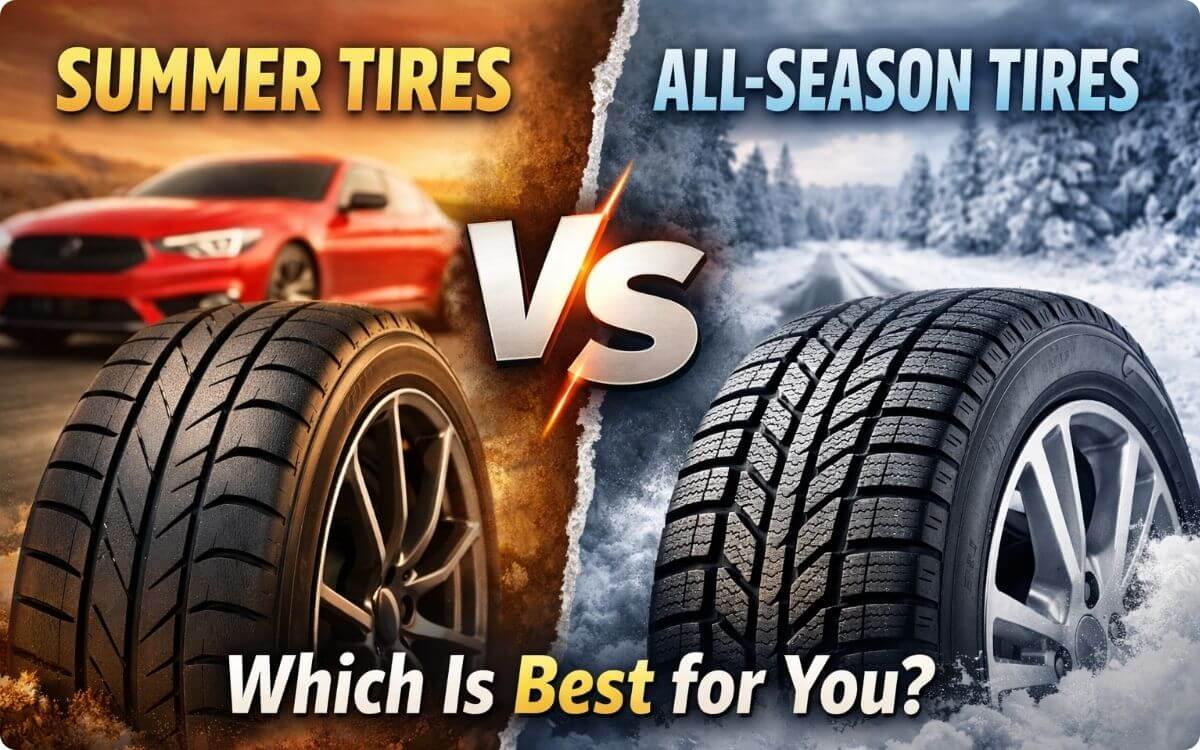
Your tires are worn out, and the shop asks a question that can feel confusing: should you go with summer tires or all-season tires? Both options promise good performance, but choosing the wrong one can affect much more than just how your car feels on the road.
The decision matters for several reasons. First, safety—different tires handle braking, wet roads, and corners in very different ways. Then there’s cost—some tires wear faster, while others last longer but may sacrifice performance. Comfort is another factor, as ride quality and road noise vary between tire types. And finally, performance—steering response, grip, and stability can change depending on what you choose.
In this guide, we’ll break down Summer Tires vs All-Season Tires in a way that’s easy to understand. By the end, you’ll know which type fits your climate, driving style, and priorities so you can make a confident choice without guesswork.
Quick Comparison Table Between Summer Tires vs All-Season Tires
| Category | Summer Tires | All-Season Tires |
| Best Temperature Range | Best above 45°F (7°C) | Works in warm and cool temps |
| Dry Road Grip | Excellent | Good |
| Wet Road Performance | Very good in warm rain | Good in most rain conditions |
| Snow & Ice | Not recommended | Handles light snow only |
| Braking Distance (Warm Weather) | Shorter | Slightly longer |
| Handling & Steering Feel | Sharp and responsive | Smooth and predictable |
| Ride Comfort | Can feel firmer | Usually more comfortable |
| Tread Life | Wears faster | Designed to last longer |
| Year-Round Use | Only in warm climates | Suitable for most mild climates |
| Best For | Warm areas, sporty driving | Daily driving, mixed weather |
Simple takeaway:
Choose summer tires for maximum warm-weather performance.
Choose all-season tires for convenience and balanced year-round use.
Quick Definitions + Core Differences

What is a summer tire?
A summer tire is made to stick to the road when it’s warm. The rubber is softer at high temperatures, which helps the tire grab the pavement for better braking and sharper cornering. That same rubber becomes stiffer and less effective once temperatures drop below about 45°F (7°C), so summer tires don’t work well in cold weather.
The tread on a summer tire has bigger, sturdier blocks and fewer tiny cuts (called sipes). That design increases the amount of rubber touching the road, which improves dry-road grip and steering feel. The trade-off is that those tires can wear faster than others, and they aren’t built to handle snow or persistent ice.
What is an all-season tire?
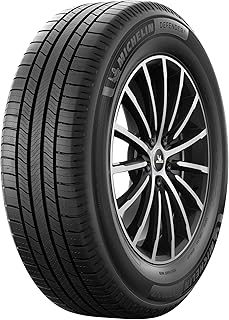
An all-season tire uses a middle-ground rubber that stays flexible across a wider range of temperatures. It won’t match a summer tire’s peak grip on a hot day, but it performs reliably in both warm and cool conditions. That’s why many people choose them when they want one tire for the whole year.
All-season treads have more sipes and a mix of groove shapes. Those features help move water away and give some traction in light snow. The result is reliable, predictable handling for everyday driving, though with less sharpness and sometimes slightly more road noise than a summer-focused tire.
When to consider a dedicated winter / snow tire
“All-season” does not mean “winter.” If you regularly drive on snow, ice, or in very cold temperatures, switch to winter tires. Winter tires use a special rubber and deep siping designed for cold, slippery roads. They are noticeably safer and more effective than all-seasons once the temperature stays low or snow is common.
How Tires Actually Work (Foundational Understanding)
To make a smart choice you don’t need to be a mechanic, but a little bit of how tires work clears up why they behave differently.
Rubber Compound Differences
Tires are made from rubber formulas that respond to temperature. Summer tires use softer, stickier compounds that give excellent grip when it’s warm. That same compound becomes too stiff in cold weather, which hurts traction.
All-season rubber is a compromise: it’s formulated to remain flexible over a wider temperature range, so it won’t grip as well as summer rubber in hot conditions, but it stays usable when temperatures fall.
Tread Pattern Design
Tread patterns affect how water and snow are channeled away and how much rubber contacts the road. Summer tires usually have larger, stiffer tread blocks and fewer sipes (small slits). That increases contact area during cornering and braking.
All-season tires add more grooves and sipes to handle rain and light snow, but those extra cuts slightly reduce the solid contact that helps with dry-road cornering.
UTQG Ratings Explained
You’ll see UTQG numbers (treadwear, traction, temperature). These ratings help compare tires: a higher treadwear number generally means longer life; traction grades show wet/stopping capability; temperature ratings indicate heat resistance. Summer tires sometimes show lower treadwear numbers because their softer compound wears faster under everyday driving.
For real-world testing and comparisons, independent testers such as Consumer Reports and Tire Rack publish tests showing how these differences play out on the road.
Performance Comparison: Summer Tires vs All-Season Tires
When you’re choosing between summer and all-season tires, the real question is simple: how will they behave when you need them most? Here’s what actually makes a difference on the road.
Dry Braking Distance
In warm weather, summer tires usually stop the car in a shorter distance than all-season tires. Independent road tests often show a noticeable gap, especially at higher speeds. That difference can mean several feet of extra stopping room.
Why does this happen? Summer tires use rubber that grips better in heat. On a hot day, they stay soft and sticky, which helps the car slow down faster.
At highway speeds, even a small improvement in braking can matter. If traffic suddenly stops, a few feet can be the difference between a close call and a crash. The downside is that this advantage shrinks in cooler weather.
Wet Grip & Hydroplaning
Many people assume summer tires are bad in rain, but that’s not always true. Good summer tires can handle wet roads very well. They are designed to push water away and keep solid contact with the pavement.
All-season tires are also built to deal with rain. In everyday heavy showers, both types can feel stable if they’re high quality and not worn out.
Where you may notice a difference is during sudden moves, like swerving to avoid something. Summer tires often feel more planted in warm, wet conditions. All-seasons are steady and predictable, but may not feel as sharp during quick changes in direction.
Cornering & Steering Response
If you enjoy a car that feels responsive, summer tires stand out here. They usually have firmer sidewalls, which means the tire doesn’t flex as much when you turn. The result is quicker response when you move the steering wheel.
That quick “turn-in” feeling makes the car feel more connected to the road. At higher speeds, summer tires also tend to feel more stable during lane changes or long curves.
All-season tires are designed more for balance and comfort. They still handle everyday driving well, but they don’t feel quite as precise. For most commuters, this difference won’t be dramatic—but drivers who pay attention to handling will notice it.
Ride Comfort & Noise
Comfort is where all-season tires often have the edge. They are usually tuned for smoother daily driving. On rough roads, they may absorb small bumps better.
Summer tires, especially performance-focused ones, can feel firmer. You might notice more road vibration, depending on the brand and your car.
Road noise also varies. Some summer tires are quiet, but others can hum more at highway speeds. All-season tires are often designed to keep noise lower during long commutes.
In the end, it comes down to what you value more: sharper performance in warm weather, or balanced comfort for everyday use.
Temperature & Climate Considerations
Where you live should heavily influence your decision. Matching tire type to climate prevents surprises.
Hot Southern Climates
If you live somewhere with long, hot summers and rare freezes, summer tires are attractive. They deliver superior grip, better high-speed stability, and often feel noticeably sportier. For many southern drivers, a set of summer tires offers the best day-to-day driving experience.
Mild Coastal Climates
Coastal areas with moderate temperatures and frequent rain are a good place for high-quality all-season tires. They handle rain and occasional cool nights while avoiding the seasonal swap hassle.
Four-Season Midwest / Northeast
If you see temperature swings from warm summers to icy winters, all-season tires give convenience and acceptable performance across seasons—but be honest about expectations.
All-seasons handle light snow and cool temperatures, but they are not a substitute for a dedicated winter tire when roads are regularly icy or snowy.
Safety organizations such as National Highway Traffic Safety Administration and AAA emphasize that specialized winter tires are significantly safer in true winter conditions.
Mountain or Snow-Prone Regions
If you live where snow and ice are regular, neither summer nor standard all-season tires are ideal. Investing in winter tires for cold months is the correct route.
All-season tires labeled for severe snow (with the mountain/snowflake symbol) can help in light snow, but they still trail a proper winter tire.
Cost Comparison Over 3–5 Years
The price on the tag is only part of the story. To understand what you’ll really spend, you need to look at a few years of ownership.
Initial Purchase Price
In many cases, summer tires cost a little more than comparable all-season tires. The difference isn’t always huge, but performance-focused models tend to sit at the higher end of the price range.
That said, pricing depends heavily on brand and size. A premium all-season tire can cost as much as a mid-range summer tire.
Tread Life Differences
This is where costs can separate over time.
Summer tires usually wear out faster. The softer rubber that gives better grip can also wear down more quickly, especially if you drive hard or spend a lot of time on highways.
All-season tires are built with longer life in mind. Many are designed to last tens of thousands of miles under normal driving. For someone who drives a lot each year, that extra lifespan can delay replacement and lower long-term cost.
Of course, driving style matters. Aggressive driving will shorten the life of any tire.
Seasonal Swapping Costs
If you decide to run different tires for different seasons, there are extra costs to think about.
You may need to pay for:
- Mounting and balancing twice a year
- Storage if you don’t have garage space
Swap costs can range from $40 to $100 per visit, depending on where you live. Over five years, that adds up.
There’s also convenience. Scheduling appointments, storing tires, and making time for changeovers may not bother some drivers. Others prefer the simplicity of one set all year.
Fuel Efficiency Considerations
Tires can slightly affect fuel use. Some all-season tires are designed to reduce rolling resistance, which can help save a small amount of fuel over time.
Performance-focused summer tires may create a bit more drag, though the difference is usually small. For most drivers, fuel savings won’t be dramatic enough to drive the decision on their own.
Example Scenario: Texas vs Ohio
Let’s compare two drivers over five years.
A driver in Texas experiences long, hot summers and very mild winters. They choose summer tires and use them year-round. They might replace them once sooner than an all-season set, but they avoid swap costs and storage fees. Overall spending stays predictable, and they enjoy better warm-weather performance daily.
Now consider a driver in Ohio. Winters are cold and snowy. If they choose all-season tires only, they may save on swap costs but sacrifice winter grip. If they choose a summer set plus winter tires, they gain safety and performance but pay for two sets and seasonal changes. Over five years, the total cost is higher—but so is year-round performance and safety.
The right choice depends on where you live and how much you value convenience versus specialized performance.
Driving Style-Based Recommendations
Where you live matters, but how you drive matters just as much. Two people in the same city can need very different tires based on their habits and priorities.
Daily Commuter
If your car is mainly for getting to work, running errands, and weekend trips, comfort and long life probably matter most.
All-season tires are usually the better fit here. They’re built to last longer and handle different weather without much fuss. They tend to ride smoothly and stay quiet, which makes daily traffic less tiring.
You may give up a bit of sharp handling, but for normal driving, you likely won’t notice much difference. The convenience of one set year-round is a big plus for busy schedules.
Performance Enthusiast
If you drive a sports sedan or coupe and actually enjoy the feel of the road, your priorities are different.
You probably care about strong grip, quick steering response, and confident braking. In warm climates, summer tires are the clear choice for this kind of driver. They make the car feel more precise and connected.
The trade-off is shorter tread life and less flexibility in cold weather. If temperatures drop often where you live, you’ll need a second set for winter. But for warm conditions, the driving experience is noticeably better.
Highway-Dominant Driver
Some drivers spend most of their time on highways. Long commutes at steady speeds change what matters.
Stability and predictability become important. Both tire types can work well here, but temperature exposure makes the difference.
If you drive long distances in hot weather, summer tires can offer strong stability and braking. If your highway driving includes cold mornings or changing seasons, a good all-season tire may be the safer and simpler option.
In the end, think about what you value most: comfort and convenience, or sharper performance and feel. Your driving style should guide the final decision just as much as your climate.
Common Myths
Myth: “All-season tires work fine in snow.”
Reality: They handle light snow and cold better than summer tires, but they are not as capable as winter tires in sustained icy or deep-snow conditions.
Myth: “Summer tires are dangerous in rain.”
Reality: Quality summer tires can have excellent wet performance; they’re not inherently poor in rain. The difference depends on specific tread design.
Myth: “Summer tires wear out extremely fast.”
Reality: They can wear faster than all-seasons under normal driving, but lifespan varies by model, driving style, and maintenance.
When It Makes Sense to Own Two Sets
For some drivers, the best solution isn’t choosing between summer and all-season tires. It owns two separate sets: one for warm months and one for winter.
A dedicated summer and winter setup gives you the right tire for each season. Summer tires handle heat and dry roads better. Winter tires are built for cold temperatures, snow, and ice. You’re not asking one tire to do everything.
This setup makes the most sense if you live somewhere with real seasonal changes. Hot summers and freezing winters call for different types of grip. If safety is a top priority, especially in snow, two sets can make a noticeable difference.
It’s also common with performance cars. If you’ve invested in a sports sedan or coupe, you probably care about how it drives. Summer tires let the car perform the way it was designed in warm weather. Switching to winter tires protects that performance—and your safety—when temperatures drop.
There is a cost trade-off. You’re buying two sets of tires instead of one. You’ll also pay for swapping them twice a year unless you have a second set of wheels ready to bolt on. Over time, though, each set is only used part of the year, which can extend their lifespan. The total cost may not be as high as it first seems.
Storage is another factor. You need a clean, dry space to keep the unused set. A garage works well. If you don’t have space, some tire shops offer storage for a fee.
Owning two sets isn’t necessary for everyone. But if you deal with real winters or care deeply about performance, it’s often the smartest long-term choice.
Decision Framework
If you’re still unsure, this simple checklist can help you decide. Think honestly about where you live and how you drive.
Choose summer tires if:
- You live in a place that stays warm most of the year.
- You enjoy driving and care about strong grip and sharp handling.
- You’re okay with tires that may wear out a bit faster.
- You don’t drive in freezing temperatures or snow.
Summer tires make sense when warm-weather performance matters more than long tread life. They’re not built for cold mornings or icy roads, so climate is key here.
Choose all-season tires if:
- Your area has mild winters and warm summers.
- You prefer one set of tires all year.
- You want longer tread life and fewer maintenance hassles.
- You occasionally see light snow but not deep winter conditions.
All-season tires are about balance and convenience. They won’t feel as sporty in hot weather, but they handle daily driving well and reduce the need for seasonal changes.
If you regularly face heavy snow or icy roads, neither option may be enough on its own. In that case, adding winter tires to the mix is the safer move.
At the end of the day, the right tire is the one that matches your real life—not just what sounds best on paper.
FAQs
Are summer tires worth it for daily driving?
Yes, if you live in a consistently warm climate or value performance. Otherwise, an all-season set is often more practical.
Can I use summer tires year-round?
You can where winters are mild, but expect reduced traction when temperatures fall and potentially faster wear.
Do all-season tires reduce performance?
They compromise peak grip for versatility. A good all-season tire still performs well for everyday driving but won’t match a summer tire in warm-weather sport driving.
How long do summer tires last?
It varies. Expect shorter life than comparable all-seasons, but exact mileage depends on model, driving style, and maintenance.
Are all-season tires safe in heavy rain?
Many all-season tires are designed for strong wet performance. Check model-specific tests—some all-seasons handle heavy rain better than low-end summer tires.
Final Verdict
There’s no universal “best” tire. The right choice depends on climate, driving style, and how much convenience or performance you want. Match your tire to where and how you drive. If safety in winter is a priority, invest in winter tires for cold months. If you live where it’s warm most of the year and enjoy driving, summer tires will reward you with better braking and handling.
