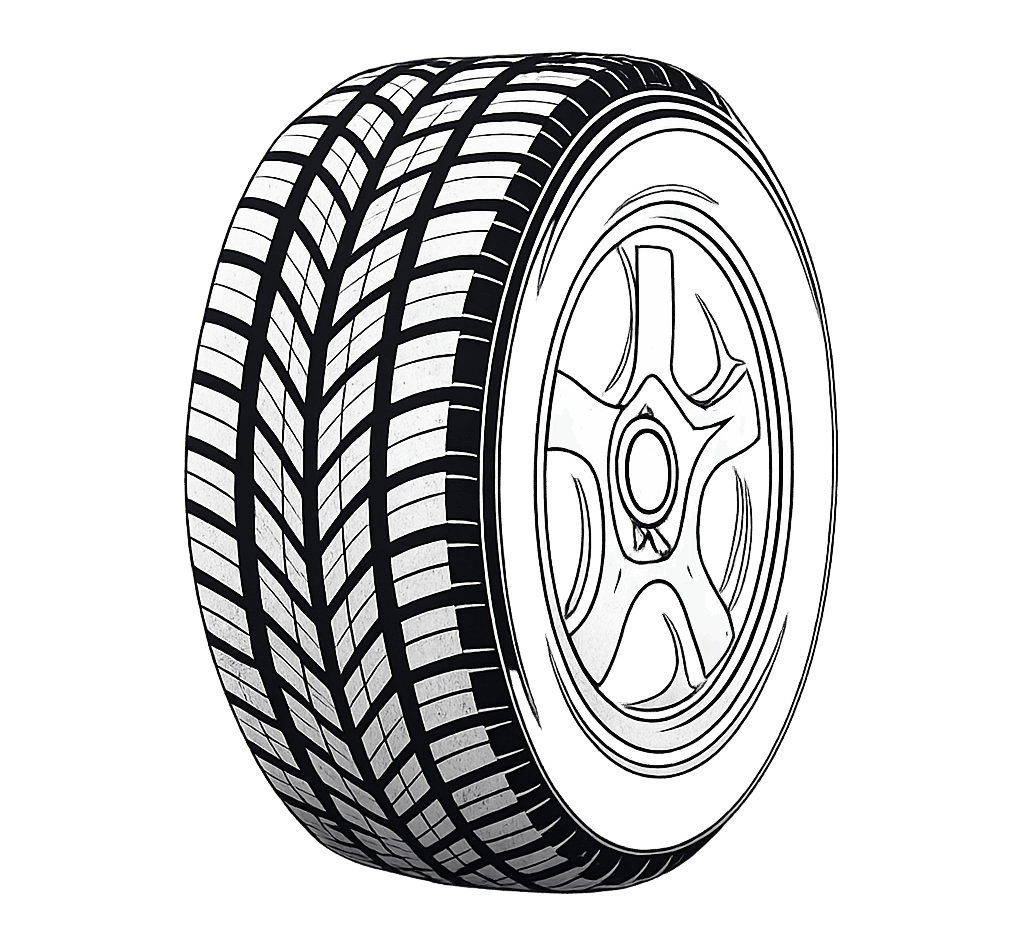

Continental ContiProContact Review
When it’s time to replace your tires, choosing the right model can feel overwhelming. There are dozens of options available, and every manufacturer promises better performance, comfort, and durability. That’s why many drivers search for a continental contiprocontact review before deciding whether this tire is worth buying.
The Continental ContiProContact is a popular all-season touring tire designed by Continental Tires. It’s commonly installed as original equipment on many sedans and compact cars, which means many drivers encounter it when their factory tires wear out.
In this review, we’ll look at how the tire performs in real-world driving conditions. We’ll cover grip on dry and wet roads, comfort, road noise, durability, and how it handles snow and ice. The goal is simple: help you decide whether this tire fits your driving needs and expectations.
Overview of the Continental ContiProContact
The Continental ContiProContact is a tire made for everyday driving. It’s designed by Continental Tires, a company known for producing reliable tires for passenger vehicles. Many cars actually come with this tire already installed when they leave the factory.
This tire belongs to the all-season touring category. In simple terms, that means it’s built for year-round use in normal driving conditions. You can use it in warm weather, rain, and even light winter conditions without needing to switch tires for each season.
Touring tires are different from sporty or racing tires. Instead of focusing on speed or aggressive handling, they are designed to make everyday driving smoother and quieter. For most drivers who just want a comfortable ride to work, the store, or on road trips, this type of tire makes a lot of sense.
The ContiProContact is commonly used on regular passenger vehicles. It fits well on cars such as sedans, compact cars, and small crossovers. These are the types of vehicles many people drive every day for commuting or family travel.
The main goal behind this tire’s design is comfort. When you drive with touring tires, the ride usually feels smoother, especially on highways or rough city roads. This can make daily driving less tiring.
Another important goal is fuel efficiency. Some tires create more resistance when rolling on the road, which can make the engine work harder. Tires like the ContiProContact are designed to roll more easily, which may help your car use slightly less fuel over time.
The tire is also built to provide balanced traction. That simply means it tries to perform well in different conditions instead of focusing on just one. It aims to give steady grip on dry roads, dependable control in rain, and reasonable performance in mild winter weather.
Of course, like most all-season tires, it isn’t perfect for every situation. In heavy snow or icy roads, a dedicated winter tire will still perform better. But for normal driving through most of the year, this tire is designed to handle the job comfortably and safely.

Key Features and Technology
The Continental ContiProContact uses a few smart design choices that help it feel comfortable, last a long time, and handle wet roads better. Here’s what those features actually do for you on the road.
EcoPlus Technology
EcoPlus Technology helps the tire roll with less effort. That means your engine doesn’t have to work as hard, so you may see a small improvement in fuel use over time. The trade-off is small: tires tuned for low rolling resistance sometimes won’t offer the last bit of stickiness that sport tires provide, but most drivers won’t notice that in everyday driving.
Advanced Silica Compound
The advanced silica compound in the rubber keeps the tire more flexible when the road is wet. That flexibility helps the tread bite into water on the road and gives better grip in rain. It won’t replace a winter tire on ice, but for rainy days it makes stopping and turning more predictable.
Optimized Tread Pattern
The optimized tread pattern is shaped to push water away and to cut down on road noise. You’ll hear less hum on the highway and feel fewer small vibrations in the cabin. One small downside: very aggressive snow or deep mud can still pack into the grooves, so this pattern is best for normal roads rather than extreme off-road or deep-winter use.
Together, these elements aim to give you a quiet, fuel-friendly tire that handles everyday wet and dry driving well.
Performance Review of Continental ContiProContact
To understand how the Continental ContiProContact performs, it helps to look at how it behaves in everyday driving situations. Most drivers care about simple things—how the tire grips the road, how it feels behind the wheel, and how long it lasts.
Below is a closer look at how this tire performs on different road surfaces and in different conditions.
Dry Grip
On dry roads, the tire feels stable and predictable. When you press the gas pedal, the car moves forward smoothly without slipping, which shows the tire has good traction.
Braking performance is also solid for normal driving. The tire grips the road well when slowing down at traffic lights or during sudden stops. For daily driving, the braking distance feels safe and controlled.
Cornering is steady rather than sporty. When turning at normal speeds, the car stays balanced and doesn’t feel loose. On highways, the tire keeps the vehicle stable even at higher speeds.
Overall, the dry grip is reliable for commuting, errands, and road trips.
Wet Grip
Rain is where tire grip becomes especially important. Wet roads can be slippery, and poor traction can increase stopping distance.
The ContiProContact handles rain fairly well. The tread design helps push water away from the tire so it can stay in contact with the road.
Drivers will usually notice:
- steady braking on wet pavement
- stable turning during rainy conditions
- less chance of the tire sliding on shallow water
Hydroplaning can still happen with any tire if water is deep and speed is too high, but this tire does a good job reducing that risk.
Good wet grip matters because it helps drivers maintain control in sudden braking or quick turns during rainstorms.
Snow Grip
Like most all-season tires, the ContiProContact can manage light snow, but it has limits.
In mild winter conditions—such as thin snow on the road—the tire provides reasonable traction if you drive slowly and carefully. Starting and stopping are manageable as long as the road isn’t heavily covered.
However, deeper snow can make driving more difficult. The tire isn’t designed specifically for winter weather, so it may struggle when snow becomes thick or packed.
Drivers who live in areas with frequent or heavy snowfall will usually benefit from switching to winter tires during the coldest months.
Ice Grip
Ice is one of the toughest surfaces for any tire. The ContiProContact can handle mild icy conditions cautiously, but grip is limited.
Braking distances become longer, and turning requires more care. Drivers should reduce speed and avoid sudden movements when roads are icy.
In places where ice is common during winter, a dedicated winter tire will provide much better traction and safety.
Handling
Handling describes how the tire responds when you steer, change lanes, or drive through curves.
The ContiProContact feels calm and steady rather than sharp or sporty. When you turn the steering wheel, the car responds smoothly, though not instantly like performance tires.
During highway driving, the tire keeps the car stable. Lane changes feel controlled, and the vehicle stays planted on the road.
For everyday drivers, this relaxed handling style usually feels comfortable and predictable.
Road Feedback
Road feedback is the amount of information you feel from the road through the steering wheel.
Touring tires like the ContiProContact are designed to reduce this feeling. Instead of transmitting every bump or crack in the road, the tire softens the experience.
The steering feels smooth, but slightly isolated from the road surface. Some drivers prefer more feedback for sporty driving, but many people enjoy the quieter and calmer feel.
Comfort
Comfort is one of the strongest qualities of this tire.
The ride feels smooth even when driving over rough pavement or small road imperfections. The tire helps absorb bumps so they don’t travel as strongly into the car’s cabin.
This becomes especially noticeable during long drives. Less vibration means less fatigue for the driver and passengers.
For commuters who spend a lot of time on highways, this comfort can make daily travel much more pleasant.
Wear (Tread Life)
Durability is another area where the ContiProContact performs well.
With normal driving and proper maintenance, many drivers see around 50,000 to 70,000 miles of use before the tread wears down.
The tire is designed to wear evenly, which helps extend its life. But maintenance still plays a big role.
To help the tires last longer:
- rotate them every 5,000 to 7,000 miles
- keep air pressure at the recommended level
- check wheel alignment if you notice uneven wear
These small habits can significantly extend the life of your tires and help them perform better over time.
Road Noise and Ride Quality
The Continental ContiProContact aims to keep your drive calm and quiet. On smooth highways it cuts down the steady droning many tires make, so you hear less tire hum inside the cabin.
That quieter feel comes from how the tread is shaped. The pattern and block sizes are arranged to break up the noise that normally builds at speed, which makes long drives less tiring.
Still, no tire is silent. On rough concrete or badly patched roads you’ll hear more road noise than on new asphalt. At very high speeds the noise level rises, so expect some sound on fast highway runs.
For city driving the tire smooths out everyday bumps. It soaks up small potholes and rough patches better than a performance tire, which helps keep passengers comfortable on short trips.
Big hits — deep potholes or sharp curbs — will transmit into the car more than tiny bumps, and that’s true of any tire. If your car already has a stiff suspension, you’ll feel those impacts more.
If you want to keep ride quality at its best, do a few simple things: check tire pressure monthly, rotate tires on schedule, and get a wheel alignment if the car pulls or wears unevenly. These steps keep the tire running as quietly and smoothly as it can.
Fuel Efficiency
The Continental ContiProContact can help your car use a little less fuel, but it’s not a magic fix — it’s one part of how to keep running costs down.
Tires affect fuel use because they resist rolling. Imagine pushing a shopping cart with sticky wheels versus smooth wheels — the smoother they roll, the less effort (and fuel) your car needs. That resistance comes from the tire’s rubber, shape, and internal construction.
A tire built to roll more easily will shave a small percentage off fuel consumption. That means you won’t notice a huge change after one tank, but over months and tens of thousands of miles the savings add up. For drivers who put on a lot of miles, this can be meaningful.
To get the best fuel benefit, keep the tires properly maintained. Check tire pressure monthly, rotate tires on schedule, fix wheel alignment issues, and avoid carrying unnecessary weight. These habits often save more fuel than choosing one particular tire.
There’s a small trade-off to know about: the lowest-resistance tires can sometimes be a touch less confident in extreme conditions. Modern touring tires aim to balance fuel savings with safe grip, so you don’t usually lose much traction in normal driving.
Pros and Cons
Like any tire, the ContiProContact has both strengths and limitations.
Pros
- Smooth and comfortable ride
- Quiet performance on highways
- Reliable wet-road traction
- Good fuel efficiency
- Long tread life when properly maintained
Cons
- Limited performance in heavy snow
- Average grip on icy roads
- Not designed for sporty driving
These trade-offs are common for touring tires that prioritize comfort and durability.
Comparison With Competitors
Here’s a simple look at how the ContiProContact stacks up against common alternatives from Michelin, Goodyear, and Bridgestone on the things most drivers care about.
Durability: many drivers find Michelin tires tend to offer the longest tread life for touring-style models, often due to harder-wearing compounds and conservative tread designs. Continental’s ContiProContact wears well too and is close in real-world mileage, but Michelin often edges it out by a small margin. Goodyear and Bridgestone also make durable touring tires, though specific results depend on the exact model and driving habits.
Noise: if you want the quietest cabin, Michelin and Continental are usually near the top. Continental’s tread pattern is tuned to reduce highway hum, and Michelin often emphasizes a very refined ride. Goodyear and Bridgestone can be just as quiet on comparable touring lines, though some of their performance-oriented models trade a little silence for sharper handling.
Price: the ContiProContact is typically priced in the mid-range. Michelin products are often pricier, reflecting their longer wear and premium positioning. Goodyear and Bridgestone sit around the same pricing band as Continental, with occasional sales or rebates that can change the picture. If the budget is tight, you can often find a good deal on any of these brands when retailers run promotions.
Wet traction: in rainy conditions, Continental and Goodyear usually do very well thanks to modern tread compounds and water-channeling designs. Michelin also performs strongly on wet roads and can sometimes edge others in braking tests. Bridgestone’s touring models are solid in the wet too, though some seasonal or performance-focused tires from any brand will beat touring tires in extreme wet tests.
Buy Again Rating
Most drivers who have used the Continental ContiProContact report they would buy it again. People like how comfortable and quiet it is, which makes everyday driving much easier and less tiring.
The tire also holds up well over time. With regular maintenance like proper inflation and rotation, it lasts for many miles without showing uneven wear. This gives good long-term value compared to some cheaper tires that wear out faster.
Reliability is another reason drivers stick with it. It performs consistently in dry and wet conditions, so you know what to expect each time you get on the road. The main drawback is in heavier snow or icy conditions, where it can’t match dedicated winter tires, but for most normal driving, it’s a dependable choice.
Overall, the ContiProContact scores high for customer satisfaction, making it a tire that people feel confident buying again.
Who Should Buy This Tire?
If you drive the same route to work every day, this tire is a good match. It’s made for drivers who want a calm, predictable ride and don’t push their car hard on corners. You’ll notice less road noise and a smoother feel on long commutes.
Owners of typical family sedans, compact cars, and small crossovers will get the most from it. These vehicles benefit from the tire’s focus on comfort and steady performance rather than sporty handling.
If saving a little fuel matters to you, this tire helps there too — especially over many miles. It’s a sensible choice when you want a reliable, low-fuss tire that performs well in normal weather most of the year.
Who Should Avoid This Tire?
If you drive a sports car or like very sharp steering and fast cornering, look elsewhere. This tire is tuned for comfort, so it won’t give the immediate steering response a performance tire provides.
Drivers who face heavy snow and ice every winter should not rely on an all-season touring tire alone. In very cold, icy, or deep-snow conditions, a dedicated winter tire will be much safer and more effective.
Also, if you regularly carry heavy loads or tow, check the tire’s load rating and consider tires made specifically for heavier duty. For everyday driving in mild to moderate climates, though, this tire is a practical, comfortable option.
Price and Value for Money
The Continental ContiProContact sits in the mid-range price for all-season touring tires. It’s usually more expensive than budget options but less than high-end premium tires.
When you compare it with competitors like Michelin, Goodyear, or Bridgestone, the ContiProContact offers a good balance. It may not have the absolute longest tread life like some Michelin models, but it still lasts a long time while delivering comfort, quietness, and reliable wet performance.
Over time, this tire can save money. Its even wear, long mileage potential, and slightly better fuel efficiency reduce overall costs. While the upfront price might be higher than a cheaper tire, the benefits in comfort, durability, and fuel savings make it a smart choice for everyday drivers.
Installation and Maintenance Tips
Getting the most out of the Continental ContiProContact means taking a few simple steps after installation.
Rotating your tires regularly helps them wear evenly. Moving the tires from front to back or side to side every 5,000 to 7,000 miles can extend their life and keep the ride smooth.
Keeping the tire pressure at the level recommended for your vehicle is also important. Under-inflated tires can wear faster, reduce fuel efficiency, and affect handling, while over-inflated tires can make the ride harsher.
Finally, check your wheel alignment if you notice the car pulling to one side or uneven tread wear. Proper alignment ensures the tire rolls straight, improves safety, and can prevent premature wear.
Following these simple maintenance tips helps the ContiProContact perform reliably and last as long as possible.
Final Verdict
The Continental ContiProContact is a well-balanced touring tire that focuses on comfort, quiet driving, and dependable everyday performance.
It may not be the most aggressive tire on the market, but it delivers exactly what most daily drivers need: stability, smoothness, and durability.
For commuters, family cars, and drivers who value comfort over sporty performance, the ContiProContact remains a practical and reliable choice.
Frequently Asked Questions
How long do ContiProContact tires last?
With normal driving and proper maintenance, owners often report solid tread life relative to touring tires. Exact mileage varies based on conditions, but regular rotations and correct inflation help maximize life.
Are ContiProContact tires good in rain?
Yes. They have good wet traction for the class, thanks to their tread compound and groove design.
Are they noisy?
No — they’re designed for quiet highway travel and are notably less noisy than many economy tires.
Are they suitable for highway driving?
Absolutely. They provide stable, comfortable highway performance and predictable handling at normal speeds.
