Toyo Open Country R/T Trail Review (2026)
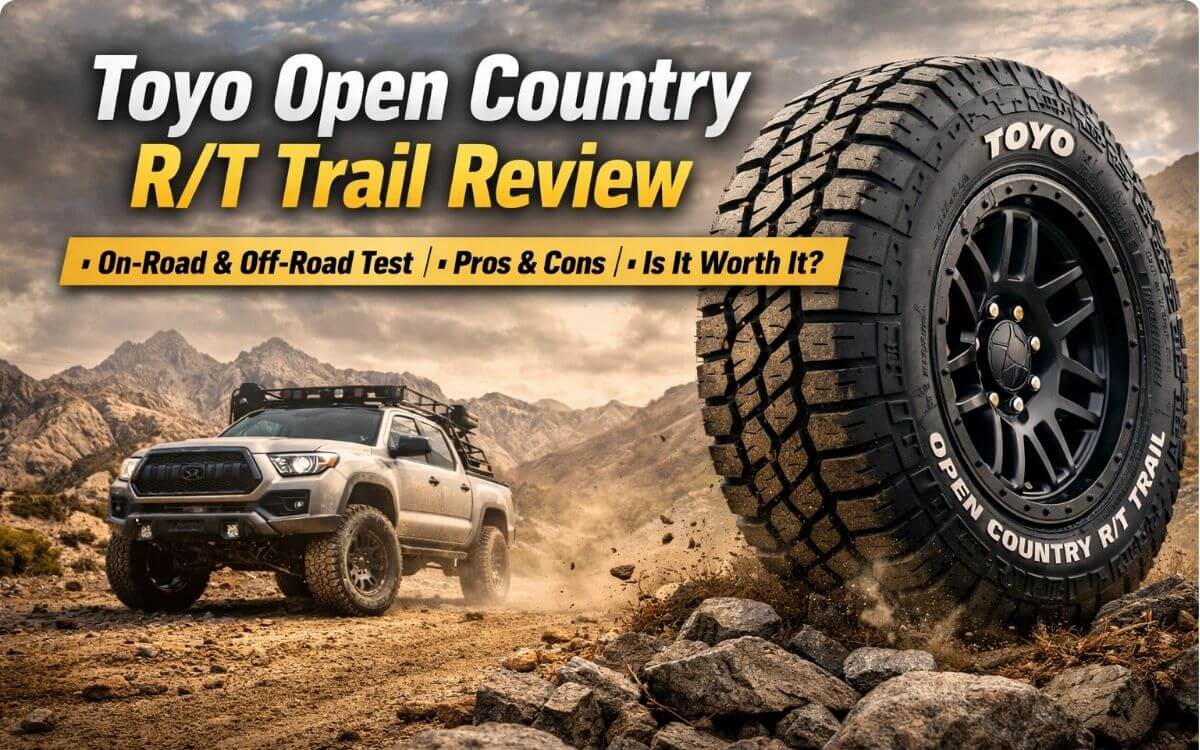
If you’re looking for a tire that can handle both paved roads and rugged trails, this Toyo Open Country R/T Trail review will give you the insight you need. Designed for trucks and SUVs in the USA, the R/T Trail combines strong off-road traction with everyday comfort, making it a versatile choice for drivers who split their time between highways and trails.
If you want a tire that balances off-road toughness with daily driving comfort, the Toyo Open Country R/T Trail is one of the best options available, offering durability, grip, and a smooth ride without compromising performance on or off the road.
Quick Verdict
The Toyo Open Country R/T Trail is a rugged terrain tire that works well for people who drive on pavement most of the time but also want good grip on trails, mud, sand, or light snow. It combines off‑road capability with everyday comfort better than many tires in its class.
Best For: Daily drivers who take their truck or SUV on the highway and enjoy weekend off‑road trips.
Not Ideal For: Drivers who spend most of their time in very deep mud or extreme rock conditions.
Rating (out of 5):
• Overall Performance: ⭐⭐⭐⭐☆
• On‑Road Comfort: ⭐⭐⭐⭐☆
• Off‑Road Traction: ⭐⭐⭐⭐⭐
• Noise/Comfort Balance: ⭐⭐⭐☆☆

Toyo Open Country R/T Trail
Toyo Open Country R/T Trail — Key Specs & Overview
| Specification | Details |
| Tire Type | Rugged Terrain (on‑ and off‑road capable) |
| Vehicle Type | Light Trucks, SUVs, Crossovers |
| Tread Warranty | 45,000‑mile limited manufacturer warranty |
| Price Range (USA) | ~$260 – $940 per tire (varies by size & load rating) |
| Sizes Available | Multiple sizes from ~16″ to ~24″ wheel diameters |
| Load / Ply Rating | Standard and heavy‑duty ranges (C, D, E, F ply / load ranges) depending on size |
Notes:
- This tire is built to offer better off‑road grip than typical all‑terrain tires, with thicker shoulder and sidewall lugs for impact resistance.
- The range of sizes and load ratings makes it suitable for many popular trucks and SUVs in the USA, from everyday commuter setups to more heavy‑duty trail rigs.
On-Road Performance of the Toyo Open Country R/T Trail
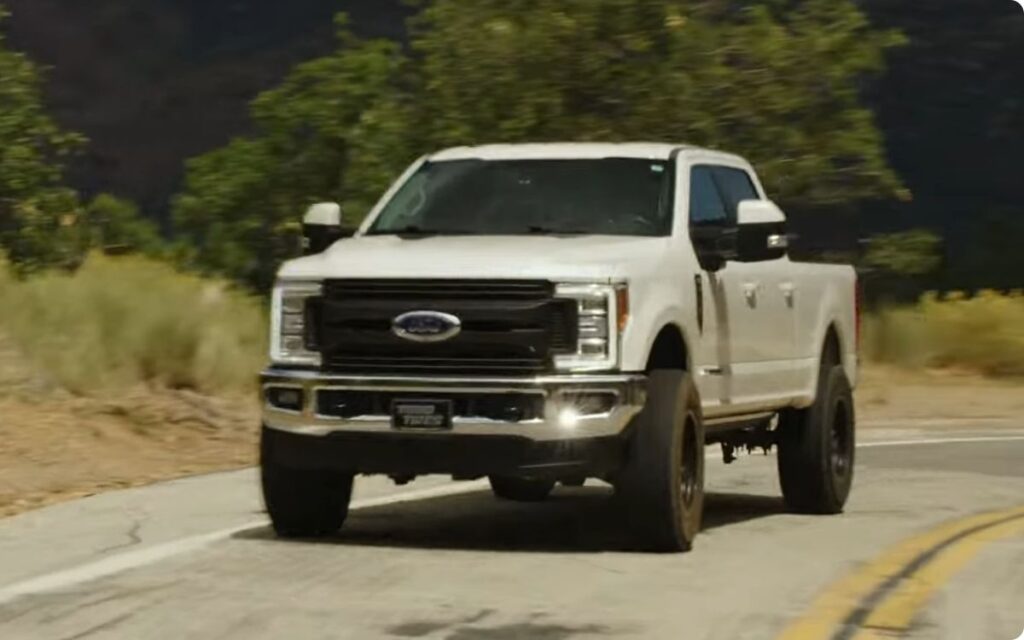
The Open Country R/T Trail is made for light-truck and SUV drivers who want more off-road grip than a standard all-terrain tire, but do not want the extra noise and roughness of a full mud tire. On Toyo’s own scale, it scores 4.0 for quiet ride, 4.0 for ride comfort, 4.5 for wet handling, and 3.0 for fuel efficiency, which gives a pretty clear picture of how it behaves on pavement.
Highway comfort
On typical US highways and city roads, this tire should feel solid and stable rather than soft and cushy. Toyo says the tread design is meant to improve durability, traction, stability, and ride harshness, so long drives should feel controlled even if the tire still has a more rugged feel than a basic road tire. That makes it a good fit for daily driving, road trips, and mixed use.
Road noise
There will be some tire noise, especially on rough pavement, but Toyo designed the tread to reduce noise and ride harshness. Since the tire is rated 4.0 for quiet ride, it should be quieter than many aggressive off-road tires, though not as quiet as a pure highway tire. In plain terms, you will hear it a little, but it should not be tiring to live with every day.
Wet road grip
Wet grip looks like one of the stronger parts of this tire. Toyo says the tread design improves wet braking and handling, and the two wide grooves are there to move water away from the tread so the tire can keep better contact with the road.
The 4.5 wet-handling rating supports that, so rain driving should feel confident as long as you still drive normally and do not expect sports-car levels of grip.
Fuel efficiency impact
Fuel economy is the main trade-off. Toyo gives the Open Country R/T Trail a fuel-efficiency rating of 3.0, which suggests it is not built to be a mileage leader. That is normal for a tougher, deeper-tread tire, so a small drop in MPG is a fair expectation if you switch to this model.
Overall, this tire makes sense for drivers who want a stronger, more rugged look and better off-road ability, while still keeping day-to-day road use reasonably comfortable. If quietness and gas mileage matter most, there are better choices. If you want a tire that can handle pavement without giving up trail strength, this is a balanced option.
Off-Road Performance of the Toyo Open Country R/T Trail
Toyo says this tire was developed and tested in harsh off-road conditions with enthusiast clubs across the country, so it was clearly built with real trail use in mind. The company also positions it between a traditional all-terrain tire and a mud tire, which is a good clue about what it is trying to do: give you more grip off-road without turning every road trip into a loud, rough ride.
Mud Performance
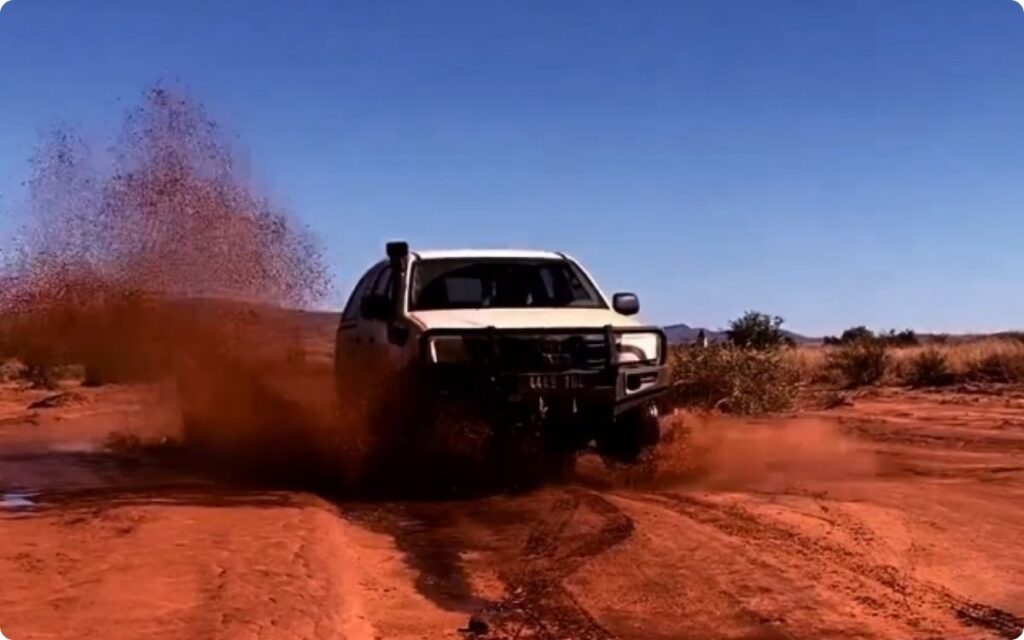
In mud, the Open Country R/T Trail should do better than a regular all-terrain tire. Toyo says the tire delivers better off-road grip than a traditional all-terrain tire, and its staggered shoulder blocks and open grooves are meant to dig into soft ground and help the tire keep moving. In simple terms, that means the tread has room to grab and room to let mud move out instead of packing in.
That said, it is still not a full mud tire. If the trail is deep, sticky, and messy, a true mud-terrain tire will still have the edge. The R/T Trail is the better choice for people who want decent mud performance without the extra noise and harsh road feel that usually comes with a more aggressive tire.
For weekend trail driving, muddy farm roads, and wet camping spots, that balance makes a lot of sense. It gives you enough bite to keep going in most muddy conditions, but it does not try to be the most extreme tire on the market.
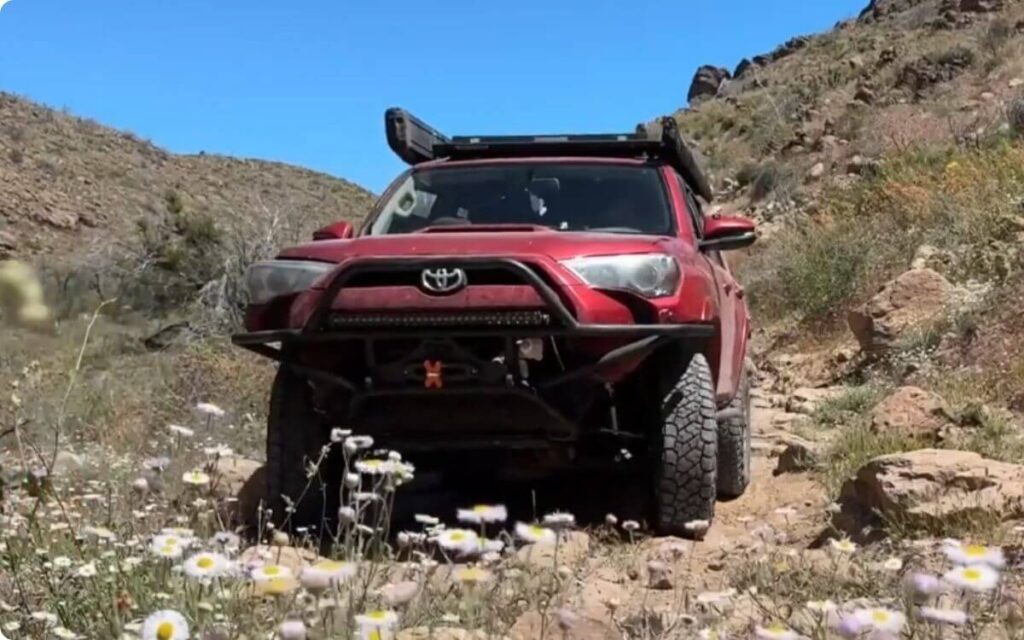
Rock & Gravel
On rocks and gravel, this tire looks like a strong match. Toyo says the extra-thick shoulder and sidewall areas help protect against cuts, impacts, and punctures, which matters a lot when sharp rocks are part of the route. It also says the tire is designed to handle uneven surfaces, so it should feel more at home on rough back roads than a standard highway tire.
That does not mean the tire is invincible. Very sharp rock, low tire pressure, and hard hits can damage any tire. But compared with a softer, road-focused tire, the R/T Trail should give you much more peace of mind when you are crawling over gravel, broken pavement, or rocky trails.
The good part is that Toyo did not build all this protection into the tire at the cost of making it harsh everywhere else. This is still meant to be a usable daily tire, which is why it sits between an all-terrain and a mud tire instead of being pushed all the way to the extreme end.
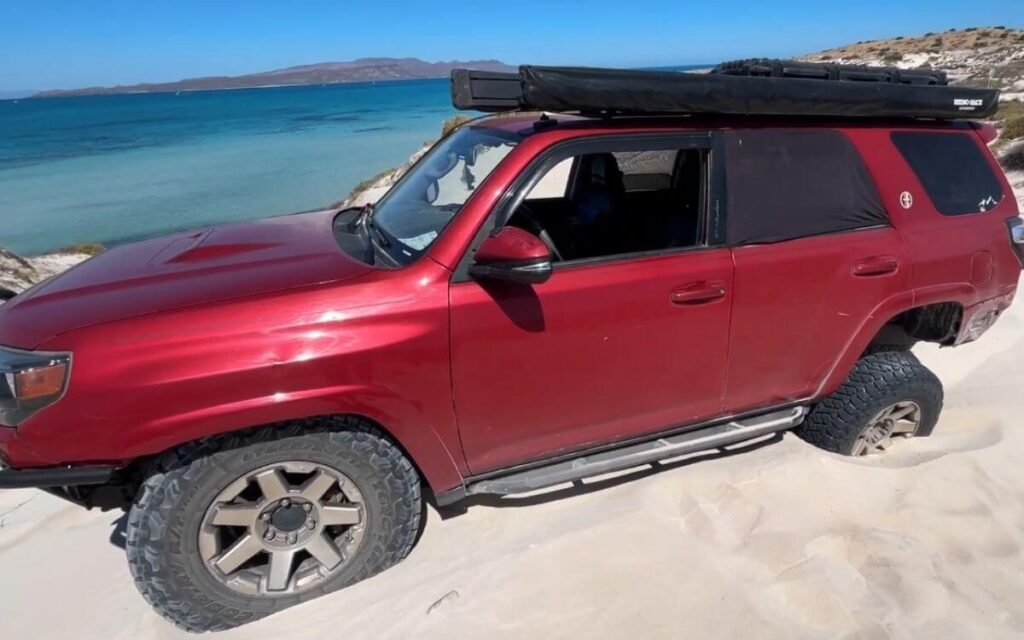
Sand
Sand is one of the places where this tire makes the most sense. Toyo specifically calls out sand as one of the areas where the R/T Trail performs better than a traditional all-terrain tire. The open shoulder design and wide grooves give it more room to work in soft ground, which helps the tire keep traction instead of digging in too quickly.
For casual beach driving, desert trails, or sandy camping roads, that is a useful advantage. The tire is not built for the most extreme dunes, but for most drivers, it should feel much more confident than a normal road tire or a mild all-terrain tire.
If you lower the tire pressure for sand, it should work even better because the tread can spread out more and stay on top of the surface instead of sinking as easily. That is not a special trick unique to this tire, but the R/T Trail’s shape and soft-terrain focus make it a good fit for that kind of use.
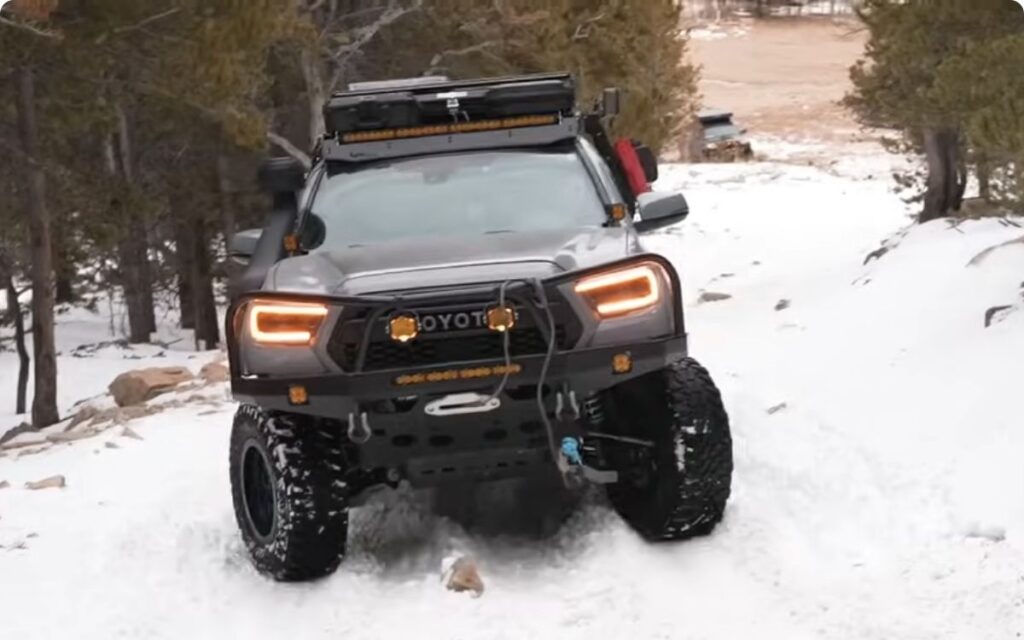
Snow
Snow is another area where this tire looks promising. Toyo says the R/T Trail performs especially well in deep snow compared with a traditional all-terrain tire, and the company gives it a winter handling rating of 4.5 on its own scale. That is a strong sign that the tire is not just for dry trail use.
For light snow, slushy roads, and occasional winter travel, it should be a solid option for many drivers. The tread shape and open spaces help the tire keep working when snow starts building up in the grooves.
For deep snow, it should do better than a basic all-terrain tire, but it still is not the same as a dedicated winter tire. If you live where winter is long, snow is frequent, and roads stay packed for weeks, a true winter tire is still the safer choice. The R/T Trail is better viewed as a capable all-season off-road tire that can handle winter, not as a winter specialist.
The Toyo Open Country R/T Trail is best for drivers who split time between road and trail and want one tire that can handle both without feeling overly aggressive on pavement. In mud, rocks, sand, and snow, it offers real off-road ability, but it stays more practical than a full mud tire. That balance is exactly why it stands out.
Noise & Comfort Test
If you’re thinking about using this tire every day, noise and comfort matter just as much as off-road grip. The Toyo Open Country R/T Trail sits in the middle—it’s not a quiet highway tire, but it’s also not as loud or rough as a full mud tire.
At lower speeds around 30 mph, the tire is fairly calm. Driving through city streets or neighborhoods, you’ll hear a light hum, but it blends into normal road noise. It doesn’t stand out or feel distracting.
Once you get up to around 60 mph, the sound becomes more noticeable. You’ll hear a steady hum inside the cabin, especially on rougher pavement. It’s not loud enough to drown out music or conversation, but you will know the tires are there.
At highway speeds above 75 mph, the noise is more consistent. It doesn’t suddenly get much louder, but it stays present. On long drives, it’s something you get used to, though it won’t feel as smooth or quiet as a standard highway or mild all-terrain tire.
Comfort is decent for a tire in this category. Small bumps and uneven roads are handled well, and the ride doesn’t feel harsh. You might notice a slightly firmer feel compared to softer road tires, but it’s not uncomfortable for daily use.
Compared to an all-terrain tire, this one is a bit louder and slightly firmer. That’s expected because the tread is more aggressive. If your main goal is a quiet ride, an all-terrain tire will still be the better choice.
Compared to a mud-terrain tire, this is clearly more comfortable and quieter. Mud tires tend to be loud and rough on pavement, especially at higher speeds. The R/T Trail avoids that extreme and feels much more manageable for everyday driving.
A realistic way to think about it: it’s not silent—but quieter than most hybrid R/T tires. That balance is what makes it appealing. You get a tougher look and better off-road ability without giving up too much comfort on the road.
Fuel Economy Impact
This is something most people don’t think about at first, but it matters over time. Yes, switching to the Toyo Open Country R/T Trail can slightly reduce your fuel economy.
The main reason is simple. This tire is heavier and has a more aggressive tread than a standard road tire. That means your vehicle has to work a bit harder to keep moving, especially when you accelerate or drive at highway speeds.
The deeper tread also creates more resistance as it rolls on the road. You can think of it like this: smoother tires glide easier, while chunkier tires grip more—but that extra grip comes with a small cost in fuel use.
In real-world driving, most people can expect around a 1–2 MPG drop after switching to this type of tire. It’s not a huge difference, but it’s noticeable over time, especially if you drive long distances every week.
That said, the trade-off is usually worth it if you actually use the tire’s off-road ability. You’re getting better traction, stronger construction, and more confidence on rough terrain.
If your driving is mostly highway and you care a lot about saving fuel, this might not be the best fit. But if you want a tire that can handle dirt, gravel, and weekend trips without worry, a small drop in MPG is a fair exchange.
Tread Life & Durability (Long-Term Value)
When you’re buying a tire like this, you want it to last. The Toyo Open Country R/T Trail is built to handle rough use, but how long it lasts really depends on how and where you drive.
Based on user reports and compound design, most drivers in the USA can expect somewhere around 40,000 to 50,000 miles. If most of your driving is on highways and city roads, you may get closer to the higher end. More off-road use, especially on rough terrain, will wear it down faster.
The wear pattern is generally even if the tires are maintained properly. However, because the tread is more aggressive, uneven wear can show up if you skip rotations or drive with incorrect tire pressure. You might notice the edges wearing faster if the tires aren’t rotated regularly.
Rotation is important with this type of tire. Moving the tires from front to back every 5,000 to 7,000 miles helps them wear more evenly. It also helps you get the most life out of the full set instead of replacing them early.
Durability is one of the strong points here. The tire is designed with tougher rubber and stronger sidewalls to handle rough surfaces. That means better resistance to cuts, chips, and small impacts you might get from rocks or gravel roads.
Still, it’s not damage-proof. Sharp rocks, debris, and hard hits can cause problems with any tire. The difference is that this one is built to reduce that risk, not eliminate it.
In simple terms, if you take care of it and don’t push it too hard in extreme conditions, this tire should give you solid long-term value. It’s made to handle more abuse than a regular road tire, while still lasting long enough to justify the higher price.
Pros & Cons of Toyo Open Country R/T Trail
Pros
- Strong grip in off‑road conditions like mud and dirt
- Durable sidewalls that resist cuts and punctures
- Good mix of off‑road strength and everyday comfort
- Handles wet and dry surfaces reliably
- Designed to work well over a wide range of terrain
Cons
- Noticeable road noise at speed compared with street tires
- Costs more than basic all‑terrain tires
- Slight impact on fuel efficiency over long highway runs
Toyo Open Country R/T Trail Alternatives
If you’re considering the Toyo R/T Trail, it’s smart to look at a few similar options. These tires sit in the same “in-between” category—more aggressive than all-terrain, but easier to live with than full mud tires.
Here are three solid alternatives and how they compare in real-world use.
Nitto Ridge Grappler
This is probably the closest competitor. The Ridge Grappler is also designed as a hybrid tire, mixing off-road grip with decent on-road comfort.
What stands out right away is how smooth it feels on pavement. Nitto uses a special tread pattern to reduce noise, so it tends to be quieter than many aggressive-looking tires.
Off-road, it performs well on dirt, gravel, and light mud. The tread blocks and grooves help with traction and clearing debris.
From real user feedback, it’s often described as a “good middle ground” tire. One driver mentioned it felt smooth at highway speeds with only minimal noise, even at 80 mph.
The downside is mud. It can struggle in thick, sticky conditions compared to more aggressive tires.
Simple takeaway: Better for comfort and daily driving, slightly weaker in deep mud.
Goodyear Wrangler DuraTrac RT
This tire leans a bit more toward off-road use, especially in rough and loose terrain.
It has a more aggressive tread pattern, which helps in mud and snow. If you drive in areas with frequent bad weather or uneven trails, this tire can give you more grip and confidence.
On the road, though, you may notice more noise and a firmer ride. That’s the trade-off for the extra traction. It’s not uncomfortable, but it’s not as smooth as something like the Ridge Grappler.
Simple takeaway: Stronger off-road and winter performance, but slightly louder and rougher on pavement.
Cooper Discoverer Rugged Trek
This one is a bit more balanced and slightly less aggressive than the other two.
It’s designed for drivers who want a tough-looking tire but still care about comfort and quiet driving. On-road manners are usually better here, with less noise and a smoother feel.
Off-road, it still handles dirt, gravel, and light trails well, but it’s not meant for extreme conditions. Think of it as more of a daily-use tire with some off-road ability rather than a serious trail tire.
Simple takeaway: Best for comfort and everyday use, but not as strong for tough off-road driving.
Read More: Toyo Open Country M/T Review
Who Should Buy Toyo Open Country R/T Trail?
This tire makes the most sense for people who use their truck or SUV for both daily driving and weekend adventures.
If you drive a pickup like the Ford F-150 or Toyota Tacoma, this tire fits well. It gives you the strength and grip you need for dirt roads, job sites, or trails, while still being comfortable enough for everyday use.
It’s also a good match for overlanders—people who travel long distances and explore off-road routes. You get a tire that can handle rough paths, gravel, and changing conditions without needing to swap tires for the drive home.
For mixed-use drivers, this is where the tire really stands out. If your driving is about 70% road and 30% off-road, it hits a nice balance. You don’t give up too much comfort on pavement, but you still have the confidence to leave the road when needed.
In simple terms, this tire is for someone who wants one set of tires that can do a bit of everything without going to extremes.
Who Should NOT Buy Toyo Open Country R/T Trail?
This tire isn’t the best choice for everyone, and knowing that helps avoid regret later.
If you’re into hardcore mud driving, this probably won’t meet your expectations. It can handle mud, but it’s not built for deep, sticky conditions where a true mud tire performs better.
Budget buyers may also want to look elsewhere. This tire usually costs more than basic all-terrain options, so if price is your main concern, there are cheaper alternatives that will get the job done for light use.
If you want a completely quiet and smooth ride, this may not be the right fit. It’s reasonably comfortable, but you’ll still hear some road noise, especially at higher speeds.
At the end of the day, this tire is about balance. If you expect it to be the best at everything, you’ll be disappointed. But if you understand what it’s built for, it can be a very solid choice.
Price & Value for Money
The Toyo Open Country R/T Trail sits in the mid-to-premium price range, so it’s not the cheapest option out there.
In the USA, most sizes usually cost somewhere between $260 and $450 per tire, depending on the size and load rating. Larger truck sizes can go much higher, even close to $900 for oversized options.
That means a full set of four tires will often land between $1,200 and $1,800+, before installation.
So, is it worth that price?
It depends on how you plan to use it. If you only drive on highways and city roads, you’re paying extra for off-road ability you may never use. In that case, a simpler and cheaper tire would make more sense.
But if you actually drive on dirt roads, gravel, or trails, the value becomes clearer. You’re getting a tire that can handle different conditions without needing to switch tires or worry about damage as much.
When you compare cost vs performance, this tire sits right in the middle. It’s more expensive than basic all-terrain tires, but it also offers more grip and durability. At the same time, it’s usually cheaper and more comfortable than full mud-terrain tires.
Another thing to consider is lifespan. With around a 45,000-mile range, you’re not just paying for performance—you’re also getting a tire that should last a reasonable amount of time if maintained properly.
In simple terms, you’re paying for the balance. It’s not the cheapest option, and it’s not the most extreme either. But if you want one tire that can handle daily driving and weekend off-road use without major compromises, the price feels fair for what you get.
Final Verdict
The Toyo Open Country R/T Trail is a versatile, durable, and capable tire that excels for drivers who split their time between pavement and trails. It is not perfect for hardcore mudding or those who want absolute silence, but for most pickup and SUV owners in the USA, it offers excellent value and peace of mind.
If your goal is a tire that can handle the occasional off-road adventure while keeping daily drives smooth and predictable, the R/T Trail is one of the top choices available today.
FAQs About Toyo Open Country R/T Trail review
Is the Toyo R/T Trail noisy?
It’s quieter than full mud-terrain tires but louder than all-season tires at highway speeds.
Is it good for snow?
Yes, for light to moderate snow. Heavy snow and ice require winter-specific tires.
How long does it last?
With proper rotation, expect 50,000–60,000 miles depending on driving conditions.
Is it better than BFGoodrich KO2?
It depends on your priority. R/T Trail offers slightly more aggressive off-road grip, while KO2 may be quieter on highways.
Can I use it for daily driving?
Absolutely. That’s one of its main advantages—balanced comfort and off-road capability.
