Westlake Tires Review (2026): Are They Actually Worth Buying?
Westlake tires often catch people’s attention for one simple reason — the price looks almost too good to ignore. When you’re standing in front of a set of tires that costs half as much as premium brands, the real question quickly becomes whether you’re saving money or setting yourself up for regret on the road.
That uncertainty matters more than most drivers admit. Tires aren’t just another car part — they affect how your car stops in the rain, how stable it feels on the highway, and how confident you are during sudden situations. A small difference in grip or braking distance can turn into a big difference in real driving safety.
This Westlake tires review breaks down what actually matters in everyday use: how they perform in dry and wet conditions, what owners really experience over time, and whether the lower price comes with tradeoffs you should care about before making a decision.
Quick Verdict: Are Westlake Tires Good?
Short answer: Yes, Westlake tires can be a good choice for budget-conscious daily commuting. They are usually acceptable for moderate driving, but they are not ideal for aggressive driving or severe weather. In other words, they make the most sense when you want a low-cost tire for normal, predictable use rather than maximum safety, grip, or refinement.
Best For
Westlake tires are best for:
- Commuters
- Older vehicles
- Budget drivers
- Light highway use
Avoid If
They are not the best choice if you drive in:
- Heavy rain regions
- Snow-heavy climates
- Performance driving conditions
- Towing-heavy situations
Quick Ratings Table
| Category | Rating |
| Dry Grip | 7/10 |
| Wet Grip | 5.5/10 |
| Snow Performance | 4/10 |
| Ride Comfort | 7/10 |
| Road Noise | 6/10 |
| Tread Life | 7/10 |
| Value | 8/10 |
What Are Westlake Tires?
Westlake is a budget tire brand owned by ZC Rubber, one of the largest tire manufacturers in China. The company builds everything from passenger car and SUV tires to commercial truck and off-road products, and its tires are sold in markets across North America, Europe, Asia, and Latin America. Westlake also supplies tires in some OEM and commercial applications, which is one reason the brand has become widely available at lower prices than premium competitors.
The reason Westlake tires are so cheap is not just “cheap quality.” A big part comes from manufacturing scale, lower labor costs, lower marketing spending, and less aggressive research and development compared with brands like Michelin or Continental. Premium brands invest heavily in advanced rubber compounds, wet-braking technology, noise reduction, and long-term durability testing. Budget brands usually simplify some of that to keep costs down.
In real driving, you can feel those differences most clearly during demanding situations. Around town on dry roads, many Westlake tires feel perfectly acceptable for daily commuting. But during heavy rain braking at highway speed, the gap between a budget tire and a premium tire becomes easier to notice, especially in stopping confidence and stability.
That does not automatically make Westlake unsafe. Modern budget tires still meet legal safety standards. The real issue is compromise. Westlake is best for drivers who want affordable transportation and drive normally most of the time. Drivers who prioritize maximum wet grip, sharper handling, quieter highway comfort, or extreme-weather confidence should usually look higher up the market.
How We Evaluated Westlake Tires
A useful Westlake review should not just repeat “good value” over and over. It should look at the things drivers actually feel every day: dry grip, wet braking, snow confidence, ride comfort, noise, tread life, and whether the tire feels stable at speed. For this article, the strongest clues come from Westlake’s own product descriptions, retailer summaries, and owner-review patterns from review sites. That mix gives a better picture than any single source on its own.
That approach matters because budget tires are often judged too quickly. A tire can be perfectly acceptable for commuting and still disappoint a driver who wants quiet, sporty steering, or strong wet-weather confidence. The real question is not just “Is it good?” but “Is it good for your driving life?” That is the standard this review uses.
Real-World Driving Performance
Dry Road Performance
On dry pavement, Westlake tires usually feel predictable before they feel impressive. Steering response is generally calm and safe, but not especially sharp, so the wheel may feel a little slower to react than it does with a premium tire. Highway tracking is usually solid for normal commuting, which matters more than sporty turn-in for most drivers.
In everyday driving, that means a Westlake tire can feel perfectly fine on the way to work, on suburban roads, and on a steady highway cruise. Where the difference shows up is in braking confidence and cornering. A hard stop from speed usually takes a little more space than it would on a top-tier tire, and quick lane changes or fast corners tend to reveal the tire’s limits sooner. Sidewalls often feel a bit softer too, which helps ride comfort but can reduce the feeling of precision.
That softer, budget-tire character comes from a few trade-offs. Many value tires use a harder compound and a simpler construction to keep costs down and improve wear life. The result is a lower grip threshold: the tire is still usable and stable, but it reaches the point of slip earlier than a premium tire does. If you drive calmly, that is not a major problem. If you like a more connected, more confidence-inspiring feel, you will notice the gap.
Best for: relaxed daily driving, commuting, and drivers who care more about comfort than sharp handling.
Avoid if: you want crisp steering, hard cornering grip, or a more planted performance feel.
Wet Weather Performance
This is where the difference between Westlake and premium brands becomes most noticeable. In rain, the main questions are how quickly the tire clears water, how early it starts to hydroplane, and how much confidence it gives you when braking or turning at speed. Budget tires can be perfectly usable in the wet, but they usually give up a margin of safety compared with better premium designs.
A real-world example makes this easier to understand. Imagine you are driving at highway speed in a sudden downpour and need to brake for traffic that slows quickly. A premium tire tends to feel more settled, with shorter stopping distances and better resistance to that floating sensation that starts when water builds up under the tread. A budget tire can still stop the car safely if you leave more room, but it usually asks for earlier braking and gentler inputs.
The engineering difference comes down to tread design and compound quality. Deeper or better-shaped water channels help move water away from the contact patch, while silica-rich compounds usually improve wet grip because they stay more flexible and maintain better road contact in rain. Westlake does use these ideas in some of its designs, but premium tires typically do them better, especially in a hard stop or a sudden lane change. That is why the gap is usually biggest in wet braking and emergency maneuvers, not just in casual driving.
This is not a “bad tire in the rain” story. It is a “more caution required” story. Westlake can work well enough for moderate rain and normal speeds, but it is less forgiving when the road is soaked, the temperature is low, or the driver has to react fast.
Best for: drivers in mild to moderate rain who drive smoothly and leave space.
Avoid if: you face frequent heavy rain, flooded roads, or high-speed wet driving.
Snow & Winter Performance
Westlake all-season tires can handle light snow in a limited way, but they should not be mistaken for real winter tires. That is the biggest mistake people make with budget all-season rubber. In a thin layer of snow or a lightly slushy parking lot, they may feel acceptable. In deeper snow, packed snow, or ice, traction drops fast.
Cold weather changes the tire itself. As temperatures fall, rubber hardens and loses flexibility. When that happens, grip falls off, braking gets longer, and steering feels less secure. Premium winter tires are built to resist that hardening and keep biting into snow and slush. All-season Westlakes are not designed to match that level of cold-weather performance.
A practical example: if you are driving in a city that gets a few winter storms a year, an all-season Westlake may get you through some mild conditions with careful driving. But if you regularly start your day on icy roads, climb hilly streets, or deal with repeated freeze-thaw cycles, they are the wrong tool for the job. The tire may technically be “all-season,” but that does not mean it is good in snow. It only means it is trying to cover a wider range of conditions at a lower price.
Best for: mild winter climates with only occasional light snow.
Avoid if: you need dependable grip on ice, hard-packed snow, or frequent freezing roads.
Highway Stability & High-Speed Driving
On the highway, Westlake tires are usually acceptable for steady cruising, but they are not the first choice for drivers who want strong high-speed composure. At 70 mph and above, tire behavior becomes more obvious: heat buildup, sidewall stability, and tread noise all matter more. A good premium tire stays calmer and more settled when the miles add up.
For a long road trip, a Westlake tire may feel fine at first and then slowly show its limits. You may notice a little more noise, slightly less steering precision, or a softer feel during lane changes and passing maneuvers. That does not mean the tire cannot do the trip. It means the driver has to accept a more basic level of refinement.
Heavy SUVs, towing, and frequent interstate travel are the situations where caution matters most. More weight and more sustained speed put extra stress on the tire, and budget construction can show its limits faster under that load. If the vehicle is used mainly for calm freeway commuting in dry weather, Westlake is easier to justify. If it is carrying family, luggage, and long highway miles in variable weather, spending more often makes sense.
Best for: light-to-moderate highway use, normal commuting, and lower-stress driving.
Avoid if: you tow often, drive a heavy SUV hard, or spend long hours at higher speeds.
Off-Road Performance
For Westlake’s all-terrain and light-truck-style tires, off-road use is usually more about basic capability than serious trail work. On dirt roads, gravel, and packed trails, they can offer enough traction for casual use. The limit appears when the surface gets loose, muddy, or deeply rutted. At that point, the tread design and sidewall strength matter a lot more, and budget off-road tires often give up traction sooner than more aggressive options.
A real scenario here is a weekend dirt road or a farm track after rain. A Westlake A/T-style tire may be perfectly fine for slow, careful travel. But if the goal is repeated mud use, sharp rock crawling, or deep off-road abuse, it is not the right tire class to expect miracles from.
Best for: light dirt, gravel, and occasional trail use.
Avoid if: you need serious mud traction, high-impact durability, or true off-road performance.
Ride Comfort & Road Noise
Comfort is one of Westlake’s stronger selling points. The official product language for models like the ZuperEco Z-108 and SU318 H/T emphasizes smooth ride quality, safe handling, and on-road comfort. That fits the general picture of Westlake as a brand that wants to appeal to practical drivers rather than enthusiasts.
Noise is more mixed. Some drivers report that Westlake tires are quiet and comfortable for the price, while others say the noise grows as the tread wears. The RP18 review pattern is a good example: positive comments often mention low noise and good comfort, but negative comments regularly mention pronounced road noise and a less refined ride. That kind of split is common with budget tires, and it is why it is important to judge the specific model instead of the brand name alone.
Tread Life & Longevity
Westlake tires can deliver fair mileage for the price, but they usually do not wear like a premium touring tire. In normal use, a reasonable expectation is around 45,000 to 60,000 miles on mostly highway driving, 35,000 to 50,000 miles in mixed use, and 25,000 to 40,000 miles if you drive hard or brake late often.
| Driving Style | Estimated Mileage |
| Mostly Highway | 45k–60k |
| Mixed Driving | 35k–50k |
| Aggressive Driving | 25k–40k |
The biggest wear risk is uneven tread loss. On a real car, that usually shows up first on the shoulders if inflation is low, or on one side if the alignment is off. In stop-and-go city traffic, frequent hard braking can also scrub the tread faster than many drivers expect. On the highway, they usually wear more evenly, but long heat buildup can make cheaper compounds age faster over time.
That is where budget tires often fall behind. The rubber compound is usually built for value, not maximum durability. Heat cycling, lower-cost material choices, and wider manufacturing variation can all shorten lifespan compared with better tires.
Westlake is best for drivers who rotate on time, keep proper pressure, and drive mostly normally. Avoid it if you want the longest possible tread life from a tire and tend to drive aggressively, carry heavy loads, or ignore alignment checks.
Are Westlake Tires Safe?
Westlake tires should be judged by the current model, the vehicle, and the driving conditions, not by the price tag alone. ZC Rubber says its mission is “Value and Safety,” and the company says it invests heavily in testing and inspection equipment. Westlake also highlights TÜV test marks on some newer products and a growing EV lineup, which suggests the brand is trying to improve its image as well as its performance.
At the same time, it is worth acknowledging history. Older U.S. reporting linked some Westlake-branded tires sold in the past to a recall involving tread separation concerns. That is not the same thing as saying every current Westlake tire is a problem, but it is a reminder that budget-brand buyers should look at recent model-specific reviews and not rely on brand reputation alone.
The honest answer is this: Westlake tires can be safe for normal driving when you buy the right model, keep them inflated correctly, and do not ask them to do more than they were built for. For wet weather, high loads, or severe winter use, premium or more specialized tires still offer more peace of mind.
Best Westlake Tire Models
Westlake’s strongest value usually comes from matching the tire to the vehicle and use case. The SA07 Sport and RP18 are budget passenger-car all-seasons, the SU318 is aimed at SUVs and crossovers, and the SL369 is the more rugged all-terrain option for light trucks.
Across these four, the pattern is clear: Westlake gives you decent everyday performance for the money, but the experience changes a lot depending on whether you care most about dry grip, rain confidence, comfort, or light off-road use.
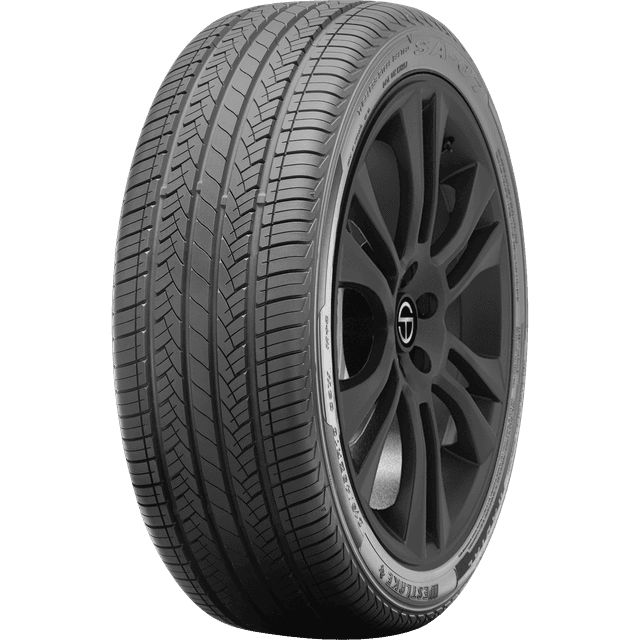
1) Westlake SA07 Sport
The SA07 Sport is the most road-focused of the group. SimpleTire lists it as an all-season passenger tire with a 45,000-mile warranty, a 4.4 average rating from 991 reviews, and strong scorecard results for dry, wet, comfort, and treadwear.
In real driving, it makes the most sense for a commuter who spends most of the week on pavement and wants a balanced tire that feels comfortable in normal city traffic and steady on the highway. Its weak spot is winter confidence; it is not the tire I would choose for harsh snow or icy mornings.
Pros
- Good dry and wet-road behavior for a budget all-season tire.
- Comfortable and quiet enough for daily commuting.
- Strong value if you want a lower-cost performance-minded passenger tire.
Cons
- Winter performance is only average, so it is not ideal for severe snow or ice.
- Some owners report noise increases and durability concerns as the tire wears.
- Not the best choice if you want premium steering feel at highway speed.
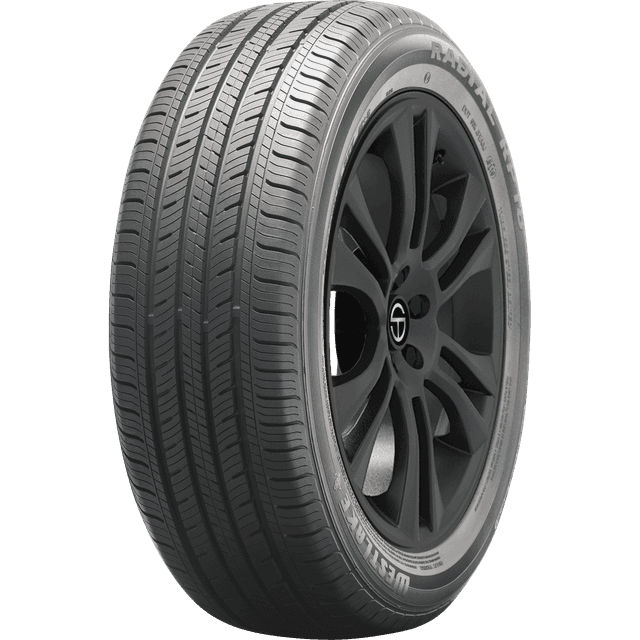
2) Westlake RP18
The RP18 is the safer all-round pick for ordinary passenger cars. It carries a 45,000-mile warranty, a 4.6 rating from 982 reviews, and a 93% “would buy again” score, which tells you why it is such a common budget recommendation.
It is built as an all-season passenger tire with a 500AA UTQG rating and A wet traction rating, so it is aimed at everyday driving more than sportiness.
On a typical weekday commute, the RP18 is the kind of tire that should feel calm, predictable, and easy to live with; it is less about sharp response and more about basic, affordable competence.
Pros
- Strong value and one of the better-rated Westlake passenger tires.
- A wet traction rating and 45,000-mile warranty give it a practical everyday profile.
- Good fit for drivers who want an inexpensive all-season tire for normal road use.
Cons
- Not the best choice for harsh winter climates.
- Does not match premium brands in overall refinement or all-weather confidence.
- More comfort-oriented than engaging, so enthusiastic drivers may find it plain.
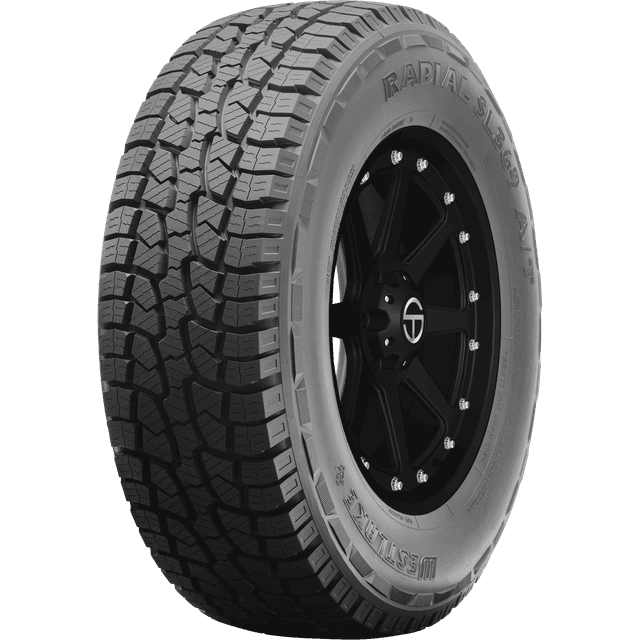
3) Westlake SL369
The SL369 is Westlake’s most useful model if you need an all-terrain tire for a light truck. It is rated as an all-terrain light truck tire, carries a 40,000-mile warranty, and has a 4.5 rating from 567 reviews with a 95% “would buy again” score.
SimpleTire’s product notes also point to decent traction across daily driving and light off-road use, which fits the real-world role of this tire: normal pavement during the week, gravel, dirt, or rougher roads when needed.
In a rainy highway merge or on a muddy driveway, it should feel more capable than a passenger all-season, but that comes with the usual all-terrain trade-off of less refinement on smooth roads.
Pros
- Good choice for light trucks that see pavement and light off-road use.
- Strong value and broad user approval for the category.
- More useful than a passenger tire when you need extra toughness on rough roads.
Cons
- Shorter warranty than the passenger-car Westlake options.
- Not 3PMSF rated, so it is not the tire I would rely on for serious winter conditions.
- Like most all-terrain tires, it is a compromise if your truck mostly stays on the highway.
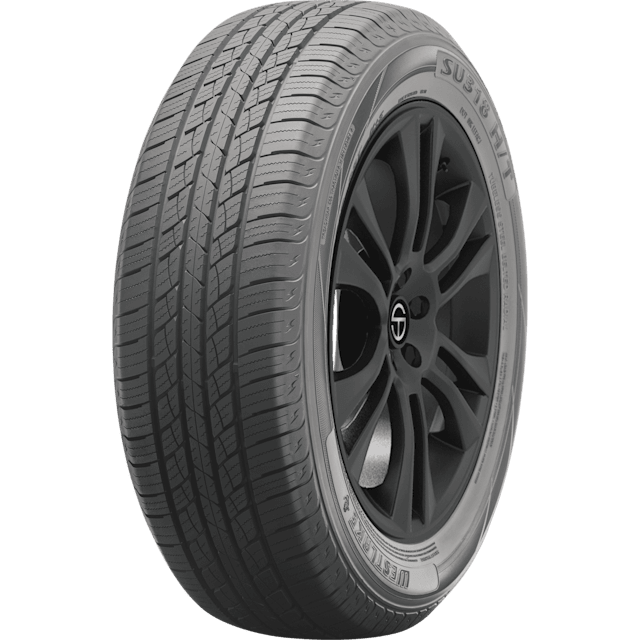
4) Westlake SU318
The SU318 is the best all-around Westlake tire for SUVs and crossovers. SimpleTire lists it as an all-season SUV/crossover tire with a 50,000-mile warranty, a 4.6 rating from 193 reviews, and a 92% buy-again score.
Its design focuses on wet-road drainage, quiet running, and added stability from the shoulder blocks, which is exactly what most family SUV drivers want. In daily use, this is the Westlake tire that should feel most settled on the highway and least annoying in stop-and-go traffic, especially if you prioritize comfort and low road noise over off-road ability.
Pros
- Best Westlake option here for SUV comfort and quietness.
- Strong wet-road and dry-road scorecard numbers for the category.
- The 50,000-mile warranty makes it the longest-backed tire in this group.
Cons
- Not 3PMSF rated, so light winter use is fine, but severe snow is not its strength.
- Better suited to paved-road SUVs than rough work or off-road abuse.
- Still a budget tire, so long-term refinement will not match premium SUV brands.
Westlake Tires Pros and Cons
Pros
- Very affordable compared to premium brands
- Comfortable enough for everyday commuting
- Acceptable dry-road traction
- Decent value for low-mileage drivers
- Wide variety of tire models available
Cons
- Wet traction is weaker than premium competitors
- Longer emergency braking distances
- Winter performance is limited
- Road noise may increase with wear
- Quality consistency is not always perfect
- Less refined highway feel
Westlake Tires vs Competitors
Westlake vs Michelin
This is not a close fight on performance. Michelin generally offers better wet grip, better comfort, stronger tread life, and more consistent quality. That does not mean Westlake has no place. It means the buyer is making a clear tradeoff between price and performance.
If you drive a lot, care about refinement, or live in a wet climate, Michelin usually makes more sense. If your budget is tight and your driving needs are basic, Westlake can save money upfront. The question is whether the savings are worth giving up safety margin and comfort.
Westlake vs Kumho
Kumho is often a more balanced middle-ground choice. It usually costs more than Westlake, but not as much as premium brands. For many drivers, that extra step up is worth it because Kumho often delivers better wet performance, better ride quality, and a more polished feel overall.
If Westlake is the cheapest practical choice, Kumho is often the smarter “slightly more money for noticeably better tire” option. That is why many buyers move toward Kumho when they compare closely.
Westlake vs Cooper
Cooper tires often appeal to drivers who want a stronger sense of trust and more developed performance without going fully premium. Compared with Westlake, Cooper usually offers better consistency, better highway confidence, and a stronger overall reputation in the U.S. market.
Westlake can still win on price, but Cooper often wins on total value over time. If you plan to keep the vehicle for a while, that matters. Paying a little more up front can feel smarter if the tires last longer and behave better in bad weather.
Westlake vs Sailun
Sailun is another budget-friendly brand that many shoppers compare with Westlake. The differences can depend on the exact model, but in general Sailun often competes well on value and may be a stronger choice for some drivers who want budget pricing with a bit more confidence.
This is where model-by-model comparison matters. One budget tire is not automatically better than another in every category. Still, if you are comparing these two brands, it is worth looking closely at wet grip, tread life, and noise before choosing.
Real Owner Reviews & Common Complaints
The strongest owner-review pattern is simple: people like Westlake when they want value, and they complain when they expect premium behavior. In the RP18 reviews, the positives are usually price, treadwear, dry grip, and comfort. The negatives are usually wet grip, road noise, and occasional complaints about a less refined feel as the tire ages. That is a very normal shape for a budget tire review page, and it is also why overly confident five-star or one-line “best tire ever” claims should be treated carefully.
Retailer feedback is similar. Some reviews call Westlake affordable and smooth, while others still frame it as a practical option rather than a standout performer. When a tire brand gets this kind of split feedback, it usually means the product is doing a few things well, but not so well that it can escape its budget-tier identity.
Who Should Buy Westlake Tires?
Westlake tires make the most sense for drivers who want to keep costs down and who use their vehicles in ordinary ways. If you mainly drive to work, run errands, and travel on normal roads in fair weather, they can be a sensible option.
They may also work well for older vehicles, second cars, or drivers who do not want to invest heavily in tires for a vehicle they only use lightly. In those cases, the lower price can be very attractive. The key is matching the tire to the job.
If your needs are modest, Westlake can be a practical purchase. Not every driver needs a premium tire to get through daily life.
Who Should Avoid Westlake Tires?
Westlake tires are a weaker fit for drivers who want strong wet-weather confidence, frequent long highway travel, or a more refined ride. They are also not ideal for people who drive aggressively or expect their tires to feel especially sharp and responsive.
Drivers in snow-heavy areas should also be careful. A budget all-season tire is not the same thing as a proper winter tire, and cold-weather performance can be a real weakness. If winter safety matters a lot in your area, it usually makes more sense to buy tires designed for that job.
The short version is simple: if you need maximum confidence, Westlake is probably not the best place to land.
Are Westlake Tires Worth the Money?
For the right buyer, yes. Westlake tires can be worth the money when price is the most important factor and driving demands are modest. They offer a real entry point into brand-new tires without the higher upfront cost of premium options.
But value is not just about the lowest price. It is about what you get for what you pay. If you save a lot of money but lose too much in wet traction, comfort, or tread life, then the cheaper tire may not actually be the better deal. That is why it helps to think in terms of cost per mile, not just sticker price.
If Westlake fits your driving style, climate, and expectations, it can be a smart budget buy. If not, spending a little more often gives you a better long-term result. The best value is not always the cheapest tire on the shelf.
Frequently Asked Questions
Are Westlake tires made in China?
Yes. ZC Rubber’s official Westlake materials identify the brand as part of Zhongce Rubber Group, which is headquartered in Hangzhou, China.
How long do Westlake tires last?
That depends on the model, the vehicle, the climate, and how well the tires are maintained. Some reviewers report about 40,000 to 50,000 miles on certain Westlake models, and some retailers mention a 45,000-mile warranty on the brand’s tires, but real-world life can be shorter or longer.
Are Westlake tires noisy?
Some are quiet for the price, while others become noisy as they wear. The RP18 is a good example of that split in owner feedback.
Are Westlake tires good in rain?
Some Westlake models are designed with wet traction in mind, but wet performance is still one of the most common concerns in owner reviews. For drivers in wet climates, that tradeoff matters a lot.
Are Westlake tires good for SUVs?
Yes, if you choose the right model. Westlake has SUV-focused products like the SU318 H/T for road comfort and the SL369 A/T for mixed on-road and light off-road use.
Which Westlake tire is best?
There is no single best Westlake tire for everyone. For comfort-focused everyday use, the ZuperEco Z-108 and SU318 H/T look like strong fits. For mixed-use SUV driving, the SL369 A/T is more appropriate. For higher-performance summer driving, the SPORT SA-37 and ZuperAce SA-57 are the more relevant choices.
Final Verdict
Westlake tires are not magic, and they are not junk either. They are budget tires from a large, established manufacturer, and that means they can be a smart choice when you need solid everyday value without spending premium-brand money. The tradeoffs are real, though: wet grip, noise, and long-term refinement are usually where the premium brands still win.
If you want the honest answer in one line, it is this: Westlake tires are worth considering for practical commuting and mild conditions, but they are not the best choice when safety margins, wet braking, winter confidence, or ride refinement matter most.
