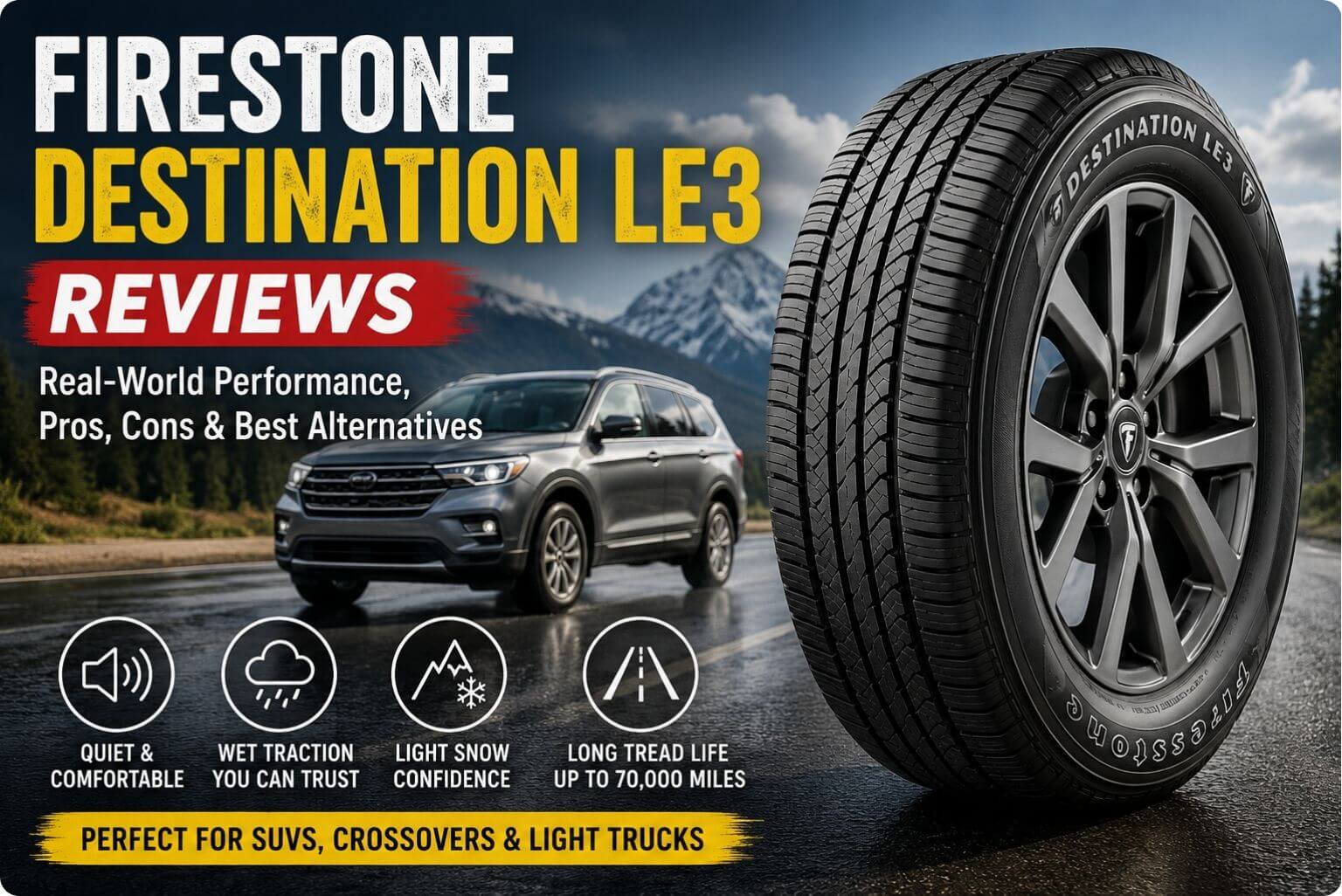
Firestone Destination LE3 Reviews
If your SUV or crossover spends most of its life on highways, wet city roads, and long family trips, you probably care more about quietness, comfort, and confident rain traction than aggressive handling. That is exactly why so many drivers start searching for Firestone Destination LE3 reviews before replacing their factory tires.
The LE3 promises a smooth ride, long tread life, and year-round usability without jumping into premium Michelin pricing. On paper, that sounds ideal for daily drivers, but real-world performance matters more than marketing claims — especially once the tire has a few thousand miles on it and weather conditions stop being perfect.
Some highway tires feel comfortable but struggle in heavy rain. Others grip well but become noisy as they wear. The Firestone Destination LE3 sits right in the middle of one of the most competitive SUV tire categories, which makes understanding its real strengths and weaknesses much more important before spending the money.
Quick verdict
The Firestone Destination LE3 makes the most sense for drivers who want a comfortable highway tire with solid all-around manners and decent tread life. It feels like a practical choice rather than an exciting one, and that is not a bad thing.

It is a good fit for drivers who want:
- a quiet daily ride
- strong wet-weather confidence
- a long-lasting highway tire
- reasonable value for an SUV or light truck
It is not the best fit for drivers who want:
- sharp steering and sporty handling
- serious snow and ice grip
- off-road traction
- the absolute best premium refinement
What the Firestone Destination LE3 is designed to do
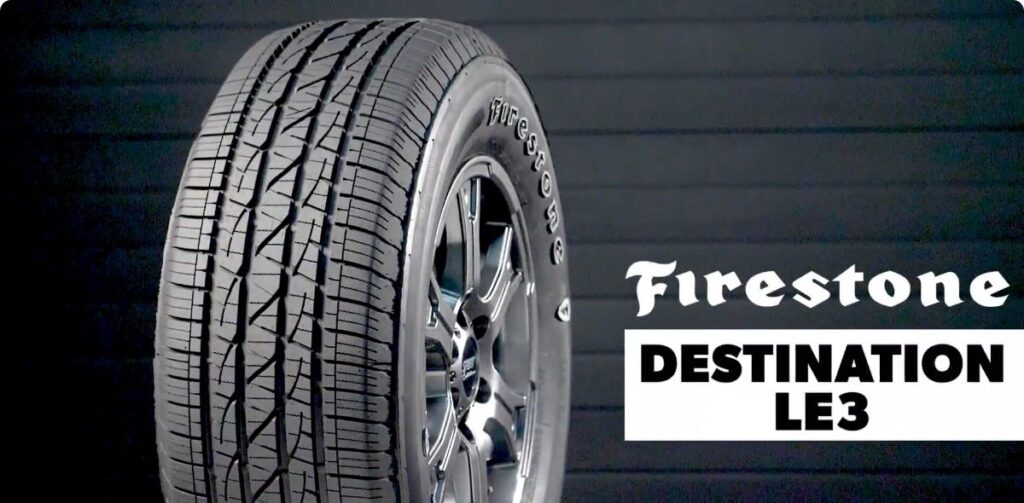
The Firestone Destination LE3 is a CUV/SUV all-season, highway-focused tire made for drivers who spend most of their time on paved roads and want a calm, low-hassle setup for daily use. Firestone lists its top three priorities as quiet ride, fuel efficiency, and light snow performance, and backs it with a 70,000-mile limited mileage warranty.
In Firestone’s lineup, it sits squarely in the Destination family and is aimed at light trucks, crossovers, and SUVs that need year-round traction without moving into winter-tire or off-road territory. Tire Rack places it in the Highway All-Season category and describes it the same way: a tire for drivers who want paved-road comfort, long tread life, and confidence in rain and light snow, not aggressive handling or serious trail use. In real terms, that makes it a smart fit for family SUVs, highway commuters, and road-trip vehicles that value refinement over sharpness.
Real-world driving performance
The Destination LE3 is tuned more for easygoing highway use than for sharp, sporty response. Firestone positions it as a CUV/SUV all-season tire with a quiet ride, fuel efficiency, and light-snow capability, and its own scoring leans that way: strong marks for dry, wet, ride comfort, tread life, and fuel efficiency, with no real off-road or ice focus. In practice, that means it feels most at home on the interstate and on daily suburban driving, where stability and low drama matter more than quick turn-in.
Dry road traction and steering feel
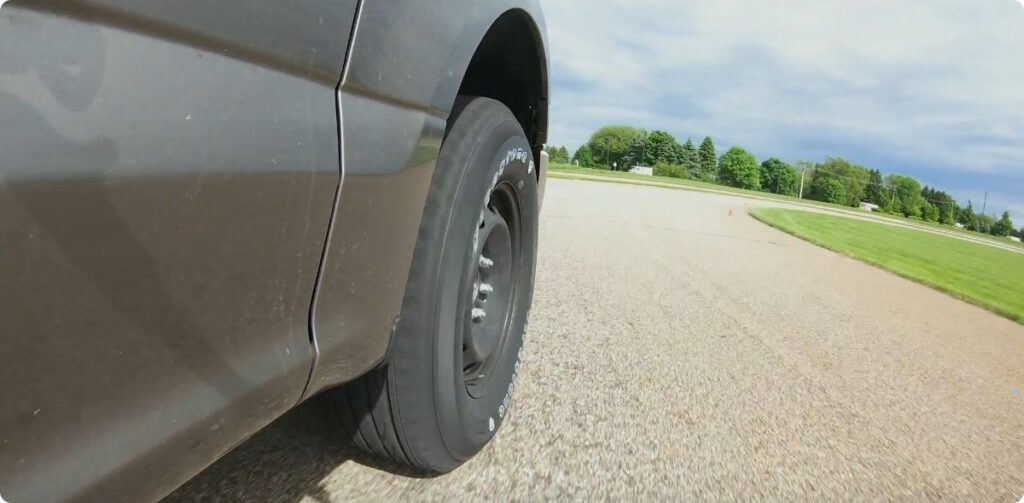
On dry pavement, the LE3 is built to feel steady rather than aggressive. Tire Rack’s consumer feedback highlights strong dry traction, corner stability, and steering response, which matches what you want in a highway all-season tire: predictable lane changes, calm tracking at speed, and enough grip for confident braking without feeling nervous or twitchy. If you spend most of your time on long freeway runs or commuting in a midsize SUV, this is exactly the kind of behavior that reduces fatigue.
Wet traction and hydroplaning resistance
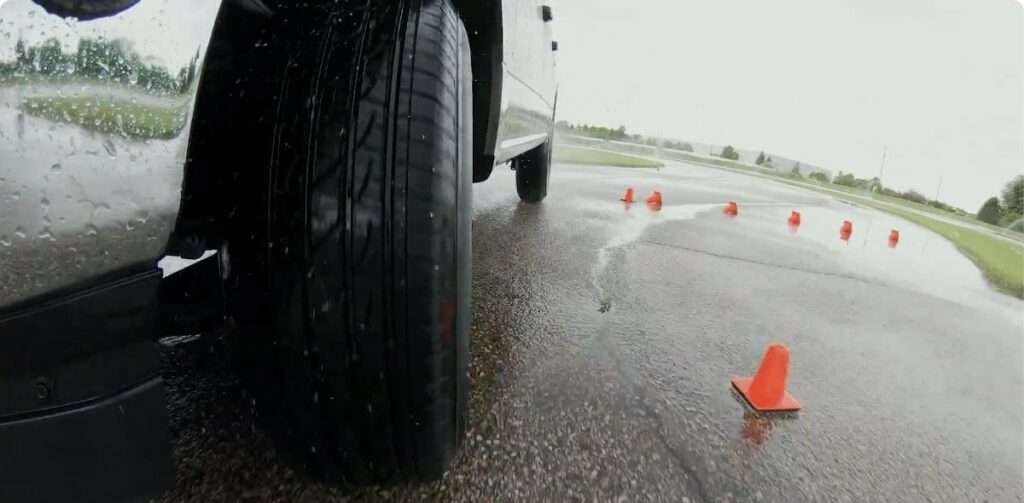
Rain is one of the LE3’s better areas. Firestone says its Hydro-Grip design is meant to help evacuate water from the contact patch, and Tire Rack’s survey data shows wet traction and hydroplaning resistance among the tire’s strongest traits. In a hard summer downpour, that translates to a tire that feels composed when you brake for traffic or change lanes through standing water, instead of making you back off the throttle early.
Light snow and cold-weather use
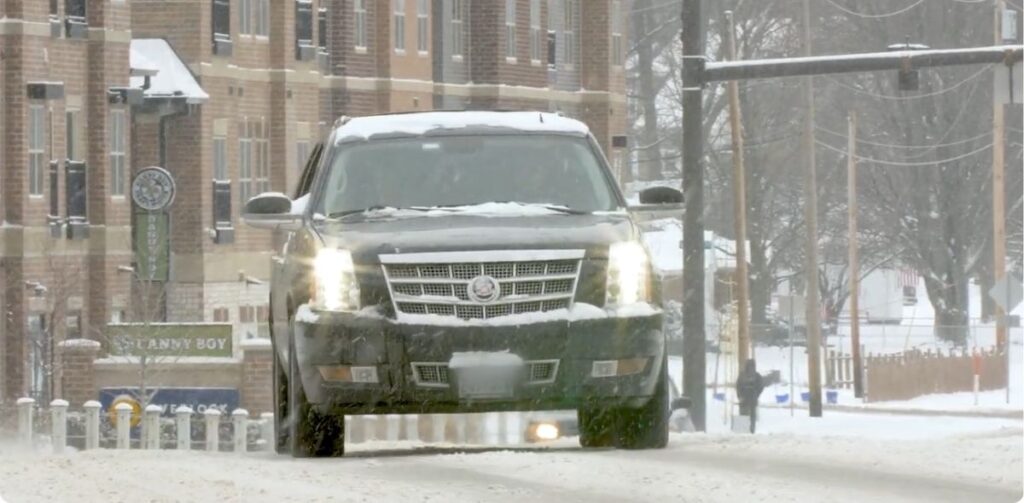
The LE3 can handle light snow, slush, and cold pavement better than a basic touring all-season tire, helped by full-depth 3D sipes, but it is still not a true winter tire. Firestone does not position it for ice, and Tire Rack’s survey shows snow performance is respectable while ice performance is the weak point. For drivers who see occasional winter weather and mostly cleared roads, it is a sensible all-season choice; for repeated snowpack, ice, or mountain driving, it is not enough tire.
Comfort and road noise
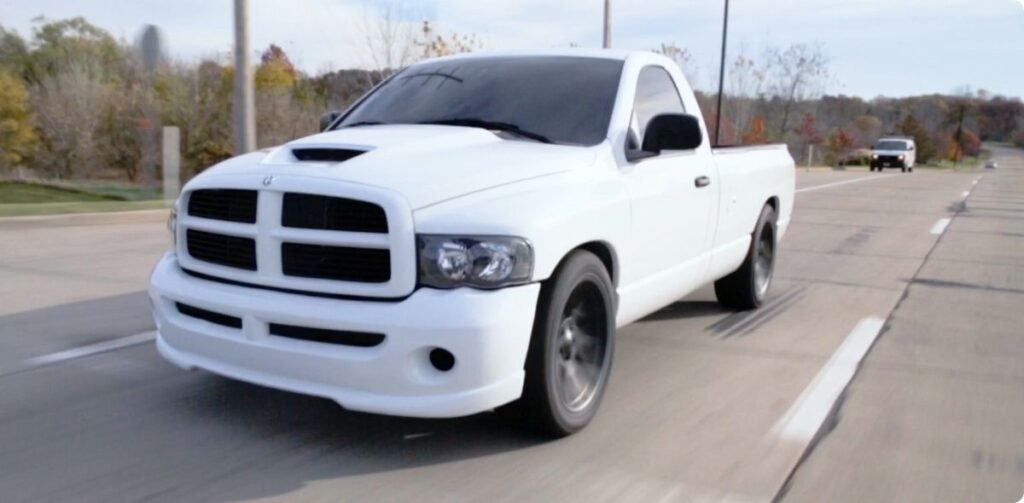
This is where the LE3 wins a lot of buyers over. Firestone calls out quiet ride and ride comfort directly, and Tire Rack’s feedback consistently describes the tire as smooth and quiet. On rough city pavement, that usually means less thump over expansion joints and a calmer cabin at 65–75 mph, especially on larger SUVs that can exaggerate tire noise. Drivers who want a more relaxed, family-friendly feel will notice the difference right away.
Tread life and long-term durability
The LE3 is clearly built with longevity in mind. Firestone says TractionTech is designed for more consistent wear over the tire’s life, and the tire carries a 70,000-mile limited mileage warranty. Owner feedback also trends positive here, with many reports of strong wear life after highway-heavy use. The main thing to watch is the usual one: once any highway tire starts to age, rotation and alignment matter a lot if you want to keep wet grip and noise levels in check.
Fuel efficiency and rolling resistance
Fuel economy is one of the LE3’s selling points, and that matters more than many buyers realize on a daily SUV. Firestone explicitly lists fuel efficiency as a top feature, and the tire’s design goals suggest a low-drama, lower-resistance highway setup rather than maximum grip at all costs. In real use, that makes it a smart pick for drivers who want a comfortable tire that does not feel wasteful at the pump, especially on long commutes and road trips. The trade-off is simple: the more a tire is tuned for efficiency and comfort, the less sporty it usually feels.
Overall, the Destination LE3 suits drivers who want a quiet, stable, rain-capable highway tire with decent light-snow ability and strong wear potential. It is a good match for SUVs and crossovers that live on paved roads, and a weaker choice for drivers who regularly face ice, deep snow, or more demanding handling.
What owners consistently like about the LE3
The reason this tire shows up in so many review searches is that it tends to solve the same set of real-world problems again and again. Drivers like that it feels calm on the road, does not shout with excessive noise, and offers a comfortable ride on everything from short city trips to long interstate drives.
The biggest positives are usually:
- a smooth and quiet ride
- balanced dry and wet road behavior
- a comfort-first personality
- a sensible fit for family vehicles
- a strong value proposition compared with more expensive premium rivals
That combination matters because most SUV and truck owners are not trying to win a handling contest. They are trying to make everyday driving easier.
Common complaints and limitations
No tire is perfect, and trust builds faster when the drawbacks are stated clearly. The LE3 is not meant for deep snow, and it is not the right tool for ice-heavy winters. If you live where winter roads stay packed with snow or glaze over often, this tire will eventually feel limited.
It is also not the best choice for aggressive driving. If you want fast steering response, firm cornering feel, or a sporty personality, the LE3 will probably seem too relaxed. And if you spend time on dirt, mud, gravel, or trails, you should look at a more capable all-terrain option.
The main limitation is not that the tire is bad. It is that the tire is focused. It is designed around comfort and everyday road use, so it will naturally give up some toughness and sharpness to get there.
Firestone Destination LE3 specs and warranty basics
The Firestone Destination LE3 is a Highway All-Season tire built for light trucks, crossovers, and SUVs that spend most of their time on pavement. Firestone positions it around the everyday priorities that matter most to these vehicles: a quiet ride, fuel efficiency, and light-snow traction, not off-road toughness or winter-only grip. That makes the spec sheet fit the mission pretty well: it is meant for drivers who want a calm, year-round tire for commuting, highway miles, and family use.
The warranty tells the same story. Firestone backs the LE3 with a 70,000-mile limited mileage warranty, and the tire uses a symmetric tread design, TractionTech for more consistent wear, Hydro-Grip for wet evacuation, full-depth 3D sipes for winter confidence, and a polyester casing with two steel belts plus nylon reinforcement for durability and high-speed stability. In real driving, that is the kind of construction you want for steady highway cruising, predictable braking in rain, and longer wear life on heavier SUVs.
It also comes in a wide range of sizes, from common crossover fitments to larger SUV and truck sizes, which shows how broadly Firestone intends it to be used. For most buyers, that means the LE3 makes the most sense when the vehicle is road-focused and the driver values comfort and longevity more than sharp handling or winter-road specialization.
Pros and Cons of the Firestone Destination LE3
Pros
- Comfortable highway ride
- Quiet cabin experience
- Strong wet-weather confidence
- Smooth long-distance performance
- Good value for the price
- Predictable everyday handling
- Suitable for many SUVs and crossovers
Cons
- Steering response is softer than sporty competitors
- Snow and ice traction are limited
- Road noise may increase with wear
- Wet grip can decline as tread depth drops
- Not suitable for aggressive off-road driving
How the Destination LE3 compares to its predecessor and key rivals
Firestone Destination LE3 vs Firestone Destination LE2
Firestone says the LE3 improves wear consistency, water evacuation, and snow traction compared with the Destination LE2 through TractionTech, Hydro-Grip, and full-depth 3D sipes. That means the LE3 is not just a cosmetic update; it is meant to be a more complete and longer-lasting version of the older tire.
For a shopper deciding between the two, the LE3 is the more modern and better-rounded choice unless the LE2 is being offered at a much lower price and the buyer has very simple needs. The LE3’s stronger wet and snow-oriented design makes it the safer long-term pick for most drivers.
Firestone Destination LE3 vs Michelin Defender LTX M/S2
Michelin positions the Defender LTX M/S2 as a premium light truck and SUV tire with up to a 70,000-mile mileage warranty, strong wet grip, snow traction, and fuel efficiency. That makes it one of the LE3’s most natural premium rivals.
The practical difference is mostly in positioning. The LE3 is the value-oriented comfort-and-wear play, while the Michelin is the premium all-season benchmark for buyers willing to pay more for a top-tier brand and a broader reputation for refinement. For many shoppers, the right decision comes down to whether the extra premium is worth it for their driving habits.
Firestone Destination LE3 vs Continental CrossContact LX25
Continental describes the CrossContact LX25 with a focus on fuel economy, reduced wet stopping distance, crisp steering response, and a comfortable, quiet ride. That makes it another very relevant competitor for SUV and crossover buyers.
Compared with the LE3, the CrossContact LX25 is the kind of tire a driver might consider if steering precision and premium-feeling road manners matter a lot. The LE3 still makes sense if the buyer wants a strong balance of comfort, value, and long wear, but the Continental is clearly aimed at shoppers who want a more refined premium alternative.
Firestone Destination LE3 vs Goodyear Assurance WeatherReady 2
Goodyear’s Assurance WeatherReady 2 is positioned as an all-weather tire with 3PMSF certification, a 60,000-mile tread life limited warranty, and added comfort-focused features. That puts it in a different role from the LE3, because it leans harder into year-round weather confidence.
If a driver wants more winter-minded performance and is willing to accept a different balance of ride, wear, and price, Goodyear’s all-weather option is worth cross-shopping. If the driver mainly wants a quiet highway tire with strong value and solid light-snow ability, the LE3 may be the better fit.
Best use cases for the Firestone Destination LE3
The LE3 makes the most sense for family SUVs, crossovers, and light trucks that spend most of their time on pavement. It fits drivers who commute, road-trip, and want a tire that keeps noise down while still handling rain and occasional light snow with confidence.
It is also a strong match for owners who put a lot of value on long tread life. The 70,000-mile warranty, the treadwear-focused design, and the positive owner feedback all point toward a tire that is meant to stay useful for the long haul.
Who Should Buy the Firestone Destination LE3?
The Destination LE3 is a smart buy for drivers who want a comfortable, calm, and dependable tire for an SUV, crossover, or light truck. It is especially good for people who spend a lot of time on the highway and want a tire that keeps the cabin quiet and the ride relaxed.
It also makes sense for buyers who want a strong value proposition. You get a tire that feels more refined than the cheapest options, but you do not have to stretch all the way to the most expensive premium competitors to get a trustworthy everyday tire.
If your driving is mostly pavement, your winters are mild, and your priorities are comfort, wet traction, and long-term practicality, the LE3 deserves a serious look.
Who Should Avoid the Firestone Destination LE3?
The LE3 is not for everyone. Drivers who live in severe winter areas should look at a dedicated winter tire or a more winter-focused all-weather option. If your roads are often covered in snow and ice, the LE3 will not give you the confidence you need.
It is also not ideal for off-road-focused SUV owners. If you drive on trails, mud, rocks, or rough unpaved surfaces often, you need a different tire type. And if you want a sharper, more athletic driving feel, this tire may feel too comfort-oriented.
Heavy towing users may also want to compare more carefully before buying. A tire like this can work for light duty, but people who regularly carry heavy loads should pay close attention to load ratings and stability needs.
Value for money — is it worth the price?
For many buyers, yes. The LE3 is aimed at the sweet spot where comfort, tread life, rain confidence, and light-snow ability overlap. That is the kind of tire that often makes daily driving easier without asking the driver to pay premium-brand pricing.
The best way to judge value is by usage. If the vehicle spends most of its life on highways and suburban roads, the LE3 offers a very sensible mix of long warranty coverage and real-world comfort. If the vehicle faces severe winters or the driver wants maximum refinement, a premium rival may be worth the extra money.
What to check before buying
Before buying, make sure the size, load rating, and speed rating match the vehicle’s needs. That matters especially on SUVs and light trucks, where OEM fitment and load requirements can differ a lot from one trim to another.
It is also smart to think beyond the tire itself. Alignment, rotation habits, climate, and road conditions all affect tread life and wet-weather confidence. A tire like the LE3 is designed to last, but good maintenance is what allows the warranty-oriented design to pay off in the real world.
FAQs
Is the Firestone Destination LE3 good in snow?
It is good for light snow and cold-weather use for an all-season tire, and Firestone specifically highlights snow performance in its marketing. It is not a dedicated winter tire, though, so drivers in severe snow or ice should choose something more specialized.
Is the Firestone Destination LE3 quiet?
Yes. Quiet ride is one of Firestone’s top advertised features, and Tire Rack owner feedback repeatedly describes the tire as smooth and quiet on the highway.
How long does the Destination LE3 last?
Firestone backs it with a 70,000-mile limited mileage warranty, and owner feedback also points to strong treadwear. Actual life depends on maintenance, alignment, rotation, driving habits, and road conditions.
Is the LE3 better than the LE2?
For most buyers, yes. Firestone says the LE3 improves wear consistency, wet evacuation, and snow traction compared with the LE2, so it is the more advanced version of the two.
Is it good for highway driving?
Yes. The LE3 is a highway all-season tire by design, and both Firestone’s product positioning and Tire Rack’s customer feedback support that use case.
Is it a good tire for SUVs and crossovers?
Yes. Firestone specifically targets SUV and CUV owners with this tire, and its comfort, quiet ride, and long-wear focus make it a strong everyday choice for those vehicles.
Final verdict
The Firestone Destination LE3 is a smart, practical tire for SUV, crossover, and light truck drivers who want a calm highway ride, good wet-road confidence, long tread life, and light-snow capability without moving into a premium price tier. The biggest strengths are exactly the things daily drivers care about most: comfort, quietness, wear, and balanced all-season behavior.
It is not the right tire for every driver, and that honesty is part of what makes it easy to recommend. If the priority is severe winter traction, aggressive handling, or off-road use, there are better-suited choices. But for the large group of drivers who simply want a dependable, easygoing, long-lasting tire for everyday roads, the Destination LE3 makes a strong case for itself.
