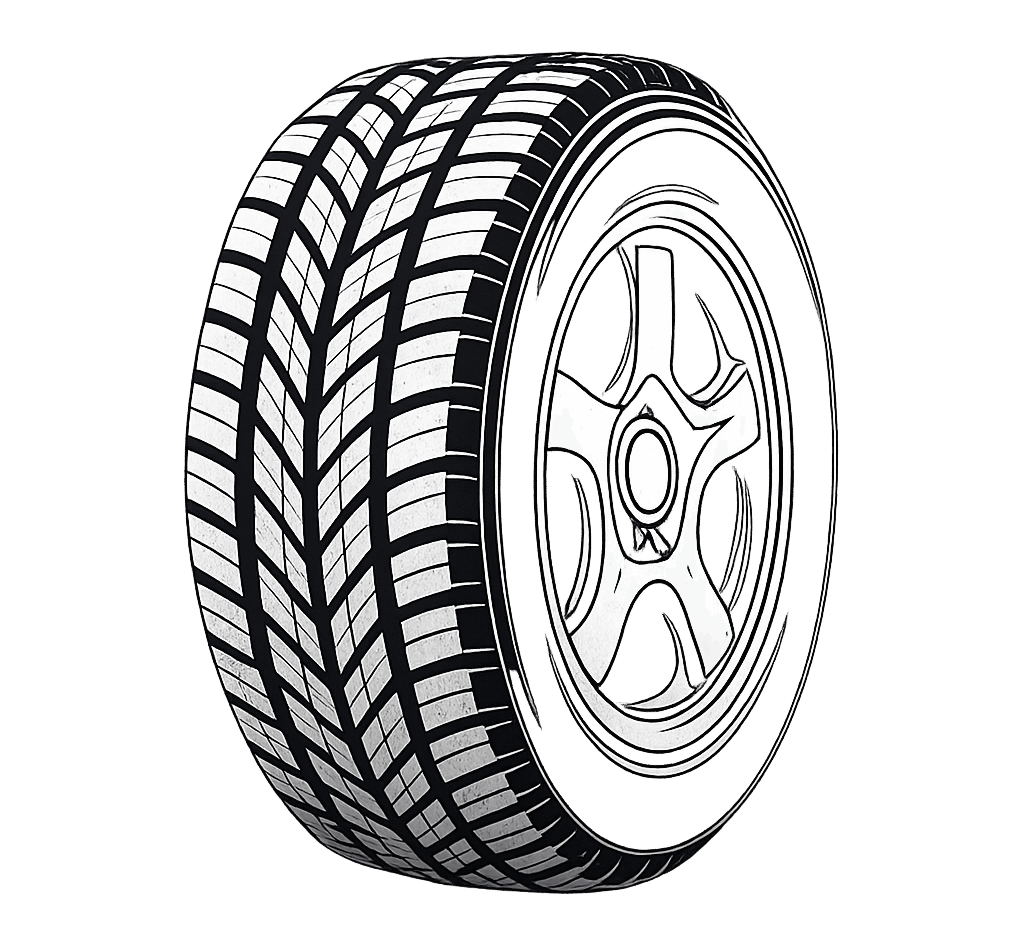

Nitto Ridge Grappler Review: Pros, Cons, Performance, and Tread Life
Last updated on October 18th, 2026
This Nitto Ridge Grappler review examines the tire’s road noise, wet-road performance, off-road capability, winter limitations, and tread-life evidence to help truck and SUV owners decide whether it fits their driving needs.
The Nitto Ridge Grappler is a hybrid-terrain tire designed for truck and SUV owners who want off-road capability without moving entirely to a dedicated mud-terrain tire. Its aggressive tread pattern, staggered shoulder lugs, and distinctive sidewall design make it a popular option for drivers who split their time between paved roads and unpaved trails.
But an aggressive tread pattern does not automatically make a tire the right choice for every driver. Highway noise, wet-road behavior, fuel economy, snow traction, and tread life all depend on the tire size, vehicle, road conditions, and how the tires are used.
Quick verdict
The Nitto Ridge Grappler is worth considering if you regularly drive on pavement but also need a tire for gravel roads, dirt tracks, and moderate off-road use. If your priorities are a quiet highway ride, maximum road-focused efficiency, frequent deep-mud driving, or severe winter traction, compare it with tires designed more specifically for those needs.
This review examines Nitto’s published specifications and design features alongside a documented long-term use report. It is not a new independent laboratory test, and the performance of one tire size or vehicle should not be assumed to represent every Ridge Grappler fitment.

Nitto Ridge Grappler Review: Quick Summary
| Category | Summary |
| Tire type | Hybrid-terrain light-truck tire |
| Best suited for | Trucks and SUVs used on roads and moderate off-road terrain |
| Tread design | Variable-pitch tread blocks, shoulder grooves, and lateral Z-shaped grooves |
| Road noise | Designed to manage tread noise, but actual sound varies by vehicle, surface, and wear |
| Wet performance | Nitto publishes a manufacturer wet-performance rating; independent comparative results should be evaluated separately |
| Off-road use | Designed for dirt, gravel, mud, and other loose or uneven surfaces |
| Snow and ice | Verify the exact size’s winter markings and specifications; do not assume it replaces a dedicated winter tire |
| Tread life | Depends on size, maintenance, vehicle setup, load, and driving conditions |
| Warranty | Check current official terms for the exact product and size |
| Main trade-off | Off-road-oriented design versus a more road-focused tire’s potential comfort and efficiency advantages |
Nitto’s Published Performance Ratings
Nitto’s official Ridge Grappler product page publishes the following ratings. These are manufacturer-published ratings, not independent comparative test scores.
| Performance category | Nitto’s published rating |
| Dry performance | 4/5 |
| Wet performance | 4/5 |
| Off-road performance | 4/5 |
| Quietness | 4/5 |
| Ride comfort | 3.5/5 |
These ratings provide a useful overview of how Nitto presents the tire’s performance. They do not establish that the Ridge Grappler outperforms every competing tire in braking, handling, noise, or off-road traction.
Key Features of the Nitto Ridge Grappler
The Ridge Grappler is designed to combine aspects of all-terrain and mud-terrain tires. Its features are intended to support mixed driving, but the practical benefit depends on the conditions in which the tire is used.
Hybrid-terrain tread design
The Ridge Grappler uses a tread pattern intended to provide everyday road usability alongside traction on loose and uneven surfaces. Its aggressive tread and shoulder features distinguish it from a conventional highway tire.
This design can make sense for owners who commute during the week and head onto gravel roads, dirt trails, or other unpaved surfaces on weekends. However, the hybrid-terrain label alone does not prove that the tire will outperform a conventional all-terrain or a dedicated mud-terrain model in any particular test.
Variable-pitch tread blocks
Nitto uses a variable-pitch tread pattern intended to manage the noise generated as the tire rolls over pavement. The company describes using sound equipment to develop this pattern for highway use.
This is relevant for drivers who want a more road-friendly experience than they expect from a highly aggressive mud-terrain tire. It is not a guarantee of a silent ride. Tire size, vehicle insulation, road surface, inflation pressure, and tread wear can all change the noise heard inside the vehicle.
Shoulder and lateral Z-shaped grooves
The Ridge Grappler has shoulder grooves arranged in alternating widths and lengths, together with lateral Z-shaped grooves. Nitto describes these features as helping clear mud and create biting edges for traction.
They are relevant to drivers who encounter dirt, gravel, and muddy surfaces. However, the presence of these features does not establish a specific stopping-distance advantage or prove superiority over a particular competitor without comparable test results.
Reinforced tread-block foundation
Nitto’s reinforced block foundation is intended to add rigidity to the tread blocks and reduce flex. This design element supports the tire’s intended balance between road and off-road use.
It should not be interpreted as a guarantee against uneven wear, tread damage, or punctures. Tire condition and durability still depend on load, pressure, terrain, and maintenance.
Stone ejectors
Stone ejectors are designed to help prevent stones from becoming lodged deeply in the tread grooves and damaging the groove base. This can be useful for vehicles that regularly travel over gravel or rocky tracks.
Stone ejectors do not make the tire puncture-proof. Sharp rocks, debris, and other hazards can still damage tread or sidewall rubber, so inspect the tires after demanding off-road use.
Dual-sidewall design
The Ridge Grappler features two different sidewall designs, allowing buyers to choose the appearance they prefer when the tire is mounted in the appropriate orientation.
This is primarily a styling option. The chosen sidewall appearance does not, by itself, establish better traction, handling, or durability.
On-Road Performance
The Ridge Grappler is intended to remain usable on paved roads despite its off-road-oriented tread. Whether it works well as a daily tire depends on your expectations for comfort, noise, wet-road confidence, and fuel consumption.
Dry-road handling
For ordinary commuting, local roads, and highway travel, the Ridge Grappler’s mixed-use design may suit drivers who also require off-road traction. Its tread is intended to give biting edges on loose ground without being a dedicated mud-terrain pattern.
However, a tire being usable on the highway is not the same as being the best choice for road-focused handling. Drivers who spend almost all their time on pavement and prioritize steering response or comfort may find a less aggressive all-terrain or highway-terrain tire better suited to their needs.
The important consideration is how much off-road capability you actually use. If you rarely leave the pavement, the Ridge Grappler’s more rugged design may offer less everyday value than a tire optimized for your regular driving.
Wet-road performance
Wet-road grip should be judged carefully because tread appearance and manufacturer ratings cannot establish a tire’s comparative wet-braking performance on their own.
Nitto publishes a 4/5 wet-performance rating for the Ridge Grappler. That is useful product information, but it is not the same as an independent test comparing stopping distances, cornering grip, or hydroplaning resistance against specific alternatives.
Wet behavior varies with tread depth, water on the road, speed, inflation pressure, vehicle weight, and tire condition. Drivers should leave extra stopping distance when roads are wet and avoid assuming that an aggressive-looking tire will automatically provide better rain performance.
If frequent heavy rain is a primary concern, compare tires with reliable, comparable wet-performance test results. The most useful comparison is based on the exact models and sizes you are considering rather than general statements about tread design.
Highway comfort and ride quality
The Ridge Grappler is designed to balance a rugged tread with everyday usability. Its variable-pitch tread pattern addresses noise, while its off-road-oriented construction distinguishes it from a conventional road tire.
Ride comfort is still vehicle-dependent. A heavy-duty pickup, a lighter SUV, and a vehicle with a modified suspension can feel very different even when they use the same tire model. Tire size, load rating, wheel diameter, inflation pressure, and road condition also affect the ride.
Nitto publishes a ride-comfort rating of 3.5/5. This is a manufacturer rating rather than an independent ride assessment, so it should be treated as one reference point rather than a universal prediction.
If your vehicle spends most of its time on smooth pavement, compare the Ridge Grappler with a less aggressive option before paying for off-road features that you may rarely use.
Road noise
Road noise is one of the most common considerations when choosing an aggressive truck tire. Nitto’s variable-pitch tread pattern is designed to manage the sound generated on the highway, and the company publishes a quietness rating of 4/5.
The actual experience can differ by vehicle, surface, tire dimensions, pressure, and wear. A tire that is reasonably quiet on one truck may sound louder on another vehicle or rough road.
Noise may also become more noticeable if a tire develops irregular wear. Rotation, alignment checks, and correct inflation help address avoidable wear problems, although they cannot guarantee a particular noise level.
The practical takeaway is that the Ridge Grappler is a mixed-use tire, not a promise of passenger-car-like quietness. If you are particularly sensitive to highway noise, look for owner feedback from drivers using a similar vehicle and tire size.
Fuel economy
Fuel economy depends on rolling resistance, tire weight, tire dimensions, inflation pressure, driving speed, load, terrain, and the tire being replaced. A reliable MPG penalty cannot be calculated from the Ridge Grappler’s appearance alone.
One published long-term evaluation of LT285/75R16 E Ridge Grapplers on a 1997 Ford F-350 described respectable fuel economy after the tires replaced a more aggressive mud-terrain setup. That is a report from one vehicle and comparison, not proof that Ridge Grapplers improve fuel economy or produce the same result in other vehicles.
If fuel consumption is a high priority, compare the Ridge Grappler with road-focused alternatives. Use the same vehicle, similar routes, correct pressures, and repeatable conditions if you want to evaluate an actual difference.
Off-Road Performance
Off-road driving is a key reason to consider the Ridge Grappler. Its shoulder lugs and tread grooves are designed to provide biting edges on loose surfaces, but each type of terrain presents different challenges.
Gravel and dirt roads
Gravel roads, dirt tracks, and maintained trails are relevant use cases for a hybrid-terrain tire. The Ridge Grappler’s tread design is intended to offer traction on loose surfaces while remaining suitable for drivers who still use paved roads regularly.
For rural routes, unpaved access roads, and moderate trails, this mixed-use approach can be appealing. However, gravel reduces available grip, and loose stones can affect braking and cornering. An off-road-oriented tire does not remove the need to drive at a speed appropriate for the surface.
After travelling across sharp gravel or rocky debris, check the tread and sidewalls for cuts, embedded objects, and other signs of damage.
Mud performance
The Ridge Grappler’s shoulder grooves and lateral Z-shaped grooves are designed to help maintain traction on loose surfaces, including muddy terrain. Its hybrid design may suit drivers who occasionally encounter mud but also need to commute and travel on highways.
Occasional muddy tracks are not the same as deep, sticky mud that repeatedly packs into a tire’s tread. Drivers who regularly encounter demanding mud conditions should compare dedicated mud-terrain options and consider the road-noise and comfort trade-offs.
The Ridge Grappler’s appearance should not be treated as a guarantee against getting stuck. Mud depth, soil type, ground clearance, vehicle weight, driving technique, and tire pressure all influence the result.
Rock crawling and rocky trails
The Ridge Grappler’s shoulder lugs, reinforced tread-block foundation, and stone ejectors are relevant for drivers who use rocky trails. These features are intended to support off-road use and help manage the interaction between the tread and loose stones.
Rock crawling still places demanding loads on the tread and sidewalls. Sharp rock edges, excessive vehicle load, poor line choice, and unsuitable tire pressure can cause damage.
If technical rock crawling is a regular part of your driving, compare the Ridge Grappler with tires intended specifically for that use. Confirm the right tire size, load rating, wheel compatibility, vehicle clearance, and manufacturer guidance before making changes.
Sand driving
Sand traction depends on more than the tread pattern. Vehicle weight, sand consistency, ground clearance, driving technique, momentum, and tire pressure all affect performance.
The Ridge Grappler may suit mixed-terrain driving that includes occasional sand, but it should not be described as automatically superior on sand. Drivers should learn an appropriate pressure range for their vehicle and situation, monitor pressure with a gauge, and reinflate to the vehicle or tire manufacturer’s road-use recommendation before returning to normal road speeds.
There is no single off-road pressure that is safe for every tire, vehicle, load, and wheel combination.
Off-road durability
The Ridge Grappler includes design features intended to support off-road use, but no tire is immune to punctures, cuts, impact damage, or sidewall injuries.
After an off-road trip, inspect the tires for cuts, bulges, exposed cords, embedded objects, and other visible damage. A tire with a bulge, exposed cord, or suspected structural injury should be assessed by a qualified tire professional before further use.
Drivers who tow, carry heavy loads, or travel over difficult terrain should confirm that their chosen size and load rating match the vehicle’s requirements and intended use.
Snow and Ice Performance
Winter performance deserves a separate evaluation because an aggressive tread pattern does not automatically make a tire equivalent to a dedicated winter tire.
Light snow
The Ridge Grappler may be considered by drivers who occasionally encounter light snow, but its suitability depends on the exact tire specification and the conditions. Snow depth, temperature, surface condition, tread wear, vehicle setup, and driving technique all matter.
Do not assume that every Ridge Grappler size has the same winter certification. Check the exact tire’s sidewall and current manufacturer specifications for the Three-Peak Mountain Snowflake (3PMSF) symbol before relying on it for severe-snow service.
Deep snow and packed snow
Drivers who regularly deal with deep snow or prolonged winter conditions should compare tires designed specifically for winter performance. The Ridge Grappler’s off-road-oriented tread does not, by itself, establish strong winter braking or cornering ability.
If winter traction is a major requirement, confirm the exact tire’s certification and consider whether a dedicated winter tire is a better match for your climate and driving needs.
Ice and freezing conditions
Ice can provide very limited grip, and aggressive tread appearance alone is not a reliable indicator of braking or cornering performance on icy surfaces.
If you frequently drive on ice, prioritize a tire with a documented winter-performance focus rather than assuming that the Ridge Grappler will deliver dedicated winter-tire performance. Even winter-certified tires cannot eliminate slippery-road risks, so speed and stopping distance remain important.
Tread Life and Durability
Tread life is one of the most important ownership questions, but it cannot be predicted reliably from one wear report or a treadwear grade. The Ridge Grappler’s actual service life depends on its size, vehicle alignment, pressure, rotation schedule, load, driving speed, road surface, and proportion of highway and off-road use.
What does the UTQG rating mean?
Nitto lists a UTQG treadwear grade of 500, traction grade A, and temperature grade B for applicable metric sizes. These are separate ratings and should not be interpreted as a mileage warranty.
A treadwear grade of 500 does not mean the tire will last 50,000 miles. It is a comparative grade under the applicable UTQG process, not a direct prediction of how many miles a specific owner will obtain.
The traction and temperature grades also describe different characteristics from total tread life. Check the specification for the exact tire size rather than assuming the same information applies to every construction.
Long-term tread-wear example
A published long-term evaluation documented a set of LT285/75R16 E Ridge Grapplers on a 1997 Ford F-350. The report recorded an original tread depth of 16.4/32 inch and a later measurement of 13/32 inch after 11,008 miles of use over more than three years.
The reported tread-depth difference is:
16.4/32 inch − 13/32 inch = 3.4/32 inch, or approximately 2.7 mm.
The test vehicle and tire size are important to this result:
| Measurement | Reported value |
| Vehicle | 1997 Ford F-350 |
| Tire size | LT285/75R16 E |
| Original tread depth | 16.4/32 inch |
| Later tread depth | 13/32 inch |
| Reported mileage | 11,008 miles |
| Reported time in use | More than three years |
| Tread-depth reduction | 3.4/32 inch, approximately 2.7 mm |
This is one owner’s reported experience, not a controlled lifespan test. It cannot reliably predict how long another Ridge Grappler set will last.
The report also describes regular rotations and pressure checks, alongside commuting, towing, and off-road use. Those details matter because maintenance, load, and operating conditions influence wear. The experience is a useful context, not a guaranteed result for other owners.
Does the Ridge Grappler have a mileage warranty?
Do not assume a universal mileage warranty applies to every Ridge Grappler size. Before purchasing, check Nitto’s current official warranty documentation and confirm the terms applicable to your exact tire.
Warranty coverage can depend on the product, size, purchase terms, maintenance requirements, and exclusions. Ask the seller to confirm the terms for the fitment you intend to buy.
A mileage warranty and a UTQG treadwear grade are different things. Neither should be substituted for an actual measurement of the tires’ condition over time.
How to help the tires wear evenly
Maintenance cannot guarantee a specific mileage lifespan, but it can help prevent avoidable wear.
- Maintain the recommended pressure. Use the vehicle manufacturer’s recommended cold inflation pressure for the approved fitment, unless the manufacturer provides different instructions for your setup. Do not use the maximum pressure printed on the tire sidewall as the normal target.
- Rotate the tires correctly. Follow the vehicle and tire manufacturer’s guidance, paying attention to directional tread, staggered sizes, and other fitment restrictions. Our tire rotation pattern guide explains why the right rotation method depends on the vehicle and wheel setup.
- Check alignment and suspension. Uneven wear can indicate alignment, suspension, or inflation problems that need attention.
- Inspect tread and sidewalls. Look for irregular wear, embedded objects, cuts, bulges, and other damage.
- Account for load and driving conditions. Towing, heavy cargo, frequent high-speed driving, and rough terrain can affect wear and operating demands.
Monitor actual tread depth and wear over time, and replace tires when they reach the applicable wear limit or become unsafe.
Nitto Ridge Grappler Pros and Cons
Pros
- Mixed-use design: Intended for drivers who need both everyday pavement usability and off-road capability.
- Aggressive tread appearance: Suits truck and SUV owners who prefer a rugged look.
- Off-road-oriented features: Shoulder grooves, lateral Z-shaped grooves, and stone ejectors support the tire’s intended use on loose and rough surfaces.
- Dual-sidewall styling: Provides a choice of appearance when mounted in the appropriate orientation.
- Potentially practical for mixed driving: Can suit owners who regularly travel on paved roads but also need to use gravel tracks and moderate trails.
Cons
- Not a highway-specialist tire: Drivers who prioritize a soft, quiet ride may prefer a more road-focused design.
- Wet performance requires realistic expectations: Manufacturer ratings are not a substitute for independent comparative braking tests.
- Winter capability must be verified: Do not assume that every size carries 3PMSF certification or performs like a dedicated winter tire.
- No universal tread-life prediction: Actual mileage depends on the tire, vehicle, maintenance, load, and driving conditions.
- Off-road capability has limits: Frequent deep mud or technical rock crawling may justify a more specialized tire.
Nitto Ridge Grappler Alternatives
The best alternative depends on which trade-off you want to change. Some drivers need more specialized mud traction, others prefer an all-terrain approach, and some want a different mix of road and off-road characteristics.
Compare the exact tire size, load rating, wheel compatibility, and vehicle requirements. Warranty coverage and winter certification should also be verified for the specific product you intend to buy.
Nitto Trail Grappler
The Trail Grappler is a mud-terrain option to consider if your driving includes frequent demanding off-road use. The Ridge Grappler is positioned as a hybrid-terrain tire, while the Trail Grappler leans more toward mud-terrain driving.
If your truck spends substantial time on highways, weigh the potential off-road benefit against your priorities for comfort and noise. Read our comparison of Nitto Trail Grappler vs. Ridge Grappler for a closer look at the differences.
Cooper Discoverer Rugged Trek
The Cooper Discoverer Rugged Trek is an alternative to investigate if you want an aggressive appearance and an all-terrain-oriented approach to mixed driving. It may be relevant for truck and SUV owners who want to compare a different balance of pavement usability and off-road capability.
Before buying, check Cooper’s current official specifications for the exact size, including the applicable treadwear warranty and any winter certification. Do not assume every version has identical warranty terms or winter markings.
BFGoodrich All-Terrain T/A KO2
The BFGoodrich All-Terrain T/A KO2 is another model to consider when comparing all-terrain designs with the Ridge Grappler’s hybrid-terrain approach.
The better choice depends on how you use the vehicle and what matters most to you. Verify the current specifications for the size you need, including load capacity, fitment, warranty applicability, and winter certification. Do not base the purchase solely on a model name or a general claim about winter traction.
Toyo Open Country R/T
The Toyo Open Country R/T is worth comparing if you want a rugged, off-road-oriented tire while still needing paved-road usability. Evaluate it alongside the Ridge Grappler according to the terrain you encounter most often, your highway mileage, and your tolerance for road noise and ride firmness.
Check Toyo’s current official specifications and warranty terms for the exact size before comparing ownership costs. Advertised warranty mileage should not be treated as a prediction of the service life you will achieve.
Who Should Buy the Nitto Ridge Grappler?
The Ridge Grappler makes the most sense for owners whose driving falls between regular road use and demanding off-road driving.
Consider it if you:
- Drive a pickup truck or SUV on highways and local roads but also travel on gravel, dirt, and moderate trails.
- Want an aggressive tread and sidewall appearance.
- Prefer a mixed-use tire over choosing one primarily for deep mud or maximum highway comfort.
- Understand that noise, wet grip, tread life, and ride quality can vary with the vehicle and driving conditions.
- Are prepared to verify the tire size, load rating, pressure requirements, clearance, and maintenance needs before buying.
Consider another tire if you:
- Spend almost all your time on paved roads and prioritize quietness, ride comfort, and fuel economy.
- Regularly encounter deep mud or highly technical off-road terrain and need a tire selected specifically for those conditions.
- Frequently drive on ice or in severe winter weather and require a dedicated winter-oriented solution.
- Need a confirmed mileage warranty but have not verified the terms applicable to the exact Ridge Grappler fitment.
- Are choosing primarily on appearance without a practical need for its off-road-oriented design.
The important question is not whether the Ridge Grappler is universally good or bad. It is whether its balance of pavement usability and off-road capability matches your actual driving.
Price and Value for Money
The Ridge Grappler’s value depends on more than its purchase price. The complete cost can include the tires, installation, balancing, alignment checks where needed, maintenance, and eventual replacement.
Prices vary by size, load range, retailer, availability, and promotions. A price for one fitment can be misleading when applied to a different truck or SUV.
Before ordering, compare the exact size and load rating across sellers and confirm that the tire is approved for your vehicle. Check the return policy, installation terms, and any warranty coverage you expect to receive.
Value also depends on how much you use the tire’s capabilities. If you regularly travel on unpaved roads, a mixed-use tire may make sense. If your vehicle rarely leaves pavement, a less aggressive option could better match your needs.
Do not calculate value by assuming a particular tread life or fuel-economy result. Neither is guaranteed by the tire’s appearance or UTQG grade.
Final Verdict: Is the Nitto Ridge Grappler Worth Buying?
The Nitto Ridge Grappler is a reasonable candidate for truck and SUV owners who want an aggressive hybrid-terrain tire for a mix of paved-road driving and moderate off-road use. Its tread and shoulder features reflect that intended role, while its variable-pitch pattern is designed to help manage highway noise.
Its suitability depends on your priorities. Drivers who regularly use gravel roads, dirt tracks, and moderate trails may appreciate its mixed-use design. Those who mainly drive on highways may prefer a more road-focused tire, while drivers who frequently face deep mud or severe winter conditions should compare tires selected more specifically for those requirements.
The long-term wear report provides an example of how the Ridge Grappler performed on one truck, but it cannot establish a universal lifespan. Winter certification, warranty terms, dimensions, and load ratings should be checked for the exact size before purchase.
Frequently Asked Questions
Is the Nitto Ridge Grappler good for daily driving?
It is designed for mixed road and off-road use, so it can be a candidate for daily-driven trucks and SUVs. Whether it is the right choice depends on your expectations for road noise, comfort, fuel economy, and handling. Drivers who mainly use paved roads may prefer a more highway-focused tire.
Is the Nitto Ridge Grappler noisy on the highway?
Noise varies with tire size, vehicle, road surface, inflation pressure, and wear. Nitto’s variable-pitch tread pattern is intended to help manage noise, but the Ridge Grappler should not be assumed to be as quiet as a conventional highway tire. Feedback from owners using a similar vehicle and size can be helpful.
Is the Ridge Grappler good in rain?
Nitto publishes a manufacturer wet-performance rating of 4/5, but this is not an independent comparative wet-braking result. Wet behavior depends on road conditions, tread wear, pressure, vehicle setup, and driving style. If wet braking is a major priority, compare reliable test results for the tires you are considering.
Is the Nitto Ridge Grappler good in snow?
Its off-road-oriented tread does not automatically establish severe-winter capability. Verify the exact tire size’s 3PMSF marking and current manufacturer specifications. Drivers who regularly face severe winter conditions or ice should compare dedicated winter-oriented options.
How long do Nitto Ridge Grappler tires last?
There is no universal mileage figure that can reliably be promised for every size and vehicle. Tread life depends on alignment, pressure, rotation, load, driving conditions, and tire specification. Monitor tread depth and wear, and follow the vehicle and tire manufacturers’ maintenance guidance.
What should I check before buying a Nitto Ridge Grappler?
Confirm the tire size, load rating, wheel compatibility, vehicle clearance, inflation requirements, and applicable warranty terms. If winter driving matters, check the exact size’s certification rather than assuming all versions are the same. Our guide to reading tire sizes explains the markings on the sidewall, and the tire size chart can help compare calculated dimensions. Always confirm fitment against your vehicle manufacturer’s requirements.
