
Best Tires for Small SUV in 2026: Top Picks for Every Driving Style
Last updated on January 27th, 2026
Finding the best tires for small SUV models can feel overwhelming with so many options on the market. The right set of tires affects not only your vehicle’s handling and comfort but also safety, fuel efficiency, and long-term performance.
In this guide, we break down the top tire choices for 2026, comparing all-season, winter, and performance options to help you choose the perfect fit for your driving style and budget.
Top 10 Small Suv Tires in the Market
No. | Tire Model | Best For | Price |
1 | Michelin CrossClimate 2 | Best overall | |
2 | Falken Wildpeak A/T Trail | Light off-road | |
3 | Travelstar UN66 | Ultra-budget all-season | |
4 | Fullway PC369 | Ultra-budget all-season | |
5 | Fullway HP108 | Ultra-budget all-season | |
6 | Atlas Force HP | Budget touring | |
7 | Mastertrack BADLANDS AT | Budget all-terrain | |
8 | Goodyear Wrangler SR-A | Budget all-terrain | |
9 | Achilles Desert Hawk HT3 | Value touring/highway | |
10 | CROSSMAX SUV CHTS-1 | Value highway/touring |
Why choosing small SUV tires matter
Imagine you’re driving home after work when a sudden downpour starts. The road glistens, your small SUV feels light, and you squeeze the brakes. The right tires decide whether you stop quickly and stay in control — or slide farther than you expect. That moment is a small, clear example of why choosing the right tires matters.
Tires are the only part of your car touching the road, so they affect everything: how the vehicle steers, how fast it stops, how smooth the ride feels, and how much gas you use. Pick the wrong tires and you’ll notice worse handling, faster wear, and bigger bills. Pick the right ones and driving becomes safer, quieter, and more predictable — whether you’re on a rainy highway, a snowy neighborhood street, or a dusty gravel road.
Key Benefits of Choosing the Right Tire
Think of choosing the right tire like choosing the right pair of shoes for a trip. The right pair keeps you comfortable, helps you walk safely, and lasts longer. Good tires do the same for your small SUV:
- Better safety: Tires with good grip shorten stopping distance in rain or snow. That means fewer close calls.
- Improved handling: You’ll feel more confident when turning, merging, or changing lanes. The car responds in a steadier way.
- Longer life and lower cost: A tire that’s a good match for your vehicle and driving style wears more evenly — so you replace them less often.
- Comfort and noise: The right tread pattern and quality reduce road noise and make rides smoother.
- Fuel savings: Tires made for lower rolling resistance can save a bit on gas over time. It’s small per mile, but it adds up.
Each benefit is practical: safer trips, fewer surprises, and smarter spending.
What to Look For
When you go shopping for tires — or compare options online — keep this simple checklist in mind. Treat it like a quick rules-of-thumb guide you can follow without any special knowledge.
- Correct size (easy to find): Look at the sticker inside the driver’s door or your owner’s manual. You’ll see numbers like 225/65R17. Use the same size unless you plan a professional change.
Tip: If you can’t find the sticker, write down the numbers from a tire that’s already on your vehicle. - Tire type (match your weather):
- All-season — good for most places with mild winters.
- Winter/snow — better for heavy snow and ice.
- Summer/performance — better grip in warm, dry conditions.
Choose the type that fits your usual weather.
- All-season — good for most places with mild winters.
- Traction in wet and snow: Look for simple labels or phrases in the product description. The “three-peak mountain snowflake” (3PMSF) symbol means the tire handles real winter conditions. If you drive in rain a lot, pick tires that advertise good wet traction.
- Tread life and warranty: Check the mileage warranty or the expected tread life in plain terms (for example, “50,000 miles”). Longer warranties often mean slower wear, but also compare real reviews.
- Comfort & noise: Product pages often mention “quiet ride” or “comfortable.” Look at user reviews to see if people say the tire is noisy or smooth.
- Load and speed rating (safety numbers): These are on the tire sidewall as letters/numbers (e.g., “94H”). They tell you how much weight the tire can hold and its safe top speed. Use the rating your vehicle requires — don’t undersize these.
- Fuel economy (rolling resistance): Some tires are designed to use less fuel. If you want better gas mileage, search for notes about “low rolling resistance.”
- Price vs value: Don’t choose only on price. A slightly more expensive tire that lasts longer and performs better can cost less over time.
- Real-world reviews & tests: Read a few honest user reviews and one or two trusted tire tests. Look for patterns: if many users say the tire wears quickly or is loud, that’s a red flag.
- Where you drive most: If your commute is mostly highway, prioritize long life and comfort. If you drive in mountains or snowy areas, prioritize winter performance. For city driving with potholes, look for durability.
Best tires for Small SUV (2026 Update) Comparison Table
| Product | Size | Best For | All-Season Performance | Wet Traction | Noise Level | Warranty |
| Michelin CrossClimate 2 | Various | Best overall | High | High | Low-Moderate | Varies |
| Falken Wildpeak A/T Trail | Various | Light off-road | Fair | Fair | High | Varies |
| Travelstar UN66 | Various | Ultra-budget all-season | Fair | Poor | Moderate | Varies |
| Fullway PC369 | Various | Ultra-budget all-season | Fair | Poor | Moderate | Varies |
| Fullway HP108 | Various | Ultra-budget all-season | Fair | Poor | Moderate | Varies |
| Atlas Force HP | Various | Budget touring | Good | Fair | Low | Varies |
| Mastertrack BADLANDS AT | Various | Budget all-terrain | Fair | Fair | High | Varies |
| Goodyear Wrangler SR-A | Various | Budget all-terrain | Fair | Good | Moderate | Varies |
| Achilles Desert Hawk HT3 | Various | Value touring/highway | Good | Good | Low | Varies |
| CHTS-1 225/60R17 | 225/60R17 | Value highway/touring | Good | Fair | Low | Varies |
| CROSSMAX SUV CHTS-1 | Various | Value highway/touring | Good | Fair | Low | Varies |
Best All-Weather Tires for small SUV for 2026
Michelin CrossClimate 2 (Best Overall All-Weather Tire)
Tire Type: All-Weather / All-Season
Designed For: Small SUVs and crossovers
Tread-Life Warranty: 6 years / 60,000 miles
Tread Depth: 10/32 in
UTQG Wear Rating: 700
Interior Sound, 70-mph cruise: 68 dB
Service Description: 95H
Country of Origin: France

The Michelin CrossClimate 2 is a premium all-weather tire designed to give small SUV drivers confidence in almost any condition. It combines the comfort and quiet ride of a touring tire with the traction of a winter tire, making it a versatile choice for year-round use.
On dry roads, the CrossClimate 2 delivers excellent grip and stable handling, allowing drivers to feel in control during normal driving and highway cruising. In wet conditions, the tire’s unique tread pattern helps channel water away, reducing slipping and improving braking performance. It also performs well in light snow, giving small SUV owners peace of mind in changing weather.
The tire rides smoothly and quietly, soaking up bumps and rough patches without creating loud noises. Steering feels precise and responsive, making city driving, highway cruising, or even longer road trips comfortable and safe.
The CrossClimate 2 stands out because it balances all-weather capability with everyday comfort. Drivers who want a tire that works well in rain, light snow, and dry conditions without swapping tires each season will find this a great choice.
Overall, the Michelin CrossClimate 2 is ideal for small SUV owners who want a premium, reliable, and versatile all-weather tire that delivers safety, comfort, and long-lasting performance.
Pros
- Excellent grip in dry, wet, and light snow conditions
- Smooth, quiet, and comfortable ride
- Precise steering and responsive handling
- Long tread life and premium warranty
Cons
- Higher price compared to budget options
- Not designed for heavy off-road use
- Slightly firmer ride than some standard all-season tires
Best All-Terrain Tires for small SUV for 2026
Falken Wildpeak A/T Trail (Best for Light Off-Road Use)
Tire Type: All-Terrain
Designed For: Small SUVs and crossovers
Tread-Life Warranty: 50,000 miles (varies by size)
Tread Depth: 11/32 in
UTQG Wear Rating: 500
Interior Sound, 70-mph cruise: 69 dB
Service Description: 95H
Country of Origin: Thailand

The Falken Wildpeak A/T Trail is an all-terrain tire built for drivers who want a versatile option for both city streets and light off-road adventures. It offers a good mix of durability, traction, and comfort without the high price of premium off-road tires.
On paved roads, the Wildpeak A/T Trail delivers stable and predictable handling, making it easy to drive in the city or on highways. Its tread design also helps channel water away during wet conditions, improving grip and braking safety.
The tire shines on gravel, dirt roads, and light trails, thanks to its deeper tread and reinforced sidewalls. It can handle uneven surfaces better than standard all-season tires, making it ideal for weekend trips, rural driving, or camping adventures.
While it is designed for off-road versatility, it is not for extreme conditions like deep mud, rock crawling, or heavy snow. Some road noise is noticeable at highway speeds, but that’s a common trade-off with all-terrain tires.
Overall, the Falken Wildpeak A/T Trail is a practical, budget-friendly all-terrain tire for small SUV owners who want reliable performance both on the road and on light off-road surfaces.
Pros
- Affordable all-terrain tire
- Handles dirt, gravel, and light trails well
- Stable and predictable on paved roads
- Durable and reinforced for rough surfaces
Cons
- Not for extreme off-road or deep snow
- Slightly louder than standard all-season tires
- Tread life shorter than premium all-terrain options
Best Ultra-Budget All-Season Tires for small SUV for 2026
Travelstar UN66 (Ultra-Budget All-Season Option)
Tire Type: All-Season
Designed For: Small SUVs & crossovers
Price Range: Very budget-friendly
Country of Origin: Varies by batch
Best For: Daily city driving, light highway use

Travelstar UN66 is built for drivers who want a basic, affordable tire for everyday use. This tire is not about high performance or aggressive driving—it’s about getting you from point A to point B safely and quietly without spending a lot of money.
The tread design is made to handle dry roads and light rain, making it a practical choice for city commuters and small SUV owners who mostly drive on paved roads. It also provides a smooth ride, which helps reduce road noise during normal driving.
Where this tire really stands out is value for money. If you drive fewer miles each year or plan to sell your vehicle in the near future, the Travelstar UN66 can be a smart, cost-effective solution. It offers dependable performance for normal driving conditions without the higher price tag of premium brands.
That said, this is a budget tire, so it’s not designed for heavy snow, aggressive cornering, or off-road use. Drivers in harsh winter climates or those who demand sharp handling may want to consider a higher-end option.
Overall, the Travelstar UN66 is a solid choice for small SUV owners who want a simple, no-frills all-season tire that gets the job done at a very low cost.
Pros
- Very affordable price
- Smooth and comfortable for daily driving
- Good option for city and light highway use
- Suitable for small SUVs on a tight budget
Cons
- Not ideal for snow or icy conditions
- Shorter tread life compared to premium tires
- Limited performance for aggressive or high-speed driving
Fullway PC369 All-Season (Ultra-Budget Choice)
Tire Type: All-Season
Designed For: Small SUVs and crossovers
Price Range: Very affordable
Best For: Daily commuting, city driving, light highway use
Country of Origin: China

The Fullway PC369 All-Season is made for drivers who want a very low-cost tire that handles everyday driving needs. It is a simple, no-frills option designed for small SUV owners who mainly drive on city streets and highways.
This tire performs best in dry and lightly wet conditions. The tread pattern helps push water away on rainy roads, which improves basic grip and stability during normal driving. It also delivers a comfortable ride, making it a good choice for short trips, errands, and daily commuting.
The biggest advantage of the Fullway PC369 is its price. If you are replacing worn tires on a tight budget, or if you don’t drive many miles each year, this tire can help you stay safe on the road without spending a lot of money. It’s also a practical option for older vehicles or short-term use.
However, this is clearly a budget tire, so expectations should be realistic. It is not designed for snow, icy roads, or aggressive driving. The tread life is usually shorter than premium brands, and performance at higher speeds is more limited.
Overall, the Fullway PC369 is best suited for drivers who want an affordable, basic all-season tire for normal driving conditions and don’t need advanced performance features.
Pros
- Very low price and budget-friendly
- Comfortable ride for everyday driving
- Suitable for city and light highway use
- Good option for low-mileage drivers
Cons
- Not suitable for snow or winter conditions
- Shorter lifespan compared to premium tires
- Limited grip during hard braking or sharp turns
Fullway HP108 All-Season (Ultra-Budget Option)
Tire Type: All-Season
Designed For: Small SUVs and crossovers
Price Range: Extremely budget-friendly
Best For: Daily commuting, city driving, light highway use
Country of Origin: China

The Fullway HP108 All-Season is designed for drivers who need a very affordable replacement tire for their small SUV. It focuses on basic, everyday driving rather than performance, making it a good choice for people who want a simple and low-cost solution.
On dry roads, the HP108 delivers stable and predictable handling, which is ideal for normal city driving. In light rain, the tread pattern helps move water away from the tire, reducing slipping during routine braking and turns. The ride is generally smooth and comfortable, especially at lower speeds.
This tire works best for drivers who don’t drive aggressively and mainly use their vehicle for commuting, school runs, or errands. If you drive fewer miles each year or just need an affordable set of tires to keep your vehicle road-ready, the Fullway HP108 fits that need well.
However, because this is a budget tire, it has clear limits. It is not designed for snow, icy roads, or high-speed performance. The tread may also wear faster than more expensive tires, especially if driven long distances regularly.
Overall, the Fullway HP108 is a practical choice for small SUV owners who want a low-cost all-season tire for everyday use and understand that it’s built for simplicity rather than long-term durability.
Pros
- Very low purchase cost
- Comfortable ride for daily driving
- Works well for city streets and light highway use
- Good option for short-term or low-mileage use
Cons
- Not suitable for winter or snowy conditions
- Shorter tread life compared to premium tires
- Limited grip during hard braking or sharp turns
Atlas Force HP All-Season (Ultra-Budget All-Season Option)
Tire Type: All-Season
Designed For: Small SUVs and crossovers
Price Range: Budget-friendly
Best For: Daily commuting, highway driving, quiet rides
Country of Origin: China
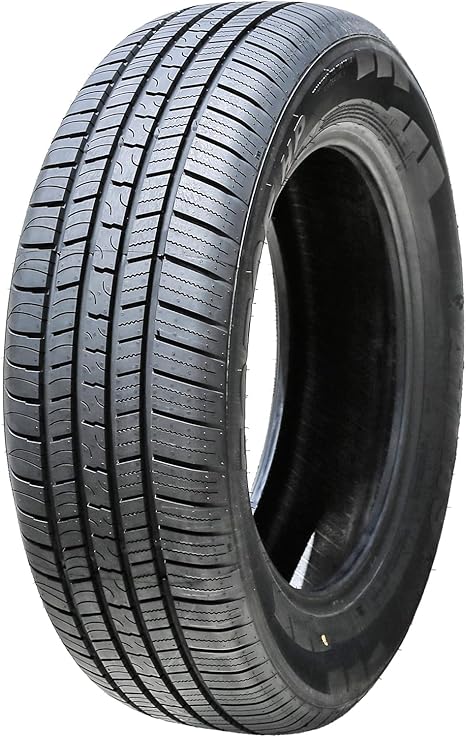
The Atlas Force HP All-Season is built for drivers who want a comfortable and affordable tire for everyday use. It focuses on smooth driving and low noise, making it a good choice for small SUV owners who spend most of their time on city roads and highways.
On dry roads, this tire feels stable and easy to control, which helps drivers feel confident during normal driving. In wet conditions, the tread pattern helps move water away from the tire, improving grip during light rain and reducing slipping during everyday braking.
One of the biggest advantages of the Atlas Force HP is ride comfort. It absorbs bumps in the road well and keeps road noise low, especially at highway speeds. This makes it a good option for longer commutes or regular road trips where comfort matters more than sporty handling.
Like most budget tires, the Atlas Force HP has limits. It is not designed for snow or icy conditions, and it won’t offer strong grip during aggressive driving or sharp turns. The tread life is also shorter than what you would get from a premium brand.
Overall, the Atlas Force HP All-Season is a solid pick for drivers who want a quiet, smooth, and low-cost tire for daily driving and don’t need advanced performance features.
Pros
- Affordable price
- Quiet and comfortable ride
- Good for city and highway driving
- Easy to control for everyday use
Cons
- Not suitable for winter or snow driving
- Shorter tread life compared to premium tires
- Limited grip during hard braking or fast cornering
Best Budget All-Terrain / Off-Road Options for Small SUV for 2026
Mastertrack BADLANDS AT All-Terrain (Budget Off-Road Option)
Tire Type: All-Terrain
Designed For: Small SUVs and crossovers
Price Range: Budget-friendly
Best For: Light off-road use, gravel roads, mixed driving
Country of Origin: China

The Mastertrack BADLANDS AT is made for drivers who want a tough-looking, all-terrain tire without paying the high price usually associated with off-road tires. It’s a good choice for small SUV owners who drive mostly on pavement but occasionally go off-road.
This tire performs well on dry roads, offering steady handling during everyday driving. The deeper tread pattern helps the tire grip better on dirt, gravel, and uneven surfaces, which makes it useful for camping trips, rural roads, or construction zones. In light rain, it provides acceptable traction for normal driving speeds.
One thing to keep in mind is that all-terrain tires are a trade-off. Compared to regular all-season tires, the BADLANDS AT may feel slightly firmer and louder on the highway. However, that extra noise comes from the tougher tread, which is what helps the tire handle rougher surfaces better.
This tire is best suited for drivers who want added durability and versatility but don’t need extreme off-road performance. It is not designed for deep mud, heavy snow, or icy winter conditions.
Overall, the Mastertrack BADLANDS AT is a practical, low-cost option for small SUV owners who want a budget-friendly all-terrain tire that can handle both city roads and occasional off-road adventures.
Pros
- Affordable all-terrain tire
- Better grip on dirt and gravel than standard all-season tires
- Tough tread design for mixed driving
- Good option for light off-road use
Cons
- Louder ride compared to all-season tires
- Not ideal for heavy snow or icy roads
- Less comfortable for long highway drives
Goodyear Wrangler SR-A (Budget All-Terrain Option)
Tire Type: All-Terrain
Designed For: Small SUVs and light trucks
Price Range: Mid-range budget
Best For: Mixed driving, light off-road use, daily commuting
Country of Origin: Varies by size

The Goodyear Wrangler SR-A is a well-known all-terrain tire that offers a good balance between road comfort and light off-road ability. It’s a popular choice for small SUV owners who want one tire that can handle everyday driving and occasional rough roads.
On dry pavement, this tire feels stable and easy to control, making it comfortable for daily commuting. In wet conditions, the tread design helps push water away, which improves grip and reduces slipping during normal braking. It also handles gravel and dirt roads better than standard all-season tires.
Unlike more aggressive off-road tires, the Wrangler SR-A is designed to stay reasonably quiet on the highway. This makes it a good option for drivers who spend most of their time on paved roads but still want the flexibility to handle outdoor trips, construction zones, or unpaved paths.
That said, this tire is not built for extreme off-road conditions. It does not perform well in deep mud, heavy snow, or icy winter roads. Drivers who face harsh winter weather or serious off-road trails should consider a more specialized tire.
Overall, the Goodyear Wrangler SR-A is a solid, dependable choice for small SUV drivers who want a budget-friendly all-terrain tire that works well both on the road and off it.
Pros
- Reliable performance from a trusted brand
- Comfortable and stable on paved roads
- Handles dirt and gravel better than all-season tires
- Suitable for daily driving with light off-road use
Cons
- Not designed for deep mud or snow
- Less aggressive off-road grip than true off-road tires
- Can wear faster with frequent rough-terrain driving
Best Value Highway / Touring Alternatives Tires for Small SUV for 2026
Achilles Desert Hawk HT3 (Best Value Highway/Touring Alternative)
Tire Type: Highway / Touring
Designed For: Small SUVs and crossovers
Price Range: Budget-friendly
Best For: Daily commuting, highway driving, long road trips
Country of Origin: Indonesia

The Achilles Desert Hawk HT3 is designed for drivers who want a comfortable, reliable tire for city streets and highways without spending a lot. It is not an off-road tire, but it performs well for drivers who spend most of their time on paved roads.
On dry pavement, the Desert Hawk HT3 offers smooth handling and stable steering, making it easy to drive on highways or through traffic. Its tread pattern is optimized for quiet rides, so road noise is minimal even at higher speeds. This makes it a good choice for long commutes or road trips, where comfort matters most.
In wet conditions, the tire provides decent traction, helping reduce slipping during everyday braking and cornering. While it is not designed for snow or icy roads, it performs well in light rain and typical weather conditions.
The biggest advantage of the Desert Hawk HT3 is value for money. Drivers get a reliable highway tire at a much lower cost than premium brands, without sacrificing basic comfort, stability, or safety. It’s a practical option for anyone who wants a dependable tire for regular city and highway driving.
Overall, the Achilles Desert Hawk HT3 is a solid, budget-friendly highway/touring tire for small SUV owners who need a smooth, quiet, and dependable ride for daily use and long drives.
Pros
- Affordable price for a touring tire
- Quiet and comfortable on highways
- Stable and easy to control on dry and wet roads
- Good choice for daily commuting and road trips
Cons
- Not designed for snow or icy conditions
- Limited off-road ability
- Tread life may be shorter than premium touring tires
CROSSMAX SUV CHTS-1 (Best Value Highway/Touring Alternative)
Tire Type: Highway / Touring
Designed For: Small SUVs and crossovers
Price Range: Budget-friendly
Best For: Daily driving, highway use, light long-distance trips
Country of Origin: China

The CROSSMAX SUV CHTS-1 is a budget-friendly tire made for small SUV owners who want a comfortable and reliable ride on paved roads. It focuses on smooth handling, quiet driving, and basic safety, making it ideal for everyday commuting and highway trips.
On dry roads, the CROSSMAX SUV CHTS-1 offers stable steering and predictable control, helping drivers feel confident while driving. Its tread design also provides good traction in light rain, which reduces slipping during normal braking and cornering.
One of the main benefits of this tire is value for money. You get a dependable highway/touring tire at a lower cost than premium options, making it a practical choice for drivers on a budget who still want comfort and safety. It is particularly well-suited for city driving, highway commuting, and occasional longer trips.
Like other budget highway tires, the CROSSMAX SUV CHTS-1 has limits. It is not designed for snow or icy roads, and it does not perform like high-end touring tires during aggressive driving. Tread life is also shorter than premium options, but it delivers solid everyday performance for most drivers.
Overall, the CROSSMAX SUV CHTS-1 is a practical and affordable highway/touring tire for small SUV owners who want a smooth, quiet, and reliable ride without spending a lot of money.
Pros
- Affordable and budget-friendly
- Stable and predictable handling on dry and wet roads
- Quiet and comfortable for daily driving
- Good for city streets and highway use
Cons
- Not suitable for snow or icy conditions
- Shorter tread life compared to premium touring tires
- Limited performance for aggressive or high-speed driving
How We Evaluated Best Small SUV Tires
Choosing the right tire can feel overwhelming, so we tested each option based on real-world driving needs for small SUVs. Our goal was to highlight tires that balance safety, comfort, and value.
We focused on several key areas:
- Grip and Handling: How well the tire performs on dry and wet roads. We checked braking, cornering, and steering responsiveness.
- Comfort and Noise: Smoothness over bumps and road noise at highway speeds. A quiet ride is important for daily driving.
- Weather Performance: Ability to handle rain, light snow, or icy patches. We considered whether tires are all-season, all-weather, or winter-capable.
- Durability and Tread Life: How long the tire lasts under typical driving conditions. Budget tires may wear faster, while premium options usually last longer.
- Value for Money: Balancing price with performance. Some affordable tires may lack advanced features but still meet basic safety needs.
- Special Use Cases: Off-road ability, long road trips, or towing. Not every tire excels in every category, so we highlighted strengths and limitations.
We tested tires not just on paper but by looking at customer feedback, expert reviews, and manufacturer specifications. This gave us a realistic picture of what each tire can do in everyday driving.
The result is a list that’s practical, honest, and helps small SUV owners find the best fit for their driving style and budget.
How to Choose the Right Tire for Your Small SUV
Choosing the right tire for your small SUV doesn’t have to feel like solving a puzzle. Imagine you’re at a tire shop, surrounded by dozens of shiny options. Each tire promises safety, comfort, and long life, but how do you pick the one that actually fits your needs? Let’s break it down step by step.
1. Start With the Right Size
The first step is simple: make sure the tire fits your vehicle. Check the numbers on the side of your current tires or on the sticker inside your driver’s door. You’ll see something like 225/65R17. These numbers tell you the width, height, and rim size — and it’s important to match them. Choosing the wrong size can hurt handling and even damage your SUV. Think of it like wearing shoes that are too small or too big — your feet wouldn’t like it, and neither will your car.
2. Think About the Weather You Drive In
Next, consider the conditions you face most often. Do you live somewhere with hot summers and mild winters? All-season tires are a good, simple choice. Do snowy winters and icy roads make your drive tricky? Winter tires can help you stop safely and grip the road better. If you mostly drive on dry roads and love performance, summer tires might suit your style. Match your tires to your usual weather — it makes every trip safer and more comfortable.
3. Look for Safety Features
Tires aren’t just about getting from A to B — they’re about keeping you safe along the way. Look for tires that advertise strong wet or snow traction, and check for the “three-peak mountain snowflake” symbol if you need winter performance. Good tires help you brake faster, handle turns better, and reduce the risk of skidding in bad weather.
4. Consider Tread Life and Comfort
Tread life is basically how long a tire will last before it wears out. A longer-lasting tire can save you money in the long run. Comfort matters too: some tires are designed to reduce road noise and make rides smoother. Think of it like picking a mattress — you want something that lasts and feels good while you’re using it.
5. Don’t Forget Your Driving Habits
Where and how you drive matters. If you spend a lot of time on highways, prioritize tires that are quiet and fuel-efficient. If you drive on rough roads or in off-road conditions, choose tires that are durable and offer extra grip. Matching your tire to your driving style ensures the best performance and fewer surprises.
6. Check Reviews and Ratings
Finally, it helps to see what other drivers say. Real-world reviews can highlight issues you might not notice in product specs, like road noise, quick wear, or handling quirks. Look for patterns — if many people report the same problem, it’s a signal to consider a different option.
Common Mistakes When Buying SUV Tires
- Ignoring the Load Index – Leads to premature wear or blowouts.
- Mixing Tire Types – Can affect traction and handling.
- Buying Based on Looks – Aggressive treads look cool but might not suit your driving style.
- Not Checking Speed Ratings – Impacts safety at high speeds.
Final Thoughts: Choosing the Best Small SUV Tires for 2026
Picking the right tire comes down to one simple idea: match the tire to how and where you drive. The best tires for small SUV owners are the ones that fit your vehicle, handle your usual weather, and suit your driving habits.
Start with the correct size, choose the tire type for your climate (all-season, winter, or summer), and favor options with good wet/snow traction and a solid tread-life warranty. Read a few real-user reviews to catch common problems like noise or quick wear.
In short: pick a tire that fits, handles the roads you drive on, and has reliable reviews — then get them installed and aligned by a pro. Do that, and your small SUV will feel safer, smoother, and more economical all year long.
Frequently Asked Questions (FAQ)
1. What are the best all-season tires for a small SUV?
The Michelin CrossClimate 2 is widely considered the best all-season tire for small SUVs in 2026. It offers excellent wet and dry grip, a comfortable ride, and 3PMSF certification for light snow, making it ideal for year-round use in most U.S. regions.
2. Do small SUVs need different tires than larger SUVs or trucks?
Yes. Small SUVs require tires with a focus on comfort, handling, and fuel efficiency—unlike larger SUVs or trucks, which often need tires designed for heavier loads or off-road traction. Look for CUV/SUV touring tires or all-season grand touring tires that are designed for crossovers and compact SUVs.
3. How often should I replace tires on my small SUV?
Most small SUV tires last between 50,000 to 80,000 miles, depending on the tire type, driving habits, and road conditions. Check your tread depth regularly and consider replacement when the tread reaches 2/32 inch or if you notice uneven wear or reduced traction.
4. Can I use off-road tires on a small SUV?
Yes, but only if they’re designed for crossover and compact SUV platforms. For example, the Falken Wildpeak A/T Trail is an all-terrain tire built specifically for small SUVs—it offers trail-capable traction while remaining quiet and comfortable on pavement.
5. What is the quietest tire for small SUVs?
The Bridgestone Alenza AS Ultra is among the quietest tires available for small SUVs, thanks to its noise-reducing QuietTrack technology. It’s ideal for drivers who prioritize ride refinement and minimal cabin noise.
6. How do I choose the right tire size for my small SUV?
Check the owner’s manual or the driver-side door placard for your OEM tire size. You can also use online tools from manufacturers like Tire Rack or Discount Tire to match your vehicle model with the correct size.
