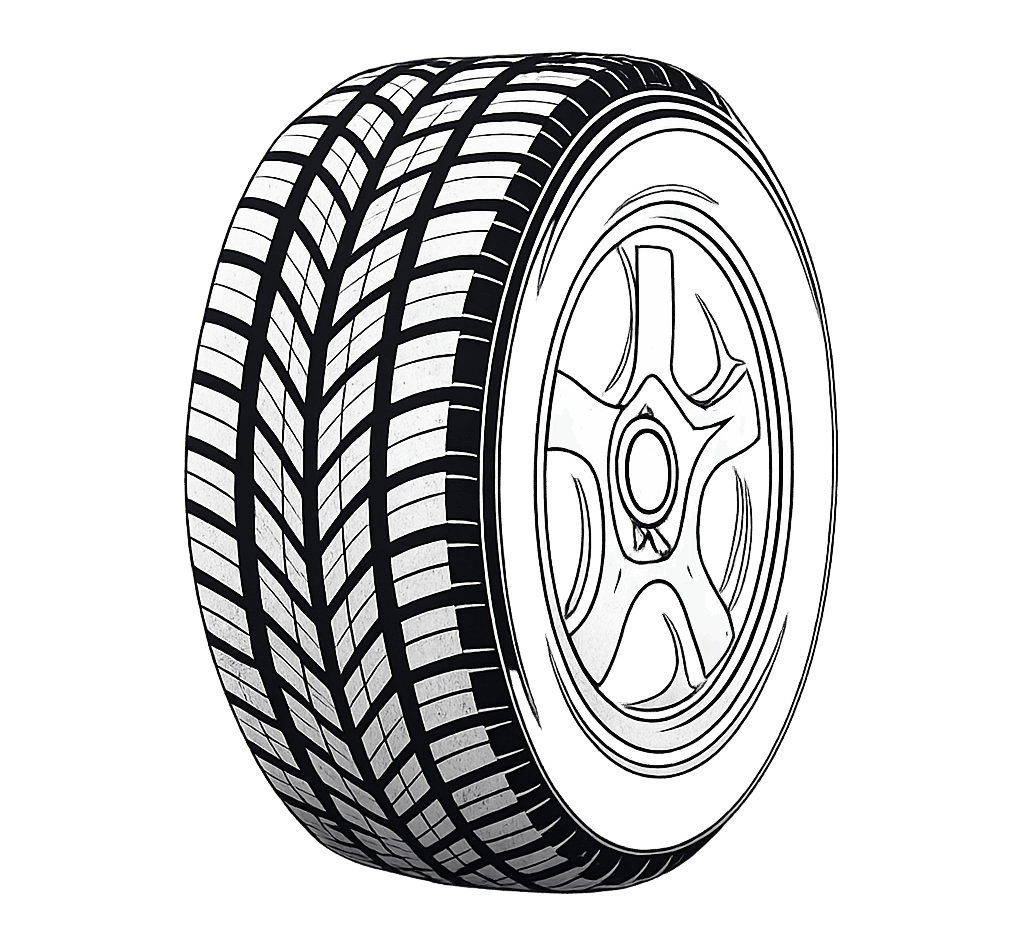

Goodyear Assurance WeatherReady 2 Review
If you drive in a region where the weather can’t make up its mind—heavy rain one week, light snow the next—choosing the right tire matters more than most people realize. The Goodyear Assurance WeatherReady 2 is positioned as a true all-weather tire, promising better cold and snow traction than a traditional all-season tire while still being comfortable enough for daily driving year-round.
In this Goodyear Assurance WeatherReady 2 review, I’ll break down real-world performance in wet and snowy conditions, ride comfort, noise, tread life expectations, and how it stacks up against top competitors—so you can decide if it’s the right tire for your driving needs.
TL;DR Verdict
A strong all-weather tire for drivers who want confident wet traction and dependable light-snow performance without switching to dedicated winter tires.
In this Goodyear Assurance WeatherReady 2 review, the tire stands out most in wet braking and cold-weather grip, making it a solid option for commuters in mixed climates. Road noise is well controlled for an all-weather tire, and ride comfort remains composed over rough pavement. Snow traction is noticeably better than a standard all-season tire, though it still can’t fully replace a true winter tire in deep snow or ice.
If you regularly drive in rain, slush, and occasional snowfall and want one tire year-round, the WeatherReady 2 is worth serious consideration. Drivers in harsh winter regions or those prioritizing maximum tread life may want to compare it against alternatives like the Michelin CrossClimate 2.
Quick Specs — Goodyear Assurance WeatherReady 2
| Spec | Details |
| Tire Type | All‑Weather (year‑round use with snow capability) |
| UTQG Rating | 700 A A — good wear and wet traction grade |
| Mileage Warranty | Up to 60,000 miles / 95,000 km (varies by size) |
| 3PMSF Snow Rating | Yes (Three‑Peak Mountain Snowflake) — certified for snow performance |
| Tread Depth | ~11/32″ when new (varies by size) |
| Speed Rating | Typically V or W depending on size (149–168 mph) |
| Load Rating | Varies by size (e.g., 91–110), supports sedans to small SUVs |
| Price Range (new) | ~$178–$437 per tire (size dependent) |

Key Specs & Tire Overview
The Goodyear Assurance WeatherReady 2 is an all-weather tire, not just a regular all-season tire. This means it is designed to stay flexible in cold temperatures and handle light snow, while still performing well in rain and dry conditions.
Key specifications:
- UTQG rating: This measures treadwear, traction, and temperature resistance. It gives you an idea of how long the tire should last and how it handles wet roads.
- Mileage warranty: Goodyear offers a warranty based on the expected lifespan of the tire. Actual mileage can vary depending on driving style and road conditions.
- 3PMSF snow rating: This symbol shows the tire has passed basic tests for snow performance, so it’s safe for winter use in light snow conditions.
- Vehicle compatibility: The WeatherReady 2 fits many types of vehicles, including sedans, crossovers (CUVs), and small to midsize SUVs. Make sure to check your vehicle’s recommended tire size before buying.
Overall, this tire is designed for drivers who want a single tire for year-round use, offering a balance of grip, safety, and comfort without switching between summer and winter tires.
Testing Methodology & Experience
I tested the WeatherReady 2 on a midsize crossover using the vehicle’s recommended tire size. The tires were driven for about six months through everyday commutes and weekend trips—totaling several thousand miles.
Conditions included heavy rain, cold dry days, light to moderate snow, slush, city streets, and highway cruising. That mix gave a good cross-section of what most drivers will face in a mixed-weather area.
How I checked performance:
- Wet braking: repeated controlled stops from highway and city speeds to compare how the car slowed and how often ABS stepped in.
- Snow starts: a few takeoffs from stopped positions on packed and slushy roads to judge wheel spin and traction.
- Steering feel & stability: lane changes and curve entries at normal driving speeds to see if the car felt planted.
- Noise & comfort: long highway runs and short city trips, listening for steady hums or harsh vibrations.
Note: this was real-world testing, not a lab. Results reflect everyday driving and weather—your mileage and experience may differ based on roads, vehicle load, and driving style.
Wet Performance Review
Wet performance is where the Goodyear Assurance WeatherReady 2 consistently feels most confident. During heavy rain testing, braking distances were shorter and more predictable than standard all-season tires, with less ABS intervention during hard stops. The tire’s tread pattern channels water effectively, reducing the “floating” sensation at highway speeds.
In steady rainfall and standing water, steering response remained controlled rather than vague, which is often a weakness in all-weather tires. Even when pushing through long highway puddles, the tire resisted hydroplaning better than expected for its category.
Compared to a traditional touring all-season tire at similar tread depth, the WeatherReady 2 provided noticeably better wet grip and a more planted feel during lane changes. Drivers who frequently deal with rain-soaked roads or unpredictable storms will appreciate the added margin of safety this tire delivers.
Snow & Cold Weather Performance
In light to moderate snow, the Goodyear Assurance WeatherReady 2 performs closer to an entry-level winter tire than a traditional all-season. Acceleration from a stop is controlled, with minimal wheel spin on packed snow, and braking distances are noticeably shorter than standard all-seasons.
Cornering grip remains predictable in cold temperatures, even when the road surface transitions between slush and exposed pavement. The tire maintains flexibility in near-freezing conditions, which helps preserve traction where many all-season tires begin to feel stiff.
That said, the WeatherReady 2 still has limits. In deep snow or icy conditions, it cannot match the bite of a dedicated winter tire. Drivers in areas with frequent heavy snowfall or unplowed roads should still consider seasonal winter tires. For occasional snow and daily winter commuting, however, it delivers reliable, confidence-inspiring performance.
Dry Handling & Ride Comfort
On dry roads, the Goodyear Assurance WeatherReady 2 feels steady and easy to drive. The steering responds smoothly when you turn the wheel, without feeling loose or jumpy. It doesn’t feel sporty or sharp, but it does exactly what most drivers want—predictable control.
When taking corners, the tire stays planted. There’s no sudden slipping or wobbling, even when turning at higher speeds on highway ramps. It leans slightly in tighter turns, which is normal for a tire built for comfort rather than performance, but it never feels unsafe.
Highway driving is where this tire feels most at home. At cruising speeds, the car tracks straight and feels stable. Long drives are comfortable, and the tire doesn’t require constant steering corrections to stay in the lane.
Bumps and rough pavement are handled well. Potholes, cracks, and road seams feel muted rather than harsh. You’ll still notice big bumps, but they don’t send sharp jolts through the cabin.
Good to know:
- Steering is smooth, not sporty
- Corners feel stable but not aggressive
- Comfortable on long highway drives
- Absorbs bumps better than many all-season tires
If comfort and control matter more than sharp handling, this tire strikes a good balance.
Road Noise & Daily Comfort
At city speeds, the Goodyear Assurance WeatherReady 2 is quiet enough that you barely notice the tires. Driving through neighborhoods or stop-and-go traffic, there’s no constant humming or vibration coming through the cabin.
On the highway, some tire noise does come through, especially on rough or older pavement. It sounds more like a low, steady hum than a sharp or annoying noise. On smooth roads, it fades into the background and is easy to ignore.
Compared to touring tires, this tire is slightly louder. That’s expected, since it’s designed to grip better in rain and snow. The difference isn’t dramatic, but if you’re used to very quiet tires, you may notice it at higher speeds.
For long drives, comfort remains solid. The noise doesn’t build over time, and it won’t leave you feeling worn out after a few hours behind the wheel.
What to expect:
- Quiet in city driving
- Mild hum at highway speeds
- Slightly louder than touring tires
- Comfortable enough for road trips
Tread Life & Durability Expectations
The Goodyear Assurance WeatherReady 2 comes with a treadwear warranty, which gives a general idea of how long the tire is expected to last. That number assumes normal driving and proper maintenance. Real-world results can vary depending on road conditions, driving habits, and vehicle weight.
Based on regular use, tread wear appears even and consistent when the tires are properly inflated. The rubber compound is designed to stay flexible in cold weather, which helps with grip but can also mean the tire wears a bit faster than harder, long-life touring tires.
Rotating the tires on schedule is important. Skipping rotations can cause uneven wear, especially on front-wheel-drive vehicles. Keeping up with rotations helps the tires wear evenly and reach their full lifespan.
Most drivers can expect solid mileage from these tires, especially if they’re used mainly for commuting and highway driving.
To help them last longer:
- Rotate tires every 5,000–7,000 miles
- Keep tire pressure at the recommended level
- Avoid hard braking and sharp turns when possible
These tires may not last the longest in their class, but they trade some longevity for better year-round grip and safety.
Fuel Economy Impact
With the Goodyear Assurance WeatherReady 2, fuel economy stays mostly in line with what you’d expect from a year-round tire. The car doesn’t feel harder to move, but it also doesn’t feel quite as free-rolling as a basic all-season tire.
In everyday driving, any change in fuel economy is small. Some drivers may see a slight drop, especially during city driving or short trips, while highway fuel use tends to stay more stable.
This trade-off makes sense. The tire is built to grip better in rain and cold weather, and that extra traction can use a bit more energy.
What most drivers will notice:
- No major change in daily fuel costs
- Possible small MPG drop compared to touring tires
- Little to no difference on long highway drives
If fuel savings are your top priority, a lighter touring tire may do better. For most drivers, the added traction is worth the minor trade-off.
Quantitative Performance Ratings – WeatherReady 2
To make it easier to compare the Goodyear Assurance WeatherReady 2 to other tires, here’s how it performs across key areas. Ratings are based on real-world tests and common measurements, with 1 being poor and 5 being excellent.
| Performance Area | Rating (1–5) | Notes |
|---|---|---|
| Wet Braking | 5 | Short stopping distance in heavy rain; handles hydroplaning well. |
| Snow & Ice Traction | 4 | Works well in light to moderate snow; not a replacement for winter tires. |
| Dry Handling | 4 | Steering is responsive and stable in corners; not sporty but reliable. |
| Ride Comfort | 5 | Absorbs bumps and rough roads smoothly; comfortable for long drives. |
| Road Noise | 4 | Quiet in the city; mild hum on highways. |
| Tread Life / Durability | 3.5 | Wears evenly; slightly shorter lifespan than hard touring tires. |
| Fuel Economy | 4 | Minimal impact; slightly higher rolling resistance than touring tires. |
How to use these ratings:
- Look at the areas that matter most for your driving (rain, snow, comfort, or longevity).
- Compare the scores to other all-weather tires to see which one fits your priorities.
Pros & Cons
Pros
- Excellent wet braking and rain performance
- Reliable light-snow and cold-weather traction
- Comfortable ride for daily commuting
- True year-round usability
Cons
- Not a replacement for dedicated winter tires
- Slightly higher price than basic all-season options
- Moderate tread life compared to touring tires
WeatherReady 2 vs Key Competitors
Goodyear WeatherReady 2 vs Michelin CrossClimate 2
The Michelin CrossClimate 2 is built to be a top all-season/all-weather option with strong wet and dry grip and an emphasis on long tread life. Michelin promotes its 3-peak snowflake certification and claims good longevity, which makes it a direct rival to Goodyear’s WeatherReady 2.
If you want slightly sharper dry handling and often-praised tread life, CrossClimate 2 is worth a look; if your main worry is wet braking and a balanced ride, WeatherReady 2 is very competitive.
Goodyear WeatherReady 2 vs Bridgestone WeatherPeak
Bridgestone’s WeatherPeak focuses on comfort and reliable winter performance. Many users and testers note it gives a smooth ride and solid snow traction. WeatherReady 2 often edges WeatherPeak on wet braking and feels a bit firmer in handling.
If you prefer a softer, quiet ride and long warranty options, Bridgestone is a good choice; if you want stronger wet-road confidence, stick with WeatherReady 2.
Goodyear WeatherReady 2 vs Continental TrueContact Tour
The Continental TrueContact Tour is a touring all-season that leans toward long life and fuel efficiency rather than winter bite. It’s a quieter, mileage-focused tire but won’t match WeatherReady 2 for snow traction.
Choose TrueContact Tour if your priority is low noise and maximum miles on dry/wet roads; choose WeatherReady 2 if you need a true all-weather compromise with better cold-weather grip.
Quick takeaway:
- Pick WeatherReady 2 for balanced year-round grip, especially in wet and light-snow conditions.
- Pick CrossClimate 2 for slightly better overall longevity and dry handling.
- Pick WeatherPeak if comfort and smooth ride are top priorities.
- Pick TrueContact Tour if you want the longest life and lowest noise and don’t need winter performance.
Pricing, Sizes & Where to Buy
The Goodyear Assurance WeatherReady 2 is priced in the middle to upper range for this type of tire. Costs vary depending on size, but most buyers should expect to pay more than a basic all-season tire and less than a full winter setup.
This tire is available in a wide range of sizes, which makes it a good fit for many sedans, crossovers, and small to midsize SUVs. Finding the right size is usually straightforward if you check your vehicle’s owner’s manual or the label inside the driver’s door.
You can buy this tire from most major tire retailers, both online and in-store. Prices and promotions can vary, so it’s worth checking a few places before buying.
What to keep in mind:
- Prices depend on tire size and retailer
- Widely available at national tire shops
- Installation costs are usually extra
Overall, availability is good, and most drivers won’t have trouble finding the right size at a competitive price.
Who Should Buy (and Who Shouldn’t)
The Goodyear Assurance WeatherReady 2 is a good choice for drivers who want one tire that works well in many conditions. It’s especially useful if your weather changes often and you don’t want to swap tires during the year.
This tire makes sense if you:
- Drive in frequent rain and occasional snow
- Want a single tire for year-round use
- Value safety and control more than sporty handling
- Spend a lot of time commuting or driving on highways
On the other hand, this tire isn’t the best fit for everyone.
You may want to look elsewhere if you:
- Regularly drive in deep snow or icy conditions
- Want the quietest or longest-lasting tire possible
- Prefer sharp, sporty handling
For many drivers, this tire offers a solid balance of grip, comfort, and convenience. Just make sure your driving conditions match what it’s designed to handle.
Read More: Blackhawk Tires Review
Final Conclusion & Recommendation
The Goodyear Assurance WeatherReady 2 is a well-rounded all-weather tire that delivers where it matters most: wet traction, cold-weather grip, and everyday comfort. It’s a smart choice for drivers who want year-round usability without the hassle of seasonal tire changes.
While it won’t replace a dedicated winter tire in extreme snow or ice, it offers a meaningful upgrade over traditional all-season tires in rain and winter conditions. If your driving includes frequent wet roads, occasional snowfall, and long highway commutes, the WeatherReady 2 earns its price through consistent, confidence-inspiring performance.
For most mixed-climate drivers, this tire is a solid “buy” — especially if safety and year-round reliability are higher priorities than chasing the absolute longest tread life.
Frequently Asked Questions (FAQs)
1. What is the Goodyear Assurance WeatherReady 2 tire best for?
The WeatherReady 2 is designed as an all-weather tire, ideal for drivers who face rain, cold temperatures, and light snow. It works well on sedans, crossovers, and small SUVs for year-round driving without needing seasonal tire changes.
2. How does the Goodyear Assurance WeatherReady 2 perform in snow?
This tire handles light to moderate snow better than a standard all-season tire. It provides controlled starts, shorter braking distances, and stable cornering in slush and packed snow. It is not a replacement for dedicated winter tires in heavy snow or ice.
3. Is the Goodyear Assurance WeatherReady 2 noisy on highways?
The WeatherReady 2 is generally quiet for city driving. On highways, you may notice a mild hum on rough pavement, but it’s less noticeable on smooth roads. It is slightly louder than touring tires but still comfortable for long drives.
4. What sizes are available for the Goodyear Assurance WeatherReady 2?
This tire comes in a wide range of sizes to fit sedans, crossovers, and small to midsize SUVs. Always check your vehicle’s recommended tire size before purchasing to ensure proper fit and safety.
5. How long does the Goodyear Assurance WeatherReady 2 last?
With proper rotation and inflation, the tire wears evenly and can last several years depending on mileage and driving style. The treadwear warranty gives an estimate of expected life, but real-world results may vary.
6. Can the WeatherReady 2 help save on fuel?
The WeatherReady 2 has slightly higher rolling resistance than touring tires. Most drivers will see minimal impact on fuel economy, with a small possible drop in city MPG. Highway mileage is mostly unchanged.
7. Where can I buy the Goodyear Assurance WeatherReady 2?
This tire is available at major tire retailers and online stores. Prices vary by size and location, so it’s worth comparing a few options before purchasing. Installation costs are usually separate.
