Kumho vs Michelin: Which Tire Is Right for You?
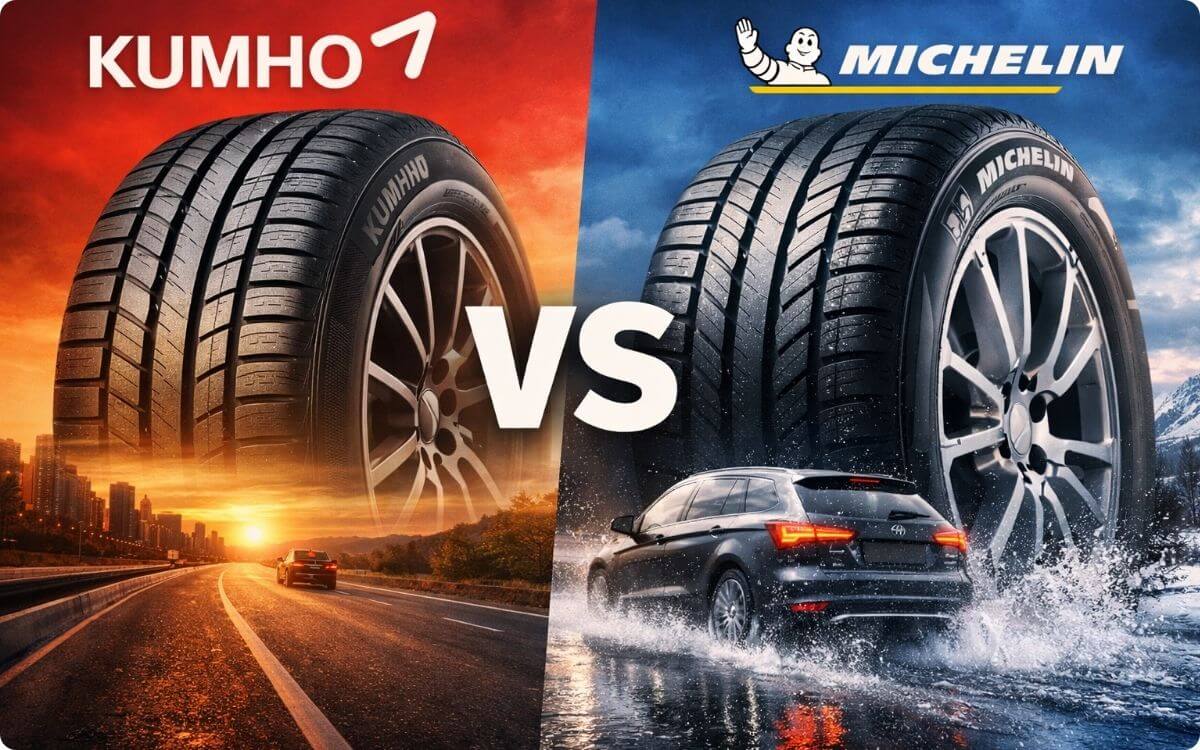
Choosing new tires isn’t just about price — it’s about safety, comfort, and how long they’ll last. If you’re comparing Kumho vs Michelin, you’re probably trying to figure out whether it’s worth paying more for a premium brand or saving money with a budget-friendly option.
Michelin is known for long tread life, strong wet braking, and a smooth, quiet ride. Kumho Tire focuses on affordable pricing while still offering reliable performance for everyday driving.
But which one is better for your car, your budget, and your driving style?
In this guide, we’ll compare real-world performance, tread life, wet traction, comfort, pricing, and overall value. By the end, you’ll have a clear, practical answer — and the confidence to choose the right tires without second-guessing your decision.
Quick Answer
Quick answer: Michelin is generally the better pick if you keep a car for many years, want top safety and comfort, and are willing to pay more up front for longer tread life and better measured performance. Kumho offers solid, well-engineered tires for drivers on tighter budgets or those who only need reliable, short-to-medium term performance. Read on for a full, practical comparison so you can choose the right tire for your situation.
Brand Overview
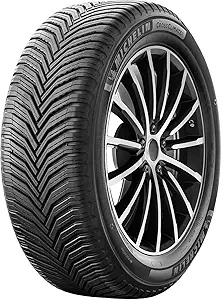
Michelin Overview
Michelin was founded in 1889 in France. It is one of the oldest and most recognized tire brands in the world.
Michelin is considered a premium brand. That usually means higher prices, but it also means strong focus on quality, safety, and long-term performance.
The company puts a lot of effort into making tires that last a long time. Many Michelin models come with tread life warranties between 60,000 and 80,000 miles, which is longer than many competitors. For drivers who keep their cars for years, that can make a big difference.
Michelin also works hard on fuel efficiency. Some of their tires are designed to reduce rolling resistance, which can slightly improve gas mileage over time. It may not sound like much, but over thousands of miles, it adds up.
In terms of safety, Michelin invests heavily in testing and new technology. Their tires often perform very well in wet and dry braking tests.
The main downside is price. Michelin tires usually cost more upfront. For some drivers, that higher starting cost can be hard to justify.
Pros and Cons of Michelin
Pros
- Longer lifespan — many models are built to last, so you usually replace them less often.
- Better wet braking — they tend to stop shorter on rainy roads in lab and real-world tests.
- Quieter ride — touring and premium lines are tuned to reduce road noise for a smoother drive.
Cons
- Higher price — you’ll pay more up front than with mid-range brands.
- Sometimes firmer ride — on very rough roads some premium models feel a bit stiffer.
Kumho Tire Overview
Kumho Tire was founded in 1960 in South Korea. Over the years, it has grown into a well-known global brand.
Kumho is generally seen as a mid-range or value-focused tire company. The goal is simple: offer dependable performance at a more affordable price.
For many everyday drivers, Kumho tires provide good grip, decent comfort, and reasonable tread life without the premium price tag. This makes them attractive for budget-conscious buyers or people who don’t plan to keep their vehicle for a long time.
Kumho has also increased its presence as an original equipment manufacturer (OEM). That means some car companies install Kumho tires on new vehicles from the factory. This shows growing trust in the brand’s quality.
The trade-off is that Kumho may not always match Michelin in long-term durability or top-level performance, especially in extreme driving conditions. But for normal daily driving, many people find them more than capable.
In simple terms, Michelin focuses on long-term performance and advanced engineering, while Kumho focuses on solid value and affordability. The right choice depends on what matters most to you.

Pros and Cons of Kumho Tire
Pros
- Affordable — you get capable tires for a lower sticker price.
- Good daily performance — solid grip and comfort for commuting and errands.
- Strong value for short-term ownership — a smart choice if you don’t plan to keep the car for many years.
Cons
- Shorter tread life — many models don’t last as long as premium alternatives under heavy use.
- Slightly weaker wet performance — a few models trail top brands in wet-braking tests.
Head-to-head Comparison: Kumho vs Michelin
Below is a quick table to help you scan the most important categories. Think of this as a summary — the deeper sections explain the how and why.
| Category | Kumho | Michelin | Quick takeaway |
| Typical price (set of 4) | Lower | Higher | Kumho saves up-front |
| Tread life (typical UTQG) | Mid-range | Often higher | Michelin commonly lasts longer |
| Wet grip | Good | Excellent | Michelin usually edges out |
| Dry grip | Good to very good | Excellent | Michelin often wins in sportier models |
| Comfort & noise | Comfortable for the price | Excellent refinement | Michelin tuned for quiet ride |
| Fuel economy (rolling resistance) | Fine | Often better | Michelin investments help here |
| Warranty / support | Competitive | Strong with long warranties | Check model specifics |
Deep-Dive Performance Comparison Between Kumho and Michelin
Dry performance
On dry roads, both brands make tires that provide safe, predictable handling. Michelin’s higher-end models — especially those in their touring and ultra-performance lines — are engineered with compounds and internal construction that give sharper steering feel and shorter braking distances at higher speeds. That engineering frequently shows up in independent lab tests and in real-world reviews.
Kumho’s dry performance is perfectly acceptable for most daily drivers. Solus and Ecsta families, for example, give stable handling and good feedback in everyday driving. Where Kumho can lag is at the absolute limit (hard cornering, emergency braking at high speed) — Michelin’s premium sport and grand-touring tires tend to hold grip longer in those extremes.
Practical tip: If you drive fast often, tow, or take spirited weekend runs, invest in Michelin’s performance lines. For normal commuting and errands, Kumho’s dry grip is usually more than enough.
Wet performance
Wet traction is one of the most important safety features for everyday drivers. Michelin invests a lot in compound chemistry and tread pattern design to evacuate water and keep contact with the road. In many wet-braking and hydroplaning tests, Michelin tires show shorter stopping distances and more consistent grip in standing water.
Kumho designs some models specifically to handle wet conditions well, and they can be excellent on rain-soaked roads. That said, Michelin’s lab resources and compound research typically give it a measurable edge in controlled tests — which is why many testing agencies place Michelin higher for wet performance.
Practical tip: If you live in a rainy climate, prioritize wet-grip ratings and braking test results (or buyer reviews) when comparing specific models.
Winter / snow performance
Neither brand is universally “best” in winter — it comes down to the specific model. Michelin’s dedicated winter tires and some all-season premium offerings perform very well in snow and slush. Kumho’s winter and dedicated all-season winter variants (where offered) deliver good value, but again Michelin often shows a performance margin in deep snow and ice testing.
If you live where snow is frequent or icy roads are common, choose a dedicated winter tire from either brand rather than relying on a general all-season. When comparing winter models, look at third-party snow braking numbers and owner feedback for your region.
Ride comfort & noise
Michelin models are often tuned for quietness and comfort; the brand’s higher price point reflects engineering choices aimed at reducing road noise and smoothing irregularities. Many Michelin touring tires rate highly for a soft, controlled ride.
Kumho offers quiet, comfortable options too, and their mid-range touring tires often receive praise for comfort at a fraction of the price of premium models. If comfort is a top priority, compare decibel claims and user reviews for your specific tire size.
Tread life, durability & cost-per-mile analysis
Tread life is important because it’s how you measure the long-term value of a tire. The UTQG rating (Uniform Tire Quality Grading) gives a standardized way to compare treadwear, traction, and temperature ratings. UTQG explains how treadwear numbers are set and what they mean, but they’re comparative rather than absolute — real mileage will vary by driving habits, vehicle alignment, and road surfaces.
A practical way to compare value is cost per mile. Here’s a simple example using plausible numbers to show how a higher upfront cost can still be worth it over time:
- Example A — Michelin set: $900, expected life 70,000 miles → $0.0129 per mile
- Example B — Kumho set: $650, expected life 50,000 miles → $0.0130 per mile
Those numbers are illustrative, but they show the point: a more expensive tire can sometimes equal or beat a cheaper tire on cost-per-mile because it lasts longer. Real models and prices will differ, so run this calculation with the MSRP and expected tread life for the exact models you’re considering. Use UTQG and independent test mileage reports to estimate life more accurately.
Practical tip: If you sell your car in a few years, a lower upfront cost may be better. If you plan to keep a vehicle long term, compare projected cost-per-mile before choosing.
Warranty, road hazard & customer support
Warranty terms vary by model and by brand. Michelin often provides long treadwear warranties and strong customer support through dealers. Kumho also offers competitive warranties on many models, and some dealers back those with road hazard packages.
When comparing warranties, check:
- Treadwear mileage coverage (e.g., 50k / 60k / 70k miles)
- Pro rata vs. full replacement terms
- Road hazard coverage (often sold by retailers as an add-on)
- Transferability (if you sell the vehicle)
If warranty and easy claims handling matter to you, ask the retailer about the specific model’s warranty and read the fine print before you buy.
Price, availability & where to buy
Kumho tires tend to cost less at retail and are widely available online and through local dealers. Michelin tires are sold through the same channels but generally sit at higher price points. Prices can also vary by size and vehicle fitment.
Online retailers, local tire shops, and large chains all have different pricing structures, installation fees, and promotions — so check several sources. Independent retailers and large online stores publish lab test data and customer reviews that help you compare real performance and owner satisfaction. For lab testing and comparative results, reputable testing labs and retailers publish objective test data that you can consult.
Practical tip: When you get quotes, always ask for total installed price — that should include mounting, balancing, disposal, and alignment if needed.
Real-World Driver Scenarios — Kumho Tire vs Michelin
Best for daily commuters
If you drive mostly for work and run errands, comfort, predictable wet braking, and a reasonably long tire life matter most. Look for tires that advertise long tread life and good wet traction for peace of mind in rainy conditions. A mid-range touring tire from either brand will usually give a quiet ride and steady handling for everyday speeds.
A small drawback to prioritize: if your commute is mostly highway miles, a tire with higher treadwear can save money long term — so don’t pick the cheapest set if you drive a lot.
Best for budget buyers
If your top priority is saving today and you don’t plan to keep the car for many years, value-focused tires make sense. You can get reliable grip and comfort at a lower price with well-reviewed mid-range models. Shop for recent owner reviews and look for sales — that’s where value buyers get the most benefit.
One downside: cheaper tires may wear sooner under heavy use, so accept that you might replace them earlier if you put on a lot of miles.
Best for long-term ownership
If you plan to keep the car for five years or more, think about cost per mile, not just sticker price. A tire that costs more up front but lasts significantly longer can be cheaper over time and reduces the hassle of frequent replacements. Also pay attention to longer treadwear warranties and pro-rated replacement terms when comparing options.
Possible tradeoff: higher-durability tires can cost more today and sometimes feel slightly firmer on very rough roads.
Best for performance drivers
If you like spirited driving, occasional track days, or just want sharper handling, prioritize models made for sport driving. These tires offer stronger cornering grip and shorter braking distances. They usually come with firmer sidewalls and stickier compounds that improve control at higher speeds.
Remember: performance tires may wear faster and be noisier than touring tires, and they often cost more for replacement.
Best for SUVs & crossovers
For SUVs and crossovers, look for tires with the correct load rating and sidewall strength for your vehicle. Touring SUV tires give a blend of comfort and durability, while all-terrain or performance SUV tires focus on grip under heavier loads or rough roads. Check that the tire size you pick is approved for your vehicle’s load and driving style.
A tip: if you use the SUV for towing or carry heavy loads often, choose a tire with a higher load index — it costs more but improves safety and longevity.
Who should buy which brand?
Here’s a simple, practical breakdown to help you decide:
- Keep your car 7+ years, commute a lot, value safety & comfort → Choose Michelin. The longer expected life and better wet/dry performance usually pay off over time.
- Selling the car in 1–3 years or on a tight budget → Choose Kumho. You get solid performance for much less money up front.
- Performance enthusiast (track days, spirited driving) → Choose Michelin (performance line). Their sport lines often deliver superior grip and braking.
- Short-term owners or low-mileage drivers → Consider Kumho models that match your driving habits.
This matrix helps you match tire choice to real priorities — not marketing slogans.
Installation & maintenance tips
To get the best life and safety from any tire:
- Keep tires inflated to the vehicle manufacturer’s recommended pressure.
- Rotate tires every 5,000–7,500 miles (or at the interval recommended by the tire maker).
- Get an alignment check if you feel pulling or notice uneven wear.
- Balance new tires during installation.
- Inspect tires monthly for cuts, bulges, or irregular wear.
- Replace tires when tread depth reaches 2/32″ (and consider replacement earlier in wet or winter climates).
Routine maintenance is low cost compared with the value you get from proper tread life and safe handling.
Final verdict: Michelin vs Kumho Tire
If you want the largest safety margin and the longest tread life, choose the premium option. It costs more up front, but it usually lasts longer and performs better in wet and high-speed situations. The tradeoff is the higher initial price.
If your main goal is to spend less now and still get reliable everyday performance, pick the value option. It gives solid grip and comfort for daily driving and is easier on the wallet. Expect to replace them sooner if you drive a lot.
Drive 15,000+ miles per year? The premium option is likely the better long-term value because its longer life can lower your cost per mile. Drive under about 8,000 miles per year? The value option often makes more sense — lower upfront cost and fewer total miles mean you may not need the extra longevity.
Read More: Nexen vs Michelin Tire
FAQs
Are Kumho tires as good as Michelin?
They’re good for different reasons. Kumho offers strong value and reliable performance; Michelin focuses on top performance, long life, and comfort. Which is better depends on your priorities and ownership horizon.
Which brand lasts longer?
On average, Michelin models tend to have higher treadwear and longer expected life than comparable Kumho models, but actual mileage depends on many variables. Check UTQG and independent tests for the specific model you’re considering.
Is Michelin worth the extra price?
Often yes — especially if you keep your car for many years or drive a lot. A cost-per-mile comparison can show whether Michelin delivers better long-term value for your situation. Use real price and mileage numbers for the models you want.
Which is better in the rain?
Michelin models commonly have the edge in controlled wet-braking tests, thanks to compound and tread design. But specific Kumho models also handle wet roads well, so check model-specific results.
How do I compare specific models?
Compare the UTQG numbers, independent braking and wear tests (retailers and labs), owner reviews in your tire size, and warranty terms. Tests that use your vehicle or similar vehicles are most reliable.
