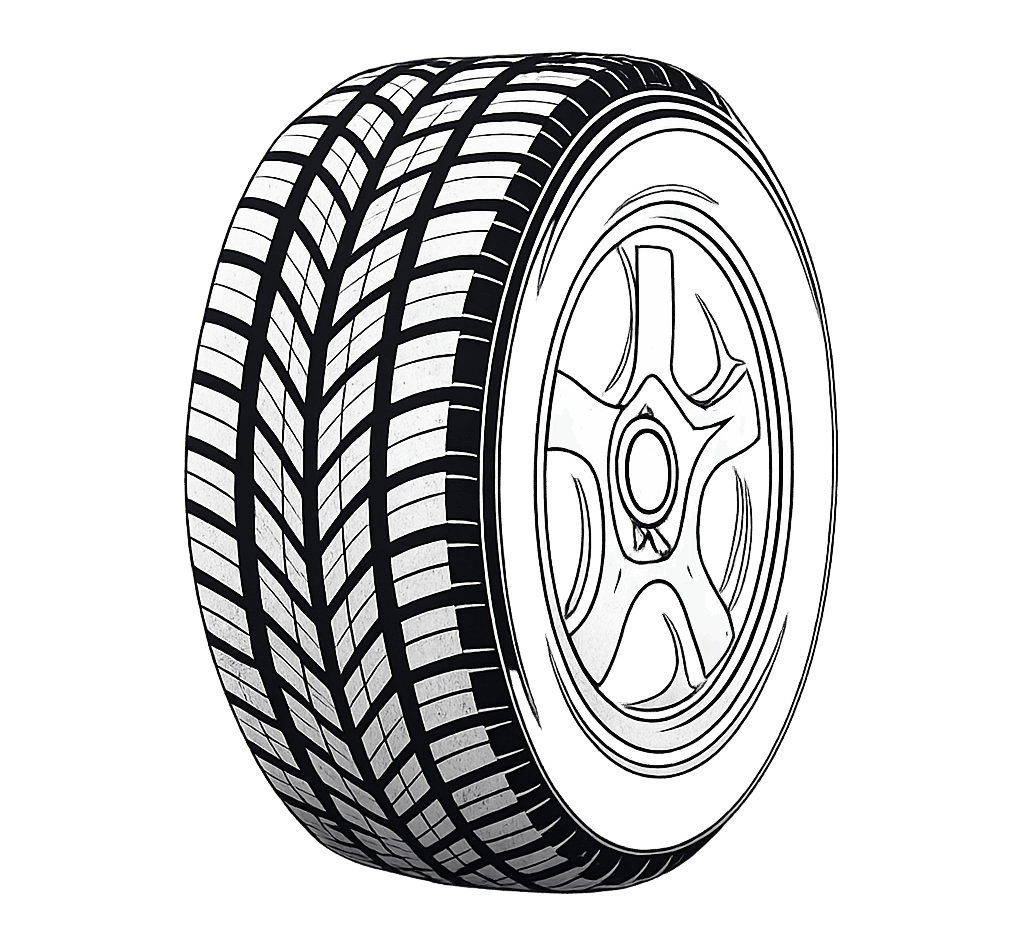

Ironman iMove Gen 2 AS Review
Last updated on April 12th, 2026
Finding a good set of tires without spending too much money can be difficult. Many drivers want something affordable, but still safe and reliable for everyday use. That’s where the Ironman iMove Gen 2 AS comes in.
In this Ironman iMove Gen 2 AS review, we’ll take a close look at how this tire actually performs in real driving conditions. Instead of just repeating specs, this guide focuses on what matters most—how it feels on the road, how long it lasts, and whether it’s worth your money.
If you’re a daily commuter, a budget-conscious driver, or someone comparing cheaper alternatives to big-name brands, this review will help you decide.
Quick Summary
The Ironman iMove Gen 2 AS is an entry-level ultra-high performance all-season tire with a 40,000-mile warranty. It is built for even wear, longer tread life, and better wet-road confidence through its asymmetric tread design and water-evacuating grooves.
Best for: Daily commuting, highway driving, and budget-minded drivers who want a comfortable all-season tire for normal road use.
Not ideal for: Harsh winter weather, ice, or performance-focused driving. The tire is M+S rated, but the official page does not position it as a winter tire, and its design is aimed more at everyday all-season use than extreme conditions.
Quick verdict: A solid budget tire that prioritizes comfort, wet-road reliability, and value over high-end performance. It makes the most sense for drivers who want dependable everyday driving without paying premium-brand prices.

Ironman iMove Gen 2 AS
Key Specifications & Features
Specs at a glance
Here is a clean, reader-friendly version of the spec section for your post:
| Spec | Details |
| Tire type | Entry-level UHP all-season |
| Warranty | 40,000 miles |
| Size range | 14″ to 22″ wheel diameters |
| UTQG | Varies by size, including 380 A A and 420 A A |
| Speed rating | Varies by size, including T, H, V, and W |
| Weather focus | All-season, M+S rated |
These details come from Ironman’s official product page. The official lineup shows that UTQG and speed rating vary by size, so it is better to present them as a range rather than a single fixed number.
Key Features
Here’s what the main features actually mean in real driving situations:
- Asymmetric tread design → Better handling & stability
This means the tire has different patterns on each side. One side helps with grip, while the other helps with stability.
For you, this makes the car feel more balanced, especially when turning or changing lanes. It’s not sporty, but it feels steady and safe. - Circumferential grooves → Reduces hydroplaning risk in rain
These are the wide lines you see running around the tire. Their job is to push water away.
When driving in rain, this helps the tire stay in contact with the road instead of sliding on water. It gives more confidence, though you should still slow down in heavy rain. - Wear-resistant compound → Longer tread life
The rubber is made to wear down more slowly.
In simple terms, the tire won’t wear out too quickly if you drive normally. It won’t last as long as premium tires, but it holds up well for the price. - Optimized siping → Improves grip & reduces noise
Sipes are the small cuts in the tire surface. They help the tire grip the road better and also reduce sound.
This means smoother driving and less road noise, especially when the tire is new. Over time, you may notice a bit more noise, which is normal for budget tires.
Overall, these features are designed to make everyday driving safer, quieter, and more comfortable—without adding extra cost.
Dry Performance
On dry roads, this tire does what most drivers need—it feels stable and easy to control.
When you’re driving in normal conditions, like city streets or highways, the grip is good enough to feel safe. The car doesn’t feel loose, and braking is predictable. You won’t notice anything unusual during everyday driving.
If you take a turn at moderate speed, the tire holds the road well. It doesn’t feel sharp or sporty, but it stays steady and doesn’t give you any sudden surprises. That’s what most daily drivers are looking for.
Where you may notice a limit is when you push it harder. Fast cornering or aggressive driving can make the tire feel a bit soft, and the grip isn’t as strong as more expensive options.
In simple terms, it’s reliable for normal use but not built for performance driving.
Overall, for dry conditions, the tire delivers dependable traction and control. It’s not exciting, but it gets the job done safely—which is exactly what many budget buyers want.
Wet Performance
In rainy weather, this tire performs better than many people expect in its price range. It feels steady when the roads are wet, and normal driving doesn’t require much adjustment.
When you drive through light or moderate rain, the tire keeps good contact with the road. Braking feels controlled, and you don’t get that nervous sliding feeling you sometimes get with cheaper tires. This makes daily rainy commutes more comfortable and less stressful.
The grooves in the tread help move water away, which reduces the chance of hydroplaning. So when you hit a puddle at normal speed, the car stays more stable instead of floating or drifting.
However, there are limits. In heavy rain or when driving at higher speeds, the grip can feel a bit less confident compared to premium tires. You may notice you need to slow down a little earlier when braking hard or taking sharp turns.
Overall, it handles wet roads safely for everyday driving, but it’s still a budget tire. It works well if you drive carefully in bad weather, but it’s not meant for aggressive or high-speed driving in heavy rain.
Snow & Winter Performance
This tire is made as an all-season option, but it is not designed for harsh winter conditions. In light winter weather, it can still get you through, but you need to be realistic about its limits.
On thin snow or slightly cold roads, the tire can manage basic driving. You can move off from a stop and drive at low speeds without much trouble. It feels controlled as long as conditions are not too severe.
The problem starts when the snow gets deeper or turns to ice. In those situations, grip drops quickly. Braking takes longer, and the car can feel less stable when turning. This is where you need to be extra careful.
It’s also important to understand that this tire does not have the same level of winter grip as dedicated winter tires. So in freezing conditions, it cannot give the same safety margin.
In simple terms, it is fine for mild winter days or occasional light snow, but not a safe choice for areas with heavy snow or icy roads. If you live somewhere with serious winters, you would need a different tire for proper safety.
Comfort & Noise
One of the stronger points of this tire is how comfortable it feels during normal driving. It is designed to give a smooth ride, especially on city roads and highways.
When you drive over small bumps or uneven roads, the tire does a decent job of absorbing the impact. You don’t feel every little crack or rough patch, which makes daily driving less tiring.
Road noise is also kept at a fairly low level when the tire is new. At normal speeds, the sound inside the cabin stays calm and not distracting. This is something many budget tires struggle with, but this one does reasonably well.
The only small drawback is that comfort and quietness can reduce a bit as the tire wears down. After some use, you may notice a mild increase in road noise, especially on rough surfaces. That is fairly normal in this price range.
Overall, it offers a comfortable and quiet experience for everyday driving, which is one of the main reasons people consider it as a budget-friendly option.
Handling & Stability
When it comes to handling, this tire feels calm and predictable in normal driving. It does not react in a sudden or sharp way, which actually makes it easier for most drivers to control.
On straight roads, like highways, the car feels stable and steady. You don’t get the sense that the tire is drifting or struggling to stay in line, even at regular cruising speeds.
When you turn the steering wheel, the response is smooth but not very quick. It takes a small moment to react, but it stays controlled. This is fine for everyday driving, though it won’t feel sporty if you like fast or aggressive driving.
At higher speeds or during quick lane changes, the tire still feels safe, but you may notice it is not as tight or responsive as more expensive tires. That’s the main trade-off with this model.
Overall, it focuses more on comfort and stability than sharp performance. For daily commuting and relaxed driving, it does its job well without feeling unpredictable.
Tread Life & Durability
This tire is designed to wear evenly as you drive. In simple terms, that means the rubber is meant to spread pressure across the surface so one area doesn’t wear out faster than the rest. This helps the tire stay usable for a longer period if you take normal care of it.
It also comes with a warranty of around 40,000 miles, depending on the size and seller. That gives you a basic idea of what the manufacturer expects in terms of lifespan under regular driving conditions.
In everyday use, many drivers will find the tread life to be decent for the price. If you drive mostly in the city or on highways and keep your tires properly inflated, you can expect it to last a fair amount of time.
However, it’s important to be realistic. This is still a budget tire, so it may wear out a bit faster than more expensive premium options. Aggressive driving, rough roads, or poor maintenance can also shorten its life.
Overall, it offers reasonable durability for its category, but the main trade-off is that premium tires will usually outlast it.
Pros and Cons of Ironman iMove Gen 2 AS
👍 Pros
- Comfortable and smooth ride for daily driving
- Good wet-road grip in normal rain conditions
- Quiet performance when the tire is new
- Even tread wear helps improve overall lifespan
- Affordable option compared to many premium tires
- Works well for city and highway use
👎 Cons
- Not strong enough for heavy snow or icy roads
- Handling feels average during fast or aggressive driving
- Can become a bit noisier as it wears down over time
- Tread life is decent, but shorter than premium brands
Overall, it’s a solid budget-friendly tire that focuses on comfort and everyday reliability, but it does have clear limits when conditions become more extreme.
Real User Feedback & Insights
Owner feedback available in public review snippets generally supports the idea that this is a value tire first and a performance tire second. TireReviews includes comments praising wet grip, aquaplaning resistance, and low noise, while also suggesting tread life around 30,000 miles for some drivers depending on driving style. Les Schwab’s customer reviews also show buyers describing the tire as a good value with minimal noise and solid traction in rain and dry weather.
That kind of feedback is useful because it points to the tire’s likely real-world personality. People seem to buy it because it feels like a practical, low-cost solution that does the basics well. The trade-off, as with many budget tires, is that long-term durability and high-load performance can vary more than on premium models.
Sizing Options and Fitments
The Ironman iMove Gen 2 AS comes in a wide range of sizes, so it can fit many different types of vehicles. You’ll find options for small sedans, mid-size cars, coupes, and even some compact SUVs.
Sizes usually range from smaller 14-inch wheels up to larger 22-inch wheels. This makes it easier to match the tire to your car, whether you drive an older vehicle or a newer model with bigger rims.
One important thing to remember is that not every size will have the exact same speed rating or treadwear number. These can change depending on the specific size you choose. That’s normal for tires in this category, so it’s always best to check your vehicle’s recommended size before buying.
In simple terms, this tire is flexible and widely available, which makes it easy for most drivers to find a suitable fit. However, you should always double-check compatibility with your car to make sure you get the right size and rating for safe driving.
Ironman iMove Gen 2 AS Alternatives
If you’re looking at the Ironman iMove Gen 2 AS, it usually means you want a comfortable all-season tire—but you might also be wondering if spending more money gives you better safety, grip, or durability. Here are three strong alternatives that are often compared with it, each serving a slightly different need.
Michelin CrossClimate 3 Sport
This is a premium all-season tire that focuses heavily on strong grip in almost all weather conditions, including light snow and wet roads.
In simple terms, it feels more confident and controlled than the Ironman tire, especially in bad weather. You also get better overall traction and longer-lasting performance, but the price is much higher.
It’s a good choice if you want fewer compromises and are willing to pay for it. The trade-off is that it may feel a bit firmer and more expensive for everyday commuting.
Read More: Michelin CrossClimate 2 Review
Continental ExtremeContact DWS 06 PLUS
This tire is known for its balanced performance. It handles wet roads very well and also performs better in light snow compared to many ultra-high-performance all-season tires.
Compared to the Ironman iMove Gen 2 AS, it feels more responsive when steering and more stable during faster driving. It gives you more confidence if you drive a bit more aggressively or in changing weather.
The downside is that it costs more and may wear faster if driven hard, but overall it’s considered a strong all-round upgrade for safety and performance.
Pirelli P Zero AS Plus 3
This tire leans more toward sporty driving while still staying comfortable for daily use. It feels sharper and more responsive than the Ironman tire, especially on dry roads.
In real driving, it gives better steering feedback, which means the car feels more connected when turning or changing lanes. It also performs well in rain, but its focus is more on dry performance and comfort balance.
The trade-off is that it may not be as strong in snow compared to some other all-season options, and it comes at a higher price.
Read More: Michelin Defender 2 Review
Pricing & Value for Money
Ironman’s own positioning makes the value argument very clear: this is an economically priced tire aimed at drivers who want solid basics without premium pricing. The real value comes from the mix of features, warranty coverage, and broad availability rather than from class-leading performance.
That is why the iMove Gen 2 AS can be a smart buy. If it performs close to what its design suggests, then it gives you a lot of the everyday benefits most drivers actually notice: decent wet grip, acceptable comfort, and a warranty that helps reduce risk. For many shoppers, that is the sweet spot.
Who Should Buy Ironman iMove Gen 2 AS?
The best buyer for the Ironman iMove Gen 2 AS is a driver who wants a dependable, inexpensive tire for normal commuting and moderate weather. It makes the most sense for people who prioritize value, everyday comfort, and a reasonable warranty over sporty handling or winter specialization.
It is less suitable for drivers in snowy regions, people who often drive aggressively, or anyone who wants the crisp feel of a premium UHP tire. If your winters are mild and your driving is mostly routine, this tire fits the mission well. If your climate is harsh or your expectations are high, it may feel too basic.
Read More: Michelin Pilot Sport 4S Review
FAQs
Is the Ironman iMove Gen 2 AS a good all-season tire?
Yes, for everyday use it appears to be a sensible all-season choice, especially if value matters more than premium performance. Ironman designs it as an entry-level UHP all-season tire with wet-weather and wear-focused features.
How long does it last?
Ironman backs it with a 40,000-mile warranty. Actual life depends on driving habits, alignment, tire pressure, and rotation schedule.
Is it good in the rain?
That is one of its strongest-looking areas. Ironman highlights the tread grooves and water evacuation design, and user feedback often mentions good wet traction and aquaplaning resistance.
Can it handle snow?
It is M+S rated and can handle mild winter use, but it is not a dedicated winter tire. For serious snow and ice, winter tires are the better choice.
Conclusion
The Ironman iMove Gen 2 AS is built for drivers who want a sensible tire that does the basics well without costing too much. It focuses on even wear, everyday comfort, wet-road confidence, and value, which makes it a practical fit for a lot of commuting cars.
It is not trying to be the best tire in every condition, and that honesty is part of its appeal. For the right driver, it offers a straightforward mix of price, warranty, and everyday usefulness that makes it worth a serious look.
