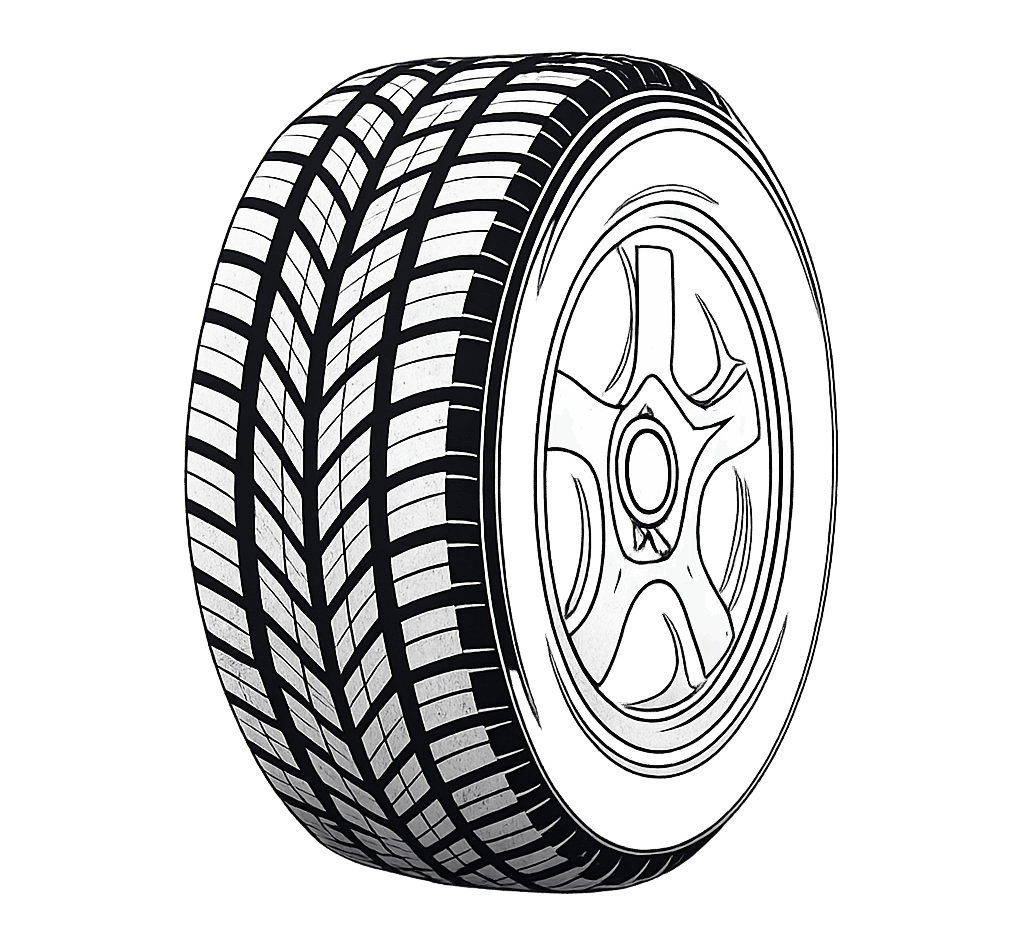

Pirelli Scorpion WeatherActive vs Michelin CrossClimate 2
Choosing the right tire for your vehicle can feel overwhelming, especially when you’re comparing two of the most popular all-weather options on the market. In this post, we take an in-depth look at Pirelli Scorpion WeatherActive vs Michelin CrossClimate 2 to help you understand how they perform in real-world conditions.
Whether you drive an SUV, crossover, or sedan, knowing how these tires handle dry roads, wet streets, snow, and ice can make all the difference for safety, comfort, and value. From braking performance and ride quality to fuel efficiency and tread life, we break down the key differences so you can make a confident choice that matches your driving needs.
By the end of this comparison, you’ll have a clear picture of which tire is better suited for your vehicle and lifestyle — without any guesswork.
Quick Summary: Which Tire Wins Where
| Category | Winner | Key Advantage |
| Dry Braking & Handling | Michelin CrossClimate 2 | Shorter braking distance and sharper steering |
| Wet Grip & Hydroplaning | Pirelli Scorpion WeatherActive | Better water evacuation and wet traction |
| Snow & Ice Traction | Michelin CrossClimate 2 | Superior snow braking and grip |
| Comfort & Noise | Pirelli Scorpion WeatherActive | Smoother, quieter ride |
| Tread Life | Michelin CrossClimate 2 | Slower wear rate over time |
| Price & Value | Pirelli Scorpion WeatherActive | Lower price, high performance |
Best for Snow & Longevity: Michelin CrossClimate 2
Best for Wet Grip & Comfort: Pirelli Scorpion WeatherActive
Tire Overview
Pirelli Scorpion WeatherActive
If you drive an SUV, crossover, or light truck and want a tire that can handle changing weather, the Pirelli Scorpion WeatherActive is built with you in mind.
It’s designed to give you a strong grip on both dry and wet roads, along with the quiet, comfortable ride Pirelli is known for. The tire uses deep tread grooves and flexible edges that help it hold traction even as the tread wears down. This design also improves braking and steering in heavy rain.
The Scorpion WeatherActive carries the Three-Peak Mountain Snowflake (3PMSF) symbol, which means it meets official standards for winter use. In simple terms, it’s one of the few all-season tires you can count on to stay flexible and safe in light snow or cold weather.
When it comes to durability, it’s rated for a long tread life, meaning you can expect many miles before needing replacements. It’s a dependable option for drivers who face a mix of rain, sun, and the occasional snow without switching to a separate winter tire.

Pros
- Excellent wet traction: Handles heavy rain with strong grip and stability.
- Comfortable ride: Feels smooth and quiet on highways.
- 3PMSF-rated: Ready for light to moderate snow driving.
- Good tread life: Built to last many miles with even wear.
- Affordable price: Offers great value for the performance you get.
Cons
- Snow grip is limited: Not as strong as dedicated winter tires.
- Slightly lower fuel efficiency: Rolling resistance could be a bit higher than Michelin’s.
- Less availability: Can be harder to find in some sizes or stores.
Michelin CrossClimate 2
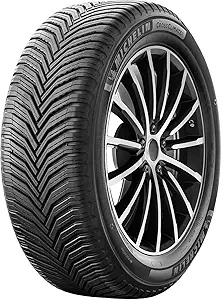
The Michelin CrossClimate 2 is designed for drivers who want one set of tires that can handle almost any kind of weather — from summer heat to light winter snow. It works especially well for sedans, crossovers, and small SUVs that spend most of their time on paved roads.
Its V-shaped tread pattern helps the tire cut through rain and grip snowy roads more effectively. This design improves braking and cornering, so you can feel confident whether the road is wet, dry, or lightly covered in snow.
The CrossClimate 2 is Three-Peak Mountain Snowflake (3PMSF) certified, which means it meets the same traction standards required for winter tires. In simple terms, it stays soft and flexible in cold weather — giving you reliable traction when temperatures drop.
Michelin is also known for durability, and this tire is no exception. With a strong tread design and proven compound, it’s built to last many miles while still maintaining high performance in every season.
Pros
- Top-tier all-weather performance: Excellent traction on dry, wet, and snowy roads.
- 3PMSF-certified: Handles real winter conditions without needing to switch tires.
- Smooth and quiet: Maintains comfort even as it wears down.
- Strong braking power: Stops quickly on both dry and icy surfaces.
- Long tread life: Known for lasting thousands of miles longer than most competitors.
Cons
- Higher price tag: Costs more upfront than most all-weather tires.
- Slightly firmer ride: Not as cushioned on rough roads as Pirelli’s tire.
- Limited off-road grip: Designed mainly for pavement, not rugged terrain.
Key Strengths: Pirelli Scorpion WeatherActive vs Michelin CrossClimate 2
When it comes to all-weather performance, both of these tires stand out — but for slightly different reasons. Let’s look at what each one does best.
Pirelli Scorpion WeatherActive
The Pirelli Scorpion WeatherActive shines in everyday driving where rain and changing temperatures are common.
- Strong wet braking and cornering: Drivers say it stays steady and safe even during sudden downpours.
- Comfort-focused ride: It feels smooth and quiet, making it great for daily commuting or long highway trips.
- Real winter capability: With its 3PMSF rating, it handles light snow surprisingly well — a big plus for drivers who don’t want to switch tires every season.
- Long tread life: It wears evenly over time, giving you good mileage for the money.
- Solid overall value: It offers premium performance at a more budget-friendly price point than Michelin.
Michelin CrossClimate 2
The Michelin CrossClimate 2 has earned its reputation as one of the best all-weather tires on the market.
- Outstanding dry and snow braking: It consistently stops faster than many competitors, giving you confidence in any season.
- True winter-ready design: 3PMSF-certified for reliable snow and ice traction — no need for a separate winter tire.
- Excellent comfort and noise control: It stays quiet and smooth, even as the miles add up.
- High fuel efficiency: The tread design reduces rolling resistance, which can help improve gas mileage.
- Exceptional durability: Tests and real-world reviews show it holds performance longer than most tires in its class.
Performance Comparison: Pirelli Scorpion WeatherActive vs Michelin CrossClimate 2
When you’re trying to pick between two great all-weather tires, it helps to picture how they behave on real roads — not just on a test chart. Let’s take them for a spin and see how each one performs in everyday conditions.
Dry Performance (handling, braking)
Picture a late-afternoon run to the grocery store. The sun is out, the road is warm, and you take a corner a little faster than usual. In this scene, the tire that makes you feel most confident is the one that grips the pavement and slows the car predictably when you need it to.
With the Michelin CrossClimate 2, imagine feeling the steering tighten and the car follow your line when you turn. Braking feels firm and stopping distances are short — the car reacts quickly when you squeeze the pedal. That gives you confidence in sudden stops or when you need to place the car accurately on curvy roads.
The Pirelli Scorpion WeatherActive is a bit softer in its responses. It trades a touch of sharpness for a smoother, more relaxed feel. That can be nicer on everyday drives when you want comfort more than sportiness, but it’s slightly less eager when you push hard in corners or emergency stops.
Bottom line: Michelin CrossClimate 2 is the pick for sharper dry handling and shorter braking; Pirelli is better if you prefer a smoother, comfort-first ride.
Tip: If you do many twisty roads or spirited driving, favor the Michelin. If you mostly cruise around town, Pirelli’s comfort will feel better day-to-day.
Wet Performance (braking, hydroplaning)
Imagine driving through a sudden downpour. Water sheets across the road and your main concern is whether the tires will cut through that water and keep the car connected to the pavement.
Pirelli’s WeatherActive is built to feel confident in these moments. It’s like a pair of good rain boots for your car — the tread moves water out from under the tire quickly and the car responds more securely when you brake on soaked roads. That sense of control makes heavy rain less stressful.
The CrossClimate 2 still performs well in the wet, but it can need a little more room to stop under the same conditions. On very fast-moving water, Michelin sometimes lets the car float a fraction longer before gripping again. In normal wet weather most drivers won’t notice much, but in a hard downpour the difference becomes clearer.
Bottom line: Pirelli Scorpion WeatherActive wins in heavy rain and wet braking; it’s the safer-feeling tire when roads are soaked.
Tip: If you live where heavy rain is common or drive through standing water often, lean toward the WeatherActive for added confidence.
Winter / Snow / Ice Performance
Visualize the first snowy morning of the season. Roads are glazed with packed snow and you want a tire that keeps the car moving and stops without drama.
The Michelin CrossClimate 2 behaves like a tire that remembers winter. Its tread pattern and compound hold on well to snow and packed surfaces. You get steadier starts, shorter stops in snowy patches, and more control in low-grip conditions. On thin ice, it still performs better than most all-season tires.
The Pirelli WeatherActive is competent in lighter snow and works fine for occasional winter slush. But in deeper snow or very cold mornings, it can feel less sure than the Michelin. It’s safe for winter-driving that’s occasional, but not as strong when snow is a daily issue.
Bottom line: Michelin CrossClimate 2 is the better choice for regular winter conditions; Pirelli is okay for occasional snow.
Tip: If your winter involves frequent snow or icy mornings, prioritize the Michelin. For only a few snow days a year, Pirelli will do but drive more cautiously.
Comfort, Noise & Ride Quality
Think of a long highway trip where small comforts add up. A tire that soaks up bumps and stays quiet makes the drive pleasant and less tiring.
Pirelli leans toward comfort. The ride feels softer over potholes and rough pavement, and cabin noise tends to be lower. That relaxed character makes it easy to forget you’re even driving long distances.
Michelin is stable and controlled, but slightly firmer. On rough roads you’ll notice a firmer feedback through the steering and a touch more road noise. For drivers who prefer a connected feel or a sportier setup, that firmness is welcome. For people chasing a whisper-quiet cabin, Pirelli will usually be more pleasant.
Bottom line: Pirelli Scorpion WeatherActive wins for comfort and lower road noise; Michelin is firmer but more planted.
Tip: Prefer a quiet, cushioned ride? Choose Pirelli. Want a sporty, controlled feel? Choose Michelin.
Fuel Efficiency & Rolling Resistance
Picture two identical cars driving the same route. One uses slightly less fuel because its tires roll easier. Over months, that small difference adds up.
The CrossClimate 2 tends to have a slight edge here. Its construction is tuned to reduce rolling resistance, which means your car uses a touch less fuel on long drives. You won’t notice it day-to-day, but on long commutes or many highway miles it shows up on your fuel receipts.
Pirelli is close and not a fuel-hog, but it’s usually a hair behind Michelin in economy terms. The tradeoff is comfort — you get a smoother ride instead of the last bit of fuel savings.
Bottom line: Michelin CrossClimate 2 is usually more fuel-efficient by a small margin.
Tip: If you do lots of highway miles, that small fuel saving can justify choosing the Michelin.
Wear, Longevity & Value
Imagine comparing two tires after 40,000 miles. One still looks nearly new; the other shows more wear. Which one gives you more value?
Michelin often projects longer tread life, meaning the CrossClimate 2 can go farther before needing replacement. That makes it a smart long-term buy if you keep cars for many years. Pirelli tends to be priced lower and offers strong value early in ownership — you pay less up front and get very good performance, but you may replace sooner in heavy use.
Value comes down to how you measure it: lower initial cost with good performance (Pirelli) versus fewer replacements and possibly better resale value (Michelin).
Bottom line: Michelin usually lasts a bit longer; Pirelli offers a better price-to-performance ratio up front.
Tip: If you plan to keep the tires a long time and drive many miles, Michelin may cost less overall. If up-front price matters more, Pirelli gives great performance for the cost.
Real-World Driver Feedback
When you scroll through online forums or listen to everyday drivers, a clear picture begins to form about how these two tires perform in the real world.
Let’s start with the Pirelli Scorpion WeatherActive.
Many SUV and crossover owners say this tire surprised them — especially in heavy rain and cold weather. One driver described how the tire “grips like glue” when driving on wet highways, giving them confidence during sudden downpours. Others mention how quiet it feels on long road trips, making family drives more comfortable. However, a few drivers note that while snow traction is solid, it’s not quite on par with dedicated winter tires — which is fair, given it’s an all-weather tire.
Now, what about the Michelin CrossClimate 2?
Here, the praise often turns into enthusiasm. Sedan and crossover owners love how planted and secure their car feels — whether on a dry summer road or a slushy winter morning. One reviewer shared how they didn’t expect a tire to handle snow this well without switching to winter tires. Another driver pointed out how the tire keeps road noise low, even as it wears, which adds to its premium feel. The only downside mentioned occasionally is the price — but most agree it’s worth it for the comfort, traction, and longevity.
The big takeaway?
Drivers say the Pirelli Scorpion WeatherActive offers excellent value and comfort, particularly for wet weather and mild winter conditions. Meanwhile, the Michelin CrossClimate 2 earns more praise for all-around performance — especially in snow and on mixed roads — making it a favorite among those who want one tire that does it all, all year.
Which Tire Should You Choose?
Choosing between the Pirelli Scorpion WeatherActive and the Michelin CrossClimate 2 is a bit like choosing between two skilled athletes — both are excellent, but they shine in different ways depending on what you need.
Imagine you drive an SUV or crossover and spend a lot of time on wet highways or rainy backroads. You want a tire that feels secure in the rain, stays quiet on the highway, and can still handle the occasional winter day. In that case, the Pirelli Scorpion WeatherActive might be the perfect fit. Drivers often describe it as smooth, confident, and surprisingly calm in bad weather — a dependable everyday choice for those who face more rain than snow.
Now picture yourself living in a place where the weather changes without warning — sunny one day, snowy the next. You want a tire that doesn’t flinch no matter the season. That’s where the Michelin CrossClimate 2 really shines. It’s known for its strong grip on both dry pavement and snowy roads, giving drivers peace of mind year-round. It’s pricier, yes, but many say the extra comfort, traction, and durability make it worth every penny.
Read more: Michelin CrossClimate 2 vs Defender 2
Final Verdict: Which Tire Wins?
Both the Pirelli Scorpion WeatherActive and Michelin CrossClimate 2 prove that all-weather tires can deliver real confidence — rain, shine, or snow. But the best choice depends on what kind of driver you are and where you drive most.
If you’re looking for a comfortable, dependable tire that handles wet roads with ease and doesn’t break the bank, the Pirelli Scorpion WeatherActive is a smart, practical pick. It’s especially well-suited for SUV and crossover owners who deal with mild winters and plenty of rain.
On the other hand, if you want a premium tire that performs like a true all-season champion, the Michelin CrossClimate 2 stands out. It offers stronger snow traction, sharper braking, and a longer lifespan — perfect for drivers who experience a mix of climates or want one tire that can handle everything.
FAQs
1. Is the Pirelli Scorpion WeatherActive good for snow and ice?
Yes. It’s 3PMSF certified, offering reliable light-snow performance, though Michelin handles deeper snow better.
2. How long does the Michelin CrossClimate 2 last?
Typically 55,000–65,000 miles under normal driving, depending on rotation and climate.
3. Which tire is quieter on highways?
The Pirelli Scorpion WeatherActive runs slightly quieter and smoother.
4. Are both tires 3PMSF certified for winter use?
Yes, both carry the 3-Peak Mountain Snowflake symbol for winter traction.
5. Which tire offers better fuel economy?
Michelin CrossClimate 2 — lower rolling resistance and improved efficiency.
