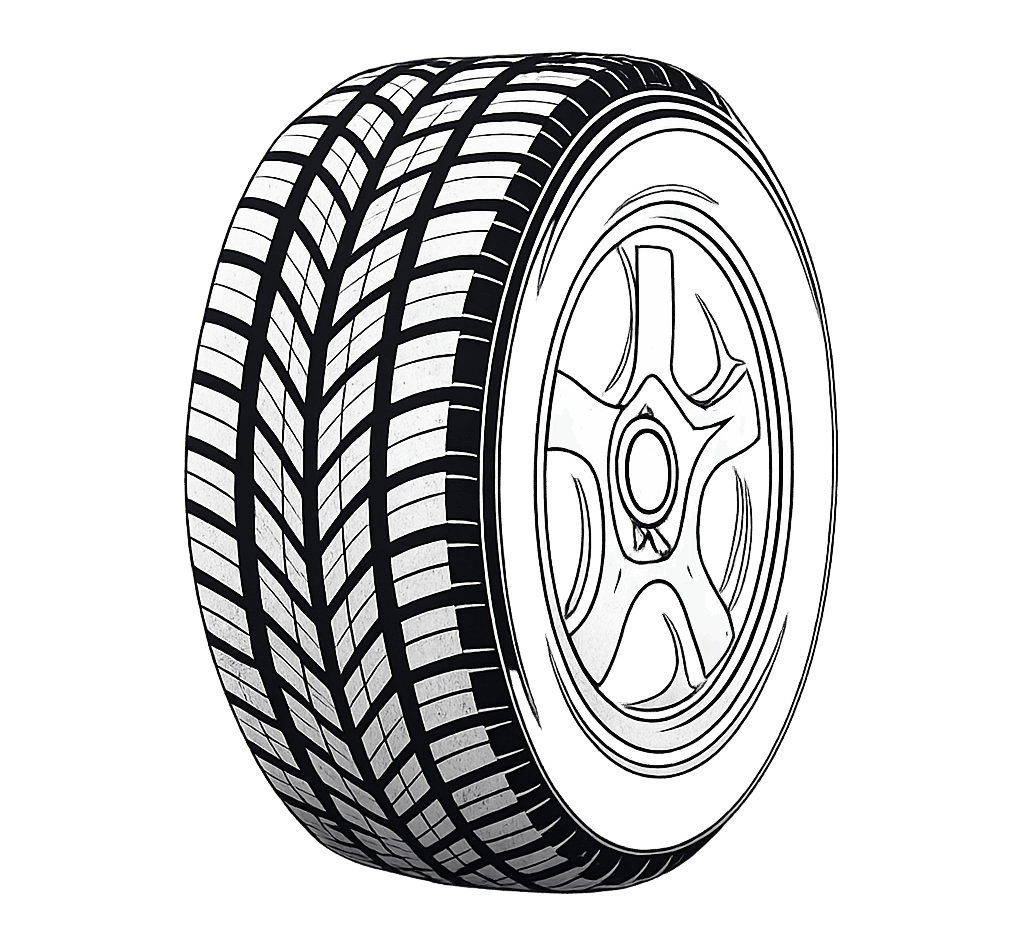

Best All Weather Tires
Last updated on December 30th, 2025
When it comes to driving through rain, cold, and light snow, having the best all weather tires can make all the difference. Whether you’re a daily commuter, a family driver, or an EV owner, these tires provide reliable traction, comfort, and durability throughout the year — without the hassle of swapping tires every season.
In this guide, we’ll break down what all-weather tires are, how they differ from all-season and winter tires, and our top picks for 2026. We’ll also help you choose the right tire for your vehicle and climate.
Our Top Picks for 2026
| Rank | Tire | Best For |
| 1 | Pirelli Cinturato WeatherActive | All-around daily driver, premium performance |
| 2 | Michelin CrossClimate2 | High-mileage commuters, balanced grip |
| 3 | Bridgestone WeatherPeak | Balanced all-weather, mid-premium |
| 4 | Goodyear Assurance WeatherReady | Everyday drivers, value option |
| 5 | Nokian Remedy WRG5 | Snow-leaning, safe in winter |
| 6 | Goodyear Assurance WeatherReady 2 | Balanced year-round performance |
| 7 | Pirelli Scorpion WeatherActive | SUV/CUV touring, premium |
| 8 | Firestone WeatherGrip | Value-conscious buyers, decent snow traction |
| 9 | Toyo Celsius 2 | Touring all-weather, good overall balance |
Who This Guide Is For
This guide is for drivers who want one dependable set of tires that works all year — without overthinking it.
Maybe you’re a daily commuter who drives to work in the rain, the cold, or the occasional snowfall. Maybe you’re a parent who wants safe, predictable traction when the weather changes suddenly. You might live in a mixed climate, where winters aren’t extreme but still bring snow, slush, and freezing rain. Or perhaps you drive an EV or fuel-efficient car and want year-round performance without hurting range too much. This guide is also for budget-conscious drivers who want to buy once and avoid the cost and hassle of switching tires every season.
If any of that sounds like you, you’re in the right place.
Most people reading this guide are trying to solve a few very practical problems:
- They want safe traction in rain and light to moderate snow
- They don’t want to deal with seasonal tire changes
- They want reasonable comfort, low noise, and decent fuel efficiency
- And they want tires that last a long time and come with a good warranty
This guide combines education and buying advice. You’ll learn what actually matters in all-weather tires — and you’ll also see clear recommendations you can act on.
How to Use This Guide
- If you see snow a few times each winter, focus on the snow and wet-traction sections
- If you drive mostly highways or commute daily, pay attention to comfort and noise
- If you want the best value, jump to the comparison table and warranty notes
Read it straight through, or skip to what matters most to you — either way, this guide is designed to help you choose with confidence.
What Are All-Weather Tires?
Think of all-weather tires as a practical middle ground.
They sit between all-season tires and winter tires. All-season tires work fine most of the year but struggle when real snow shows up. Winter tires grip snow and ice very well, but they wear quickly in warm weather and need to be swapped every spring. All-weather tires are designed to handle everyday driving in rain, cold, and light to moderate snow — all year long.
If you want one set of tires you can leave on your car year-round, all-weather tires are built for that job.
The Key Technology
To understand why all-weather tires work, it helps to know a few simple ideas. Don’t worry — you don’t need to be a tire expert.
3PMSF (Three-Peak Mountain Snowflake)
This symbol looks like a mountain with a snowflake inside it.
It means the tire has passed official snow-traction tests. If a tire has this mark, it grips snow better than regular all-season tires. This is the most important sign that a tire can handle winter driving.
Tread Compound (The Rubber Itself)
All-weather tires use special rubber that stays flexible in cold weather but doesn’t get too soft in the heat.
This helps the tire grip the road in winter without wearing out quickly in summer.
Sipes & Tread Blocks
Sipes are the tiny cuts you see across the tread. They act like small edges that bite into snow and help push water away.
More sipes usually mean better grip in snow and rain.
Tread Patterns (Directional vs. Asymmetric)
- Directional tread looks like a “V” and pushes water straight out, helping reduce hydroplaning in heavy rain.
- Asymmetric tread uses different patterns on the inside and outside to balance grip, comfort, and wear.
Both designs aim to keep the tire planted when roads are wet or slushy.
UTQG / Treadwear Rating
This number gives a rough idea of how long a tire may last.
Higher numbers usually mean longer life — but it’s a comparison tool, not a guarantee. Real-world driving still matters.
How We Chose These Top Picks
Choosing the “best” all-weather tire isn’t about marketing claims or brand names. It’s about how a tire performs where it matters most — on real roads, in real weather, with real drivers.
To keep this guide fair and useful, we used a simple scoring system. Each tire was judged across several key areas, then ranked based on its total score. Some things matter more than others, so we gave each category a weight.
Here’s what we focused on.
Safety & Braking — 30%
This is the most important factor. We looked at how quickly each tire can stop on wet roads and snow-covered surfaces. Shorter stopping distances mean better safety — especially in emergencies.
Traction & Handling — 20%
This measures how well the tire grips the road while turning, accelerating, and driving at highway speeds in dry, wet, and snowy conditions. A tire that feels stable and predictable scored higher.
Tread Life & Warranty — 15%
We considered how long the tire is designed to last and what kind of mileage warranty the manufacturer provides. Tires that last longer and come with stronger warranties earned more points.
Comfort & Noise — 10%
Some tires are quiet and smooth. Others are loud and stiff. We rated how much road noise a tire makes and how comfortable it feels during daily driving.
Fuel Efficiency — 10%
Certain tires require less energy to roll, which can help save fuel or extend EV range. Tires that balance grip with efficiency ranked higher.
Value & Availability — 10%
We looked at price, size options, and how easy the tire is to find. A great tire that only fits a few cars or costs much more than competitors scored lower.
Real-World Owner Feedback — 5%
Finally, we reviewed long-term owner feedback to see how tires perform after thousands of miles, not just when they’re new.
How the Tires Were Evaluated
To make recommendations responsibly, we combined controlled testing, expert reviews, and real-world data.
When testing data was available, we looked at:
- Wet braking distance (how quickly a car stops on wet pavement)
- Snow traction on packed snow
- Stability during lane changes and curves
- Measured road noise inside the vehicle
- Long-term wear over thousands of miles
These results came from independent test tracks, professional reviews, and lab measurements. When we reference performance claims, they are backed by published test results or manufacturer data.
Sources We Trust
To keep this guide accurate and unbiased, we rely on:
- Independent testing from Consumer Reports
- Performance data and user surveys from Tire Rack
- Reviews from respected auto publications
- Manufacturer technical documents
- Safety information and recall data from NHTSA
Every recommendation in this guide is supported by multiple sources, not just one opinion.
The 9 Best All Weather Tires
1st Place — Pirelli Cinturato WeatherActive

The Pirelli Cinturato WeatherActive earns our top spot as the best all-weather tire for most drivers because it delivers one of the most well-rounded combinations of wet safety, light-snow traction, ride comfort, and long-term usability. It’s an ideal choice for drivers who want dependable year-round performance without the hassle of switching between seasonal tires.
If you live in a region with frequent rain, occasional snow, and wide temperature swings, this tire strikes an excellent balance between safety, comfort, and durability.
At-a-Glance Overview
- Category: All-weather / Grand Touring
- Severe Snow Rated (3PMSF): Yes
- Treadwear Warranty: Up to ~60,000 miles (varies by size and retailer)
- Vehicle Types: Sedans, crossovers, compact SUVs
- Best For: Daily commuting, mixed climates, drivers prioritizing safety and comfort
- Not Ideal For: Extreme ice conditions or deep, sustained winter snow
Why the Pirelli Cinturato WeatherActive Is Our #1 Pick
Pirelli designed the Cinturato WeatherActive specifically to bridge the gap between traditional all-season tires and winter tires. Instead of excelling in only one condition, it performs consistently well across wet, dry, and snowy roads — which is exactly what most real-world drivers need.
What sets it apart is not one standout metric, but how well it avoids weaknesses. There are no major compromises in ride quality, noise, or traction, making it one of the safest and most confidence-inspiring all-weather options available.
Key Design & Technology Features
Three-Peak Mountain Snowflake (3PMSF) Certification
Unlike standard all-season tires, the WeatherActive meets industry standards for severe snow traction. This means it’s engineered to maintain grip in colder temperatures and snowy conditions — not just light dustings.
Advanced All-Season Compound
The rubber compound is formulated to remain flexible across a wide temperature range. This flexibility improves traction in cold weather while still resisting excessive wear during warmer months.
Directional V-Shaped Tread Pattern
The aggressive V-shaped tread channels water and slush away from the contact patch, reducing hydroplaning risk and improving wet braking — one of the most important safety factors for year-round driving.
High-Density Siping
Numerous small tread slits create extra biting edges that improve grip on snow and wet roads. Importantly, many of these sipes remain effective as the tire wears, helping performance stay consistent over time.
Optimized Contact Patch
The tread design promotes even pressure distribution, which contributes to predictable handling and longer tread life.
Real-World Performance Breakdown
Wet & Rainy Conditions
Wet traction is where the Cinturato WeatherActive truly shines. The directional tread pattern and compound work together to provide confident braking and stable handling on rain-soaked roads. Drivers in wet climates or regions with frequent storms will appreciate the strong hydroplaning resistance and predictable steering response.
Why this matters:
Wet roads are statistically one of the most dangerous driving conditions. Strong wet braking performance directly improves safety in everyday use.
Snow & Cold Weather Performance
As an all-weather tire with 3PMSF certification, the WeatherActive performs noticeably better in snow than typical all-season tires. It provides reliable traction in light to moderate snow, packed snow, and cold temperatures, making winter driving less stressful for commuters and urban drivers.
That said, it’s important to set realistic expectations:
- It performs well for occasional winter conditions
- It is not a replacement for dedicated winter tires on ice-covered roads or in heavy snowfall regions
Dry Road Handling
On dry pavement, the WeatherActive feels stable and controlled, with smooth steering response and reassuring grip during everyday maneuvers. While it’s not a performance tire, it offers more than enough handling confidence for highway driving, city traffic, and long road trips.
Ride Comfort & Noise
Comfort is another strong point. The tire absorbs road imperfections well and remains relatively quiet at highway speeds. Compared to more aggressive winter-leaning tires, the WeatherActive delivers a calmer, more refined driving experience — something daily drivers will notice immediately.
Longevity & Ownership Experience
Thanks to its even wear characteristics and durable compound, the Cinturato WeatherActive tends to deliver solid tread life when properly maintained. Regular rotation and correct inflation help maximize its lifespan, making it a practical long-term investment for drivers who want one set of tires to handle all seasons.
Pros & Cons
Pros
- Excellent wet braking and rain performance
- 3PMSF certified for dependable light-snow traction
- Comfortable, quiet ride for daily driving
- Balanced performance across all seasons
- Good tread life for an all-weather tire
Cons
- Not suitable for extreme winter or icy conditions
- Typically priced higher than basic all-season tires
Who Should Buy the Pirelli Cinturato WeatherActive?
This tire is an excellent choice if you:
- Drive year-round in a mixed or unpredictable climate
- Want better winter confidence than all-season tires offer
- Prefer a quiet, comfortable ride for daily commuting
- Don’t want the hassle of switching tires every season
Who Should Look Elsewhere?
You may want a different option if you:
- Live in an area with heavy snowfall and frequent ice
- Need maximum winter traction for mountainous or rural roads
- Are shopping strictly on lowest upfront cost
The Pirelli Cinturato WeatherActive earns its #1 ranking by being one of the most complete all-weather tires available. It doesn’t chase extremes — instead, it focuses on what most drivers actually experience: rain, cold pavement, light snow, and daily commuting. If you want a safe, comfortable, and reliable year-round tire, this is one of the strongest choices you can make.
2nd Place — Michelin CrossClimate2

The Michelin CrossClimate2 stands out as one of the most refined and durable all-weather tires on the market. It’s especially appealing to drivers who prioritize long tread life, predictable handling, and premium build quality, while still needing dependable performance in rain and snow.
While it slightly trails our #1 pick in overall wet-road confidence for some drivers, the CrossClimate2 excels in longevity and consistent performance, making it an excellent long-term investment for year-round driving.
At-a-Glance Overview
- Category: All-weather / Touring
- Severe Snow Rated (3PMSF): Yes
- Treadwear Warranty: Up to ~60,000 miles
- Vehicle Types: Sedans, crossovers, small SUVs, some EVs
- Best For: High-mileage drivers, highway commuters, long-term ownership
- Not Ideal For: Drivers seeking the softest ride or lowest upfront cost
Why the Michelin CrossClimate2 Earns #2
Michelin approached the CrossClimate2 with a clear goal: create a tire that delivers year-round traction without sacrificing longevity. The result is an all-weather tire that performs consistently well across seasons and retains its capabilities even as it wears — a key reason it ranks so highly among long-term owners.
Where some all-weather tires lean more heavily toward winter traction, the CrossClimate2 emphasizes balance, durability, and control, making it particularly attractive to drivers who rack up miles and want predictable performance over many years.
Key Design & Technology Features
3PMSF Certification (Severe Snow Rating): The CrossClimate2 meets the industry standard for snow traction, meaning it’s engineered to perform in real winter conditions — not just cold weather.
V-Shaped Directional Tread Pattern: Its distinctive arrow-shaped tread is designed to funnel water and slush away from the tire’s contact patch. This improves wet braking performance and reduces the risk of hydroplaning, especially at highway speeds.
Thermal Adaptive Tread Compound: Michelin’s compound is engineered to adapt to temperature changes, remaining pliable in cold weather while resisting excessive wear in warmer conditions. This contributes directly to its long tread life.
Full-Depth 3D Siping: The tire uses interlocking 3D sipes that maintain rigidity while creating extra biting edges for snow and wet traction. These sipes remain effective throughout the life of the tire, helping preserve performance as it wears down.
Reinforced Internal Structure: The internal construction promotes stability and even pressure distribution, which improves handling and helps reduce irregular wear patterns.
Real-World Performance Breakdown
Wet & Rainy Conditions
The CrossClimate2 delivers strong wet traction, particularly during steady rain and highway driving. Its tread pattern effectively evacuates water, and braking performance remains predictable and controlled even in heavy rainfall.
While some drivers report slightly less “initial bite” compared to more rain-focused competitors, overall wet-road confidence remains very high — especially at speed.
Snow & Cold Weather Performance
In light to moderate snow, the CrossClimate2 performs confidently. The severe snow rating and dense siping provide dependable traction for commuting, urban driving, and plowed roads. Steering remains controlled, and the tire maintains stability during acceleration and braking.
However, its winter performance favors consistency and control over aggressiveness. In icy or unplowed conditions, it performs well for an all-weather tire but does not match dedicated winter tires or more winter-biased all-weather options.
Dry Road Handling
Dry handling is one of CrossClimate2’s strengths. The tire feels stable and composed during lane changes, highway cruising, and everyday cornering. Steering response is slightly firmer compared to softer all-weather tires, which many drivers interpret as a more “connected” feel to the road.
This makes it especially well-suited for long highway drives and high-mileage use.
Ride Comfort & Noise
The ride quality is comfortable, though slightly firmer than some competitors. Road noise is well-controlled, particularly on smooth pavement, but can be marginally more noticeable on rough surfaces due to the directional tread design.
Most drivers find the balance between comfort and control to be well-judged, especially for daily commuting and road trips.
Longevity & Ownership Experience
Longevity is where the CrossClimate2 truly distinguishes itself. Michelin’s compound and construction are optimized for even wear, and many owners report consistent performance deep into the tire’s lifespan.
For drivers who plan to keep their vehicle for several years or drive above-average annual mileage, the CrossClimate2 offers excellent long-term value despite its premium price.
Pros & Cons
Pros
- Excellent tread life and long-term durability
- 3PMSF certified for real winter capability
- Stable, predictable handling in all seasons
- Strong wet-weather performance
- Well-suited for high-mileage drivers
Cons
- Higher upfront cost
- Slightly firmer ride than some competitors
- Snow traction is good, but not the most aggressive in the category
Who Should Buy the Michelin CrossClimate2?
This tire is an excellent choice if you:
- Drive long distances or accumulate high annual mileage
- Want consistent year-round performance over many years
- Value durability and predictable handling
- Prefer a tire that performs well across all conditions without dramatic trade-offs
Who Should Look Elsewhere?
You may want a different option if you:
- Want the quietest, softest ride possible
- Regularly drive in deeper snow or icy conditions
- Are prioritizing lower initial purchase price
The Michelin CrossClimate2 earns its #2 ranking by delivering exceptional longevity, consistent performance, and premium build quality. It may not be the most aggressive all-weather tire in winter conditions, but it rewards drivers with confidence, durability, and dependable handling year after year. For many high-mileage drivers, it’s one of the smartest long-term choices available.
3rd Place — Bridgestone WeatherPeak

The Bridgestone WeatherPeak earns its place as a top all-weather tire thanks to strong wet traction, confident snow performance, and a smooth, comfortable ride. It’s especially well-suited to drivers who want reliable year-round capability with a little extra emphasis on wet and winter handling — all without sacrificing comfort or tread life.
This tire delivers balanced performance across a wide range of conditions, making it an excellent choice for everyday drivers, families, and commuters who value predictable handling and all-around confidence.
At-a-Glance Overview
- Category: All-weather / Touring
- Severe Snow Rated (3PMSF): Yes
- Treadwear Warranty: Up to ~60,000 miles (varies by size and region)
- Vehicle Types: Passenger cars, crossovers, small SUVs
- Best For: Drivers who want enhanced wet and winter confidence without a dedicated winter tire
- Not Ideal For: Drivers seeking maximum snow/ice performance or ultra-quiet ride
Why the Bridgestone WeatherPeak Ranks Highly
Bridgestone designed the WeatherPeak with a chief focus on all-weather safety and everyday comfort. Rather than chasing extreme performance numbers in one condition, the tire delivers a reassuring balance of traction in rain, snow, and dry pavement — which aligns perfectly with how most drivers use their vehicles.
Where some all-weather tires favor comfort or longevity at the expense of traction, the WeatherPeak manages to blend traction, composure, and versatility into a single package.
Key Design & Technology Features
Three-Peak Mountain Snowflake (3PMSF) Certification: The WeatherPeak is officially rated for severe snow service, meaning it meets performance thresholds for traction in wintry conditions — not just light winter weather.
Multi-Wave Siping: The tire’s tread incorporates a high density of zig-zag (multi-wave) siping that increases biting edges for snow and wet grip. These sipes help maintain traction throughout the tire’s lifespan.
Asymmetric Tread Design: An asymmetrical pattern improves stability and steering response while optimizing water evacuation — which boosts wet braking and handling.
Continuously Evolving Tread Pattern: Bridgestone engineers designed the tread to evolve as it wears, ensuring that performance characteristics remain balanced throughout the usable life of the tire.
High-Density Shoulder Blocks: Larger, reinforced shoulder blocks improve cornering stability and grip in dry and wet handling situations.
Real-World Performance Breakdown
Wet & Rainy Conditions
One of the WeatherPeak’s strongest attributes is its wet traction performance. The combination of asymmetric tread geometry and high siping density allows the tire to evacuate water efficiently and maintain grip even in heavier rain.
Drivers report short, controlled braking distances on wet pavement and confident steering response, which contribute to overall confidence in puddles, standing water, and stormy drives.
Why this matters: Most drivers spend more driving time in rain than in snow; strong wet performance significantly enhances safety and daily usability.
Snow & Cold Weather Performance
With its 3PMSF designation and aggressive siping, the WeatherPeak provides dependable traction on light to moderate snow.
Steering and traction feel controlled in snowy city streets and on plowed highways. While it’s not a substitute for dedicated winter tires in deep snow or ice, it outperforms many all-season tires in cold conditions thanks to a compound that remains flexible in lower temperatures.
This makes it a solid choice for drivers in climates with occasional winter weather but without the extremes of heavy mountain snow.
Dry Road Handling
On dry pavement, the Bridgestone WeatherPeak feels stable and composed. The tire delivers predictable steering response and reassuring grip during daily driving, highway cruising, and moderate cornering.
While not a high-performance summer tire, it offers more than enough confidence for typical driving needs without feeling numb or disconnected.
Ride Comfort & Noise
Ride comfort is another highlight. The tire absorbs road imperfections comfortably, and many drivers report a smooth, quiet ride for an all-weather tire.
While some ultra-touring tires may feel softer, the WeatherPeak strikes an appealing balance between comfort and responsive handling.
Longevity & Ownership Experience
Bridgestone equips the WeatherPeak with a durable compound and tread design optimized for even wear and long life. With proper rotation and inflation, many owners see consistent performance deep into the tire’s rated life.
The combination of longevity and all-weather capability makes this tire a strong choice for drivers who want consistent performance over the life of the tire.
Pros & Cons
Pros
- Excellent wet braking and hydroplaning resistance
- Confident light-snow traction with 3PMSF certification
- Stable, comfortable ride quality
- Durable and long-wearing tread
- Balanced performance across wet, snow, and dry conditions
Cons
- Not as aggressive in deep snow/ice as winter-specific tires
- Slightly firmer than ultra-quiet touring tires
- Premium tire price point
Who Should Buy the Bridgestone WeatherPeak?
This tire is an excellent choice if you:
- Drive in regions with frequent rain and occasional snow
- Prioritize comfortable daily driving and predictable handling
- Want long-lasting performance without seasonal tire changes
- Prefer balanced all-weather reliability over specialized winter or summer performance
Who Should Look Elsewhere?
You may want a different option if you:
- Live in areas with heavy mountain snow or icy roads
- Want the quietest possible ride above all else
- Are shopping purely on lowest upfront price
The Bridgestone WeatherPeak earns its #3 ranking by offering a compelling blend of wet traction, winter readiness, and everyday comfort. It may not reach the extreme winter performance of specialized tires, but for most drivers in mixed climates, it delivers dependable year-round capability with confidence and composure.
4th Place — Goodyear Assurance WeatherReady

The Goodyear Assurance WeatherReady earns its place among the top all-weather tires by delivering dependable all-season traction, confident wet and snow performance, and a comfortable ride that suits everyday driving. It’s a versatile choice that blends year-round capability with predictable handling and strong safety credentials.
While it doesn’t quite match the top two picks in tread life or premium feel, the WeatherReady stands out for its balanced performance and confidence-inspiring traction in a wide range of real-world conditions.
At-a-Glance Overview
- Category: All-weather touring tire
- Severe Snow Rated (3PMSF): Yes
- Treadwear Warranty: Typically ~60,000 miles (size-dependent)
- Vehicle Types: Sedans, crossovers, small SUVs
- Best For: Everyday drivers in mixed climates with rain and occasional snow
- Not Ideal For: Drivers demanding the longest possible tread life or the softest comfort ride
Why the Goodyear Assurance WeatherReady Ranks Here
Goodyear engineered the Assurance WeatherReady to provide all-weather confidence with a pleasant daily drive feel. Its strength lies in offering consistent traction on wet roads and reliable winter performance within the scope of all-weather tires, backed by Goodyear’s long reputation for safe, dependable tires.
Unlike some tires that lean strongly toward either comfort or snow capability, the WeatherReady positions itself as a well-rounded performer — especially suitable for drivers who encounter a mix of rain, mild snow, and typical urban or suburban road conditions.
Key Design & Technology Features
3PMSF (Three-Peak Mountain Snowflake) Certification: The WeatherReady is officially certified for severe snow service, meaning it has passed independent tests for snow traction — an important benchmark for any all-weather tire.
Helio+ Technology Compound: Goodyear’s proprietary compound includes advanced resin technology designed to maintain flexibility across temperature extremes. This helps the tire retain traction in cold conditions without sacrificing wear or heat resistance in warmer weather.
Variable Pitch Tread Pattern: This tread design helps reduce unwanted vibration and road noise, contributing to a smoother, quieter ride — especially appreciated on highways and long commutes.
Directional Channels & Lateral Grooves: The tread pattern includes deep circumferential grooves and lateral channels to evacuate water quickly and resist hydroplaning. That translates into improved braking and handling on wet pavement.
Interlocking Sipes: Sipes are strategically shaped to lock together under load, improving stability in snow and on slippery roads while still enhancing traction and braking performance.
Real-World Performance Breakdown
Wet & Rainy Conditions
One of the WeatherReady’s strongest attributes is its wet traction and braking. The combination of directional grooves and a water-chasing tread pattern allows the tire to cut through standing water and maintain grip even in heavy rain.
Drivers often describe the wet performance as confident and reassuring — especially during highway drives and sudden rain showers.
Why this matters: Wet traction is a key safety factor for daily drivers, particularly in regions where rain is frequent or heavy.
Snow & Cold Weather Performance
Thanks to its 3PMSF rating and siping design, the WeatherReady offers solid traction in light to moderate snow. Steering feels composed, and acceleration and braking remain predictable on snowy streets.
While not as aggressive as dedicated winter tires, it comfortably outperforms many traditional all-season tires in colder weather and is a practical all-weather option for drivers who experience occasional snow and slush.
Dry Road Handling
The WeatherReady delivers stable and composed dry handling. Steering feedback is clear and controlled, and the tire feels secure during highway driving, lane changes, and everyday cornering.
Though it’s not designed for sporty driving, it provides dependable performance for everyday use — exactly what most commuters and families need.
Ride Comfort & Noise
Ride quality is comfortable and confident. The variable pitch tread pattern helps dampen road noise, and most drivers find the overall ride smooth and composed.
It competes well in comfort against other all-weather touring tires, making it a solid choice for drivers who prioritize a quiet, relaxed driving experience.
Longevity & Ownership Experience
Goodyear equips the Assurance WeatherReady with a tread compound engineered for even wear and consistent performance throughout its life. With regular rotation and proper inflation, many owners see steady and durable tread life across a normal ownership cycle.
The tire strikes a good balance between performance and longevity, offering long-term value without severely compromising in any condition.
Pros & Cons
Pros
- Excellent wet traction and hydroplaning resistance
- Reliable light-snow performance and 3PMSF rating
- Comfortable, quiet ride
- Balanced performance across seasons
- Predictable handling and braking
Cons
- Slightly less long-wearing than some premium competitors
- Not engineered for extreme winter conditions
- Not the softest or most high-end comfort ride
Who Should Buy the Goodyear Assurance WeatherReady?
This tire is a great choice if you:
- Want a comfortable, dependable all-weather tire for commuting
- Encounter frequent rain and occasional snow
- Value a quiet and composed daily ride
- Prefer balanced performance over extreme specialization
Who May Want a Different Option
You may want another tire if you:
- Live in regions with heavy snowfall and ice-covered roads
- Prefer the highest possible treadwear rating
- Want the softest ride above all else
The Goodyear Assurance WeatherReady earns its #4 spot by delivering well-rounded performance, confident wet and light-snow traction, and a comfortable everyday driving experience.
It’s not the longest-wearing or most aggressive winter-capable tire, but for most drivers facing a mix of rain, cold, and occasional snow, it offers safety, comfort, and reliability that make it a solid all-weather choice.
5th Place — Nokian Remedy WRG5

The Nokian Remedy WRG5 rounds out our list of the best all weather tires with solid snow performance, dependable wet traction, and a strong value proposition. It’s especially compelling for drivers in colder climates with regular winter conditions who still want a tire capable of year-round use — without the hassle of seasonal tire swaps.
While it may not deliver the premium ride quietness or the longest tread life of some competitors, the Remedy WRG5 stands out for its winter-focused capability and rugged performance in mixed weather.
At-a-Glance Overview
- Category: All-weather / Touring
- Severe Snow Rated (3PMSF): Yes
- Treadwear Warranty: Varies by region and size (typically competitive within segment)
- Vehicle Types: Crossover SUVs, sedans, light crossovers
- Best For: Drivers in colder, snowy climates who want strong snow capability
- Not Ideal For: Those seeking ultra-quiet ride or maximum long-haul mileage
Why the Nokian Remedy WRG5 Ranks Here
Nokian — widely known for its winter tire expertise — brings that experience to the all-weather segment with the Remedy WRG5. Rather than simply softening a summer or all-season tire compound, Nokian engineers designed it with a winter-leaning focus that still performs capably in rain and dry conditions.
This tire is ideal for drivers who experience frequent snow and cold weather yet prefer a single tire solution year-round rather than switching multiple times a year.
Key Design & Technology Features
Three-Peak Mountain Snowflake (3PMSF) Certification: The WRG5 carries the severe snow rating, meaning it meets standardized performance criteria for snow traction — a must-have in true all-weather tires.
Eco Compound with Nordic DNA: Nokian’s winter heritage shows in the formulation of the tread compound. It maintains flexibility in cold temperatures without becoming overly soft in milder conditions, striking a good balance for year-round use.
Multiple Block Tread Pattern: The tread design incorporates staggered block elements and dense siping to increase biting edges and improve snow and wet grip, while still providing stable contact on dry asphalt.
Jagged Shoulder Design: The unique shoulder block geometry improves traction in snow and slush forces lateral grip, which is particularly noticeable when accelerating or turning on wintry roads.
Wide Circumferential Grooves: Deep water-evacuation channels help reduce hydroplaning and promote controlled wet handling, even in heavy rain.
Real-World Performance Breakdown
Wet & Rainy Conditions
The Remedy WRG5 provides dependable wet performance that is well-suited to everyday driving. The wide grooves and dense siping help water move quickly out of the contact patch, reducing the risk of hydroplaning and promoting confident braking in rain.
Drivers often report predictable handling and stable braking behavior in wet conditions, making it a reliable option if rain is a frequent part of your driving environment.
Snow & Cold Weather Performance
This is where the WRG5 truly shines. Nokian’s deep experience with winter-specific tires is evident in the snow traction and handling of this all-weather model. It maintains strong grip and control in snow and slush, and many drivers notice better confidence on unplowed roads compared to typical all-season tires.
While dedicated winter tires still hold the edge in extreme cold and ice, the Remedy WRG5 is one of the stronger all-weather performers when it comes to mixed winter conditions.
Dry Road Handling
On dry pavement, the tire performs competently with stable handling and reassuring grip. Steering response is predictable, and the tire manages highway cruising and lane changes without feeling unsettled.
It’s not a high-performance summer tire, but it doesn’t feel underwhelming on dry roads either — just balanced, capable, and reliable for everyday driving.
Ride Comfort & Noise
The Remedy WRG5’s ride comfort is generally good, though not the quietest in the segment. The tread pattern does generate a bit more road noise compared to some more touring-focused all-weather tires, especially at highway speeds.
That said, the ride quality itself remains comfortable, and many drivers find the noise a small tradeoff given the improved winter traction.
Longevity & Ownership Experience
Nokian engineered the WRG5 to balance traction and wear resistance. While it may not outlast premium competitors in terms of total mileage, most owners report steady, even wear throughout the tire’s life when properly maintained.
Proper inflation, alignment, and regular rotation help maximize tread life and maintain consistent performance across seasons.
Pros & Cons
Pros
- Strong snow traction and winter-leaning performance
- Confident wet handling and hydroplaning resistance
- Predictable dry performance
- Good value for drivers in cold or snowy climates
- Severe snow rating (3PMSF)
Cons
- Slightly noisier than some premium touring all-weather tires
- Tread life somewhat shorter than top-tier competitors
- Not as refined for comfort-first drivers
Who Should Buy the Nokian Remedy WRG5?
This tire is an excellent choice if you:
- Live in colder climates with frequent snow and slush
- Want a year-round tire that performs above average in winter conditions
- Prefer balanced performance rather than summer or touring bias
- Don’t mind a bit more road noise in exchange for stronger snow traction
Who May Want a Different Option
You may want a different tire if you:
- Prioritize longest possible tread life
- Seek the quietest possible ride
- Drive in regions with minimal snow and mostly dry weather
The Nokian Remedy WRG5 rounds out our top five all-weather tire picks by offering noteworthy winter traction, reliable wet performance, and balanced year-round usability.
It’s especially appealing for drivers in colder climates who want extra confidence in snow and slush without the complexity of seasonal tire swaps.
While not the most luxurious or longest-lasting choice on the list, it delivers value where it matters most in mixed winter climates.
6th Place — Goodyear Assurance WeatherReady 2

The Goodyear Assurance WeatherReady 2 builds on the success of the original WeatherReady with enhanced all-weather traction, excellent wet and winter performance, and a comfortable ride that makes it a strong contender in the all-weather tire category. It’s a versatile pick for drivers who want confidence in varying weather conditions, balanced performance, and good everyday handling.
While it doesn’t quite eclipse our top picks for long-term tread life or extreme winter dominance, the WeatherReady 2 shines in wet grip, predictable handling, and adaptability across seasons, making it a practical all-weather solution for many drivers.
At-a-Glance Overview
- Category: All-weather / Touring
- Severe Snow Rated (3PMSF): Yes (Three Peak Mountain Snowflake) — meaning it meets industry snow traction standards required for an all-weather designation.
- Treadwear Warranty: ~60,000 miles (in most sizes)
- Vehicle Types: Passenger cars, crossovers, small SUVs
- Best For: All-around performance in rain, light/moderate snow, and everyday driving
- Not Ideal For: Drivers prioritizing maximum fuel economy or deepest snow/ice traction
Why the Goodyear Assurance WeatherReady 2 Earns a Top Spot
Goodyear designed the Assurance WeatherReady 2 to offer grip you can trust year-round, focusing on tire technologies that keep traction strong as weather changes. The tire’s specialized all-weather compound stays adaptable in wide temperature ranges, giving drivers confident braking and control in rain, cold, and light snow.
Independent reviews and real-world driver feedback highlight its wet performance, comfortable ride, and low noise as consistent strengths — common pain points for many all-weather tire buyers.
Key Design & Technology Features
All-Weather Adaptive Compound: The WeatherReady 2 uses a modern all-weather tread compound designed to remain flexible across a wide range of temperatures, helping maintain traction in both wet and cold conditions.
AquaTred® Technology: This suite of sweeping tread grooves helps evacuate water and slush quickly, enhancing wet handling and reducing the risk of hydroplaning.
Evolving Traction™ Grooves: These engineered grooves maintain water-evacuation effectiveness and traction as the tire wears, helping preserve performance throughout the tire’s life.
Comfort Inserts & Enhanced Control: Goodyear includes comfort-focused inserts to reduce bumps and vibrations, helping deliver smooth lane-changes and a composed ride.
Built-In Wear Gauge®: A handy tread-depth gauge lets owners easily track wear as miles accumulate, making it simple to see when replacement is approaching.
Real-World Performance Breakdown
Wet & Rain Conditions
The WeatherReady 2 is particularly strong in wet traction and handling, thanks to its AquaTred® tread design and wide grooves that channel water swiftly away from the contact patch. Many drivers report confident braking and predictable steering response even in heavy rain, which is critical for everyday safety.
Snow & Cold Weather
With a 3PMSF rating, the WeatherReady 2 offers reliable performance in light to moderate snow. While it won’t match dedicated winter tires in deep snow or icy conditions, its snow traction and slush evacuation make it a reassuring choice for regions with occasional winter weather.
Dry Road Handling
On dry pavement, the WeatherReady 2 delivers stable and controlled handling. Steering feels composed and responsive without being overly stiff, making it suitable for highway cruising, city streets, and everyday cornering.
Ride Comfort & Noise
Ride quality tends to be smooth and comfortable, with comfort inserts helping lower vibration. Many users note low noise levels for an all-weather tire, although some may detect typical highway tread sound at higher speeds — a small trade-off for its broad weather capability.
Longevity & Ownership Experience
Goodyear backs the WeatherReady 2 with a 60,000-mile limited treadwear warranty, and drivers typically report even and steady wear when rotation and correct inflation are maintained. The built-in Wear Gauge® makes it easy to monitor remaining tread life without special tools.
Pros & Cons
Pros
- Strong wet traction and hydroplaning resistance
- Confidence-inspiring 3PMSF snow performance
- Balanced handling across dry, wet, and cold conditions
- Comfortable ride with low noise for its class
- Built-in wear tracking makes maintenance easier
Cons
- Fuel economy may be somewhat lower than touring-focused tires
- Deep snow and ice performance won’t match dedicated winter tires
- Slight trade-off in winter efficiency for all-weather adaptability
Who Should Buy the Goodyear Assurance WeatherReady 2?
This tire is an excellent choice if you:
- Want year-round versatility without seasonal tire changes
- Encounter frequent rain and occasional snow
- Prioritize balanced handling and comfort in daily driving
- Prefer a tire with modern all-weather tech and confidence-boosting features
Who May Want a Different Option
You might look elsewhere if you:
- Live in regions with heavy snow or prolonged ice conditions
- Want a tire optimized for maximum fuel economy and range
- Prefer the softest luxury touring ride above all else
The Goodyear Assurance WeatherReady 2 solidifies itself as a capable all-weather tire by combining excellent wet traction, capable winter performance, and smooth comfort into a well-rounded package.
It may not lead in every individual metric, but for drivers seeking dependable year-round performance without compromise, it’s a smart and practical choice.
7th Place — Pirelli Scorpion WeatherActive

The Pirelli Scorpion WeatherActive is a premium all-weather tire engineered for SUVs, crossovers, and light trucks that delivers balanced traction in rain, light snow, and dry conditions, with comfort and predictable performance across a range of weather scenarios. It’s a strong choice for drivers who want one tire that can confidently handle year-round use without seasonal swaps.
While slightly trailing some top-tier competitors in extreme winter dominance and specialized performance, the Scorpion WeatherActive earns respect for its solid wet grip, strong dry handling, and SUV-oriented design — and remains a compelling option for versatile all-weather capability.
At-a-Glance Overview
- Category: All-weather / SUV/CUV touring
- Severe Snow Rated (3PMSF): Yes (certified for snow traction)
- Treadwear Warranty: ~60,000 miles (varies by size)
- Vehicle Types: SUVs, crossovers, light trucks
- Best For: Everyday all-weather driving with occasional winter conditions
- Not Ideal For: Dedicated winter environments or drivers who crave the absolute quietest touring ride
Why the Pirelli Scorpion WeatherActive Ranks Here
The Scorpion WeatherActive was designed as a premium alternative to standard all-season SUV tires, intentionally developed with a more weather-adaptive compound and directional tread pattern that improves cold-weather and wet traction without giving up too much on dry-road performance. Its 3PMSF (Three-Peak Mountain Snowflake) rating means it has passed established snow traction standards — something many standard all-season tires do not achieve.
Independent test summaries place the Scorpion WeatherActive consistently in the upper tier of all-weather tires in comparative evaluations — often finishing near the top in balanced performance tests that measure dry grip, wet braking, ice traction, and comfort.
Key Design & Technology Features
Directional Tread Pattern: The directional design channels water effectively away from the contact patch for confident wet braking and reduced hydroplaning risk — a valuable safety feature in rainy climates.
Deep & Continuous Siping: The tread uses extensive siping that retains gripping edges even as the tire wears. Deep sipes help boost snow traction and maintain traction in slippery conditions throughout the tire’s life.
Innovative Compound with Polymer/Resin System: Pirelli’s compound is engineered to remain flexible in cold temperatures without becoming mushy in warmth, helping this tire adapt across seasons while delivering predictable traction and braking.
Trumpet-Shaped Lateral Grooves & Zigzag Central Groove: These design elements improve water evacuation and road contact stability, enhancing both wet handling and dry comfort.
Balanced Footprint & Rib Tread Blocks: The long, narrow footprint and three-rib block design help promote even treadwear and contribute to a smooth, composed ride.
Real-World Performance Breakdown
Dry Road Handling
The Scorpion WeatherActive delivers confident dry traction, with many drivers noting good grip and stable steering response for daily highway driving and commuting. Dry performance is well-suited to the needs of SUVs and crossovers that spend most of their time on paved roads.
Wet & Rain Performance
Wet traction is a strong point for the WeatherActive. Its directional tread and wide grooves help channel water out from under the tire quickly, reducing hydroplaning risk and maintaining grip during heavy rain. This contributes to confident braking and stable handling when the roads are slick.
Snow & Winter Capability
With its 3PMSF certification, the Scorpion WeatherActive performs well in light to moderate snow and colder conditions, earning praise for providing confident grip and traction when temperatures drop. While dedicated winter tires still excel in deep snow and extended ice exposure, this tire gives SUV drivers a reliable winter-ready option without seasonal swaps.
In comparative tests, the Scorpion WeatherActive showed balanced traction across dry, wet, and snowy surfaces — though some evaluations note that snow handling can be slightly less capable in curved hydroplaning scenarios compared with others in its class.
Ride Comfort & Noise
Ride comfort and noise control are practical strengths of the Scorpion WeatherActive. The balanced tread and thoughtful design deliver a comfortable, composed ride that many SUV drivers appreciate during daily use. Some real-world feedback suggests slightly higher noise at highway speeds compared to the quietest touring tires, but overall the ride remains smooth and comfortable for most drivers.
Longevity & Ownership Experience
With a 60,000-mile limited treadwear warranty, the WeatherActive is built for durability and consistent performance throughout its life. Many owners report solid tread life when the tire is properly maintained with regular rotation and correct inflation pressures.
Community feedback also includes anecdotes of strong wear performance even beyond warranty expectations, with some drivers reporting balanced tread depth remaining after extended highway use.
Pros & Cons
Pros
- Strong wet traction and water evacuation
- Balanced dry and winter performance with 3PMSF snow rating
- Comfortable ride for SUVs/CUVs
- Durable construction with even treadwear
- Good all-around capability in mixed climates
Cons
- Slightly higher noise levels at highway speeds compared to ultra-quiet touring tires
- Not as aggressive in deep snow as dedicated winter tires
- Availability in specific sizes may vary by region
- Some drivers report slightly quicker wear under very aggressive driving conditions
Who Should Buy the Pirelli Scorpion WeatherActive?
This tire is a solid choice if you:
- Drive an SUV, crossover, or light truck and want year-round capability
- Encounter frequent rain and occasional snow
- Prefer a tire with balanced performance across dry, wet, and winter use
- Seek a comfortable, confident daily driving experience with dependable traction
Who May Want a Different Option
You might prefer another tire if you:
- Live in an area with persistent deep snow or extended ice conditions
- Prioritize the absolute quietest riding experience
- Want a longer warranty than 60,000 miles in some sizes
The Pirelli Scorpion WeatherActive earns its spot as a versatile all-weather tire for SUVs and crossovers thanks to its balanced traction, weather-adaptive compound, and confident handling across rain, mild snow, and dry conditions.
While not the loudest or longest-wearing option on the market, it delivers practical all-season usability and everyday comfort with dependable performance — a respectable choice for drivers who want one set of tires that can handle varied conditions without seasonal swaps.
8th Place — Firestone WeatherGrip

The Firestone WeatherGrip sits toward the back of our all‑weather tire rankings, but it still earns a solid place thanks to capable snow traction, strong wet performance, and a long treadwear warranty — all at a competitive price point. It’s a practical choice for everyday drivers who want dependable year‑round tires without paying premium prices.
That said, compared with top‑tier all‑weather tires, the WeatherGrip trade‑offs less balanced dry and wet grip, and average ice performance, so it’s best suited for drivers seeking value and broad usability rather than maximum performance in every condition.
At‑a‑Glance Overview
- Category: All‑weather / Touring
- Severe Snow Rated (3PMSF): Yes (meets snow traction standards)
- Treadwear Warranty: ~65,000 miles limited warranty
- Vehicle Types: Passenger cars, CUVs, minivans
- Best For: Drivers on a budget who want all‑weather traction and value
- Not Ideal For: Performance‑oriented drivers or heavy‑snow/ice conditions
Why the Firestone WeatherGrip Earns This Spot
The WeatherGrip is designed as a value‑oriented all‑weather tire that blends snow capability with everyday handling and long wear. Independent tests show that it performs well for snow traction compared to many all‑seasons, making it a step up for drivers who want year‑round reliability without seasonal swaps.
However, in controlled comparative testing, it tends to finish near the bottom of all‑weather groups when averaged across dry grip, wet grip, handling, and comfort — emphasizing its role as a practical mid‑range choice rather than a performance leader.
Key Design & Technology Features
3PMSF Severe Snow Rating: Carries the Three‑Peak Mountain Snowflake symbol, indicating verified snow traction performance — a critical benchmark for all‑weather tires.
Directional V‑Shaped Tread Pattern: Designed to move water and slush out of the contact patch and reduce hydroplaning, helping improve stability in wet conditions.
3D Full‑Depth Sipes & Snow Traction Claw™ Blocks: A dense pattern of sipes and specialized snow channels increases biting edges for traction on snow and slush.
Open Shoulder Slots & Wide Grooves: These features help evacuate water and resist hydroplaning, supporting more confident traction on wet roads.
Real‑World Performance Breakdown
Wet & Rainy Conditions
The WeatherGrip performs solidly in the wet, with deep grooves and open shoulder slots helping evacuate water and resist hydroplaning. This translates to predictable braking and handling during rain, which is a valuable trait for everyday driving and commuter use.
While it doesn’t match the wet‑road stopping distances of premium all‑weather tires, its water evacuation and stability are reassuring for most drivers.
Snow & Cold Weather Performance
Thanks to its severe snow rating and directional tread, the WeatherGrip offers good traction in light to moderate snow. Its snow traction is often rated stronger than many traditional all‑season tires, allowing drivers to maintain steady acceleration and braking on snow‑packed roads.
However, performance on ice or in deep snow still lags behind dedicated winter tires and is moderate compared with premium all‑weather models. Drivers in consistently severe winter climates may find it better suited to occasional snow rather than extended harsh conditions.
Dry Road Handling
On dry pavement, the WeatherGrip’s handling is competent but not sporty. Steering response is stable for everyday driving, but some drivers note it feels less sharp than higher‑end tires — a trade‑off for the tire’s focus on year‑round traction and value.
Dry braking distances and mid‑corner grip are adequate for commuting and trips, but performance‑focused drivers may notice limitations at more demanding speeds or maneuvers.
Ride Comfort & Noise
Ride comfort and noise control are generally average for its category. Some owners report a smooth, comfortable ride for daily driving, but tread pattern noise at highway speeds can be more noticeable compared to premium touring tires.
This makes the WeatherGrip acceptable for everyday use, though not as refined as competitors with quieter or more comfortable‑oriented designs.
Longevity & Ownership Experience
A 65,000‑mile limited mileage warranty suggests confident expectations for tread life, and many drivers find the tire wears evenly when regularly rotated and inflated correctly.
While long‑term owner feedback varies — with some reporting quicker wear on certain vehicles — the warranty and tread design position this tire as a good value for drivers who want solid wear and predictable performance across seasons.
Pros & Cons
Pros
- Severe snow (3PMSF) traction better than traditional all‑season tires
- Strong hydroplaning resistance and wet traction for its class
- Competitive treadwear warranty (≈65,000 miles)
- Practical balance for everyday year‑round use
Cons
- Dry and wet grip are not as strong as top‑tier all‑weather tires
- Average performance on ice and limited in deep snow
- Moderate noise levels compared with quiet touring tires
Who Should Buy the Firestone WeatherGrip?
This tire is a sensible pick if you:
- Want good snow traction without seasonal swaps
- Are budget‑conscious but still want all‑weather capability
- Prioritize predictable wet performance and hydroplaning resistance
- Drive a typical passenger car or crossover for everyday driving
Who May Want a Different Option
You might consider other tires if you:
- Live in consistently harsh winter climates with frequent ice
- Want premium dry handling or the quietest ride
- Prioritize top‑tier performance in all categories
The Firestone WeatherGrip earns its place on our list by offering good all‑weather traction, certified snow capability, and strong value with a long treadwear warranty.
It’s not a leader in every performance metric, but for drivers seeking a practical, everyday tire that handles rain, snow, and dry roads competently, it’s a worthy contender — especially at its price point.
9th Place — Toyo Celsius 2

The Toyo Celsius 2 is a true all‑weather touring tire designed for drivers who want a year‑round solution with balanced traction in wet, dry, and snowy conditions without needing seasonal tire swaps. It delivers solid grip in rain and light snow, a comfortable ride, and a 60,000‑mile warranty that makes it an appealing value‑oriented pick.
While it may not match the absolute performance or refinement of some premium all‑weather tires — particularly in extreme ice or harsher winter conditions — the Celsius 2 earns its spot by offering versatile capability and comfort across a wide range of real‑world driving situations.
At‑a‑Glance Overview
- Category: All‑weather / Touring
- Severe Snow Rated (3PMSF): Yes — meaning it meets industry standards for snow traction beyond typical all‑season tires.
- Treadwear Warranty: ~60,000 miles limited warranty
- Vehicle Types: Passenger cars, crossovers, small SUVs
- Best For: Everyday commuters, mixed‑weather climates with occasional snow
- Not Ideal For: Drivers needing maximum winter/ice performance or ultra‑high‑speed handling
Why the Toyo Celsius 2 Earns a Spot on Our List
The Celsius 2 is engineered as a true all‑weather tire, not just a traditional all‑season. That means Toyo intentionally built it to handle wet roads, cold pavement, and snowy surfaces better than many all‑season alternatives — crucial for drivers who want reliable performance from spring through winter.
It incorporates a blend of tread designs and compounds that help it adapt to changing road conditions, earning the Three‑Peak Mountain Snowflake (3PMSF) symbol required for all‑weather designation — a performance level many basic all‑season tires don’t achieve.
Key Design & Technology Features
Asymmetric All‑Weather Tread Pattern:
The Celsius 2’s tread is divided into zones optimized for different tasks:
- The outside zone focuses on dry handling and cornering stability,
- While the inside zone targets winter and wet performance with high sipe density and jagged “snow claw” blocks for extra bite.
Specialized Silica Compound: A silica‑rich compound helps the tire maintain flexibility in cold temperatures for better snow and slush traction, and provides good grip on wet and dry pavement.
Snow Claws & Slush Grooves: Jagged tread block edges (“snow claws”) dig into snow for traction, while wide slush grooves channel water and snow melt away from the contact patch — both features that help reduce hydroplaning and improve winter performance.
Interlocking Multi‑Wave Sipes: Dense siping across the tread increases biting edges for enhanced grip in mixed conditions and helps maintain traction as tires wear.
Real‑World Performance Breakdown
Wet & Rain Performance
In rainy conditions, the Celsius 2 performs well for its class. Its tread design and water‑evacuation features help it manage wet pavement safely, maintaining grip and predictable braking for everyday driving. Reviewers note that the tire’s wet traction tends to feel better than basic all‑season tires, especially at moderate speeds.
Snow & Cold Weather Performance
Thanks to its 3PMSF certification and winter‑focused tread elements, the Celsius 2 delivers good performance in light to moderate snow. It grips and accelerates reliably on snowy roads and helps maintain stability on slush‑covered surfaces — a big step up from non‑3PMSF all‑season tires.
That said, professional testers and some owners note that while snow traction is solid for its category, ice‑specific grip remains moderate and won’t match specialized winter tires or some premium all‑weather competitors.
Dry Road Handling
On dry pavement, the Celsius 2 feels stable and composed, with confident steering response and controlled braking appropriate for everyday driving. It doesn’t handle like a sports tire, but it’s tuned for consistent balance rather than sharp enthusiast dynamics.
Ride Comfort & Noise
Many owners find the ride to be quiet and comfortable, with a smooth highway demeanor. Because it balances multiple seasonal demands, it can exhibit slightly more road noise than the very quietest touring tires, but overall comfort ratings tend to be strong.
Longevity & Ownership Experience
The Celsius 2 comes with a 60,000‑mile limited treadwear warranty, highlighting Toyo’s confidence in its durability across seasons. Owners commonly report good tread life and steady wear when the tire is properly maintained with regular rotations and correct inflation.
Some drivers also report that the tire maintains performance characteristics well over time, without sharp declines in grip as the tread wears.
Pros & Cons
Pros
- True all‑weather traction with 3PMSF snow rating — better winter performance than typical all‑seasons
- Balanced wet and dry handling for everyday use
- Strong comfort and quiet ride for touring all‑weather duty
- 60,000‑mile warranty offers good long‑term value
- Snow claws and slush grooves help in snow/slush traction
Cons
- Not the highest performer in ice‑specific traction (moderate here) compared with dedicated winter or premium all‑weather tires
- Some testers note road noise slightly higher than touring‑focused all‑season tires
- Not designed for high‑speed or aggressive performance driving
Who Should Buy the Toyo Celsius 2?
This tire is a strong fit if you:
- Want a single tire solution that handles rain, cold, and light snow well
- Live in a mixed‑climate region without extreme winter conditions
- Value a comfortable, confident everyday ride
- Appreciate a long treadwear warranty for long‑term ownership
Who May Want a Different Option
You may consider other all‑weather tires if you:
- Regularly face heavy snow and ice‑covered roads
- Prioritize maximum wet or dry performance above all else
- Want the quietest possible ride or highest speed ratings
The Toyo Celsius 2 is a well‑rounded all‑weather tire that offers solid traction in wet, cold, and snowy conditions, backed by a long treadwear warranty and comfort‑oriented ride. It may not lead in every performance metric, but for drivers seeking versatile all‑weather performance and good everyday handling at an attractive value level, it’s a dependable choice — especially for mixed climates where winter extremes are occasional rather than constant.
Comparative specs & at-a-glance table
| Tire Model | 3PMSF | Common Sizes (Examples) | Treadwear / UTQG | Noise (dB / Subjective) | Snow Rating | Wet Braking / Grip | Fuel Economy / Rolling Resistance | Warranty / Mileage | Price Band | Best Use Case |
| Pirelli Cinturato WeatherActive | ✅ | 205/55R16, 225/55R17, 235/60R18 | 700 / 700 A A | Good / Quiet | Excellent | Excellent | Good | ~60,000 mi | Premium | All‑around daily |
| Michelin CrossClimate2 | ✅ | 205/55R16, 225/60R18, 235/55R19 | ~700 / 700 A A | Good / Quiet | Good–Excellent | Very Good | Very Good | ~60,000 mi | Premium | High‑mileage commuters |
| Bridgestone WeatherPeak | ✅ | 205/55R16, 225/60R17, 235/65R17 | ~700 / 700 A A | Good / Quiet | Good | Very Good | Good | ~60,000 mi | Mid‑Premium | Balanced all‑weather |
| Goodyear Assurance WeatherReady | ✅ | 195/65R15, 205/55R16, 225/60R17 | ~700 / 700 A A | Good / Quiet | Good | Good | Good | ~60,000 mi | Mid | Everyday drivers |
| Nokian Remedy WRG5 | ✅ | 205/65R16, 225/60R17, 235/55R18 | ~700 / 700 A A | Fair–Good | Excellent | Good | Fair–Good | Varies | Mid | Snow‑leaning all‑weather |
| Goodyear Assurance WeatherReady 2 | ✅ | 195/65R15, 205/55R16, 225/60R17 | ~700 / 700 A A | Good / Quiet | Good | Good–Very Good | Good | ~60,000 mi | Mid | Balanced year‑round |
| Pirelli Scorpion WeatherActive | ✅ | 225/65R17, 235/60R18, 255/55R19 | ~700 / 700 A A | Good | Good | Good | Good | ~60,000 mi | Premium | SUV/CUV touring |
| Firestone WeatherGrip | ✅ | 195/65R15, 205/55R16, 225/60R17 | ~700 / 700 A A | Fair | Good | Good | Good | ~65,000 mi | Low–Mid | Value all‑weather |
| Toyo Celsius 2 | ✅ | 205/55R16, 225/60R17, 235/55R18 | ~700 / 700 A A | Good | Good | Good | Good | ~60,000 mi | Mid | Balanced touring all‑weather |
How to Buy the Right All-Weather Tires
Buying tires can feel overwhelming. With so many brands, sizes, and claims, it’s easy to get confused. The good news? It doesn’t have to be complicated. This guide will help you make a smart choice that fits your car, your climate, and your budget.
Step 1: Know Your Car and Tire Size
Every car has a specific tire size listed on the side of your current tires or in your owner’s manual. It might look like this: 225/55R17.
Why it matters: Using the correct size keeps your car safe, maintains handling, and ensures your speedometer reads correctly. If you’re unsure, check your manual or ask a tire professional.
Step 2: Decide What You Need Most
Think about your driving habits and climate:
- City commuter: Focus on wet grip and quiet ride.
- Mixed climates: All-weather tires give year-round safety.
- Heavy snow/ice: You may still need winter tires.
- EV or heavy car: Look for load ratings and low rolling resistance.
Knowing your priorities helps narrow the choices.
Step 3: Look for Safety Signals
Check for these signs when shopping:
- 3PMSF symbol (mountain with snowflake) → approved for snow traction
- UTQG treadwear rating → higher numbers usually last longer
- Wet and dry braking info → shows stopping performance
Even a quick glance at these signals can prevent buying a tire that’s unsafe for your conditions.
Step 4: Balance Comfort, Noise, and Efficiency
A good all-weather tire should be comfortable, reasonably quiet, and fuel-efficient. You don’t want tires that feel harsh or waste gas. Reviews and expert tests can give you real-world insights.
Step 5: Check Warranty and Value
Look at tread life warranties — most all-weather tires come with 50,000–65,000 mile coverage. Consider price vs performance: sometimes paying a little more upfront saves money in the long run with longer-lasting, safer tires.
Step 6: Read Reviews and Test Data
Before buying, check:
- Professional tests (Tire Rack, Consumer Reports)
- Owner feedback (long-term reliability, noise, comfort)
- Safety recalls or ratings (NHTSA database)
This ensures you’re getting a tire that performs well beyond marketing claims.
Step 7: Buy and Install Safely
Once you’ve chosen, buy from a reputable dealer and have them install it. Don’t forget:
- Rotate tires regularly
- Keep tires properly inflated
- Monitor tread wear
Following these simple steps helps your tires last longer and keeps you safer on the road.
Conclusion
Choosing the right all-weather tires doesn’t have to be confusing. With so many options on the market, the key is to focus on what matters most for your driving and your climate. Whether you’re commuting through rainy streets, tackling light snow, or driving an EV, the right tire keeps you safe, comfortable, and confident all year long.
All-weather tires offer a convenient, year-round solution that can handle rain, cold, and moderate snow — so you don’t have to swap tires every season. By checking for the 3PMSF snowflake symbol, reviewing tread life, and considering comfort, noise, and efficiency, you can narrow your choices to the tires that best fit your needs.
From premium options like Michelin CrossClimate2 to value picks like Firestone WeatherGrip, there’s a tire for every driver and budget. Remember to consider your driving environment, vehicle type, and safety priorities, and always replace all four tires at the same time for balanced performance.
With the tips, reviews, and comparisons in this guide, you can make a confident choice and enjoy peace of mind on the road — rain, shine, or light snow.
Frequently Asked Questions (FAQ)
1. Are all-weather tires the same as all-season tires?
No. All-season tires are fine for mild weather, but they struggle in snow and icy conditions. All-weather tires are tested for winter use (look for the 3PMSF snowflake symbol) and perform better in rain, cold, and light to moderate snow, making them a year-round option.
2. Can I use all-weather tires in deep snow?
All-weather tires handle light to moderate snow well, but they aren’t designed for deep snow or icy roads. If you regularly face heavy winter conditions, dedicated winter tires are safer.
3. Do all-weather tires wear faster than all-season tires?
Not necessarily. Modern all-weather tires are built to balance durability and winter performance. They may wear slightly faster than basic all-season tires in warm climates, but most have warranties of 50,000–65,000 miles, similar to long-lasting all-season models.
4. How do I know if a tire is 3PMSF certified?
Look for the Three-Peak Mountain Snowflake symbol on the sidewall of the tire. This certification means the tire passed official snow-traction tests and is safe for winter use beyond a regular all-season tire.
5. How long do all-weather tires last (mileage estimate)?
Most all-weather tires last 50,000 to 65,000 miles, depending on driving habits, road conditions, and maintenance. Proper tire rotation, inflation, and careful driving help maximize tread life.
6. Are all-weather tires noisy?
All-weather tires are generally quiet and comfortable, but they may be slightly noisier than premium all-season tires because they have more tread features for snow and wet grip. In real-world driving, most people find the noise very manageable.
7. Can I put all-weather tires on all vehicle types (EVs, trucks)?
All-weather tires are available for most cars, crossovers, SUVs, and even some EVs. For heavier vehicles or EVs, make sure the tire’s load rating and speed rating match your vehicle specifications.
8. Should I replace all four tires at once?
Yes, especially for AWD vehicles. Replacing all four ensures balanced traction, stability, and even wear. If you only replace two, handling can be compromised, especially in wet or snowy conditions.
