
Continental Tires vs Michelin Tires: Which One Should You Choose?
Last updated on March 16th, 2026
If you’re trying to decide between Continental tires vs Michelin tires, you’re not alone. Both brands are trusted worldwide and known for quality, durability, and safety. But which one is the right choice for your car, SUV, or light truck? In this detailed guide, we’ll break down the key differences, benefits, performance, pricing, and customer feedback so you can make an informed decision.
Whether you prioritize long tread life, comfort, wet or winter performance, or cost-effectiveness, this post will give you practical insights to help you pick the right tires.
Quick Recommendation
Verdict in a nutshell: Both Continental and Michelin make excellent tires, but they serve slightly different needs.
- Choose Michelin if you want maximum comfort, a quiet ride, and long tread life and are willing to pay more upfront.
- Choose Continental if you want solid performance, reliable wet-road handling, and better value for money at a slightly lower price.
Quick Comparison: Continental Tires vs Michelin Tires
| Feature | Continental | Michelin |
| Price | More affordable upfront | Higher cost, premium pricing |
| Tread Life | Good, competitive | Excellent, often longer lasting |
| Comfort & Noise | Comfortable, slightly louder | Very smooth, quiet ride |
| Wet Grip | Strong, excellent in rain | Good, balanced performance |
| Snow/All-Season Grip | Decent | Excellent (CrossClimate, X-Ice) |
| Warranty | Standard mileage coverage | Often longer mileage coverage |
| Best For | Value-conscious, city/highway driving | Long commutes, comfort, long-term value |
Brand Overview: Continental vs Michelin
Before comparing specific features, it helps to understand what each brand is known for. Both companies produce high-quality tires, but they focus on slightly different priorities.
Continental

Continental is a German tire brand that has built a strong reputation for safety and performance. Many drivers appreciate how confident their tires feel, especially on wet roads.
One of Continental’s biggest strengths is wet braking performance. Their tires are often designed to grip the road well during rain, which can help drivers feel more in control.
Continental also tends to focus on responsive handling. Some drivers describe the steering feel as sharp and sporty, which can make everyday driving more engaging.Another advantage is pricing. Continental tires are usually a bit more affordable than some other premium brands. The downside is that a few models may wear slightly faster depending on driving habits.
Michelin
Michelin is widely known as one of the most trusted tire brands in the world. The company focuses heavily on durability, comfort, and efficiency.
Many Michelin tires are designed to last longer than average, which is one reason they often cost a little more upfront.
Drivers also tend to notice the smooth and quiet ride that Michelin tires provide. This makes them a popular choice for long highway drives and daily commuting.
Another strength is fuel efficiency. Many Michelin designs aim to reduce rolling resistance, which can help vehicles use slightly less fuel over time.
The main drawback is price. Michelin tires often sit at the higher end of the market, so they may not always be the best option for budget-focused buyers.
Technology & Construction Comparison
The way a tire is built affects how it behaves on the road. Even small differences in rubber materials and internal structure can change grip, durability, and comfort.
Both Continental Tires and Michelin use advanced materials to improve performance, but their design priorities differ slightly.
Continental often focuses on compounds that improve traction, particularly in wet conditions. These compounds stay flexible, helping the tire maintain contact with the road surface.
Michelin tends to design its tires to distribute pressure more evenly across the tread. This helps reduce uneven wear and extend tread life.
Both brands also use silica in their rubber compounds. Silica helps tires maintain grip while still keeping rolling resistance low. In simple terms, it helps the tire grip the road without hurting fuel efficiency.
Sidewall construction also plays a role. Michelin tires are often tuned for comfort and durability, while Continental designs sometimes lean more toward sharper steering response.
These differences may sound technical, but they mainly translate into two things drivers notice: how the tire feels and how long it lasts.
Continental Tires vs Michelin Tires: Performance Comparison
Price & Value
When comparing Continental Tires and Michelin, the first thing most drivers notice is the price.
In general, Michelin tires cost a little more. For many common passenger car tires, Michelin models often fall around $150–$250 per tire, while similar Continental tires usually land closer to $135–$225.
That difference may not look huge at first. But when you replace all four tires, it can add up quickly.
For example, some comparisons show Continental tires can cost about 5–15% less than similar Michelin models.
In simple terms, Continental is often the more budget-friendly option upfront.
But price alone doesn’t tell the whole story.
Michelin tires are known for lasting longer in many cases. Some models are designed to run 70,000 miles or more, while many comparable tires from other brands fall a bit below that range.
Because of that, some drivers end up replacing Michelin tires less often.
So the real value depends on how you look at it.
If your goal is to spend less money today, Continental usually wins. You still get a premium tire with strong performance.
If you care more about long-term durability, Michelin can make sense even with the higher price.
From experience, many drivers choose Continental when they want strong performance without paying top-tier prices. Others choose Michelin because they prefer the extra longevity and comfort.
Neither option is wrong. It mostly comes down to budget and how long you plan to keep the tires.
Durability & Tread Life
Durability is one of the biggest concerns when buying tires. Most drivers want a tire that can handle daily use and still last for many miles before needing replacement.
In many real-world comparisons, tires from Michelin tend to last longer than similar models from Continental Tires. Michelin focuses heavily on even wear and long tread life, which is why many of their tires come with high mileage warranties.
For example, some Michelin touring tires are rated for 70,000 to 80,000 miles under normal driving conditions. That doesn’t mean every driver will reach those numbers, but many owners report getting very good life out of them.
Continental tires still perform well in this area. Many of their models offer 60,000 to 70,000 mile warranties, which is solid for a premium tire. With proper maintenance—like regular rotations and correct tire pressure—they can last a long time.
Where Michelin usually pulls ahead is how evenly the tread wears over time. Many drivers notice that Michelin tires stay consistent even after tens of thousands of miles.
Continental tires sometimes use slightly softer rubber compounds to improve grip and handling. That can be great for performance, but softer rubber can wear a bit faster depending on driving habits.
In everyday use, the difference is not always dramatic. Careful driving, proper alignment, and regular tire rotation can easily add thousands of miles to either brand.
If long tread life is your top priority, Michelin often has the edge. But if you maintain your tires properly, models from Continental Tires can still deliver very respectable mileage.
Wet & Dry Performance
Wet and dry performance simply means how well a tire grips the road in normal conditions and in the rain. This affects braking distance, cornering stability, and how confident the car feels while driving.
On dry roads, both Continental Tires and Michelin perform very well. Most drivers will not notice a major difference during everyday driving.
Both brands produce tires that offer strong grip, stable handling, and reliable braking on dry pavement. Whether you’re driving in the city or on the highway, either brand can provide solid control.
The bigger difference usually appears when the road is wet.
In many independent tire tests and real-world comparisons, Continental tires often perform extremely well in rain. Their tread patterns and rubber compounds are designed to move water away from the tire quickly.
This helps the tire stay connected to the road instead of sliding on top of the water. Because of that, Continental models frequently show shorter wet braking distances in testing.
For drivers, that can mean stopping a few feet sooner during emergency braking on a rainy road. It may not sound like much, but even a small difference can matter for safety.
Michelin tires also perform strongly in wet conditions. In fact, many Michelin models offer very balanced performance in both wet and dry weather.
However, in direct comparison tests, Continental sometimes has a slight advantage when it comes to pure wet-road grip and braking performance.
The difference is not huge, and both brands are still considered among the best in the industry. Most drivers will feel confident with either choice.
If you live in an area with frequent rain, though, many drivers prefer Continental Tires for that extra level of wet-road confidence.
Winter / Snow Performance
Winter driving can be challenging, especially when roads are covered with snow, slush, or ice. Tires need to stay flexible in cold temperatures and provide enough grip to keep the vehicle stable.
Both Continental Tires and Michelin produce tires that handle winter conditions well. Many of their models are designed to keep traction when temperatures drop.
However, Michelin has gained a strong reputation in this area, especially with its all-weather tire designs.
One well-known example is the Michelin CrossClimate 2. This tire is built to perform in warm weather but also handle light snow without needing a dedicated winter tire.
In real driving, that means better grip when starting, braking, or turning on snowy roads. Many drivers like the convenience of using one tire year-round instead of switching between summer and winter sets.
Continental also offers capable tires for winter conditions. Some models provide solid traction in light snow and cold weather, especially in all-season categories.
But when it comes to all-weather performance specifically, Michelin models often stand out for their balance of snow grip and everyday usability.
There is one small trade-off to keep in mind. All-weather tires that perform well in snow may feel slightly firmer or louder on dry roads compared to standard touring tires.
For drivers who regularly face cold winters or occasional snow, many people lean toward Michelin because their all-weather designs tend to deliver more reliable traction in winter conditions.
Comfort & Noise
Comfort and noise are easy to overlook when buying tires, but they make a big difference in daily driving. The right tires can make the ride smoother and keep the cabin quiet, especially on long highway trips.
Both Continental Tires and Michelin are known for producing comfortable tires. In most everyday driving situations, either brand will feel stable and smooth.
That said, Michelin often has a slight advantage when it comes to road noise.
Many Michelin tires are designed to reduce vibration from the road. This helps lower the humming sound that tires can create at higher speeds. Drivers often notice this on highways, where the cabin stays a bit quieter.
The difference is usually small, but it becomes more noticeable over long distances. If you drive a lot on highways, the quieter ride can make trips feel less tiring.
Continental tires are still very comfortable. In fact, some drivers prefer how they absorb bumps and uneven pavement. The ride can feel soft and controlled, especially on rough city roads.
However, a few Continental models may produce slightly more road noise as they wear down over time. It’s not loud enough to bother most people, but sensitive drivers might notice it.
Overall, both brands deliver a comfortable ride. If your main goal is the quietest possible driving experience, many drivers lean toward Michelin.
Fuel Efficiency & Rolling Resistance
Fuel efficiency is affected by many things, and tires are one of them. Some tires require more energy to keep rolling, which can slightly increase fuel consumption.
This is where the term rolling resistance comes in. In simple terms, it describes how much effort it takes for the tire to move forward on the road. Lower rolling resistance usually means the car uses a little less fuel.
Both Continental Tires and Michelin build tires designed to improve fuel economy. But Michelin often performs a bit better in this area.
Many Michelin tires are designed to reduce friction between the tire and the road. When the tire rolls more easily, the engine doesn’t have to work as hard.
In everyday driving, the difference in fuel savings is usually small. You probably won’t see a dramatic change in your fuel bill, but over many thousands of miles it can add up.
Continental tires still perform well and offer good efficiency for most vehicles. In fact, some drivers prefer them because they balance fuel efficiency with strong grip and responsive handling.
The trade-off is that tires focused heavily on efficiency can sometimes feel slightly firmer on the road. That’s not always noticeable, but it’s something a few drivers mention.
Overall, both brands are efficient choices. But if squeezing out the best possible fuel economy matters to you, Michelin often has a slight edge.
Handling & Sport Performance
For drivers who enjoy spirited driving or have performance cars, handling and grip become a top priority. Performance tires are designed to give better cornering, sharper steering, and stronger braking at higher speeds.
The Michelin Pilot Sport 5 is a popular choice for sporty cars. It offers excellent grip on both dry and wet roads, with responsive steering that makes cornering feel precise. Many drivers notice that the Pilot Sport 5 feels predictable, even when pushed harder in turns. Its main drawback is that it’s more expensive and the tread may wear faster than touring tires, but the performance is strong.
On the other hand, the Continental ExtremeContact Sport 02 also excels in sporty handling. It provides sharp steering feedback and strong wet traction, making it a good option for drivers who want a balance between performance and value. Some drivers find it slightly firmer on bumps, but it generally delivers confident handling at a lower price than Michelin’s Pilot Sport 5.
In real-world driving, both tires give strong cornering and stability. Michelin tends to feel a touch more refined and consistent at high speeds, while Continental offers very capable performance for those looking for a slightly more budget-friendly option.
For everyday sporty driving, either tire will make your car feel more responsive. If you prioritize top-level grip and precision, the Michelin Pilot Sport 5 often edges out. If you want excellent performance with better value, the Continental ExtremeContact Sport 02 is a solid choice.
Pros & Cons: Continental Tires vs Michelin
This section lists the main advantages and disadvantages of Continental and Michelin tires. Each bullet is short, easy to understand, and focused on what matters to a driver.
Pros and Cons of Continental Tires
Pros:
- Strong wet-weather grip for safe driving in rain.
- Good value with reasonable upfront cost.
- Durable for everyday city and highway driving.
- Solid handling and steering response.
- Wide range of models for cars, SUVs, and light trucks.
- Reliable mileage warranties on touring and all-season tires.
- Balanced performance for most weather conditions.
- Easy to find at dealers and online retailers.
Cons:
- Slightly noisier than some premium competitors.
- Comfort can be average on rough roads.
- Tread life may be shorter than Michelin on high-mileage models.
- Fewer top-tier performance or ultra-comfort options.
- Some models wear faster in very hot climates.
Pros and Cons of Michelin Tires
Pros:
- Long tread life for lower cost per mile over time.
- Very quiet and smooth ride, comfortable on highways.
- Excellent all-season and winter traction on many models.
- Consistent and even wear over time.
- Low rolling resistance for modest fuel savings.
- Wide range of premium tires for cars, SUVs, and trucks.
- High performance in cornering and handling.
- Strong reputation for safety and quality engineering.
Cons:
- Higher upfront cost than most competitors.
- Some performance tires wear faster than touring models.
- Fewer budget-friendly options for low-cost replacements.
- Can feel stiffer on rough roads compared to softer tires.
- Warranty service may vary depending on the dealer or region.
Popular Continental Tires Model
This section highlights top Continental tires with easy-to-understand details, key features, pros, cons, and who each tire is best for.
1. Continental TrueContact Tour
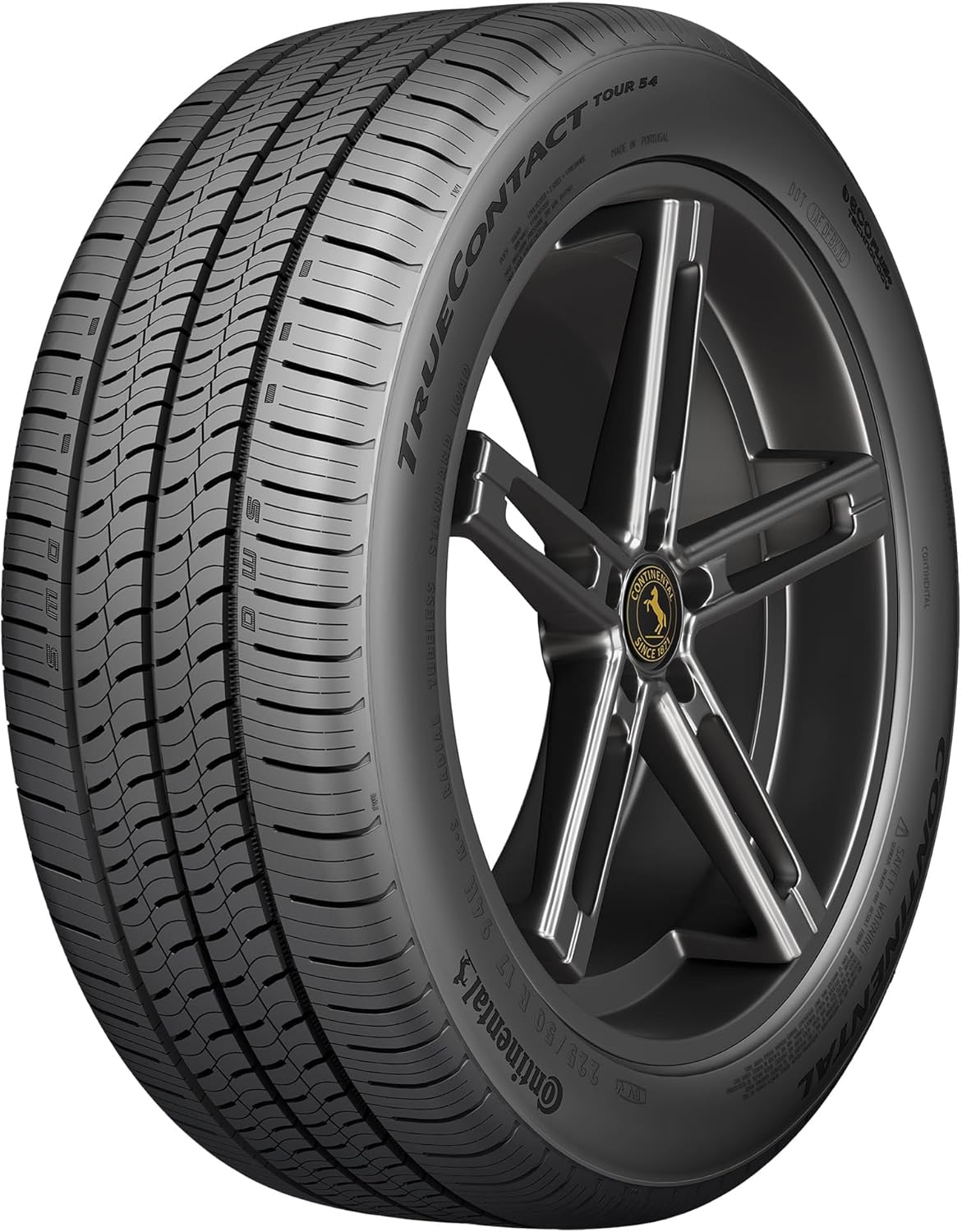
The TrueContact Tour is a touring all-season tire designed for cars, minivans, and crossovers. It focuses on long tread life, fuel efficiency, and a comfortable ride.
Key Features:
- Long-lasting tread with even wear
- Good wet and dry traction
- Comfort-oriented sidewall design
- Low rolling resistance for better fuel economy
- Mileage warranty up to 80,000 miles
Pros:
- Long tread life saves money over time
- Smooth, quiet ride on highways
- Strong wet-weather braking
- Balanced all-season performance
- Low rolling resistance helps fuel efficiency
Cons:
- Higher upfront cost than budget tires
- Less sporty handling than performance tires
- Some users report slight road noise on rough surfaces
Best for:
Everyday drivers who want a durable, comfortable, all-season tire with good wet performance and fuel efficiency.
2. Continental VanContact A/S Ultra

The VanContact A/S Ultra is built for vans, light trucks, and commercial vehicles. It is designed to handle heavy loads, long-distance driving, and frequent highway use.
Key Features:
- Reinforced construction for load-bearing capacity
- Long tread life for commercial use
- Wet and dry traction for safety
- Comfortable ride despite heavy loads
- Advanced tread design for even wear
Pros:
- Strong durability under heavy loads
- Excellent highway stability
- Good wet traction for vans and trucks
- Long-lasting tread reduces replacement frequency
- Smooth ride for commercial use
Cons:
- Not designed for off-road use
- Slightly higher price than basic van tires
- Performance may be average in snowy conditions
Best for:
Van and light-truck owners who need reliable, long-lasting tires for heavy-duty highway use.
Read More: Continental ContiProContact Review
Popular Michelin Tires Model
This section highlights top Michelin tires with easy-to-understand details, key features, pros, cons, and who each tire is best for.
1. Michelin Pilot Sport 5

The Pilot Sport 5 is a high-performance tire designed for sports cars and performance sedans. It focuses on sharp handling, precise steering, and strong braking, both on dry and wet roads.
Key Features:
- Superior dry and wet traction
- High-speed stability for performance driving
- Responsive steering and cornering
- Advanced compound for long tread life
- Engineered for comfort despite sporty focus
Pros:
- Excellent handling and cornering
- Strong wet and dry grip
- Durable for a performance tire
- Smooth ride for high-performance applications
- Enhances driving confidence at high speeds
Cons:
- Higher price than standard touring tires
- May wear faster than touring or all-season tires
- Not ideal for winter conditions without snow-specific design
Best for:
Sports car and performance sedan drivers who want maximum handling, grip, and steering precision.
2. Michelin CrossClimate 2

The CrossClimate 2 is an all-season tire designed for passenger cars, SUVs, and crossovers. It delivers excellent traction in all weather, including wet roads, dry pavement, and light snow.
Key Features:
- All-season traction, including light snow
- Long tread life with even wear
- Comfortable and quiet ride
- Strong wet and dry braking
- Advanced tread design for safety in mixed weather
Pros:
- Excellent all-season performance
- Durable tread with long mileage
- Quiet and comfortable on highways
- Strong grip in rain and light snow
- Reliable braking and stability in varied conditions
Cons:
- Slightly higher cost than standard all-season tires
- Not for severe winter conditions
- Performance handling is moderate compared to sports tires
Best for:
Drivers who want one reliable tire for all seasons, offering comfort, safety, and long-lasting performance without changing tires for winter.
Best Choice by Driver Type
Different drivers need different things from their tires. The right choice often depends on how and where you drive most of the time.
Daily commuting
If you mostly drive to work, run errands, or take short city trips, comfort and durability matter most. Many commuters prefer tires that last a long time and stay quiet on regular roads.
Tires from Michelin are often a good fit for this type of driving because they tend to wear slowly and provide a smooth ride. They may cost more upfront, but the longer tread life can make them worthwhile.
Performance driving
Drivers who enjoy quick acceleration, sharp turns, and responsive steering often want tires built for performance.
In this category, both brands offer strong options. The Michelin Pilot Sport 5 is known for excellent grip and precise control, especially during fast cornering.
Continental also delivers impressive performance with the Continental ExtremeContact Sport 02. It offers strong handling and traction, often at a slightly lower price.
Wet climates
If you live in an area with frequent rain, traction on wet roads becomes a top priority.
Many drivers in rainy regions prefer tires from Continental Tires because they are widely known for strong wet braking and confident grip in slippery conditions.
That extra traction can help drivers feel more secure when roads are soaked or during sudden downpours.
Long highway driving
Drivers who spend hours on the highway usually want quiet tires that stay comfortable over long distances.
This is where Michelin often stands out. Many of their tires are designed to reduce road noise and vibration, which makes long drives less tiring.
Read More: Yokohama Tires vs Michelin Tires
Buying & Installation Checklist
- Confirm the correct tire size and load/speed rating for your vehicle (check the driver’s door placard or owner’s manual).
- Choose the tire type that matches your climate and driving: summer/performance, all-season, all-weather, or winter.
- Compare mileage warranties and real-world reviews, not just marketing copy. A longer warranty often means longer life.
- Ask the shop to mount, balance, and torque the lug nuts to spec — proper installation matters more than you think.
- Check whether the price includes valve stems, balancing, disposal fees, and TPMS reprogramming so there are no surprise charges.
Read More: Falken Tires vs Michelin Tires
Maintenance Tips to Maximize Tire Life
- Rotate regularly — Rotate every 5,000–7,000 miles (many people do this with oil changes) to even out wear.
- Check air pressure monthly — Use the vehicle’s recommended psi; underinflation shortens tread life and harms fuel economy.
- Watch for alignment issues — If the car pulls or steering feels off, get alignment checked — misalignment causes rapid, uneven wear.
- Balance and inspect after repairs — Any time a tire is remounted, have it balanced and visually inspected for damage.
Monitor tread depth — Use a penny or tread gauge; replace tires before they reach unsafe depth to keep braking and handling predictable.
Read More: Goodyear vs Michelin
FAQ about Continental vs Michelin Tires
1. Are Continental tires better than Michelin?
It depends on your needs. Continental is strong in wet performance and value, while Michelin offers longer life, comfort, and quiet rides.
2. Do Michelin tires last longer?
Yes, most Michelin models have longer tread life and mileage warranties than comparable Continental tires.
3. Which brand is quieter?
Michelin is generally quieter and smoother, especially on highways. Continental can be slightly louder on some models.
4. How do I compare warranties?
Look at mileage coverage, road hazard terms, and prorated policies. Longer coverage usually means longer tire life.
5. Are Michelin tires worth the extra cost?
If you drive high miles or want comfort, quiet, and longer life, Michelin often provides better long-term value despite higher upfront cost.
6. Can I mix brands on one vehicle?
It’s not recommended. Mixing brands can affect handling and safety. Stick to the same brand and model for all four tires.
7. Which brand is better for wet weather?
Continental often has an edge in wet traction and hydroplaning resistance. Michelin is balanced for wet and dry conditions.
8. Are there SUV or truck options for both brands?
Yes. Continental offers CrossContact and TerrainContact, while Michelin has Latitude and CrossClimate SUV models. Choose based on comfort, durability, and weather needs.
9. How often should I replace tires?
Check tread depth, age, and wear patterns. Most tires should be replaced around 6–10 years or when the tread reaches 2/32 inch.
10. Can I save fuel with these tires?
Michelin often uses low rolling resistance tech, which can slightly improve fuel efficiency over time. Continental is competitive, but savings may be smaller depending on the model.
Conclusion
Choosing between Continental and Michelin tires comes down to your priorities. Continental tires are excellent for drivers who want strong wet performance, reliable handling, and good value for money. Michelin tires shine in long tread life, comfort, quiet rides, and fuel efficiency, making them ideal for long-distance drivers or those willing to invest more upfront for long-term benefits.
Consider your driving habits, climate, vehicle type, and budget when making a choice. Use the comparisons, pros and cons, and real-world feedback in this guide to find the tire that best fits your needs. Proper buying, installation, and maintenance will ensure whichever brand you choose provides safe, reliable, and comfortable driving for many miles.
