Goodyear Assurance WeatherReady Review 2026
Last updated on April 20th, 2026
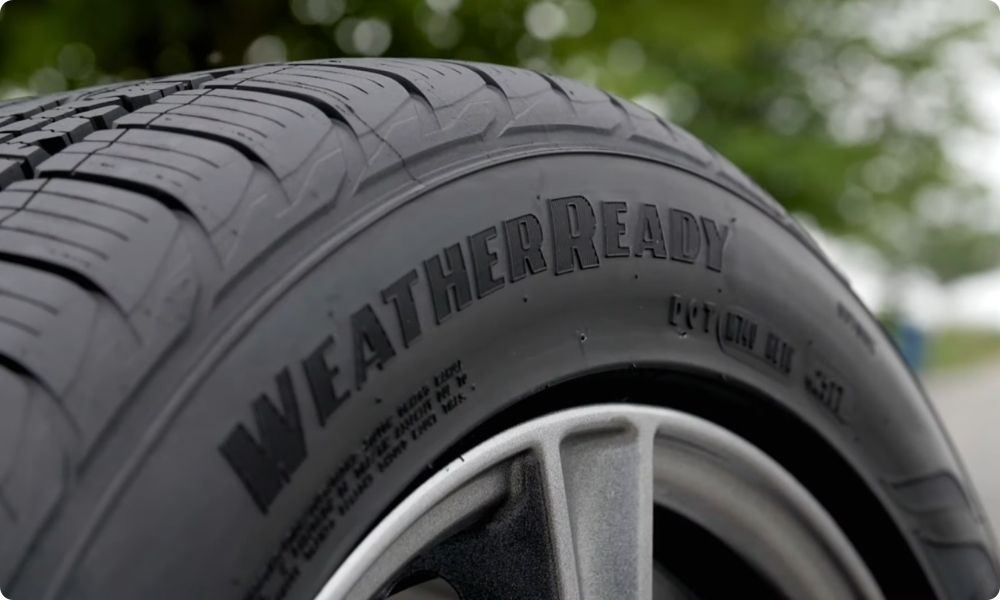
The Goodyear Assurance WeatherReady Review starts with a simple question: can one tire handle changing weather without making everyday driving harder? The Assurance WeatherReady is Goodyear’s answer for drivers who want a tire that can deal with dry roads, heavy rain, and even light snow without needing a separate winter set.
This is an all-weather tire, not just a regular all-season tire. That matters because all-weather tires are built to stay more capable when temperatures drop and roads get slippery. In plain terms, the WeatherReady is made for drivers who want year-round use with extra confidence when the weather turns rough.
It is a good fit for daily commuters, people who drive in rainy areas, and drivers in places with mild winter weather. It is not meant for sporty driving, and it is not the right choice for deep snow, ice-heavy roads, or severe winter conditions.
This review will help you decide if it’s worth your money.
Key Specs at a Glance
Here’s a simple snapshot of what the Goodyear Assurance WeatherReady offers, so you can quickly understand what you’re getting.
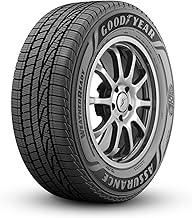
Goodyear Assurance WeatherReady
- Tire type: All-weather touring tire
- Best for: Daily driving in mixed conditions (dry, rain, light snow)
- Winter rating: 3PMSF (approved for snow use)
- Tread life warranty: 60,000 miles / 95,000 km
- Price range: Mid to premium (roughly $160–$275 per tire depending on size)
- Available sizes: Fits sedans, crossovers, and small SUVs
- Speed rating: Typically H (up to about 130 mph)
- Tread depth: Around 10/32″ when new (varies by size)
In simple terms, this tire is designed to be a reliable, do-it-all option. It focuses on safety, comfort, and year-round use rather than sporty performance or maximum fuel savings.
What Goodyear says the tire is designed to do
The Goodyear Assurance WeatherReady is built around one main idea: a single tire that can handle changing weather without needing to be swapped out.
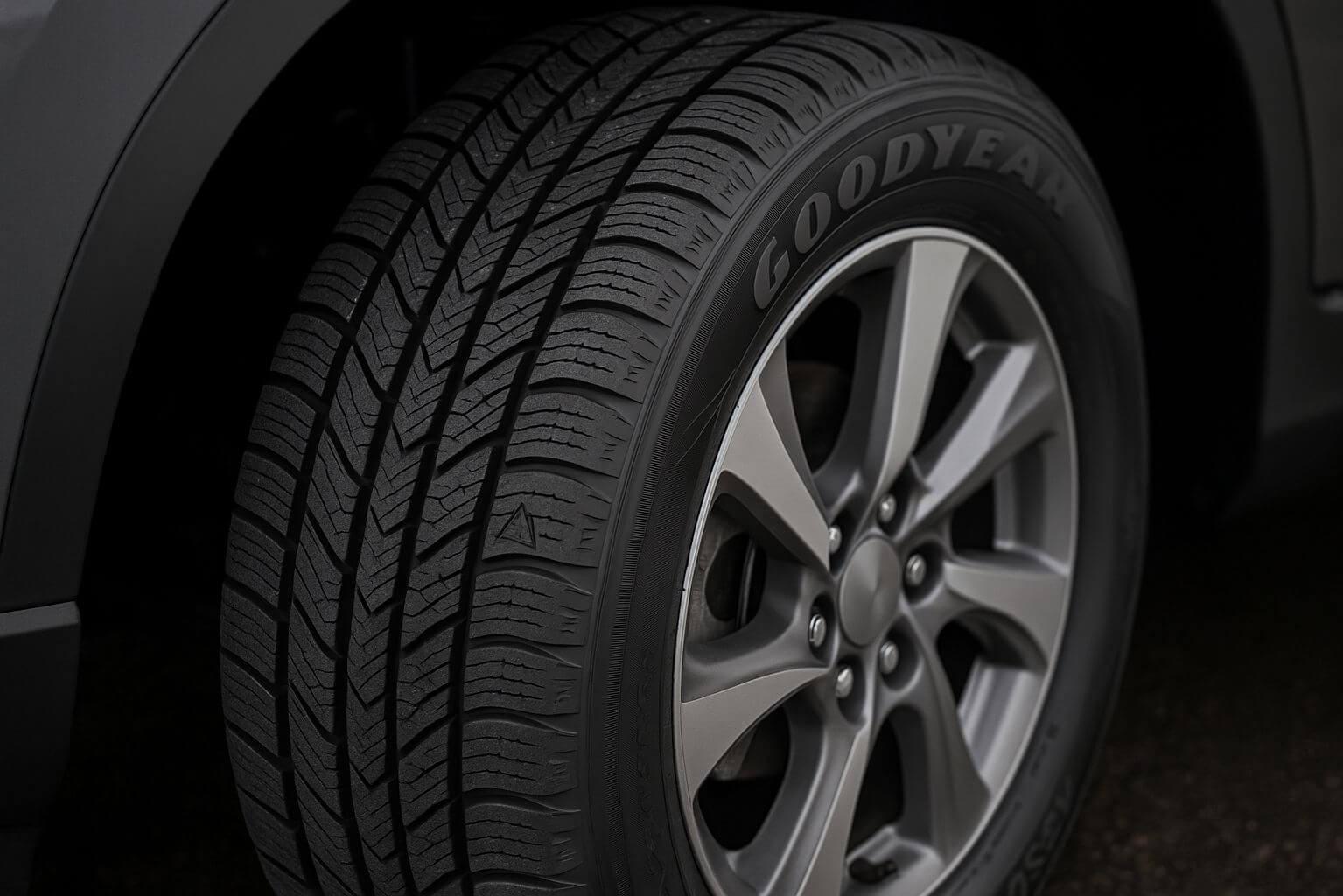
One of the first things to notice is the tread pattern. It’s not the same across the whole tire. This is called an asymmetric design, and it helps the tire do different jobs at the same time. The wide, sweeping grooves are there to move water away quickly, which helps keep the tire gripping the road in rain.
Goodyear also uses something it calls Weather Reactive Technology. In simple terms, this means the tire is designed to adjust as conditions change. As the tire wears down, new edges appear in the tread. These are called Evolving Traction Grooves, and they help the tire keep its grip over time instead of fading quickly.
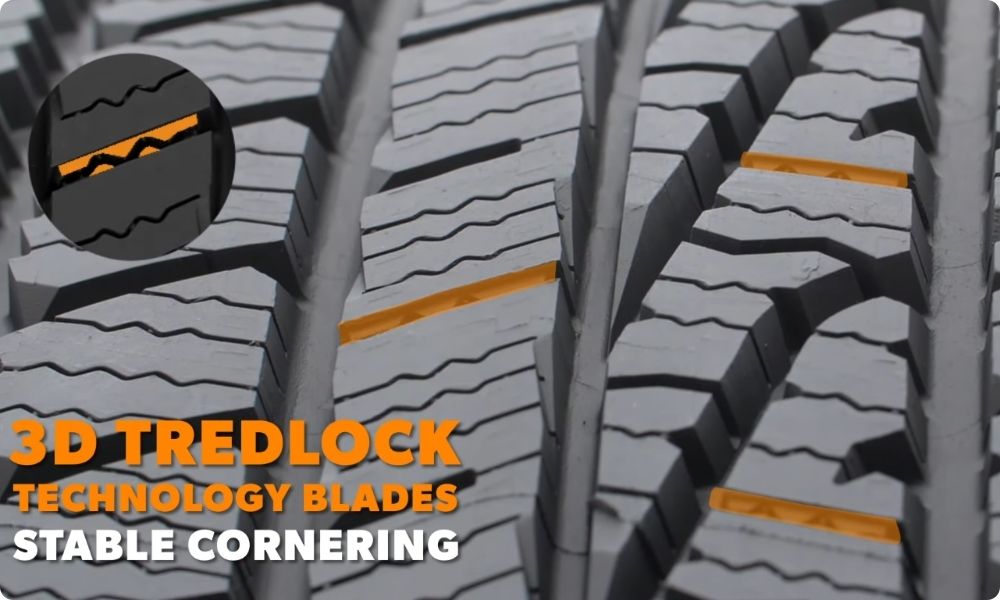
Another feature is Tredlock Technology. This helps the tread blocks stay stable while still having small biting edges. So you get a mix of steady handling and extra grip when the road gets slippery.
The rubber itself is also different from a typical tire. Goodyear adds soybean oil to the compound. This helps the tire stay softer in cold temperatures, which improves grip when the weather gets chilly.
Finally, the tire carries the 3PMSF (Three-Peak Mountain Snowflake) symbol. This means it meets specific standards for snow traction. Combined with the tread design and rubber compound, it’s meant to handle wet roads, light snow, and even some icy conditions.
All of this comes together to create a tire that focuses on balance. It’s not designed to be the best in one extreme condition, but to perform reliably across many different ones.

Dry Road Performance
On dry roads, the Goodyear Assurance WeatherReady feels calm and easy to live with. It’s not trying to be sporty or aggressive. Instead, it focuses on giving you a smooth, predictable drive for everyday use.
In a straight line, the car feels stable and planted. Whether you’re driving through the city or cruising on the highway, the tire tracks well and doesn’t feel nervous or loose. That’s something you’ll notice right away during longer drives.
Steering response is steady rather than sharp. When you turn the wheel, the car reacts in a relaxed and controlled way. For daily commuting, this actually feels comfortable and stress-free. But if you’re used to sporty tires, you may find it a bit slower to respond.
When it comes to cornering, the tire holds the road well during normal driving. Taking turns at regular speeds feels safe and predictable. However, if you push harder into corners, you’ll notice it doesn’t have the same grip or confidence as performance-focused tires.
This is where its true character shows. The WeatherReady is built for comfort and balance, not for aggressive driving. It leans slightly toward a softer feel, which helps with ride comfort but reduces sharp handling.
In fact, Car and Driver noted that the original WeatherReady was just average in dry conditions compared to some stronger competitors. That lines up with real-world experience—it’s good enough for daily driving, but not exciting.
Overall, if your goal is a quiet, smooth, and predictable ride, this tire does the job well. If you want quick steering and sporty handling, you may feel it’s a bit too relaxed.

Wet Road Performance
This is where the Goodyear Assurance WeatherReady really stands out. If you drive in the rain often, this part matters more than anything else.
Braking on wet roads feels strong and reassuring. When you press the brakes, the car slows down in a controlled way instead of sliding forward. That extra grip can make a big difference in sudden stops.
One of the biggest worries in rain is hydroplaning—when the tire rides on top of water instead of gripping the road. This tire handles that well. It keeps good contact with the road, even when there’s a lot of water.
A big reason for this is the tread design. The grooves in the tire are shaped to push water out from under the tire quickly. Goodyear calls these “Evolving Traction Grooves,” but in simple terms, they help clear water so the tire can keep gripping.
On highways in heavy rain, the tire feels stable and confident. You don’t get that light, floating feeling as easily as you might with cheaper tires. It stays more planted, which helps reduce stress during long drives in bad weather.
Feedback from Tire Rack also backs this up. Many drivers rate its wet traction very highly, often in the 9–10 range, which says a lot about real-world performance.
That said, no tire is perfect. In very deep water or at high speeds, you still need to be careful. Good tires help, but safe driving matters just as much.
Overall, this is one of the strongest reasons to choose WeatherReady. It gives you confidence when the roads are wet, which is something most drivers will appreciate every day.

Snow & Winter Performance
The name “WeatherReady” makes a big promise, so the real question is: how well does it actually handle winter?
This tire comes with something called the 3PMSF (Three-Peak Mountain Snowflake) symbol. In simple terms, it means the tire has been tested and approved for use in snow. It’s a step above regular all-season tires, which don’t go through the same testing.
In light snow, the Goodyear Assurance WeatherReady does a good job. It grips well when starting from a stop, and it feels stable on roads with a thin layer of snow or slush. For everyday winter driving in mild conditions, it gives you confidence.
As the snow gets deeper, though, you start to notice its limits. It can still move through moderate snow, but it doesn’t feel as strong or as secure as a true winter tire. You may need to drive more carefully, especially on hills or unplowed roads.
Ice is where things get more challenging. Like most all-weather tires, it doesn’t have the same bite as a dedicated winter tire. Braking distances can be longer, and you’ll need to leave extra space between you and other cars.
It’s important to be clear here. While this tire is better prepared for winter than a standard all-season tire, it is not a full replacement for winter tires in harsh conditions. Tire Rack also points out that tires with the 3PMSF symbol still don’t match true winter tires in all situations.
Even Car and Driver found that the original WeatherReady’s snow braking was not as strong as some competitors in testing. That lines up with real-world expectations—it’s capable, but not exceptional in tough winter conditions.
So, can you rely on it in winter?
- Yes, if you deal with light snow and mostly cleared roads
- No, if you regularly face deep snow, ice, or harsh winter weather
For many drivers, this tire is a practical middle ground. It handles winter better than most all-season tires, but it still asks you to drive carefully when conditions get serious.
Comfort & Noise: Daily Driving Experience
The Goodyear Assurance WeatherReady is built with comfort in mind, and you can feel that in everyday driving.
At city speeds, the tire is very quiet. You mostly hear normal road sounds, but nothing that stands out or becomes annoying. It makes stop-and-go traffic feel more relaxed.
On the highway, there is a bit more noise, which is normal for most tires. Still, it stays fairly calm inside the cabin. It doesn’t have that loud humming sound you sometimes get with cheaper tires.
Ride comfort is one of its strong points. When you drive over small bumps or rough patches, the tire softens the impact well. It doesn’t feel harsh or stiff, which is great for daily use.
The overall driving feel is smooth. You don’t notice much vibration through the steering wheel or seats, even on longer drives. That helps reduce fatigue, especially if you spend a lot of time on the road.
For long commutes, this tire works very well. It keeps things quiet and comfortable, which makes a real difference over time.
The only small downside is that the softer feel can make it less sharp compared to sportier tires. But for most drivers, that trade-off is worth it for the added comfort.
Tread Life and Long-Term Value
When you see a 60,000-mile warranty, it’s easy to think the tire will last exactly that long. In reality, it’s more of a guideline than a guarantee.
For the Goodyear Assurance WeatherReady, this means the tire is expected to hold up well over time under normal driving conditions. If it wears out much earlier than expected, the warranty may help cover part of the cost.
What the warranty usually covers is premature wear. If the tread wears down too quickly, you may get a partial refund or credit toward a new set. But there are conditions. You need to maintain the tires properly—things like regular rotation, correct air pressure, and proper alignment matter.
Goodyear also offers a 60-day satisfaction guarantee on select versions. This gives you some peace of mind, since you can return or exchange the tires if you’re not happy early on.
In real life, how long the tire lasts depends on several factors. Your driving habits play a big role. Hard braking, fast cornering, and rough roads can wear the tire faster.
The type of vehicle matters too. Heavier vehicles like SUVs tend to wear tires more quickly than smaller cars. Even the tire size can affect how evenly it wears over time.
So while 60,000 miles is possible, not everyone will reach that number. Some drivers may get less, while careful drivers might get close or even a bit more.
As for value, this tire sits in the premium category, so it’s not the cheapest option. But when you consider that it can handle different weather conditions all year, it starts to make more sense.
Instead of buying separate winter tires, many drivers can rely on this one set. That convenience, along with solid durability, makes it a strong value for the right type of driver.
Fuel Efficiency & Rolling Resistance
Fuel efficiency is not the main focus of the Goodyear Assurance WeatherReady, but it still does a decent job for everyday driving.
This tire has moderate rolling resistance. That simply means it doesn’t take too much extra effort for your car to keep moving, but it’s not designed to squeeze out every drop of fuel savings either.
In real driving, you probably won’t notice a big change in fuel economy after switching to this tire. It won’t significantly improve your mileage, but it also shouldn’t hurt it in any major way.
Compared to standard touring tires, it’s about the same or slightly less efficient. That’s because it’s built to handle more conditions, including colder weather, which can add a bit of extra resistance.
When compared to performance tires, it actually does better. Performance tires are usually less fuel-efficient because they focus more on grip than saving fuel.
The key thing to understand is balance. This tire is designed to give you safety and all-weather confidence first, with fuel efficiency being a secondary benefit.
If saving fuel is your top priority, there are more efficient options out there. But for most drivers, the difference here is small enough that it won’t affect daily costs in a big way.
Read More: All Season vs All Weather Tires
Pros and Cons
Pros
- Strong wet-weather focus
- 3PMSF severe snow certification
- 60,000-mile limited warranty
- Broad size coverage for common cars and crossovers
Cons
- Not a true winter tire
- Not designed as a sporty performance tire
- Not the cheapest all-season choice
Fitment and Sizes Guidance
Goodyear’s spec sheet for the original Assurance WeatherReady lists a wide range of sizes, from 15-inch to 20-inch wheel sizes. The exact fit depends on your vehicle, so the safest check is still your owner’s manual or the size on your current tire sidewall. Goodyear’s own warning also says tire size changes can affect handling, clearance, and load capacity.
Here are the sizes listed by Goodyear:
- 15-inch: 195/65R15
- 16-inch: 195/55R16, 205/55R16, 205/60R16, 205/65R16, 215/55R16, 215/60R16, 215/65R16, 215/70R16, 225/60R16, 225/70R16
- 17-inch: 215/45R17, 215/50R17, 215/55R17, 215/60R17, 215/65R17, 225/50R17, 225/55R17, 225/60R17, 225/65R17, 235/45R17, 235/50R17, 235/55R17, 235/60R17, 235/65R17
- 18-inch: 215/55R18, 225/45R18, 225/55R18, 225/60R18, 235/45R18, 235/50R18, 235/55R18, 235/60R18, 235/65R18, 245/45R18, 245/60R18, 255/55R18, 255/65R18, 265/60R18
- 19-inch: 235/45R19, 235/50R19, 235/55R19, 245/55R19, 255/50R19, 255/60R19
- 20-inch: 235/55R20, 245/50R20, 255/50R20, 255/55R20
A simple rule helps here: match the tire size exactly unless a professional confirms a safe replacement size for your vehicle. That keeps fitment, comfort, and safety where they should be.
Comparison With Top Alternatives
If you are deciding between these tires, the easiest way to think about it is this: CrossClimate 2 leans hardest toward snow and strong braking, WeatherPeak leans toward long warranty and balanced all-weather use, and WeatherReady 2 is Goodyear’s newer comfort-focused option with the same 60,000-mile warranty and 3PMSF rating.
Michelin CrossClimate 2
The Michelin CrossClimate 2 is a strong choice if you want the most confidence in bad weather. Michelin says it carries the 3PMSF rating, comes with a 60,000-mile warranty, and is designed to perform in every climate condition with excellent wet and dry braking. Michelin also says its internal testing showed shorter dry and wet braking distances than the original Goodyear Assurance WeatherReady.
In plain terms, the CrossClimate 2 is the tire to look at if you care most about wet grip, snow performance, and long tread life. The trade-off is that it is usually the more “serious” choice, so if you want a softer, calmer daily-drive feel, it may feel a little less relaxed than the Goodyear. That last part is an inference based on how Goodyear positions the WeatherReady line around everyday comfort and control, while Michelin emphasizes braking and all-weather performance.
Bridgestone WeatherPeak
The Bridgestone WeatherPeak is another strong all-weather option. Bridgestone says it has a 70,000-mile limited warranty, a 90-day Buy & Try guarantee, and it highlights wet performance, wear life, and light snow on its product page.
That makes WeatherPeak a good choice if you want a long warranty and a tire that tries to balance wet-road use with everyday comfort. Compared with the Goodyear, it looks like the kind of tire that appeals to drivers who want a simple, low-stress all-weather setup and a little extra peace of mind from the longer warranty. That is an inference from the features Bridgestone highlights.
Goodyear Assurance WeatherReady 2
The WeatherReady 2 is the newest Goodyear option in this family. Goodyear currently lists it as an all-season commuter tire with a 60,000-mile warranty and 3PMSF marking, and it says the tire uses comfort inserts to reduce bumps and vibrations while improving steering control. Goodyear also says it includes a built-in Wear Gauge so you can track tread depth as the tire wears.
Compared with the original WeatherReady, WeatherReady 2 looks like the more polished daily-driver choice. It keeps the same warranty length, but Goodyear is clearly leaning harder into comfort and easy ownership. If you liked the idea of the original WeatherReady but want the newer version, this is the most natural upgrade.
Read More: Firestone WeatherGrip Review
Who Should Buy Goodyear Assurance WeatherReady?
If you want a tire that makes everyday driving easier and less stressful, the Goodyear Assurance WeatherReady is a strong fit.
It works best for drivers who deal with a lot of rain. The grip in wet conditions gives you more confidence, especially during sudden stops or highway driving in heavy showers.
It’s also a good choice if your winters are mild. If you see light snow now and then, but not deep snow or icy roads every day, this tire can handle it without needing a separate winter set.
For daily commuting, it makes a lot of sense. The ride is smooth, the noise is low, and it feels easy to drive in most conditions. If comfort matters more to you than sporty handling, you’ll likely be happy with it.
That said, it’s not the right tire for everyone.
If you live in an area with heavy snow or long, harsh winters, this tire will not give you the level of grip that a dedicated winter tire can provide. You’ll need something more specialized for those conditions.
It’s also not built for performance driving. If you enjoy fast cornering or sharp steering, this tire will feel too soft and relaxed.
And if you drive off-road or in extreme conditions, this tire simply isn’t designed for that kind of use.
In simple terms, this tire is best for people who want a safe, comfortable, and reliable option for everyday driving in mixed weather—not for pushing limits or handling extreme conditions.
Pricing & Value for Money
The price of the Goodyear Assurance WeatherReady depends a lot on the size and the seller. In the listings I checked, one common size was about $98.86 at Walmart, while other sizes were closer to $166.69 at 1010tires and $178.99 at SimpleTire. That puts it in a mid-to-premium price range rather than a budget one.
Is it worth the cost? For the right driver, yes. This tire is built for people who want one set that handles rain, light snow, and everyday driving with a comfortable ride. Tire Rack describes it as a premium touring all-weather tire with the 3PMSF winter symbol, which helps explain why it costs more than a basic all-season tire.
The long-term value comes from two things: the 60,000-mile warranty and the fact that it can stay on the car all year. Goodyear says the tire is backed by up to 60,000 miles / 95,000 km, and the actual mileage can vary by vehicle type and tire size.
That matters in real life. If you would otherwise buy a cheaper all-season tire and still need extra winter help later, the WeatherReady can save you the trouble of switching tires and buying a second set. That convenience is part of the value, not just the tread life number.
Compared with cheaper alternatives, the WeatherReady costs more up front, but you are paying for stronger wet-road grip, better winter readiness, and a more comfortable daily drive. If you mostly drive in mild weather and do not need that extra confidence in rain or light snow, a less expensive tire may make more sense. That is a judgment based on the tire’s positioning and warranty rather than a direct price match for every competitor.
Overall, this is a good value if you want a dependable all-weather tire and are willing to pay a little more for peace of mind. If your main goal is the lowest possible price, it is probably more tires than you need.
FAQs
Is the Goodyear Assurance WeatherReady good in snow?
Yes, for light to moderate winter use it is a solid option because it has the 3PMSF severe snow designation and Goodyear says the tire’s compounds are designed to help in wet, snow, and ice. It is still not a replacement for a dedicated winter tire in harsh conditions.
How long does it last?
Goodyear gives it a 60,000-mile limited tread life warranty. Actual life depends on your vehicle, tire size, maintenance, and driving style.
Is it better than a normal all-season tire?
For drivers who face rain and occasional snow, yes, it generally offers more winter confidence than a basic all-season tire because of its 3PMSF certification and severe snow focus.
Is it worth the price?
For commuters who want one tire for most weather conditions, it can be worth it. For mild climates with little rain or snow, the value may be weaker because you may be paying for winter capability you rarely need.
Can I use it year-round?
Yes. That is the whole point of the design. The WeatherReady is built as a year-round commuter tire with added severe snow capability, so it is meant to stay on the vehicle through changing seasons.
Final Verdict: Should You Buy It?
The Goodyear Assurance WeatherReady is a smart buy for drivers who want one tire that can handle everyday driving, heavy rain, and occasional winter weather with confidence. Its biggest strengths are wet traction, severe snow certification, and a solid warranty. Its biggest limits are that it is not a true winter tire and not a sporty performance tire.
My honest verdict is simple: buy it if you are a practical driver who wants dependable year-round performance and lives in a climate where rain and light snow matter. Skip it if your winters are harsh, your roads are mostly dry, or you want a more performance-focused feel. That recommendation follows the tire’s own design, warranty, and official feature set.
