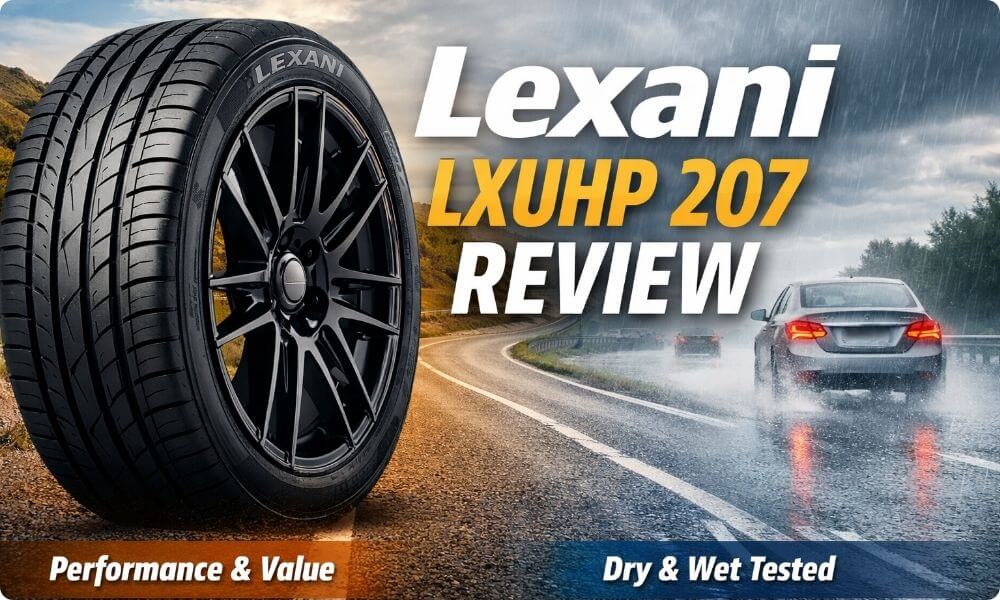
Lexani LXUHP 207 Review
If you’re looking at the Lexani LXUHP 207, you’re probably trying to find a budget-friendly tire that still delivers good performance. Many drivers want to know if this tire is worth buying, how it handles in everyday conditions, and whether it will hold up in wet weather.
Common concerns often include whether the tire gives good value for the price, how comfortable it is for daily driving, and how safe it is in rain or other tricky conditions. These are important questions, and this review will answer them honestly.
In this guide, you’ll get a real-world perspective based on hands-on experience. We’ll go over the strengths and weaknesses, compare it to similar tires, and highlight alternatives if it isn’t the perfect fit for you. By the end, you should have a clear picture of what to expect from the Lexani LXUHP 207 and whether it suits your driving needs.
This is a Lexani LXUHP 207 review that focuses on practical, actionable insights so you can make a confident buying decision without confusion.
Who the Lexani LXUHP 207 Is Best For (And Who Should Avoid It)
This tire isn’t made for everyone. Knowing whether it fits your driving style can save you money and frustration later.
Best For
- Budget-conscious drivers
If you want decent performance without spending a lot, this tire makes sense. It gives you good everyday grip and handling for the price, even if it doesn’t match high-end brands. - Sporty sedans, coupes, and daily commuters
The LXUHP 207 works well for cars that are driven daily. It feels stable on highways, handles normal cornering well, and is comfortable enough for regular commuting. - Drivers who want a sporty look without premium pricing
The tread design looks aggressive and pairs nicely with sport-style wheels. If appearance matters but your budget is limited, this tire checks that box.
Not Ideal For
- Track or high-performance driving
This tire isn’t built for racing or aggressive driving at high speeds. It can handle spirited driving, but it’s not designed to be pushed hard on a track. - Harsh winter conditions
While it’s labeled all-season, it’s not a winter tire. In snow or icy conditions, traction will be limited compared to winter or all-weather options. - Drivers who want a very quiet ride
Road noise is acceptable for daily use, but it’s not the quietest tire out there. If cabin silence is a top priority, you may want to look at more premium options.
Quick Takeaway
If you want an affordable, sporty-looking tire for everyday driving, the Lexani LXUHP 207 is a solid option.
If you need top-tier performance, winter confidence, or a super-quiet ride, it’s better to consider something else.

Lexani LXUHP 207 Overview & Key Specifications
The Lexani LXUHP 207 is designed for drivers who want a sporty feel without paying premium prices. It’s built for everyday road use, with a focus on looks, handling, and basic all-season performance.
Below is a quick breakdown of the key specs, followed by what they actually mean when you’re behind the wheel.
Key Specifications
- Tire Type: Ultra-High Performance All-Season
- UTQG Rating: Mid-range treadwear rating (varies by size)
- Speed Ratings: Typically W or Y (rated for higher-speed driving)
- Available Sizes: Wide range for sedans, coupes, and some SUVs
- Tread Design: Directional, aggressive-looking pattern
What These Specs Mean in Real-World Driving
- Ultra-High Performance All-Season
This means the tire is tuned more for handling than comfort. You get better grip and steering feel than standard all-season tires, but it won’t perform like a dedicated summer or winter tire. - UTQG Rating
The treadwear rating suggests average tire life. With normal driving and regular rotations, it should last a reasonable amount of time, but aggressive driving will shorten its lifespan. - Speed Ratings (W or Y)
These ratings show the tire can safely handle higher speeds. For everyday drivers, this mostly means better stability and confidence on highways rather than actual high-speed use. - Available Sizes
The LXUHP 207 fits many popular vehicles, making it easy to find a size that works without needing special orders or upgrades. - Tread Design
The tread looks sporty and helps with dry grip. It also moves water away in light to moderate rain, though it can struggle more in heavy downpours compared to premium tires.
Real-World Performance Review (Hands-On Experience)
Dry Road Performance
On dry roads, the Lexani LXUHP 207 feels responsive and easy to control. Steering input is direct, meaning the car reacts quickly when you turn the wheel. This makes everyday driving feel more confident, especially on highways and curvy roads.
When cornering, the tire stays stable at normal driving speeds. It holds its grip well through turns, but if you push harder, you can feel the grip slowly fade rather than suddenly letting go. That gradual loss makes the tire easier to manage.
Acceleration grip is solid for daily use. Pulling away from traffic lights or merging onto highways feels controlled, though very aggressive acceleration can cause some wheel slip. This is expected for a tire in this price range.
Wet Weather Traction
In light to moderate rain, the tire handles well. Water is pushed away effectively, and the car stays composed when driving through shallow puddles. Hydroplaning is unlikely at normal speeds.
Braking in the rain is dependable but not outstanding. The tire slows the car safely, but stopping distances are longer compared to more expensive tires. Leaving extra space between vehicles is important in wet conditions.
In heavy rain, the tire shows its limits. At higher speeds, grip decreases and the steering feels less confident. Drivers who frequently deal with strong rainstorms should keep this in mind.
Ride Comfort & Road Noise
At highway speeds, road noise is noticeable but not distracting. The sound remains consistent, making it easy to tune out during longer drives. It’s louder than premium touring tires, but acceptable for daily commuting.
In city driving, the tire feels comfortable over most road surfaces. Small bumps are handled well, though sharper impacts can be felt through the suspension.
On uneven pavement or larger bumps, the ride is firm rather than soft. This helps with handling but may feel slightly stiff if comfort is your top priority.
Tread Life & Durability Expectations
What the manufacturer treadwear number really means
Tire makers give a treadwear number to compare how fast tires wear in lab tests. A higher number usually means the tire should last longer, but it’s only a rough guide. Don’t treat that number as a promise — it’s an estimate, not a guarantee.
Realistic mileage to expect
With normal city and highway driving, many budget performance tires wear out sooner than premium touring tires. For this type of tire, a practical range is often somewhere between moderate and high tens of thousands of miles, depending on your driving. Think of the manufacturer number as a starting point — actual mileage will vary.
How your driving habits change tire life
How you drive has the biggest impact on how long tires last. Hard cornering, frequent fast starts, and heavy braking wear tread much faster. Short trips and stop-and-go traffic can also shorten life because the tire heats and cools repeatedly. Gentle driving stretches tread life; aggressive driving shortens it.
Heat and aggressive driving
Heat speeds up tread breakdown. If you drive fast for long stretches or carry heavy loads, the tire runs hotter and wears sooner. Repeated high-speed driving can also weaken the rubber over time, so if you often push the car hard, expect to replace tires more frequently.
Long-term value for daily drivers
For everyday commuters who drive reasonably and maintain their tires, this model can offer decent value: good performance for the price and acceptable lifespan. The key to getting the most out of them is routine care — that’s where you see the biggest return.
Simple steps to maximize tread life
- Check tire pressure monthly and keep it at the vehicle maker’s recommendation.
- Rotate tires every 5,000–7,500 miles to even out wear.
- Get an alignment if the car pulls or if you see uneven wear.
- Avoid repeated hard launches and fast cornering when possible.
- Inspect tires for cuts, bulges, or uneven tread and address problems early.
Pros and Cons of the Lexani LXUHP 207
Pros
- Good value for the price.
You get sporty looks and solid performance without paying premium tire prices. - Confident dry handling.
The tire grips well on dry roads, so everyday cornering and highway driving feel stable. - Wide size availability.
It fits many common sedans and coupes, so finding a matching size is usually easy. - Decent all-season performance.
Works reliably in light rain and mild weather, making it a practical choice for mixed conditions.
Cons
- Not the best in heavy rain.
In intense downpours or deep standing water, it can feel less sure than higher-end tires. - Road noise is noticeable.
Expect more cabin sound than you’d get with quiet touring tires — fine for most, annoying for some. - Tread may wear faster with aggressive driving.
If you frequently push the car hard, you’ll likely replace these sooner than premium options. - Not built for track use or harsh winters.
It’s aimed at daily driving; don’t pick it if you need track performance or deep-snow traction.
Lexani LXUHP 207 vs Similar Budget Performance Tires
When shopping for tires in the same price range as the Lexani LXUHP 207, it helps to know how a few popular alternatives stack up. Below, I explain how these tires compare in price, noise, wet weather grip, and what type of driver each one suits best.
Lexani LXUHP 207
The Lexani LXUHP 207 usually lands in the lower price range among performance all-season tires. It delivers a sporty look and solid dry handling, though wet traction and noise levels are average compared to others here. This tire is a good fit if you want a balance of performance and cost for everyday use.
Lionhart LH-Five
The Lionhart LH-Five often costs about the same or slightly less than the LXUHP 207. It offers a comfortable ride with lower road noise, which some drivers prefer on long highway trips. Wet traction is similar to the Lexani but sometimes feels a bit more confident in light rain. If quiet ride comfort matters most, this tire can be a better choice.
Nankang NS-20
The Nankang NS-20 is another budget-friendly performance tire. In my experience, it is competitive in dry handling but can feel less composed in very wet conditions. Road noise is comparable to the Lexani, possibly a bit louder at highway speeds. This tire works well for drivers focused on everyday driving and dry weather performance.
Achilles ATR Sport
The Achilles ATR Sport usually sits at a similar price point but can sometimes be slightly more expensive. Its strength is in dry grip and steering response, which many drivers appreciate for spirited driving. However, wet weather performance is not its strong suit, and it can feel less stable in heavy rain. This tire is best for those who mainly drive in dry climates and want sharper handling.
Quick Summary
All four tires aim to give you good performance without a high price tag, but each has its own balance of strengths:
- Lexani LXUHP 207: Good everyday tire with solid all-around ability.
- Lionhart LH-Five: Quieter and more comfortable for cruising.
- Nankang NS-20: Competitive dry handling with price appeal.
- Achilles ATR Sport: Strong dry grip, less ideal in rain.
Understanding these differences makes it easier to pick the tire that fits your driving style and local weather. If rain grip and comfort are priorities, the Lionhart leans slightly ahead for me. If you want sharper dry handling, the Achilles or Nankang might suit you better. The Lexani sits comfortably in the middle, offering balanced performance at a fair price.
How It Compares to Premium Performance Tires (Honest Reality Check)
Premium tires from brands like Michelin or Continental cost more because they deliver stronger, more reliable performance in a few key areas. Expect better wet braking, longer tread life, quieter rides, and more consistent behavior at higher speeds. Manufacturers also spend more on testing and small design tweaks that add up on the road.
What you get when you pay more:
- Better stopping power in rain and on hot pavement, so shorter braking distances.
- Longer useful tread life — you’ll often replace them less frequently.
- A quieter, smoother ride with fewer vibrations and less high-speed drone.
- Tighter, more predictable handling when pushing the car or driving fast.
To keep the price low, the LXUHP 207 makes trade-offs. The rubber compound and internal construction aren’t as advanced, which affects wet grip and wear over time. Road noise is a bit higher and the tire may feel firmer over rough surfaces. In short bursts of aggressive driving it can be fine, but it won’t match the refined control of premium models.
What the LXUHP 207 gives up to stay affordable:
- Advanced rubber blends that resist heat and wear longer.
- Extra engineering to manage water at very high speeds.
- The quieter tread patterns found on touring-focused premium tires.
- The same level of long-term lab and road testing.
That said, many drivers don’t actually need premium tires. If you mostly drive short commutes, stick to speed limits, and live where winters are mild, the budget option can be a smart choice. You still get acceptable handling and safety for everyday use without the higher upfront cost.
When to choose premium instead:
- You drive a lot of highway miles or frequently at higher speeds.
- You live where heavy rain or hot pavement is common.
- Cabin quiet and long tread life are priorities.
When the LXUHP 207 makes sense:
- You want decent performance for daily driving on a tight budget.
- You rarely push your car hard and don’t need the absolute best wet braking.
- You prefer to save now and replace tires more often, rather than pay more up front.
Quick action tip: match the tire choice to how you drive, not just the brand name. If safety in heavy rain or long-term durability matters most, invest in a premium tire. If you need a capable, low-cost option for normal driving, the LXUHP 207 is a reasonable value.
Safety, Ratings, and Manufacturer Reputation
When choosing a tire, it helps to understand how safety and quality are measured. The LXUHP 207 comes with a UTQG rating, which stands for Uniform Tire Quality Grading. This rating shows three things: treadwear, traction, and temperature resistance.
Treadwear gives an estimate of how long the tire lasts, traction measures grip in wet conditions, and temperature tells you how well the tire handles heat. These numbers give a basic idea of performance but aren’t a perfect predictor of real-world use.
Lexani is a brand that focuses on budget and mid-range tires. They aren’t as well-known as Michelin or Continental, but they’ve built a reputation for offering affordable tires with sporty styling. Because they prioritize value, some of the advanced features found in premium tires may be missing.
Quality control is important to consider. Like many budget brands, there can be some variation in tread consistency or performance between batches. Most drivers won’t notice major problems if they buy from a reputable seller, but it’s wise to inspect new tires for defects before installation.
The LXUHP 207 typically comes with a limited warranty. Coverage often includes manufacturing defects and sometimes a prorated treadwear guarantee. Warranties vary by retailer and region, so check the specifics when buying. While it won’t cover everything, it provides some peace of mind if there’s a defect.
Overall, the Lexani LXUHP 207 offers reasonable safety and quality for its price. Understanding the ratings, the brand’s focus, and warranty details helps you make a confident, informed choice.
Buying Tips & Final Advice
Choosing the right tire is just the first step. How you maintain it and when you consider an upgrade can make a big difference in safety, performance, and value.
Proper Tire Maintenance
Keeping your tires in good shape starts with basic care. Check the air pressure at least once a month and before long trips. Underinflated or overinflated tires wear unevenly and reduce grip. Inspect tires regularly for cuts, bulges, or uneven tread, and replace them if you notice serious damage.
Importance of Alignment and Rotation
Regular tire rotation helps all tires wear evenly, which extends their lifespan. Most experts recommend rotating every 5,000–7,500 miles. Alignment matters too — if your car pulls to one side or tires show uneven wear, get an alignment check. Proper alignment improves handling and prevents premature tread wear.
When Upgrading to a Premium Tire Makes Sense
You may not always need a premium tire, but consider an upgrade if you drive long highway miles, live in areas with heavy rain, snow, or ice, or want a quieter, more comfortable ride. Premium tires last longer and handle extreme conditions better, but they come at a higher cost.
Final Buyer Checklist
Before buying, ask yourself:
- Does this tire fit my vehicle and driving style?
- Will it handle the weather I drive in most often?
- Am I okay with the trade-offs for the price?
- Am I prepared to maintain it properly to get the most out of it?
Taking a few minutes to answer these questions ensures you pick a tire that meets your needs and keeps you safe on the road.
Read related Topic: Evoluxx Capricorn UHP Review
Common Buyer Questions Answered (FAQ Section)
Is the Lexani LXUHP 207 good in the rain?
Yes — the LXUHP 207 handles light to moderate rain well. It keeps good grip and feels stable in normal wet conditions. In heavy rain or deep standing water, the traction isn’t as strong as premium tires, so you should slow down and give yourself extra stopping distance.
How noisy is the Lexani LXUHP 207?
The tire makes a noticeable road noise at highway speeds, but it isn’t distracting for most drivers. You’ll likely hear a steady hum on long freeway trips. It isn’t as quiet as more expensive touring tires, but many drivers find the noise level acceptable for everyday use.
How long do Lexani tires typically last?
Tire life depends heavily on how you drive, but the LXUHP 207 generally wears at an average rate for its price class. With regular air pressure checks, rotations, and everyday driving habits, you can expect a good amount of tread life. Aggressive driving, frequent hard braking, and heated roads will shorten the lifespan.
Is this tire good for highway driving?
Yes, the Lexani LXUHP 207 is well-suited for highway driving. It feels stable at cruising speeds and responds predictably when changing lanes or passing. Just remember that wet braking distances are longer than premium tires, so adjust your speed and following distance in rain.
Can it be used year-round?
The LXUHP 207 is an all-season tire, which means it’s designed for use in spring, summer, and fall. It handles rain and mild temperature changes reasonably well. However, it isn’t made for snow and icy conditions. If you live in an area with harsh winters, you’ll need dedicated winter tires for cold months.
Final Verdict: Is the Lexani LXUHP 207 Worth It?
The Lexani LXUHP 207 is a solid tire for everyday driving if you want good performance without spending too much. It handles normal dry and wet roads confidently, looks sporty, and gives you dependable traction for most daily situations. The ride is a bit firm, and road noise is noticeable at highway speeds, but many drivers find both acceptable for the price.
This tire shines best on city streets and highways where road conditions are normal and you aren’t pushing the car hard. It’s a good fit for commuters, casual drivers, and anyone who wants a sporty look without premium tire cost. If you live somewhere with frequent heavy rain or snow, or you drive at high speeds often, you might miss the extra grip and quiet comfort that more expensive tires provide.
For budget-conscious drivers who want balanced performance and are willing to trade a little comfort and premium-level wet weather confidence for a lower price, the LXUHP 207 delivers fair value. It isn’t the best in every category, but it performs well where most everyday drivers need it most and doesn’t cost a premium to own.
