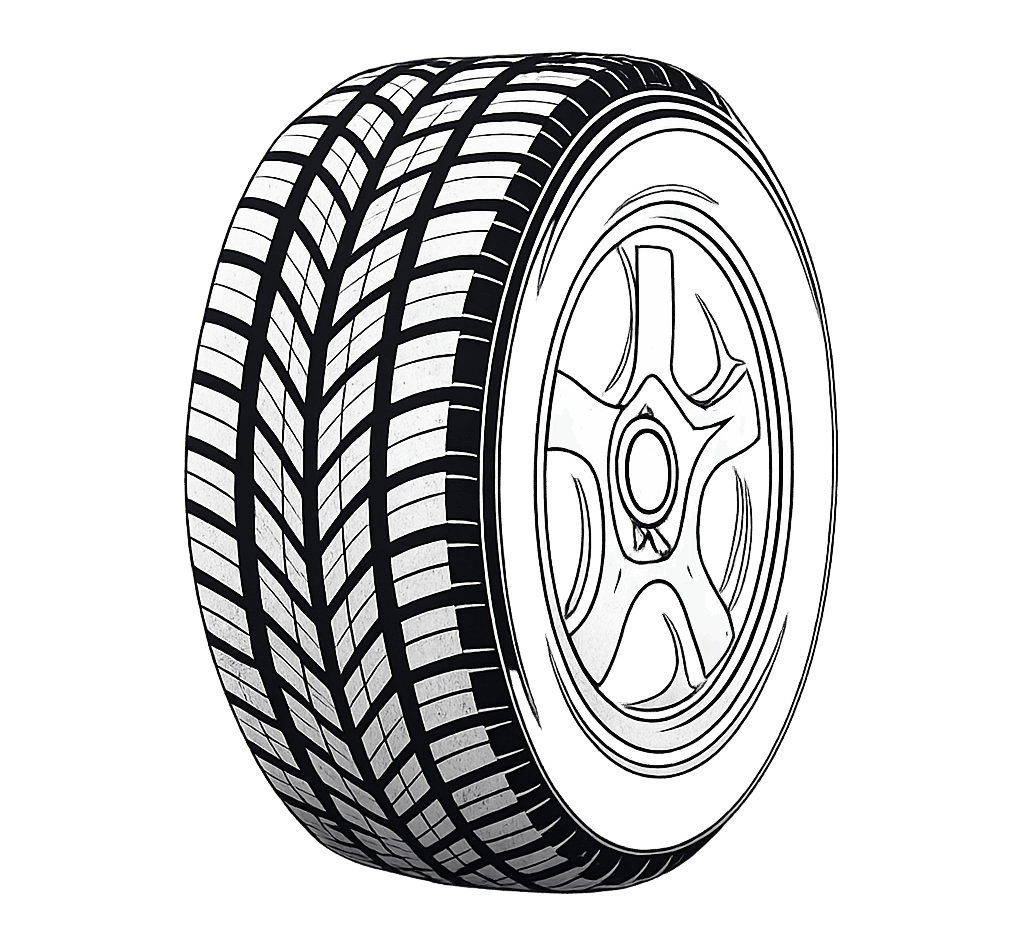

Continental CrossContact LX25 Review 2026
Looking for a quiet, long-lasting SUV tire that can handle everyday driving in all seasons? Choosing the right tire can feel overwhelming with so many options on the market. That’s where the Continental CrossContact LX25 comes in.
In this Continental CrossContact LX25 review, we’ll break down everything you need to know—from ride comfort and wet-road performance to tread life, fuel efficiency, and warranty coverage. If you’re an SUV or crossover owner who wants a tire that delivers comfort, durability, and reliable all-season performance, this guide will help you decide whether the LX25 is the right choice for your vehicle.
By the end of this review, you’ll have a clear picture of what to expect behind the wheel, helping you make a confident, informed tire purchase.
Quick Continental CrossContact LX25 Overview
| Feature | Details |
| Tire Type | All-season touring |
| Vehicle Type | SUVs, crossovers, light trucks |
| Warranty | Up to 70,000 miles |
| Key Strengths | Quiet ride, long tread life, good wet performance |
| Best For | Highway drivers & daily commuters |

Continental CrossContact LX25
Pros and Cons of Continental CrossContact LX25
Like any tire, the CrossContact LX25 has its strengths and limitations.
This honest assessment helps you understand who will benefit most from this tire—and who may want to consider alternatives.

Key Features and Technologies Explained
To understand what makes the LX25 different from other all‑season tires, let’s look at the main technologies Continental builds into it:
EcoPlus Technology: This is a compound and design approach that helps the tire use less fuel, improve wet stopping distances, and extend tread life.
In simple terms, it means Continental has tuned the rubber and tread so the tire rolls more efficiently and wears more evenly.
Quiet and Comfortable Ride: Continuous circumferential ribs and internal comfort layers help absorb road vibrations, which translates to lower noise on highways and a smoother feel overall.
QuickView Indicators: Visual markers in the tread tell you when the tire’s performance in dry, wet, or snowy conditions may be declining as the tread wears down.
Responsive Handling: The tire is engineered with grooves and tread patterns that balance comfort with the ability to handle turns confidently without feeling too soft or mushy.
Dry Road Performance
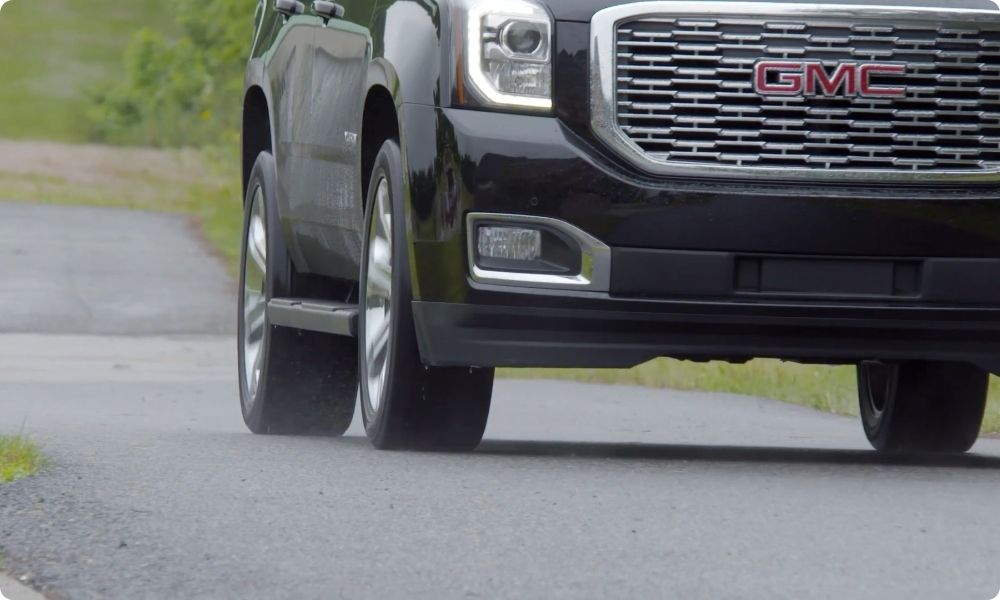
On dry roads, the CrossContact LX25 is meant to feel calm and easy to drive. Continental describes it as a premium all-season touring tire for crossovers and SUVs with “responsive handling,” which means the tire should react in a predictable way when you turn the wheel. In normal driving, that usually feels steady rather than sporty.
For everyday commuting, that is the kind of behavior most drivers want. The tire is built for regular use, so it should feel stable in stop-and-go traffic, smooth on city streets, and easy to live with on long drives. The official page also highlights low road noise, which adds to the relaxed feel you notice behind the wheel.
At highway speeds, the main thing you should notice is confidence. A good touring tire should hold its line without feeling nervous, and Continental’s focus on responsive handling suggests the LX25 is tuned for that kind of settled, easygoing feel. It is made for comfort and control, not sharp performance driving, so the experience should be more about stability than aggressive cornering. That is a fair tradeoff for most SUV and crossover owners.
Braking on dry pavement should also feel reassuring in normal driving. Continental says EcoPlus Technology helps improve wet stopping, but the tire’s overall touring design and responsive handling point to a tire that is meant to feel controlled and predictable in everyday stops as well. In plain terms, it should do its job without drama, which is exactly what many family and commuter drivers want.

Wet Road Performance
This is where the CrossContact LX25 really matters most. Dry driving is easy for almost any tire, but rain is where you start to see the difference between average and reliable.
Continental puts a lot of focus on wet braking with this tire. In simple terms, that means when you press the brake on a rainy road, the tire is designed to slow down without sliding. In real driving, this gives you more confidence when traffic suddenly stops or when you need to brake at a signal in the rain.
The tire also does a good job of pushing water away from the road surface. That helps reduce the risk of hydroplaning, which is when your tire loses contact with the road and starts to glide on water. You won’t completely eliminate that risk—no tire can—but this one is built to handle typical rainy conditions better than basic all-season options.
On the highway, the difference becomes more noticeable. Some tires feel a bit “light” or unstable when driving through standing water. This one is designed to stay more planted, so the car feels steady instead of nervous. That makes long drives in the rain less stressful.
That said, it’s still important to be realistic. This is not a high-performance rain tire, and it won’t perform miracles in heavy storms or deep water. You still need to slow down and drive carefully.
The key takeaway is simple: wet-road performance is not just a feature—it’s a safety factor. Marketing claims sound nice, but what really matters is how the tire behaves when you need to stop quickly in the rain. In that situation, the CrossContact LX25 is built to give you a bit more control and peace of mind, which is exactly what most everyday drivers are looking for.
Snow and Cold-Weather Use
This is an all-season touring tire, not a winter tire. Continental says the CrossContact LX25 is designed for year-round traction on crossovers and SUVs, which means it is built to handle normal seasonal changes, not severe winter weather.
In light snow, it can be a reasonable option for drivers who only see occasional flurries or brief winter road coverage. Tire Rack notes that all-season tires may be enough in areas that get occasional light snow, but that is very different from real winter conditions.
Where this tire starts to fall short is deep snow, packed snow, slush, and icy roads. Continental explains that winter tires are the ones made for snow, ice, slush, and cold temperatures, and that winter tires stay more flexible in those conditions.
That is the key buying decision here. If you live where winter is mild, the CrossContact LX25 can be a sensible everyday tire. If your area gets frequent storms, freezing roads, or long stretches of snow and ice, this is not the right tire for the job. A dedicated winter tire would be the safer choice.
The simplest way to think about it is this: the CrossContact LX25 is built for normal driving in changing weather, not for harsh winter use. That makes it a solid fit for many drivers, but it is worth skipping if winter is a major part of your climate.
Ride Comfort and Road Noise
The CrossContact LX25 is designed to feel calm and easy to live with on the road. Continental lists low road noise as one of its main strengths, so this is the kind of tire that should feel more relaxed than loud or busy on everyday drives.
On normal pavement, the cabin should stay fairly quiet. You are less likely to hear a constant hum or rough tire sound building up as speed increases. That matters more than many drivers realize, because tire noise can make a car feel tiring on long trips even if everything else is working well.
Over expansion joints, patched roads, and rougher asphalt, the LX25 is aimed at comfort rather than stiffness. In plain terms, it should take some of the sharpness out of those little bumps instead of sending every hit straight into the cabin. You should still feel the road, but not in a harsh way. The tire is also marketed as a premium all-season touring tire with responsive handling, which fits that balanced, everyday driving feel.
For long highway drives, this kind of setup usually works well. A quiet touring tire can make a big difference when you are driving for hours, especially in an SUV or crossover where cabin noise can build up fast. The LX25 is clearly aimed at that kind of use.
The main tradeoff is that comfort-focused tires are not usually the sharpest or sportiest-feeling tires on the market. That is not a flaw here; it is the design choice. The CrossContact LX25 is meant to feel refined and easygoing, not harsh or aggressive. For most daily drivers, that is exactly the point.
Fuel Efficiency and EV-Friendliness
The CrossContact LX25 is designed with EcoPlus Technology, and Continental says this helps with fuel savings and optimized range. In plain terms, that means the tire is meant to take less effort to roll down the road, which can help your vehicle use fuel a little more efficiently. For electric vehicles, that same idea can also help preserve driving range.
That does not mean you will suddenly see a huge jump in mileage or battery range. Tire efficiency usually helps in a quiet, gradual way over time. Still, if you drive often, even a small improvement can matter because it may reduce operating costs a little bit at each fill-up or charge.
The good part is that this focus on efficiency does not appear to come at the cost of the main things most drivers care about. Continental also says the tire is built for shorter stopping distances on wet roads, extended tread life, low road noise, and responsive handling.
That suggests the LX25 is meant to be a practical tire for drivers who want lower running costs without giving up everyday comfort. The brand also lists it as a fit for electric vehicles, and says its product lines are designed with EVs in mind.
For drivers who care about cost per mile, this is a smart-looking choice. It is not a race-style tire, and it is not trying to be the most aggressive option on the market. Instead, it is built for people who want a calm, efficient tire that keeps day-to-day driving costs under control.
Tread Life and Durability
Continental positions the CrossContact LX25 as a tire built for long life. On its official page, Continental says it offers “best-in-class tread life” and uses EcoPlus Technology to help extend tread life. It also comes with an up to 70,000-mile limited warranty, which tells you the tire is meant for drivers who want strong long-term value, not just short-term performance.
That said, a mileage warranty is only part of the story. It is a good sign, but it does not guarantee that every driver will get the same result. How long the tire lasts depends a lot on how the vehicle is used day to day. Smooth highway driving is easier on tires than hard braking, fast cornering, or lots of stop-and-go city driving.
Basic maintenance matters too. Tire life can drop faster if the wheels are out of alignment, if the tires are underinflated, or if they are not rotated on time. In plain language, even a strong tire will wear out early if the car is not being maintained properly. The warranty does not replace that upkeep.
A good way to think about the LX25 is this: the warranty gives you confidence, but your driving habits decide how much of that promise you actually get to enjoy. If you drive calmly, keep the tires properly inflated, and stay on top of rotations, this tire should have a much better chance of living up to its long-life reputation.
Real User Experience
When you look at what real drivers are saying about the Continental CrossContact LX25, a clear picture starts to form. Based on user reviews and forum discussions, many owners report that this tire delivers exactly what most everyday drivers want: a quiet, smooth ride with solid grip and confidence on dry and wet roads. Some describe it as feeling “like gliding” and note that the ride quality improves over stock tires on their SUV or crossover.
A common positive theme from real drivers is the low noise and refined feel. Several users say that the tire feels comfortable even on longer highway trips or mixed road conditions, which matches up with independent review data showing high comfort and noise scores compared to similar tires.
Many drivers also see good long-term value. Owners with thousands of miles on the LX25 often mention that the tire continues to feel solid as it wears, and they appreciate higher tread life when routine maintenance like rotation and alignment is followed.
On the flip side, some users have reported issues when the tires are used aggressively or without careful maintenance. A few forum comments reflect faster-than-expected wear or vibrations, especially if alignment or balancing wasn’t quite right. Others mention that in certain driving scenarios—like heavy city traffic or deep snow—the tire’s limits become noticeable sooner.
Overall, based on user reviews and forums, the LX25 tends to satisfy most drivers who buy it for daily commuting and highway use, offering comfort and quietness that many find worth the price. But like any tire, the experience can vary depending on how the vehicle is driven and how well the tires are cared for.
Comparison With Competitors
Pirelli Scorpion WeatherActive
The Pirelli Scorpion WeatherActive is built for drivers who want strong all‑weather performance, including better grip in rain and even snow compared with most all‑season tires. It carries a 3‑Peak Mountain Snowflake rating, meaning it’s designed to handle snowy and cold conditions more confidently than typical touring tires.
Tests and user ratings show it scores very well for dry, wet, and even ice traction, with smooth ride quality and low noise levels overall. This makes it a good choice if you want a tire that feels confident in a wider range of weather, year‑round.
Pirelli Scorpion AS Plus 3
The Pirelli Scorpion AS Plus 3 is another popular all‑season touring tire for SUVs and crossovers. It tends to offer excellent dry traction, reassuring wet performance, and a comfortable ride, often with a slightly quieter feel compared to some competitors.
Many testers and reviews consider it a strong everyday tire for drivers who want grip and comfort without leaning toward sporty performance. However, like most all‑season tires, it still isn’t as capable as dedicated winter tires in deep snow.
Michelin Defender LTX M/S
The Michelin Defender LTX M/S is known for its long tread life and smooth daily driving experience. Owner reviews highlight good overall grip in dry and wet conditions, quiet highway manners, and solid light‑snow traction for an all‑season tire.
Many people also note that these tires can last a long time with proper care, which makes them a smart choice if you want high mileage plus comfort. Some drivers say ride quality and durability stand out more than aggressive handling or sportier traits.
Read More: Continental CrossContact LX20 Review
Who Should Buy Continental CrossContact LX25 Tire?
The CrossContact LX25 is a good fit for drivers who spend a lot of time on the road and want a tire that is quiet, comfortable, and long-lasting. If you have an SUV or crossover and mostly drive on city streets or highways, this tire is designed to make daily commuting and long trips smoother and more predictable.
It’s also a smart choice for people who care about safety in wet conditions. With its wet braking and hydroplaning resistance, it gives extra confidence in rain, which is helpful for families or anyone driving in regions with frequent showers.
On the other hand, this tire is not for extreme winter conditions or off-road adventures. If you live somewhere with heavy snow or icy roads, you would still need a dedicated winter tire. Similarly, performance drivers looking for aggressive handling or sporty cornering might find it too soft.
In short, the LX25 is ideal for everyday drivers who want comfort, quiet, and long-term reliability, rather than extreme performance or off-road capability.
Who Should Avoid Continental CrossContact LX25 Tire?
The CrossContact LX25 is not the best choice for drivers who face harsh winter conditions. If your area sees heavy snow, ice, or long, cold winters, this all-season tire won’t provide the same grip and control as a dedicated winter tire.
It’s also not ideal for off-road adventures. The tire is built for comfort and highway performance, so rough trails, deep mud, or rocks can wear it faster and reduce its lifespan.
Finally, if you’re a performance-focused driver who enjoys sharp cornering, high-speed handling, or sporty driving, this tire may feel too soft or relaxed. It’s designed more for everyday reliability than aggressive performance.
In short, avoid the LX25 if you need extreme winter traction, off-road capability, or a sporty driving experience.
Price & Value for Money
The Continental CrossContact LX25 is positioned as a premium all-season tire, so the upfront cost is higher than budget options. Depending on your SUV or crossover size, you can generally expect to pay around $170 to $250 per tire, though prices vary by retailer and region.
While that might feel expensive at first, the tire’s long lifespan and performance can make it a better value over time. With proper maintenance, you could get 50,000 to 70,000 miles from these tires. That means the cost per mile often ends up lower than cheaper tires that wear out faster or compromise on comfort and wet-road performance.
In short, the higher upfront cost is offset by long-term reliability, safety, and comfort. For daily commuters and families who spend a lot of time on the road, the CrossContact LX25 can be a smart investment compared with replacing a cheaper tire multiple times.
Warranty and Protection Benefits
Continental makes it easy to understand what kind of protection comes with the CrossContact LX25. The tire comes with a limited 70,000-mile warranty, which shows the company expects it to last a long time under normal driving. That’s a helpful benchmark, but it doesn’t replace good tire care like regular rotation, proper inflation, and alignment.
On top of that, Continental offers a 60-day trial period. If you’re not happy with the ride or performance during that time, you may be able to return or exchange the tires. There’s also three years of roadside assistance, which can help if you get a flat or run into trouble on the road. Additionally, a 12-month road hazard coverage protects against certain damage from potholes, nails, or other common hazards.
All of these benefits are part of Continental’s broader Total Confidence Plan. In simple terms, this program gives extra peace of mind. For example, if a tire has an eligible defect in the first 12 months, it may be replaced for free. Some replacement tires are covered up to 80,000 miles, depending on the model. Registered tires also get roadside assistance and trip interruption coverage, so you’re not left stranded during travel.
Overall, this warranty and protection setup makes it easier to feel confident about buying the CrossContact LX25. While it won’t cover every scenario, it adds tangible value for drivers who want reliability and support beyond just the tire itself.
Read More: Continental ContiProContact Review
Final Verdict: Is It Worth It?
The Continental CrossContact LX25 is a strong all‑season touring tire that delivers comfort, wet traction, and long‑lasting tread life. It’s not the best choice for extreme winter conditions or performance racing, but for most drivers who use their SUV in everyday environments, it offers excellent value, a smooth ride, and confident handling.
If your priorities are daily comfort, long mileage, and reliable all‑season performance, the LX25 should definitely be on your shortlist.
FAQ
Is the CrossContact LX25 good in snow?
It performs well in light snow but is not intended for severe winter conditions.
How long does it last?
Expect 50,000–70,000 miles depending on driving style and road conditions.
Is it better than Michelin Defender LTX M/S?
It matches or exceeds comfort and wet performance but has slightly less snow traction.
Is it noisy?
No, it’s one of the quietest SUV tires in its class.
Is it suitable for highway driving?
Yes, it’s ideal for long highway trips and daily commuting.
