Milestar Tires Review: Are They Actually Worth Buying in 2026?
Milestar tires often show up when you’re trying to stretch your budget without giving up too much performance. The real question most drivers have is simple: are they actually good enough for daily driving, highway use, and the occasional rough road, or are you better off spending more elsewhere?
That matters because your tires affect everything you feel behind the wheel—braking distance, control in rain, comfort on long trips, and even how safe you feel when the road conditions change quickly. A cheaper set can look like a smart deal, but only if it performs where it counts.
This Milestar tires review breaks down how they behave in real driving situations so you can decide if they fit your needs or if another option makes more sense for your vehicle and driving style.
Who Makes Milestar Tires?
Milestar is owned and marketed by Tireco, Inc., a U.S.-based company founded in 1972 and headquartered in Gardena, California. Tireco describes Milestar as one of its brand lines for passenger, light truck, and commercial tires.
Are Milestar Tires Made in China?
In many cases, yes — but not always. Public sources link Milestar production to Nankang Rubber Tire, and Nankang says it has manufacturing in Taiwan and China. That means the exact factory can vary by tire model and size, so it is best to check the sidewall or product listing for the specific tire you are buying.
Quality Control and Certifications
Nankang’s official history page shows long-running quality systems, including ISO 9001 and ISO/TS 16949 certifications. That does not make every tire perfect, but it does show the brand works within formal manufacturing standards.
Is Milestar a Reputable Tire Brand?
Milestar is generally seen as a value-focused brand, not a premium one. It has a solid presence in the replacement tire market, and retailers commonly describe it as a budget-friendly option for drivers who want decent performance without paying top-tier prices. The tradeoff is that it is usually not the first choice for buyers who want the quietest ride, the longest tread life, or the strongest wet-weather performance.
In simple terms, Milestar is a real, established brand with a clear market role: it aims to give drivers affordable tires with acceptable everyday performance. That makes it worth considering, as long as you buy the right model for your driving needs.

Milestar Tire Lineup Overview
Patagonia M/T
Patagonia M/T is Milestar’s heavy-duty off-road tire. Milestar says it is built for maximum traction on rocks, mud, sand, snow, and trail use, so it fits best on light trucks and SUVs that leave pavement often.
Patagonia A/T R
Patagonia A/T R is the more balanced option. Milestar describes it as a tire that blends on-road manners with off-road toughness, which makes it a better fit for drivers who split time between highways and dirt roads.
Weatherguard Series
The Weatherguard line is aimed at passenger cars and CUVs. AS710 Sport focuses on quiet, comfortable all-season driving, while AW365 adds all-weather performance and a 3PMS snow rating for colder conditions.
Streetsteel Series
Streetsteel is Milestar’s style-first performance tire. It is designed for muscle cars, hot rods, custom street rods, and classic cars, with a vintage look and modern tread design.
Which Milestar Tire Is Most Popular?
I could not verify public sales numbers, so any popularity claim has to be an informed guess. Based on Milestar’s own site, Patagonia gets the most attention because it is the brand’s off-road flagship and is featured heavily across the lineup.
Customer interest also seems split by need. Off-road buyers often talk about Patagonia models, while daily drivers lean toward Weatherguard and MS775-style tires for comfort, wet traction, and everyday use. That pattern shows up in Milestar’s own review pages and product focus.
How We Evaluated Milestar Tires
This review is based on a combination of manufacturer information, real owner feedback, industry data, and expert analysis. The goal was not to focus on marketing claims but to understand how Milestar tires perform in everyday use.
We looked at the areas that matter most to tire buyers:
- Dry-road traction
- Wet-road traction
- Snow performance
- Ride comfort
- Road noise
- Tread life
- Durability
- Warranty coverage
- Overall value for the money
To build a balanced review, we compared official specifications with real-world ownership experiences. This helps identify where a tire performs as expected and where owners have reported strengths or weaknesses over time.
We also reviewed customer feedback from multiple sources to find recurring patterns rather than relying on a small number of opinions. Consistent praise or complaints were given more weight than isolated comments.
Industry testing data and tire expert evaluations were used whenever available to provide additional context and help compare Milestar with competing brands.
No single tire is perfect for every driver. That is why this review focuses on overall value, real-world performance, and long-term ownership experience rather than looking at any one feature in isolation.
Milestar Tires Performance Review
Dry Road Performance
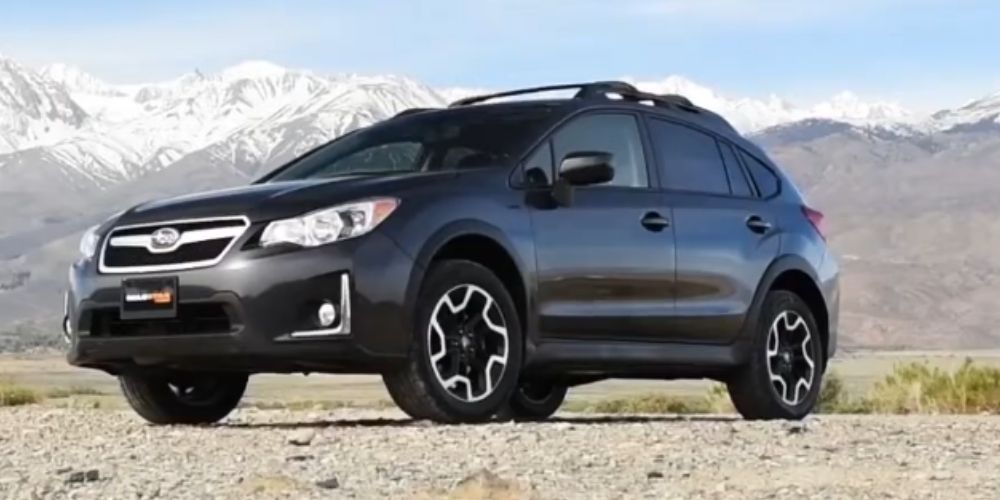
Milestar tires perform well in normal dry-road driving. The steering feels predictable, making it easy to keep the vehicle pointed where you want it to go. For daily commuting and highway travel, they provide a confident driving experience.
At highway speeds, the tires remain stable and do a good job of tracking straight. The vehicle feels planted on the road, even during long trips. Most drivers are unlikely to notice any major issues during everyday use.
When taking corners, grip is generally good for a budget-friendly tire. The tires hold the road well during routine turns, though they may not feel as precise as some premium brands when pushed harder.
During sudden lane changes or emergency maneuvers, Milestar tires respond reasonably well and maintain control in most situations. However, the steering can feel slightly less sharp than higher-priced competitors, especially on performance-oriented vehicles.
Overall, dry-road performance is one of Milestar’s stronger areas. For drivers looking for dependable everyday handling without spending premium-brand money, they offer solid value.
Wet Road Performance
Milestar tires provide acceptable wet-road performance for everyday driving. In light to moderate rain, they maintain good contact with the road and feel predictable behind the wheel.
When driving through standing water, most Milestar models do a reasonable job of resisting hydroplaning. However, like many budget-focused tires, they are not as confidence-inspiring as some premium competitors during heavy downpours or at higher speeds.
Wet braking performance is generally decent. The tires stop safely in normal conditions, but stopping distances may be slightly longer on very wet roads compared to higher-end brands. Leaving extra space between vehicles is always a good idea.
Cornering grip remains stable in the rain during regular driving. The tires hold their line well through gentle and moderate turns, although aggressive cornering can reveal some loss of grip sooner than premium options.
Overall, Milestar tires offer enough wet-weather performance for most drivers. They handle rainy conditions competently, but drivers who frequently face heavy rain may notice the benefits of more expensive tires with stronger wet-road traction.
Snow and Winter Performance
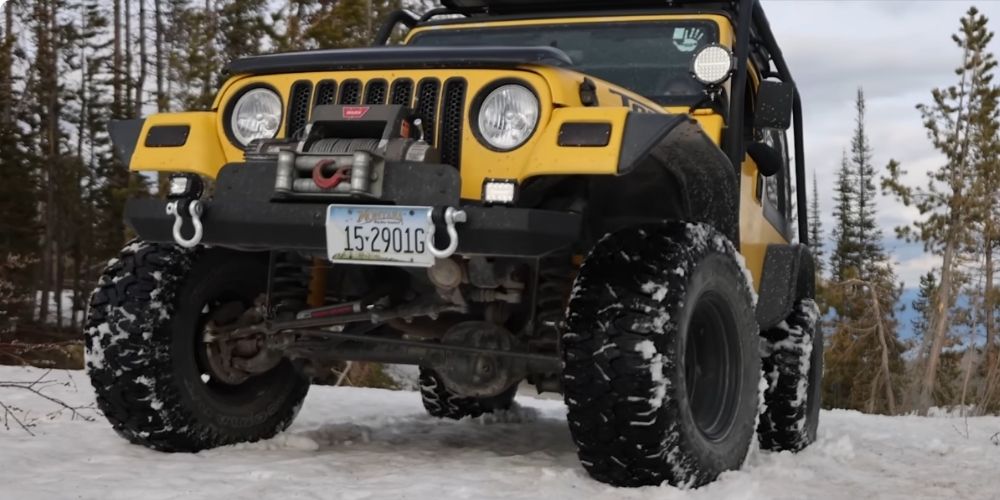
Milestar tires can handle light snow reasonably well, especially all-terrain and all-weather models. They provide enough traction for occasional winter driving and can manage snow-covered roads when driven carefully.
Performance becomes more limited on packed snow and icy surfaces. Like many standard all-season tires, grip decreases as roads become colder and more slippery. Drivers may notice longer stopping distances and reduced confidence during sudden turns or braking.
Ice is where Milestar tires face their biggest challenge. They can still be driven safely with caution, but they are not designed to deliver the same level of control as dedicated winter tires.
If you regularly deal with heavy snow, freezing temperatures, or icy roads, a true winter tire is the better choice. Winter tires use special rubber compounds and tread patterns that stay flexible in cold weather, helping improve traction, braking, and overall control.
For drivers who only see occasional light snow, many Milestar tires provide enough winter capability. For harsh winter conditions, switching to dedicated winter tires is the safer option.
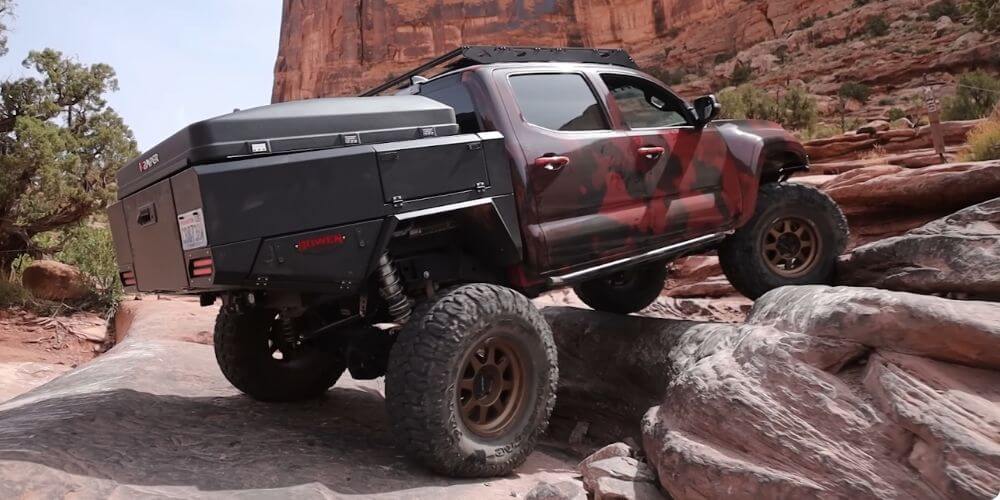
Off-Road Performance
Mud
Milestar tires can handle light mud, especially on all-terrain models with open tread patterns. They clear mud fairly well at first, but in deep or sticky mud they can lose grip faster than more aggressive off-road tires.
Self-cleaning is decent, which helps the tread stay useful as you drive through soft ground. Still, these tires are better for occasional muddy trails than serious mud work.
Sand
In sand, Milestar tires do best when the vehicle can stay moving smoothly. They are not built for extreme desert use, but they can work fine on beach roads or light sandy trails.
Airing them down can help improve traction and reduce sinking, but the results depend a lot on the tire model and vehicle weight. They are capable, just not the first choice for deep sand.
Rocks
On rocks, the main concern is sidewall protection. Milestar tires can manage rough trails, but they are not as tough as premium off-road tires made for heavy rock use.
For mild rock crawling and uneven trails, they hold up well enough. For sharp rocks, serious trail damage, or frequent off-road abuse, durability becomes more of a concern.
Gravel Roads
This is where Milestar tires often feel most at home. They stay stable on loose gravel and give drivers a controlled, confident ride on back roads and work routes.
Puncture resistance is fair for normal use, but not bulletproof. Small stones and rough edges are usually fine, though drivers who spend a lot of time on sharp gravel should still watch tire pressure and tread wear closely.
Ride Comfort
Milestar tires offer a comfortable ride for everyday driving. They do a decent job of softening small bumps, cracks, and uneven pavement, helping the vehicle feel smooth during daily commutes.
Around town, the ride feels relaxed and predictable. Most drivers will find them comfortable enough for running errands, commuting to work, or taking short road trips.
On the highway, Milestar tires remain reasonably comfortable over long distances. They absorb most road imperfections well, reducing driver fatigue during extended drives.
That said, comfort can vary by tire model. More aggressive all-terrain and mud-terrain tires tend to feel firmer and transmit more road texture into the cabin. Drivers looking for the smoothest possible ride may still notice a difference compared to premium touring tires.
Overall, ride comfort is one of Milestar’s strengths, especially considering the price. For most drivers, they provide a pleasant and comfortable driving experience without a premium cost.
Road Noise
When new, most Milestar tires are fairly quiet for their price range. Everyday driving feels comfortable, and tire noise is usually not noticeable unless you’re paying close attention.
On the highway, noise levels remain reasonable. Conversation, music, and phone calls are rarely affected, making long trips more enjoyable.
As the tires wear down, some drivers report an increase in road noise. This is especially true with all-terrain and mud-terrain models, which naturally produce more sound than standard highway tires.
The increase is usually gradual rather than sudden. While the noise can become more noticeable over time, it is not a major issue for most drivers.
Overall, Milestar tires strike a good balance between performance and comfort. They may not be the quietest tires on the market, but for everyday use, road noise is generally well controlled.
Tread Life and Durability
Milestar tire life varies by model, but many of the brand’s popular passenger and light truck tires carry a 50,000-mile limited warranty, while the MS932 Sport is listed at 50K/60K miles depending on speed rating. The Standard Limited Mileage Warranty also says the tire must wear evenly across the tread to qualify.
In real use, that means some drivers will get close to the warranty mileage, while others may see less. Tires used mostly on smooth roads usually last longer than tires used on rough pavement, heavy loads, or frequent off-road trips.
The longest-wearing Milestar models are usually the more road-focused ones, such as the Interceptor AS810, WeatherGuard AW365, and Patagonia A/T R. More aggressive tires can still hold up well, but they are built more for traction than maximum tread life.
After about 20,000 miles, a well-kept set should still feel solid, with only normal wear showing. By 40,000 miles, the tread may be noticeably lower, and noise or grip can start to change depending on the model and how it has been driven.
Durability is generally fair for the price. Sidewalls and tread hold up well in normal use, and several Milestar passenger and light truck tires are also covered by a road hazard program for cuts, punctures, bruises, and impact damage on eligible models. That adds some peace of mind, especially for daily driving and light truck use.
The main takeaway is simple: Milestar tires can offer good life for the money, but the exact result depends a lot on the model you buy. Road-focused tires usually last longer, while off-road-style tires trade some tread life for grip and toughness.
Milestar Tire Warranty Explained
Milestar’s warranty setup has two main parts. The base Tireco warranty says the tire is covered against defects in materials and workmanship, and Milestar’s mileage warranty adds treadwear coverage on select passenger and light truck lines for up to five years from installation, depending on the model.
What is covered?
If a tire has a real manufacturing defect, Tireco can offer an adjustment after inspection. Milestar also offers treadwear coverage on eligible models, and some tires get extra programs like the 30-day ride guarantee and road-hazard replacement for damage from cuts, punctures, bruises, tears, and impact breaks.
What is not covered?
The warranty does not cover normal road damage, misuse, improper inflation, bad installation, overloading, alignment problems, off-road abuse, racing, spinning, drifting, or worn tires that have reached 2/32 inch of tread. The road-hazard program also excludes repairable punctures, theft, vandalism, fire, accident damage, and off-road use.
How does it compare?
Milestar’s coverage is in the same general category as other mainstream tire brands: limited treadwear protection, proof-of-purchase rules, and many exclusions for misuse. Cooper’s standard warranty also ends at 2/32 inch of wear, and Falken offers limited tread-life warranties on select models, with some reaching 65,000 to 80,000 miles. The key point is to compare the exact tire model, not just the brand name.
Real Customer Reviews and Owner Feedback
Across the review pages I checked, the same positives show up again and again: good value, decent tread life, and a look that many truck and SUV owners really like. Some buyers also say Milestar tires balance well and feel smoother than they expected for the price.
The most common complaints are also pretty consistent. Road noise comes up often, especially on more aggressive models, and wet-road confidence is not always as strong as premium brands. A few owners also report balancing or fitment problems, but those comments appear alongside many good reviews, so they do not seem to happen with every tire.
What stands out most is the pattern: Milestar usually wins on price, style, and everyday usefulness. Owners who want a budget tire with decent real-world performance tend to be happy, while drivers who expect very quiet, top-tier wet-weather handling are more likely to notice the limits.
In short, the feedback is mixed in a normal way, not a red-flag way. The praise is repeated enough to look real, and the complaints are specific enough to help buyers choose the right model for their driving needs.
Milestar Tires Pros and Cons
No tire is perfect, and Milestar is no exception. The brand offers a lot for the money, but there are a few trade-offs buyers should understand before making a decision.
Pros
- Affordable compared to many well-known tire brands.
- Good overall value for drivers on a budget.
- Strong off-road performance from models like the Patagonia series.
- Aggressive tread designs give trucks and SUVs a rugged look.
- Solid durability for everyday driving and light off-road use.
- Available in a wide range of sizes and applications.
Cons
- Wet-road grip is good but not among the best in the industry.
- Some models become noisier as they wear.
- Ride quality can be firmer on aggressive off-road tires.
- Fewer dealer and service locations than major premium brands.
- Performance-focused drivers may find steering less precise than premium alternatives.
Overall, Milestar’s strengths outweigh its weaknesses for many buyers. If your priority is getting dependable performance at a reasonable price, the brand offers strong value.
Milestar Tires vs Competitors
Milestar vs BFGoodrich
BFGoodrich is generally the stronger performer, especially in demanding off-road conditions. It often delivers better traction, longer tread life, and a more refined driving experience.
The biggest advantage for Milestar is price. You can often save a significant amount of money while still getting capable off-road performance. If value is your priority, Milestar makes a strong case. If maximum performance is the goal, BFGoodrich usually comes out ahead.
Milestar vs Falken Wildpeak
The Falken Wildpeak lineup is known for its balanced performance. It tends to offer a smoother highway ride, stronger winter traction, and slightly better overall durability.
Milestar remains the more budget-friendly option. For drivers who want solid all-terrain capability at a lower cost, it can be the better value. Drivers who spend a lot of time on highways or in winter weather may prefer Falken.
Milestar vs Toyo Open Country
Toyo Open Country tires are often considered a step above Milestar in build quality and long-term durability. Many drivers report excellent tread life and consistent performance over many years.
Milestar focuses more on affordability. While it may not match Toyo in overall refinement, it delivers much of the same everyday capability at a lower purchase price.
Milestar vs Cooper
Cooper and Milestar are closer competitors because both target drivers looking for good performance without premium-brand pricing.
For daily driving, Cooper generally feels a little more polished and predictable. Milestar’s advantage is cost. Drivers who want to stretch their budget often find Milestar provides comparable everyday performance for less money.
Which Brand Offers the Best Value?
If your goal is getting the highest level of performance regardless of cost, BFGoodrich, Falken, and Toyo are usually stronger choices.
If your goal is getting dependable performance while spending less, Milestar stands out as one of the better values in the budget tire market. It may not win every category, but it often delivers enough performance to justify the savings.
Cost Per Mile Analysis
Many tire buyers focus only on the purchase price. That can be misleading because the cheapest tire is not always the least expensive to own over time.
A better approach is to look at cost per mile. This compares what you pay for a tire with how long it is likely to last. A tire that costs more upfront may actually provide better value if it delivers significantly more miles.
Estimated Cost Per Mile Comparison
| Brand | Typical Purchase Price | Typical Tread Life | Estimated Value |
| Milestar | Low | Moderate to Good | Excellent |
| BFGoodrich | High | Good to Excellent | Good |
| Falken | Medium to High | Good to Excellent | Very Good |
| Toyo | High | Excellent | Very Good |
| Cooper | Medium | Good | Very Good |
These are general comparisons rather than exact numbers. Actual results depend on the tire model, driving style, vehicle, and maintenance.
For drivers looking to spend the least amount of money while still getting dependable performance, Milestar often delivers some of the strongest value in the market. The upfront savings can be substantial, and tread life is usually good enough to keep ownership costs low.
BFGoodrich, Falken, Toyo, and Cooper may offer advantages in areas such as refinement, longevity, or all-weather performance. However, those improvements usually come with a higher purchase price.
When value is measured over the entire life of the tire, Milestar performs surprisingly well. It may not be the top performer in every category, but it often provides the most performance for each dollar spent.
Are Milestar Tires Safe?
For most everyday drivers, Milestar tires are generally safe when they are properly installed, maintained, and used for their intended purpose. They meet the same basic safety standards required for tires sold in the United States and many other markets.
In dry conditions, braking performance is usually dependable. The tires provide predictable stopping power for normal driving and daily commuting, which is where most owners spend their time.
Wet braking is acceptable, but this is one area where premium brands often have an advantage. Milestar tires can handle rainy conditions, but drivers should allow extra stopping distance during heavy rain.
At highway speeds, most Milestar tires feel stable and controlled. The vehicle tracks straight and remains predictable during lane changes and long-distance travel.
The overall construction is solid for a value-focused tire. While they may not use the same premium materials found in top-tier brands, they are designed to handle everyday driving demands safely.
Before buying, it is important to choose the right Milestar model for your vehicle and driving conditions. A tire that works well for a daily commuter may not be the best choice for frequent off-road use, heavy towing, or severe winter weather.
The bottom line is simple: Milestar tires are not usually considered class leaders in safety performance, but they provide a safe and dependable driving experience for most drivers when matched to the right vehicle and conditions.
Who Should Buy Milestar Tires?
Milestar tires make the most sense for drivers who want dependable performance without paying premium-brand prices. They are not designed to be the absolute best in every category, but they offer a strong balance of capability and affordability.
Daily commuters are a good fit. If your driving consists mainly of work, school, errands, and highway travel, Milestar tires provide the comfort and reliability most people need.
Truck and SUV owners can also get good value from the brand, especially those interested in the Patagonia lineup. These tires offer capable off-road performance without the high cost of many well-known competitors.
Weekend off-road enthusiasts are another strong match. If you enjoy occasional trail rides, camping trips, or exploring back roads, Milestar can provide plenty of capability for the money.
Budget-conscious families may find Milestar especially appealing. The lower purchase price makes it easier to replace a full set of tires while still maintaining safe and dependable transportation.
Who Should Avoid Milestar Tires?
Milestar may not be the best choice for drivers who regularly push their vehicles to the limit.
If you tow heavy loads frequently, premium truck tires may offer better long-term durability and stability under constant stress.
Drivers who face severe winter conditions for months at a time may benefit from tires with stronger snow and ice performance.
Those who enjoy spirited driving or own performance vehicles may prefer brands that offer sharper handling and stronger grip at higher speeds.
Commercial fleet operators who put extremely high mileage on their vehicles may also find better long-term value in premium tires designed specifically for heavy-duty use.
For most everyday drivers, Milestar delivers enough performance to get the job done well. The key is understanding your driving needs and choosing a tire that matches them.
FAQs – Milestar Tires Review
1. Are Milestar tires any good?
Yes, Milestar tires are generally good for the price. They offer solid everyday performance, especially for commuting, light trucks, and occasional off-road use. They are not premium-level tires, but they deliver good value for budget buyers.
2. How long do Milestar tires last?
Most Milestar tires can last around 40,000 to 60,000 miles depending on the model and driving habits. Highway driving and proper maintenance help them last longer, while rough roads and heavy use can reduce lifespan.
3. Are Milestar tires good in rain?
Milestar tires perform decently in wet conditions, but they are not the strongest in their class. They handle normal rain well, but drivers may notice reduced grip and longer stopping distance in heavy rain compared to premium brands.
4. Do Milestar tires make a lot of noise?
New Milestar tires are usually fairly quiet, but some models can become noisier as they wear. Off-road and all-terrain versions tend to produce more road noise than standard highway tires.
5. Are Milestar tires safe for highway driving?
Yes, Milestar tires are safe for highway use when properly installed and maintained. They offer stable handling at normal speeds, but they are best suited for everyday driving rather than high-performance or extreme driving conditions.
Conclusion
Milestar tires make the most sense when your main goal is saving money without giving up basic everyday performance. They handle daily driving, light highway use, and occasional rough roads in a way that works well for most normal drivers.
The trade-off is clear. You won’t get the same level of wet grip, refinement, or long-term consistency that you see in higher-priced brands. In some conditions—especially heavy rain or demanding use—you may notice those limits.
If you choose the right model for your driving style, Milestar can be a practical and budget-friendly option. But if you need top performance, maximum comfort, or heavy-duty reliability, it may be worth looking at higher-tier tires instead.
