
Michelin Defender 2 vs CrossClimate 2: Which Tire Is Better for You?
Last updated on June 3rd, 2026
If you are torn between the Michelin Defender 2 vs CrossClimate 2, the real question is not which tire sounds better on paper. It is which one will feel safer, quieter, and more worth the money on the roads you actually drive every day.
The Defender 2 is built for long life, comfort, and easy highway miles. The CrossClimate 2 is built for stronger grip in rain, cold weather, and snow. That difference matters more than most buyers realize, because the wrong choice can mean extra noise, shorter tread life, or less confidence when the weather turns rough.
This comparison will help you sort out the trade-offs in plain English so you can pick the tire that fits your climate, driving style, and budget without second-guessing.
Quick Answer: Michelin Defender 2 or CrossClimate 2?
If you’re in a hurry, here’s the simple version.
Choose Michelin Defender 2 If…
The Defender 2 is the better choice if your priorities are long tread life, everyday comfort, and low ownership costs.
It makes the most sense for drivers who:
- Spend most of their time on highways
- Live in warm or moderate climates
- Rarely encounter snow
- Want the longest possible tire life
- Prioritize a quiet, comfortable ride
For many commuters and long-distance drivers, the Defender 2 delivers exactly what they need without paying extra for winter-focused features.
Choose Michelin CrossClimate 2 If…
The CrossClimate 2 is the better choice if weather conditions change frequently throughout the year.
It’s ideal for drivers who:
- Experience snow every winter
- Drive in heavy rain regularly
- Want extra confidence during cold weather
- Don’t want to switch between summer and winter tires
- Prioritize traction and safety over maximum tread life
For drivers living in four-season climates, the CrossClimate 2 is often one of the most capable year-round tires available.
Michelin Defender 2 vs CrossClimate 2 at a Glance
| Category | Michelin Defender 2 | Michelin CrossClimate 2 |
| Tire Type | Touring All-Season | Premium All-Weather |
| Best For | Tread life and comfort | Year-round traction |
| Snow Rating | Standard All-Season | 3PMSF Certified |
| Dry Traction | Excellent | Excellent |
| Wet Traction | Very Good | Excellent |
| Snow Performance | Fair to Good | Excellent |
| Ice Performance | Limited | Better |
| Ride Comfort | Excellent | Very Good |
| Road Noise | Very Quiet | Quiet |
| Fuel Economy | Slight Advantage | Good |
| Tread Life | Outstanding | Very Good |
| Mileage Warranty | Higher | Lower |
| Winter Capability | Limited | Strong |
| Price | Usually Lower | Usually Higher |
| Overall Strength | Longevity | Four-season versatility |
Understanding the Biggest Difference Between These Tires
Michelin Defender 2 Overview
The Defender 2 is Michelin’s modern standard touring all-season tire. Michelin describes it as a durability-focused tire for sedans, CUVs, SUVs, and trucks, with a quiet, comfortable ride and long-lasting tread life. It is also marked EV Ready, and Michelin says it is designed to handle the weight and torque demands of electric vehicles while helping support range with low rolling resistance.
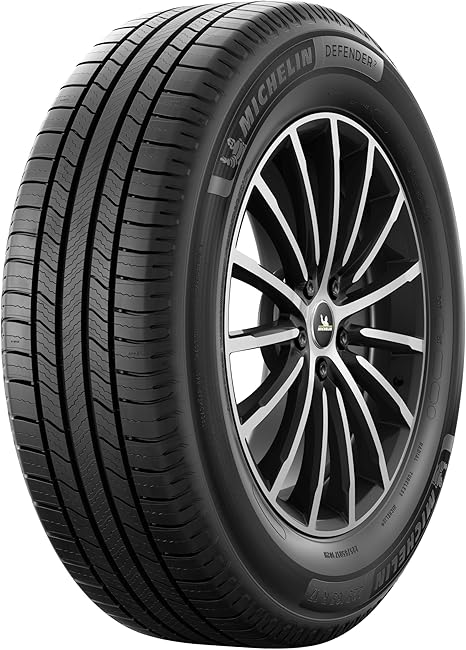
Michelin also says the Defender 2 includes design updates for longer tread life and improved wet braking compared with the original Defender. On its product page, Michelin notes internal testing that showed the Defender 2 outlasted three leading competitive tires by more than 25,000 miles. That is Michelin’s own test claim, but it does reinforce the tire’s main purpose: long wear and steady everyday performance.
Michelin CrossClimate 2 Overview
The CrossClimate 2 is the tire for drivers who want more weather confidence without switching to dedicated winter tires. Michelin calls it an all-season tire designed for every climate condition, with excellent wet and dry braking, 3PMSF certification, and up to one extra year of tread life versus the previous generation’s positioning. Michelin also says it is meant to be a one-tire solution for drivers who experience all four seasons but do not get enough snow to require a dedicated winter tire.

Tire Rack’s product description adds useful context: it classifies the CrossClimate 2 as an all-weather-style tire with a directional V-shaped tread, and it notes that while 3PMSF tires can offer more snow traction than standard all-season tires, they still do not match a true winter tire in severe conditions. That is the key mindset for this tire: it is a strong four-season compromise, not a full winter replacement.
Why This Comparison Is Really About Tread Life vs All-Weather Capability
This is not a “which Michelin is better?” question. It is a “which trade-off fits my life?” question. The Defender 2 is the longer-wear, quieter, more traditional all-season choice. The CrossClimate 2 is the more weather-capable, winter-certified choice. That difference matters more than small differences in tread shape or branding.
Dry Road Performance Comparison
On dry pavement, both tires are strong, but they are aimed at different goals. Michelin says CrossClimate 2 was designed to deliver excellent dry braking and handling, and Tire Rack’s customer survey data gives it very strong dry traction and corner stability scores. The Defender 2 is also built for secure everyday handling, and Michelin emphasizes its predictable, quiet touring feel.
Everyday City Driving
For stop-and-go commuting, either tire works well. The main difference is feel. Defender 2 is the calmer, more comfort-focused tire. CrossClimate 2 feels more like a tire that is always ready for changing weather, even when the roads are dry. If your driving is mostly ordinary dry commuting, Defender 2 is usually the more sensible buy.
Highway Stability and High-Speed Confidence
CrossClimate 2 is built with a directional tread and Michelin says its internal construction adds high-speed stability. Defender 2 also uses reinforced internal construction and a symmetric tread design that helps maintain a stable footprint and predictable handling. In simple terms, both are stable, but CrossClimate 2 is the more aggressive weather-ready design, while Defender 2 is the calmer touring setup.
Emergency Braking Performance
This is where CrossClimate 2 starts to separate itself. Michelin says CrossClimate 2 delivers excellent wet and dry braking, and its own testing notes shorter stopping distances than several leading competitors. Michelin also says Defender 2 improves wet braking versus the original Defender. So both are good, but CrossClimate 2 is the more confident emergency-braking choice if bad weather is a real part of your life.
Which Tire Feels More Responsive?
The CrossClimate 2 generally feels more immediate because of its more performance-oriented tread shape and winter-capable design. The Defender 2 feels smoother and more relaxed. If you want a tire that disappears into the background, Defender 2 wins. If you want a tire that feels more alert when conditions change, CrossClimate 2 wins.
Wet Road Performance Comparison
Wet performance is one of the biggest reasons buyers move from Defender 2 to CrossClimate 2. Michelin says CrossClimate 2 is designed for excellent wet braking, and its customer reviews on Tire Rack show very strong wet traction and hydroplaning resistance scores. Defender 2 also performs well in the wet, with Michelin saying it offers improved wet braking and Tire Rack customers praising its grip and hydroplaning resistance.
Heavy Rain Traction
In heavy rain, CrossClimate 2 has the edge because that tire was built to be the “bad weather” specialist of the two. Michelin’s product page specifically calls out wet braking, and Tire Rack’s survey data gives it 9.4 wet traction and 9.4 hydroplaning resistance. Defender 2 is no slouch, but it is the more traditional touring tire rather than the rain-and-snow specialist.
Wet Braking Distances
Michelin says the CrossClimate 2 can stop shorter than several leading competitors in wet conditions, including when worn. Michelin also says the Defender 2 improved wet braking over its predecessor, which is a helpful upgrade for everyday safety. If wet-road confidence is your top concern, CrossClimate 2 is the stronger buy.
Hydroplaning Resistance
Both tires are designed to move water away from the contact patch, but CrossClimate 2 gets more of Michelin’s wet-weather focus. Tire Rack’s customer data shows a particularly strong hydroplaning score for CrossClimate 2, while Defender 2 is also praised for grip and water control. The real-world difference is that CrossClimate 2 is the more confidence-inspiring tire when the rain gets serious.
Driver Confidence During Storms
If you drive in storms often, CrossClimate 2 is easier to recommend. If you mostly see normal rain and want a quieter, longer-lasting tire, Defender 2 is enough for many drivers. The right answer depends less on “which is better” and more on how often you face tough weather.
Snow and Winter Performance Comparison
This is the most important section in the whole comparison. CrossClimate 2 is the clear winner for snow and winter use because it carries the 3PMSF symbol, which means it meets standardized severe snow service requirements. Michelin says it is designed to stay flexible in lower temperatures and provide strong snow traction. Defender 2 can handle light snow and mild winter use, but it is not designed to play the same role as CrossClimate 2.
Light Snow Performance
Defender 2 can deal with light snow, and Michelin says it is suitable for dry, wet, and light snow conditions. But CrossClimate 2 is built for more serious winter confidence, and Tire Rack’s customer data shows very strong winter and snow traction scores. If your winter is mild and short, Defender 2 may be enough. If winter lasts for months, CrossClimate 2 is the smarter tire.
Deep Snow Capability
CrossClimate 2 is the stronger option in deeper snow because it is designed as a severe snow service tire. Tire Rack’s product notes also explain that it is intended as a one-tire solution for drivers who need all-season usability with extra winter ability. Defender 2 is better thought of as a capable all-season tire, not a snow specialist.
Ice and Slush Performance
CrossClimate 2 has the better case here as well. Tire Rack’s consumer data shows strong winter traction and even solid ice traction scores, though it also notes that no non-winter tire matches a true winter tire in every adverse condition. That is the right way to frame it: CrossClimate 2 is better than Defender 2 in ice and slush, but a dedicated winter tire still wins if your roads stay icy for long periods.
Understanding the 3-Peak Mountain Snowflake Rating
The 3PMSF symbol matters because it signals standardized winter performance, not just manufacturer marketing. Michelin explains that 3PMSF means the tire has met recognized winter service requirements. That is why CrossClimate 2 belongs in a different conversation than a standard all-season tire like Defender 2.
Is CrossClimate 2 a Replacement for Winter Tires?
Sometimes yes, but not always. Michelin says CrossClimate 2 is a strong one-tire solution for drivers who see four seasons but do not get enough snow to require dedicated winter tires. Michelin and Tire Rack both caution that 3PMSF tires are still not equal to true winter tires in severe conditions. If you regularly drive on packed snow, ice, or untreated roads, a winter tire is still the safer answer.
Can Defender 2 Handle Occasional Snow?
Yes, but only in a mild sense. Michelin says Defender 2 is suitable for dry, wet, and light snow conditions. That makes it fine for occasional flurries or short winters, but it is not the tire you buy for repeat snowstorms.
Ride Comfort and Road Noise
This is where Defender 2 often wins for everyday drivers. Michelin promotes it as a quiet and comfortable ride, and Tire Rack customer feedback highlights smooth ride quality and low noise. CrossClimate 2 is also comfortable, but Tire Rack’s review data suggests slightly more road noise even though ride quality remains strong.
Ride Quality on Rough Roads
Defender 2 should be the better pick if your roads are cracked, patched, or full of rough pavement. Michelin specifically markets it around comfort and quietness, which is exactly what many commuters want. CrossClimate 2 still rides well, but the trade-off for its tougher weather capability is a little less refinement.
Highway Comfort During Long Trips
On long highway drives, Defender 2 is the more relaxing tire. Michelin’s own page emphasizes a quiet, comfortable drive, and that matches the kind of feedback long-distance drivers usually want. CrossClimate 2 can still do the job, but it is more likely to make itself noticed.
Road Noise When New
CrossClimate 2 is not loud in the way some aggressive tires are loud, but it does not have the same quiet-first personality as Defender 2. Tire Rack’s consumer summary gives CrossClimate 2 a lower noise score than its traction scores, while Defender 2 receives repeated praise for low noise.
Which Tire Stays Quieter as It Wears?
Defender 2 is the safer bet if quietness over time matters to you. Michelin designed it around longer tread life and a smooth touring feel, which usually helps it stay more settled as miles add up. CrossClimate 2 is built for stronger all-weather performance, so noise can become a little more noticeable to some drivers over time.
Fuel Economy and Rolling Resistance
If fuel economy matters, Defender 2 has the advantage for most drivers. Michelin says the tire delivers better fuel efficiency compared with other long-warranty tires, and its low rolling resistance helps support EV range as well. CrossClimate 2 is efficient for its class, but it is still designed to do more in tougher weather, which usually means a small efficiency trade-off.
Which Tire Is More Efficient?
Defender 2 is the more efficiency-focused choice. That matters if you rack up a lot of miles or drive a hybrid or EV where every bit of range and fuel economy counts. CrossClimate 2 can still be used on EVs and hybrids, but its selling point is safety and year-round traction rather than maximum efficiency.
Potential Impact on MPG
Tire Rack customer feedback for CrossClimate 2 includes some reports of a small MPG drop, while Michelin promotes Defender 2 as a fuel-efficient long-life tire. That does not mean CrossClimate 2 is inefficient, only that buyers who are extremely sensitive to MPG may prefer Defender 2’s more economy-minded design.
What Drivers Can Expect in Real-World Use
For many people, the fuel difference will be smaller than the comfort and safety difference. If you drive mostly in good weather and want maximum efficiency, Defender 2 makes sense. If you drive through harsh weather and want better traction, the extra peace of mind from CrossClimate 2 may be worth more than the small fuel trade-off.
Tread Life, Durability, and Long-Term Ownership
This is one of the strongest arguments for Defender 2. Michelin backs it with a 130,000 km warranty on most sizes, and Michelin says it outlasted three leading competitive tires by more than 25,000 miles in treadwear testing. CrossClimate 2 is also durable and is backed by a 60,000-mile warranty, but the design priority is more balanced across weather conditions than focused purely on maximum longevity.
Mileage Warranty Comparison
Defender 2’s warranty is the longer one by a wide margin. Its 130,000 km coverage on most sizes translates to about 80,778 miles, while CrossClimate 2 is backed by 60,000 miles. If your first question is “which one lasts longer on paper?”, the answer is Defender 2.
Real-World Wear Expectations
Michelin says Defender 2 is engineered to outlast and deliver more tread life, while CrossClimate 2 is designed to maintain performance as it wears. That means both tires are aimed at long ownership, but they get there differently. Defender 2 focuses more on wear life itself; CrossClimate 2 focuses more on keeping safety strong through the tire’s life.
Performance After 30,000 to 50,000 Miles
This is where real-world experience matters. A lot of tires start strong and then lose their edge, but Michelin specifically says CrossClimate 2 is intended to keep delivering strong wet and snow performance even as it wears. Defender 2, meanwhile, is built around long tread life and quiet comfort, which is what makes it the more predictable long-haul choice.
Which Tire Delivers Better Long-Term Value?
Defender 2 usually wins on total cost of ownership because it has the longer warranty and the more mileage-focused design. CrossClimate 2 can still be the better value if winter capability saves you from buying a separate set of snow tires or if you simply value all-weather confidence more than maximum tread life.
Price Comparison and Cost Per Mile Analysis
The price gap between these two tires is often not huge, but the value story is different. In many sizes, CrossClimate 2 can cost a little more because you are paying for the winter-certified design, while Defender 2 usually makes more sense when you look at lifetime miles per dollar. A lower purchase price does not always mean a lower ownership cost, so the warranty length matters.
Initial Purchase Cost
Retail pricing changes by size and store, but competitor listings often show Defender 2 and CrossClimate 2 close together in some popular sizes, with CrossClimate 2 sometimes a touch higher. The important point is not the exact sticker price on one size; it is whether you want to pay for longevity or winter performance.
Lifetime Ownership Cost
If you drive a lot of miles each year, Defender 2 generally offers the better lifetime value because the warranty and tread-life focus are stronger. If your climate forces you to buy more weather-ready tires, CrossClimate 2 can still be the smarter value because it may eliminate the need for a second winter set.
Which Tire Offers Better Value for Money?
For most dry- or mild-weather drivers, Defender 2 is the better value. For drivers in mixed climates who face rain, slush, and winter temps, CrossClimate 2 often delivers better value because it solves more problems in one purchase.
Michelin Defender 2 vs CrossClimate 2 for Different Drivers
Best for Daily Commuters
Defender 2 is the better everyday commuter tire if your routine is mostly dry pavement, normal rain, and long highway miles. It is built for comfort, quietness, and long life, which is exactly what many commuters want.
Best for Highway Drivers
Defender 2 also makes more sense for highway-heavy drivers who value a relaxed ride and lower noise. That long-trip comfort is one of its strongest selling points.
Best for Families
Families often care about comfort, safety, and long wear, and both tires work well. If the family lives in a warm area, Defender 2 is the easy pick. If the family deals with winter weather, CrossClimate 2 gives more peace of mind.
Best for SUV and Crossover Owners
Both tires fit this category well. Defender 2 is better for a soft, quiet, long-wearing setup. CrossClimate 2 is better if the SUV or crossover sees real winter weather or frequent wet roads.
Best for EV Owners
Michelin says both tires are EV Ready, but Defender 2 is more clearly tuned toward efficiency and long tread life, while CrossClimate 2 is more about traction confidence. For many EV drivers, that makes Defender 2 the better default unless winter traction is a major concern.
Best for Drivers in Snow Belt Regions
CrossClimate 2 is the better choice by a clear margin. Its 3PMSF certification, stronger winter focus, and better snow scores make it the right Michelin tire for snow belt drivers who do not want to switch to dedicated winter tires.
Best for Drivers in Warm Climates
Defender 2 is the better fit in warm climates because you are paying for long life, comfort, and efficiency rather than winter capability you may never use. That is where Defender 2’s personality makes the most sense.
Climate-Based Recommendations
Best Choice for Southern and Warm Regions
If you live in places with long hot seasons and only occasional rain, Defender 2 is the smarter buy. You get Michelin comfort, long life, and fuel-conscious design without paying for winter capability you rarely need.
Best Choice for Four-Season Climates
If your weather changes a lot but snow is not constant, CrossClimate 2 is often the better all-around answer. Michelin specifically designed it as a one-tire solution for drivers who see all four seasons but do not need dedicated winter tires.
Best Choice for Frequent Snowfall Areas
If you live where winter is serious, CrossClimate 2 is the minimum Michelin choice I would consider here. If you face a lot of packed snow, untreated roads, or ice, a true winter tire is still better, but CrossClimate 2 is far ahead of Defender 2 for snow use.
Pros and Cons
Michelin Defender 2 Pros and Cons
Pros
- Strong 80,000-mile warranty.
- Quiet, comfortable ride.
- Excellent long-term tread life.
Cons
- Not the strongest option for snow and ice. Tire Rack’s 2025 test placed it at the back of the group in snow performance.
- Less winter confidence than the CrossClimate 2.
Michelin CrossClimate 2 Pros and Cons
Pros
- 3PMSF winter certification.
- Strong wet, dry, snow, and ice performance in Tire Rack testing.
- Good comfort and very strong steering response.
Cons
- Shorter 60,000-mile warranty than Defender 2.
- Can feel a little more active or noisy than a softer touring tire on some roads.
.Who Should Avoid These Tires?
Not every tire is right for every driver.
You should probably avoid the Defender 2 if you live in a region with regular snow, slush, or long periods of freezing weather. It may still work in light winter conditions, but it is not the right answer for serious cold-weather driving.
You should probably avoid the CrossClimate 2 if your main priority is the lowest possible noise, the softest ride, or maximum tread life in a warm climate. In that case, you may be paying for winter ability you do not really need.
That kind of honesty matters because the right tire is not the one with the best marketing. It is the one that fits your real driving life.
Conclusion
The Michelin Defender 2 and Michelin CrossClimate 2 are both excellent tires, but they are built for different drivers.
The Defender 2 is the better choice if you want maximum tread life, a quiet ride, strong highway comfort, and lower long-term cost. It is an especially smart option for warm climates and drivers who do not need winter-grade traction.
The CrossClimate 2 is the better choice if you want a tire that can handle changing weather with much more confidence. It stands out in rain, cold temperatures, and snow, making it one of the best premium all-weather options available.
In the end, the right tire depends on your climate, your daily driving, and how much winter safety matters to you.
If you want the longest-lasting, calmest, most efficient Michelin tire, choose the Defender 2.
If you want the more capable all-weather tire with stronger year-round traction, choose the CrossClimate 2.
Frequently Asked Questions
Is Michelin CrossClimate 2 better than Defender 2?
The CrossClimate 2 is better for drivers who face frequent rain, cold temperatures, or snow. The Defender 2 is better if your priorities are long tread life, ride comfort, and quiet highway driving in mostly mild weather.
Does the Michelin CrossClimate 2 last as long as the Defender 2?
Generally, no. The Defender 2 is designed with tread life as a major focus and typically lasts longer. The CrossClimate 2 trades some longevity for stronger all-weather and winter performance.
Is Michelin Defender 2 good in snow?
The Defender 2 can handle light snow and occasional winter conditions, but it is not designed for regular snow-covered roads. If you experience frequent snowfall, the CrossClimate 2 is the safer and more capable choice.
Which tire is quieter: Michelin Defender 2 or CrossClimate 2?
The Michelin Defender 2 is usually the quieter tire, especially during highway driving. Its touring-focused design helps reduce road noise and provides a smoother, more comfortable ride.
Is the Michelin CrossClimate 2 worth the extra money?
Yes, if you regularly drive in rain, slush, or snow and want added year-round traction without switching to winter tires. For drivers in warm climates with little winter weather, the Defender 2 often delivers better overall value.
