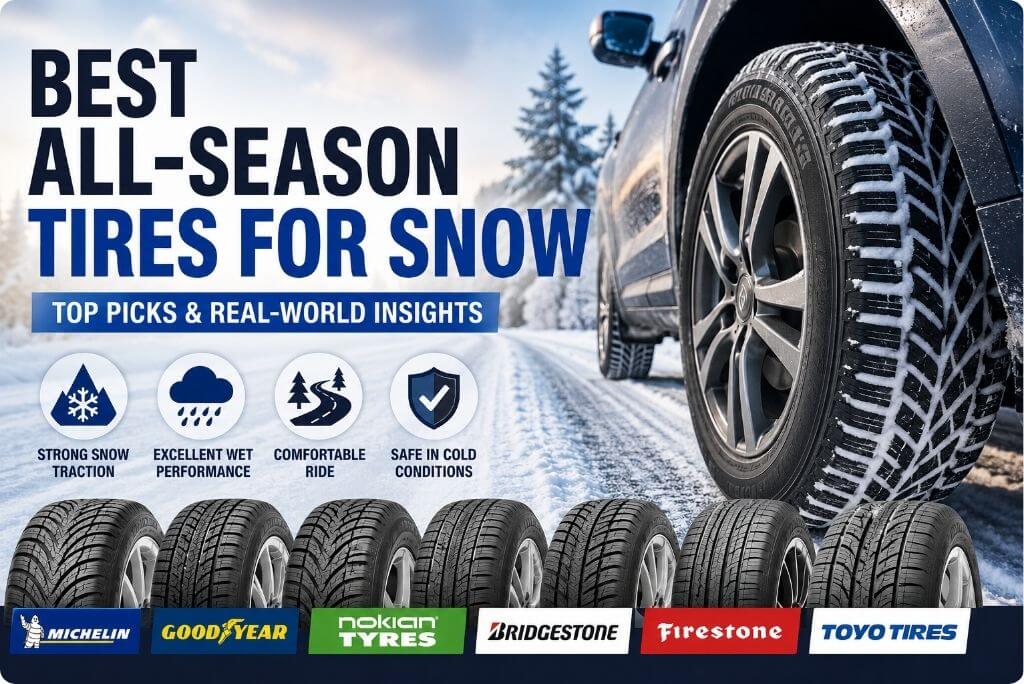
10 Best All Season Tires for Snow in 2026
Many drivers want one tire that can handle everyday driving and still feel safe when winter weather shows up. That is exactly why the search for the best all season tires for snow matters so much. Most people are not looking for a full winter tire setup. They want a tire that can deal with light to moderate snow, cold roads, slush, and wet pavement without forcing them to swap tires twice a year.
That is also why this topic can be confusing. Some tires called “all season” are really just average in snow, while a few all-weather tires are much better in winter than most people expect. The right choice depends on where you live, how often you drive in snow, and how much winter safety matters to you.
If you want the short version, the strongest choices are the Michelin CrossClimate 2, Goodyear Assurance WeatherReady, Nokian WR G4, and Firestone WeatherGrip. But the best tire for you depends on your climate and your vehicle, so it helps to look at the details before buying.
How We Evaluated the Best All Season Tires for Snow
We focused on how each tire behaves in the conditions drivers actually face, not just on paper specs. Snow traction and ice braking mattered most, because that is where a tire either feels secure or nervous. We also looked at slush evacuation and wet-road grip, since many winter drives are a mix of rain, melting snow, and standing water.
Just as important were cold-weather flexibility, ride quality, and noise. A tire that grips well but feels harsh or loud on the highway is not a good everyday choice. We also considered treadwear, because winter confidence drops fast when a tire wears down.
For example, a tire that feels fine in city traffic can still feel vague at highway speed in wet slush, or lose braking confidence on a cold morning commute. We favored tires that stay predictable, comfortable, and trustworthy over time. Best for drivers who want real winter safety. Not ideal for anyone expecting winter-tire-level grip on ice.
Our Top 10 Picks for the Best All Season Tires for Snow
1st Place: Michelin CrossClimate 2
Key Specifications:
- Type: Grand Touring All-Weather Tire
- Three-Peak Mountain Snowflake (3PMSF) Certified
- Vehicle Types: Passenger Cars, Crossovers, SUVs
- Warranty: Up to 60,000 miles
- Available Wheel Sizes: 16″–22″

The Michelin CrossClimate 2 sets the benchmark for drivers who want year-round convenience without giving up serious winter capability. While it is technically classified as an all-weather tire, it consistently outperforms many traditional all season tires in snow and often challenges entry-level winter tires in real-world conditions.
What makes the CrossClimate 2 stand out is how predictable it feels when temperatures drop. On cold, snow-covered roads, the tire maintains strong forward traction and delivers reassuring braking performance. The steering remains stable rather than feeling vague or disconnected, which is a common weakness among many snow-focused tires.
In everyday driving, the tire feels remarkably refined. Highway stability is excellent, and it tracks confidently through slushy ruts that can unsettle lesser all season tires. During heavy snowfall, the V-shaped tread design bites effectively into packed snow, helping the vehicle accelerate and corner with more confidence than most competitors in this category.
One situation where the CrossClimate 2 particularly shines is during winter highway travel. Driving at 65–70 mph through a mix of wet pavement, slush, and light snowfall, the tire remains composed and predictable. Hydroplaning resistance is also among the best in the segment, making it a strong choice for regions where winter often brings both snow and freezing rain.
The biggest trade-off is price. It is one of the most expensive options on this list, and drivers who prioritize sporty steering response may notice that it feels less agile than some performance-oriented all season tires. While ice traction is impressive for an all-weather tire, it still cannot match a dedicated winter tire on polished ice or extreme winter roads.
This tire is ideal for drivers who experience regular snow each winter but do not want the cost and inconvenience of seasonal tire changes. It works especially well on family sedans, crossovers, and SUVs that spend most of their time on paved roads.
Drivers living in areas with frequent ice storms, mountain passes, or severe winter conditions may still benefit from a dedicated winter tire.
Pros
- Outstanding snow traction
- Excellent wet-road grip
- Confident winter braking
- Quiet and comfortable ride
- Strong year-round versatility
Cons
- Premium price point
- Not as sporty as performance tires
- Ice grip still trails dedicated winter tires
2nd Place: Goodyear Assurance WeatherReady
Key Specifications:
- Type: All-Weather Touring Tire
- Three-Peak Mountain Snowflake (3PMSF) Certified
- Vehicle Types: Passenger Cars, Crossovers, Minivans, SUVs
- Warranty: Up to 60,000 miles
- Available Wheel Sizes: 15″–20″
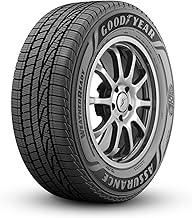
The Goodyear Assurance WeatherReady is one of the strongest choices for drivers who deal with snow regularly but don’t face extreme winter conditions every day. Its biggest advantage is consistency. Whether the road is covered in fresh snow, packed slush, or cold rain, the tire delivers predictable traction and confidence behind the wheel.
In real-world winter driving, the WeatherReady feels especially secure during acceleration and lane changes. Many all season tires can spin or feel unsettled when pulling away from a snowy intersection, but this tire hooks up well and maintains control without constant intervention from traction control systems.
One area where it stands out is slush performance. During highway driving after a snowstorm, when melting snow creates deep slush between lanes, the tire remains stable and resists the wandering sensation common with less winter-focused designs. Wet-road braking is also a strong point, making it a good fit for regions where winter often alternates between snow, rain, and freezing temperatures.
The trade-off is steering feel. While secure and predictable, it doesn’t feel as responsive as some premium touring tires on dry pavement. Road noise is generally well controlled, but as the tire ages, it can become slightly more noticeable than class leaders focused on ride refinement.
This tire is best suited for drivers in areas that receive frequent snowfall throughout the winter season but still spend most of their time on cleared roads. It’s particularly well matched to family sedans, compact SUVs, and crossovers used for daily commuting.
Drivers seeking sporty handling or maximum fuel efficiency may find better options elsewhere. Likewise, those regularly driving on icy mountain roads should still consider a dedicated winter tire.
Pros
- Excellent snow traction
- Strong slush stability
- Confident wet-road braking
- Predictable winter handling
- Good year-round versatility
Cons
- Dry-road steering isn’t very sporty
- Slightly noisier as it wears
- Ice traction can’t match true winter tires
3rd Place: Nokian WR G4
Key Specifications:
- Type: All-Weather Touring Tire
- Three-Peak Mountain Snowflake (3PMSF) Certified
- Vehicle Types: Passenger Cars, Crossovers, and SUVs
- Warranty: Up to 60,000 miles
- Available Wheel Sizes: 15″–20″
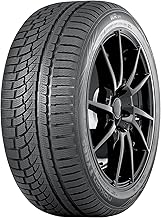
The Nokian WR G4 is one of the few all-weather tires that genuinely feels engineered for winter first and all season use second. That isn’t surprising considering Nokian’s long history of developing tires for Nordic climates, where snow-covered roads are part of everyday life for months at a time.
Its biggest strength is cold-weather confidence. As temperatures drop well below freezing, the WR G4 maintains grip and braking performance better than most traditional all season tires. Steering remains predictable, and the tire responds naturally rather than feeling numb or hesitant on snow-packed roads.
In real-world driving, the WR G4 performs particularly well during the kind of conditions that challenge many all season tires—hard-packed snow, freezing temperatures, and constantly changing road surfaces. On an early morning commute after an overnight snowfall, it delivers strong traction pulling away from intersections and reassuring stability during lane changes on partially cleared roads.
Another area where it impresses is winter braking. The tire provides a secure stopping feel on cold pavement and light ice, giving drivers more confidence when traffic suddenly slows in poor weather. Ride quality is comfortable, and highway stability remains solid even during long-distance winter travel.
The trade-off is that the WR G4 is not as refined on dry roads as some premium touring competitors. Steering response feels more winter-focused than sporty, and tread life, while respectable, typically won’t match the longest-lasting touring all season tires.
This tire is best suited for drivers who experience long winters, frequent snowfall, and extended periods of freezing temperatures but prefer to run one tire year-round. It works especially well for commuters, crossover owners, and families living in northern regions.
Drivers in warm climates or areas that rarely see snow may not benefit enough from its winter-focused design to justify choosing it over a conventional touring tire.
Pros
- Excellent cold-weather traction
- Strong snow braking performance
- Stable on packed snow
- Predictable winter handling
- Comfortable highway ride
Cons
- Dry-road handling is only average
- Tread life trails some touring rivals
- Less benefit in mild climates
4th Place: Firestone WeatherGrip
Key Specifications:
- Type: All-Weather Touring Tire
- Three-Peak Mountain Snowflake (3PMSF) Certified
- Vehicle Types: Passenger Cars, Crossovers, Minivans, and SUVs
- Warranty: Up to 65,000 miles
- Available Wheel Sizes: 15″–20″

The Firestone WeatherGrip is one of the few tires that genuinely delivers strong winter performance without carrying a premium price tag. For drivers who regularly encounter snow but don’t want to spend Michelin or Nokian money, it offers an impressive balance of traction, safety, and everyday usability.
Its biggest strength is winter traction value. On snow-covered roads, the WeatherGrip generates more grip than most conventional all season tires in its price range. Acceleration feels controlled, and braking distances remain reassuringly short when temperatures drop below freezing.
In real-world driving, the tire performs particularly well during stop-and-go winter commuting. Pulling away from snowy intersections or navigating slushy city streets, it maintains traction without feeling nervous or unpredictable. The tire also handles wet pavement confidently, which is important in regions where winter weather frequently alternates between snow, rain, and melting slush.
The ride quality leans toward comfort rather than sportiness. Impacts from rough pavement are absorbed well, making it a pleasant choice for daily drivers. Highway stability is respectable, although it doesn’t feel as refined or planted at higher speeds as some premium all-weather competitors.
The trade-off is dry-road responsiveness. Steering feedback is somewhat muted, and enthusiastic drivers may find it less engaging during quick lane changes or aggressive cornering. Road noise is acceptable, but not class-leading, especially as the tread begins to wear.
The WeatherGrip is best for drivers seeking dependable winter traction on a realistic budget. It fits commuters, family sedans, compact SUVs, and crossovers that spend most of their time on paved roads in snowy climates.
Drivers prioritizing sporty handling, maximum tread life, or premium ride refinement may be happier with higher-end alternatives.
Pros
- Excellent value for winter driving
- Strong snow traction
- Reliable wet-road grip
- Comfortable ride quality
- Good cold-weather braking
Cons
- Steering feels less responsive
- Average highway refinement
- Road noise increases with wear
5th Place: Toyo Celsius II
Key Specifications:
- Type: All-Weather Touring Tire
- Three-Peak Mountain Snowflake (3PMSF) Certified
- Vehicle Types: Passenger Cars, Crossovers, and SUVs
- Warranty: Up to 60,000 miles
- Available Wheel Sizes: 15″–22″

The Toyo Celsius II is one of the best options for drivers who split their time between long highway trips and regular winter driving. It doesn’t chase maximum snow traction like some winter-focused competitors. Instead, it delivers a well-balanced blend of winter capability, ride comfort, and everyday usability.
On dry and wet pavement, the Celsius II feels composed and predictable. The steering is more responsive than many all-weather tires, which helps it feel natural during lane changes and highway cruising. It also absorbs road imperfections well, making it a comfortable choice for drivers who spend hours behind the wheel.
Its snow performance is strong enough for most winter conditions. In moderate snowfall, the tire provides dependable traction when accelerating, cornering, and braking. During a highway trip through a mix of slush, wet pavement, and light snow, the Celsius II remains stable and confidence-inspiring without feeling overly soft or winter-tire-like.
Where the tire shines is versatility. Many snow-capable tires sacrifice dry-road refinement, but the Celsius II maintains a more touring-oriented personality. That makes it particularly appealing for drivers who experience winter weather regularly but spend most of the year on cleared roads.
The trade-off is that it doesn’t offer the same level of deep-snow grip as the strongest winter-focused all-weather tires. On heavily snow-covered roads or icy surfaces, there are better options for maximum traction. Road noise is generally low, although it can become slightly more noticeable as mileage accumulates.
The Celsius II is best suited for commuters, highway travelers, and crossover owners who want year-round convenience without giving up winter confidence. Drivers facing severe winters with frequent deep snow may be better served by a more aggressive snow-focused tire.
Pros
- Comfortable highway ride
- Good snow traction
- Stable in slush
- Responsive steering feel
- Strong year-round versatility
Cons
- Deep-snow grip isn’t class-leading
- Average ice performance
- Road noise increases with wear
6th Place: Bridgestone Turanza QuietTrack
Key Specifications:
- Type: Grand Touring all season Tire
- Vehicle Types: Sedans, Crossovers, Minivans, and Luxury Vehicles
- Warranty: Up to 80,000 miles
- Available Wheel Sizes: 15″–20″
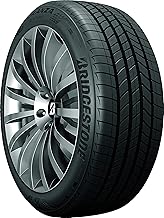
The Bridgestone Turanza QuietTrack is proof that not every snow-capable tire needs an aggressive winter-focused design. While it isn’t an all-weather tire and lacks a Three-Peak Mountain Snowflake rating, it remains one of the strongest traditional touring all season tires for drivers who encounter occasional to moderate winter conditions.
Its biggest strength is refinement. The QuietTrack delivers a smooth, composed ride that feels more premium than most tires in this category. Road imperfections are absorbed well, and highway cruising remains impressively quiet even after thousands of miles.
In wet and light-snow conditions, the tire inspires confidence. Braking performance on cold, damp pavement is particularly impressive, and the tire maintains predictable traction during winter rain and slushy conditions. During a long highway drive through near-freezing temperatures and light snowfall, the QuietTrack remains stable and planted, with minimal road noise and excellent straight-line tracking.
Steering response is balanced rather than sporty, but it feels precise enough for everyday driving. Unlike some winter-focused tires that sacrifice warm-weather manners, the QuietTrack remains comfortable and composed throughout the year.
The trade-off is snow depth. Once roads become heavily snow-covered or packed with deep slush, its limitations become more apparent. It simply cannot generate the same level of winter grip as dedicated all-weather tires such as the CrossClimate 2 or WeatherReady. Ice traction is also only average for the category.
The QuietTrack is best for drivers who prioritize ride comfort, quietness, and year-round refinement while still needing dependable traction during occasional snow events. It works exceptionally well on family sedans, luxury vehicles, and crossovers in regions where roads are typically plowed quickly.
Drivers facing frequent snowfall, unplowed roads, or severe winters should consider a more winter-focused all-weather tire.
Pros
- Exceptionally quiet ride
- Excellent wet-road braking
- Smooth highway comfort
- Long tread life potential
- Strong light-snow capability
Cons
- Not ideal for deep snow
- Average ice traction
- Less winter-focused than top all-weather tires
7th Place: Michelin Defender T+H
Key Specifications:
- Type: Standard Touring all season Tire
- Vehicle Types: Passenger Cars, Minivans, and Small Crossovers
- Warranty: Up to 80,000 miles
- Available Wheel Sizes: 13″–18″
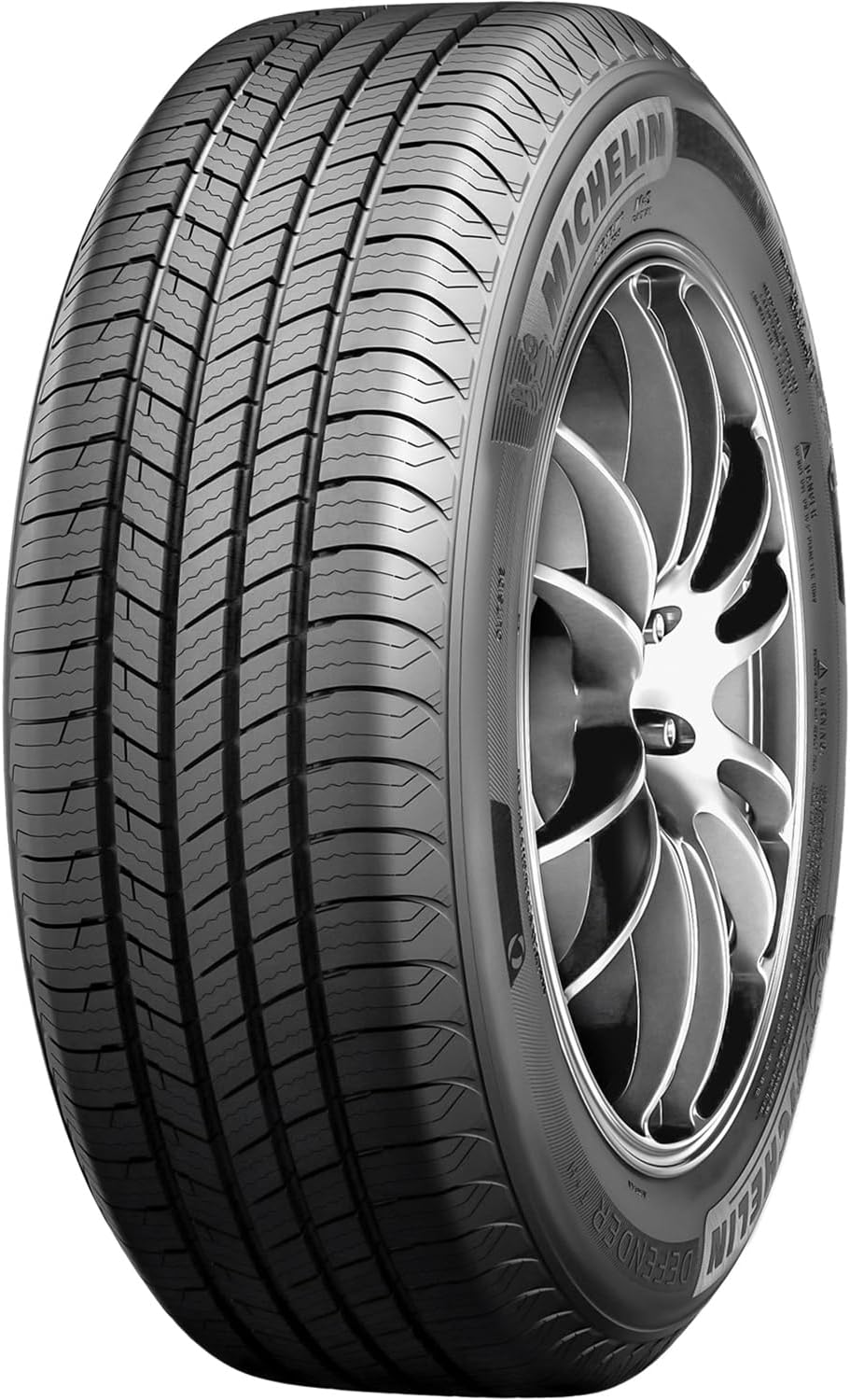
The Michelin Defender T+H is not the most aggressive snow tire in this group, but it earns its place because of something many drivers value just as much: exceptional longevity. For drivers who cover a lot of miles each year and want dependable winter performance without sacrificing tread life, few tires balance those priorities as well.
On the road, the Defender T+H feels smooth, quiet, and composed. The tire is designed for daily commuting rather than spirited driving, and that focus shows in its relaxed handling and comfortable ride quality. Highway tracking is excellent, making long-distance travel less tiring.
In light snow and cold-weather conditions, the tire performs better than many long-wearing touring tires. During a typical winter commute with a few inches of fresh snow on secondary roads, the Defender T+H provides predictable acceleration and stable braking. It doesn’t generate the strong bite of an all-weather tire, but it remains trustworthy when roads are lightly covered and temperatures stay below freezing.
Its biggest strength is consistency over time. Many tires lose a noticeable amount of winter capability as they accumulate miles, but the Defender T+H tends to maintain stable performance throughout much of its tread life. For drivers who keep tires for six or seven years, that’s a meaningful advantage.
The trade-off is clear: winter traction is good, not exceptional. Deep snow, packed snow, and icy surfaces will expose the limits of this touring-focused design. Steering response is also more comfort-oriented than performance-focused.
The Defender T+H is best for high-mileage drivers, commuters, and retirees who prioritize durability, ride comfort, and year-round dependability. Drivers facing frequent heavy snowfall or harsh winters should move toward an all-weather tire with a stronger winter focus.
Pros
- Outstanding tread life
- Quiet highway ride
- Comfortable over rough pavement
- Predictable winter behavior
- Excellent long-term value
Cons
- Deep-snow traction is limited
- Average ice performance
- Not designed for aggressive driving
8th Place: Yokohama Avid Ascend GT
Key Specifications:
- Type: Grand Touring all season Tire
- Vehicle Types: Sedans, Crossovers, Coupes, and Small SUVs
- Warranty: Up to 65,000 miles
- Available Wheel Sizes: 15″–20″

The Yokohama Avid Ascend GT is a well-rounded touring tire that quietly excels in everyday driving. It doesn’t market itself as a winter specialist, yet it delivers surprisingly competent snow performance while maintaining the comfort and refinement that sedan and crossover owners typically prioritize.
The tire’s biggest strength is balance. It offers a comfortable ride without feeling overly soft, and steering remains predictable on both city streets and highways. On long drives, road noise stays well controlled, helping the vehicle feel composed even after hours behind the wheel.
In winter conditions, the Avid Ascend GT performs best in light snow, cold pavement, and slushy roads. During a typical morning commute after a few inches of overnight snowfall, the tire provides reassuring traction when pulling away from traffic lights and maintains good stability during braking. It also handles winter rain confidently, which is important in regions where snow frequently transitions into wet, slushy conditions.
Ride comfort is another standout characteristic. The tire absorbs rough pavement effectively, making it a strong match for family sedans and compact crossovers that spend most of their time on paved roads. Treadwear is generally strong, and the tire tends to retain its quiet nature better than many competitors as mileage accumulates.
The trade-off is outright winter grip. While it performs well for a traditional all season tire, it cannot match the snow traction of dedicated all-weather options carrying the Three-Peak Mountain Snowflake certification. Deep snow and icy surfaces expose the limits of its touring-focused design.
The Avid Ascend GT is best for drivers who want comfort, longevity, and dependable winter performance without sacrificing year-round refinement. Drivers who regularly encounter severe snowstorms or unplowed roads should consider a more winter-focused alternative.
Pros
- Comfortable ride quality
- Quiet highway performance
- Good light-snow traction
- Strong wet-road stability
- Solid tread life
Cons
- Not ideal for deep snow
- Average ice traction
- Less winter-focused than all-weather tires
9th Place: Pirelli Cinturato P7 All Season Plus II
Key Specifications:
- Type: Grand Touring all season Tire
- Vehicle Types: Sedans, Crossovers, and Small SUVs
- Warranty: Up to 70,000 miles
- Available Wheel Sizes: 16″–20″

The Pirelli Cinturato P7 All Season Plus II is built for drivers who spend most of their time commuting and want a tire that feels refined every day without becoming a liability when winter weather arrives. It doesn’t specialize in snow performance, but it delivers a balanced mix of comfort, wet traction, tread life, and light-winter capability.
What stands out most is its composed road manners. The tire feels smooth in city traffic, stable on the highway, and surprisingly quiet for a long-wearing touring tire. Steering is predictable and easy to live with, making it well-suited for daily commuting and family transportation.
In winter conditions, the Cinturato P7 performs best on cold pavement, light snow, and slushy roads. During a typical morning drive after a light snowfall, the tire provides enough traction for confident starts and controlled braking. It also performs well when winter storms transition into rain, offering strong hydroplaning resistance and dependable wet-road stability.
For commuters who spend hours each week on highways, the tire’s comfort-focused design becomes a major advantage. It absorbs expansion joints and rough pavement effectively while maintaining a quiet cabin environment at cruising speeds.
The trade-off is winter grip at the limit. When snow becomes deeper or roads remain unplowed, the tire reaches its traction limits sooner than dedicated all-weather competitors. Ice performance is also average, which is expected from a traditional touring all season design.
The Cinturato P7 All Season Plus II is best for drivers in regions with occasional snowfall who prioritize comfort, low noise, and year-round dependability. It fits sedans and crossovers that spend most of their time on paved roads and maintained highways.
Drivers who regularly face heavy snowstorms or extended winter conditions should consider a more snow-focused all-weather tire.
Pros
- Excellent ride comfort
- Quiet highway performance
- Strong wet-road traction
- Long tread life
- Predictable everyday handling
Cons
- Limited deep-snow capability
- Average ice traction
- Less winter-focused than all-weather tires
10th Place: Falken Ziex ZE960 A/S
Key Specifications:
- Type: Ultra High Performance all season Tire
- Vehicle Types: Sports Sedans, Performance Cars, Coupes, and Crossovers
- Warranty: Up to 65,000 miles
- Available Wheel Sizes: 16″–22″

The Falken Ziex ZE960 A/S is the tire for drivers who aren’t willing to give up responsive handling just because winter arrives. Most snow-capable tires prioritize comfort and winter traction, but the ZE960 A/S takes a different approach by preserving much of the steering precision and road feel performance-minded drivers expect.
Its biggest strength is cold-weather handling. Even when temperatures drop, the tire maintains good steering response and cornering stability. On dry winter roads, it feels more connected and agile than many touring-focused all season competitors, making it a strong fit for sporty sedans and performance-oriented crossovers.
In real-world driving, the ZE960 A/S performs best during mixed winter conditions. On a cold highway drive with patches of slush, wet pavement, and occasional light snow, the tire remains composed and predictable. It also delivers impressive wet-road grip, with strong braking confidence during heavy rain and good resistance to hydroplaning at highway speeds.
Snow traction is respectable for an ultra-high-performance all season tire, but it is important to keep expectations realistic. The ZE960 A/S can handle light to moderate snowfall, yet it lacks the deep-snow capability of dedicated all-weather tires higher on this list. When roads become heavily snow-covered or icy, traction reserves diminish more quickly.
Ride quality is firmer than most touring tires, which contributes to its sharper handling character. Road noise is well controlled initially, though it can become more noticeable as the tire wears.
The ZE960 A/S is best for drivers who experience occasional winter weather but still value responsive steering and confident dry-road performance throughout the year. It works particularly well on sport sedans, coupes, and drivers who enjoy a more engaging driving experience.
Drivers facing frequent snowstorms, mountain roads, or severe winter conditions should prioritize a more winter-focused tire.
Pros
- Sharp steering response
- Strong wet-road grip
- Good cold-weather handling
- Stable at highway speeds
- Sporty driving feel
Cons
- Only average deep-snow traction
- Firmer ride quality
- Ice performance trails all-weather tires
Which Tire Is Best for Your Driving Conditions?
If you deal with light snow only a few times a year, a touring all season tire like the Bridgestone Turanza QuietTrack, Michelin Defender T+H, or Pirelli Cinturato P7 All Season Plus II may be enough. These tires are better for comfort and everyday use, while still giving you reasonable cold-weather traction.
If you live somewhere that gets regular snow, the Michelin CrossClimate 2, Goodyear Assurance WeatherReady, Nokian WR G4, Firestone WeatherGrip, or Toyo Celsius II are better choices. These tires are more winter-capable and make a bigger difference when roads are snowy, slushy, or cold for long stretches.
For slush and wet winter roads, the Michelin CrossClimate 2 and Goodyear Assurance WeatherReady stand out because they feel secure and confident in mixed conditions. For highway commuting, comfort-focused tires like the Bridgestone Turanza QuietTrack and Michelin Defender T+H make daily driving easier.
If you drive a sedan or crossover, you have the widest choice of good options. SUVs and crossovers can benefit from the same tires, but the vehicle’s weight and driving style should also be considered before buying.
All season vs All-Weather vs Winter Tires
This part matters because many shoppers use the phrase “all season tires” when they really mean “a tire that can handle snow.”
Traditional all season tires are made for year-round use and mild weather changes. They are convenient and comfortable, but many of them are only average in snow. They can work fine in light winter conditions, but they are not built for serious snow or ice.
All-weather tires are different. They are designed to bridge the gap between standard all season tires and winter tires. Most of the best snow-capable tires in this article, such as the Michelin CrossClimate 2 and Goodyear Assurance WeatherReady, fall into this category. They are the better choice if winter traction is a serious concern.
Winter tires are still the best option for deep snow, packed snow, icy roads, and long stretches of freezing weather. If you live in a place with harsh winters, they will usually give you the most safety and confidence.
What Makes an All Season Tire Better in Snow?
Several design details help a tire work better in winter.
Tread design matters because it helps the tire dig into snow and clear slush. Tires with more biting edges often feel more secure in winter conditions. Sipes, which are small cuts in the tread blocks, help the tire grip snow and cold pavement better.
The rubber compound also matters a lot. Some tires stay softer in cold temperatures, which helps them hold the road better. When rubber gets too hard in the cold, grip drops off quickly.
The 3PMSF symbol is another important sign. It means the tire has passed a snow traction test and is considered capable in winter conditions. That does not make it a true winter tire, but it does show that the tire is more snow-ready than a basic all season design.
Tread wear matters too. A tire that performs well when new can lose a lot of snow grip as it wears down, so replacement timing is especially important if you drive through winter often.
Real-World Limitations You Should Know
Even the best all season tires for snow have limits. They are not the same as winter tires, and they should not be expected to perform like winter tires on deep snow or ice. That is an important honesty check for any buyer.
Ice is especially challenging. While these tires can do a decent job in cold conditions, they will still trail a dedicated winter tire on glare ice. If your roads are often icy, that matters a lot.
AWD is another common misunderstanding. AWD can help you move forward more easily, but it does not help you stop faster on snow or ice. Tires do that job. Good tires matter more than drive layout when conditions get slippery.
It also helps to remember that snow performance declines as tread wears. A tire that feels good in year one may not feel nearly as confident later in its life.
How to Choose the Right Tire for Your Climate
If you live in a mild winter area where snow is rare and roads are usually cleared quickly, a premium touring all season tire may be enough. Comfort, noise control, and tread life may matter more than aggressive winter traction.
If you live in a region with regular snow, icy mornings, or long cold seasons, a strong all-weather tire is the smarter choice. That gives you much better winter confidence without needing to swap tires every season.
If you live in a place with long, harsh winters, icy roads, or frequent heavy snow, winter tires are still the safest option. In those conditions, all season tires are usually a compromise, not the best answer.
The best tire is the one that matches your real weather, not just your budget or brand preference.
Frequently Asked Questions
Are all-season tires good in snow?
Some are, but not all of them. Premium all-weather tires are much better in snow than basic all season tires.
Are all-weather tires better than all season tires?
For winter driving, usually yes. All-weather tires are designed to handle cold conditions and snow more effectively.
Can all season tires replace winter tires?
In mild winter climates, they sometimes can. In harsh winter areas, winter tires are still the safer choice.
What is the best all season tire for snow?
The Michelin CrossClimate 2 is one of the strongest choices overall because it offers excellent snow performance and year-round balance.
Do AWD vehicles still need winter-capable tires?
Yes. AWD helps with acceleration, but it does not improve braking or cornering on snow and ice. Tires still matter most.
Conclusion
The best all season tires for snow are the ones that give you real winter confidence without making everyday driving uncomfortable. For most drivers, the Michelin CrossClimate 2 is the strongest overall choice. The Goodyear Assurance WeatherReady and Nokian WR G4 are also excellent if you want dependable winter traction. If budget matters, the Firestone WeatherGrip is a smart pick. If comfort is your top priority, the Bridgestone Turanza QuietTrack and Michelin Defender T+H are worth a close look.
The right answer depends on where you live and how often you drive in snow. If your winters are mild, a premium touring all season tire may be enough. If snow is a regular part of life, an all-weather tire is usually the better choice. And if winter is severe, dedicated winter tires are still the safest option.
The best tire is not just the one with the best name. It is the one that fits your roads, your climate, and your daily driving needs.
