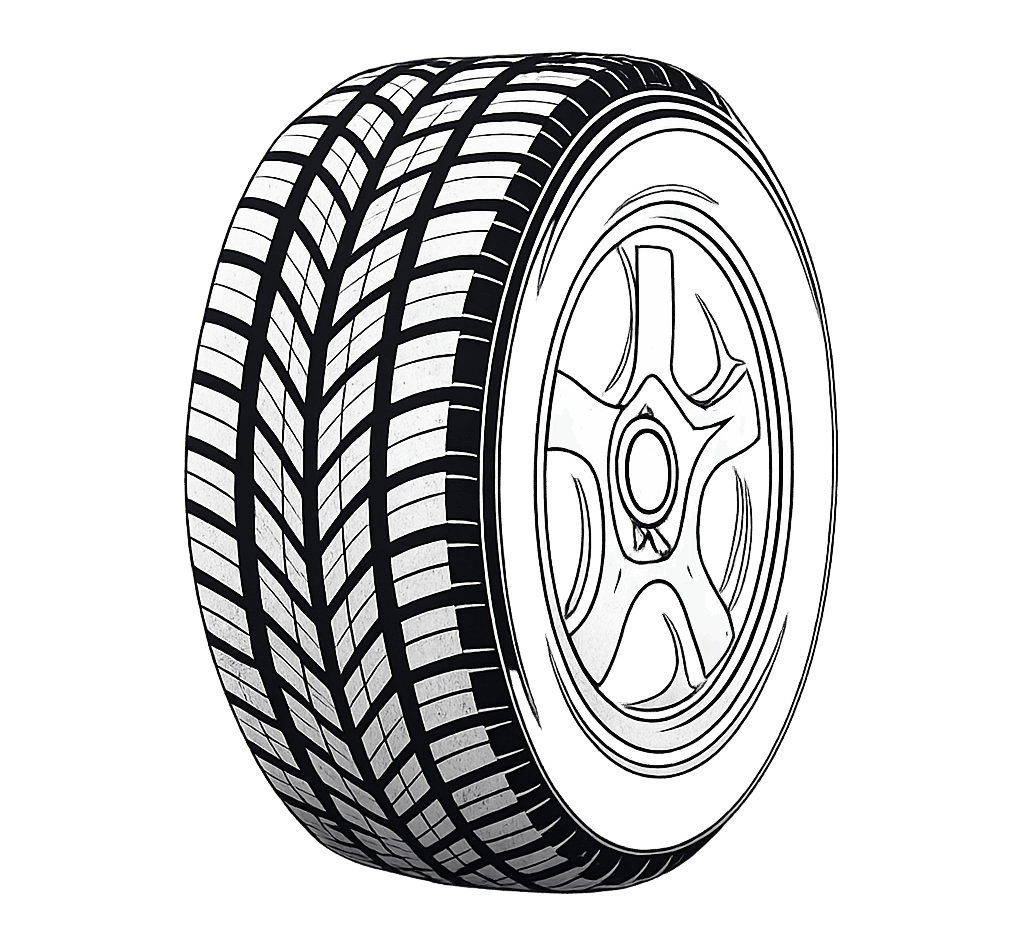

Firestone WeatherGrip Review (2026)
Last updated on March 29th, 2026
If you are looking for a tire that can handle rain, light snow, and everyday driving without making the ride feel harsh, the Firestone WeatherGrip Review is worth a close look. This all-weather tire is designed for drivers who want dependable traction in changing conditions, especially if they live in places where weather can shift quickly from dry roads to wet pavement or occasional winter weather.
In this review, we will look at how the Firestone WeatherGrip performs in real-world driving, including wet traction, snow grip, ride comfort, tread life, and overall value. We will also break down who this tire is best for, where it falls short, and whether it is a smart buy compared with other all-weather options. By the end, you will have a clear idea of whether the WeatherGrip matches your driving needs.
Quick Verdict
If you need a fast answer, here’s what you need to know about the Firestone WeatherGrip.
⭐ Overall Rating: 8/10 – a dependable all-weather tire that balances wet and light snow performance with comfort.
👍 Best For:
- Drivers in rainy climates
- Light to moderate snow conditions
- Daily commuting and everyday driving
👎 Not Ideal For:
- Performance-oriented or sporty driving
- Extreme winter conditions with deep snow or prolonged ice
Value for Money: The WeatherGrip offers solid performance at a mid-range price point, making it a great option for drivers who want reliability without paying premium tire prices.
Example Insight: While the tire delivers strong traction in wet and snowy conditions, its dry-road handling is slightly less responsive compared to higher-end all-weather competitors. This makes it a practical choice for safety and comfort rather than performance.

Firestone WeatherGrip
What Is the Firestone WeatherGrip Tire?
The Firestone WeatherGrip is an all-weather tire, which means it’s built to handle different road conditions throughout the year. You can use it in dry weather, heavy rain, and even light snow without needing to switch tires every season.
It’s mainly designed for everyday vehicles like sedans, small SUVs, and family cars. If you use your car for daily commuting, school runs, or highway driving, this is the type of tire it’s made for.
What makes it different from a regular all-season tire is its added winter capability. Most all-season tires struggle in snow, but the WeatherGrip is designed to keep better traction when temperatures drop and roads get slippery. It won’t replace a true winter tire in extreme conditions, but it does a much better job than standard options.
Firestone uses a few design features to make this work, but the important part is what those features actually do for you on the road.
For example, the tread is designed to push water away quickly. In real terms, that means better grip during heavy rain and a lower chance of hydroplaning when you’re driving through puddles or wet highways.
It also has many small grooves across the tire surface. These help the tire “bite” into snow, giving you more control when roads are lightly covered or slushy.
Another key detail is the rubber compound. It’s made to stay flexible in colder temperatures, which helps the tire keep its grip instead of becoming stiff and slippery.
In simple terms, this tire is built to give you confidence in changing weather—especially if you deal with a mix of rain, mild winter conditions, and everyday driving.
Firestone WeatherGrip – Key Specifications
| Specification | Detail |
| Tire Type / Category | All‑weather touring tire for cars, minivans & CUVs |
| Top Features | Light snow performance, wet performance, ride comfort |
| Limited Mileage Warranty | 65,000 miles (conditions apply) |
| Open Shoulder Slots | Enhanced water evacuation for better wet traction |
| 3D Full‑Depth Sipes | For even wear and improved snow traction |
| Snow Traction Claw™ Technology | Added traction in snow & slush |
| Watershedding / Hydroplaning Resistance | Strong (high wet performance score) |
| Dry Road Performance | Moderate (balanced, comfort‑focused) |
| Wet Performance Score | 8/10 (relative rating) |
| Snow Performance Score | 7/10 (relative rating) |
| Quiet Ride Score | 6/10 (relative rating) |
| Ride Comfort Score | 7/10 (relative rating) |
| Tread Life Score | 6/10 (relative rating) |
| Fuel Efficiency Score | 4/10 (relative rating) |
| Ice Performance Score | 4/10 (relative rating) |
| Off‑Road Performance | 0/10 (not designed for off‑road) |
| Sizes Available | Wide range from compact car sizes (e.g., 185/55R15) up to larger passenger fitments |
Real-World Performance Breakdown
This is the part most people care about—how the tire actually feels on the road in everyday situations. Here’s what you can expect after regular use in different conditions.
Wet Performance (Where This Tire Stands Out)
If you drive a lot in the rain, this is where the Firestone WeatherGrip really shows its value.
On wet roads, the tire feels stable and predictable. When you hit puddles or drive through heavy rain, it does a good job of keeping contact with the road instead of slipping. This reduces the risk of hydroplaning, which is when your car starts to glide on water instead of gripping the surface.
At highway speeds, the grip still holds up well. You don’t feel that “floating” sensation that some cheaper tires give in heavy rain. Braking also feels controlled, which matters a lot in sudden stops.
From most test results and user feedback, wet traction is one of its strongest points. It consistently scores high compared to other tires in the same price range.
That said, it’s not perfect. As the tire wears down over time, the wet performance can drop a bit. You may notice slightly longer braking distances after many হাজার kilometers of use, especially if the tread is getting low.
Still, for everyday driving—especially in places with frequent rain or monsoon conditions—this tire gives a strong sense of confidence behind the wheel.
Snow & Winter Performance
The Firestone WeatherGrip is built to handle winter conditions better than a regular all-season tire. It carries a 3PMSF rating, which simply means it’s tested and approved for use in snow.
In real driving, it performs well on light snow and slushy roads. The tire grips the surface better than you’d expect, so you feel more in control when starting, stopping, or turning. For everyday winter driving—like commuting or running errands—it does the job confidently.
Compared to standard all-season tires, the difference is noticeable. You’re less likely to feel the car slipping when the road is lightly covered, and braking feels more predictable.
But there’s a limit. In deep snow or harsh winter conditions, this tire can’t match a dedicated winter tire. If you regularly drive through heavy snowfall or icy roads, a proper winter tire will still be the safer choice.
For most people dealing with mild to moderate winters, though, this tire offers a good balance. It handles snow well enough without needing a seasonal tire change.
Dry Road Performance
On dry roads, the Firestone WeatherGrip feels steady and easy to control. For everyday driving—like city traffic or highway cruising—it does what most drivers need without any surprises.
The car stays stable in a straight line, even at higher speeds. Steering feels smooth and predictable, which is good for long drives or daily commutes.
Where you might notice a difference is in sharper turns or quick lane changes. The tire doesn’t feel as quick to respond as some higher-end options. There’s a slightly softer feel, which can make the handling less precise.
This isn’t a problem for normal driving, but if you enjoy fast cornering or more aggressive driving, it may feel a bit dull.
For most people, though, the focus here is comfort and control—not performance. And in that sense, it does the job well without feeling uncomfortable or unstable.
Ice Performance
On icy roads, the Firestone WeatherGrip does an okay job—but this is where its limits start to show.
You’ll get some grip when driving slowly and carefully. It can handle light icy patches better than a regular all-season tire, especially during normal city driving.
But ice is one of the toughest conditions for any tire, and this one is no exception. Braking distances can be longer, and sudden movements—like sharp turns or quick stops—can feel less controlled.
Compared to a dedicated winter tire, the difference is clear. Winter tires are built specifically for ice and will give you much better grip and confidence.
So while the WeatherGrip can manage mild icy conditions, it’s best to drive cautiously. If you regularly face heavy ice, this tire alone may not be enough.
Fuel Efficiency Impact
Fuel efficiency is something many people overlook when choosing tires, but it does make a difference over time.
The Firestone WeatherGrip is not the most fuel-efficient tire in its class, but it’s not a bad performer either. For everyday driving, most people won’t notice a big change in fuel consumption after installing it.
Because of its design, which focuses more on grip in wet and winter conditions, the tire creates a bit more resistance on the road. In simple terms, your engine may need to work slightly harder compared to some eco-focused tires.
This doesn’t mean your fuel costs will suddenly go up a lot. The difference is usually small and easy to live with for most drivers.
If saving every bit of fuel is your top priority, there are better options out there. But if you care more about safety in rain and mixed weather, the slight trade-off in efficiency feels reasonable.
Comfort & Noise
The Firestone WeatherGrip is generally comfortable for everyday driving. It handles small bumps and uneven pavement fairly well, so the ride feels smooth enough for commuting and regular city use.
Around town, it does a nice job of keeping the cabin from feeling too rough. You do not get that harsh, choppy feel that some tires can have on broken roads.
The main drawback is noise. At highway speeds, you may hear more road sound than you would with a quieter premium tire. It is not overwhelming, but it is noticeable.
On rougher roads, the ride can feel a little firmer too. For most drivers, that will not be a dealbreaker, but if you want a very quiet and plush ride, this tire may not fully satisfy that preference.
Tread Life & Durability
The Firestone WeatherGrip comes with a 65,000-mile warranty, which is a strong number for this type of tire. For most drivers, that suggests solid everyday durability and a reasonable chance of getting a lot of use out of it.
In normal driving, it should hold up well over time. It is built for regular commuting, family use, and mixed-weather conditions, so it is not the kind of tire that should wear out too quickly under normal use.
That said, a few drivers have reported uneven wear, which means the tire may not always wear down perfectly evenly across the surface. This is not uncommon, but it is something to watch for with regular tire rotations and alignment checks.
There is also a small trade-off to keep in mind. After a while, especially once the tire has seen a good amount of use, wet-road grip may not feel quite as strong as it did when the tires were new.
Overall, the WeatherGrip offers good value for the money. It should last well for many drivers, but it does not quite stand out as the longest-lasting tire in its class.
Pricing and Value
The Firestone WeatherGrip sits in a middle-price range for tires. It is not the cheapest option, but it is usually more affordable than many premium all-weather tires.
For most drivers, the value comes from what you get for the price. You are paying for a tire that handles rain, light snow, and everyday driving well enough to cover a lot of different conditions without needing to switch tires each season.
That makes it a practical choice for people who want comfort and weather protection without spending top dollar. It can be a smart buy if you want solid all-around performance and do not need the absolute best tire in every category.
There is a trade-off, though. Some premium tires may offer better quietness, sharper handling, or longer-lasting performance. So the WeatherGrip is less about being the best and more about giving you a balanced mix of safety, comfort, and price.
For many drivers, that balance is exactly what makes it worth considering.
Pros and Cons of Firestone WeatherGrip
Pros
- Strong wet-weather confidence and good hydroplaning resistance.
- Better snow capability than a typical all-season tire.
- Comfortable, soft ride that suits daily driving.
- Backed by a 65,000-mile warranty.
Cons
- Steering feel is not especially sharp.
- Some road noise shows up on rougher pavement.
- It is still not a substitute for a true winter tire in severe conditions.
Firestone WeatherGrip vs Competitors
If you are comparing tires before buying, the Firestone WeatherGrip makes a lot of sense as the more budget-friendly choice. It gives you solid rain and light-snow performance without pushing into premium pricing.
The trade-off is that the better-known competitors usually feel a little more polished. They may handle better, feel quieter, or give you a bit more confidence in tough conditions. So the WeatherGrip is often the better value, while the others may offer stronger overall performance.
Firestone WeatherGrip vs Michelin CrossClimate2
The Michelin CrossClimate2 is usually the more advanced tire. It tends to feel more refined on the road, with stronger dry handling and excellent all-weather confidence.
The WeatherGrip still does a good job, especially for the price. If you want a tire that covers rain and light snow well without paying top dollar, it is the easier buy. If you want the more complete tire and do not mind paying more, the Michelin is hard to ignore.
Firestone WeatherGrip vs Goodyear WeatherReady2
The Goodyear WeatherReady2 is another strong all-weather option. It is often the better pick if you want a more balanced tire with a little more polish in everyday driving.
The WeatherGrip usually wins on value. It gives you a similar idea at a lower cost, though it may not feel quite as sharp or as quiet. For many drivers, that price difference matters more than a small performance gap.
Firestone WeatherGrip vs Bridgestone WeatherPeak
The Bridgestone WeatherPeak is often seen as the more premium-feeling tire. It may offer a smoother ride and stronger overall road manners, especially for drivers who spend a lot of time on highways.
The WeatherGrip is still a smart choice if your main goal is to get dependable wet and winter traction without spending extra. It is the more practical option for shoppers who want good performance and good value in the same tire.
In simple terms, the WeatherGrip is the better value pick. The competitors usually offer a little more in overall performance, but they also cost more. If your budget matters and you want a tire that handles mixed weather well, the WeatherGrip is the easier recommendation.
Read More: Best Truck Tires
Who Should Buy Firestone WeatherGrip?
The Firestone WeatherGrip is a good choice for drivers who deal with a lot of rain. Its wet traction and hydroplaning resistance make it reliable when roads are slippery.
It’s also suitable for areas that see light or occasional snow. You won’t need a separate winter tire in mild climates, and it provides enough grip to handle slushy roads safely.
Budget-conscious drivers will appreciate its price. You get decent all-weather performance without paying for a premium brand.
Daily commuters and people who drive regularly will find it practical, as it balances comfort, safety, and durability for everyday use.
Overall, it’s best for anyone who wants a dependable, all-weather tire without spending top dollar, as long as extreme winter conditions aren’t a regular concern.
Who Should Avoid Firestone WeatherGrip?
The WeatherGrip isn’t the best choice for drivers who enjoy sporty or performance driving. It doesn’t respond as quickly in turns, and handling is softer compared to performance-focused tires.
If you live in areas with heavy snow or icy winters, this tire may not give enough grip. It handles light snow well, but extreme winter conditions require a dedicated winter tire for safety.
Those who prioritize a very quiet ride might also notice some road noise at higher speeds. While it’s comfortable for daily driving, it isn’t as quiet as premium touring tires.
In short, this tire works well for everyday driving in mixed conditions, but it’s not ideal for extreme weather, high-performance needs, or ultra-quiet comfort.
Real User Experiences
Many drivers like the Firestone WeatherGrip because it feels dependable in wet and snowy weather. A lot of people say it gives them more confidence in rain and light winter conditions than the tires they used before.
The feedback is not all perfect, though. Some drivers mention that braking on wet roads could be better, especially after the tires have some wear on them. Others say the road noise becomes more noticeable at higher speeds.
One common pattern in user feedback is this: people who drive in mixed weather often feel the tire handles snow better than expected, but some still notice that stopping on wet roads takes a little longer than they would like.
That mixed feedback is useful because it shows what the tire does well and where it has limits. It sounds like a strong choice for everyday drivers who want good all-weather grip, but not the quietest or most confident tire in every situation.
Final Verdict
The Firestone WeatherGrip shines when it comes to rain and light snow. Its wet traction and winter capability make it a reliable choice for everyday driving in mixed weather.
On the other hand, dry handling is its weakest point. The tire feels softer and less responsive compared to performance or premium tires, so it’s not ideal for sporty driving or sharp cornering.
Overall, if you want a dependable, all-weather tire that is affordable and handles rain and light snow well, the Firestone WeatherGrip is a solid choice. Just keep in mind that it’s focused on safety and comfort rather than high-performance driving.
FAQs about Firestone WeatherGrip Review
1. Are Firestone WeatherGrip tires good for snow?
Yes. They perform well in light to moderate snow, but for heavy snow or icy roads, a dedicated winter tire is safer.
2. Can I use Firestone WeatherGrip tires year-round?
Absolutely. These are all-weather tires, designed to handle rain, light snow, and dry roads without switching tires each season.
3. How long do Firestone WeatherGrip tires last?
They come with a 65,000-mile treadwear warranty and are built to wear evenly, making them a long-lasting option for everyday driving.
4. Are Firestone WeatherGrip tires quiet and comfortable?
Yes. Most drivers report a smooth, quiet ride that’s comfortable for daily commutes and long trips.
5. How do Firestone WeatherGrip tires compare to premium brands?
They offer reliable all-weather performance at a budget-friendly price. Premium tires like Michelin CrossClimate2 or Goodyear WeatherReady may perform slightly better in extreme conditions, but the WeatherGrip delivers strong value for most drivers.
6. What types of vehicles can use Firestone WeatherGrip?
They’re suitable for sedans, SUVs, and crossovers, making them a versatile choice for many drivers.
