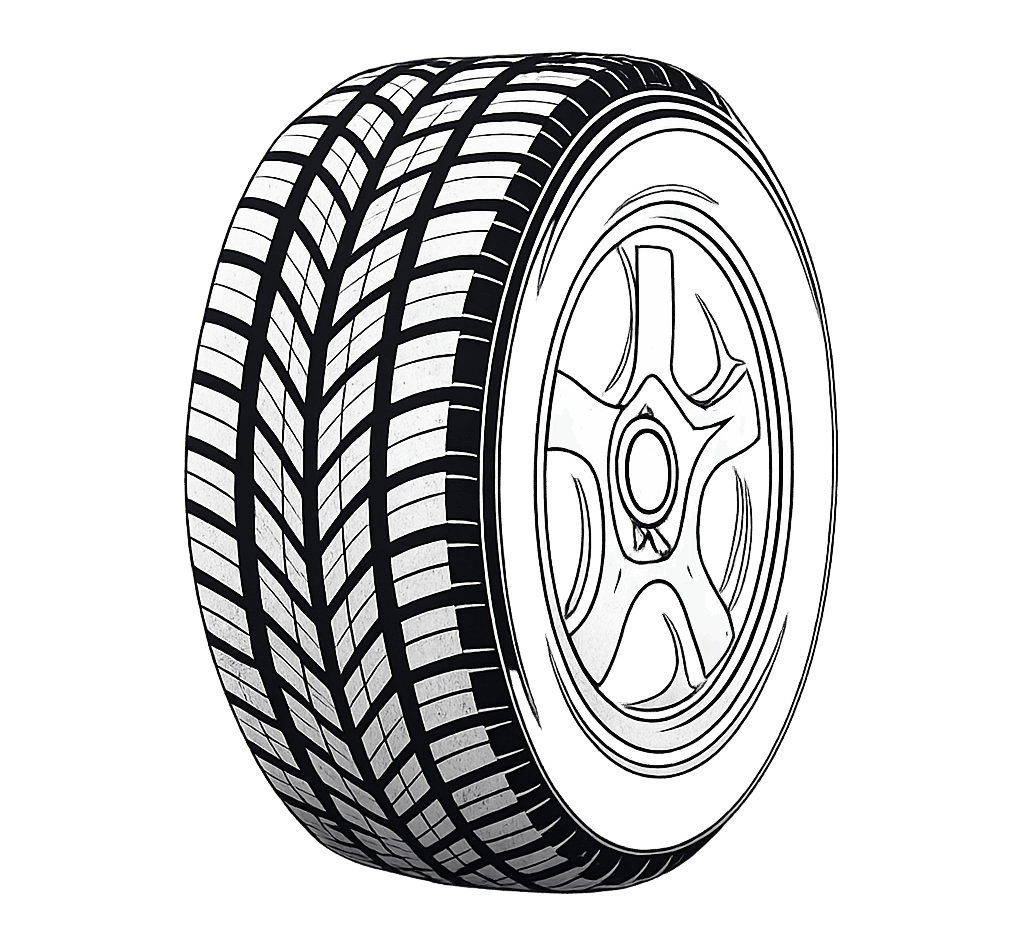

Douglas Tires Review: Honest Performance, Value, and Buying Guide
You’re probably looking at Douglas tires because the price looks almost too good to ignore, but you’re not sure if saving money here is actually a smart move or a risky one. That hesitation is exactly what most drivers feel when they see a budget tire sitting next to well-known brands.
The real concern isn’t just the price—it’s whether these tires will hold up in everyday driving, especially in rain, highway speeds, and long-term use. A tire isn’t something you want to “experiment” with, because it affects braking, safety, and how confident your car feels on the road.
That’s where this Douglas tires review comes in. Instead of guessing based on price or brand name, you’ll get a clear, practical look at how they actually perform, where they do well, and where they fall short so you can decide if they truly fit your driving needs.
What Are Douglas Tires?
Douglas is a budget tire brand that is sold through Walmart. It is designed for drivers who want a dependable replacement tire without spending a premium price.
The brand focuses on everyday driving rather than high-performance use. If you mainly drive to work, run errands, or take regular highway trips, Douglas tires are made with those needs in mind.
Most Douglas tires you will find are all-season passenger tires. They are built to handle a variety of normal road conditions, including dry roads, light rain, and changing temperatures throughout the year.
Two of the most common product lines are Douglas Touring A/S and Douglas Performance. The Touring A/S is aimed at comfortable daily driving, while the Performance line offers a slightly sportier feel with improved handling for many passenger cars.
It’s important to remember that not every Douglas tire performs the same way. A tire designed for a compact sedan will not deliver the same experience as one made for a crossover or SUV. Size, tread design, speed rating, and intended vehicle type all affect how a tire rides, grips the road, and wears over time.
For that reason, don’t judge the entire Douglas brand based on a single review or one specific model. Always look at the exact tire that matches your vehicle and driving style before making a decision.
Overall, Douglas tires are best known for offering practical, everyday performance at an affordable price. They may not have all the features of premium brands, but for many drivers looking for reliable transportation on a budget, they provide solid value.
Who Makes Douglas Tires?
Walmart lists Douglas as the brand, and its tire pages present Douglas as an affordable tire line for everyday driving. On the public product pages I checked, the brand name is clear, but the maker is not spelled out as plainly as the brand itself.
That is why buyers should check the exact product page before ordering. Tire details like size, speed rating, load index, mileage warranty, and fitment can change from one Douglas model to another, even within the same brand.
It also helps to look at the sidewall markings on the tire itself. That is the best way to confirm the exact size and match it to your vehicle, which matters for safety, warranty coverage, and getting the right fit. Walmart’s tire pages also note that product information comes from manufacturers and suppliers and is not fully verified by Walmart, so the exact listing is the safest source to trust.
Douglas Tire Lineup Overview
Douglas offers a few simple tire types, but most shoppers will run into two main names: Touring A/S and Performance.
Douglas Touring A/S is the everyday all-season option. It is meant for normal driving, like commuting, school runs, and regular family use. Walmart lists this model in many sizes, which makes it a common choice for basic replacement tires.
Douglas Performance is the more road-focused option. It is still an all-season tire, but it is aimed more at passenger cars that need a little sharper handling. Some product pages list ratings such as UTQG 420 A B and a traction rating of A, which helps show that this line is built for balanced everyday use rather than maximum performance.
You may also see other Douglas all-season passenger tire listings on Walmart that do not use a big model name. These can differ by size, rating, and warranty, so it is always worth checking the exact listing before buying. That small step helps you avoid choosing the wrong tire for your vehicle.
Key Specifications Buyers Should Understand
When you review Douglas tires, the specs matter more than the logo. The main things to check are:
- Tire size, such as 215/65R16 or 225/60R17
- Load index, which tells you how much weight the tire can support
- Speed rating, such as T, H, V, or W
- UTQG rating, which gives a rough clue about treadwear and traction
- Warranty terms, which can vary by model
- Whether the tire is meant for all-season everyday use or a more performance-oriented role
One Douglas Touring A/S listing, for example, shows a 215/55R17 size with a V speed symbol and a silica tread compound designed to balance wet traction, dry traction, and treadwear. That tells you the tire is built for practical daily use rather than special-purpose driving.
Dry Road Performance
For everyday driving, Douglas tires feel predictable and easy to live with. They are designed for daily commuting, grocery runs, school pickups, and highway trips rather than aggressive driving.
On straight roads, the tires stay stable and track well at normal city and highway speeds. The vehicle feels planted, so you don’t have to make constant steering corrections during a long drive.
When taking gentle curves or highway exits, the tires provide enough grip for confident driving. They respond smoothly to normal steering inputs, although they don’t have the sharp, sporty feel of more expensive performance tires.
Braking on dry pavement is solid for everyday use. The tires stop with good control during regular driving, making them a practical choice for commuting and family vehicles. As with any tire, keeping the correct air pressure and good tread depth helps maintain the best braking performance.
Steering feels light and predictable, which is great for drivers who prefer comfort over quick reactions. Parking, changing lanes, and driving through city traffic all feel natural without requiring much effort.
Highway performance is also respectable. The tires remain comfortable and stable at cruising speeds, giving drivers confidence on longer trips. They handle normal road conditions well, though they are not designed for high-speed cornering or spirited driving.
Overall, Douglas tires deliver dependable dry-road performance for the average driver. If your goal is a safe, comfortable, and affordable tire for everyday travel, they perform well. Drivers looking for sporty handling or maximum grip will likely be happier with a premium performance tire.
Wet Road Performance
Wet roads are where tire quality really matters, and this is an important area to understand before choosing Douglas tires.
In light rain, Douglas tires generally feel stable and easy to control. The tread design helps the tire stay in contact with the road, so normal city and highway driving feels predictable.
The tread pattern includes wide grooves that move water away from under the tire. In simple terms, this means the tire tries to “push water out” so the rubber can grip the road instead of floating on a layer of water.
This helps reduce the chance of hydroplaning, which is when a tire briefly loses contact with the road on wet surfaces. At normal driving speeds, this system works well enough for everyday use.
During moderate to heavy rain, braking distances naturally increase, just like with most budget and mid-range tires. You still get control, but you need to drive more carefully and allow extra space between vehicles.
In deeper standing water, the tires can still maintain basic stability if you slow down. However, like most all-season budget tires, they are not designed for high-speed driving through flooded roads or large puddles.
Overall, Douglas tires handle wet conditions in a practical, no-surprises way. They are built for safe daily driving in normal rain, not for aggressive driving in severe weather. Slowing down and driving smoothly will always give you the best results on wet roads.
Light Snow and Cold-Weather Use
Douglas tires are all-season tires, which means they are made to handle a mix of weather conditions—not extreme winter driving.
In light snow, they can manage short trips and slow driving. The tread helps maintain some grip, so basic movement on cleared or lightly covered roads is usually fine. But you should still drive carefully and avoid sudden braking or sharp turns.
When temperatures drop very low, the rubber in all-season tires starts to harden. This reduces grip, especially on icy or packed snow surfaces. In these conditions, stopping takes longer, and traction becomes less reliable.
It’s important to understand that all-season tires are a compromise. They are designed to work “okay” in many conditions, but not strongly in any one extreme condition. That includes winter weather.
If you live in an area with heavy snow, frequent ice, or long cold winters, dedicated winter tires are a much safer choice. Winter tires use softer rubber and deeper tread patterns designed specifically for cold roads.
For mild winter areas where snow is rare and roads are usually cleared quickly, Douglas all-season tires can be enough for everyday driving. But for real winter conditions, they are not the best option and should not be relied on as a full winter solution.
Ride Comfort
Douglas tires are mainly designed for everyday driving, and comfort is one of their stronger points for this price range.
On normal roads, they absorb small bumps fairly well. You will still feel rough patches, but the ride does not feel overly harsh or tiring during daily use.
In the city, they handle potholes and uneven roads in a controlled way. You may notice some impact on sharper bumps, but nothing that feels unstable or unsafe when driving at normal speeds.
On the highway, the ride feels steady and calm. Long drives are generally comfortable, and the car stays predictable without too much vibration through the steering wheel or seats.
The sidewall feel is more on the practical side than the soft luxury side. This means you get a balanced ride, but not the extra smoothness you would expect from premium touring tires.
For daily commuting, Douglas tires offer a comfortable and easy driving experience. They are a good match for drivers who want a simple, no-stress ride rather than a soft, luxury-level feel.
Road Noise
Douglas tires are generally acceptable in terms of noise, especially for everyday city driving, but they are not the quietest option on the market.
At low speeds, like in neighborhoods or stop-and-go traffic, you may hear a light tread sound. It is not distracting, but it is noticeable if you are used to premium tires.
On the highway, a steady hum becomes more noticeable. It stays at a consistent level, but it is louder compared to higher-end touring tires designed for extra quietness.
On older or rough pavement, the noise increases a bit more. The tire pattern picks up more road texture, so you may hear more sound inside the cabin on worn roads.
Compared to expensive brands like Michelin or Goodyear’s premium lines, Douglas tires are less refined. Those brands usually focus more on reducing cabin noise, while Douglas focuses more on value and basic performance.
For most drivers, the noise level is still reasonable for daily commuting. But if a very quiet cabin is your top priority, you will likely notice the difference when switching from a premium tire.
Tread Life and Wear Expectations
Tread life is the part of a tire review that matters most after the purchase. It tells you how long the tire may stay useful before it needs replacing.
Douglas tires can look similar at first glance, but tread life varies by model. Some listings show a 45,000-mile limited treadwear warranty, while others show different warranty terms, so it is important to check the exact SKU before buying.
The treadwear rating gives you a rough idea of how long the tire may last, but it is not a promise. Real wear depends on how and where you drive, how often you rotate the tires, whether your wheels are aligned, and whether you keep the tires properly inflated. The warranty terms on Walmart’s tire pages also make clear that coverage is tied to the specific product and its usable tread depth.
The best way to judge value is not just by the starting price. A cheaper tire that wears too fast can cost more over time than a slightly better tire with a longer warranty and slower wear. That is why Douglas should be judged by the exact model, not just the brand name.
Warranty and Return Expectations
When buying Douglas tires, the warranty is not the same for every model. This is something many shoppers miss, but it matters a lot for long-term value.
Some Douglas tires only include basic coverage for manufacturing defects. This means the tire is protected if there is a problem with how it was made, but it does not guarantee how long it will last on the road.
Other models include a limited treadwear warranty, and some listings show coverage around 45,000 miles. This gives you a general idea of expected lifespan, but it still depends on driving habits and maintenance.
If you are buying through Walmart, there may also be additional tire protection or return options when the tires are installed by Walmart services. These policies are separate from the tire’s own warranty and can vary depending on the service package you choose.
The most important thing to understand is that the warranty depends on the exact product listing. Two Douglas tires may look similar but offer different coverage, so you should always check the details before buying.
A quick review of the warranty section can help you avoid confusion later and make sure you know exactly what protection you are getting with your tires.
Price and Value
Douglas tires are positioned as a budget-friendly option, and that is one of the main reasons people consider them. The price is usually lower than many well-known tire brands, which makes them easier to buy when you need a quick replacement.
Compared to premium tires, Douglas is clearly in the entry-level category. You are not paying for advanced performance features or luxury-level refinement. Instead, you are paying for basic, reliable everyday driving.
For daily commuting, this can be a good balance. If you mostly drive in the city, go to work, or run normal errands, Douglas tires can offer solid value for the money. They get the job done without a high upfront cost.
The low price is a win when your goal is simple transportation at the lowest cost. It is also helpful if you are replacing tires on an older vehicle where you do not want to spend heavily.
However, the low price is not always the best choice. If you need stronger wet performance, longer tread life, or a quieter ride, you may find better value in a mid-range or premium tire. In those cases, paying more upfront can actually save money and stress over time.
In short, Douglas tires are worth the money if your priority is affordability and basic everyday performance. They are not the best choice for drivers looking for high-end comfort or advanced handling, but they do serve their purpose well in the budget category.
Real-World Buyer Feedback
Customer feedback for Douglas tires often revolves around the things budget shoppers care about most: value for money, ease of installation, overall quality, road noise, and driving performance. That is useful because it shows what real buyers actually pay attention to after purchase, not just what marketing pages promise.
When you read reviews, the most important rule is to compare the same size and model whenever possible. A Douglas Touring A/S in one size may not feel exactly like another Douglas listing in a different size or speed rating. That is normal with tires, which is why a careful review should never treat all versions as identical.
Pros and Cons
Pros
- Affordable for budget buyers
- Easy to find through Walmart
- Good fit for everyday commuting
- Broad all-season availability
- Simple, practical tire choice for common vehicles
Cons
- Not a premium-performance tire
- Warranty terms vary by model
- Not ideal for severe winter driving
- May not be as refined as more expensive brands
- Ride and noise expectations should stay realistic
Douglas Tires Compared With Alternatives
When you compare Douglas with other common budget and mid-range tires, the differences are mostly about comfort, warranty, and long-term performance—not just price.
Goodyear (Value and Budget Lines)
Goodyear’s budget-friendly options usually cost more than Douglas, but they tend to feel more refined on the road. You may notice better ride comfort, quieter driving, and slightly stronger wet grip in many cases.
Douglas, on the other hand, is usually cheaper and easier to find at Walmart. The trade-off is that it focuses more on basic performance rather than premium feel or advanced features.
Cooper Tires
Cooper tires are often seen as a step up in overall balance. They usually offer better tread life and more consistent performance in different weather conditions.
Douglas is still a solid budget option, but Cooper is often chosen by drivers who are willing to spend a bit more for longer-lasting tires and a smoother ride.
Kelly Tires
Kelly sits close to Douglas in the budget category, but many drivers see Kelly as slightly more refined in comfort and wet performance.
Douglas usually wins on price and availability, while Kelly may offer a bit more confidence in mixed driving conditions depending on the model.
Westlake Tires
Westlake is another low-cost option similar to Douglas. Both brands focus on affordability over premium performance.
In general, Douglas and Westlake are close in comfort and handling, so the choice often comes down to price, size availability, and warranty differences between specific models.
Other Walmart Tire Brands
Walmart also carries several private-label and partner brands. Some of these may offer better tread warranties or slightly improved ride quality, depending on the model.
Douglas stands out mainly for being one of the simplest and most budget-focused options. It is easy to find, easy to replace, and consistent in basic everyday use.
Who Should Buy Douglas Tires?
Douglas tires are a good fit for drivers who just need a simple, affordable tire for everyday use. They are not trying to be premium or high-performance—they focus on basic, reliable driving.
They make the most sense for daily commuters, city drivers, and people who spend most of their time on normal roads or highways. If you drive a small sedan, compact car, or family vehicle and want a low-cost replacement, Douglas can be a practical choice.
They also work well for highway drivers who are on a budget and want something that gets the job done without a high price tag. For many people, this is the main reason they choose Douglas in the first place.
However, Douglas is not the best choice for everyone.
If you deal with heavy snow or icy roads for long parts of the year, a dedicated winter tire will perform much better. If you enjoy sporty driving or want sharp handling, Douglas will feel more basic and less responsive than performance-focused brands.
They are also not ideal for towing-heavy use or vehicles that carry constant heavy loads. In those cases, you may want a tire built for stronger durability and higher load stress.
Finally, if your top priority is a very quiet, smooth, or luxury-like ride, you may notice that Douglas feels more simple compared to premium tires.
In short, Douglas tires are best for drivers who want affordable, everyday transportation without extra features. If that matches your needs, they can be a sensible and practical choice.
How to Choose the Right Douglas Tire
The easiest mistake to make is buying the wrong version of the right brand. Before you buy, match the tire size exactly, check the load index and speed rating, and compare the warranty on the specific product page. Douglas listings show that these details can vary from one model to another, so careful comparison matters.
A good rule is to buy the tire that fits your actual driving life, not the one with the most attractive price tag alone. If your climate is mild and your driving is simple, Douglas may be enough. If your weather or workload is harsher, look higher up the ladder.
Maintenance Tips to Get Better Results
Even a budget tire can serve you well if you take care of it. NHTSA recommends checking tire pressure monthly, inspecting tread depth regularly, and watching for uneven wear, damage, or aging. It also advises replacing tires when tread reaches 2/32 of an inch and following your owner’s manual for rotation guidance.
For Douglas tires, that advice matters even more because value tires are only a good deal when they are maintained properly. A cheap tire that is rotated, inflated correctly, and aligned well can deliver much better value than a more expensive tire that is neglected.
Final Verdict
Douglas tires are a practical budget option for everyday drivers who want decent all-season performance without paying premium-brand prices. They are best viewed as value tires: useful, widely available, and good enough for many normal driving situations, but not the right choice if you want top-level snow traction, sporty handling, or the quietest ride. The brand’s current Walmart listings support that picture, with affordable all-season models, varied warranty coverage, and features aimed at daily use rather than high performance.
FAQ
Are Douglas tires good?
Yes, for the right buyer. Douglas tires are a reasonable value choice for everyday commuting and general all-season use, especially if price matters more than premium refinement.
Are Douglas tires good in rain?
They are designed with features such as circumferential grooves and siped tread blocks to help manage wet conditions, so they should be fine for normal rainy driving. They are still budget all-season tires, so expectations should stay realistic.
How long do Douglas tires last?
It depends on the exact model. Some Douglas listings show a 50,000-mile warranty, while others show a 45,000-mile limited tread life warranty.
Are Douglas tires good in snow?
They can handle light snow better than summer tires, but they are not a substitute for winter tires in harsh winter climates.
Are Douglas tires worth buying?
They can be, especially if you want a low-cost tire for normal driving and understand the tradeoffs. The key is to buy the right model, maintain it properly, and match it to your weather and driving style.
