Fullway Tires Reviews: Are They Good?
Buying affordable tires can save hundreds of dollars—but choosing the wrong set can affect comfort, performance, and even safety on the road.
Fullway Tires Reviews are becoming more common as this budget-friendly brand gains popularity among everyday drivers. Many people choose Fullway for its low price, but still have important questions before buying.
Are Fullway tires good? Are they safe for daily driving? How long do they last in real use? And how do they compare with other cheap tire brands?
In this guide, we break everything down in simple, practical terms so you can clearly understand the strengths and limits of Fullway tires—and decide if they are the right fit for your vehicle.
Quick Verdict: Are Fullway Tires Good?
Fullway tires are a budget-friendly choice for everyday driving. They are best for drivers who want basic reliability without paying premium tire prices.
Best for
- Daily commuting
- Budget-conscious drivers
- Dry and moderate wet conditions
- Passenger cars
- Crossovers and small SUVs
- Occasional highway driving
Not ideal for
- Performance or sporty driving
- Heavy snow or icy roads
- Off-road use
- Drivers who want long tread life or premium refinement
Overall Rating
| Category | Rating (Out of 5) |
| Dry Performance | 4.0 ⭐⭐⭐⭐☆ |
| Wet Performance | 3.0 ⭐⭐⭐☆☆ |
| Comfort | 3.5 ⭐⭐⭐½☆ |
| Noise | 3.0 ⭐⭐⭐☆☆ |
| Tread Life | 3.0 ⭐⭐⭐☆☆ |
| Value for Money | 4.5 ⭐⭐⭐⭐⭐ |
Bottom line: Fullway tires are a solid “value choice.” They are not premium tires, but for normal city and highway driving, they offer good everyday performance at a low cost.
What Are Fullway Tires?
Fullway is a tire brand that makes tires for passenger cars, SUVs, light trucks, and performance vehicles. On its official site, the brand says its lineup includes high-performance, all-season, winter, SUV/light truck, and economy tires.
In simple terms, Fullway sits in the budget tire space. Retailer descriptions commonly position it as a lower-cost brand meant to give drivers solid everyday performance without the price of a premium tire. That makes it attractive for commuters, family vehicles, and anyone trying to keep replacement costs under control.
The trade-off is straightforward: Fullway is built to be affordable first, not elite. That usually means you should expect practical daily driving performance, but not the same level of refinement, wet-road confidence, or tread life you might get from a top-tier premium brand.
That does not make Fullway a bad choice. It just means the brand is best viewed as a value option for drivers who want decent, all-around tires at a lower price. If your main goal is to save money and still get a usable tire for normal driving, that is exactly where Fullway is designed to fit.
Why Are Fullway Tires So Affordable?
Fullway is positioned as a value-focused tire brand. On its own site, the company says it aims to deliver tires that balance quality and affordability, and its product pages describe the brand as offering practical performance at an accessible price point. In simple terms, Fullway is built for drivers who want a workable everyday tire without paying premium-brand prices.
That lower price usually comes from a very plain trade-off: the brand is focused on everyday driving needs, not on chasing the last bit of premium refinement. Fullway sells common fitments like passenger car, SUV, and light truck tires through online tire retailers and partner stores, which keeps the buying process simple and helps it stay in the budget segment.
The important thing is this: a lower price does not automatically mean poor quality. It usually means the tire is designed to deliver the basics well enough for normal driving, while skipping some of the costly extras that bigger premium brands advertise. That is why Fullway can make sense for drivers who care more about value than top-tier performance.
Fullway Tire Lineup
Fullway’s lineup is built around everyday driving needs. The brand’s site lists models for passenger cars and SUV/truck fitments, including the HP108, HS266, and PC369.
Fullway HP108
Fullway HP108 is aimed at passenger cars and daily driving. Fullway says it comes in a wide range of sizes, including many common sedan fitments, which makes it a practical pick for commuters and highway use. It is best for drivers who want an affordable all-season tire for normal road use, not aggressive performance driving.
Fullway HS266
Fullway HS266 is a better fit for passenger vehicles and SUVs. Retailer descriptions say it is an all-season performance tire with a focus on stability, wet-road grip, and confident highway driving. That makes it a sensible choice for drivers who want a more SUV-friendly tire with a steadier feel on longer trips.
Fullway PC369
Fullway PC369 is another all-season option for passenger vehicles. Retailer listings describe it as a performance tire for everyday use, with some touring sizes available too. In simple terms, it is aimed at drivers who want a basic, budget-friendly tire for regular commuting and general road use.
Here is the quick version:
| Model | Vehicle Type | Season | Best Use |
| HP108 | Passenger cars | All-season | Daily commuting, highway driving |
| HS266 | Passenger vehicles, SUVs | All-season | SUV use, highway stability, wet-road confidence |
| PC369 | Passenger vehicles | All-season | Everyday driving, budget value |
A simple way to choose: HP108 for a sedan, HS266 for an SUV or larger vehicle, and PC369 if you want a basic passenger-car tire at a lower price.
Real-World Driving Performance
Price tells only part of the story. What really matters is how a tire feels on the road every day. Based on the design of popular Fullway all-season models and feedback from everyday drivers, these tires perform best in normal commuting and highway driving rather than demanding conditions.

Dry Road Performance
On dry pavement, Fullway tires deliver predictable and stable handling. The steering feels reasonably responsive for everyday driving, making city streets and highways easy to navigate.
Cornering is confident at normal speeds, and the tires maintain good contact with the road during regular lane changes and turns. They are not designed for sporty driving, so pushing them hard through sharp corners may reveal more tire flex than premium performance brands.
Braking performance is also solid for daily use. The tires stop smoothly on dry roads when they are properly inflated and have enough tread remaining.
Highway driving is comfortable and stable. At cruising speeds, the vehicle tracks straight without feeling nervous, which is exactly what most commuters want. Long-distance drivers may notice that premium tires provide a quieter and more refined ride, but Fullway offers good performance for its price.
Wet Road Performance
Fullway all-season tires provide acceptable grip on wet roads during light to moderate rain. The tread design helps move water away from the contact area, reducing the chance of losing traction in everyday driving.
However, like many budget tires, wet braking is one area where expectations should remain realistic. Stopping distances may be slightly longer than those of premium brands, especially during heavy rain or emergency braking.
The tires also become more sensitive when driving through standing water. At higher speeds, the risk of hydroplaning increases, so slowing down and leaving extra space between vehicles is always a smart idea.
For most drivers, wet-road performance is perfectly usable for commuting and highway travel. Drivers who frequently face heavy rain, mountain roads, or aggressive driving conditions may benefit from a tire with stronger wet-weather performance.

Snow Performance
Fullway all-season tires can handle a light dusting of snow and cold, dry roads, but they are not built for severe winter weather.
Traction is generally adequate when driving slowly on lightly snow-covered streets. Once snow becomes deeper or roads turn icy, grip decreases noticeably, making acceleration, cornering, and braking more difficult.
Ice is especially challenging. Like most all-season budget tires, Fullway models cannot match the traction provided by a dedicated winter tire with a softer rubber compound and specialized tread pattern.
If you live in an area that experiences frequent snowstorms or icy roads, investing in a true winter tire is the safer choice. For drivers in mild climates where snow is rare, Fullway all-season tires are usually sufficient for everyday use.
Overall, Fullway tires perform best where most people spend their time—dry roads, city traffic, and regular highway driving. They offer dependable everyday performance and good value, while drivers in heavy rain or harsh winter conditions should understand their limitations and adjust their expectations accordingly.
Ride Comfort & Road Noise
Fullway tires are generally comfortable enough for daily driving. On normal roads, they do a good job of taking the edge off small bumps and rough pavement, so the ride feels easy and predictable.
Road vibration is usually controlled well for the price. You may still feel more of the road than you would with a premium tire, especially on broken pavement, but it is not harsh in normal use.
On the highway, the ride stays steady and relaxed. These tires are made for everyday cruising, not sporty handling, so they work best when you are driving at normal speeds and want a calm, simple ride.
In the city, they are easy to live with. Stop-and-go traffic, turns, and short trips feel smooth enough, and the tires do not make the car feel overly stiff.
Noise levels are reasonable, but not class-leading. Some drivers may notice more road hum on rough asphalt compared with premium brands, especially as the tire wears.
That is the main trade-off. Fullway tires are usually quieter and more comfortable than many other budget options, but they do not match the refinement of top-tier tires from major brands.
Tread Life & Durability
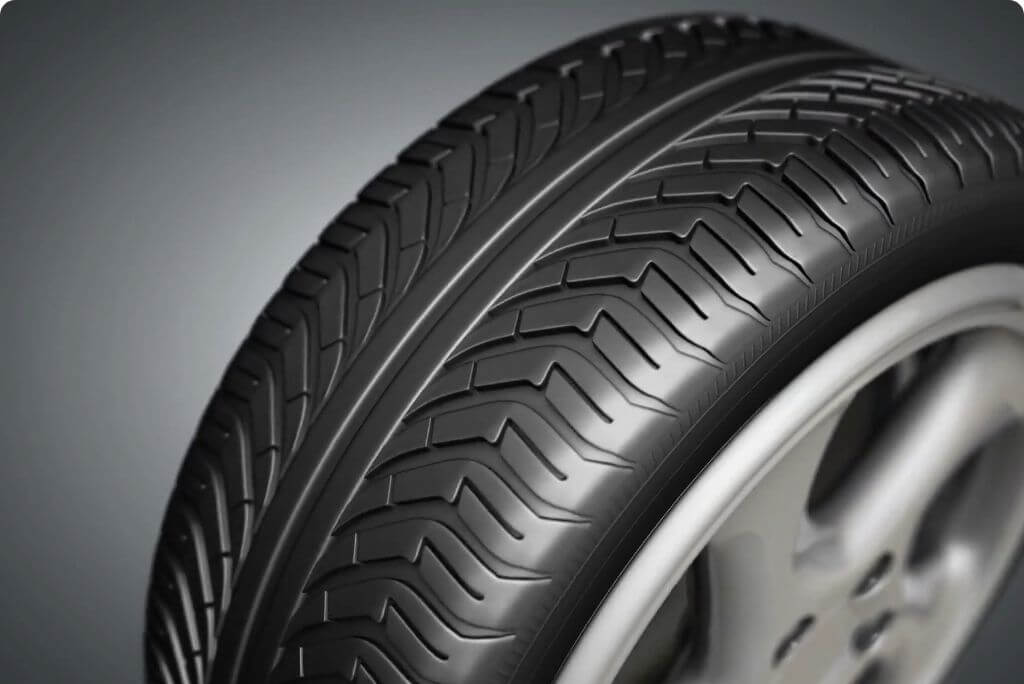
Fullway tires are built for value, so their tread life is generally good for everyday driving but may not match that of premium brands. With proper care, many drivers can expect around 30,000 to 50,000 miles of service, although the actual lifespan depends on the tire model, road conditions, and driving style.
Wear is usually even when the tires are properly inflated and the vehicle is well maintained. However, aggressive acceleration, hard braking, or fast cornering can cause the tread to wear more quickly, especially on the front tires.
One of the easiest ways to extend tire life is regular rotation. Moving the tires between the front and rear every 5,000 to 7,500 miles helps them wear at a similar rate and can add thousands of miles to their usable life.
Wheel alignment is just as important. If the alignment is off, the tire may wear heavily on one edge while the rest of the tread still looks new. Fixing alignment problems early is much cheaper than replacing a set of tires.
Daily driving habits also make a big difference. Keeping the correct tire pressure, avoiding potholes when possible, carrying only the necessary load, and driving smoothly will help the tread last longer.
The most important thing to remember is to set realistic expectations. Fullway tires are designed to provide dependable everyday performance at an affordable price. They may not deliver the exceptionally long tread life of premium touring tires, but with proper maintenance, they offer solid durability and good value for drivers who prioritize saving money without sacrificing basic reliability.
Fuel Efficiency
For most drivers, fuel efficiency is not a major reason to buy Fullway tires, but they generally perform well enough for everyday use. The tires are designed for regular commuting and highway travel, so they do not create excessive drag that would noticeably hurt fuel economy.
One factor that affects fuel consumption is rolling resistance, which is simply how much effort it takes for the tire to roll down the road. Tires with lower rolling resistance require less energy from the engine, which can help save fuel over time.
In real-world driving, most drivers are unlikely to see a dramatic difference in MPG after switching to Fullway tires. Fuel economy is influenced far more by driving habits, tire pressure, traffic conditions, and vehicle maintenance than by small differences between budget tire models.
On the highway, properly inflated Fullway tires provide stable and efficient cruising. Keeping the tires at the recommended pressure is one of the easiest ways to maximize fuel economy and reduce unnecessary wear.
The bottom line is simple: Fullway tires are not specifically designed as fuel-saving tires, but they offer reasonable efficiency for daily driving. If your goal is the absolute best MPG possible, some premium low-rolling-resistance tires may perform better. For most budget-conscious drivers, however, Fullway delivers acceptable fuel economy without adding significant operating costs.
Fullway Tires Pros and Cons
Pros
- Affordable pricing. Fullway is positioned as a budget-friendly tire brand, so the biggest draw is usually the lower price.
- Comfortable ride. User feedback often describes Fullway tires as smooth and quiet enough for daily driving.
- Good dry traction. Many drivers report stable, confident performance on normal dry roads.
- Wide size availability. Fullway offers tires for passenger cars, SUVs, and light trucks, with multiple model and size options.
- Excellent value. For drivers who want basic everyday performance without paying premium-brand prices, Fullway often makes sense.
Cons
- Average wet performance. They are usable in rain, but they are not usually praised as a standout wet-weather tire.
- Shorter tread life than premium brands. Some drivers report good wear, while others say the tires do not last as long as they hoped.
- Limited winter capability. Fullway all-season tires are not a substitute for a true winter tire in snow and ice.
- Less responsive handling. They are built for comfort and value, not sharp performance driving.
Are Fullway Tires Safe?
Fullway tires can be safe for normal daily driving when they are the right size, properly installed, and kept in good condition. In general, tire safety depends a lot on maintenance, not just the brand name. NHTSA says tires should be replaced when tread reaches 2/32 of an inch, and wear bars in the tread are there to show when that point has been reached.
Look for the DOT marking on the sidewall. That marking means the tire manufacturer is certifying that the tire meets the applicable federal safety standard.
The most important habit is checking tire pressure regularly. NHTSA says you should check tire pressure monthly, even if the vehicle has TPMS, because TPMS usually alerts you only after a tire is significantly underinflated.
A simple safety routine goes a long way: keep tires properly inflated, inspect tread for uneven wear or damage, and get alignment or balancing checked if the car pulls to one side or shakes. NHTSA also says alignment and balancing help safety and tire life.
For everyday driving, the safest expectation is a fair one: use Fullway tires for normal commuting and adjust your driving in rain, standing water, or worn-road conditions. No tire is a substitute for good pressure, enough tread, and careful driving.
Practical check: if the tread is low, the tire is underinflated, or the sidewall looks damaged, replace it or have a technician inspect it before driving farther.
Who Should Buy Fullway Tires?
Fullway tires make the most sense for drivers who want dependable everyday performance without spending a premium price. They are designed for normal road use, regular commuting, and practical transportation rather than high-performance driving.
They are a good choice for:
- Students who need reliable transportation while staying within a limited budget.
- Daily commuters who spend most of their time driving on city streets and highways.
- Families looking for an affordable replacement tire for school runs, shopping trips, and weekend travel.
- Budget shoppers who want solid everyday performance and good value for their money.
- Ride-share drivers who cover many miles and need a reasonably priced tire for regular use and routine replacement.
- Second vehicles that are driven occasionally and do not require premium performance tires.
If your priorities are a comfortable ride, predictable handling, and saving money, Fullway is a practical option. The brand offers enough performance for normal driving while keeping replacement costs low.
On the other hand, if you regularly drive in heavy snow, push your car hard on winding roads, or expect the longest possible tread life, investing in a mid-range or premium tire may be a better fit. For everyone else, Fullway delivers what many drivers are looking for: a simple, affordable tire that gets the job done every day.
Who Should Avoid Fullway Tires?
Fullway tires are not the best choice for drivers who expect more than basic everyday performance.
Performance enthusiasts will likely want a tire with sharper steering, stronger grip, and better cornering feel. Fullway is built more for comfort and value than for spirited driving.
Heavy towing is another case where a more capable tire makes sense. If you regularly carry big loads or pull a trailer, you want a tire with stronger durability and better stability under stress.
Frequent snow driving is also a weak spot. Fullway all-season tires can handle light winter use, but drivers in areas with long winters, packed snow, or ice should look at true winter tires instead.
Long-distance commercial use is tougher on tires than normal commuting. If you drive all day for work, you may want a tire with longer tread life and more consistent performance over time.
Luxury vehicle owners who want the smoothest, quietest ride may also be disappointed. Fullway can be comfortable enough, but it usually will not match the refinement of premium-brand tires.
In short, Fullway is best for everyday driving and budget-minded buyers. If your driving is harder, heavier, colder, or more demanding, a higher-end tire is usually the better fit.
Fullway Tires vs Competitors
When comparing Fullway with other budget brands, the differences are usually small but still important for comfort, grip, and long-term value. Here is a simple breakdown to help you choose.
Fullway vs Lexani
Both brands sit in the budget category, so price is very similar. Fullway often feels slightly more comfortable in everyday driving, while Lexani is sometimes chosen for a more “styled” performance look.
Noise levels are close, but neither brand is as quiet as premium tires. In wet conditions, performance is average for both, so driving carefully in rain is important. Tread life is also similar, with no clear long-term advantage.
Overall value depends on your priority. Fullway usually wins for everyday practicality and balanced comfort, while Lexani may appeal more to appearance-focused buyers.
Fullway vs Ironman
Ironman tires are often seen as a slightly more durable budget option. In real use, they can feel a bit firmer on the road, while Fullway tends to feel a little softer and more comfort-focused.
Cost is similar between the two, although promotions can shift pricing either way. Warranty terms depend on the specific model and retailer, so there is no strong advantage on either side.
If you want a slightly tougher feel, Ironman may be preferred. If you want a smoother daily ride, Fullway is often the better pick.
Fullway vs Douglas
Douglas is one of the lowest-cost tire options in the market, often found in big retail stores. It focuses heavily on price, sometimes even more than Fullway.
Ride quality is basic on both, but Fullway usually feels a bit more stable and comfortable on longer drives. Douglas is mainly chosen for short-term or very light use.
Overall, Fullway is usually the better all-round option if you can spend a little more for improved comfort and stability.
Fullway vs Linglong
Linglong is a more established global budget brand, and its tires often feel slightly more refined than Fullway in terms of overall build quality.
Comfort is similar, but Linglong can have a small edge in steering feel and road stability. Dry traction is close between both brands, while wet traction is still moderate and requires cautious driving.
In terms of longevity, results are mixed, but Linglong is sometimes reported to last a bit longer in real-world use.
If you want slightly better refinement, Linglong may have an edge. If you want straightforward value and availability, Fullway remains a solid choice.
Price Range
Fullway tires cover rim sizes from 15-inch to 20-inch, and pricing increases as the tire size gets larger. Based on current retail listings, prices are roughly $56–$60 for 15-inch, $60–$70 for 16-inch, $66–$83 for 17-inch, $73–$100 for 18–19-inch, and about $129–$155 for 20-inch tires. These are market prices from retailers, not fixed manufacturer pricing.
A simple pattern is easy to notice: bigger tires cost more. For example, a 15-inch Fullway tire can be around $56, while a 20-inch version of the same model can go above $120 per tire.
A few factors affect the final price. Tires with a higher load rating (XL or heavy-duty) usually cost more because they are built to carry more weight. A higher speed rating can also increase price slightly. On top of that, prices vary between retailers, even for the same tire model and size.
The most practical way to shop is to match the exact size your vehicle needs first, then compare load and speed ratings before focusing on price.
Price and Value
Fullway sits clearly in the budget tire category, which is the main reason many drivers choose it. The biggest advantage is simple: you pay much less upfront compared to mid-range or premium brands.
But value is not just about the purchase price. A better way to judge it is cost per mile—how much you spend over the life of the tire. If you mostly drive in normal conditions and maintain proper tire care, Fullway can deliver solid value because the initial cost is low and everyday performance is acceptable.
The trade-off is long-term durability and refinement. Premium tires usually last longer and perform better in heavy rain, high speeds, and rough conditions. That means they can sometimes offer better long-term value, even if they cost more at the start.
This is where driving habits matter. If you drive mainly in the city or on highways, don’t push your vehicle hard, and want to save money upfront, Fullway is often a smart choice.
But if you drive long distances every day, face harsh weather, or want maximum tread life and comfort, the savings may not last as long in real use. In that case, spending more on a higher-quality tire can be more cost-effective over time.
In short, Fullway is a true budget buy, and it becomes a strong value option when your driving needs match what the tire is designed to do.
Maintenance Tips
Taking care of your tires is the easiest way to make them last longer and stay safe. Even budget tires like Fullway can perform well if you follow a few simple habits.
Keep your tire pressure correct. Underinflated tires wear faster, use more fuel, and can feel unstable. Overinflated tires reduce grip and make the ride harsher. Check pressure at least once a month.
Rotate your tires every 5,000 to 7,500 miles. This helps them wear evenly, especially since front and rear tires often wear at different speeds.
Check wheel alignment if the car starts pulling to one side or the steering feels off. Poor alignment can quickly ruin a new set of tires.
Inspect the tread regularly. Look for uneven wear, cracks, or low tread depth. If the tread looks worn down, it’s time to replace the tire for safety.
Make sure wheels are balanced. If you feel vibration at higher speeds, balancing may be needed. It helps the tires wear evenly and improves driving comfort.
Avoid overloading your vehicle. Carrying too much weight puts extra stress on the tires and shortens their life.
These small habits don’t take much effort, but they make a big difference in how safely and how long your tires perform.
Conclusion
Fullway tires are a practical budget solution for everyday driving. They are not designed to compete with premium brands, but they do offer reasonable performance for drivers who need an affordable replacement option.
If your driving is mostly city-based, your expectations are realistic, and your priority is saving money, Fullway can be a sensible choice.
If you want maximum comfort, long tread life, or high-performance handling, investing in a higher-tier tire will likely be a better long-term decision.
The real value of Fullway comes down to this simple idea: they are good enough for normal driving, as long as you understand their limits.
FAQ Section
Are Fullway tires good for daily driving?
Yes, they are generally suitable for normal daily commuting, especially in city and highway conditions.
How long do Fullway tires last?
Lifespan varies by model and maintenance, but many fall in a moderate range compared to premium brands.
Are Fullway tires noisy?
They can be slightly noisier at highway speeds compared to higher-end touring tires.
Are Fullway tires good in rain?
They handle light to moderate rain reasonably, but careful driving is important in heavy wet conditions.
Are Fullway tires good in snow?
They can manage light snow, but they are not a substitute for dedicated winter tires in severe conditions.
Are Fullway tires worth the money?
They are worth it for budget-conscious drivers who need basic, reliable everyday performance.
