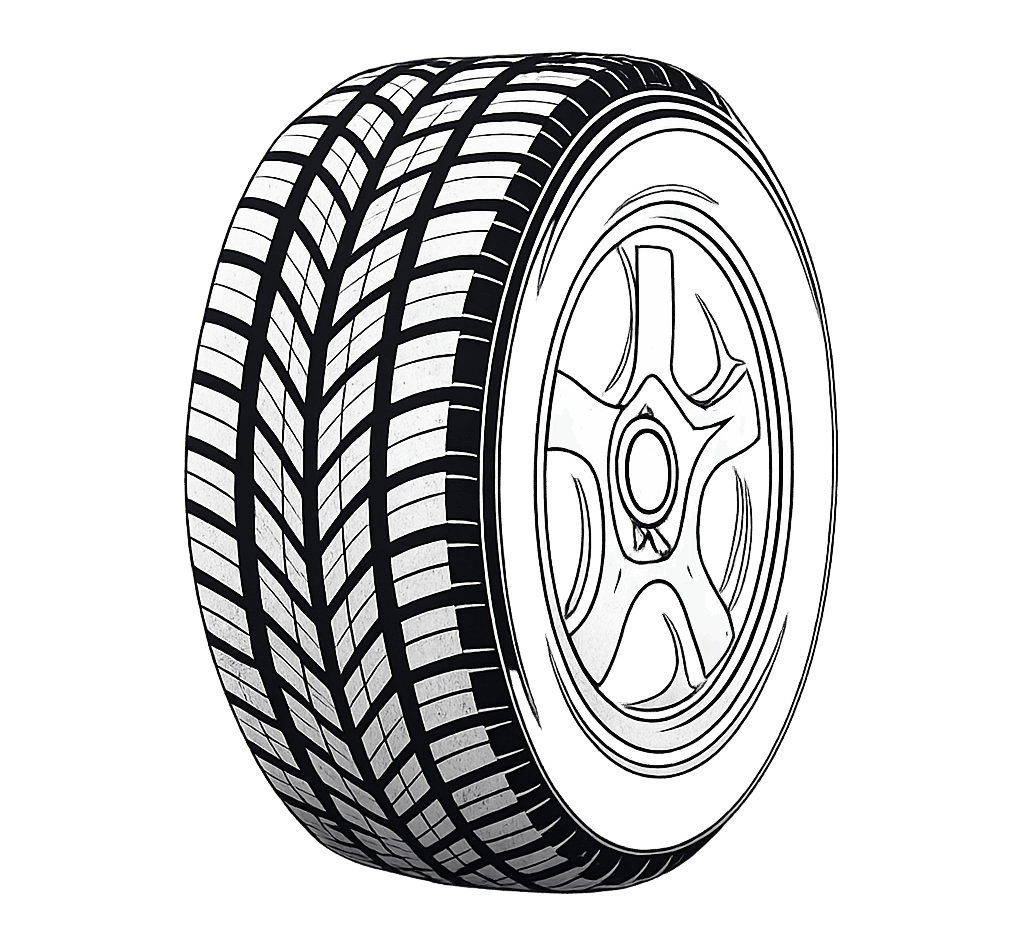

Goodyear Assurance WeatherReady 2 Review
Last updated on July 15th, 2026
In this Goodyear Assurance WeatherReady 2 review, the main question is simple: is this premium all-season, all-weather commuter tire actually worth the money? Goodyear launched the WeatherReady 2 in 2024 as a 60,000-mile all-season commuter tire, and it comes with a built-in Wear Gauge so drivers can monitor tread depth over time. Goodyear also says the tire is built for all-weather confidence, with select sizes carrying the 3PMSF snow rating.
That matters because this tire is not trying to be just another everyday all-season. Goodyear tested it against the Michelin CrossClimate2, Bridgestone WeatherPeak, and Pirelli Scorpion WeatherActive, and says it came out ahead in wet handling, wet braking, and dry handling. In this review, we will look at whether that premium claim holds up in real life, and whether the WeatherReady 2 deserves a place on your shortlist.
Quick Verdict
The Goodyear Assurance WeatherReady 2 is one of the strongest choices for drivers who regularly face rain, cool temperatures, and occasional snow but don’t want the hassle of changing tires every winter.
Its biggest strength is confidence in unpredictable weather. The tire is designed to maintain traction when roads are wet or temperatures drop, while still providing the smooth, quiet ride expected from a premium touring tire. For commuters, families, and SUV owners who spend most of their time on paved roads, that balance is one of its biggest advantages.
Rather than trying to be the sportiest tire in its class, the WeatherReady 2 focuses on everyday safety and comfort. Steering feels predictable, highway driving remains composed, and the tire is built to inspire confidence instead of aggressive cornering.
The trade-off is that this isn’t the best choice for every driver. If you prioritize sharp handling for spirited driving, or you regularly drive on deep snow and icy mountain roads, a dedicated performance tire or winter tire will still outperform an all-weather design.

Pros
- Excellent confidence in wet weather
- Certified for severe snow service (3PMSF)
- Comfortable and quiet ride for daily driving
- Strong choice for year-round use in mixed climates
- Backed by a competitive 60,000-mile treadwear warranty
Cons
- Premium price compared with many all-season tires
- Not intended to replace dedicated winter tires in harsh climates
- Drivers seeking sporty handling may prefer a performance-focused tire
Goodyear Assurance WeatherReady 2 Tire Specifications
Here is a quick look at the key specs that matter most for everyday drivers.
| Specification | Details |
| Tire Category | Grand Touring All-Season |
| Tire Type | All-weather touring tire |
| Season | All-season / all-weather |
| Available Sizes | 16″ to 22″ wheel diameters |
| Wheel Sizes | 16, 17, 18, 19, 20, 21, 22 inches |
| Speed Ratings | V, W, and some H/T ratings depending on size |
| Load Ratings | SL and XL |
| UTQG Rating | 700 A A |
| Tread Depth | 11/32″ |
| Sidewall Type | Black sidewall |
| 3PMSF Certified | Yes, on the model line |
| Mileage Warranty | 60,000 miles |
| Uniformity Warranty | 1 year / first 2/32″ of wear |
| Road Hazard Warranty | Not listed |
| Price Range | About $178 to $437 per tire |
| Manufacturing Country | Varies by size and batch; check the DOT code |
Note: For most drivers, these specs mean the WeatherReady 2 is built for year-round use with strong wet and light-snow performance, a comfortable touring feel, and solid long-term wear. The 3PMSF marking is important because it shows the tire is designed to handle snow better than a standard all-season tire, while the 60,000-mile warranty suggests it is meant for regular daily driving.
What Is the Goodyear Assurance WeatherReady 2?
The Goodyear Assurance WeatherReady 2 is an all-season commuter tire made for drivers who want steady traction in rain, light snow, and everyday driving without changing tires for each season. Goodyear positions it as part of its Assurance family and says it is built for “all-weather” confidence, not just dry-road comfort. It is also sold as a 3PMSF tire, which means it has passed the snow traction standard used for severe snow service.
In simple terms, “all-weather” is a step above a normal all-season tire. A regular all-season tire is mainly built for mild conditions, while this one is meant to stay more capable when the weather turns wet or cold. Goodyear also says the tread compound is designed to stay adaptable across seasons, with water- and slush-moving tread features to help in bad weather.
This is not a dedicated winter tire, and it is not a performance tire either. It is made for drivers who want one tire set that feels safe and dependable for commuting, family use, and year-round driving, especially if they face rain often and only occasional snow. That balance is the main reason many shoppers look at it.
Key Technologies and Design Features
The Goodyear Assurance WeatherReady 2 includes several design features that work together to improve traction in changing weather. Instead of focusing on technical names, here’s what each one means for everyday driving.
All-Weather Technology
This is Goodyear’s overall approach to helping the tire perform in different seasons. The tread pattern and rubber compound are designed to work in warm weather, heavy rain, and light snow without needing seasonal tire changes.
For most drivers, this means more confidence when the weather changes unexpectedly. It doesn’t make the tire a replacement for a dedicated winter tire, but it offers better year-round capability than a typical all-season tire.
AquaTred Technology
AquaTred Technology uses wide grooves in the tread to move water away from the tire as you drive.
On wet roads, this helps the tire stay in contact with the pavement instead of riding on top of standing water. The result is more stable steering and shorter braking distances in heavy rain. Like any tire, however, slowing down in severe rain is still important.
Evolving Traction Grooves
These grooves are designed to continue providing grip as the tire wears. As the tread becomes shallower over time, new groove shapes help maintain traction.
For drivers, this means the tire is intended to stay more consistent throughout its life instead of losing wet-weather performance too quickly. Good maintenance, such as regular tire rotations and proper inflation, is still necessary to get the best results.
Versatile Tread Compound
The rubber compound is made to stay flexible across a wide range of temperatures. A tire that stays flexible can grip the road more effectively than one that becomes too hard in cold weather.
In everyday driving, you’ll notice more predictable handling during cool mornings, rainy days, and seasonal temperature changes. It also helps explain why the tire carries the Three-Peak Mountain Snowflake (3PMSF) certification for severe snow service. Goodyear says this compound is engineered to adapt to changing weather while supporting year-round traction.
Built-in Wear Gauge
The WeatherReady 2 includes a built-in Wear Gauge that lets you see how much tread remains without using a separate measuring tool.
This makes it easier to know when the tire is approaching the end of its useful life. Checking the gauge during routine maintenance can help you replace the tires before worn tread begins to reduce wet and snow traction.
None of these features is designed to solve every driving challenge on its own. Their real value comes from how they work together, giving the WeatherReady 2 balanced performance for drivers who regularly face rain, changing temperatures, and occasional light snow throughout the year.
How We Evaluated the Tire
Our goal was to answer the same questions most buyers have before spending money on a new set of tires: Is it safe in the rain? Is it comfortable on daily drives? Will it handle light snow? And is it worth the price?
To answer those questions, we looked beyond the manufacturer’s claims. We reviewed Goodyear’s official product information, compared it with independent testing where available, and analyzed feedback from long-term owners to understand how the tire performs in everyday use.
We focused on the areas that matter most for a daily driver:
- Dry road grip and braking
- Wet braking and cornering
- Resistance to hydroplaning
- Highway comfort and ride quality
- Road noise at city and highway speeds
- Steering response and overall stability
- Performance in light snow and cold weather
- Owner feedback on tread life, comfort, and reliability
- Warranty coverage and overall value for the price
No single test or owner review tells the whole story. Driving style, vehicle type, road conditions, and maintenance can all affect how a tire performs. That’s why our conclusions are based on a combination of manufacturer information, reputable test data, and real-world ownership experiences rather than one source alone.
This approach helps us highlight both the tire’s strengths and its limitations, giving you practical information you can use to decide whether the Goodyear Assurance WeatherReady 2 is the right fit for your vehicle.
Tire Model Loading…
CategoryScoring Method: These ratings are based on manufacturer specifications, independent tire tests, expert evaluations, and verified owner feedback. They represent our editorial assessment of the tire’s overall performance rather than laboratory measurements.
Dry Road Performance
On dry pavement, the Assurance WeatherReady 2 is built to feel steady and easy to trust, not sharp or sporty. Goodyear says the tire came out first in its own dry-handling comparison against the Michelin CrossClimate2, Bridgestone WeatherPeak, and Pirelli Scorpion WeatherActive, which points to a design aimed at confident everyday driving rather than an aggressive feel.
In normal use, that usually means good straight-line stability, calm highway behavior, and braking that feels predictable when you need to slow down quickly. Steering should feel balanced and controlled, with enough response for lane changes and routine turns, but without the tight, quick turn-in you would expect from a sportier tire.
The main trade-off is simple: this tire is meant to make daily driving feel secure and comfortable, not especially exciting. If you want a tire that stays composed on dry roads and does not feel nervous or floaty, this should fit well. If you want a firmer, more athletic steering feel, a performance tire will still be a better match.
Wet Performance
This is where the Assurance WeatherReady 2 is meant to shine. Goodyear says the tire uses AquaTred technology and Evolving Traction Grooves to move water and slush away from the tread, so the rubber can keep better contact with the road. In plain English, that should help the tire feel more settled and confident when rain starts coming down hard.
Goodyear also says the tire finished first in its own wet handling and wet braking comparisons against the Michelin CrossClimate2, Bridgestone WeatherPeak, and Pirelli Scorpion WeatherActive in a 245/60R18 test setup. That is a strong claim, but it is still Goodyear’s internal result, not an independent head-to-head verdict. The safe takeaway is that wet-road performance is clearly one of the tire’s main strengths.
For everyday driving, that should mean more confidence during rainy commutes, steadier braking on slick pavement, and a calmer feel when you hit standing water. It will not make wet roads disappear, so drivers still need to slow down in heavy rain, but this is the kind of tire that is designed to make bad weather feel less stressful.
Light Snow and Cold Weather Performance
The WeatherReady 2 is built to handle light winter use better than a normal all-season tire. Goodyear gives it the 3PMSF marking, which means it meets the severe snow service standard used for snow traction testing. That does not make it a full winter tire, but it does show that the tire is meant to do more than just handle mild cold weather.
In light snow, it should feel more confident when starting from a stop, slowing down, and turning through slush than a basic all-season tire. The tread design and flexible compound are aimed at helping the tire stay usable when temperatures drop, which is why it makes sense for drivers who see winter weather only part of the year.
The limit shows up on ice and in deeper winter conditions. A 3PMSF tire is still not the same as a dedicated winter tire, and NHTSA guidance notes that winter tires are the choice for better traction in snowy or icy conditions. If your winters bring a lot of ice, packed snow, or long stretches of very cold weather, a true winter tire is still the safer pick.
For most drivers, the WeatherReady 2 sits in a useful middle ground: better winter readiness than a standard all-season tire, but without the extra noise, softer feel, and seasonal trade-offs that come with full winter tires.
Comfort and Ride Quality
For a commuter tire, comfort matters as much as grip. The WeatherReady 2 is built to feel calm and easy to live with, not stiff or overly sporty. That usually means a smoother ride over broken pavement and less of the sharp impact you feel from rough roads.
On bumps, expansion joints, and potholes, the tire should take the edge off the hit rather than pass every shock straight into the cabin. On rough asphalt, it is meant to feel settled and predictable, with less of the busy, bouncing feel that makes some tires tiring on long drives.
Cabin vibration should stay low for most everyday driving, which is what you want in a family or commuter tire. It is not trying to give you the firm, tight feel of a performance tire. Instead, the goal is a balanced ride that feels premium, relaxed, and easy to live with day after day.
If you prefer a tire that feels sharp and sporty, this may seem a little softer than you want. But for most drivers, that trade-off is a good one because comfort is usually what makes a tire feel worth paying for.
Road Noise
Goodyear does not market the Assurance WeatherReady 2 as an ultra-quiet touring tire, so it’s best to expect a balance between traction and comfort rather than complete silence. This assessment is based on the tire’s design, Goodyear’s product information, and early owner feedback rather than our own long-term instrumented noise testing.
At city speeds, road noise should remain low enough that it blends into normal driving. Most drivers are unlikely to notice the tire unless they’re coming from a premium touring tire designed specifically for maximum quietness.
Highway speeds naturally produce more tread noise, but the WeatherReady 2 is designed to stay comfortable on long drives. On smooth pavement, cabin noise should remain well controlled. On rough or coarse asphalt, you may hear more tread hum, which is common for all-weather tires with extra biting edges for wet and light snow traction.
As the tire wears, some change in tread noise is normal. Regular tire rotations and proper inflation can help the tire wear more evenly, which may also help keep noise levels consistent over time.
Compared with the quietest touring tires, the WeatherReady 2 may produce a little more road noise. That is a reasonable trade-off for a tire that is built to provide stronger year-round traction in rain and light snow. For most commuters, the difference is unlikely to outweigh the added confidence in changing weather.
Tread Life and Wear
Goodyear backs the Assurance WeatherReady 2 with a 60,000-mile limited treadwear warranty, which is a good sign that the company expects the tire to deliver long service under normal driving conditions. Like any treadwear warranty, it is not a guarantee that every driver will reach that mileage. Driving habits, road conditions, and maintenance all play a big role in how long the tire lasts.
One feature that makes ownership easier is the built-in Wear Gauge. Instead of guessing how much tread is left, you can quickly check the indicator to see when the tire is getting close to replacement. It is a simple feature, but it helps drivers stay ahead of worn tread before wet and snow traction begin to decline.
If you spend most of your time on highways, keep the tires properly inflated, and rotate them at the recommended intervals, you can expect more even tread wear and a longer service life. On the other hand, frequent hard acceleration, aggressive cornering, rough roads, or driving with incorrect tire pressure can wear the tread much faster.
For a premium all-weather tire, the expected tread life appears fair for the price. You are paying not only for mileage but also for year-round traction and the convenience of using one set of tires through changing seasons. With regular maintenance, the WeatherReady 2 should provide good long-term value for most daily drivers.
Real-World Use Cases
The Goodyear Assurance WeatherReady 2 is designed for everyday drivers, but it fits some driving situations better than others. Here’s where it makes the most sense.
Daily commuting
This is one of the tire’s strongest uses. If your routine includes trips to work, school, or running errands, it offers the kind of year-round confidence most commuters want. You won’t need to think much about changing weather as long as conditions remain within its intended limits.
Highway driving
The WeatherReady 2 is also a strong fit for regular highway travel. It is designed to stay stable at higher speeds while providing a comfortable ride over long distances. Drivers who spend a lot of time on the interstate should appreciate its balanced, predictable feel.
Rainy-region use
If you live in an area where rain is common, this tire is an especially good choice. Wet-weather performance is one of its biggest strengths, making it well suited for places that see frequent showers and wet roads throughout the year.
Family SUV use
For crossovers and family SUVs, the tire is a strong match. It focuses on safety, comfort, and dependable traction instead of sporty handling, which is exactly what many family drivers are looking for during daily trips and weekend travel.
Cold-weather suburbs
If your winters usually bring cold temperatures, light snow, and slushy roads, the WeatherReady 2 is a practical option. It provides more winter capability than a standard all-season tire, but drivers who regularly face deep snow or icy roads will still benefit from dedicated winter tires.
Mixed urban and suburban driving
This tire works well for drivers who split their time between city streets, suburban roads, and occasional highway trips. Its balanced design makes it a dependable choice for changing road conditions without asking you to sacrifice everyday comfort.
Overall, the Assurance WeatherReady 2 is the best fit for drivers who want one dependable tire for year-round use. It may not be the first choice for performance enthusiasts or severe winter conditions, but for everyday driving in mixed weather, it is a well-rounded option.
Value for Money
The Goodyear Assurance WeatherReady 2 sits in the premium end of the market, so it costs more than many standard all-season tires. The higher price is easier to justify if you regularly drive through changing weather and want one tire that can stay on your vehicle all year.
The 60,000-mile limited treadwear warranty adds value, but the biggest benefit is convenience. Instead of buying, storing, and changing between summer and winter tires, many drivers can use a single set throughout the year. That can save both time and seasonal changeover costs.
Compared with rivals like the Michelin CrossClimate2, Bridgestone WeatherPeak, and Pirelli Scorpion WeatherActive, the WeatherReady 2 is priced where you would expect a premium all-weather tire to be. Your decision should come down to which tire best matches your driving conditions rather than choosing the lowest price.
This tire offers the best value for drivers who deal with frequent rain, occasional light snow, and daily commuting or highway travel. If year-round confidence is more important to you than sporty handling, the extra investment is likely to pay off over time.
On the other hand, not every driver needs a premium all-weather tire. If you live in a warm climate with little rain or snow, a quality all-season tire may provide everything you need at a lower cost. Likewise, if you regularly drive on icy or snow-covered roads all winter, spending the money on a dedicated winter tire may be a better investment than relying on any all-weather tire.
Overall, the Assurance WeatherReady 2 delivers good value because it combines strong all-weather capability, everyday comfort, and practical ownership benefits. It isn’t the cheapest option, but for the right driver, it offers a well-rounded package that can justify its premium price.
Comparison with Top Alternative
The premium all-weather tire segment has become increasingly competitive. The Goodyear Assurance WeatherReady 2 enters a market where the Michelin CrossClimate2, Bridgestone WeatherPeak, and Pirelli Scorpion WeatherActive are already well-established options.
Each tire takes a slightly different approach to balancing wet grip, snow capability, comfort, and everyday usability. Understanding those differences is often more valuable than simply looking at specifications.
Goodyear Assurance WeatherReady 2 vs Michelin CrossClimate2
The Michelin CrossClimate2 has long been considered one of the benchmarks in the all-weather category. It is known for excellent tread life, dependable snow traction, and strong year-round performance.
The WeatherReady 2 focuses more on delivering a comfortable ride with outstanding wet-weather confidence while maintaining capable snow performance.
| Feature | Goodyear WeatherReady 2 | Michelin CrossClimate2 |
| Wet Grip | Excellent | Excellent |
| Dry Handling | Very Good | Excellent |
| Light Snow | Excellent | Excellent |
| Ride Comfort | Softer, smoother ride | Slightly firmer |
| Road Noise | Quiet | Quiet |
| Tread Life | Very Good | Excellent |
| Best For | Rain-heavy climates and comfortable commuting | Drivers seeking maximum long-term durability |
Goodyear Assurance WeatherReady 2 vs Bridgestone WeatherPeak
The Bridgestone WeatherPeak is another premium all-weather tire designed for drivers who want year-round usability without switching tires.
Compared with the WeatherPeak, the WeatherReady 2 generally places greater emphasis on wet-road confidence and everyday comfort, while the WeatherPeak is often praised for its balanced all-around performance and refined handling.
| Feature | Goodyear WeatherReady 2 | Bridgestone WeatherPeak |
| Wet Grip | Excellent | Very Good to Excellent |
| Dry Handling | Very Good | Very Good |
| Snow Performance | Very Good | Very Good |
| Ride Comfort | Excellent | Very Good |
| Highway Stability | Excellent | Very Good |
| Noise | Quiet | Quiet |
| Best For | Rainy climates and highway commuters | Drivers wanting balanced all-season refinement |
Goodyear Assurance WeatherReady 2 vs Pirelli Scorpion WeatherActive
Unlike the other two competitors, the Scorpion WeatherActive is designed specifically for SUVs and crossovers.
If you own one of these vehicles, both tires deserve consideration.
The Pirelli emphasizes refined road manners and year-round capability, while the WeatherReady 2 aims to deliver particularly strong confidence in wet conditions and everyday driving comfort.
| Feature | Goodyear WeatherReady 2 | Pirelli Scorpion WeatherActive |
| Wet Grip | Excellent | Excellent |
| Dry Handling | Very Good | Very Good |
| Snow Capability | Very Good | Very Good |
| Comfort | Excellent | Very Good |
| Highway Driving | Excellent | Very Good |
| Noise | Quiet | Quiet |
| Best For | Mixed-weather commuting and family travel | SUV owners seeking premium everyday refinement |
Who Should Buy the Goodyear Assurance WeatherReady 2?
The WeatherReady 2 isn’t designed to be the perfect tire for everyone. It delivers the most value for drivers who regularly face changing weather and want dependable performance without switching tires every season.
It’s a strong choice if you:
- Live in an area that gets frequent rain and occasional light snow.
- Commute through changing weather and want predictable traction year-round.
- Drive a crossover or SUV and value stability, comfort, and everyday safety.
- Prefer using one set of tires for most or all of the year instead of seasonal tire changes.
- Care more about a quiet, comfortable ride and confident handling than sporty cornering.
Goodyear designed the WeatherReady 2 as a premium grand touring all-weather tire for passenger cars, crossovers, and SUVs that need year-round capability, including severe snow service certification.
Who Should Skip It?
The WeatherReady 2 may not be the best fit if your priorities are different.
You may want another tire if you:
- Want the sharp steering and maximum dry-road grip of a performance tire.
- Regularly drive on packed snow or icy roads throughout winter, where a dedicated winter tire remains the safer choice.
- Simply need an affordable all-season tire for a warm climate with little rain or snow.
- Place fuel economy above everything else and are looking for the lowest possible rolling resistance.
For the right driver, the WeatherReady 2 is an excellent investment. If your daily driving includes mixed weather, rain-soaked roads, and occasional winter conditions, it offers a well-balanced combination of comfort, traction, and convenience. If your driving is mostly in one type of climate—either very warm or severe in winter—you’ll usually get better value from a tire designed specifically for those conditions. Owner feedback also consistently highlights its strengths in wet weather, comfort, and light snow while noting that it is not a replacement for a dedicated winter tire in harsh conditions.
Vehicle Fitment and Size Availability
The Goodyear Assurance WeatherReady 2 is available in 58 sizes for 16- to 22-inch wheels, making it suitable for many popular sedans, crossovers, and SUVs. According to Goodyear, it fits vehicles such as the Honda CR-V, Toyota RAV4, Toyota Camry, Honda Accord, Ford Explorer, Jeep Grand Cherokee, Chevrolet Traverse, GMC Acadia, Hyundai Santa Fe, Kia Telluride, and Mercedes-Benz GLE, depending on the tire size your vehicle requires.
Before buying, don’t choose a tire based only on the tread design or the vehicle examples above. The easiest way to confirm the correct size is to check the tire size printed on your current tire’s sidewall or the sticker inside the driver’s door jamb. Both locations list the size recommended by your vehicle manufacturer.
It’s also important to match the load index and speed rating. These numbers tell you how much weight the tire can safely carry and the maximum speed it is designed to handle. Choosing a lower rating than your vehicle requires can affect safety, handling, and tire life.
Even if the WeatherReady 2 is available in your tire size, always follow your vehicle manufacturer’s recommended specifications. The right size, load index, and speed rating are more important than choosing a tire simply because you like its tread pattern or features. A properly matched tire will deliver the performance, comfort, and safety the vehicle was designed to provide.
FAQ
Is the Goodyear Assurance WeatherReady 2 a true all-weather tire?
Yes. Goodyear markets it as an all-weather tire, and the 3PMSF designation confirms that it meets the snow traction standard tied to that marking.
Does it replace winter tires?
Not in severe winter conditions. It should handle light snow and cold weather well for an all-weather tire, but a dedicated winter tire still has the advantage on ice and deeper snow.
Is it good in heavy rain?
That appears to be one of its biggest strengths. Goodyear’s internal testing emphasized wet handling and wet braking, and customer feedback from Tire Rack repeatedly praises wet traction and hydroplaning resistance.
Is it noisy on the highway?
The available feedback suggests it is aimed at the quiet, comfort-friendly end of the category. Tire Rack’s summary highlights smooth ride quality and low noise levels.
How long does it last?
Goodyear backs it with a 60,000-mile tread life limited warranty, which is strong coverage for a commuter-oriented all-weather tire.
Final Verdict
The Goodyear Assurance WeatherReady 2 looks like a very strong all-weather tire for drivers who want dependable rain performance, real light-snow ability, solid comfort, and the convenience of one tire that can handle most of the year. Its biggest strengths are wet-road confidence, broad fitment, and a 60,000-mile warranty. Its biggest limits are the same ones most all-weather tires share: it is not a sport tire, and it is not a replacement for a true winter tire in severe conditions.
For the right buyer, that is a very attractive trade-off. If your driving life includes rain, cold mornings, and occasional snow, this tire deserves a serious look.
