Ironman Tires Review (2026) – Are Ironman Tires Good?
Last updated on February 24th, 2026
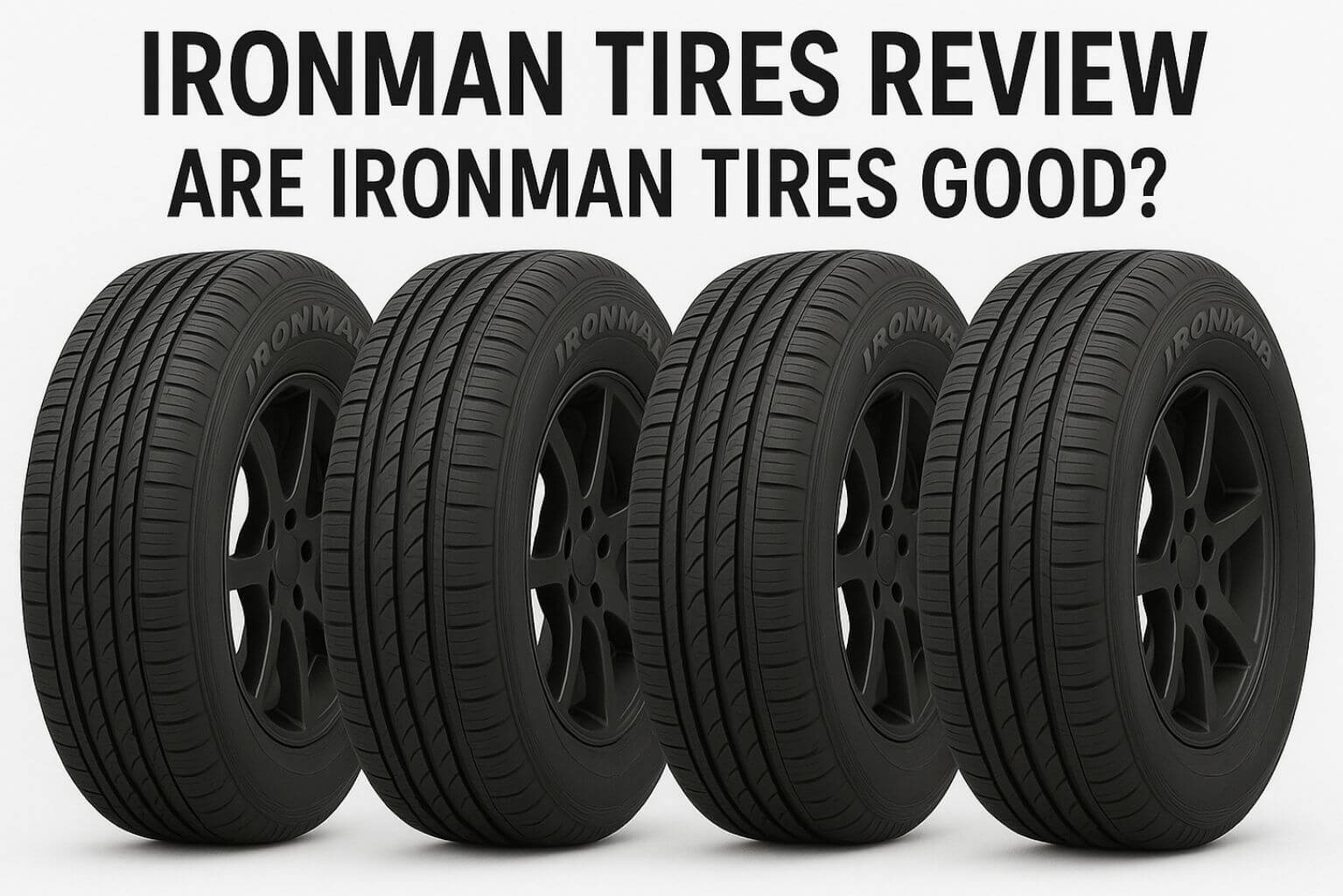
If you’re shopping for affordable tires, you’ve probably asked: Are Ironman Tires good? The short answer is yes — for drivers who want dependable, budget-friendly tires without paying premium prices. Ironman tires offer solid everyday performance, decent tread life, and a range of options for cars, SUVs, and light trucks.
Ironman is owned by Hercules Tire & Rubber Company, a U.S.-based company with decades of experience in making value-focused tire brands. Their backing ensures Ironman tires are widely available and manufactured under consistent quality standards.
Positioned firmly in the budget tier, Ironman tires aren’t meant to compete with high-end brands like Michelin or Goodyear. Instead, they’re best for drivers who need reliable, everyday performance on city streets, highways, or light off-road conditions — all without breaking the bank.
In this Ironman Tires Review, we’ll cover everything from performance and tread life to warranty, driving experience, and how Ironman stacks up against other brands, so you can decide if they’re the right fit for your vehicle.
Who Makes Ironman Tires?
Ironman Tires is owned by Hercules Tire & Rubber Company. Hercules is an American tire company that has been in business since the 1950s. They focus on private-label and value-focused tire brands rather than premium, high-priced names.
Ironman is one of their budget-friendly lines. It was created to give drivers a more affordable option without stepping into unknown, no-name brands.
Hercules itself is owned by American Tire Distributors, one of the largest tire wholesalers in the United States. This matters because it means Ironman has strong backing and wide access to distribution channels.
Ironman tires are not made in a single factory owned by Hercules. Instead, the company works with large overseas manufacturers to produce them. These factories are typically located in countries like China and other parts of Asia.
This type of manufacturing setup helps keep costs low. It’s one reason Ironman tires are cheaper than premium brands. The trade-off is that they don’t invest as heavily in advanced rubber compounds or high-end performance technology.
In terms of market position, Ironman sits firmly in the budget tier. They compete with other affordable brands, not with top-tier names like Michelin or Goodyear. If you’re shopping for maximum performance or cutting-edge features, Ironman isn’t built for that. But if you want dependable tires at a lower price, they aim to fill that gap.
One thing worth noting is distribution. Because of their connection to American Tire Distributors, Ironman tires are widely available across the U.S. You can find them at many local tire shops and regional retailers. They are not as heavily advertised as major brands, but they are easy to source when needed.
In simple terms, Ironman is a budget brand backed by a well-established U.S. distributor. They focus on affordability and solid everyday performance, not luxury or high-performance driving.
Where Are Ironman Tires Made?
Ironman tires (Ironman Tires) are made in several countries, not just one factory. Most production happens in China and other parts of Asia, with some tires coming from places like Vietnam and Thailand. Manufacturing locations can change depending on the model and the factory that won the contract.
Quality control for these tires usually follows standard industry checks. Manufacturers test the rubber mix, inspect molds and finished tires for visual defects, and measure balance and uniformity. Many factories also run durability or load tests on sample tires before shipping to distributors.
Beyond factory checks, some batches go through extra inspections at the distributor level or independent labs. This helps catch problems that slipped through earlier. Still, because production is spread across multiple factories, you may see small differences in feel or tread life between batches.
Compared with premium names like Michelin and Goodyear, Ironman’s manufacturing and testing are generally less research-heavy. Top brands often invest more in R&D, run longer development tests, and maintain closer control over each factory’s process.
That doesn’t automatically make Ironman bad. For everyday driving, the tires are usually fine. The trade-off is that premium brands tend to be more consistent and may offer longer warranties or advanced compound technology that helps performance in extreme conditions.
If you want the most reliable, repeatable performance, premium-brand tires typically have the edge. If you’re looking for a solid, low-cost option for normal driving, Ironman’s manufacturing footprint in Asia supports that goal — just be aware there can be modest variation from one production run to the next.
Types of Ironman Tires Tires
Ironman makes several kinds of tires so drivers can pick what fits their car and driving style. Below I’ll explain the main types in plain language and tell you what each one is best for — and where they might fall short.
All-season tires
These are the most common Ironman tires and work well for everyday driving in mild weather. They give a balance of grip, comfort, and tread life for city and highway use. They’re not the best choice for heavy snow or very sporty driving, but they’re a sensible, low-cost option for most drivers.
All-terrain (A/T) tires
All-terrain Ironman tires are built to handle both pavement and rougher roads like dirt or gravel. They have chunkier tread and better traction off-road, so they’re good if you sometimes head onto trails or construction sites. Expect a bit more road noise and slightly faster wear if you mostly drive on smooth highways.
Highway terrain (H/T) tires
Highway terrain models focus on a quiet, comfortable ride and steady handling on paved roads. They’re common on pickup trucks and SUVs that mainly tow or carry loads on the highway. They won’t perform as well in mud or deep snow as all-terrain tires, but they’re a good pick for long miles and daily commuting.
Performance tires
These are aimed at drivers who want sharper steering and better grip in dry conditions. Ironman’s performance tires improve cornering and responsiveness compared with their budget all-season models. They won’t match high-end performance brands at the track, and they may wear faster if driven aggressively.
SUV & light truck tires
Designed for heavier vehicles, these tires offer stronger sidewalls and higher load limits. They balance durability with comfort so SUVs and light trucks can carry weight safely without a harsh ride. If you frequently haul heavy gear or tow, choose a model rated for your vehicle’s weight; otherwise you may be paying for strength you don’t need.
If you’re unsure which to pick, think about where you drive most (city, highway, off-road) and whether quiet comfort or extra traction matters more. That will point you to the right Ironman tire type for your needs.
Are Ironman Tires Good?
Ironman tires are a solid budget option. They aren’t top-tier like Michelin or Goodyear, but they give many drivers good performance for the price. If you want reliable tires without paying premium prices, Ironman is worth considering.
Quick, objective summary
- Performance: Good for everyday driving. Handles wet and dry roads acceptably for normal speeds and city/highway use.
- Durability: Reasonable tread life for the price. Expect fair longevity if tires are rotated and maintained.
- Value: Excellent value compared with premium brands — you get usable performance for much less money.
Pros and Cons
Pros
- Affordable pricing
- Reliable all-season performance
- Smooth and comfortable ride
- Decent wet and dry traction
- Options for cars, SUVs, and trucks
- Durable construction for everyday use
- Quiet for most daily driving
- Widely available online and in stores
Cons
- Not premium-level performance
- Slightly higher road noise on highways
- Limited high-speed handling
- Tread life shorter than top-tier brands
Ironman Tires Tire Performance Breakdown
Dry Road Handling
On dry pavement, Ironman tires generally offer predictable steering and stable tracking. You’ll feel confident in everyday maneuvers — lane changes and highway driving feel steady rather than sporty.
If you push hard into sharp corners, premium performance tires will hold better, but for normal driving Ironman is fine.
Wet Traction & Hydroplaning Resistance
Ironman tires usually give acceptable wet grip for stopping and cornering at typical speeds. Tread grooves and small cuts (sipes) help channel water, but they don’t match the deep-channel designs of high-end tires. In heavy rain or standing water, slow down earlier than you would with premium tires to reduce hydroplaning risk.
Snow & Winter Performance
Most Ironman all-season models handle light snow and slush reasonably well, but they are not winter-specialized. If you live where winters bring deep snow or ice, studdable or dedicated winter tires are a safer choice.
For occasional light winter weather, Ironman will get you through, but expect shorter braking distances with a true winter tire.
Off-Road Capability
Their all-terrain Ironman models work well for light off-road use — dirt roads, gravel, and mild trails. They give extra traction compared with standard road tires. That said, they’re not built for heavy rock-crawling or extreme mud. If you do serious off-roading often, a purpose-built off-road tire will outperform them.
Road Noise & Comfort
Comfort is generally good on highway terrain models; they tend to be quieter and smoother on paved roads. All-terrain versions trade some quietness for grip and can be noticeably louder. If a quiet cabin is important, choose the highway-focused models and check user reviews for noise reports on your specific tire size.
Tread Life & UTQG Ratings
Tread life varies by model and driving habits. UTQG ratings (where available) give a rough idea of expected wear — higher numbers generally mean longer life. In real use, proper tire inflation, alignment, and rotation matter more than the label. Expect decent longevity for budget tires, but don’t assume they’ll last as long as the longest-warranty premium options.
Quick take: Ironman tires deliver solid, practical performance for everyday driving. They balance cost and capability well, but they aren’t the best choice where extreme wet, winter, or high-performance handling matters most. Adjust your choice to the conditions you drive in most.
Ironman Tires Tire Warranty Explained
Ironman now backs many of its passenger and light-truck tires with a mileage warranty. Depending on the model, that coverage commonly sits between about 40,000 and 55,000 miles, with some popular models advertised at 50,000 miles.
Beyond mileage, Ironman’s “Peace of Mind” program also includes basic workmanship and materials protection. That means if a tire fails because of a factory defect, Ironman will typically repair or replace it under the warranty, subject to the policy’s rules and exclusions.
Some Ironman tires are covered by a road-hazard program for a limited time. Road-hazard coverage usually applies for a short period (for example, two years or until the tread reaches a certain point) and helps with damage from nails, potholes, or similar hazards — but it isn’t automatic for every model or purchase, so check the fine print.
Warranties can vary by model, tire size, and when you bought the tires. Most warranties apply only to the original purchaser and require a proof of purchase, and some recent Ironman policy updates changed which tires and manufacturing dates are covered. It’s a good idea to keep your receipt and read the full warranty PDF or the product page for exact limits.
How this compares to bigger, premium brands: companies like Michelin and Goodyear often offer similar treadwear warranties but pair them with broader customer programs — for example, longer satisfaction guarantees, more model-specific mileage promises, or wider service networks. Premium brands also tend to publish clearer, long-running mileage guarantees on specific tire lines.
Who Should Buy Ironman Tires?
Ironman tires are a good fit for budget commuters who mainly drive on city streets and highways. If you want safe, reliable tires without spending a lot, these models cover daily driving needs well.
They’re also suitable for SUV owners and light truck drivers who need tires that handle moderate loads and occasional hauling. Ironman’s SUV and highway-focused models provide decent comfort and stability for family trips or weekly errands.
For occasional off-road users, the all-terrain models work for dirt roads, gravel, or light trails. They aren’t built for extreme off-roading, but they give enough traction for weekend adventures or construction-site drives.
However, Ironman tires are not ideal for high-performance drivers. If you want sharp cornering, aggressive handling, or maximum wet-weather braking, premium performance tires from brands like Michelin or Goodyear are a better choice.In short, pick Ironman if you value affordability and dependable everyday performance over top-tier sport or extreme-condition capabilities.
How to Choose the Right Ironman Tire
Picking the right tire doesn’t have to be hard. Follow these simple steps to make sure you get the best match for your vehicle and driving needs:
Step 1: Identify Your Vehicle
- SUV or Crossover: Look at models like the Ironman RB-SUV or All Country A/T 2.
- Truck: Consider the All Country series for better load and off-road strength.
- Passenger Car: Options like the GS906 or iMove Gen 2 AS may fit best.
Step 2: Think About Driving Conditions
- City Driving: Choose all-season tires with smooth ride comfort (like RB-12).
- Highway Driving: Go for tires with stability and low road noise (like GS906).
- Off-Road/Adventure: Pick rugged options with stronger tread (like All Country A/T 2).
Step 3: Match to Your Budget
- Ironman is known for being budget-friendly. Compare models to see which fits your price range and still delivers the features you need.
👉 Pro Tip: Don’t just look at price—think about how long the tire will last and where you’ll be driving most often.
Step 4: Take Action
Once you know the right fit, check out Ironman’s product pages or reviews to confirm your choice.
Top 5 Best Ironman Tires Review
Ironman All Country A/T 2
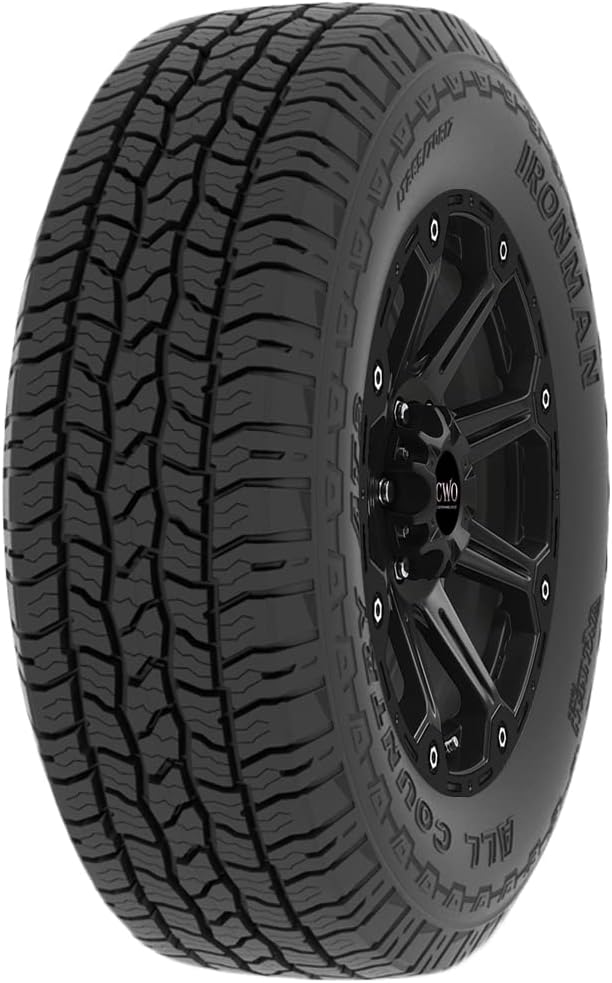
The Ironman All Country A/T 2 is an all-terrain tire designed for SUVs and light trucks. It’s built to handle a mix of paved roads and rough trails, making it a good choice for drivers who need both highway comfort and light off-road capability.
Key Features
- Aggressive tread pattern for traction on dirt, gravel, and mud
- Reinforced construction for durability on tough surfaces
- Balanced design for highway stability and comfort
- Stone ejectors to prevent small rocks from getting stuck in the tread
Best For
- Drivers who split time between highways and unpaved roads
- SUV or truck owners who enjoy weekend adventures or light off-roading
- People who want reliable year-round traction, including rain and light snow
Pros
- Good off-road grip compared to regular all-season tires
- Durable design resists cuts and chips
- Handles both daily driving and occasional trails
- Value pricing for an all-terrain option
Cons
- Can be noisier on highways than regular road tires
- Not meant for extreme mud or deep snow conditions
- Slightly lower tread life than premium all-terrain brands
Ideal Use Cases
- Family SUV that sometimes tackles dirt roads
- Pickup truck used for both work and weekend outdoor trips
- Drivers who want rugged looks without spending big on top-tier brands
Quick Specs (varies by size)
- Tire type: All-Terrain
- Sizes: Fits a wide range of SUVs and light trucks
- Load range: Standard and heavy-duty options available
- Season: All-season, light snow capable
Ironman GS906
The Ironman GS906 is an all-season touring tire made for everyday driving. It’s designed to give drivers a smooth ride, reliable handling, and solid traction in both dry and wet conditions. This tire is built for passenger cars and smaller SUVs, making it a practical choice for daily commuters.

Key Features
- All-season tread for year-round use
- Optimized tread pattern for a quiet and comfortable ride
- Good wet grip to reduce the risk of hydroplaning
- Designed for long tread life and consistent wear
Best For
- Drivers who spend most of their time on city streets or highways
- Car owners who want a balance of comfort, safety, and affordability
- Budget-conscious drivers looking for a dependable daily tire
Pros
- Affordable price compared to premium touring tires
- Quiet and smooth ride for daily use
- Reliable traction in rain and light snow
- Long-lasting tread life for the cost
Cons
- Not designed for off-road or heavy-duty use
- Performance in deep snow or icy conditions is limited
- Doesn’t match the handling of premium touring brands
Ideal Use Cases
- Commuters driving to work or school every day
- Families looking for safe, budget-friendly tires for a small SUV or sedan
- Drivers who want a quiet, reliable tire without spending too much
Quick Specs (varies by size)
- Tire type: All-Season Touring
- Vehicle fit: Passenger cars, small SUVs, crossovers
- Season: All-season (light snow capable)
- Sizes: Available in a wide range of standard car sizes
Ironman RB-12
The Ironman RB-12 is a touring all-season tire made for passenger cars and smaller crossovers. It focuses on giving drivers a smooth ride, steady handling, and good performance in different weather conditions. With its budget-friendly price, it’s a solid choice for daily driving.

Key Features
- All-season tread design for year-round driving
- Wide grooves to help channel water and reduce hydroplaning
- Quiet tread pattern for a smoother, more comfortable ride
- Even wear design for longer tread life
Best For
- Everyday commuting on city streets and highways
- Drivers looking for an affordable, reliable tire
- Car owners who want balanced performance without premium pricing
Pros
- Very affordable compared to bigger name brands
- Comfortable and quiet ride for daily use
- Decent wet-weather traction
- Wide range of sizes available for passenger cars
Cons
- Not designed for harsh winter or off-road driving
- Handling at high speeds is not as strong as premium tires
- May wear faster under aggressive driving
Ideal Use Cases
- Drivers with compact cars, sedans, or small crossovers
- Families wanting dependable and cost-friendly tires for everyday use
- Budget-conscious drivers who want a balance of comfort and safety
Quick Specs (varies by size)
- Tire type: All-Season Touring
- Vehicle fit: Passenger cars, small crossovers
- Season: All-season (light snow capable)
- Sizes: Available in a wide range of standard car tire sizes
Ironman iMove Gen 2 AS
The Ironman iMove Gen 2 AS is an ultra-high-performance all-season tire made for sporty cars, sedans, and some SUVs. It’s designed to give drivers better grip, sharper handling, and a smooth ride in both dry and wet conditions. This tire is popular among budget-conscious drivers who want performance without paying premium brand prices.

Key Features
- Asymmetric tread pattern for improved cornering and control
- Wide grooves to help resist hydroplaning on wet roads
- Tread design built for quiet driving and comfort
- Enhanced rubber compound for longer tread life
Best For
- Drivers who enjoy sportier handling
- City and highway driving year-round
- Car owners who want a mix of performance and affordability
Pros
- Affordable price for a performance tire
- Strong traction in both dry and wet conditions
- Good cornering stability and control
- Wide size range for cars and SUVs
Cons
- Winter performance is limited (not ideal for heavy snow/ice)
- Tread life may be shorter under aggressive driving
- Slightly more road noise compared to premium brands
Ideal Use Cases
- Daily drivers with sporty sedans or coupes
- Budget-conscious drivers who want a performance-style tire
- Urban and highway driving in mostly dry or mild wet conditions
Quick Specs (varies by size)
- Tire type: Ultra-High-Performance All-Season
- Vehicle fit: Passenger cars, sedans, coupes, some SUVs
- Season: All-season (light snow only)
- Sizes: Wide range of performance sizes available
Ironman RB-SUV
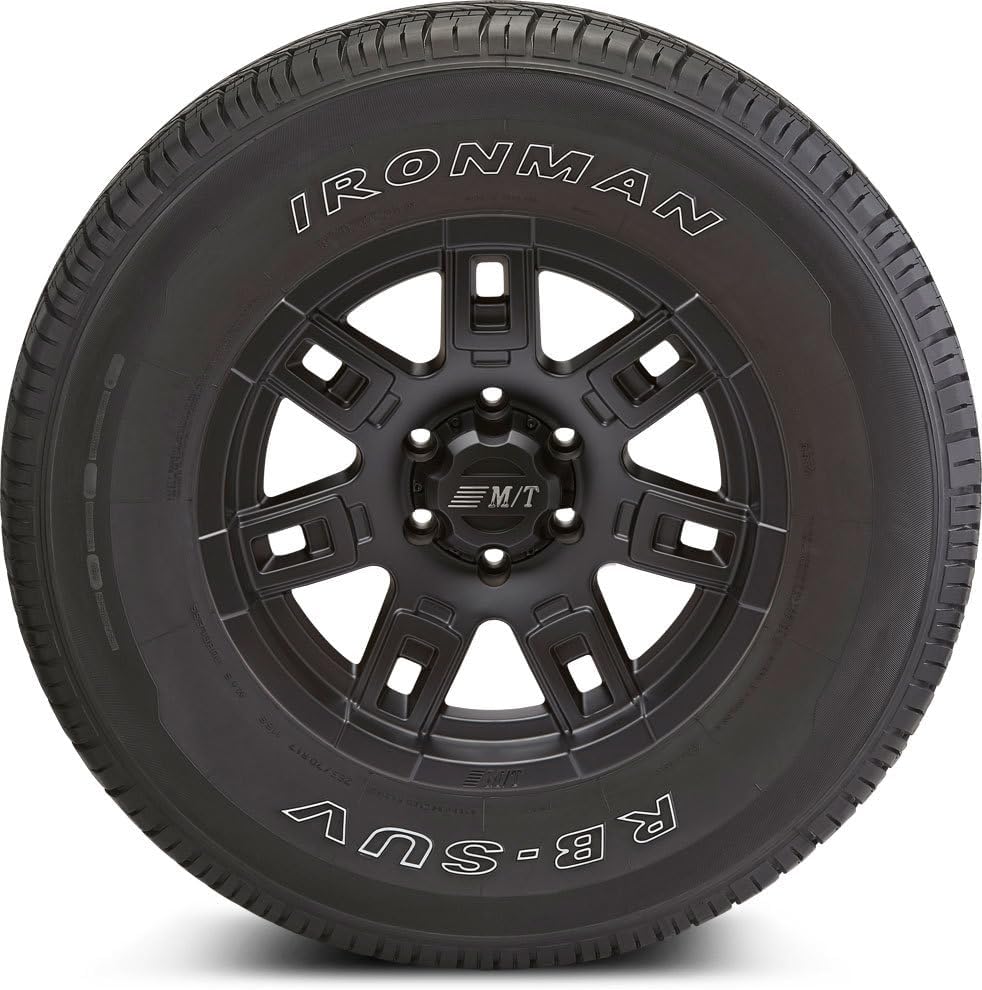
The Ironman RB-SUV is an all-season tire designed for SUVs and light trucks. It’s made to handle the extra weight of larger vehicles while still giving a comfortable ride. This tire is built for everyday driving, offering solid traction in both dry and wet weather at an affordable price.
Key Features
- Reinforced construction to carry heavier SUV loads
- All-season tread pattern for year-round use
- Wide grooves to help push water away and reduce hydroplaning
- Quiet ride design for comfort on highways
Best For
- SUV and light truck owners who need dependable everyday tires
- City and highway driving in all seasons
- Drivers looking for budget-friendly, practical tires
Pros
- Affordable compared to many SUV tire brands
- Good handling in dry and wet conditions
- Comfortable ride for daily commuting
- Strong enough to handle heavier vehicles
Cons
- Not meant for off-road or rough terrain
- Winter snow and ice traction is limited
- Doesn’t offer high-performance cornering
Ideal Use Cases
- Daily family SUV or crossover use
- Highway trips and urban driving
- Drivers who want reliable performance without overspending
Quick Specs (varies by size)
- Tire type: All-Season SUV/Light Truck
- Vehicle fit: SUVs, crossovers, light trucks
- Season: All-season (mild winter use)
- Sizes: Available in common SUV/truck sizes
Comparison Table of Best Ironman Tire Models
| Model | Type | Best For | Warranty |
|---|---|---|---|
| Ironman All Country A/T 2 | All-Terrain | Light trucks, SUVs, off-road & highway mix | 50,000 miles |
| Ironman GS906 | All-Season | Sedans, crossovers, everyday driving | 50,000 miles |
| Ironman RB-12 | All-Season | Sedans, smaller SUVs | 50,000 miles |
| Ironman iMove Gen 2 AS | All-Season | Crossovers, minivans | 50,000 miles |
| Ironman RB-SUV | SUV/Light Truck | Larger SUVs, family vehicles | 50,000 miles |
Pricing & Value for Money
Ironman Tires are clearly positioned as a budget-friendly option. You’ll pay noticeably less upfront than you would for premium brands like Michelin or Goodyear, which makes them attractive if you want safe, reliable tires without spending a fortune.
One way to think about value is cost per mile. Even if Ironman tires wear slightly faster than premium tires, their lower initial price can balance that out. For example, a tire costing $120 with a 50,000-mile warranty comes out to about $0.0024 per mile, while a $200 premium tire with an 80,000-mile warranty is around $0.0025 per mile. The difference may be small, but it shows that budget tires can still be economical over time.
Long-term value also depends on your driving habits. If you mostly commute or run errands on paved roads, Ironman tires often last long enough to provide solid mileage for the price. However, if you frequently drive in extreme weather, tow heavy loads, or want maximum performance, investing in premium tires could save you money in the long run by reducing wear or improving safety.
In short, Ironman tires are a good deal for cost-conscious drivers. They provide dependable everyday performance, and when you consider cost per mile, they often compete well with higher-priced alternatives.
Real-World Driving Experience
To give a clearer picture, here’s how Ironman Tires feel in everyday driving — not just on paper.
Highway driving
At steady highway speeds (60–75 mph), the ride feels stable and predictable. The car tracks straight, and there’s no constant steering correction needed.
On smooth pavement, comfort is good for a budget tire. On rougher highways, you’ll feel bumps more than you would with premium brands, but it’s not harsh or uncomfortable.
Rain braking feel
In moderate rain, braking feels controlled as long as you’re not driving aggressively. The tires grip well enough for normal commuting and city stops.
In heavy rain or pooled water, you’ll want to slow down earlier than usual. They don’t inspire the same confidence as higher-end tires when water builds up on the road.
Light snow experience
In light snow, especially with all-season models, traction is acceptable. Starting from a stop requires gentle throttle, but they move without major slipping.
On icy patches or deeper snow, grip drops quickly. If you live in a place with regular winter storms, dedicated winter tires would feel much safer.
Road noise
Highway-focused models are fairly quiet for daily use. There is some road hum, but it’s not distracting during normal driving.
All-terrain versions are louder, especially at highway speeds. You’ll hear more tire noise on rough pavement, which is expected with chunkier tread patterns.
Long-distance comfort
On longer drives — two to four hours at a time — comfort holds up well. The ride doesn’t feel tiring, and vibration stays controlled if the tires are properly balanced.
That said, premium touring tires often feel smoother over long stretches. If you do frequent road trips, that difference becomes more noticeable over time.
Overall, Ironman tires handle daily driving well. They feel dependable for commuting, errands, and highway travel. Just keep expectations realistic — they’re built for practical, budget-friendly performance, not top-tier refinement.
Maintenance Tips to Extend Tire Life
Rotate your tires regularly. Most makers and experts recommend moving tires to different corners every 5,000–8,000 miles — often the same time as an oil change. Rotation evens out wear so your tires last longer.
Check tire pressure at least once a month and before long trips. Measure tires when they’re cold and use the pressure listed on your vehicle’s placard, not the number on the tire sidewall. Proper inflation improves wear, fuel economy, and handling.
Get your wheels aligned when you notice uneven wear, steering pull, or after a big hit (pothole or curb). As a rule of thumb, an alignment once a year keeps things tracking straight and prevents premature edge wear. Alignment also protects suspension parts.
Store spare or seasonal tires in a cool, dry place away from sunlight and chemicals. Tires kept in climate-controlled basements or garages stay in better shape than those left outside. If you mount tires on rims for storage, hang them or stack them flat and cover them to keep dust off.
Watch how you drive — smooth driving extends tire life. Avoid hard launches, sudden stops, and fast cornering. These behaviors wear tread faster and stress sidewalls; gentle acceleration and braking add miles. Also try not to overload the vehicle beyond its rated capacity.
Quick checklist you can follow:
- Rotate every 5,000–8,000 miles (or follow your owner’s manual).
- Check pressure monthly and before long trips.
- Align at least once a year or after impacts.
- Store tires in a cool, dry spot away from sunlight.
- Drive smoothly and avoid overloading the car.
Do these simple things and you’ll get noticeably more life from any tire — including Ironman models — while improving safety and saving money over time.
Customer Feedback and Reviews
Ironman tires receive mixed but generally positive reviews from drivers. Feedback comes from sites like Tire Rack, Amazon, and Discount Tire, where everyday drivers share their real experiences.
What People Like 👍
- Affordable price: Many drivers say Ironman tires give good performance for the money.
- Comfortable ride: Reviewers mention a smooth ride for daily driving.
- Decent traction: Good grip in both dry and wet conditions, especially for city and highway use.
- Variety: Options for SUVs, trucks, and passenger cars.
Common Complaints 👎
- Road noise: Some drivers notice more noise at highway speeds compared to premium brands.
- Tread life: The tires last a reasonable time, but not as long as higher-end competitors.
- High-speed handling: A few reviews note that performance drops when driving aggressively or at higher speeds.
Overall Sentiment ⭐
Most users agree that Ironman tires are a good value choice if you want reliable, everyday performance without spending too much. They may not be the quietest or longest-lasting tires, but they do their job well for the price.
Frequently Asked Questions About Ironman Tires
1. Do Ironman tires come with a warranty?
Yes. Most Ironman tires include a limited warranty that covers defects in materials and workmanship. Some models also offer a mileage warranty. Always check the details for the exact tire you choose.
2. How long do Ironman tires usually last?
It depends on how and where you drive. On average, drivers report that Ironman tires last between 40,000–55,000 miles with proper care and rotation.
3. Are Ironman tires safe for winter driving?
Some Ironman tires, like the All Country A/T 2 and X-Ice winter series, are designed for better grip in snow and cold weather. For harsh winters, dedicated winter tires are recommended.
4. Can I buy Ironman tires online?
Yes. Ironman tires are available through major online retailers like Tire Rack, Amazon, and Discount Tire. You can also find them at local tire shops.
5. Are Ironman tires only for budget shoppers?
No. While they are priced lower than premium brands, many drivers choose Ironman for daily use because they balance cost, comfort, and durability.
Final Verdict
Ironman tires are a great choice for drivers who want reliable performance at an affordable price. They are not premium tires, but they offer good value for everyday driving, whether on city streets, highways, or light off-road conditions.
Best Models for Different Users
- City or highway drivers with passenger cars: GS906 or RB-12 for comfort and quiet rides.
- SUV or light truck owners: RB-SUV or RB-12 for durability and stability.
- Drivers who enjoy light off-road adventures: All Country A/T 2 for better traction on dirt and gravel.
- Sporty sedans or performance-focused drivers: iMove Gen 2 AS for sharper handling and wet/dry grip.
Overall Value and Performance
Ironman tires provide good traction, comfort, and durability at a lower cost than premium brands. While they may be a bit noisier on highways or have slightly shorter tread life, most drivers find them reliable and practical for daily use.
Recommendation
- Match the tire to your vehicle type and driving conditions.
- Consider your budget and how much you drive each year.
For everyday driving and moderate conditions, Ironman tires are a smart, cost-effective choice.
