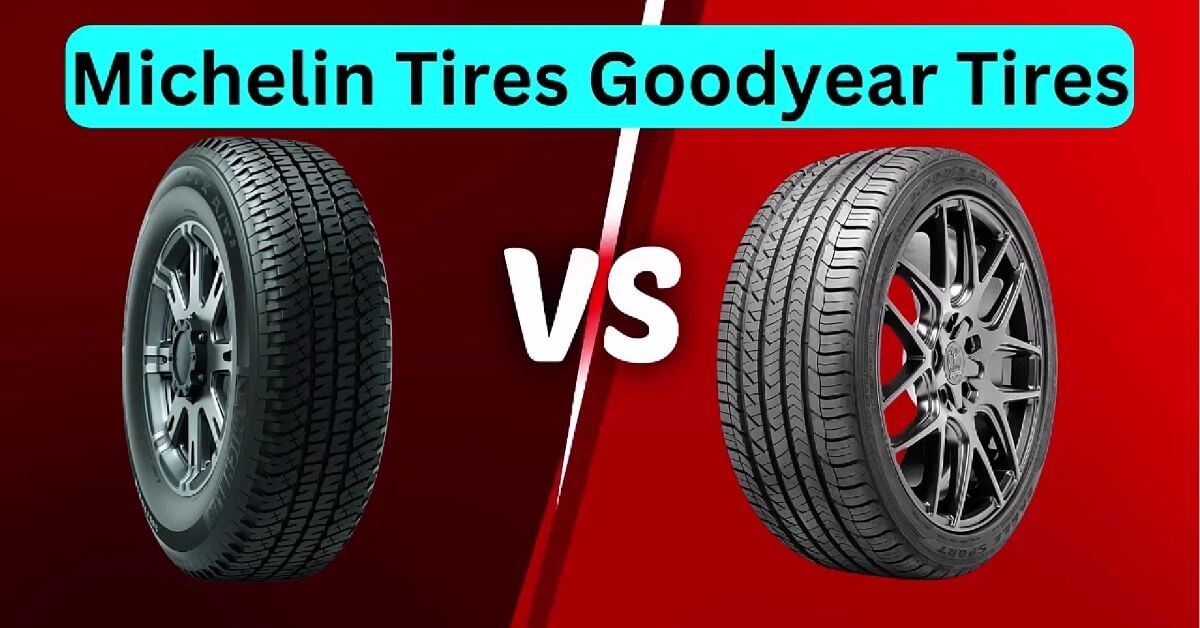
Goodyear vs Michelin: Which Tire Brand Is Better in 2026?
Last updated on May 11th, 2026
If you’re deciding between Goodyear vs Michelin, you’re probably not just comparing two tire brands—you’re trying to avoid a costly mistake. The wrong choice can mean louder road noise, faster tread wear, or less confidence when you hit wet roads at highway speed.
Both brands are trusted, widely used, and come as original equipment on millions of vehicles. But they don’t feel the same on the road. One tends to lean toward comfort and long-term refinement, while the other offers more variety and stronger value options depending on what you buy.
What really matters is how each tire behaves in your everyday driving—rainy commutes, long highway trips, rough city roads, or weekend travel. That’s where the differences between Goodyear and Michelin actually show up, and where your decision becomes much clearer.
Quick Verdict — Which Brand Is Better for Most Drivers?
Michelin is the better choice for most drivers who want comfort, a quieter highway ride, more consistent tread life, and strong wet braking confidence. It is especially good for commuters, families, and long-term owners.
Goodyear is the better choice if you want more value options, strong truck/SUV coverage, and frequent promotions. It makes a lot of sense for buyers who want solid performance without paying top premium pricing.
For performance driving:
- Michelin Pilot Sport 4S is usually the better pick for sharper grip, more consistent high-speed control, and refined handling.
- Goodyear Eagle Exhilarate is a strong sporty alternative, often with good grip and quicker value-focused pricing.
For all-weather driving:
- Michelin CrossClimate2 is usually the stronger choice for balanced year-round confidence, especially in rain and light snow.
- Goodyear Assurance WeatherReady is a capable all-weather option with good versatility and often better pricing.
Bottom line:
- Choose Michelin for premium comfort and long-term ownership.
- Choose Goodyear for value, variety, and truck/SUV flexibility.
Goodyear vs Michelin Brand Philosophy
Michelin
Michelin’s brand philosophy is built around premium performance that feels calm, controlled, and easy to live with every day. The brand tends to focus on ride comfort, long tread life, lower rolling resistance, and steady innovation rather than chasing the lowest price or the most aggressive tread design.
In real driving, that usually means a Michelin tire is designed to feel composed on the highway, less harsh over broken pavement, and more polished during long commutes. On a wet freeway in steady rain, Michelin tires often aim for predictable braking and smooth steering feedback instead of a sporty, nervous feel. For many drivers, that translates into confidence more than excitement.
A good example is a family SUV or sedan that spends most of its life on highways and city roads. In that kind of use, Michelin often shines because the tire can feel quiet at speed, stable during lane changes, and less tiring on long drives. Drivers who do a lot of mileage usually care about that calm, refined behavior just as much as tread life.
The trade-off is that Michelin usually asks for more money up front. Some drivers also find the brand’s comfort-first tuning less appealing if they want a sharper, more aggressive feel. In some performance or off-road categories, Michelin may still be excellent, but it is usually optimized first for balance, refinement, and longevity rather than ruggedness or bargain pricing.
Michelin is best for drivers who want premium ride quality, strong wet-road confidence, and long-term value from a tire that feels refined every day. It is less ideal for buyers whose main goal is the lowest purchase price or who want the most aggressive tread styling for rough terrain.
Goodyear
Goodyear’s philosophy is broader and more practical across the market. The brand covers everything from budget-friendly daily driver tires to premium performance and strong truck or SUV options, which makes it easier for more types of drivers to find something that fits their vehicle and budget.
On the road, that broad approach means Goodyear can feel very different depending on the model. Some tires are tuned for comfort and everyday value, while others lean toward tougher construction, more traction, or stronger SUV and truck capability. That flexibility is one reason many drivers see Goodyear as a brand with wider real-world coverage than a single performance personality.
For example, if you drive a pickup truck on mixed pavement, job sites, and weekend hauling, Goodyear often makes sense because the brand has a strong presence in light truck and all-terrain categories. In a scenario like wet city streets followed by a gravel driveway or an unpaved access road, Goodyear’s stronger utility-focused lineup can be more practical than a comfort-only tire.
The trade-off is consistency. Because Goodyear serves such a wide range of buyers, not every model feels premium in the same way, and some tires prioritize value over refinement. A commuter who wants the quietest, smoothest highway tire may find Michelin more polished, while a driver who needs variety, availability, and a stronger truck or SUV selection may find Goodyear easier to fit to real-life needs.
Goodyear is best for drivers who want more choices, broader category coverage, and strong options for trucks, SUVs, and budget-conscious shopping. It is less ideal for buyers who want the most premium-feeling ride and are willing to pay extra for that refinement.
Price Comparison — Is Michelin Worth the Extra Cost?
Michelin usually costs more because you are paying for refinement, tread longevity, and more consistent wet-road behavior, not just the brand name. In touring tires, that price gap can be noticeable, especially when you compare a premium Michelin all-season to a mid-range Goodyear option. The same pattern often shows up in performance, SUV, and truck tires, where Michelin tends to sit at the higher end of the shelf.
What buyers really get is a tire that often feels more polished over time. On a long highway drive, Michelin tires usually stay quieter and more stable at speed, and they often keep that composed feel deeper into the tread life. In heavy rain, the braking confidence is often one of the biggest reasons drivers accept the higher price. That matters more than a small difference in dry grip for most daily drivers.
Goodyear can be the better value when price matters more than premium feel. Frequent rebates, sales, and wider mid-tier options make it easier to buy a good tire without stretching the budget. If you only keep a vehicle for a few years, or you drive moderate annual mileage, the extra Michelin cost may be harder to justify.
Michelin is best for high-mileage drivers, commuters, and families who want long-term value. Goodyear is often smarter for shoppers looking for a solid tire at a lower upfront cost, especially when the plan is shorter ownership or a tighter budget.
Tread Life Comparison — Which Tires Last Longer?
Tread life is one of the biggest reasons drivers compare Goodyear and Michelin, but the reality is more nuanced than warranty numbers suggest. Michelin generally builds tires with a stronger focus on even wear and compound stability over time, which often translates into longer usable life in real driving. Goodyear can also last well, but tread life varies more noticeably between models depending on whether the tire is designed for comfort, value, or traction.
Warranty ratings can be misleading because they are based on controlled testing conditions that don’t fully reflect real-world driving. A 70,000-mile warranty does not guarantee you will reach 70,000 miles. Driving habits, road quality, climate, and maintenance matter just as much as the tire itself.
On a long highway commute, Michelin tires often wear more evenly because heat buildup and tread deformation are lower at steady speeds. In contrast, city driving with constant braking and acceleration tends to reduce tread life for both brands, but Goodyear budget-oriented models may show faster center or shoulder wear if inflation and rotation are not maintained properly.
In aggressive driving, such as hard cornering or frequent highway acceleration, both brands wear faster, but Michelin typically maintains more consistent tread structure before decline becomes noticeable.
EV drivers also face faster wear due to weight and instant torque. In vehicles like a Tesla Model Y, Michelin often performs better in maintaining even wear under heavy battery load.
Uneven wear is a major issue for both brands if rotation is ignored. Regular tire rotation and proper alignment are critical, and skipping them can erase any tread life advantage. A proper tire rotation guide is essential for maximizing lifespan.
Michelin is best for high-mileage drivers and long-distance commuters who want predictable wear. Goodyear is better for budget-conscious drivers or shorter ownership cycles, where maximum lifespan is less critical.
Ride Comfort and Road Noise Comparison
Ride comfort and road noise are two areas where the personality difference between Michelin and Goodyear becomes very clear in everyday driving. Michelin is generally tuned toward a softer, more refined ride with better sound insulation from the tread design. Goodyear varies more by model, but many of its mid-range tires feel slightly firmer and can transmit more road texture, especially on coarse pavement.
On the highway, Michelin typically feels more relaxed and composed. At steady speeds, cabin noise tends to stay lower and more consistent, which matters on long trips where small differences in tire hum become tiring over time. Goodyear can still be comfortable, but depending on the tire line, you may notice more tread sound on rough asphalt or concrete surfaces.
In a real highway scenario, such as a 3–4 hour drive at 100–120 km/h, Michelin often reduces fatigue because vibrations and noise buildup stay controlled. Goodyear may feel slightly more “present” on the road, especially in non-premium models, though some touring-focused Goodyear tires narrow this gap significantly.
On rough roads, like broken city pavement, potholes, and expansion joints, Michelin generally absorbs impacts more smoothly, with less sharp cabin shock. Goodyear can feel a bit firmer here, which some drivers interpret as stability, but others as reduced comfort depending on vehicle suspension.
Over time, road noise behavior also matters. After 20,000–40,000 miles, Michelin tires tend to maintain their quiet character more consistently. Some Goodyear models may develop slightly more audible tread noise as the pattern wears, especially if rotation is inconsistent.
Michelin is best for drivers who prioritize long-distance comfort, quiet cabins, and a relaxed ride in sedans and SUVs. Goodyear is better for drivers who prefer a slightly firmer feel, value options across price ranges, or don’t prioritize maximum cabin quietness.
Wet Weather Performance — Which Brand Feels Safer in Rain?
Wet weather performance is one of the most important differences between Michelin and Goodyear, especially for everyday drivers who regularly face rain, puddles, and sudden braking situations. In general, Michelin tends to deliver more consistent wet braking confidence, while Goodyear offers solid performance that varies more depending on the specific tire model.
In real driving, Michelin often feels more predictable during emergency stops on wet roads. When you hit the brakes hard on a rainy highway, the tire tends to maintain grip in a more controlled way, with less ABS intervention feel and smoother deceleration. That predictability is what many drivers interpret as “safety confidence.”
Goodyear also performs well in wet conditions, but some models feel slightly more sensitive to standing water depth. In heavy rain, especially at highway speeds, Michelin usually shows stronger stability when slicing through water, while Goodyear can feel more dependent on tread design and wear level.
A real scenario: driving through a sudden rainstorm on a busy highway, where cars are spraying water and visibility drops. Michelin-equipped vehicles often feel more planted during lane changes and braking, while Goodyear tires may feel equally safe but slightly more reactive depending on the model and tread depth.
Hydroplaning resistance is strong on both brands when new, but Michelin tends to maintain that resistance more consistently as the tire wears. Goodyear can remain very capable, but performance variation becomes more noticeable with tread age and maintenance.
In daily city commuting with stop-and-go traffic, both brands are safe, but Michelin gives a calmer, more confidence-inspiring braking feel in repeated wet stops.
Michelin is best for drivers who prioritize maximum wet-road confidence and predictable emergency braking. Goodyear is best for drivers who want good all-round wet performance at a potentially lower cost, especially when choosing the right model for their driving conditions.
Snow and Winter Performance
Snow and winter performance is where the gap between tire categories becomes more important than the brand name alone. Between Goodyear and Michelin, both offer capable all-weather and all-season options, but neither replaces a true winter tire when conditions become severe.
In light snow, both brands can perform adequately if equipped with modern all-weather designs. Tires like the Michelin CrossClimate2 and Goodyear Assurance WeatherReady can handle slushy roads, cold pavement, and light accumulation with reasonable traction. In real driving, this means you can still accelerate and brake safely in a few centimeters of snow, such as during an early morning commute after overnight snowfall.
The limitation appears when conditions turn icy or snow becomes deep and packed. In a real winter scenario—like stopping at a downhill intersection with refrozen slush—both all-season-based tires will lose confidence compared to dedicated winter tires. Braking distances increase, and steering feedback becomes less precise.
Severe winter driving is where dedicated winter tires matter. If you regularly face icy roads, freezing rain, or heavy snow buildup, neither brand’s all-season option is a full substitute. That’s where a full winter setup becomes critical for safety and control.
Between the two all-weather leaders, Michelin typically feels more stable and predictable under mixed cold conditions, while Goodyear offers solid traction but can feel slightly less refined on icy transitions depending on wear level.
Michelin is best for drivers in mixed climates who want year-round usability with better control in cold rain and light snow. Goodyear is better for drivers who want a capable, value-oriented all-weather solution but still understand the limits of all-season performance.
For anyone living in true winter regions, the most important takeaway is simple: tire type matters more than brand, and switching to dedicated winter tires should be prioritized over comparing all-season brands.
Read More: Bridgestone vs Michelin
Dry Handling and Performance Driving
Dry handling and performance driving is where tire behavior becomes most noticeable, especially in how confidently a vehicle responds to steering input and maintains grip under load. Between Goodyear and Michelin, Michelin generally leans toward more precise, predictable handling, while Goodyear offers strong performance with a slightly more variable feel depending on the specific model.
In real-world driving, Michelin performance tires tend to feel more planted during fast cornering. Steering input is smooth and progressive, meaning the tire communicates grip loss early rather than suddenly. This is especially noticeable in high-speed highway lane changes, where stability and confidence matter more than outright aggressiveness.
Goodyear performance tires, on the other hand, often feel a bit more responsive at initial turn-in. In spirited driving on winding roads, they can feel slightly sharper at first, but the feedback can vary more under sustained cornering load compared to Michelin’s more consistent behavior.
A practical scenario is taking a highway cloverleaf ramp at higher-than-normal speed. A tire like the Michelin Pilot Sport 4S typically maintains balanced grip with steady steering feedback throughout the corner. The Goodyear Eagle F1 Asymmetric delivers strong grip and quick response, but may feel a bit more sensitive to road surface changes or temperature.
The trade-off is clear. Michelin prioritizes consistency, predictability, and refined high-speed stability, while Goodyear leans slightly more toward sharp response and engaging feel in certain driving conditions.
Michelin is best for drivers who want controlled, confident performance at high speed, especially on highways and mixed-road conditions. Goodyear is better for drivers who enjoy a more reactive, sporty feel and prioritize immediate steering response over long-duration refinement.
Both perform well in dry conditions, but Michelin is more forgiving when pushing the tire near its limit for longer periods, making it more suitable for drivers who value control over aggression.
Read More: Falken Tires vs Michelin Tires
Durability and Long-Term Ownership Costs
Durability and long-term ownership costs between Goodyear and Michelin come down to how each brand manages wear structure, sidewall strength, and how consistently the tire holds up under real driving stress. Michelin generally focuses on longer, more even tread wear and stronger long-term consistency, while Goodyear offers a wider spread of durability depending on whether the tire is value-oriented, touring, or truck-focused.
In real driving, Michelin tires often feel more stable as they age. Even after tens of thousands of miles, steering response and ride balance tend to degrade more slowly, especially on highway-driven vehicles. Goodyear durability is solid in many models, but wear patterns can vary more noticeably depending on driving style and maintenance habits.
A common real-world scenario is daily driving on rough urban roads with potholes, broken asphalt, and frequent curb impacts. Michelin tires typically resist uneven shoulder wear better over time, while Goodyear tires—especially softer touring or budget lines—may show earlier edge wear if alignment or rotation is not maintained.
Sidewall durability is another key factor. In pothole-heavy city driving, Michelin generally feels slightly more resistant to long-term deformation, while Goodyear’s truck and SUV-focused models often perform strongly under heavier loads and rough-use conditions.
Replacement frequency often favors Michelin in high-mileage use because tread life is more consistent. However, Goodyear can offer lower total ownership cost if purchased during promotions or if the driver replaces tires more frequently due to shorter ownership cycles.
Cost-per-mile analysis usually shows Michelin performing better for long-distance commuters who keep tires until full wear. Goodyear often delivers better value for drivers prioritizing upfront savings or mixed-usage vehicles.
Michelin is best for high-mileage drivers, long-term ownership, and consistent wear performance. Goodyear is better for budget-focused buyers, truck/SUV users, or drivers who prioritize initial cost savings over maximum lifespan efficiency.
Popular Goodyear Tires Model
1. Goodyear Assurance WeatherReady

A reliable all-season tire made to handle rain, light snow, and everyday driving. It focuses on grip in wet weather and a comfortable ride.
Key features
- Good wet-weather traction to help reduce slipping on rainy roads.
- Tread pattern that helps clear water from under the tire.
- Designed for a smoother, quieter ride on highways and city streets.
- Often comes with warranty/road hazard coverage (check the exact offer where you buy).
Pros
- Strong performance in rain.
- Comfortable and quiet for daily driving.
- Easy to find at many retailers.
- Works well on most passenger cars and light crossovers.
Cons
- Not a dedicated winter tire — heavy snow/ice will need real winter tires.
- May cost more than budget all-season options.
- Not designed for high-speed sporty driving.
Best for
Drivers who want a safe, quiet all-around tire that handles wet roads well and is good for commuting and family cars.
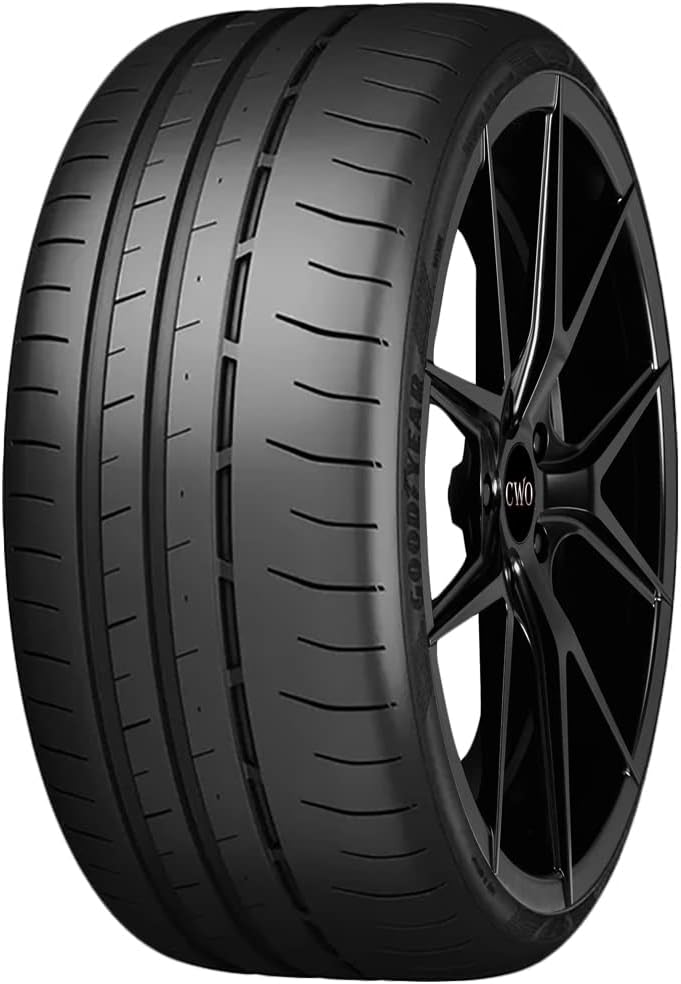
2. Goodyear Eagle F1 SuperSport R (Performance)
A high-performance tire made for sporty cars. It focuses on sharp handling, strong grip at higher speeds, and confident cornering.
Key features
- Sport-oriented tread for quick steering response.
- High grip for faster driving and tighter turns.
- Designed for good traction in dry conditions and improved wet control.
- Built for performance cars and enthusiastic drivers.
Pros
- Excellent handling and steering feel.
- Strong traction for spirited driving.
- Useful for drivers who enjoy sporty road behavior.
- Improves cornering confidence on dry roads.
Cons
- Shorter tread life than touring/all-season tires.
- Often more expensive.
- Noise and ride can be firmer compared with comfort-focused tires.
- Not ideal for heavy snow.
Best for
Owners of sporty cars who want better handling and grip for spirited driving or track days, and who accept shorter tire life.
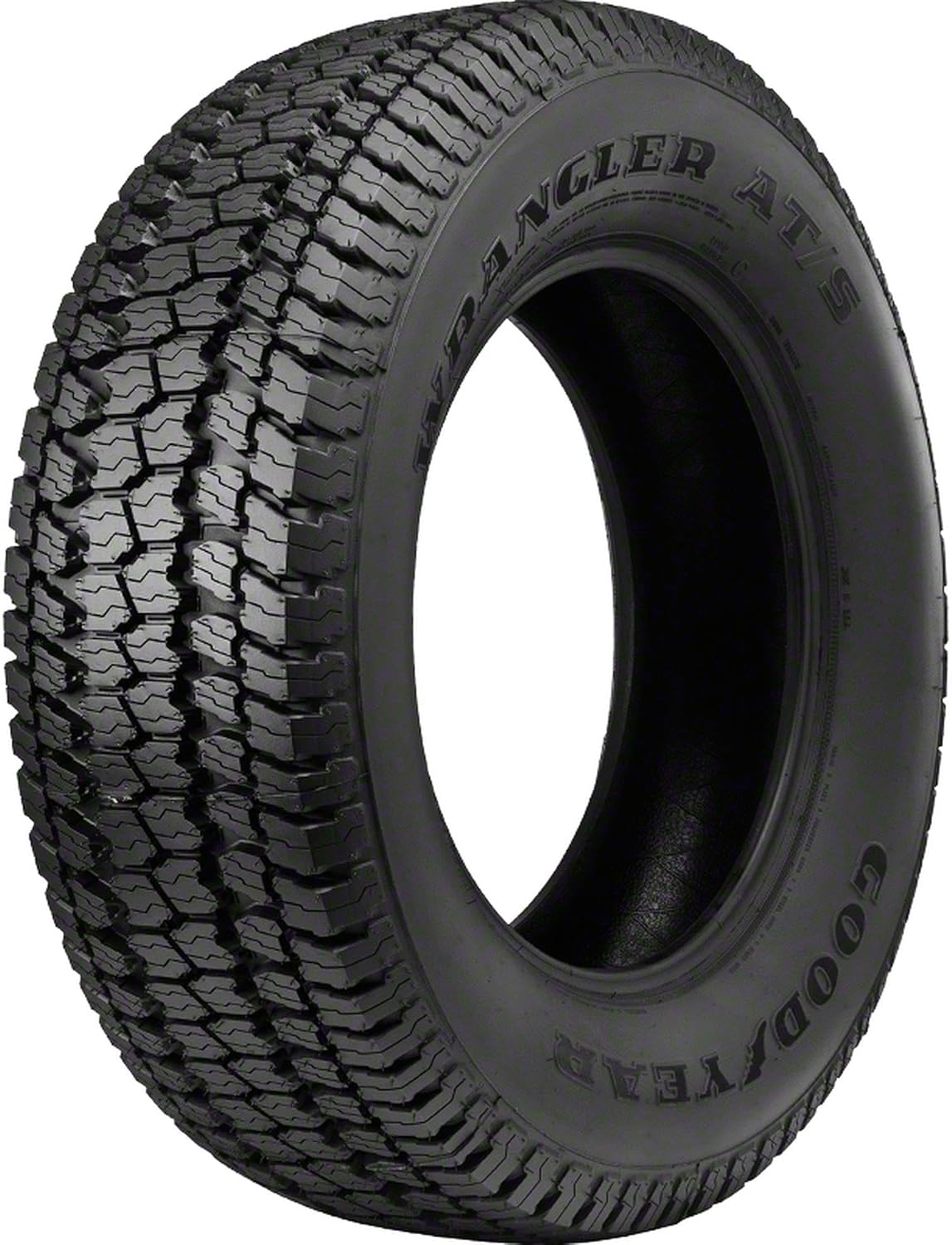
3. Goodyear Wrangler AT/S
A versatile truck/SUV tire made to handle both on-road driving and light off-road use. Balances comfort with the ability to handle gravel, dirt, and mild trails.
Key features
- Sturdy tread that grips loose surfaces like dirt and gravel.
- Built to resist cuts and chips from rough roads.
- Reasonably quiet and comfortable for highway miles.
- Good sidewall strength for truck and SUV loads.
Pros
- Good mix of on-road comfort and off-road ability.
- Durable for rougher driving conditions.
- Works well for drivers who occasionally go off-road.
- Often available for many truck and SUV sizes.
Cons
- Not a full off-road tire; deep mud or rock climbing needs more aggressive tires.
- Slightly less fuel efficient than smooth highway tires.
- Tread noise can be higher than road-focused tires.
Best for
Truck and SUV owners who want a reliable tire for daily driving plus occasional off-road trips or worksite use.
Popular Michelin Tires Model
1. Michelin CrossClimate 2
An all-season tire that leans toward strong performance in dry and cold weather. It’s made to give good traction in rain and light snow while lasting a long time.

Key features (plain language)
- Engineered to work well in a wider range of weather, including cool temperatures.
- Tread design balances grip and wear life (longer lifespan).
- Stable handling for highway and twisty roads.
- Often backed by Michelin’s reputation for durability.
Pros
- Good overall grip in dry and wet conditions.
- Typically long-lasting — you may get more miles before replacement.
- Good stability and confidence at highway speeds.
- Suitable for drivers who want one tire year-round in mild winter areas.
Cons
- More expensive than many other all-season tires.
- For areas with heavy snow or ice, dedicated winter tires are still better.
- Can be a firmer ride compared with softer-comfort tires.
Best for
Drivers who want a long-lasting all-season tire that performs well in dry and cool weather and are willing to pay a bit more for durability.
2. Michelin Pilot Sport 4 S (Performance)
A premium performance tire built for very good dry and wet grip with precise steering. It’s aimed at drivers of high-performance and luxury cars.

Key features (plain language)
- Excellent steering precision for confident control.
- Strong dry and wet traction for aggressive driving.
- Designed for responsive braking and cornering.
- Often chosen by drivers of sports or premium vehicles.
Pros
- Outstanding grip and handling at higher speeds.
- Predictable cornering behavior.
- Good wet braking for a performance tire.
- High build quality and consistent feel.
Cons
- Pricier than most tires.
- Wear faster than touring tires — expect fewer miles.
- Firmer ride and some road noise compared with comfort tires.
- Not suitable for heavy snow or icy surfaces.
Best for
Drivers with sports cars, performance sedans, or luxury vehicles who want top handling and braking performance on dry and wet roads.
3. Michelin Defender LTX M/S
A truck/SUV tire built mainly for highway comfort, long tread life, and reliable handling while still able to handle light off-road conditions.

Key features
- Long tread life for many miles of driving.
- Comfortable ride and good highway stability.
- Designed for good wet traction and towing ability.
- Often marketed for people who carry heavy loads or tow trailers.
Pros
- Excellent mileage — you may replace them less often.
- Smooth, quiet ride for long trips.
- Good for towing and heavy loads.
- Solid wet performance for safety in rain.
Cons
- Not meant for serious off-roading — limited traction in deep mud or rock.
- Higher price than some standard truck tires.
- Performance in deep snow is limited compared with winter tires.
Best for
Truck and SUV drivers who mainly drive on highways and need a durable, comfortable tire for long distances, towing, and everyday use.
Read More: Nexen vs Michelin Tire
Who Should Buy Michelin?
Michelin is the better fit for drivers who spend a lot of time on the road and notice small differences in comfort, noise, and wet-road confidence. Long-distance commuters usually appreciate how Michelin tires stay calmer at highway speed and feel less tiring after an hour or two behind the wheel.
Families are another strong fit, especially in sedans and SUVs used for school runs, errands, and road trips. In heavy rain or repeated stop-and-go traffic, Michelin often feels more predictable under braking, which is exactly what many safety-minded drivers want.
EV owners also tend to benefit from Michelin’s focus on rolling resistance and even wear. On a heavier EV, that can mean better efficiency and more consistent feel over time.
Michelin is also a smart choice for drivers keeping a vehicle for many years. The higher upfront cost makes more sense when the tires wear evenly and last longer in real use.
It is less ideal for buyers chasing the lowest initial price or for those who replace vehicles often.
Read More: Michelin vs Cooper Tires
Who Should Buy Goodyear?
Goodyear makes more sense for drivers who want solid performance without paying premium-brand pricing on every set. Budget-conscious shoppers often find better deals, more rebates, and more flexible options across the lineup.
Truck owners and SUV drivers are a strong match for Goodyear, especially when the vehicle sees towing, rough pavement, or mixed use. On an unloaded highway or a gravel access road, Goodyear’s truck-focused tires often feel more purpose-built than comfort-first touring options.
Off-road drivers also have more choices with Goodyear, from mild all-terrain use to more aggressive traction. That matters when your real driving includes dirt, mud, or job-site surfaces, not just clean asphalt.
Goodyear is also a practical choice for shorter-term ownership. If you plan to sell the vehicle in a few years, or you simply want a capable tire at a lower entry cost, the value can be strong.
It is less ideal for drivers who want the quietest, most refined ride for long highway commutes.
Related Topic: Yokohama Tires vs Michelin Tires
Are Goodyear and Michelin Worth Their Price?
Whether Goodyear or Michelin is “worth it” depends less on the brand name and more on how long you keep the vehicle, how many miles you drive, and how much you notice comfort and wet-road confidence. Michelin usually makes sense when you plan to keep the tires for a long time and you drive enough miles to benefit from slower wear, quieter highway manners, and more consistent wet braking. On a long commute or repeated road trips, that extra upfront cost can disappear over time because the tire stays composed and usable longer.
Goodyear is the smarter purchase when the budget matters more than premium refinement. If you catch a good rebate, drive moderate annual mileage, or plan to trade the vehicle before the tires are worn out, Goodyear often gives you the better value on day one. That is especially true for trucks, SUVs, and drivers who need a more practical tire without paying top-tier pricing.
A real-world example is a family SUV used mostly for highway travel in heavy rain. In that case, Michelin’s higher price can be justified because the steering feel, braking confidence, and noise control matter every week. On the other hand, a pickup used for commuting, towing, and occasional rough-road work may be better served by a Goodyear tire that costs less and still handles the job well.
Neither brand is the best fit if your driving is very low-mileage, your roads are extremely rough, or you are shopping purely by price and do not care about refinement. In those cases, you may be paying for performance you will never fully use.
Michelin is worth paying extra for high-mileage drivers, comfort-focused owners, and anyone who wants long-term consistency. Goodyear is the better buy for value shoppers, truck and SUV drivers, and shorter ownership cycles.
Related Topic: Goodyear vs Firestone
Final Verdict — Goodyear vs Michelin
Michelin is the better overall choice if you want maximum comfort, longer tread life, stronger wet braking confidence, and consistent high-speed stability. It’s especially worth it for commuters, families, and drivers who keep their cars long-term or drive high mileage.
Goodyear is the smarter pick if you want lower upfront cost, frequent discounts, and strong all-around performance, especially for trucks, SUVs, and shorter ownership cycles. It delivers solid capability, but with more variation depending on the model and price tier.
Simple rule:
- Choose Michelin for long-term value and refinement.
- Choose Goodyear for budget-friendly practicality and versatility.
FAQ — Goodyear vs Michelin
Which is better, Goodyear or Michelin?
Michelin is generally better for comfort, tread life, and wet-road confidence. Goodyear is better for value, variety, and budget-friendly options. The “better” choice depends on your driving needs and budget.
Do Michelin tires last longer than Goodyear?
In most real-world driving, yes. Michelin tires often wear more evenly and last longer, especially on highway-driven vehicles. However, Goodyear lifespan can still be strong depending on the specific model and maintenance.
Are Goodyear tires as good as Michelin tires in rain?
Goodyear tires perform well in rain, but Michelin usually feels more stable and predictable during hard braking and highway wet driving. The difference is more noticeable in heavy rain or emergency stops.
Why are Michelin tires more expensive?
Michelin focuses on longer tread life, lower road noise, better fuel efficiency, and consistent performance over time. These improvements usually increase manufacturing cost, which reflects in the price.
Which brand is quieter on the highway?
Michelin is generally quieter, especially on long highway trips. Goodyear can be slightly louder depending on the model and road surface, but touring-focused Goodyear tires narrow the gap.
Are Goodyear tires good for SUVs and trucks?
Yes. Goodyear offers a wide range of SUV and truck tires, including all-terrain options that perform well for towing, rough roads, and mixed driving conditions.
Which is better for long-distance driving?
Michelin is usually better for long-distance driving because it stays quieter, more comfortable, and more stable at highway speeds over time.
Is Michelin worth the extra cost?
Yes, if you drive a lot, value comfort, and plan to keep your tires for many years. If you drive less or focus on budget, Goodyear may offer better overall value.
