Michelin Tires Review: Are Michelin Tires Good in 2026?
Last updated on March 18th, 2026
If you’re wondering “Are Michelin Tires Good?”, you’re not alone. Choosing the right tires can make a big difference in safety, comfort, and long-term value, and Michelin has long been one of the most trusted names in the industry. From daily commuting to highway driving and even light off-road adventures, Michelin tires are designed to deliver reliable performance across a wide range of vehicles and conditions.
In this Michelin Tires Review, we’ll break down everything you need to know—from real-world performance and durability to the best models for cars, SUVs, trucks, and winter driving. Whether you’re looking for long-lasting all-season tires or high-performance options, this guide will help you decide if Michelin is the right choice for your vehicle and driving style.
Quick Answer (For fast readers)
Yes — Michelin tires are generally very good, especially if you value long tread life, consistent wet grip, and a quiet, comfortable ride. They cost more up front, but for many drivers the longer lifespan and strong performance make them a better long-term value.

If you want a one-line verdict: Michelin is a smart choice for safety-minded drivers, highway commuters, and anyone planning to keep their car for several years. If you only want the cheapest short-term option, they may not be the best fit.
About Michelin
History & reputation
Michelin began in France over a century ago and has grown into a global tire company. It makes tires for everyday cars, trucks, SUVs, and high-performance vehicles, and sells them around the world. Over the years the company has built a reputation for quality — many automakers choose Michelin tires as original equipment, and Michelin models regularly appear in industry awards and buyer comparisons.
That reputation isn’t just marketing. It comes from long product programs, wide distribution, and a steady record of durable tires that hold up in real driving. That said, being a premium brand also means Michelin tires usually cost more than mass-market alternatives.
Commitment to safety & innovation
Michelin puts a lot of effort into safety and new tire technology. A few of their headline technologies, in simple terms, are:
EverGrip — a tread design and compound that helps the tire keep grip as it wears. Instead of losing traction quickly, the tire is built to maintain performance longer as the grooves shallow.
MaxTouch — a construction and tread-shape approach that spreads forces evenly when you accelerate, brake, and corner. The result is more even wear and better grip during normal driving.
Helio compound — a rubber formula originally developed to keep grip in cold weather and reduce rolling resistance. It helps tires stick to the road in lower temperatures without becoming overly hard.
Beyond these names, Michelin runs lab and road tests during development and checks how tires perform in wet braking, handling, and wear. Many of their tires do well in independent tests and safety comparisons. No tire is perfect for every situation, so Michelin tests a wide range of use cases to match different driver needs.
Michelin tire range
Michelin makes tires for almost every vehicle type: compact cars, family sedans, luxury cars, sports cars, pickup trucks, SUVs, and light commercial vehicles. Their lineup includes summer, all-season, winter, performance, touring, truck, and all-terrain options.
In recent years Michelin has paid special attention to SUVs. Modern SUVs are heavier and often used for families and long trips, so Michelin designs SUV tires to carry heavier loads, give a quiet, comfortable ride, and resist wear under those conditions. If you drive an SUV, you’ll usually find Michelin has a model tuned specifically for comfort, stability, and long tread life rather than simply scaling up a passenger-car tire.
Pros and Cons of Michelin Tires
Pros
- Long tread life on many models.
- Strong wet traction and predictable braking.
- Quiet, comfortable highway behavior.
- Wide model range: performance, all-season, winter, truck, and off-road.
- Solid warranty options on many lines.
Cons
- Higher purchase price than many competitors.
- Not always the cheapest option for drivers who rarely put on miles.
- Some Michelin performance tires sacrifice tread life for grip.
Real-World Performance Breakdown
When people ask if Michelin tires are good, they usually mean one thing: how do they actually feel on the road?
This section breaks that down in simple, real-world terms so you know what to expect before buying.
Dry Road Performance
On dry roads, Michelin tires feel stable and easy to control. Steering is smooth and predictable, which makes everyday driving less stressful.
When you turn the wheel, the car responds quickly without feeling loose. This is especially noticeable when changing lanes or taking corners.
At higher speeds, the tires stay planted. The car doesn’t feel shaky or unstable, even on highways. This gives you more confidence during long drives.
That said, not every Michelin tire feels sporty. Some models are built more for comfort than sharp handling. So if you’re expecting a very aggressive, sporty feel, you need to choose the right model.
Wet Road Performance
Wet roads are where tire quality really matters, and this is one area where Michelin usually performs very well.
The tires are designed to push water away from the surface. This helps reduce the risk of hydroplaning, which happens when your tires lose contact with the road because of water.
In real driving, this means better control during rain. The car feels more stable, even when driving through puddles or during heavy showers.
Braking is also more reliable. Michelin tires tend to stop the car in shorter distances compared to many cheaper brands. This can make a big difference in emergency situations.
Still, performance depends on tread depth. Even the best tire will lose grip if it’s worn out, so regular checks are important.
Snow & Winter Performance
Not all Michelin tires perform the same in winter, so this part depends on the type you choose.
All-season Michelin tires can handle light snow. They work fine for mild winters where roads are mostly clear with occasional snow.
But when the roads are icy or covered in heavy snow, all-season tires have limits. They don’t provide the same grip as winter tires.
That’s where dedicated winter tires like the Michelin X-Ice Snow come in. These are made with softer rubber that stays flexible in cold weather.
You should consider winter tires if:
- Temperatures regularly drop below freezing
- Roads stay icy or snow-covered for long periods
If you live in a warm or mild climate, you likely won’t need them. But in colder regions, they make driving much safer.
Ride Comfort & Noise
One of the biggest reasons people choose Michelin is comfort.
On highways, the ride is quiet. Road noise is reduced, so you don’t hear as much tire hum inside the car. This makes long trips more relaxing.
The tires also handle bumps well. Small road imperfections feel less harsh, which is especially helpful on rough or uneven roads.
In city driving, the comfort continues. Stop-and-go traffic feels smoother, and the car doesn’t feel as rough over potholes or speed bumps.
The only downside is that some performance-focused Michelin tires may feel slightly firmer. This is normal because they are designed for better grip, not maximum softness.
Tread Life & Durability
This is where Michelin really stands out.
In real-world use, many drivers report getting between 60,000 to 80,000 miles from their tires. That’s longer than what you’ll get from many budget options.
The reason is how the tire is built. Michelin designs its tires to wear evenly over time. Instead of losing performance quickly, they stay consistent for longer.
Another factor is the materials used. The rubber compounds are made to resist heat and wear, which helps the tire last through years of driving.
But keep in mind, tire life is not guaranteed. It depends on how you drive.
Fast acceleration, hard braking, and poor maintenance can reduce lifespan. Regular rotation and proper air pressure make a big difference.
Fuel Efficiency
Fuel efficiency might not be the first thing you think about with tires, but it matters more than most people realize.
Michelin designs many of its tires with low rolling resistance. This means the tires require less energy to move, which can help your car use less fuel.
In daily driving, this can lead to small savings over time. It won’t cut your fuel costs in half, but it can make a noticeable difference, especially on long trips.
Compared to cheaper tires, Michelin often performs better in this area. Budget tires may create more resistance, which can slightly increase fuel consumption.
However, the difference is usually small. If fuel savings is your only goal, it shouldn’t be the main reason to choose Michelin. But as an added benefit, it’s a nice advantage.
Overall, Michelin tires deliver strong, balanced performance across different conditions. They may not always be the cheapest, but they tend to perform well where it matters most—safety, comfort, and long-term use.
Are Michelin Tires Worth the Money?
This is the question most people ask before buying Michelin tires. The short answer is: it depends on how you drive and what you expect from your tires.
Let’s break it down in a simple, practical way.
Price vs Value
Michelin tires usually cost more at the start. When you compare prices, they often look expensive next to budget brands.
But the key point is how long they last and how they perform over time.
A cheaper tire might save you money today, but if it wears out quickly, you’ll replace it sooner. Michelin tires are built to last longer, which means fewer replacements.
So instead of just looking at the price tag, it helps to think about how much value you get over time.
Still, the higher upfront cost can be a problem if you’re on a tight budget. Not everyone wants to spend more at once, even if it saves money later.
Cost Per Mile (Simple Way to Compare)
A better way to understand value is to look at cost per mile.
Here’s an easy example:
- Michelin tire: higher price, lasts around 70,000 miles
- Budget tire: lower price, lasts around 35,000 miles
Even if the Michelin tire costs more, you may only need to buy it once while replacing the cheaper tire twice.
In the long run, the total cost can end up being similar—or sometimes even lower with Michelin.
This is why many drivers feel Michelin tires are worth it. You pay more once, but you avoid frequent replacements.
Of course, this only works if you actually drive enough miles. If you rarely drive, the long lifespan may not matter as much.
Who Gets the Best Value
Michelin tires make the most sense for certain types of drivers.
If you drive every day, you’ll benefit from the longer lifespan. The more you drive, the more value you get.
Highway drivers also gain a lot. Long-distance trips mean less wear from stopping and starting, so Michelin tires can last even longer and stay comfortable.
They are also a good choice if you plan to keep your car for many years. You won’t have to think about replacing tires as often.
On the other hand, if you drive very little or plan to sell your car soon, the higher price may not feel worth it.
The 7 Best Michelin Tires
Best All-Season Tire: Michelin CrossClimate2
The Michelin CrossClimate2 is one of the most popular all-season tires on the market. It is designed to handle a wide range of weather conditions, making it a reliable choice for year-round driving. Whether you face rain, light snow, or dry roads, this tire adapts well and provides consistent performance.

The CrossClimate2 is known for combining safety, durability, and comfort in one package. It’s especially suitable for drivers who want one tire that works in most conditions without needing seasonal swaps. The tire offers smooth handling and strong braking, even when the roads are wet. Its tread design is optimized to maintain grip as the tire wears, helping it last longer than many other all-season tires.
Key Features
- Excellent traction on dry roads
- Reliable grip in wet conditions
- Light snow capability for mild winter weather
- Long tread life for fewer replacements
- Comfortable and quiet ride
- Even tread wear thanks to MaxTouch construction
- Good fuel efficiency due to low rolling resistance
- Stable handling at highway speeds
- Advanced rubber compounds for lasting performance
Pros and Cons
Pros:
- Works well in various weather conditions
- Long-lasting and durable
- Smooth, quiet ride
- Strong braking and handling
Cons:
- Not ideal for heavy snow or icy roads
- Higher price compared to budget all-season tires
Overall, the Michelin CrossClimate2 is a versatile all-season tire that provides reliable performance for most drivers. It’s especially valuable if you want one tire to handle multiple conditions without sacrificing safety or comfort.
Best Performance Tire: Michelin Pilot Sport 4S
The Michelin Pilot Sport 4S is designed for drivers who want maximum performance and handling. It’s popular among sports car owners and anyone who enjoys a more responsive, precise driving experience. This tire is built to deliver strong grip on both dry and wet roads while maintaining control at higher speeds.

The Pilot Sport 4S focuses on performance without completely sacrificing comfort. It’s engineered with advanced compounds and tread designs that provide excellent cornering stability and braking. While it’s geared toward sporty driving, it still offers a smooth ride for everyday use. The tire also wears reasonably well for a high-performance model, though aggressive driving will shorten its lifespan.
Key Features
- Exceptional dry road grip for sharp handling
- Strong wet road traction and reduced hydroplaning risk
- Responsive steering for precise control
- Enhanced braking performance
- Durable for a high-performance tire
- Smooth ride despite sporty design
- Cornering stability at high speeds
- Advanced rubber compounds for lasting performance
- Stylish tread design for improved road contact
Pros and Cons
Pros:
- Excellent grip and handling in dry and wet conditions
- Precise and responsive steering
- Stable at high speeds
- Reasonable tread life for a performance tire
Cons:
- Higher cost than standard tires
- Wears faster if driven aggressively
- Not suitable for heavy snow or icy conditions
The Michelin Pilot Sport 4S is ideal for drivers who prioritize performance and control. It’s a top choice for sports cars or anyone who wants a tire that responds quickly and confidently on the road.
Best SUV Tire: Michelin Latitude Tour
The Michelin Latitude Tour is designed for SUVs and crossovers, focusing on comfort, durability, and reliable performance. It’s ideal for drivers who want a smooth, quiet ride while handling the extra weight of larger vehicles. This tire is well-suited for daily commuting, highway driving, and light off-road use.

The Latitude Tour balances performance with long-term reliability. Its tread design provides strong traction in both wet and dry conditions while maintaining stability for heavier vehicles. The tire is also built to resist uneven wear, which helps it last longer than many standard SUV tires. Overall, it offers a comfortable driving experience with confidence on various road surfaces.
Key Features
- Smooth and quiet ride for comfort
- Reliable traction on dry roads
- Strong grip on wet surfaces
- Designed for SUVs and crossovers
- Long tread life for fewer replacements
- Stable handling for heavier vehicles
- Resistance to uneven wear
- Enhanced braking performance
- Efficient rolling resistance for better fuel economy
Pros and Cons
Pros:
- Comfortable and quiet, even on highways
- Durable with long tread life
- Reliable performance in wet and dry conditions
- Handles SUV weight and size well
Cons:
- Not designed for heavy off-road use
- Slightly higher price than budget SUV tires
The Michelin Latitude Tour is a top choice for SUV owners who want a tire that combines comfort, safety, and long-term value. It’s especially useful for drivers who spend a lot of time on paved roads but still want a tire capable of light off-road or mixed conditions.
Best Truck Tire: Michelin Defender LTX M/S
The Michelin Defender LTX M/S is built for trucks and larger SUVs, focusing on strength, durability, and long-lasting performance. It’s designed to handle heavy loads while still offering a comfortable and stable ride on highways and city roads. This makes it a reliable choice for drivers who use their trucks for work, family trips, or towing.

The Defender LTX M/S is made to balance toughness with everyday comfort. Its tread pattern provides good traction in both dry and wet conditions, while advanced compounds help the tire last longer. It also resists uneven wear, which is important for vehicles carrying extra weight. Many truck owners find this tire provides consistent handling and braking, even under heavy loads or during long trips.
Key Features
- Strong traction on dry and wet roads
- Durable design for heavy loads and towing
- Long tread life for fewer replacements
- Smooth, comfortable ride for trucks and SUVs
- Even wear thanks to advanced tread design
- Reliable braking performance
- Stable handling for larger vehicles
- Resistant to road noise
- Good fuel efficiency for its class
Pros and Cons
Pros:
- Built for trucks and heavy-duty use
- Long-lasting and durable
- Comfortable ride despite vehicle size
- Reliable performance in various weather conditions
Cons:
- Higher price compared to some budget truck tires
- Not designed for extreme off-road conditions
The Michelin Defender LTX M/S is a top choice for truck owners who want a tire that handles heavy loads, offers durability, and provides a smooth ride on paved roads. It’s ideal for those looking for long-term reliability without sacrificing safety or comfort.
Best Passenger Car Tire: Michelin Primacy Tour A/S
The Michelin Primacy Tour A/S is designed for passenger cars, focusing on comfort, safety, and long-lasting performance. It’s ideal for daily driving, whether you’re commuting to work, running errands, or taking longer highway trips. This tire provides a quiet, smooth ride while maintaining reliable traction in a variety of conditions.
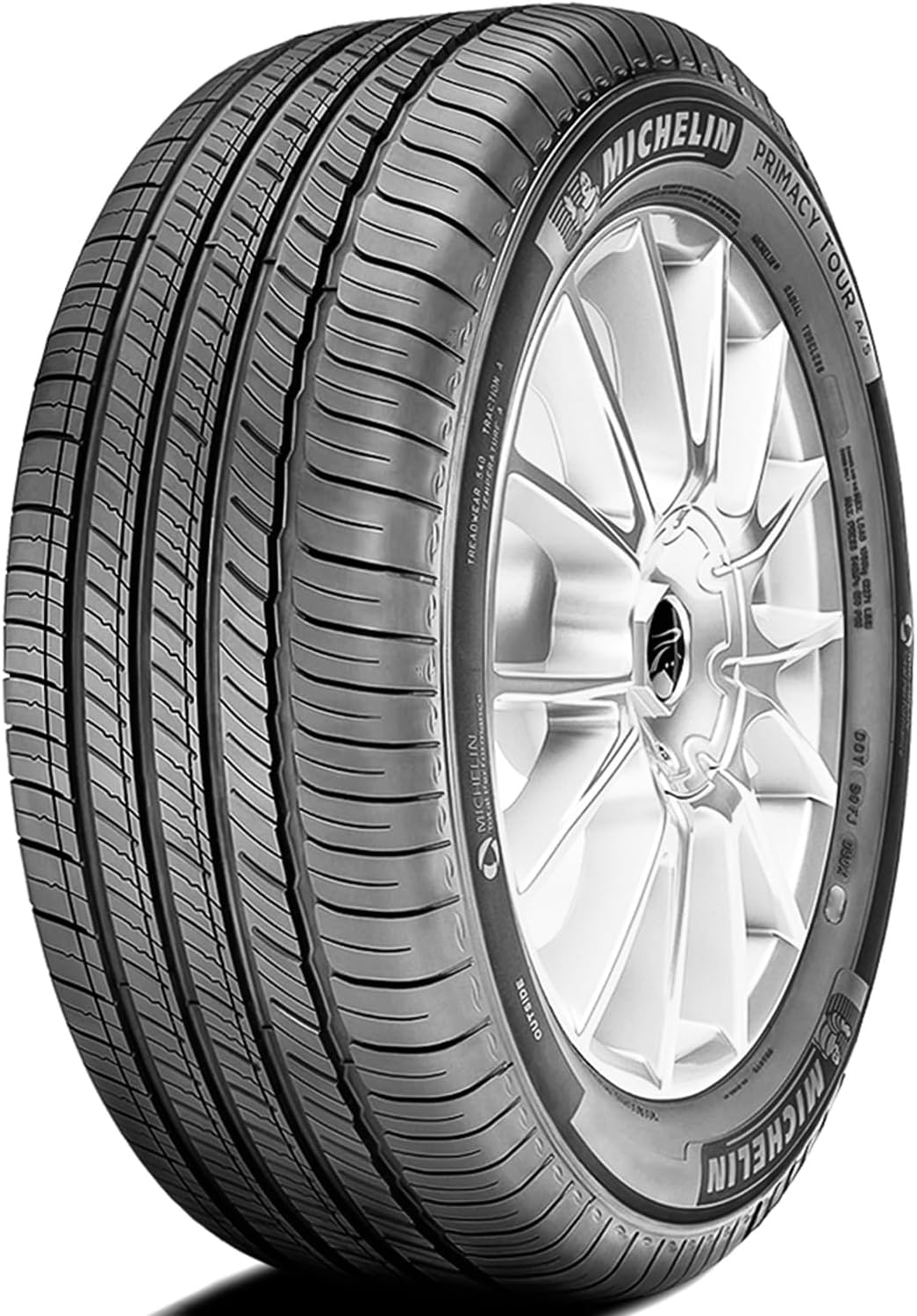
The Primacy Tour A/S balances performance with durability. Its tread design helps with wet and dry grip, while the rubber compounds are built to last. The tire is especially praised for reducing road noise and vibrations, making it one of the more comfortable options for daily drivers. It also wears evenly, helping drivers get the most miles out of each set.
Key Features
- Smooth and quiet ride for city and highway driving
- Strong traction on dry roads
- Reliable wet weather performance
- Long tread life for fewer replacements
- Even wear thanks to advanced tread design
- Comfortable handling for passenger cars
- Enhanced braking performance
- Reduced road noise and vibration
- Efficient rolling resistance for better fuel economy
Pros and Cons
Pros:
- Comfortable and quiet ride
- Long-lasting and durable
- Reliable performance in wet and dry conditions
- Even tread wear for extended lifespan
Cons:
- Not designed for heavy snow or icy roads
- Slightly higher price compared to basic all-season tires
The Michelin Primacy Tour A/S is a solid choice for passenger car owners who want a comfortable, safe, and durable tire. It’s especially good for daily commuting and long highway drives, providing a balance of quiet performance and long-term value.
Best Winter Tire: Michelin X-Ice Snow
The Michelin X-Ice Snow is designed for drivers who face harsh winter conditions. It’s built to provide reliable traction on snow, ice, and slushy roads, helping you stay safe when temperatures drop. This tire is especially useful for regions with long winters or frequent icy roads.

The X-Ice Snow focuses on grip, stability, and control in cold weather. Its rubber stays flexible in freezing temperatures, which helps maintain traction. The tread design channels snow and slush away from the tire, reducing the risk of slipping. Drivers also report a quieter ride compared to some other winter tires, which can feel harsh due to aggressive tread patterns.
Key Features
- Excellent traction on snow and ice
- Flexible rubber compound for cold weather
- Advanced tread design to resist slippage
- Stable handling on winter roads
- Shorter braking distances in icy conditions
- Durable for multiple winter seasons
- Reduced road noise compared to some winter tires
- Good fuel efficiency for a winter tire
- Even wear for longer lifespan
Pros and Cons
Pros:
- Outstanding grip in snow and ice
- Flexible in extreme cold for better control
- Quiet and comfortable for a winter tire
- Durable and long-lasting in winter conditions
Cons:
- Higher price than all-season or budget winter tires
- Not suitable for year-round use
- Performance on dry roads is not as strong as summer or all-season tires
The Michelin X-Ice Snow is ideal for drivers who need maximum safety and control in winter. If you live in a cold climate with snow and ice, this tire provides confidence and reliability during the harshest months.
Best Off-Road Tire: Michelin LTX A/T 2
The Michelin LTX A/T 2 is built for drivers who need a tire that can handle both paved roads and light off-road adventures. It’s designed for trucks, SUVs, and crossovers, offering strong traction on dirt, gravel, and mud without sacrificing comfort on highways.

The LTX A/T 2 combines durability with versatility. Its tread design provides grip in off-road conditions while maintaining stability and control on pavement. The tire is made from tough rubber compounds that resist cuts and chips, making it suitable for weekend trails or unpaved roads. Despite its off-road focus, it still offers a smooth ride and quiet performance on highways, which is a strong advantage over some other all-terrain tires.
Key Features
- Reliable traction on dirt, gravel, and mud
- Strong grip on wet and dry pavement
- Durable rubber resists cuts and chips
- Stable handling for trucks and SUVs
- Comfortable and quiet on highways
- Long tread life for off-road use
- Even wear for extended performance
- Good braking performance in mixed conditions
- Versatile for both off-road and on-road driving
Pros and Cons
Pros:
- Handles light off-road terrain well
- Durable and long-lasting
- Comfortable and quiet on highways
- Reliable performance in wet and dry conditions
Cons:
- Not designed for extreme off-roading or rock crawling
- Slightly higher cost than standard all-terrain tires
- Can be less fuel-efficient than highway-focused tires
The Michelin LTX A/T 2 is a strong choice for drivers who want a versatile tire that can manage light off-road adventures while still providing comfort and stability on everyday roads. It’s ideal for SUVs and trucks used for both work and play.
Read More: Cooper Evolution HT2 Passenger/Truck/SUV Tire Reviews (2025)
Michelin Tires vs Competitors
When choosing tires, most people don’t just look at one brand. They compare a few popular options to see which one fits their needs and budget.
Here’s a simple, honest comparison of Michelin with other well-known tire brands.
Michelin vs Bridgestone
Michelin and Bridgestone are very close in quality. Both brands are known for safety and strong performance.
Michelin usually focuses more on comfort and longer tread life. Many drivers say Michelin tires stay quiet and smooth even after years of use.
Bridgestone, on the other hand, often feels a bit more responsive, especially in certain models. Some drivers prefer it for slightly sportier handling.
In simple terms:
- Choose Michelin for comfort and long life
- Choose Bridgestone for a slightly firmer, more responsive feel
Michelin vs Goodyear
Goodyear is another strong competitor, and it often comes at a slightly lower price.
Michelin usually wins when it comes to durability and overall lifespan. You may get more miles before needing a replacement.
Goodyear offers good all-around performance and is often easier on the budget. Some of their tires also perform very well in wet conditions.
If you want better long-term value, Michelin is often the better pick.
If you want to spend less upfront, Goodyear can be a good alternative.
Michelin vs Pirelli
Pirelli is known for performance and is often used on sports and luxury cars.
Compared to Michelin, Pirelli tires usually focus more on grip and handling rather than long life. They can feel sharper and more engaging when driving fast.
Michelin, in contrast, offers a better balance. You still get good performance, but with more comfort and longer tread life.
So the choice depends on your driving style:
- Choose Michelin for daily driving and long-term use
- Choose Pirelli if you want a more sporty driving experience
Michelin vs Continental
Continental is very competitive, especially in wet and winter performance.
In some cases, Continental tires can match or even slightly beat Michelin in wet grip. They are also known for strong braking performance.
Michelin still stands out for durability and comfort. Many drivers find Michelin tires last longer and stay quieter over time.
Both brands are solid choices. The difference often comes down to what matters more to you—slightly better wet grip or longer lifespan.
How Long Do Michelin Tires Last?
One of the biggest questions drivers ask is how long Michelin tires last. On average, most Michelin tires can reach 60,000 to 80,000 miles when used under normal conditions. Some models, especially those designed for long highway driving, may last even longer.
However, tire life can vary a lot depending on how and where you drive. Your habits, the roads you drive on, and how well you take care of your tires all make a big difference.
Driving Habits
The way you drive affects how fast tires wear out. Frequent hard braking, rapid acceleration, or aggressive cornering can reduce tread life. Smooth, steady driving helps tires last longer. Even the best tires will wear faster if driven roughly.
Road Conditions
The surfaces you drive on matter too. Rough, uneven, or pothole-filled roads can wear tires faster. Highway driving is generally gentler on tires, which is why many Michelin tires reach their maximum lifespan more easily on long, smooth roads.
Maintenance
Taking care of your tires can significantly extend their life. Keeping them properly inflated, rotating them regularly, and checking wheel alignment helps wear evenly and prevents premature damage. Even Michelin tires, which are built to last, won’t reach their full potential if maintenance is ignored.
Who Should Buy Michelin Tires?
Michelin tires are a great choice for many drivers, but they aren’t for everyone. They work best for people who drive regularly and care about long-term performance.
If you commute daily, Michelin tires give you a smooth, reliable ride and strong safety performance. Highway drivers also benefit because the tires stay comfortable and quiet even on long trips. Safety-focused drivers will appreciate the consistent grip in wet or slippery conditions. Finally, if you plan to keep your car for several years, Michelin tires offer long-term value, saving you from frequent replacements.
On the other hand, Michelin tires may not be the best choice for everyone. Budget buyers looking for the cheapest option might find them too expensive. Heavy off-road enthusiasts may need more rugged tires designed specifically for rough terrain. Drivers who only put a few miles on their car each year may not see the full benefit of Michelin’s long lifespan, making cheaper alternatives more practical.
In short, Michelin tires are ideal if you want comfort, safety, and durability, but they are less suited for very low-mileage or off-road-heavy use.
Read More: Blackhawk Agility SUV Tire Review
Buying Guide: How to Choose the Right Michelin Tire
Start by thinking about how you actually use the car. Ask yourself simple questions: Do you drive mostly in town or on highways? Do you carry heavy loads or tow? Are you after quiet comfort or sharper handling? Answering these makes the next steps much easier.
Next, match tires to your climate. If you live where it snows and temperatures dip below freezing a lot, buy dedicated winter tires for those months. In mild climates, a good all-season tire is usually fine. If rain is frequent where you live, prioritize tires with strong wet performance.
Match the tire type to your vehicle. Use the tire size and load rating on your current tires or the placard on the driver’s door. Don’t guess — the right size and load rating keep the car safe and avoid problems with handling or fit. If you drive an SUV or pickup, look for tires made for heavier vehicles; sedans usually do better with passenger-car models.
Check warranty and ratings before you buy. Look for a mileage warranty and read the fine print: some warranties are prorated after a certain point, and road-hazard coverage varies. For independent test results and user feedback, check trusted testers like Consumer Reports and retail testers such as Tire Rack. These sources show real braking tests, wear data, and owner reviews.
Real User Experiences
Many drivers have shared their experiences with Michelin tires, and there are some clear patterns in what people like and what they don’t.
A lot of users praise Michelin tires for their long lifespan and durability. Many report getting tens of thousands of miles without needing a replacement. Comfort is another highlight—drivers notice a quieter and smoother ride compared to cheaper tires. Wet weather performance also gets positive mentions, with drivers feeling more confident in rain or light snow.
On the other hand, some complaints do come up. The most common issue is price, as Michelin tires are more expensive than many other brands. A few users also note that performance tires can wear faster if driven aggressively, which is normal but worth knowing. Some drivers who mainly use their car for short trips feel they don’t get the full value because the tires last longer than they actually drive.
Overall, real-world feedback shows that Michelin tires deliver reliable performance and comfort, but they work best for drivers who want long-term value and are willing to invest a bit more upfront.
Read More: Ironman RB SUV Tires Reviews: Affordable Performance for Everyday SUV Drivers
Common Problems or Concerns
One of the main concerns people have with Michelin tires is price. They are usually more expensive than other brands, which can be a barrier for budget-conscious drivers. While the higher cost often comes with longer life and better performance, not everyone is willing or able to pay upfront.
Availability can also be an issue in some areas. Certain Michelin models, especially specialty tires like performance or winter tires, may not always be in stock at local shops. This can mean waiting longer or needing to order online, which isn’t ideal if you need tires quickly.
Finally, some specific models have limitations. For example, all-season tires may not perform well in heavy snow, and performance tires may wear faster if driven aggressively. It’s important to choose a model that matches your vehicle and driving conditions to avoid disappointment.
Overall, while Michelin tires are highly regarded, price, availability, and model-specific limits are things to keep in mind when making a purchase.
Maintenance Tips to Maximize Michelin Tire Life
Taking care of your tires can make a big difference in how long they last. Here are some practical tips to keep your Michelin tires performing at their best:
- Rotate tires regularly: Moving your tires from front to back and side to side helps them wear evenly. This prevents one tire from wearing out faster than the others.
- Maintain proper air pressure: Check your tire pressure at least once a month. Underinflated or overinflated tires can wear unevenly and reduce fuel efficiency.
- Do wheel alignment: Misaligned wheels can cause tires to wear on one edge. Getting an alignment ensures the car drives straight and extends tire life.
- Avoid aggressive driving: Hard braking, rapid acceleration, and sharp turns wear tires faster. Smooth driving helps your tires last longer and keeps the ride comfortable.
Following these simple steps can help you get the most out of your Michelin tires, saving money and improving safety over time.
FAQs About Michelin Tires Review
Are Michelin tires better than other brands?
They’re consistently near the top for durability, wet performance, and comfort. “Better” depends on which competitor and which tire category, but Michelin is a strong all-around choice.
Why are Michelin tires more expensive?
Higher R&D, better compound technology, and more extensive testing increase manufacturing costs. That investment often produces longer life and stronger performance.
Are Michelin tires good in the rain?
Yes — many Michelin models excel in wet braking and hydroplaning resistance.
Do Michelin tires last longer?
Many Michelin touring and truck tires have longer tread life than average, especially with proper maintenance.
Which Michelin tire is best for my car?
Refer to the “Best Michelin Tires by Car Type” section above and match that recommendation to your vehicle and driving conditions.
Final Verdict: Are Michelin Tires Good?
So, are Michelin tires good? The answer is yes—for most drivers, they offer excellent performance, safety, and long-term value. They excel in comfort, durability, and reliable traction on dry, wet, and even light snowy roads. Real-world users report that Michelin tires last longer than many other brands, making them a smart investment for daily driving and long-term car ownership.
That said, Michelin tires are not the cheapest option. Some performance or specialty models can wear faster if driven aggressively, and certain tires may not be ideal for extreme off-road or heavy snow conditions.
Overall, if you value safety, comfort, and a tire that performs consistently over time, Michelin is a strong choice. They are especially worth it for drivers who log regular miles, commute daily, or plan to keep their vehicle for several years.
