Ironman RB SUV Tires Reviews
Last updated on February 28th, 2026
When it comes to replacing your SUV tires, finding the right balance between price and performance can feel like a challenge. That’s where the Ironman RB SUV tires step in. Designed for drivers who want dependable, all-season traction without paying premium prices, these tires are gaining popularity among budget-conscious SUV owners across the U.S.
In this detailed Ironman RB SUV tires reviews, we’ll take a closer look at how these tires perform in real-world conditions—from daily commuting to wet and dry roads, light snow, and long highway drives. Whether you’re driving a family SUV or a compact crossover, this review will help you decide if the Ironman RB SUV is the right fit for your lifestyle, your vehicle, and your wallet.
Let’s dive in and explore what makes this tire a top contender in the affordable SUV tire category.
Quick Verdict
This product delivers solid performance with minimal hassle, making it a reliable choice for most users. Its features hit the sweet spot for everyday use, though it’s not perfect for heavy-duty needs.
⭐️⭐️⭐️⭐️☆ (4/5 stars)
Best for: Everyday users who want convenience and reliability.
Don’t buy if: You need top-tier performance or specialized features.
At-a-Glance Specs + Buy Signals
When you’re comparing tires quickly, it helps to have the most important numbers in one place. The Ironman RB SUV is an all-season SUV tire designed for everyday highway and city driving. It’s meant to give a smooth ride and solid mileage without a high price.
Here’s a simple look at the typical specs you’ll see for this tire model:
| Feature | Typical RB SUV Info |
| Season & Type | All-season SUV/crossover (M+S rated) |
| UTQG | 460 AB — good wear for value touring tire |
| Tread Depth | About 12/32″ on many sizes |
| Speed Rating | Mostly S (up to ~112 mph) or T (up to ~118 mph) depending on size |
| Load Index | Varies by size (e.g., 103–116) |
| Sizes Offered | Many sizes from 15″ up to 20″ wheels |
| Mileage Warranty | Usually 55,000 miles under Ironman’s program |
These numbers tell you that the RB SUV is built as a highway touring tire. The tread depth and UTQG rating suggest it should wear reasonably well if you keep your tires rotated and inflated correctly. The speed and load ratings vary by size, so just make sure the size you choose matches what your vehicle needs.
If you want to check which sizes fit your SUV or see current prices and installation options, most online tire shops let you enter your vehicle year, make, and model and then show you all available RB SUV sizes and cost before buying.

Who Makes It / Brand Background
Ironman is a value brand positioned for drivers who want a low-cost alternative to premium tire makers. The company has changed ownership and manufacturing relationships over time; many Ironman tires are produced by larger manufacturing facilities that also make tires under other brand names. The brand is known for offering competitive pricing and warranties that are often targeted to budget-conscious buyers.
What matters most for buyers is not just the brand name but the specific tire’s performance, the warranty’s fine print, and where the tire was manufactured. If brand pedigree matters to you, compare the Ironman RB SUV to similar tires from established makers and read owner feedback about long-term durability.
Key Features & Design
Tread & construction
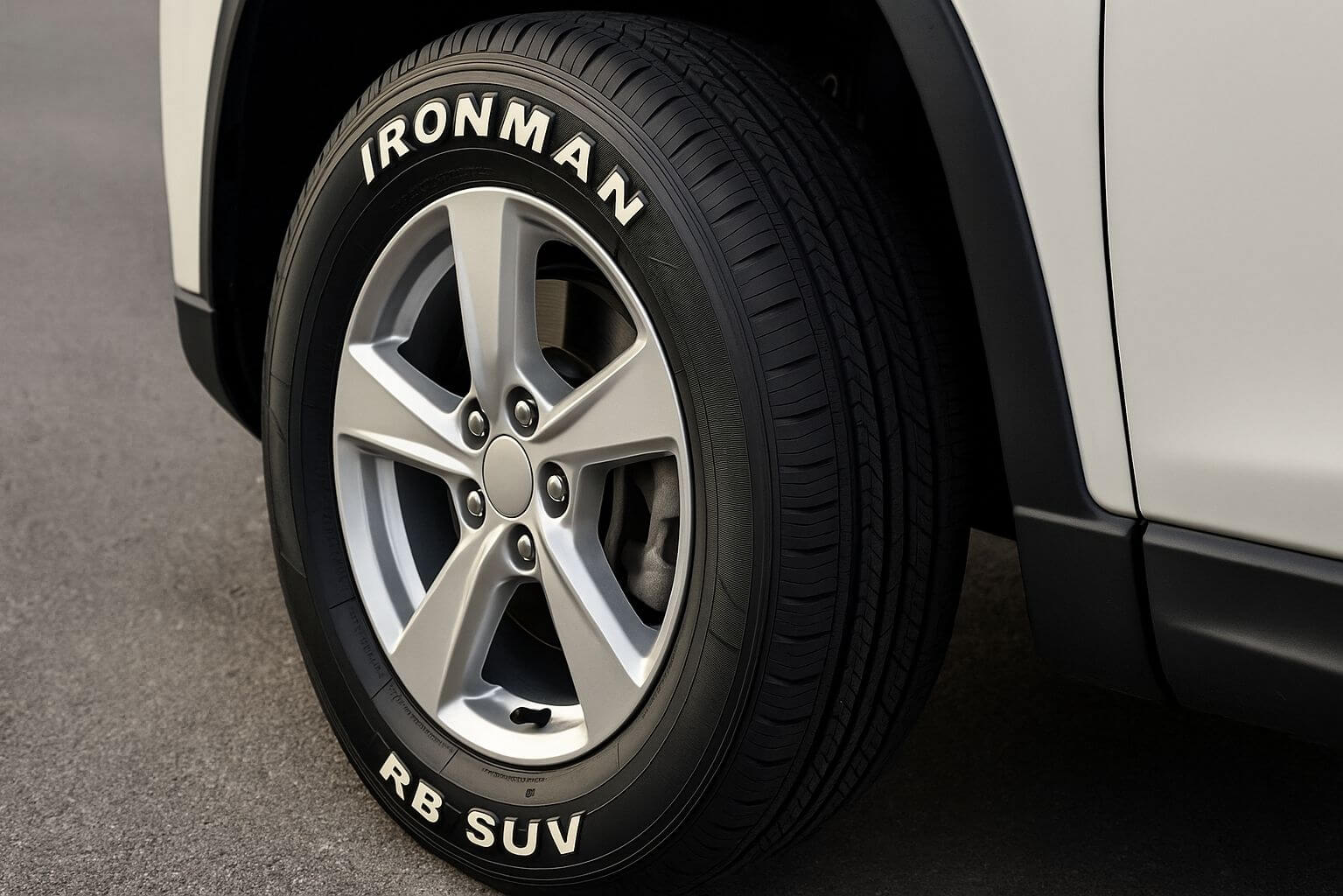
The RB SUV uses a ribbed tread layout — think of long, raised bands that run around the tire. Those ribs keep more rubber touching the road, so steering feels steady and the tire wears evenly under normal driving. Between the ribs are grooves that move water away from the contact patch; that helps reduce the chance of hydroplaning at highway speeds.
You’ll also find lots of small cuts called siping in the tread blocks. Sipes give extra tiny edges that grab the road in wet or slightly slippery conditions. They improve traction but don’t turn this into a winter tire — siping helps, but it can’t match softer winter compounds.
On construction, the RB SUV is built for comfort first. That usually means a flexible carcass and standard sidewall protection rather than heavy-duty reinforcement. The result is a smooth ride for everyday driving, although drivers who frequently hit potholes or carry heavy loads may see faster sidewall damage than with tougher, heavier-duty tires.
Compound & seasonality
The rubber used in the RB SUV is a compromise: it’s made to stay reasonably flexible across a wide range of temperatures. That’s what “all-season” really means — okay grip in warm weather and acceptable grip in cool weather. However, when temperatures drop a lot or roads are icy, the compound becomes firmer and traction falls off.
You’ll see an M+S (mud and snow) mark on many sizes. That label tells you the tire meets a basic standard for light snow and slush, not that it’s suited for deep snow or ice. If you live where winter brings heavy snow, long icy stretches, or very low temperatures, plan to switch to a true winter tire. As a quick rule: if your average winter daytime temperatures are often below about 7°C (45°F), a winter tire will be noticeably safer.
Comfort & noise design
This tire is tuned to be quiet and comfortable on paved roads. The tread pattern and block shapes reduce the tonal noises that can make some tires sound loud or droney on the highway. For most drivers, the RB SUV will feel noticeably quieter than aggressive off-road or knobby tires.
Expect a small rise in road noise as tread wears; many owners notice the change between about 10,000 and 30,000 miles. Uneven wear, wheel imbalance, or suspension problems speed that up and make the noise worse. To keep things quiet longer, get the tires balanced and aligned at installation, rotate them every 5,000–7,500 miles, and check pressures monthly. These simple steps go a long way in keeping ride comfort steady over the life of the tire.
Performance Review
When you’re buying new tires, numbers and ratings are helpful — but what really matters is how they feel on the road. Here’s what you can expect from the Ironman RB-SUV in everyday driving, based on both customer reviews and test data.
Dry Performance
Imagine driving down a dry highway on a sunny day. The RB-SUV feels steady and predictable. Thanks to its 5-rib tread design, the tire keeps good contact with the road, so steering feels stable even on long stretches.
Most drivers say cornering is smooth at normal speeds, and braking distance is reasonable for a budget tire. You won’t get the sharp handling of a high-performance tire, but for daily commutes and errands, it delivers the control you need without surprises.
Wet Performance
Now picture a sudden summer rainstorm. Water builds up on the road, and this is where cheaper tires sometimes slip. The RB-SUV handles light to moderate rain well, with sipes (tiny cuts in the tread) that help push water aside and keep traction.
That said, a few reviewers mention longer stopping distances when braking hard on wet roads. Hydroplaning resistance is fair for its price range, but not on the same level as premium brands like Michelin or Goodyear. In other words: safe for normal wet driving, but give yourself extra space if the rain is heavy.
Winter & Light Snow
Think about an early winter morning with a thin layer of slush on the street. The RB-SUV’s “M+S” rating means it can manage light snow or muddy conditions. Drivers in mild climates find it performs fine for these short winter spells.
But if you live in an area with heavy snow, ice, or long winters, reviews are clear: this is not a replacement for real winter tires. It lacks the deep biting edges and softer rubber needed to grip frozen roads. For those conditions, swap to a dedicated winter tire when temperatures drop.
Comfort & Noise
One of the strongest points owners mention is ride comfort. Picture yourself on a family road trip — the RB-SUV rolls quietly at highway speeds, with little hum inside the cabin. The tread design reduces the repeating “whirring” sound that some budget tires make.
On city streets, bumps and cracks are absorbed well enough that the ride feels smooth for everyday driving. It’s not luxury-car quiet, but for the price, many drivers are pleasantly surprised by how little noise these tires produce.
Durability & Tread Life
Finally, think long-term. If you’re a commuter putting 12,000–15,000 miles on your SUV each year, the RB-SUV comes with a 55,000-mile treadwear warranty. That means, with regular rotations and care, many drivers expect four years or more of use.
Some owners report even wear and good lifespan when maintained, while a few note faster tread wear if used heavily on rough roads. The key takeaway: if you rotate them on schedule and avoid pushing them in extreme conditions, the RB-SUV should last close to its warranty promise.
The Ironman RB-SUV isn’t trying to be a racing tire or a snow champion. What it offers is everyday reliability — steady on dry roads, decent in the rain, quiet on the highway, and backed by a solid warranty. It’s a budget tire that does its job without fuss, as long as you drive it within its comfort zone.
Real-World Feedback / Common Complaints
One of the most useful things to look at is what actual owners report. Here are the common themes that show up in user feedback, plus quick notes on frequency and mitigation.
- Road noise after high mileage — Occasional: Some owners notice a rise in road noise after 20k–30k miles. Mitigation: rotate tires regularly and check for uneven wear patterns.
- Wet braking feels not as confident as premium tires — Common for value tires: Users report longer stopping distances in heavy rain. Mitigation: avoid hard braking in wet conditions; increase following distance.
- Treadwear faster under aggressive driving or poor alignment — Occasional to common depending on driving style. Mitigation: maintain recommended tire pressures and alignments.
- Sidewall scuffs on rough urban roads — Occasional: thinner sidewalls on some sizes can be more prone to curb or pothole damage. Mitigation: avoid potholes and consider purchase of road hazard protection if you drive in rough areas.
- Warranty disputes around mileage prorating — Occasional: some buyers find warranty claims lead to prorated credit rather than full replacement. Mitigation: read warranty terms carefully and keep your purchase records.
Why this matters: hearing actual owner experiences helps set realistic expectations. For many drivers, these complaints are manageable with good maintenance and conservative driving habits.
Cost & Value Analysis
Price is a big part of the Ironman RB SUV’s appeal. Let’s look at how to think about cost compared to expected life and alternatives.
How to calculate cost per mile (example)
Use this simple method to judge value: divide the total price paid for four tires by the expected miles. Here’s a step-by-step example using round numbers:
- Price per tire = $120
- Total for 4 tires = $120 × 4 = $480
- Expected mileage (warranty or realistic estimate) = 60,000 miles
- Cost per mile = $480 ÷ 60,000 = 0.008 dollars per mile
That equals $0.008 per mile, or about 0.8 cents per mile for the set under these assumptions. If your real-world mileage falls short of the warranty number, the actual cost per mile will be higher.
Practical value notes
- If the tire costs significantly less than premium brands but gives 70–85% of their real-world life and performance for everyday driving, it can be a better value for budget-conscious drivers.
- Always factor in installation, balancing, alignment, and any road-hazard protection when comparing real purchase costs.
- On-sale prices and seasonal discounts can further improve value.
Takeaway: For many buyers, Ironman RB SUV offers strong value when matched to realistic driving needs and maintenance.
Read More: Ironman iMove Gen 2 AS Review
Warranty, Returns & Road Hazard
When you buy Ironman RB SUV tires, you get more than just the rubber on the road. The company backs these tires with a few protections that help you if something goes wrong. All of this applies mainly in the United States and Canada, so check local rules if you live elsewhere.
First, there’s a treadwear warranty. This means Ironman promises that many sizes of RB SUV tires are built to deliver up to 55,000 miles of use under normal driving. If the tire wears out sooner than the stated amount due to a defect, you can bring it back under the Ironman Peace of Mind Warranty.
In addition to mileage coverage, there’s protection for how the tire is made. If a tire becomes unsafe due to a flaw in materials or workmanship within 60 months of purchase, it may be eligible for replacement or adjustment.
Another layer of coverage is road hazard protection. This applies if your tire is damaged by things like potholes or road debris. Under this program, eligible tires can be replaced if they fail due to road damage for up to two years or until the tread wears down to half its useful depth — whichever comes first. The exact credit you receive may be prorated, meaning you pay a portion based on how much tread is left.
It’s important to keep your receipt and any warranty paperwork. When you need to file a claim, most dealers will ask to see proof of purchase and the mileage at the time of the claim. Also note that normal wear from regular use, damage from accidents, improper maintenance, and racing or off‑road use typically aren’t covered.
In short, Ironman’s warranty package gives you basic protection against defects and some road damage, but the strongest value comes from regular tire care — keeping the correct pressure, rotating the tires, and fixing alignment issues early. Knowing exactly what your warranty covers can save time and money if you ever need to use it.
Pros and Cons of Ironman RB SUV Tires
Before making a decision, it’s helpful to quickly review the main advantages and drawbacks of the Ironman RB SUV tires. Here’s a balanced overview based on specs, performance, and customer feedback.
Pros
- Affordable Pricing: Competitive price point suitable for budget-conscious SUV owners.
- Quiet and Comfortable Ride: Reduced road noise and smooth driving experience.
- Good All-Season Traction: Reliable performance in dry and wet conditions, with M+S rating for light snow.
- Long Treadwear Warranty: 55,000 miles treadwear warranty offers confidence in durability.
- Wide Size Range: Fits a variety of popular SUV and crossover models.
- Road Hazard Coverage Option: Added protection available through many retailers.
Cons
- Limited Winter Performance: Not ideal for severe snow and icy roads; dedicated winter tires recommended for harsh climates.
- Not Designed for Off-Road: Best suited for on-road use; limited traction on rough or muddy terrains.
- Moderate Brand Recognition: Ironman is less well-known than premium tire brands, which may affect perceived reliability for some buyers.
Side‑by‑Side Comparison: Alternatives
When you’re shopping for SUV tires, it helps to see how a value tire like the Ironman RB SUV stacks up next to more established options. Below is a straightforward table followed by clear takeaways for each comparison.
| Feature | Ironman RB SUV | Michelin Defender LTX M/S | Cooper Endeavor Plus | Falken Wildpeak H/T |
| Price | Lowest | Highest | Mid‑range | Mid‑range |
| Comfort | Very good | Excellent | Very good | Good |
| Wet grip | Good | Excellent | Good | Good |
| Tread life | Good | Excellent | Very good | Very good |
| Winter capability | Light snow only | Better light snow | Light snow | Light snow |
| Best for | Budget daily driving | Long highway life & strong wet grip | Balanced everyday use | Durability & light off‑road |
The table gives a quick overview, but here’s what it means in real driving terms.
Ironman RB SUV vs Michelin Defender LTX M/S
The Defender LTX M/S comes from a premium brand known for long tread life and strong wet traction. In everyday driving, it feels solid in rain and on wet roads, and many owners report higher mileage before needing new tires.
The Ironman RB SUV doesn’t offer quite the same grip or longevity, but it costs noticeably less. For a driver who mostly uses their SUV for city commuting or errands, that lower price can be a big advantage.
Best if: You want the most miles and best wet grip — pick the Michelin. If keeping the upfront cost low matters more, the Ironman is a good value.
Ironman RB SUV vs Cooper Endeavor Plus
The Cooper Endeavor Plus sits between budget and premium. It generally offers better tread life and balanced performance across wet, dry, and light snow compared with the RB SUV. Ride comfort is similar to the Ironman, and Cooper’s warranty terms are often a bit stronger.
The Ironman RB SUV can still be easier on your wallet, especially if your priorities are comfort and cost rather than top performance.
Best if: You want a step‑up in overall performance without jumping to premium prices — choose Cooper. If cost is the deciding factor, Ironman wins.
Ironman RB SUV vs Falken Wildpeak H/T
The Wildpeak H/T leans toward durability and toughness. It’s often chosen by drivers who want a tire that can handle rougher surfaces without sacrificing too much comfort. Wet traction and tread life are generally solid, close to what you’d expect from Cooper.
The Ironman RB SUV is softer riding and quieter in many everyday situations, but it won’t last quite as long under heavier use or rough road conditions.
Best if: You need a tire that can take a bit more abuse and still feel confident on pavement — Falken is a strong alternative. If most of your driving is smooth roads and you want comfort plus value, the Ironman makes sense.
Read More: Falken Wildpeak AT4W Review
Who Should Buy / Who Should Look Elsewhere
The Ironman RB SUV is best for drivers who want a reliable, comfortable tire without spending a lot. It covers everyday needs well, but it’s not designed for extreme conditions or heavy-duty use. Here’s a simple way to see if it fits your situation.
Who should consider Ironman RB SUV:
- Drivers on a budget who mostly use their SUV for city driving and highway commuting. You get decent performance and a quiet ride at a low cost.
- Owners who value comfort and quietness over sporty handling or aggressive traction. This tire is smooth on paved roads and reduces road noise effectively.
- Low to moderate mileage drivers. If you don’t put on extremely high miles each year, these tires can last long enough to match their warranty without needing premium options.
- People in regions with mild winters. Occasional light snow or slush is fine, but this tire isn’t meant for icy roads or heavy snow.
Who should look elsewhere:
- Drivers who tow trailers or carry heavy loads regularly. The RB SUV’s standard load ratings aren’t built for sustained heavy stress.
- Those living in areas with severe winters. If snow and ice are common, a dedicated winter tire is safer.
- Drivers who want top performance in wet or sporty conditions. The RB SUV is competent, but it can’t match premium tires in braking or handling at higher speeds.
In short, the RB SUV is ideal for everyday, budget-conscious drivers who prioritize comfort and value. If your driving includes heavy loads, severe weather, or performance demands, it’s worth exploring stronger alternatives.
Read More: Starfire Solarus HT Review
Practical Buying Tips & Fitment Notes
A few practical tips to make your tire purchase smoother and extend tire life:
- Match or exceed the vehicle manufacturer’s speed and load ratings for safety.
- When buying online, confirm the exact size and speed rating for each wheel position; don’t assume a single size fits all trims.
- Ask about road-hazard protection if you drive in areas with many potholes — it can be worth the small extra cost.
- Have the shop perform a full alignment when installing new tires; misalignment shortens tread life.
- Rotate tires every 5,000–7,500 miles (or follow vehicle manufacturer recommendations) to even out wear.
- Keep tires inflated to the vehicle manufacturer’s recommended pressure (found on the driver door jamb or owner’s manual), not the maximum pressure on the tire sidewall.
- Check for recalls or product notices on the manufacturer’s site before installation.
These steps help you get the best life and performance from any tire you choose.
Conclusion
The Ironman RB SUV is a practical, budget-focused tire that serves well for drivers who want quiet, comfortable daily driving and a good value. It’s not a top performer in severe wet or winter conditions and won’t match premium brands for longevity under heavy use — but it does what it promises at a lower price point.
If you want a comfortable, affordable set of SUV tires and your driving is mostly city and highway, the RB SUV is worth considering. If you need extraordinary wet traction, heavy-load durability, or winter performance, compare it closely to higher-tier alternatives before deciding.
Ready to compare prices or check fitment? Visit your preferred tire retailer’s listing for exact sizes, current prices, and available installation options.
For a broader look at the brand and other tire models, check out our full Ironman Tires Review (2025) – Are Ironman Tires Good?
Frequently Asked Questions (FAQ)
Are Ironman RB SUV tires good in snow?
The Ironman RB SUV tires are M+S rated, meaning they are designed to handle mud and light snow. They perform reasonably well in light winter conditions, but for areas with heavy snowfall or icy roads, a dedicated winter tire is recommended for optimal safety.
How long do Ironman RB SUV tires last?
With proper maintenance, you can expect the Ironman RB SUV tires to last up to 55,000 miles, as backed by their limited treadwear warranty. Regular rotations, alignment checks, and maintaining proper tire pressure will help you maximize their lifespan.
Are Ironman tires safe and reliable?
Yes, Ironman RB SUV tires are considered safe and dependable for everyday driving. Manufactured under the Hercules/Goodyear umbrella, they meet industry standards for quality and safety. They’re especially known for their quiet ride, stable handling, and affordable price point.
What is the speed rating for Ironman RB SUV tires?
Most Ironman RB SUV tire sizes come with a Speed Rating of H, meaning they are certified for speeds up to 130 mph under ideal conditions. Other sizes may offer S, T, or V ratings depending on the vehicle fitment.
Do these tires come with a warranty?
Yes, Ironman RB SUV tires come with a 55,000-mile limited treadwear warranty and a 60-month warranty covering defects in workmanship and materials. Many retailers also offer optional road hazard protection for added peace of mind.
