Nexen vs Michelin Tire
Choosing the right tires can make a big difference in how your car feels on the road. If you’re comparing Nexen Tire and Michelin, you’re likely trying to balance price, performance, and long-term value.
Nexen is known for affordable, reliable tires that work well for daily driving. Michelin is a premium brand often praised for strong wet grip, quiet comfort, and long tread life. The real question is: is Michelin worth the higher price, or does Nexen offer enough performance for most drivers?
In this guide, you’ll get a clear, side-by-side comparison of performance, tread life, ride comfort, warranty, and overall value. By the end, you’ll know which brand fits your driving style, climate, and budget.
Quick Answer
For most daily commuters on a budget, Nexen Tire is the practical choice. If you drive long highway miles or live in a rainy climate, Michelin is usually worth the extra cost.
Choosing between Nexen and Michelin comes down to budget, driving habits, and how long you plan to keep your car. Nexen focuses on affordable, dependable performance. Michelin costs more upfront but often delivers better wet grip, quieter rides, and longer tread life.
At a glance
- Value brand: Best for budget daily drivers.
- Premium brand: Best for wet climates and long-term ownership.
- Bottom line: Pay less now with Nexen, or pay more upfront for longer-lasting Michelin performance.
Cost-per-mile conclusion: Michelin often costs more initially but can be cheaper per mile over time due to longer tread life.
Brand Overview: Nexen vs Michelin Tire
What Is Nexen Tire?
Nexen is a mid-range tire brand that focuses on value. In simple terms, it aims to give drivers solid everyday performance without the high price tag.
It makes tires for most common vehicles, including small cars, sedans, SUVs, light trucks, and even winter driving. For daily commuting and normal highway use, Nexen tires usually perform well for the money.
The main reason people choose Nexen is cost. You can often save a noticeable amount compared to premium brands. The trade-off is that some models may not match top-tier brands in wet braking or long-term tread life. For many drivers, that difference is small. For others, it matters more.
What Is Michelin?
Michelin is considered a premium tire brand. It has been making tires for over a century and is known for strong safety performance and long tread life.
You’ll often see Michelin tires installed from the factory on higher-end vehicles. Major automakers trust them because they consistently perform well in testing.
Independent testers frequently rank Michelin near the top for wet braking, comfort, and durability. The downside is price. Michelin tires usually cost more upfront.
Many drivers feel the higher price is justified because of longer lifespan and stronger performance in difficult conditions. Others may not need that extra margin, depending on how and where they drive.
Parallel Comparison: Nexen Tires vs Michelin Tires
| Feature | Nexen Tires | Michelin Tires |
| Brand Position | Budget to mid-range | Premium brand |
| Price | More affordable | Higher upfront cost |
| Ride Comfort | Comfortable for daily driving | Very smooth and refined |
| Tread Life | Good for the price | Typically longer lasting |
| Wet Performance | Solid and dependable | Excellent grip and braking |
| Snow Performance | Decent on select models | Strong all-season capability |
| Performance Options | Limited sporty options | Wide range, including high-performance |
| Noise Level | Moderate road noise | Generally quieter |
| Warranty | Competitive | Often longer warranties |
| Best For | Budget-minded drivers | Drivers wanting top durability and performance |
Head-to-Head Performance
When people compare tires, they usually want to know one thing: which one feels safer and lasts longer in real driving. Below is a simple, side-by-side look at how Nexen and Michelin typically compare in key areas.
Keep in mind that results vary by model. These comparisons reflect general trends across similar all-season tires from both brands.
Wet Performance (Braking & Hydroplaning Resistance)
Wet roads are where tire differences become more noticeable.
In independent testing, Michelin tires often stop a little shorter in heavy rain. That difference may only be a few feet, but in an emergency stop, a few feet can matter.
Nexen performs well for everyday rain driving. For normal city speeds, most drivers won’t notice a major gap. However, at higher highway speeds or during sudden braking, Michelin usually has a stronger safety margin.
Hydroplaning — when your car feels like it’s floating on water — depends on tread design. Michelin tends to clear water slightly more effectively at higher speeds.
Here’s a simplified comparison based on typical test trends:
| Wet Performance | Nexen (Typical) | Michelin (Typical) |
| 60–0 mph braking | Slightly longer | Shorter |
| Heavy rain stability | Good | Very good |
| Hydroplaning resistance | Good | Excellent |
Summary: For normal rainy driving, both are safe. For frequent highway driving in heavy rain, Michelin usually provides more confidence.
Dry Performance (Grip & Steering Precision)
On dry roads, the differences are smaller.
Both brands offer steady grip for daily driving. If you commute, run errands, or take occasional road trips, either brand will feel stable.
Where Michelin often stands out is steering response. The car may feel slightly sharper when turning or changing lanes. Some drivers describe it as more “connected” to the road.
Nexen may feel a bit softer in comparison. That isn’t necessarily bad. Some drivers prefer a smoother, less firm feel.
| Dry Performance | Nexen (Typical) | Michelin (Typical) |
| Everyday grip | Good | Very good |
| Steering response | Smooth | More precise |
| High-speed stability | Good | Very stable |
Summary: For everyday driving, both perform well. Drivers who enjoy sharper handling may prefer Michelin.
Light Snow / Winter Performance
If you live in an area with occasional snow, this section matters.
All-season tires are not the same as true winter tires. Still, some handle light snow better than others.
Michelin’s all-season models often provide slightly better traction in slushy or light snowy conditions. The tire may feel more controlled when starting from a stop or slowing down.
Nexen all-season tires can handle light snow, but performance may drop sooner in deeper or icy conditions.
For areas with regular snowstorms, a dedicated winter tire from either brand is the safer option.
| Light Snow Performance | Nexen (Typical) | Michelin (Typical) |
| Light snow traction | Acceptable | Strong |
| Slush handling | Fair to good | Good to very good |
| Icy road grip | Limited | Limited to moderate |
Summary: For mild winter climates, Michelin usually performs better. For occasional light snow, Nexen may be sufficient.
Comfort & Noise
Comfort is something you notice every day.
Nexen tires often have a softer ride feel. Small road bumps may feel slightly smoother, especially at city speeds.
Michelin tires are also comfortable, but some models are tuned more for performance. That can make them feel a little firmer on rough pavement.
Road noise is measured in decibels (dB). In general testing, Michelin tends to score slightly quieter at highway speeds. The difference isn’t dramatic, but long-distance drivers may notice it.
| Comfort & Noise | Nexen (Typical) | Michelin (Typical) |
| Ride comfort | Smooth | Smooth to firm |
| Highway noise | Moderate | Slightly quieter |
| Long-trip comfort | Good | Very good |
Summary: Both brands are comfortable. Michelin often has a small edge in highway quietness.
Fuel Economy & Rolling Resistance
Rolling resistance refers to how much effort it takes for your tires to roll forward. Lower resistance can slightly improve fuel economy.
Michelin invests heavily in efficiency. Some models are designed to help save fuel over time. The savings per tank are small, but over tens of thousands of miles, they can add up.
Nexen tires are not inefficient, but they may not match Michelin’s lowest rolling resistance designs.
In everyday terms, the fuel difference is usually modest — often 1–2% depending on driving habits and tire model.
| Fuel Economy Factor | Nexen (Typical) | Michelin (Typical) |
| Rolling resistance | Moderate | Low to moderate |
| MPG impact | Small change | Slightly better MPG |
Summary: Michelin may offer slightly better fuel efficiency over time, but the difference is not dramatic for most drivers.
Treadwear & Consistent Wear Patterns
Treadwear affects how long your tires last before replacement.
Michelin tires often come with longer mileage warranties. In real-world use, they tend to maintain tread depth more evenly across the tire’s life.
Nexen tires can also last many miles, especially for calm drivers. However, some drivers report that certain models may wear faster under aggressive driving or poor alignment.
Proper maintenance matters more than brand. Regular rotation and alignment checks can extend the life of either tire.
| Treadwear | Nexen (Typical) | Michelin (Typical) |
| Mileage warranty | Moderate | Longer |
| Even wear over time | Good | Very consistent |
| Long-term durability | Good | Very strong |
Summary: Michelin often lasts longer, especially for drivers who keep their vehicles for many years. Nexen offers reasonable lifespan for the price.
Overall Performance Takeaway
For everyday city driving, both Nexen and Michelin provide safe, reliable performance.
Michelin usually delivers slightly better results in wet braking, long-term wear, and highway comfort. Nexen offers solid performance at a lower upfront cost.
The right choice depends on how you drive, where you live, and how long you plan to keep your vehicle.
Price & Value: Nexen vs Michelin Tire
Tires from the value end of the market cost noticeably less up front than premium models. For example, a common Nexen all-season model shows retail prices around $120–$130 per tire in popular sizes.
Premium replacement tires from the same size group often list considerably higher. Some Michelin touring and all-season models appear in the $200+ per-tire range at major outlets, depending on model and size.
Price alone doesn’t tell the whole story. Warranty miles are an important part of value: the Nexen model above carries manufacturer tread-life warranties around 70,000 miles, while Michelin’s long-life touring tires commonly carry 80,000-mile warranties. These warranty figures help you compare expected service life.
A simple way to compare value is cost per mile. Divide the price by the warranted miles. Example using round numbers:
- Nexen: $126 ÷ 70,000 miles = $0.0018 per mile.
- Michelin: $232 ÷ 80,000 miles = $0.0029 per mile.
That math shows two things: Michelin can cost more per mile in many common comparisons, and warranties don’t always erase the upfront price gap. Independent reviews and comparisons repeatedly note this trade-off: value brands often undercut premium brands on price while premium brands usually claim stronger long-term durability or performance.
What this means for your decision: if you usually keep a car only a few years or you shop heavily on price, a well-reviewed Nexen model can be an excellent value. If you plan to keep the car many years, do long highway miles, or prioritize the smallest safety margins in wet weather, investing in a Michelin can be worth the extra cost.
Don’t forget to add installation, balancing, alignment, and any road-hazard or pro-rated warranty costs into your final math — they change the real out-the-door price more than a few dollars per tire. Compare local retailer offers and available promotions before you buy.
How We Evaluated the Brands (Methodology)
To compare Nexen and Michelin fairly, we didn’t rely on brand reputation or marketing claims. We looked at real test data, independent reviews, and long-term owner feedback.
First, we reviewed controlled test results from Tire Rack and Consumer Reports. These organizations measure things like wet and dry braking distances, cornering grip, road noise (measured in decibels), and tread life. Because they test tires on the same vehicles under the same conditions, the results are consistent and easy to compare.
We also checked safety information from NHTSA, including tire ratings and safety standards.
In addition to lab testing, we looked at real-world factors: warranty mileage, average selling price, and owner reports about long-term wear and comfort.
Some data, like braking distance and noise levels, comes from direct measurements. Other insights—such as long-term durability—are based on user feedback and warranty trends. We’ve separated measured facts from general ownership experience so you can see what’s proven and what’s based on patterns over time.
Safety & Real-World Risk: Nexen vs Michelin Tire
When it comes to tires, safety really shows up in bad conditions. Dry roads are easy. The real test is heavy rain, sudden stops, and unexpected road hazards.
In independent testing from groups like Tire Rack and Consumer Reports, Michelin tires often stop a little shorter in wet braking tests. The difference is usually a few feet. That may not sound like much, but in traffic, a few feet can be the difference between a close call and a collision.
Nexen tires meet federal safety standards set by NHTSA, just like Michelin. They are not unsafe. For normal city driving and moderate speeds, most drivers will feel secure on either brand.
The difference shows up more at highway speeds or during emergency maneuvers. Michelin tends to maintain grip a bit more consistently when the road is soaked or when you brake hard. Nexen performs well for the price, but it may reach its limits slightly sooner in extreme conditions.
This doesn’t mean one brand is “safe” and the other isn’t. It means one may offer a slightly larger safety cushion. If you drive long highway miles, carry family often, or live in a rainy climate, that extra margin may be worth paying for.
If most of your driving is short urban trips at moderate speeds, Nexen can still be a practical and responsible choice.
Ownership Scenarios — Actionable Recommendations
Not every driver needs the same type of tire. The right choice depends on how you use your car, how long you plan to keep it, and the kind of roads you drive on.
Here’s a simple way to decide.
- Budget daily commuter → Nexen
If you mainly drive to work, run errands, and stay within city speeds, Nexen offers solid performance at a lower price. - Family highway driver → Michelin
If you regularly drive long highway distances with passengers, Michelin provides a little more stability and braking confidence. - Performance enthusiast → Michelin
If you enjoy sharper handling and more precise steering feel, Michelin is usually the better match. - Short-term lease or resale → Nexen
If you plan to sell or return the vehicle in a few years, Nexen can meet your needs without overspending.
These are general guidelines. Your driving habits matter more than brand reputation.
Special cases
If you deal with frequent heavy rain, Michelin may be worth the extra cost. The added wet-road control can provide more peace of mind at highway speeds.
For mountainous or winding roads, Michelin’s typically firmer handling may feel more stable during sharp turns and downhill braking.
If you tow small trailers or carry heavy loads, check the tire’s load rating first. Both brands offer suitable options, but choose a model designed for extra weight.
In the end, the safest tire is the one that fits your driving style, climate, and budget. Don’t pay for performance you won’t use — but don’t cut corners if your driving conditions demand more grip and durability.
Popular Models of Nexen Tires
1. Nexen Roadian ATX
The Nexen Roadian ATX is one of the brand’s well-known all-terrain tires. It’s designed to work on both paved roads and light off-road surfaces like dirt or gravel, making it a good choice for trucks, SUVs, and drivers who want versatility without spending too much.
Here’s a clear look at what this tire offers and what to expect from it.

Key Features
- All-terrain tread pattern for on- and off-road use
- Deep grooves to help shed water and maintain traction
- Strong sidewalls to resist chips and tears
- Tread design that balances road comfort with rugged performance
- Handles light mud, gravel, and packed dirt confidently
- Decent grip in wet conditions for everyday driving
- Long-lasting tread for higher mileage use
- Compatible with many truck and SUV sizes
Pros and Cons
Pros
- Good mix of road comfort and off-road ability
- Generally lower price than many premium all-terrain tires
- Strong, rugged feel on uneven surfaces
Cons
- Not as quiet on highways as some touring tires
- Performance off-road is lighter duty compared with dedicated off-road tires
- Slightly shorter tread life than some premium competitors
In simple terms, the Roadian ATX is a solid choice for drivers who want a reliable tire that handles daily roads and the occasional off-road weekend without costing as much as premium brands.
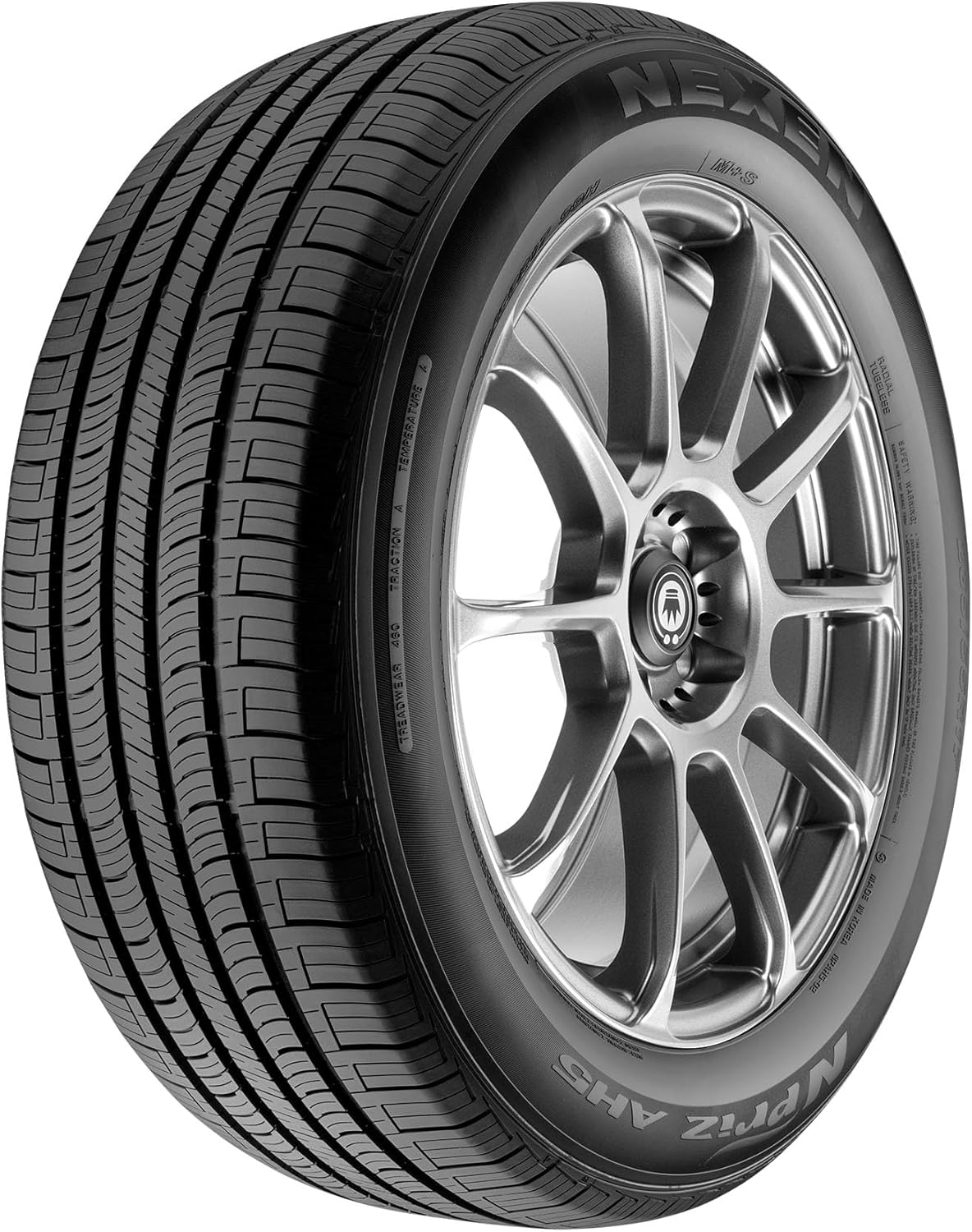
2. Nexen N’FERA AU7
The Nexen N’FERA AU7 is a tire built for everyday performance. It’s designed for drivers who want a smooth, quiet ride and solid grip in dry and wet weather. This model is often chosen for sedans, coupes, and sportier cars that don’t need heavy-duty off-road capability.
Below is a clear look at what this tire offers and what to expect from it.
Key Features
- All-season tread that works in dry and wet conditions
- Comfort-focused design for quieter road noise
- Good traction on city streets and highways
- Tread grooves that help channel water away in rain
- Stable handling for smooth turns and lane changes
- Reinforced sidewalls for everyday durability
- Designed to balance performance and everyday comfort
- Available in many common passenger-car sizes
Pros and Cons
Pros
- Comfortable and quiet on paved roads
- Reliable grip in wet weather for regular driving
- Solid choice for daily commuting and highway use
Cons
- Not as sporty or performance-oriented as some premium tires
- Snow traction is limited compared with dedicated winter tires
- May not last as many miles as higher-end all-season options
In simple terms, the N’FERA AU7 is a good everyday tire. It’s especially suitable if you want a smooth, quiet drive and dependable performance in city and highway driving without paying premium brand prices.
3. Nexen Roadian AT Pro RA8
The Nexen Roadian AT Pro RA8 is an all-season tire made for light trucks, SUVs, and larger vehicles. It’s built to handle everyday roads as well as rougher surfaces like dirt or gravel. Many drivers choose this tire when they want something that feels rugged but doesn’t cost as much as a premium brand.
This tire focuses on stability and durability. It’s a good option if you use your vehicle for commuting, road trips, and occasional light off-road driving.

Key Features
- All-season tread for year-round use
- Strong construction for heavier vehicles
- Deep grooves to help grip loose or uneven roads
- Tread designed to resist chips and cuts
- Balanced for highway comfort
- Handles light mud and gravel reasonably well
- Designed to stay stable at highway speeds
- Available for larger wheel sizes
Pros and Cons
Pros
- Solid choice for mixed road conditions
- Offers a rugged feel without a big price tag
- Comfortable on highways for daily driving
Cons
- Not as quiet as some touring tires on smooth pavement
- Off-road ability is light compared with dedicated off-road tires
- Tread life may be shorter than premium all-terrain options
In simple terms, the Roadian AT Pro RA8 is best for drivers who want one tire that can handle daily pavement use plus occasional rough roads without a lot of extra cost. It won’t match high-end all-terrain tires off-road, but for many drivers it hits a good balance of value and capability.
4. Nexen Roadian HTX RH5
The Nexen Roadian HTX RH5 is a highway-terrain tire made for SUVs, crossovers, and light trucks. It’s built mostly for smooth paved roads and everyday driving. If you spend most of your time on city streets and highways, this tire aims to give a comfortable, predictable ride.
It isn’t designed for serious off-road use, but it can handle light gravel or dirt without trouble. Many people like it because it balances comfort, price, and everyday performance.

Key Features
- All-season tread for year-round use
- Designed for SUVs and light trucks
- Stable handling at highway speeds
- Tread pattern that helps with wet traction
- Reinforced sidewalls for strength
- Smooth and quiet on paved roads
- Good load capacity for heavier vehicles
- Fits many common SUV wheel sizes
Pros and Cons
Pros
- Comfortable ride on highways and city streets
- Generally quiet compared to rugged all-terrain tires
- Strong build for heavier crossover and SUV use
Cons
- Not meant for serious off-road driving
- Snow traction is limited compared with winter tires
- May wear faster if driven aggressively
In simple terms, the Roadian HTX RH5 is a sensible choice if you want an affordable tire that feels comfortable and reliable on paved roads. It’s especially useful for SUV drivers who don’t need strong off-road ability but still want steady performance in everyday conditions.
5. Nexen N’Priz AH8
The Nexen N’Priz AH8 is a tire made for regular cars like sedans and hatchbacks. You’ll see it on daily drivers that mostly stay on paved roads. This tire focuses on steady performance, predictable handling, and a comfortable feel.
If your driving is mostly city streets, errands, and highway cruising, the N’Priz AH8 is built to do that job well without costing a lot.

Key Features
- All-season tread for year-round use
- Designed for passenger cars
- Smooth ride on paved roads
- Tread layout that helps with wet traction
- Quiet compared with rugged or off-road tires
- Stable steering response in everyday driving
- Reinforced sidewalls for everyday durability
- Available in many common sizes for small and mid-size cars
Pros and Cons
Pros
- Comfortable and quiet for daily city and highway driving
- Good grip in wet weather for regular use
- Affordable compared with many premium all-season tires
Cons
- Not designed for snow or ice compared with winter tires
- Doesn’t offer sporty handling like performance tires
- Tread life may be shorter than some higher-end options
In simple terms, the N’Priz AH8 is a sensible choice if you want an easy-to-live-with tire that handles everyday driving comfortably and reliably. It’s not a high-performance tire, but it serves well for most drivers who just need dependable all-season capability.
Popular Models of Michelin Tires
1. Michelin CrossClimate 2
The Michelin CrossClimate 2 is a well-known all-season tire that aims to give you strong performance in a wide range of weather. It’s made for everyday cars and small SUVs, and many drivers pick it when they want safety, comfort, and long tread life.
This tire stands out for how it handles both dry and wet roads, and it even performs well in light snow without needing to switch to a winter tire.

Key Features
- All-season tread that works well in many conditions
- Excellent grip on wet roads
- Strong traction in dry weather
- Better performance in light snow than many all-season tires
- Quiet and comfortable ride on city streets and highways
- Designed for long tread life
- Stable handling at highway speeds
- Available in many passenger-car and crossover sizes
Pros and Cons
Pros
- Great all-around performance in wet and dry conditions
- Better light-snow grip than many other all-season tires
- Long-lasting tread life compared with many competitors
Cons
- More expensive upfront than many value-brand tires
- Not as capable in deep snow as dedicated winter tires
- Ride may feel firmer on rough roads than smoother touring tires
In simple terms, the CrossClimate 2 is a solid choice if you want one tire that handles most weather well and lasts a long time. It won’t replace a true winter tire in heavy snow, but for most drivers who stay on paved roads, it offers confidence and comfort in everyday driving.
2. Michelin Defender 2
The Michelin Defender 2 is a well-regarded all-season tire made for everyday cars, minivans, and family sedans. It’s designed with comfort and long tread life in mind, so many drivers choose it when they want a tire that feels smooth, lasts a long time, and performs reliably in a range of conditions.
This tire focuses on predictable handling and strong durability without sacrificing ride comfort.

Key Features
Here are the main things this tire offers:
- All-season tread for year-round use
- Strong wet traction for safe stopping in rain
- Tread designed to last many miles
- Comfortable ride on city streets and highways
- Quiet road noise for everyday travel
- Stable handling at highway speeds
- Reinforced construction for longer life
- Available in many sizes for common passenger vehicles
Pros and Cons
Pros
- Very long tread life compared with many rivals
- Smooth and quiet ride for daily use
- Reliable wet-weather performance
Cons
- Higher upfront cost than many budget tires
- Not optimized for heavy snow or ice
- Some drivers find it feels firmer on rough roads
In plain terms, the Defender 2 is a good choice if you want a tire that can handle daily driving for many years with fewer replacements. It isn’t a snow tire, but for most city and highway driving — rain, dry pavement, and everyday conditions — it delivers dependable performance that many owners appreciate.
3. Michelin Primacy Tour A/S
The Michelin Primacy Tour A/S is an all-season tire made for drivers who want a smooth, comfortable ride on city streets and highways. It’s often chosen for sedans, crossovers, and family cars where quietness and comfort matter most.
This tire focuses on giving you a smooth feel, good traction in wet and dry conditions, and reliable everyday performance.

Key Features
Here’s what this tire is known for:
- All-season design for use in most weather
- Quiet ride with reduced road noise
- Comfortable feel over bumps and rough pavement
- Good wet traction for safer stops in rain
- Stable handling at highway speeds
- Long-lasting tread for higher mileage
- Built for everyday driving and commuting
- Available in many common passenger-car sizes
Pros and Cons
Pros
- Smooth, quiet ride on paved roads
- Reliable grip in dry and wet conditions
- Long tread life for daily miles
Cons
- Not designed for heavy snow or icy roads
- More expensive than many budget all-season tires
- Performance feel is focused on comfort, not sporty driving
In simple terms, the Primacy Tour A/S is a good choice if you want a tire that feels relaxed and smooth for your daily commuting or long highway trips. It’s not meant for deep snow, but for regular driving in most conditions, it delivers comfort and confidence that many drivers enjoy.
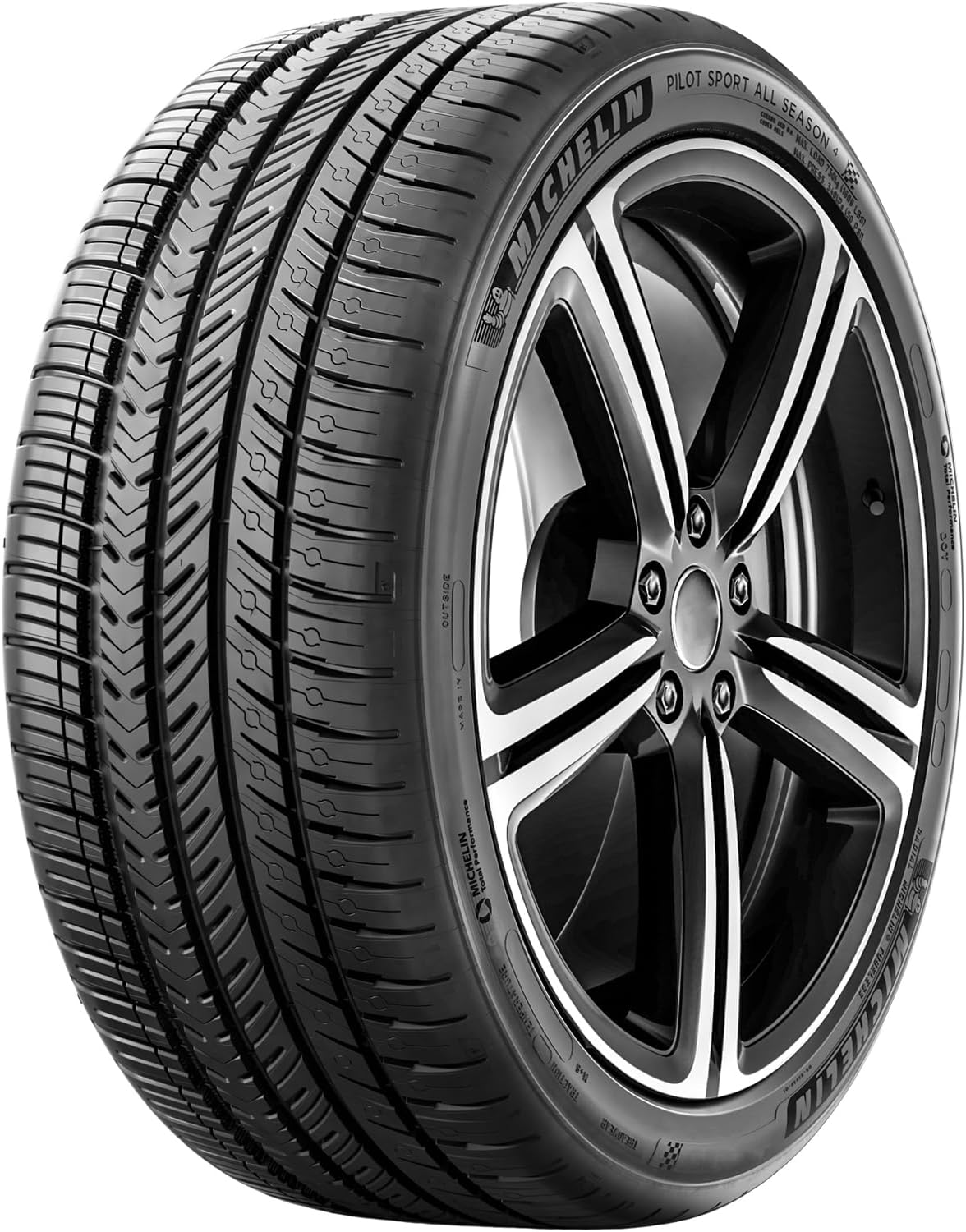
4. Michelin Pilot Sport All Season 4
The Michelin Pilot Sport All Season 4 is a tire made for drivers who want a sportier feel without giving up all-season capability. It’s commonly used on performance cars, sporty sedans, and some crossovers that benefit from sharper handling and stronger grip.
This tire aims to give confident steering, good traction in both dry and wet conditions, and more engaging driving feel than a standard touring tire.
Key Features
Here’s what this tire offers:
- All-season tread that works in dry and wet weather
- Enhanced grip for sharper turns and quick acceleration
- Sport-tuned handling for confident steering
- Stable feel at higher speeds
- Wet traction designed to help with rainy-day stops
- Reinforced construction for performance driving
- Comfortable ride for everyday use
- Available in many performance sizes
Pros and Cons
Pros
- Strong grip in dry and wet conditions
- More precise handling than typical all-season tires
- Good choice for drivers who enjoy spirited driving
Cons
- Usually more expensive than basic all-season tires
- Ride firm compared with comfort-focused models
- Not designed for heavy snow or icy roads
In simple terms, the Pilot Sport All Season 4 suits drivers who enjoy driving fun cars and want good all-season performance. It’s not a snow tire, but for rainy roads and dry highways, it gives sharper control and confidence compared with most standard all-season options.
5. Michelin Primacy MXM4
The Michelin Primacy MXM4 is an all-season tire designed for drivers who want a smooth, quiet ride with dependable performance in everyday conditions. It’s a common choice for sedans, minivans, and crossovers where comfort and reliable wet-weather traction matter more than sporty handling.
This tire aims to make daily driving feel relaxed and secure on city roads and highways.

Key Features
Here’s what the Primacy MXM4 offers:
- All-season tread pattern for year-round use
- Good wet traction for safer braking in rain
- Smooth and quiet ride on paved roads
- Stable handling at highway speeds
- Designed for long tread life
- Comfortable feel over small bumps
- Balanced performance for everyday driving
- Available for many common passenger vehicles
Pros and Cons
Pros
- Comfortable and quiet on regular roads
- Reliable wet and dry performance for most drivers
- Longevity is good for daily use
Cons
- Not meant for heavy snow or icy conditions
- More expensive than many budget all-season tires
- Handling isn’t as sharp as sport-oriented tires
In simple terms, the Primacy MXM4 is a strong choice if you want a balanced tire that makes daily driving smooth and confident. It won’t give the quick steering feel of a sport tire, and it isn’t a winter tire, but for typical road conditions it delivers comfort and steady performance that many drivers appreciate.
Buying & Fitment Checklist
Before you pay for new tires, take a few minutes to double-check the details. A small mistake in size or setup can affect safety, ride quality, and how long the tires last.
Start with the basics. Make sure the tire size matches what your vehicle requires. You can find this on the driver’s door sticker or in your owner’s manual. Also confirm the load index, which tells you how much weight the tire can safely carry.
When you’re at the shop, use this quick checklist:
- Confirm the exact tire size and load rating
- Ask if wheel balancing is included
- Ask whether you need an alignment check
- Request a printed copy of the warranty and mileage terms
- Check the DOT code to see the tire’s manufacture date
- Ask the installer if there are any known fitment concerns for your wheels
Balancing is usually included, but alignment often costs extra. It’s worth asking. Proper setup helps your tires wear evenly and last longer.
Final Verdict: Nexen vs Michelin Tire
Both brands make safe, usable tires. Nexen gives solid everyday performance for less money. Michelin usually offers better wet grip, quieter ride, and longer tread life — at a higher upfront cost.
Pick Nexen if you mostly do short city trips, watch your budget, or plan to keep the car only a few years.
Pick Michelin if you drive long highway miles, face frequent heavy rain, carry family passengers, or plan to keep your car for many years.
Before you buy, do three quick checks: compare local prices and include installation; divide price by warranty miles to see cost per mile; and confirm correct size, load rating, and whether an alignment is needed. If safety margin matters to you, spend a bit more for Michelin. If value matters more, Nexen is a sensible choice.
Frequently Asked Questions
1. Are Nexen tires as good as Michelin tires?
Nexen tires are good for the price and work well for everyday driving. Michelin tires usually offer better wet grip, longer tread life, and a quieter ride — but they cost more.
2. Is Michelin worth the higher price?
If you drive long distances, face heavy rain often, or plan to keep your car for many years, Michelin can be worth it. The longer tread life may lower your cost per mile over time.
3. Which brand lasts longer?
In most cases, Michelin tires last longer. They are known for strong tread durability. Nexen still offers decent lifespan, especially considering the lower price.
4. Are Nexen tires safe in the rain?
Yes, most Nexen models provide solid wet traction for daily driving. However, Michelin typically performs better in heavy rain and emergency braking situations.
5. Which is better for highway driving?
Michelin is usually better for long highway trips because of its stability, comfort, and reduced road noise. Nexen works fine for normal commuting and shorter drives.
6. Are Michelin tires quieter than Nexen?
Generally, yes. Michelin tires are often designed for lower road noise. Nexen tires may produce slightly more noise, depending on the model.
