
Best All-Season Tires for 2026: Our Top 11 Picks
Last updated on August 4th, 2026
If you’re searching for the best all-season tires, you probably want one thing: a tire that handles everyday driving confidently without forcing you to swap tires every winter.
That sounds simple—but choosing the right tire gets confusing fast.
Some all-season tires prioritize long tread life, while others focus on wet-road traction, ride comfort, quiet highway performance, or light snow capability. A tire that’s ideal for a daily commuter in Florida may not be the best choice for someone who regularly faces icy mornings in Ohio.
That’s why there isn’t one perfect all-season tire for everyone.
After reviewing manufacturer specifications, warranty coverage, independent testing, and customer feedback from trusted sources such as Tire Rack and Consumer Reports, we’ve selected the top all-season tires for different driving needs in 2026.
Quick picks:
- Best Overall: Michelin CrossClimate2
- Best for Long Tread Life: Michelin Defender2
- Best for Wet Roads: Continental TrueContact Tour 54
- Best for Performance Driving: Michelin Pilot Sport All Season 4
It’s also worth knowing when an all-season tire isn’t the best option. If you regularly drive in deep snow, on icy mountain roads, or in severe winter conditions, a dedicated winter tire is generally the safer choice.
By the end of this guide, you’ll understand which tire best matches your driving style, local climate, budget, and performance priorities—and why it’s the right choice for your needs.
Quick Comparison Table
Use this table to narrow down the best all-season tire based on your priorities. Warranty coverage is listed as advertised by the manufacturer and may vary by size or application.
| Tire | Best For | Warranty | Why It Stands Out | Trade-Off |
| Michelin CrossClimate2 | Best overall | 60,000 miles | Excellent snow and rain grip with strong all-around confidence | Higher price |
| Continental TrueContact Tour 54 | Wet roads | Up to 80,000 miles | Strong wet braking and balanced everyday comfort | Handling feels a little softer |
| Yokohama AVID Ascend GT | Balanced value | 65,000 miles | Good all-around performance for the price | Average snow grip |
| Pirelli P7 All Season Plus 3 | Premium touring | 70,000 miles | Comfort-focused ride with good efficiency | Not ideal in heavy snow |
| Michelin Defender2 | Long tread life | 80,000 miles | Extremely long tread life and dependable daily use | Less sporty feel |
| Bridgestone Turanza QuietTrack | Quiet ride | 80,000 miles | Comfort-oriented design with low road noise | Higher price |
| Goodyear Assurance WeatherReady 2 | Light snow | 60,000 miles | Better winter capability than many standard all-season tires | Faster wear than long-life touring tires |
| Goodyear Assurance MaxLife 2 | Highway commuters | 85,000 miles | Strong long-term value for drivers who rack up miles | Average snow grip |
| Firestone WeatherGrip | Snow traction | 65,000 miles | Winter-ready all-season design with solid bad-weather confidence | Can be noisier on some roads |
| Cooper ProControl | Budget buyers | Varies | Affordable everyday option with solid basic performance | Fewer premium features |
| Michelin Pilot Sport All Season 4 | Performance | 45,000 miles | Sharper handling and stronger sportier response | Shorter tread life |
Best quick picks:
- Best overall: Michelin CrossClimate2
- Best for wet roads: Continental TrueContact Tour 54
- Best for long tread life: Michelin Defender2
- Best for quiet ride: Bridgestone Turanza QuietTrack
- Best for performance: Michelin Pilot Sport All Season 4
The 11 Best-All Season Tires
1st Place: Michelin CrossClimate 2
Key Specifications
- Warranty: 60,000-mile limited treadwear warranty
- UTQG Rating: 640 B A
- Speed Rating: V (varies by size)
- Tread Depth: 10/32″ (representative sizes)
- 3PMSF Certified: Yes
- Best For: Drivers seeking year-round performance, including rain and light snow

The Michelin CrossClimate 2 is our top overall pick because it delivers one of the best balances of wet grip, light-snow capability, ride comfort, and tread life. Unlike most traditional all-season tires, it carries the Three-Peak Mountain Snowflake (3PMSF) certification, giving it an advantage in cold weather and occasional winter conditions.
Its directional tread pattern provides excellent traction on wet roads while helping resist hydroplaning during heavy rain. On dry pavement, handling feels stable and predictable, making it a dependable choice for commuting, road trips, and everyday family driving.
Compared with the Michelin Defender2, the CrossClimate 2 offers noticeably better winter and wet-weather performance, while the Defender2 focuses more on maximizing tread life. If you want one tire that performs confidently throughout the year, the CrossClimate 2 is the better all-around choice.
Choose this tire if you regularly drive through changing weather and want to avoid seasonal tire swaps. However, if you live in a consistently warm climate where snow is rarely a concern, a traditional touring tire may offer similar everyday performance for less money.
Pros
- Outstanding wet and light-snow traction
- Excellent year-round versatility
- Confident handling in changing weather
- Strong overall safety performance
Cons
- Premium price
- Slightly louder than some touring tires
- Overkill for consistently warm climates
2nd Place: Michelin Defender 2
Key Specifications
- Warranty: 80,000-mile limited treadwear warranty
- UTQG Rating: 840 B B
- Speed Rating: H (most sizes), V available on select sizes
- Tread Depth: 10.5/32″ (representative sizes)
- Best For: Long tread life and comfortable daily driving
- Ride Quality: Quiet, smooth touring performance
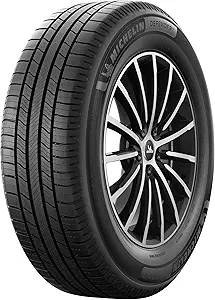
The Michelin Defender 2 is the best choice for drivers who value longevity above everything else. With an 80,000-mile treadwear warranty, it’s designed to deliver years of dependable service while maintaining a quiet, comfortable ride for everyday commuting and long highway trips.
Its touring-focused tread pattern prioritizes even wear, stability, and predictable handling rather than sporty performance. On dry roads, it feels composed and easy to drive, while wet-road traction remains confident for normal daily conditions. Light snow performance is acceptable, but drivers who frequently encounter harsh winter weather will be better served by the Michelin CrossClimate 2.
Compared with the CrossClimate 2, the Defender 2 sacrifices some wet-weather and winter capability in exchange for significantly longer tread life and a quieter ride. If replacing tires less often is your top priority, it’s the stronger long-term investment.
Choose the Defender 2 if you drive high annual mileage, spend plenty of time on the highway, or simply want a comfortable touring tire that lasts. However, if you prioritize sporty handling or regularly drive through snow and ice, another option in this guide will better match your needs.
Pros
- Outstanding tread life
- Quiet and comfortable highway ride
- Reliable wet and dry performance
- Excellent long-term value
Cons
- Average light-snow traction
- Less responsive than performance-focused tires
- Premium upfront cost
3rd Place: Continental TrueContact Tour 54
Key Specifications
- Warranty: Up to 80,000-mile limited treadwear warranty (T/H-rated); 70,000 miles (V-rated)
- UTQG Rating: 840 A A
- Speed Rating: H or V (varies by size)
- Tread Depth: 11/32″
- Best For: Wet-road performance and comfortable highway driving
- Technology: EcoPlus+ for improved tread life and lower rolling resistance

The Continental TrueContact Tour 54 is an excellent choice for drivers who want a quiet, comfortable touring tire with outstanding wet-road confidence. It strikes a strong balance between ride comfort, tread life, and everyday handling, making it ideal for commuters, family vehicles, and frequent highway travel.
Its EcoPlus+ technology helps promote even tread wear while reducing rolling resistance, which can support long-term durability and fuel efficiency. On dry roads, steering feels stable and predictable, while wet-road traction is one of the tire’s biggest strengths. Light-snow performance is better than many traditional touring tires, although it isn’t designed for severe winter conditions.
Compared with the Michelin Defender 2, the TrueContact Tour 54 provides stronger wet-weather grip and slightly more responsive handling, while the Defender 2 focuses on maximum tread life. Compared with the Michelin CrossClimate 2, it offers a quieter ride but gives up some winter capability.
Choose this tire if you spend most of your time commuting, driving on highways, or frequently encounter rainy conditions. However, if you regularly drive through snow-covered roads or want sharper performance handling, another option in this guide may be a better fit.
Pros
- Excellent wet-road traction
- Quiet and comfortable ride
- Long treadwear warranty
- Good fuel-efficiency potential
Cons
- Not intended for severe winter weather
- Less engaging than performance-oriented tires
- V-rated sizes have a shorter warranty
4th Place: Bridgestone Turanza QuietTrack
Key Specifications
- Warranty: 80,000-mile limited treadwear warranty
- UTQG Rating: 800 A A
- Speed Rating: V
- Tread Depth: 9/32″ (representative sizes)
- Best For: Quiet highway driving and premium ride comfort
- Technology: QuietTrack Technology with noise-reducing tread design
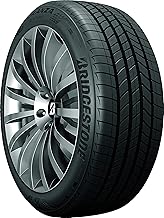
The Bridgestone Turanza QuietTrack is an excellent choice for drivers who prioritize ride comfort over sporty handling. Its premium touring design focuses on reducing road noise while delivering stable, predictable performance for daily commuting and long highway trips.
QuietTrack Technology combines an optimized tread pattern with noise-reducing features to create a noticeably quieter cabin than many standard touring tires. Wet-road traction is dependable, dry-road handling feels composed, and light-snow performance is sufficient for occasional winter driving, although it isn’t intended for severe snow conditions.
Compared with the Continental TrueContact Tour 54, the Turanza QuietTrack places greater emphasis on ride refinement, while the Continental offers slightly stronger wet-weather performance and fuel-efficiency benefits. It also delivers a quieter highway experience than the Michelin Defender 2, though the Defender 2 remains the better choice for drivers seeking maximum tread life.
Choose this tire if you spend long hours on the highway, value a smooth and quiet ride, or drive a sedan, crossover, or family vehicle. However, if you regularly drive through heavy snow or prefer sharper steering response, another tire in this guide will be a better match.
Pros
- Exceptionally quiet and comfortable ride
- Confident wet-road performance
- Long 80,000-mile warranty
- Excellent for highway driving
Cons
- Not designed for aggressive handling
- Limited capability in severe winter weather
- Premium price
5th Place: Michelin Pilot Sport All-Season 4
Key Specifications
- Warranty: Up to 45,000-mile limited treadwear warranty (30,000 miles on select sizes)
- UTQG Rating: 540 AA A
- Speed Rating: Y (most performance sizes)
- Tread Depth: 10/32″ (representative sizes)
- Best For: Sporty handling and year-round performance
- Technology: Dynamic Response Technology

The Michelin Pilot Sport All-Season 4 is the best choice for drivers who want sports-car handling without giving up year-round usability. Unlike traditional touring tires, it prioritizes steering precision, cornering grip, and confident braking while still providing dependable traction in wet conditions and light snow.
Michelin’s Dynamic Response Technology helps maintain stability during aggressive cornering, giving the tire a more responsive feel than most all-season touring options. Wet-road grip is excellent, and light-snow performance is impressive for a performance-focused tire, although it isn’t intended for severe winter conditions.
Compared with the Michelin CrossClimate 2, the Pilot Sport All-Season 4 delivers noticeably sharper handling but sacrifices tread life and winter capability. It also feels more responsive than the Bridgestone Turanza QuietTrack, while the Bridgestone offers a quieter and more comfortable highway ride.
Choose this tire if you drive a performance sedan, sports coupe, or sporty crossover and want engaging handling throughout the year. However, if your priorities are maximum tread life, ride comfort, or frequent snow driving, one of the higher-ranked touring tires in this guide will likely be a better fit.
Pros
- Excellent dry grip and steering response
- Strong wet-weather performance
- Impressive handling for an all-season tire
- Suitable for performance-oriented vehicles
Cons
- Shorter treadwear warranty
- Firmer ride than touring tires
- Not ideal for severe winter conditions
6th Place: Pirelli P7 All Season Plus 3
Key Specifications
- Warranty: 70,000-mile limited treadwear warranty
- UTQG Rating: 740 A A or 800 A A (varies by size)
- Speed Rating: H or V (varies by size)
- Tread Depth: 11/32″ (representative sizes)
- Best For: Premium touring comfort and everyday driving
- Ride Quality: Quiet, refined, and highway-friendly

The Pirelli P7 All Season Plus 3 is a well-balanced touring tire for drivers who want a premium driving experience without moving to a performance-focused model. It combines a smooth ride, dependable wet-road traction, and solid tread life, making it a great fit for daily commuting, highway travel, and family vehicles.
Its updated tread design promotes even wear while maintaining predictable handling in both dry and wet conditions. Wet-road confidence is one of its biggest strengths, and light-snow performance is better than many traditional touring tires, although it isn’t intended for severe winter weather.
Compared with the Bridgestone Turanza QuietTrack, the P7 All Season Plus 3 offers a slightly more responsive driving feel, while the Bridgestone places greater emphasis on maximum ride comfort. It also provides a more refined driving experience than many budget touring tires, though it doesn’t match the Michelin CrossClimate 2 for winter capability.
Choose this tire if you want a comfortable, premium touring tire with strong everyday performance and good long-term value. However, if you regularly drive on snow-covered roads or prefer sportier handling, another tire in this guide will be a better choice.
Pros
- Quiet and comfortable ride
- Strong wet-road traction
- Good treadwear warranty
- Smooth, refined highway performance
Cons
- Not designed for severe winter conditions
- Less responsive than performance tires
- Specifications vary by tire size
7th Place: Goodyear Assurance WeatherReady 2
Key Specifications
- Warranty: 60,000-mile limited treadwear warranty
- UTQG Rating: 700 A A
- Speed Rating: H or V (varies by size)
- Tread Depth: 11/32″ (representative sizes)
- 3PMSF Certified: Yes
- Best For: Drivers who face rain, slush, and occasional snow

The Goodyear Assurance WeatherReady 2 is an excellent option for drivers who want more winter confidence than a traditional all-season tire can provide. Its Three-Peak Mountain Snowflake (3PMSF) certification makes it well suited for regions that experience cold temperatures, frequent rain, slush, and light snow without requiring seasonal tire changes.
Its weather-focused tread design delivers dependable wet-road traction and strong resistance to hydroplaning while remaining composed in everyday driving. Snow performance is noticeably better than most standard touring tires, making it a practical choice for year-round use in mixed climates.
Compared with the Michelin CrossClimate 2, the WeatherReady 2 offers similar all-weather versatility but generally falls short in tread life and overall refinement. It provides better snow capability than the Michelin Defender 2, although the Defender 2 remains the stronger option for long-term durability and highway comfort.
Choose this tire if you want one set of tires that can confidently handle changing weather throughout the year. However, if you live in a consistently warm climate or prioritize maximum fuel efficiency and tread life, a traditional touring tire may be a better fit.
Pros
- Excellent rain and light-snow traction
- 3PMSF-certified for year-round use
- Comfortable, quiet ride
- Strong hydroplaning resistance
Cons
- Lower treadwear warranty than leading touring tires
- Slightly higher rolling resistance
- Not a replacement for dedicated winter tires in severe conditions
8th Place: Goodyear Assurance MaxLife 2
Key Specifications
- Warranty: 85,000-mile limited treadwear warranty
- UTQG Rating: 820 A B
- Speed Rating: H
- Tread Depth: 11/32″ (representative sizes)
- Best For: High-mileage commuters and long-term value
- Technology: Built-in Wear Gauge

The Goodyear Assurance MaxLife 2 is designed for drivers who want to maximize tread life and reduce replacement costs. Backed by an impressive 85,000-mile warranty, it’s one of the best choices for commuters, highway drivers, and anyone who puts thousands of miles on their vehicle each year.
Its long-wearing tread compound and built-in Wear Gauge help promote even wear while making it easier to monitor remaining tread depth. Dry-road handling is predictable, wet-road traction is dependable for everyday driving, and ride comfort is well suited to daily commuting. However, snow performance is limited, making it a better fit for mild climates than regions with frequent winter weather.
Compared with the Michelin Defender 2, the MaxLife 2 offers a longer warranty at a more affordable price, while the Defender 2 provides a quieter ride and stronger overall refinement. It also trails the Goodyear Assurance WeatherReady 2 in snow and wet-weather capability, but delivers better value for drivers who rarely encounter winter conditions.
Choose this tire if your priority is long-term value, low maintenance, and fewer tire replacements. However, if you regularly drive in snow or want premium comfort and handling, a higher-ranked option in this guide will better suit your needs.
Pros
- Outstanding 85,000-mile warranty
- Excellent value for high-mileage drivers
- Built-in Wear Gauge
- Stable everyday performance
Cons
- Limited snow capability
- Average wet-road performance compared with premium rivals
- Not intended for sporty driving
9th Place: Yokohama AVID Ascend GT
Key Specifications
- Warranty: Up to 65,000-mile limited treadwear warranty
- UTQG Rating: 740 A A
- Speed Rating: H or V (varies by size)
- Tread Depth: 12/32″ (representative sizes)
- Best For: Balanced touring performance and everyday value
- Technology: Triple 3D sipes for improved year-round traction

The Yokohama AVID Ascend GT is a well-rounded touring tire that delivers a comfortable ride, dependable wet-road traction, and solid tread life without the premium price tag. It’s a smart choice for drivers who want reliable everyday performance and good overall value.
Its tread design promotes even wear while maintaining predictable handling in both dry and wet conditions. Ride comfort is one of its biggest strengths, and light-snow traction is better than many standard touring tires, although it isn’t intended for severe winter weather.
Compared with the Pirelli P7 All Season Plus 3, the AVID Ascend GT offers similar everyday performance at a more budget-friendly price, while the Pirelli delivers a slightly more refined driving experience. It also provides better overall value than many entry-level touring tires, making it a practical option for commuters and family vehicles.
Choose this tire if you want dependable year-round performance, a quiet ride, and good value without paying for a premium-brand flagship tire. However, if maximum winter capability, longest tread life, or sporty handling is your priority, one of the higher-ranked options in this guide will be a better fit.
Pros
- Quiet and comfortable ride
- Reliable wet-road traction
- Good overall value
- Solid treadwear warranty
Cons
- Not designed for severe winter conditions
- Less refined than premium touring leaders
- Not intended for performance driving
10th Place: Firestone WeatherGrip
Key Specifications
- Warranty: 65,000-mile limited treadwear warranty
- UTQG Rating: 640 A A
- Speed Rating: V
- Tread Depth: 10/32″
- 3PMSF Certified: Available on most sizes
- Best For: Drivers who want extra snow confidence without buying winter tires

The Firestone WeatherGrip is a practical choice for drivers who experience rain, slush, and occasional snow but don’t want the cost or inconvenience of switching to dedicated winter tires. Its weather-focused tread design delivers stronger cold-weather traction than most traditional all-season touring tires.
Deep grooves and aggressive biting edges help improve grip on wet and slushy roads while maintaining stable everyday handling. Although road noise is slightly higher than comfort-focused touring tires, the trade-off is improved confidence when driving in changing weather.
Compared with the Goodyear Assurance WeatherReady 2, the WeatherGrip provides similar all-weather capability at a more affordable price, although the Goodyear offers a quieter ride and a more refined driving experience. It also delivers noticeably better snow performance than the Yokohama AVID Ascend GT, which is designed primarily for touring comfort.
Choose this tire if you live in a region with regular winter weather and want one set of tires for year-round driving. However, if ride comfort, highway quietness, or maximum tread life is your highest priority, a premium touring tire higher on this list will be a better choice.
Pros
- Strong traction in rain, slush, and light snow
- 3PMSF-certified on most sizes
- Good value for mixed-weather driving
- Stable everyday performance
Cons
- More road noise than touring tires
- Less refined ride quality
- Average tread life compared with top touring competitors
11th Place: Cooper ProControl
Key Specifications
- Warranty: Up to 70,000-mile limited treadwear warranty (60,000 miles on select W-rated sizes)
- UTQG Rating: 740 A A
- Speed Rating: V (W available on select sizes)
- Tread Depth: 11/32″
- Best For: Budget-conscious drivers seeking balanced everyday performance
- Ride Quality: Quiet and comfortable for daily commuting

The Cooper ProControl is a solid value-oriented touring tire that delivers dependable everyday performance without the premium price of many well-known competitors. It offers a comfortable ride, reliable wet-road traction, and respectable tread life, making it a practical choice for commuters and family vehicles.
Its tread design focuses on even wear and predictable handling rather than sporty performance. Dry and wet-road performance are well suited to daily driving, while light-snow capability is adequate for occasional winter conditions. However, drivers who regularly encounter snow or ice should consider an all-weather tire instead.
Compared with the Yokohama AVID Ascend GT, the ProControl is often the more affordable option, while the Yokohama provides a slightly more refined driving experience. It also offers good overall value but doesn’t match the premium comfort, winter capability, or long-term refinement of the higher-ranked tires in this guide.
Choose this tire if you want a dependable all-season tire at a reasonable price and spend most of your time commuting in mild weather. However, if maximum comfort, winter performance, or sporty handling is a priority, investing in one of the higher-ranked options will provide better overall performance.
Pros
- Excellent value for the price
- Quiet, comfortable daily ride
- Reliable wet-road traction
- Good treadwear warranty
Cons
- Average performance on snow and ice
- Less refined than premium touring tires
- Not intended for demanding winter conditions
How We Chose the Best All-Season Tires
No single all-season tire is the best for every driver. A tire that excels in snowy winters may not be the best choice for hot climates, while a long-lasting touring tire may not deliver the sharp handling some drivers want. That’s why we ranked these tires based on overall real-world value rather than a single feature.
To build this list, we compared manufacturer specifications, treadwear warranties, UTQG ratings, available technologies, and published performance information. We also reviewed independent evaluations and verified owner feedback from trusted sources such as Tire Rack and Consumer Reports to identify strengths and trade-offs that appear consistently across multiple sources.
Each tire was evaluated using the same criteria:
- Dry-road handling and braking
- Wet-road traction and hydroplaning resistance
- Light-snow capability for year-round driving
- Ride comfort and road noise
- Expected tread life and warranty coverage
- Overall value for the price
Our rankings reflect how well each tire balances these factors for the average driver. Higher-ranked tires generally perform well across multiple categories, while lower-ranked options may excel in one area but require compromises in others.
Because tire performance can vary by vehicle, tire size, driving habits, and local climate, use these rankings as a starting point rather than a universal answer. The best all-season tire is the one that matches your driving conditions, priorities, and budget.
How to Choose the Right All-Season Tire
The best all-season tire depends on how and where you drive. Instead of focusing only on brand names, choose a tire that matches your driving habits, local weather, and budget.
For Everyday Commuting
If you mostly drive in the city or on highways, prioritize ride comfort, low road noise, and long tread life. Tires like the Michelin Defender 2 and Bridgestone Turanza QuietTrack are designed with daily driving in mind.
For Rainy Climates
Drivers who frequently encounter wet roads should look for strong hydroplaning resistance and dependable wet braking. The Continental TrueContact Tour 54 and Michelin CrossClimate 2 are among the strongest performers in rainy conditions.
For Areas with Occasional Snow
If you experience cold winters, slush, or light snow but don’t want a separate winter tire, consider a tire with the Three-Peak Mountain Snowflake (3PMSF) certification. Options like the Michelin CrossClimate 2 and Goodyear Assurance WeatherReady 2 provide extra winter confidence.
For Performance-Oriented Driving
If responsive steering and cornering matter more than maximum tread life, a performance all-season tire is the better choice. The Michelin Pilot Sport All-Season 4 is designed for drivers who want year-round usability without sacrificing handling.
For Long-Term Value
Drivers who cover high annual mileage can often save money by choosing a tire with a longer treadwear warranty. The Goodyear Assurance MaxLife 2 and Michelin Defender 2 are excellent options for reducing replacement frequency.
No tire is perfect in every category. Choosing the right one comes down to matching its strengths with your driving conditions rather than simply buying the highest-ranked model.
All-Season vs. All-Weather vs. Winter Tires
Choosing the right type of tire is just as important as choosing the right brand. While these categories may sound similar, they’re designed for different driving conditions.
| Tire Type | Best For | Snow Performance | Year-Round Use |
| All-Season | Mild climates, daily commuting, highway driving | Good in light snow | ✅ Yes |
| All-Weather | Areas with frequent rain, cold temperatures, and regular light snow | Better than all-season | ✅ Yes |
| Winter | Heavy snow, ice, and consistently freezing temperatures | Excellent | ❌ No (not recommended in warm weather) |
Choose an All-Season Tire If…
You live in a region with mild winters, spend most of your time commuting or driving on highways, and want the best balance of comfort, tread life, and everyday performance.
Choose an All-Weather Tire If…
Your area experiences frequent rain, cold temperatures, slush, or occasional snow, but you don’t want to swap between summer and winter tires. Look for the Three-Peak Mountain Snowflake (3PMSF) symbol if winter capability is important.
Choose a Winter Tire If…
You regularly drive on snow-covered or icy roads where temperatures stay below freezing for extended periods. A dedicated winter tire provides significantly better traction and braking in severe winter conditions than any all-season or all-weather tire.
For many drivers across the United States, a quality all-season tire is the most practical choice. However, if winter weather is a regular part of your daily driving, upgrading to an all-weather or dedicated winter tire can provide additional confidence and safety.
Read More: Best All Season Tires for Subaru Outback
Frequently Asked Questions
What is the best all-season tire overall?
For most drivers, the Michelin CrossClimate 2 is the best overall choice because it combines excellent wet-road grip, light-snow capability, predictable handling, and strong year-round performance. However, the right tire still depends on your climate, driving habits, and budget.
Which all-season tire lasts the longest?
The Goodyear Assurance MaxLife 2 offers one of the longest treadwear warranties in this guide at 85,000 miles, while the Michelin Defender 2 is another excellent option for drivers who prioritize long-term durability.
Are all-season tires good in snow?
Yes, but only in light to moderate snow. If you regularly drive in harsh winter conditions, an all-weather tire with the Three-Peak Mountain Snowflake (3PMSF) symbol or a dedicated winter tire will provide better traction and braking.
Which all-season tire is best for heavy rain?
The Continental TrueContact Tour 54 and Michelin CrossClimate 2 stand out for their wet-road grip and hydroplaning resistance, making them strong choices for drivers in rainy climates.
Is it worth paying more for premium all-season tires?
For many drivers, yes. Premium tires often provide better wet traction, quieter rides, longer tread life, and more consistent performance throughout their lifespan. However, budget-friendly options can still be a smart choice if they match your driving needs.
How long do all-season tires typically last?
Most quality all-season tires last 50,000 to 80,000 miles, depending on the tire model, driving habits, road conditions, and maintenance. Always follow the manufacturer’s replacement recommendations and inspect your tires regularly for wear.
Can I use all-season tires year-round?
In most parts of the United States, yes. However, if you regularly drive on snow-covered or icy roads, an all-weather or dedicated winter tire is usually the safer option.
How do I choose the right all-season tire?
Start by considering your local climate, annual mileage, driving style, and budget. A tire that excels in one category may involve trade-offs in another, so the best choice is the one that fits your specific driving conditions rather than simply the highest-ranked model.
Final Thoughts
The best all-season tire isn’t necessarily the most expensive one—it’s the one that best matches your driving conditions and priorities.
If you want the strongest overall balance of wet traction, light-snow capability, and year-round confidence, the Michelin CrossClimate 2 remains our top recommendation. Drivers who prioritize long tread life should consider the Michelin Defender 2 or Goodyear Assurance MaxLife 2, while those seeking sharper handling will appreciate the Michelin Pilot Sport All-Season 4. If winter weather is a regular part of your commute, an all-weather option like the Goodyear Assurance WeatherReady 2 may be the better fit.
Before making a purchase, confirm your vehicle’s recommended tire size, load index, and speed rating, then compare prices and warranty coverage from trusted retailers. Choosing the right tire the first time can improve safety, reduce long-term costs, and provide a better driving experience for years to come.
