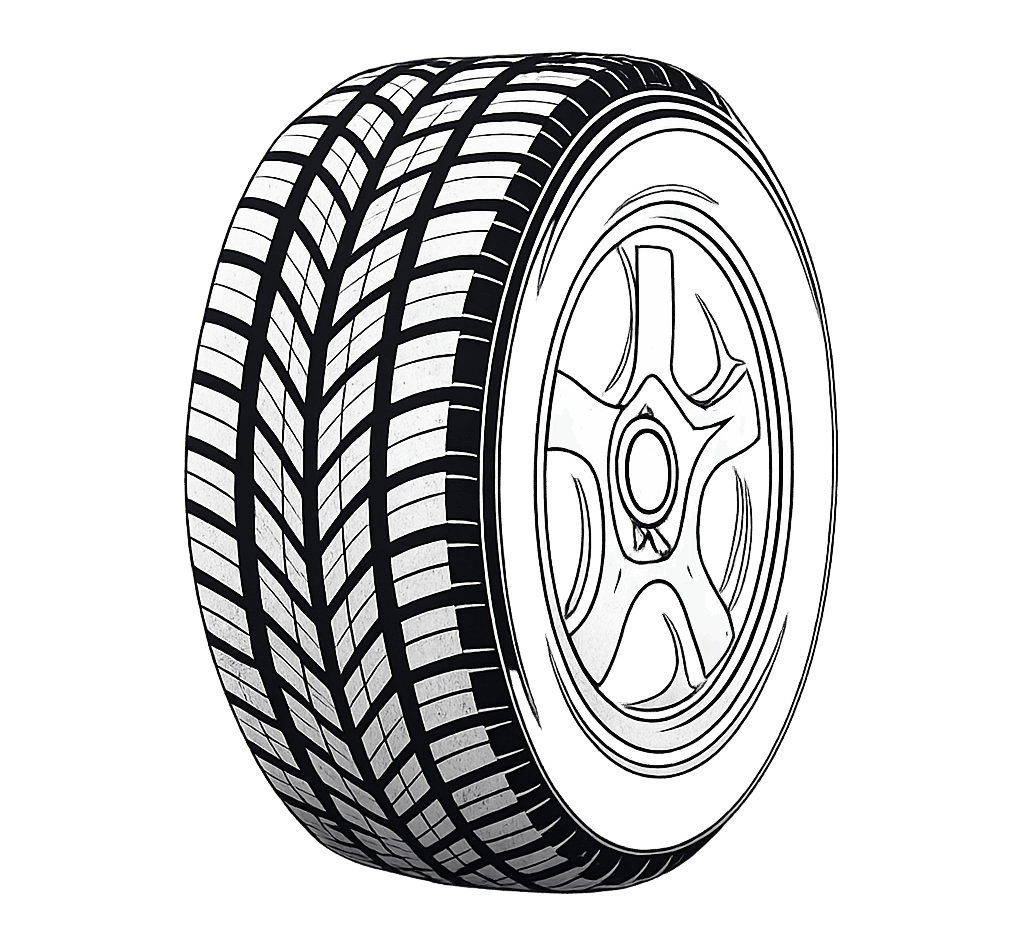

Kenda Tires Review: Are Kenda Tires Good?
Kenda is a well-known tire brand that has been making durable, reliable tires for cars, trucks, motorcycles, and bicycles for decades. With a strong reputation for affordable performance, Kenda tires have become popular among budget-conscious drivers and off-road enthusiasts who want dependable traction without paying premium prices.
In this Kenda Tires Review, we’ll take a close look at performance, durability, value for money, and key pros and cons. You’ll also find comparisons between Kenda and other major tire brands, as well as tips for maintenance and maximizing tire life.
This review is for anyone looking to make an informed decision — whether you’re a daily commuter, a weekend off-road adventurer, or a cyclist searching for reliable tires. By the end of this post, you’ll know if Kenda tires are the right fit for your vehicle and driving style, helping you choose the best tire for your needs with confidence.
Who Makes Kenda Tires? (Brand background)
Short answer: Kenda Tires are made by Kenda Rubber Industrial Co., a Taiwanese tire maker that started in 1962.
Kenda began in 1962 in Yuanlin, Taiwan, where it started out making bicycle tires. Over the decades the company added motorcycle, lawn & garden, trailer, passenger car and specialty tires. Today it’s a global tire maker with a long history in the industry.
Where Kenda makes tires
Kenda manufactures products in several countries — including Taiwan, mainland China, Vietnam and Indonesia — and it has technical and sales centers around the world (including Europe and the U.S.). That global footprint helps Kenda supply tires for many vehicle types and markets.
How big is the company and what it’s known for
Kenda is a large, established company that sells tires for bicycles, motorcycles, passenger cars, light trucks, ATVs, trailers and industrial equipment.
In recent years it has grown into a global business with sizable revenues and a strong presence in multiple regions, including the U.S. market.
Why that matters to you
Because Kenda is an experienced, global manufacturer, you’ll usually find:
- A wide range of tire choices for different vehicles and budgets.
- Product support, warranties, and replacement options through many dealers.
- Clear product specs on the company website so you can match tires to your car and driving needs.
Quick tips for buyers
- Check the model name and DOT code on the tire sidewall and compare it to specs on Kenda’s official site before you buy.
- Look for local dealers or installers listed on Kenda’s website when you want professional mounting and warranty help.
Key Features & Technology
- Rubber Compounds: Kenda uses durable rubber that balances grip and long life.
- Tread Patterns: Tire grooves and shapes are designed to improve traction on dry, wet, or light snow surfaces.
- Puncture Resistance: Some tires include reinforced layers to reduce the chance of flats.
- Sidewall Strength: Sturdy sidewalls protect against impacts and help tires last longer.
- Weight vs Performance: Tires are designed to be light enough for fuel efficiency but strong enough for safe handling.
- Safety & Environment: Many Kenda tires focus on fuel savings, reduced noise, and reliable braking in different conditions.
Kenda Tires: Pros and Cons
Pros
- Affordable and good value – Kenda tires are usually less expensive than premium brands but still deliver reliable performance.
- Durable and long-lasting – Many Kenda tires come with a 60,000‑65,000 mile warranty and wear evenly over time.
- All-season performance – Designed to handle dry, wet, and light snowy conditions, suitable for year-round use.
- Comfortable ride – Many models provide a smooth and quiet driving experience.
- Versatile options – Available for cars, SUVs, trucks, motorcycles, and bicycles, with designs for both highway and off-road use.
Cons
- Not a luxury brand – May not match the top-end performance or lifespan of premium tires in extreme conditions.
- Limited extreme weather performance – Some models are not ideal for heavy snow, ice, or extreme off-road conditions.
- Occasional road noise – Certain all-terrain or rugged tires can be slightly louder on highways.
- Performance trade-offs – Heavier-duty or off-road tires may reduce fuel efficiency slightly compared to lighter touring tires.
Types of Kenda Tires
Below are the main categories Kenda sells and a short, plain-English description for each. For each type I add one or two practical tips so readers can pick the right kind.
Passenger & Light-Truck Tires
(Used on cars, SUVs and light pickup trucks)
All-season tires
Good for year-round driving in places with mild winters. They balance dry, wet, and light snow traction so you don’t have to change tires with the seasons. (Example Kenda lines: many Kenetica / Vezda models.)
Tip: Choose these if you want one tire for most of the year and you don’t face heavy snow.
Touring tires
Built for comfort and quiet on long drives. They often last longer and give a smooth ride. (Kenda’s Kenetica and Vezda touring lines fit here.)
Tip: Good if you do lots of highway miles and prefer a quiet, comfortable ride.
Highway tires
Focus on steady handling, fuel efficiency and long wear for trucks and SUVs used mainly on paved roads.
Tip: Pick these for towing or regular highway commuting.
Performance tires
Designed for sharper handling and grip at higher speeds. They sacrifice some comfort and tread life for better cornering and braking.
Tip: Choose performance tires only if you want sportier handling and drive spiritedly.
Bicycle Tires
Mountain-bike tires (XC, Trail, Downhill)
Different mountain tires are tuned to the trail type: XC (lighter, faster rolling), trail/enduro (balanced grip and durability), downhill (maximum grip and protection). Kenda makes specific MTB casings and compounds for these uses.
Tip: Match the tire to how aggressive your trails are — faster rolling for XC, chunkier for rough downhill.
Road-bike tires
Thin, smooth tires built for speed and efficiency on paved roads. Kenda offers road tires for training and racing.
Tip: If you ride mostly on pavement and want speed, choose road tires with lower rolling resistance.
Gravel and cyclocross
A middle ground for mixed surfaces — designed to perform on dirt, gravel and pavement. Kenda’s gravel line includes tubeless-ready options.
Tip: Pick a gravel tire if your rides include both pavement and dirt/gravel paths.
BMX and commuter tires
Smaller, tougher tires tuned for tricks or city riding — built for durability and easy handling.
Tip: For city commuting, look for puncture resistance and a smooth tread.
Motorcycle & Off-Road Tires
Street motorcycle tires
Made for paved-road grip, predictable handling, and wet traction for daily or sport riding. Kenda offers several street and sport models.
Tip: Match the tire to your bike type — sport, cruiser, or commuter.
Dual-sport tires
Built to be usable on both paved roads and light off-road trails. They balance on-road stability with some off-road bite (example: Kenda K761).
Tip: Choose these if you split time between street and dirt roads.
ATV and UTV tires
Heavy-duty treads made to handle mud, sand, rocks and utility work. Kenda’s powersports division lists multiple ATV/UTV options.
Tip: Pick aggressive tread patterns for loose terrain; choose smoother treads for more pavement use.
Dirt and motocross tires
Aggressive, open tread patterns that dig into soft dirt and mud for maximum traction off-road.
Tip: These are for off-road competition or serious trail riding — not for extended road use.
Real-World Performance Review
Dry Road Performance
Imagine you’re driving on a sunny morning, cruising down your favorite highway. The Kenda tires feel steady and confident beneath you. They grip the road well, giving you stability when braking or accelerating.
As you take corners, there’s a reassuring sense of control — the car doesn’t slide, and it responds smoothly to every turn. Even at highway speeds, the tires stay quiet, letting you enjoy the drive without constant road noise in the background.
Wet Weather Performance
Now picture a sudden rain shower. Water puddles form on the road, but your Kenda tires handle it gracefully.
Their tread patterns are designed to channel water away, which helps prevent slipping — a key part of hydroplaning resistance. Braking feels predictable, and stopping distances are shorter than you might expect for an all-season tire.
On light snowy days, these tires still hold their grip, giving you confidence even when roads are slick. It’s like having a steady hand guiding you safely through tricky conditions.
Off-Road Performance
Switch scenes to a weekend adventure: gravel paths, muddy trails, or dirt roads. Kenda tires shine off-road, gripping loose surfaces without drama. Their tread design helps shed mud and debris, so the tire stays effective rather than getting clogged.
Even on uneven terrain, your ride feels controlled, giving you the freedom to explore without worrying about losing traction. You can feel the balance between toughness and flexibility — these tires adapt to the terrain beneath you.
Ride Comfort & Noise
Finally, imagine a long drive on a mix of city streets and highways. Kenda tires absorb bumps and vibrations, keeping the ride smooth and comfortable. Even after hours on the road, your arms and back feel less fatigued because the tires are doing the hard work.
Noise levels are low, and while they might not be as whisper-quiet as some premium brands, they offer very respectable quietness for a tire that balances comfort, durability, and value.
Durability & Tread Life
Picture this: you just installed a fresh set of Kenda tires on your car. At first, everything feels new — smooth ride, quiet road noise, and confident handling. But a tire isn’t just about how it feels on day one; it’s about how long it can perform well under real-world conditions.
Expected Lifespan
Kenda tires are built to last. Many of their all-season and touring tires are designed with long tread life in mind, often backed by warranties ranging from 60,000 to 65,000 miles. This means that, under normal driving conditions, you can expect years of reliable use before needing a replacement.
Real-World Wear Patterns
Over time, tires naturally wear down, but Kenda’s tread designs encourage even wear across the surface, helping them last longer and maintain grip.
Drivers often notice that Kenda tires wear predictably, with fewer surprises compared to cheaper alternatives. This consistency can give peace of mind for both daily commuting and longer trips.
How Kenda Compares to Premium Brands
While Kenda may not carry the same “luxury brand” name as some high-end competitors, their tires often come close in longevity, offering a strong balance of performance and cost. You might not get a few extra thousand miles that top-tier brands claim under perfect conditions, but for everyday drivers, the value and durability are impressive.
Factors That Affect Tire Lifespan
Remember, tires don’t last the same for everyone. Driving style, terrain, and maintenance play a big role:
- Aggressive driving (hard braking, fast cornering) can wear tires faster.
- Rough roads or off-road terrain can reduce lifespan if your tire isn’t designed for it.
- Proper maintenance, including correct tire pressure, regular rotation, and alignment checks, can dramatically extend how long your tires last.
Warranty Information
Kenda stands behind their tires with warranties that cover miles and defects, giving you extra confidence in your investment. For example, many passenger and light truck tires come with a 60,000‑mile tread life warranty, while touring tires can go up to 65,000 miles.
This warranty doesn’t just promise durability — it’s a reassurance that Kenda expects their tires to perform well over time.
Popular Kenda Tires Models Reviewed

1. Kenda Klever A/T2 (KR628)
The Kenda Klever A/T2 (KR628) is an all-terrain tire made for SUVs, light trucks, and 4×4 vehicles. It’s designed to give a balance between comfortable highway driving and capable off-road traction — so it should feel smooth on pavement but also grip dirt, mud, and light trails when you need it.
Key features
- All-terrain tread — a pattern that works on both paved roads and rougher surfaces.
- Interlocking tread blocks — these help with stability and reduce how much the tire hums on the highway.
- All-weather rubber compound — the material is made to perform year-round, not just in summer. Many sizes are certified for severe snow (3-peak mountain snowflake).
- Aggressive sidewall styling — stronger sidewalls and a tougher look for off-road use; some sizes have a “Heavy Duty (HD)” version for towing/high-torque vehicles.
- Mileage warranty — Kenda offers a long treadwear warranty (typically 60,000 miles for many passenger sizes, 50,000 for LT/heavy sizes).
Performance
Dry roads
Handles predictably on pavement. You should feel confident in turns and when braking — it’s tuned to feel stable on highways.
Wet roads
Wide grooves move water away from the tire, which helps keep traction in rain and lowers the chance of hydroplaning.
Light off-road (dirt, gravel, light mud)
The tread has deeper, self-cleaning shapes that dig in and shed mud and stones. That means decent grip on trails and gravel roads without being as loud or slow-rolling as extreme mud tires.
Snow & winter
Many sizes of the KR628 carry the Three-Peak Mountain Snowflake mark, which shows the tire meets a standard for use in moderate to severe snow. It’s not a dedicated winter tire, but it’s better than a summer tire in snowy conditions.
Comfort & noise
The tread pattern is computer-designed to reduce pattern noise. Most drivers report a reasonably quiet and smooth ride for an all-terrain tire.
Durability & tread life
This tire is built to last under normal driving. Tread depth and the warranty suggest it should give several years of use when maintained (proper pressure, rotation). Heavy-duty sizes exist for higher loads but may have different ratings.
Pros & cons
Pros
- Good balance between on-road comfort and off-road capability.
- Certified for many sizes for severe snow (3PMSF) — better winter performance than basic tires.
- Long tread-life warranty (50k–60k miles depending on size).
- Tough sidewalls and available HD sizes for towing / heavy use.
Cons
- Heavier and a bit louder than a pure highway/touring tire (still quieter than some old A/T designs).
- HD / LT sizes may not carry the snow rating and can ride differently than the P-metric sizes.
- For extreme mud or rock crawling, a full mud-terrain tire will perform better.
Best for
- Drivers who split time between highways and light to moderate off-road trails.
- SUV and light truck owners who want one tire year-round (including light snow) rather than switching tires seasonally.
- People who tow or carry heavier loads should look at the HD/LT sizes for higher ratings, but note those sizes can differ in snow rating and ride feel.
2. Kenda Kenetica KR217

The Kenda Kenetica KR217 is a tire made for regular cars that are driven on everyday roads. It is an all-season tire, which means it is designed to work well in different weather conditions — including dry, wet, and light snow. This tire is part of Kenda’s touring line, which focuses on comfort, quiet driving, and long tread life.
Key Features
Here are the main things that make this tire worth considering:
- All-season grip: The tread pattern provides traction in dry, wet, and mild winter conditions.
- Quiet ride: The tire has a special pattern and design that helps reduce road noise for a smoother, quieter drive.
- Good water handling: Large grooves in the tire help push water away quickly, which can help reduce slipping on wet roads.
- Even wear: The tread design helps the tire wear evenly, which can help it last longer.
- 60,000-mile warranty: Kenda backs this tire with a long mileage warranty, which can give buyers added confidence.
Performance Breakdown
Below is a simple guide to how the KR217 performs in different driving situations:
Dry Roads
This tire handles well on dry pavement. Most drivers find it steady and predictable when turning or braking.
Wet Roads
The four wide water-clearing grooves help move water away from the tire. This helps you keep traction when the road is wet and lowers the risk of hydroplaning.
Light Snow & Winter
Because this tire has many small cuts in the tread (called sipes), it’s better than basic summer tires in light snow. It’s not a dedicated winter tire, but it does a solid job for year-round driving.
Comfort & Noise
Many drivers report the KR217 feels comfortable and quiet during daily driving. The tread design and balanced pattern help keep it from humming loudly at highway speeds.
Wear Life
With a 60,000-mile warranty and even tread design, the tire is expected to wear slowly and last a long time under normal conditions.
Pros & Cons
Pros
- Comfortable and quiet ride for everyday driving.
- Good all-season traction in dry, wet, and mild winter conditions.
- Large tread grooves help shed water to reduce hydroplaning.
- 60,000-mile warranty adds value.
- Generally positive user feedback on grip and handling.
Cons
- Not meant for extreme winter conditions (e.g., deep snow or ice).
- Some drivers notice a slight high-pitched noise at times.
Best For
The Kenda Kenetica KR217 is a good choice if you:
- Drive a car for daily commuting or errands.
- Want a tire that handles wet roads safely.
- Prefer a quiet and comfortable ride.
- Are looking for good value and a long mileage life.
3. Kenda Klever R/T KR601

The Kenda Klever R/T KR601 is a tough tire made for trucks and 4x4s that split time between paved roads and rough trails. It’s built to handle hard off-road use (mud, sand, gravel, desert) while still being comfortable and controllable on highways. If you want one tire that can do both trail work and daily driving, this is the model to consider.
Key Features
- Strong sidewalls: Extra layers in the sidewall help prevent punctures from rocks and roots. That means fewer flats when you go off-road.
- All-weather rubber: The tire compound is made to work year-round, so it grips in wet and cold weather better than a summer-only tire.
- Lots of small tread cuts (sipes): These help the tire bite into wet or snowy surfaces while keeping on-road noise lower. (Sipes = tiny cuts in the tread that add grip.)
- Stud-ready: Some sizes can accept studs for better ice traction if you need them in winter.
- Aggressive sidewall blocks: Extra tread on the side of the tire helps grip in deep mud or on rocks and also protects the rim from damage.
Performance Breakdown
On paved roads (highway & city)
The KR601 is more comfortable than a full mud tire. It’s a bit louder than a standard highway tire because of its aggressive tread, but the design reduces humming and keeps the ride usable for daily driving. Expect a firmer ride than a pure touring tire, but solid control on highways.
Wet roads
Wide grooves and the tread design push water away from the tire so it keeps traction in rain. That lowers the chance of slipping on wet pavement.
Light snow & cold weather
Because of the siping and all-weather compound, the tire handles light snow and cold temperatures better than summer tires. It’s not a full winter tire for heavy snow or hard ice unless you add studs.
Off-road (mud, gravel, rocks, sand)
This tire shines off-road. The aggressive tread and sidewall blocks dig in and protect the tire from cuts and scrapes. It’s made for serious trail use, including desert and short-course conditions.
Durability & damage protection
The three-ply sidewall construction and rim protector help resist punctures and rim damage when you’re on rough trails. That means fewer trips to the shop after a rough day on the trail.
Pros & Cons
Pros
- Great off-road traction and protection for rough trails.
- Designed to work year-round (better wet/cold grip than summer tires).
- Sidewall protection and heavy-duty construction reduce punctures.
- Some sizes accept studs for ice grip.
Cons
- Louder and firmer on pavement than touring/highway tires.
- Heavier and usually more expensive than basic all-season passenger tires.
- Not as good as a dedicated winter tire if you drive in deep snow or on black ice (unless studded).
Best For (who should buy this)
Choose the Kenda Klever R/T KR601 if you:
- Drive a truck or 4×4 and want one tire that handles both on-road driving and serious off-road use.
- Regularly go on trails, rocky roads, or into desert conditions and need extra sidewall and tread protection.
- Want a tire that performs in wet and cold weather without switching to a full winter tire (but you may still want studs for ice).
4. Kenda Vezda Touring A/S KR205

The Kenda Vezda Touring A/S KR205 is a tire made for regular cars, especially those used for daily driving or longer road trips. It is an all‑season tire, meaning it’s designed to work in a range of weather — from dry roads to rain and light snow. This tire focuses on a comfortable, quiet ride while still giving good grip and long tread life.
Key Features
Here are the main things that make this tire stand out:
- All‑season design: Works well in dry, wet, and mild winter conditions.
- Comfort‑focused tread: The tread and tire weight are designed to make your ride smooth and reduce road noise.
- Good water handling: Four wide grooves help move water out from under the tire, which can reduce slipping on wet roads.
- Long tread life: The tire has a high wear rating and a long mileage warranty (up to 65,000 miles), so it can last a long time under normal driving.
- Balanced grip and handling: The tread pattern and construction help keep steady control during everyday driving.
Performance Breakdown
Dry Roads
The KR205 grips well on dry pavement, giving you stable steering and stopping power for everyday driving.
Wet Roads
The wide grooves in the tread help clear water quickly, which improves traction on wet pavement and helps reduce the chance of hydroplaning.
Light Snow & Winter
This tire is all‑season, so it’s made to handle light snow and cold weather better than summer tires. It’s not a dedicated snow tire, but it’s suitable for mild winters and year‑round use.
Comfort & Noise
The KR205 is designed with features that help reduce road noise and give a smoother ride, making it comfortable for daily driving and long trips.
Tread Life
With a long mileage warranty and a tread pattern meant for even wear, this tire can last a long time if you maintain it properly.
Pros & Cons
Pros
- Comfortable and quiet on regular roads.
- Works well in dry, wet, and light winter weather.
- Long mileage warranty (up to 65,000 miles).
- Good water handling thanks to large grooves.
Cons
- Not meant for extreme winter conditions like heavy snow or ice.
- May not offer the sportiest handling compared to performance tires (typical for touring tires).
Best For
The Kenda Vezda Touring A/S KR205 is a good fit if you:
- Drive your car mostly on paved roads every day.
- Want a tire that is comfortable and quiet.
- Are looking for all‑season performances with a long wear life.
- Need reliable traction in rain and light snow.
Side-by-Side Comparison
Here’s a simple side‑by‑side comparison table you can use in your blog post to help readers quickly compare the main features and purposes of the four popular Kenda tire models you’re reviewing:
| Tire Model | Main Use | Weather / Season | Ride Comfort | Off‑Road Ability | Best Strengths | Warranty / Longevity |
| Kenda Klever A/T2 KR628 | All‑terrain SUV / truck tire | All‑season, light snow possible | Good for daily and trail use | Moderate for gravel/muddy trails | Balanced on‑ & off‑road performance at value price | ~60,000‑mile external warranty offered by Kenda |
| Kenda Kenetica KR217 | Touring car / commuter tire | All‑season (dry, wet, mild winter) | Comfortable and quieter ride | Not designed for off‑road | Excellent everyday driving and wet traction | ~60,000‑mile warranty; even tread wear noted |
| Kenda Klever R/T KR601 | Rugged terrain / rough road tire | All‑weather with strong durability | Good considering rugged focus | Better than A/T for harder off‑road | Durable sidewalls, aggressive tread for mud/gravel | Built for durability with tough sidewall tech |
| Kenda Vezda Touring A/S KR205 | Touring passenger car tire | All‑season, light snow | Very comfortable and quiet | Minimal off‑road ability | Smooth ride, wet braking, long wear | ~65,000‑mile warranty and comfort focus |
Kenda Tires vs Competitors
When you compare Kenda tires with bigger name brands like Michelin, Continental, Maxxis, and Goodyear, the differences mostly come down to price, performance, and durability, and which one fits your needs best.
Kenda vs Michelin
Michelin is one of the most respected tire brands in the world and is known for excellent grip, quiet ride, and long tread life. Many independent rankings place Michelin near the top for overall quality and performance, and drivers often report high satisfaction with these tires.
Kenda tires, on the other hand, are usually much more affordable, making them a good choice if you want reliable performance without spending a lot.
While Michelin tires generally score higher in tests for wet traction, noise reduction, and ride comfort, Kenda tires still provide solid grip and durability for everyday driving at a lower price point.
In simple terms: Michelin often performs better overall but costs more; Kenda gives you good value if budget is a priority.
Kenda vs Continental
Continental is another premium brand that often ranks highly in tests for grip, braking performance, and stability, especially in wet conditions. These tires are designed to be very safe and comfortable, and they are widely used on many new vehicles.
Compared with Continental, Kenda tires may not match the same level of refinement or top‑end performance — especially in very wet or challenging conditions — but they are easier on the wallet and still handle everyday driving well. For most drivers who want dependable all‑season performance without premium pricing, Kenda can be a sensible choice.
In other words: Continental often performs a bit better in precision and safety tests, while Kenda offers solid performance for daily use at a lower cost.
Kenda vs Maxxis
When Kenda is compared with Maxxis — another well‑known brand — some tire rating sites show that Maxxis tires earn slightly higher scores for things like ride comfort, noise levels, and overall grip.
That said, both brands are popular in budget and mid‑range tire categories. The differences are usually not dramatic: Kenda may be a bit more value‑oriented, while Maxxis can feel a bit smoother or more refined in some reviews.
For everyday driving, both brands can work well, and choosing between them may come down to price, local availability, or specific tire models rather than the brand name alone.
So think of it this way: Maxxis might feel a little nicer in some tests, but Kenda still delivers dependable performance for most drivers.
Kenda vs Goodyear
Goodyear is another major brand that sits above Kenda in terms of market presence and often performance. According to standard tire rating systems, many Goodyear tires have broader performance ratings and higher measures of treadwear and traction than some Kenda models.
However, Goodyear tires are also typically priced higher, and not every driver needs top‑tier performance for everyday use. Kenda remains a good budget‑friendly alternative, especially for drivers who prioritize cost and basic reliability over premium features.
In simple terms: Goodyear often delivers stronger performance and durability, but Kenda is easier on your wallet and still gets the job done for normal driving.
Pricing & Value for Money
Imagine walking into a tire shop, looking at the different tires, and wondering, “Which one gives me the most bang for my buck?” Kenda tires often stand out because they are affordable without sacrificing performance.
For most passenger cars, Kenda tires fall into the budget to mid-range price category. Touring and all-season models typically cost less than premium brands like Michelin or Continental, yet they provide solid traction, comfort, and durability.
When you look at the cost-to-performance ratio, Kenda tires offer good value. You might spend a little more up front than the cheapest brands, but because they last longer and perform reliably, the overall cost per mile is very reasonable. Many drivers find that, mile for mile, Kenda tires give practical, dependable performance at a fair price.
So, are Kenda tires worth it? If you want durable, safe, and everyday reliable tires without paying premium prices, the answer is yes. They strike a balance between affordability and performance, which appeals to most daily drivers.
Who Should Buy Kenda Tires
Imagine you’re thinking about getting new tires for your car. You want something reliable, affordable, and able to handle your everyday driving. That’s exactly where Kenda tires come in.
If you drive a car, SUV, or light truck mostly on city streets or highways, Kenda offers models that provide good traction, a smooth ride, and quiet performance without the high price tag of premium brands. You won’t have to worry about small puddles, light snow, or typical potholes — these tires are built to handle the kind of driving most people do every day.
Now picture an adventurous weekend. You head out onto gravel roads or mild trails in your SUV or truck. Some Kenda models, like the all-terrain tires, are designed to grip dirt, mud, and uneven terrain. They’re tough, durable, and built to help you enjoy off-road fun without worrying too much about damaging your tires.
Even if you’re a budget-conscious driver, Kenda is a smart choice. You get dependable performance, solid tread life, and peace of mind without spending hundreds of dollars extra. While they might not compete with top-end luxury brands in extreme weather or racing conditions, Kenda tires cover most drivers’ needs very well.
In short, Kenda tires are ideal for:
- Daily commuters looking for reliable, all-season tires.
- SUV or truck owners who want light off-road capability.
- Budget-conscious drivers who still want durable, long-lasting tires.
- Anyone who values practical performance over premium branding.
With Kenda tires, you can feel confident on the road or trail, knowing that your tires are built to handle everyday challenges safely and affordably.
Customer Reviews & User Feedback
Take a moment and imagine reading through what real drivers have to say. Many customers praise Kenda tires for being durable, comfortable, and quiet on highways. People also like the good wet and all-season performance, especially considering the price.
Some complaints do appear, usually about noise levels on certain rugged models or limited extreme-weather performance. A few drivers note that off-road tires can feel slightly stiff on smooth pavement.
Overall, user satisfaction trends are positive. Most buyers report that Kenda tires deliver as promised for daily commuting and light off-road use, which often aligns closely with what the marketing says. Simply put, real-world users feel they’re getting good value and dependable performance.
Safety & Reliability
Safety is always top of mind when choosing tires. Kenda tires perform well in braking and handling tests, giving drivers a steady, confident feel, even at higher speeds.
Quality control is consistent, meaning you can usually trust that every tire you buy meets the same standards of safety and reliability. Kenda tires also meet industry certifications, so you know they are designed to handle everyday conditions safely, whether on wet roads, highways, or light off-road trails.
Maintenance Tips to Maximize Kenda Tire Life
Think of your tires like a good pair of shoes: the better you take care of them, the longer they last. For Kenda tires, a few simple maintenance steps can stretch their lifespan and maintain performance:
- Proper Tire Pressure: Always check and maintain the pressure recommended for your vehicle. Too low or too high can wear tires unevenly.
- Rotation Schedule: Rotate your tires every 5,000–7,000 miles to ensure even wear on all four tires.
- Storage Tips: If storing tires for a season, keep them in a cool, dry place away from direct sunlight.
- Alignment and Balancing: Regular alignment and balancing help your tires wear evenly, improve handling, and reduce vibration.
By following these simple steps, Kenda tires can give you longer life, safer performance, and a smoother ride, making every mile feel more reliable.
Conclusion: Are Kenda Tires Good?
So, are Kenda tires good? The answer is a resounding yes — depending on what you need. Kenda offers durable, reliable, and affordable tires that perform well for everyday driving, all-season conditions, and light off-road adventures.
They may not always match the performance of premium brands like Michelin or Continental in extreme conditions, but for daily commuting, highway driving, and moderate off-road use, Kenda tires provide excellent value for the price.
They are especially suitable for drivers who want dependable performance without paying a premium. With proper maintenance, these tires can last many miles, stay safe in wet conditions, and give a comfortable, quiet ride.
In short, if you’re looking for practical, cost-effective, and versatile tires, Kenda is a solid choice that balances performance, durability, and affordability.
FAQs About Kenda Tires Review
Are Kenda tires good quality?
Yes. Kenda tires are known for being durable, reliable, and affordable. While they may not match premium brands in extreme performance tests, most drivers find them to be high-quality tires for everyday driving, all-season use, and light off-road conditions.
How long do Kenda tires last?
Kenda tires typically last between 50,000 and 65,000 miles, depending on the model and driving conditions. Proper maintenance, such as keeping the tires at the right pressure, rotating them regularly, and checking alignment, can help maximize their lifespan.
Are Kenda tires safe in wet conditions?
Yes. Many Kenda tires have tread patterns designed to channel water away, which helps reduce the risk of slipping or hydroplaning on wet roads. All-season models are built to provide good traction in rain and light snow, making them safe for most everyday weather conditions.
Where are Kenda tires made?
Kenda Tires is a Taiwanese company with factories in Taiwan, China, and other locations. They have been making tires for decades and supply a wide range of vehicles worldwide, maintaining consistent quality standards.
Are Kenda tires good for off-road use?
Some Kenda models, like the Klever A/T2 and Klever R/T, are designed for light off-road or all-terrain use. They perform well on gravel, dirt roads, and mild trails. However, they are not meant for extreme off-roading or very rough terrain — drivers needing serious off-road performance may want specialized mud-terrain tires.
