
Are Continental Tires Good? Full Review & Top 3 Picks
Last updated on March 11th, 2026
When shopping for new tires, one question many drivers ask is: Are Continental tires good?
The short answer is yes. Continental tires are widely considered one of the best premium tire brands in the world. They are known for strong wet-weather traction, advanced safety technology, and comfortable ride quality. Many luxury automakers choose them as factory tires because of their reliability and performance.
However, like any brand, Continental tires are not perfect. They are often more expensive than budget alternatives, and some performance models may wear faster depending on driving style.
In this detailed guide, you’ll learn everything you need to know about Continental tires, including their performance, durability, pros and cons, and the best models to consider before buying.
Quick Verdict
If you want a quick answer before reading the full review, here is a simple summary.
Overall rating: 4.5 / 5
| Category | Rating |
| Safety | ⭐⭐⭐⭐⭐ |
| Comfort | ⭐⭐⭐⭐ |
| Durability | ⭐⭐⭐⭐ |
| Price | ⭐⭐⭐ |
| Overall Quality | ⭐⭐⭐⭐ |
Continental Tires Are Best For
- Drivers who prioritize safety and handling
- Commuters who want comfortable and quiet rides
- Owners of luxury or performance vehicles
- Drivers in rainy climates
They May Not Be Ideal For
- Budget-focused buyers
- Heavy off-road use
- Drivers looking for the absolute longest tread life
Overall, Continental tires offer a great balance between performance, safety, and comfort, which is why they are often ranked among the top tire brands.
What Are Continental Tires?
Continental AG makes the tires called Continental. The company started in the 1800s and grew into a global tire maker, so its name is on millions of cars around the world. That long history means many drivers already trust the brand.
People generally trust Continental for safety and comfort. Their tires are often praised for good wet-road grip and a quiet ride, which is why reviewers and everyday drivers mention them favorably. Like any big brand, some models get higher marks than others, but the overall reputation is solid.
Continental is one of the largest tire makers on the planet. They sell tires for small cars, trucks, high-performance cars, and winter driving, so you’ll find a Continental option for most needs. That size also means they can invest in testing and new designs.
The company builds tires in factories around the world, not just in Germany. Having plants in different countries helps them supply local markets faster and keep a wide range of sizes in stock.
Many car makers choose Continental as the factory tire on new cars. You’ll commonly find Continental tires fitted on cars from BMW, Mercedes-Benz, and Audi. When an automaker picks a tire for a new model, it’s usually after a lot of testing — that’s a practical sign the tires meet strict standards.
Continental also focuses on small design improvements that matter in everyday driving. They work on rubber compounds that grip wet roads better, tread shapes that lower road noise, and constructions that reduce rolling resistance so cars use a bit less fuel. These are practical changes, not flashy claims — they change how the car feels and handles.
A fair downside: Continental tires often cost more than cheap, no-name tires. And some sporty models trade tread life for grip, so they wear faster under hard driving. Still, for most people who want safer braking and a smoother ride, the extra cost is worth considering.

Why Many Cars Come with Continental Tires
If you buy a new car, there’s a good chance it already has Continental tires on it. Car manufacturers often choose certain tire brands to install at the factory before the vehicle is sold. These are called original equipment tires, or OEM tires.
Automakers don’t pick these tires randomly. Before choosing a tire, they test different brands to see which one works best with a specific car model. The goal is to find a tire that matches the car’s handling, comfort, braking, and fuel efficiency.
That’s why some well-known car brands regularly use Continental tires on their vehicles. For example, cars from BMW, Mercedes-Benz, and Audi often leave the factory with Continental tires already installed.
These partnerships happen after a lot of testing. Tire companies work closely with automakers during the design process. Engineers test how the tires perform on different road surfaces, in wet and dry conditions, and at high speeds. They also check how quiet the tire is and how it affects fuel consumption.
Once the testing is finished, the automaker chooses the tire that best fits the car. In many cases, Continental tires perform well in these tests, which is why they end up as the factory choice for certain models.
Factory tires are meant to give the car balanced performance for everyday driving. They’re designed to provide a mix of comfort, safety, and efficiency rather than extreme performance.
One thing to keep in mind is that the factory tire isn’t always the only good option for that car. Drivers sometimes switch to different tires later depending on their needs, such as longer tread life or better winter traction.
Still, the fact that major automakers trust Continental tires enough to install them on new vehicles says a lot about the brand’s overall quality and reliability.
Pros & Cons of Continental Tires
Like any tire brand, Continental has strengths and some drawbacks. Understanding both can help you decide if they’re right for your car and driving style.
Pros:
- Excellent grip on wet and dry roads, which helps with safety and control.
- Smooth and comfortable ride with reduced road noise.
- Many tire models last a long time if properly maintained.
- Wide range of tires for different vehicles and driving needs, from daily commuting to high-performance cars.
Cons:
- Generally more expensive than budget brands, which can be a concern for some drivers.
- Some performance tires wear faster if driven aggressively.
- Certain tire sizes or models may not always be in stock at local shops.
Overall, Continental tires are known for reliable performance and safety, but they come at a premium price compared with lower-cost options.
Continental Tire Performance Review
Tire performance is not just about speed. It affects how your car stops, turns, handles rain, and even how comfortable your drive feels. Continental tires are designed to perform well in everyday driving conditions, but their strengths show up more clearly when you look at how they behave in different situations.
Below is a closer look at how they perform on dry roads, wet roads, snow, and long highway drives.
Dry Road Performance
On dry roads, Continental tires usually feel stable and predictable. When you take a corner, the tire holds the road well instead of feeling loose or shaky. This helps drivers stay in control, especially on curves or highway ramps.
Braking is another strong point. When you press the brake pedal, the tire grips the road quickly, which helps shorten stopping distance. That extra grip can make a difference in sudden stops.
Steering also feels responsive with many Continental tires. When you turn the wheel, the car reacts quickly rather than feeling slow or heavy.
Drivers who want stronger handling often choose performance models like the Continental ExtremeContact DWS06 Plus. This tire is built for better grip and sharper steering, which makes it popular with sports sedan and performance car owners.
The only small downside is that high-grip performance tires can wear a bit faster if you drive aggressively.
Wet Road Performance
Rain is where Continental tires really stand out. Many drivers notice better control when roads are wet.
One of the biggest risks in rain is hydroplaning. This happens when water builds up between the tire and the road, causing the car to slide. Continental tires use wide grooves and special tread patterns that push water away from the tire. This helps keep the rubber in contact with the road.
Braking in the rain is also strong with many Continental models. The tire compounds are designed to stay flexible on wet pavement, which helps the tire grip instead of slipping.
Because of these features, drivers often feel more confident during heavy rain or on wet highways.
Snow and Winter Performance
Driving in snow requires a different type of tire. While many Continental all-season tires can handle light snow, they are not built for deep snow or icy roads.
For colder climates, Continental offers dedicated winter tires. These tires use softer rubber that stays flexible in freezing temperatures and tread patterns designed to bite into snow.
One example is the Continental VikingContact 7. This tire is designed for snowy and icy conditions and provides much better traction than a typical all-season tire.
If you live in an area with long winters, switching to winter tires can make driving safer and easier.
Comfort and Noise
Comfort is another area where Continental tires perform well. Many drivers notice that the ride feels smoother compared to cheaper tires.
Part of this comes from how the tire absorbs small bumps and vibrations from the road. The tire construction helps reduce the shaking you sometimes feel through the steering wheel or seat.
Highway noise is also kept fairly low. Continental uses tread designs that limit the humming sound tires can make at higher speeds. This helps make long drives more relaxing, especially on rough highways.
That said, some performance tires may be slightly louder because their tread patterns are designed for grip rather than quietness.
Fuel Efficiency
Some Continental tires are built to improve fuel efficiency. They do this by reducing something called rolling resistance. In simple terms, this means the tire moves more easily as it rolls along the road.
When tires roll more smoothly, the engine doesn’t have to work as hard to keep the car moving. Over time, this can help reduce fuel consumption.
Continental includes fuel-saving technology in several touring and commuter tires. While the fuel savings are not huge, many drivers notice a small improvement over long distances.
For people who drive daily or commute long distances, this small efficiency boost can add up over time.
How Long Do Continental Tires Last?
Most Continental tires last a long time if they are used and maintained properly. For many drivers, they easily handle several years of normal driving before needing replacement.
The exact lifespan depends on the type of tire you choose. Some tires are built for comfort and long highway miles, while others focus on grip and performance, which can wear them out faster.
Here is a general idea of how long different types of Continental tires usually last.
| Tire Type | Average Lifespan |
| All-season tires | 60,000 – 80,000 miles |
| Performance tires | 40,000 – 60,000 miles |
| Winter tires | 30,000 – 50,000 miles |
All-season tires usually last the longest because they are designed for everyday driving. Many commuters can drive on them for years before the tread wears down.
Performance tires, such as the Continental ExtremeContact DWS06 Plus, focus more on grip and handling. Because the rubber is softer, they tend to wear out faster than standard touring tires.
Winter tires typically have the shortest lifespan. They are made with soft rubber so they can grip snow and ice better. That same softness means the tread can wear down more quickly, especially if they are used on warm roads.
How long your tires actually last depends on a few important things.
Driving style plays a big role. Hard acceleration, sudden braking, and aggressive cornering can wear tires down much faster. Drivers who accelerate smoothly and brake gently usually get more mileage from their tires.
Maintenance also matters. Simple habits like keeping the correct tire pressure and rotating the tires regularly can extend their life. Tires that are not rotated evenly may wear out faster on one side.
Road conditions are another factor. Rough pavement, potholes, gravel roads, and extreme heat can all shorten tire life. Drivers who mostly travel on smooth highways tend to see longer tire lifespan.
In real-world driving, most people replace their tires when the tread becomes too shallow for safe driving. Checking the tread depth every few months is a simple way to know when it’s time for a new set.
Popular Continental Tire Models
Continental makes tires for many types of cars. Below are three well-known models and what each one is best for.
Continental TerrainContact A/T
Think of this tire as a do-it-all for SUVs and light trucks. It’s built to handle highway driving comfortably but also give you extra grip on gravel roads, light mud, and rough surfaces. If you like weekend trips on dirt tracks but still want a quiet highway ride, this is a solid pick.
Pros:
- Handles both pavement and light trails well
- Quiet and comfortable for an all-terrain tire
- Good tread life for its class
Cons:
- Not made for extreme off-roading (deep mud/rock crawling)
- Higher price compared to some budget A/T brands
Who it’s best for: SUV and light-truck owners who split time between pavement and light off-road use.
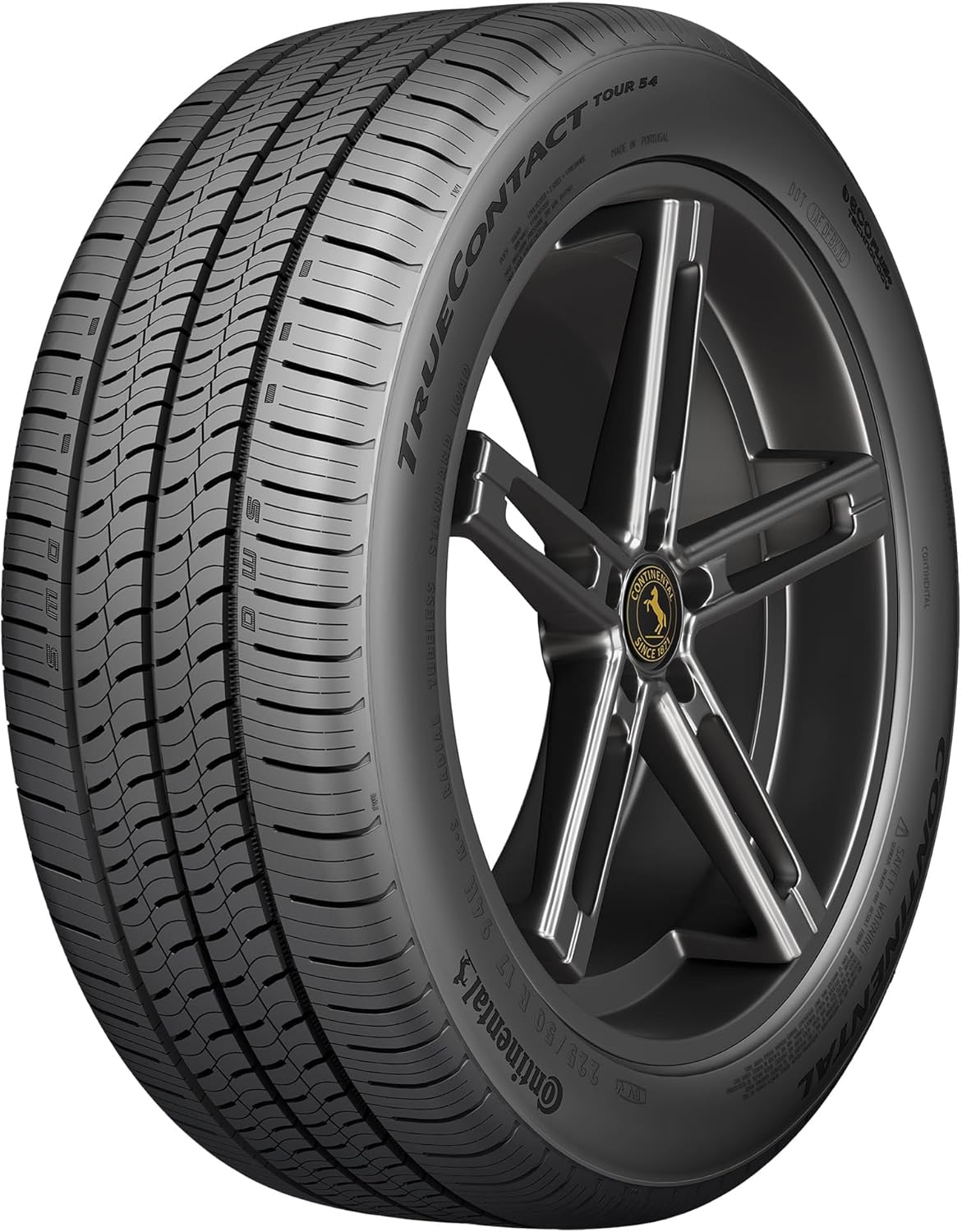
Continental TrueContact Tour
This is a classic all-season touring tire. It focuses on a smooth, quiet ride and long tread life. It’s a good choice for daily commuters and families who want comfortable, dependable performance in rain and light winter weather without trading away fuel economy.
Pros:
- Very long tread life (up to 80k miles warranty)
- Excellent comfort and low road noise
- Strong wet-weather performance
- Helps improve fuel efficiency
Cons:
- Not ideal for heavy snow or harsh winters (better to choose a winter tire)
- Slightly softer handling compared to sporty tires
Who it’s best for: Drivers who want a quiet, fuel-efficient tire for everyday city and highway driving.
Continental ContiProContact
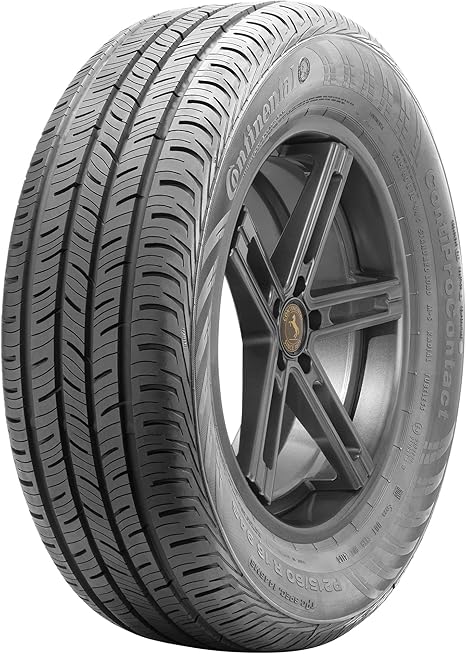
The ContiProContact is aimed at regular passenger cars and provides a comfortable, safe ride with balanced handling. It’s often chosen as an original equipment (OE) tire on many sedans. It’s a good all-rounder if you want predictable handling and steady comfort at a reasonable price.
Pros:
- Smooth ride and predictable handling
- Affordable compared to premium touring tires
- Widely available in many sizes
- Trusted as OE tire for many brands
Cons:
- Shorter tread life than the TrueContact Tour
- Road noise can increase as the tire wears
- Not designed for deep snow or heavy winter use
Who it’s best for: Sedan drivers who want dependable, comfortable performance without specialty features.
Quick Comparison Table
| Model | Vehicle Type | Best Use Case | 3PMSF Rating (Snow) | Warranty (typical) | Avg Price (per tire) * |
| TerrainContact A/T | SUV / Light Truck | Highway + light off-road, weekend trails | Available on select sizes/models | Varies by model; often 50k–70k miles | $140 – $280 |
| TrueContact Tour | Passenger car / Crossover | Quiet touring, long mileage, daily commute | Some sizes/models may have options | Varies; commonly 60k–80k miles | $120 – $200 |
| ContiProContact | Passenger car / Sedan | Balanced comfort and handling, OE fitment | Typically not targeted for deep snow; check sizes | Varies; often 50k–70k miles | $110 – $190 |
Prices and warranty ranges vary by tire size, vehicle fitment, and region. Always check the exact model details and local retailer listings for current pricing and official warranty terms.
Continental vs Competitors
Continental vs Michelin
Michelin and Continental are both premium brands, but they have slightly different strengths. Michelin often focuses on maximum tread life and a very quiet, long-lasting ride. Continental tends to emphasize wet-weather grip and safety technologies.
Why it matters: If you drive a lot and want the longest-lasting tires, Michelin is often the safe bet. If you live in an area with frequent rain and want excellent wet traction, Continental is a strong choice.
Quick pros & cons
- Continental — Pros: excellent wet grip, strong safety tech, good comfort. Cons: can be priced similarly to Michelin but sometimes with slightly less tread life.
- Michelin — Pros: great longevity, very quiet, strong overall performance. Cons: usually priced at a premium.
Who should choose which:
- Choose Michelin if you want the longest wear and very quiet touring tires.
- Choose Continental if wet-weather safety and balanced performance are your priorities.
Continental vs Bridgestone
Bridgestone often focuses on a balance between dry performance and comfort; Continental tends to pull ahead in wet conditions and some safety features.
Why it matters: For drivers who want a solid all-around tire that performs well in dry conditions and offers a comfortable ride, Bridgestone is a common pick. For drivers who prioritize stopping power in rain and tech like ContiSeal/ContiSilent, Continental is attractive.
Quick pros & cons
- Continental — Pros: strong wet braking and safety tech. Cons: mid-to-high price point.
- Bridgestone — Pros: balanced ride quality, good dry performance. Cons: may not match Continental in wet stopping in some models.
Who should choose which:
- Choose Bridgestone for comfortable, balanced all-around tires — good for highway miles.
- Choose Continental if you face heavy rain or want specific safety tech.
Continental vs Goodyear
Goodyear offers a wide lineup from budget to premium and is known for durability and broad availability. Continental competes closely on safety and road feel.
Why it matters: If you need a specific tire for towing, heavy loads, or want lots of local availability, Goodyear often has many options. If you want better wet handling and quieter rides in specific models, Continental is competitive.
Quick pros & cons
- Continental — Pros: focused wet grip, quiet ride on many models. Cons: model choices may be narrower in some markets.
- Goodyear — Pros: wide model range, durable options for trucks/SUVs. Cons: variable performance depending on model.
Who should choose which:
- Choose Goodyear if you want many model choices, strong truck options, or easy local replacement.
- Choose Continental if you value wet-weather performance and a quieter cabin.
Continental vs Pirelli
Pirelli leans performance-first, often fitted to sports cars and high-performance sedans. Continental has a broader focus — good performance but often tuned for safety and comfort.
Why it matters: If you drive a performance car and want very sharp handling at higher speeds, Pirelli shines. If you want a mix of everyday comfort, strong wet traction, and safe handling, Continental is a very good middle ground.
Quick pros & cons
- Continental — Pros: balanced performance, safety tech, comfortable ride. Cons: not always the top choice for track-focused driving.
- Pirelli — Pros: excellent high-speed handling and performance feel. Cons: usually higher price and may wear faster under aggressive driving.
Who should choose which:
- Choose Pirelli for sportier cars and drivers who prioritize sharp handling.
- Choose Continental for safe, comfortable daily driving with solid performance.
Continental vs Budget Brands (Hankook, Cooper, Kumho)
Budget and mid-tier brands offer good value and can be perfectly fine for many drivers. Continental usually provides better wet grip, more advanced tech, and a premium feel — but at a higher price.
Why it matters: If you’re on a tight budget or need replacement tires for occasional driving, brands like Hankook or Kumho can save money. If you want top wet-weather safety, quieter rides, or OEM-level fitment for luxury cars, Continental is worth the extra cost.
Quick pros & cons
- Continental — Pros: superior wet performance, advanced features, premium ride. Cons: higher cost.
- Budget Brands — Pros: lower price, increasingly decent performance for value. Cons: shorter warranties, fewer premium features.
Who should choose which:
- Choose Budget Brands if your driving is low-mileage, mostly city, and cost is the main concern.
- Choose Continental if you want better long-term safety, quieter comfort, and tech that improves everyday driving.
Common Problems with Continental Tires
Continental tires are generally reliable, but like any tire brand, they are not perfect. Some drivers do run into small issues depending on the tire model and how the car is used.
One complaint that comes up sometimes is faster tread wear. This usually happens with performance-focused tires such as the Continental ExtremeContact DWS06 Plus. These tires are designed to grip the road better, and that extra grip can cause the rubber to wear down sooner, especially if you drive aggressively.
Another common concern is the price. Continental tires are usually more expensive than budget brands. For drivers trying to save money, the upfront cost can feel high. That said, many people feel the better grip and smoother ride justify the price.
Some drivers also mention availability issues. Continental offers many tire sizes, but certain models may not always be in stock at local tire shops. In those cases, you might have to order the tire and wait a few days for delivery.
There are also occasional reports of tire cracking over time. This is not unique to Continental tires—it can happen to any tire if the conditions are right. Cracking usually appears as small lines on the sidewall or between the tread blocks.
Several things can cause this. Long exposure to strong sunlight and heat can slowly dry out the rubber. Tires that sit unused for long periods can also develop cracks as the rubber ages.
Improper tire pressure can make the problem worse. Tires that are underinflated flex more while driving, which can put extra stress on the rubber. Over time, that stress can contribute to small cracks forming.
Regular maintenance helps reduce these problems. Checking tire pressure monthly, keeping the car parked in shade when possible, and replacing tires when they become too old can help extend their life.
In most cases, these issues are manageable and do not affect every driver. Many people use Continental tires for years without experiencing any serious problems.
Are Continental Tires Worth the Money?
Continental tires are usually priced higher than many budget tire brands. When you first see the price, it can feel like a big investment. But price alone doesn’t tell the full story. What matters is what you get for that money.
In terms of performance, Continental tires are known for strong grip and stable handling. Many drivers notice better control in both dry and wet conditions, which can make everyday driving feel safer and more predictable.
Safety is another reason people choose this brand. Continental tires are designed to stop quickly and maintain traction in rain, which can reduce the chance of losing control on wet roads.
When you look at long-term value, the cost starts to make more sense. A good tire that grips well and lasts longer can save money over time because you won’t need to replace it as often. Many Continental touring tires are designed to provide good tread life if they are maintained properly.
Of course, they are not perfect. Some models cost more than competing brands, and certain performance tires may wear out faster if you drive aggressively. That means they may not be the best choice for drivers who simply want the cheapest option.
For most drivers, though, Continental tires deliver a strong mix of safety, comfort, and reliable performance. When those factors matter more than the lowest price, they are often worth the extra cost.
In simple terms, if your main priorities are better road grip, safer braking, and a comfortable ride, Continental tires are usually a good investment.
Real-World Customer Feedback
Buying tires can feel like a gamble. You can read specs all day, but the best insight often comes from drivers who’ve actually put the tires on the road. Here’s what people are saying about Continental tires.
Summary of Ratings from Tire Rack, Discount Tire, and Consumer Reports
Across popular review sites:
- Tire Rack: 4.5/5 stars on average for all-season models.
- Discount Tire: 4.4/5 stars, with top scores in wet traction and comfort.
- Consumer Reports: High marks for braking, handling, and safety features.
These numbers show a clear pattern: drivers appreciate Continental tires for reliability and safety.
Common Praise
Many drivers comment on the smooth, quiet ride — even on long highway trips. One commuter shared, “I barely notice road noise anymore. Driving home after work is relaxing.”
Wet-weather performance is another strong point. A suburban mom wrote, “During a sudden rainstorm, I felt confident braking at intersections. These tires really grip the road.”
SUV and truck owners also praise handling in rough or uneven conditions, noting that Continental tires give a stable, comfortable drive without bouncing too much.
Common Complaints
No product is perfect. Some drivers mention the premium price. For example, a daily commuter said, “They’re worth it for safety and comfort, but my wallet definitely feels it.”
Others note that a few models have slightly shorter tread life than some Michelin or Bridgestone options, especially if the driver accelerates or brakes aggressively.
Standout Reviews
- Luxury car owners: “These tires feel like they belong on my BMW. The quiet ride and precise handling make city driving more enjoyable.”
- SUV/truck drivers: “I use my truck for weekend trails and city errands. The Continental TerrainContact handles wet roads and light off-road paths very well. I feel safe and stable.”
Cost & Value for Money
Buying tires isn’t just about the sticker price — it’s about what you get for your money. Imagine you’re standing in a tire store, deciding between several brands. You want tires that last, perform well, and don’t break the bank over time. Here’s how Continental stacks up.
Average Pricing Compared to Competitors
Continental tires are generally premium-priced, similar to Michelin and Bridgestone, and slightly higher than Goodyear in some models. Budget brands like Hankook or Kumho cost less upfront, but they don’t always offer the same longevity or advanced features.
Think of it this way: you may spend a little more now, but you often get better performance, safety, and comfort that can save money in the long run.
Cost Per Mile
One smart way to measure value is cost per mile — the price of the tire divided by how long it lasts. Continental tires may cost more upfront, but their durable tread life (50,000–70,000 miles for most models) makes the cost per mile competitive with other premium brands.
For example:
- A $200 Continental tire with 60,000-mile tread life → about $0.0033 per mile.
- A $180 budget tire with 40,000-mile tread life → about $0.0045 per mile.
Even though the budget tire is cheaper upfront, Continental often gives better value over time.
Warranty Coverage & Service Support
Continental backs their tires with warranties, typically covering treadwear for 60,000–80,000 miles depending on the model. They also provide roadside assistance or replacement support in many regions, giving peace of mind if you ever have a problem.
This means you’re not just buying a tire — you’re buying a safer, supported driving experience.
Availability Across Regions
Continental tires are widely available:
- North America: Easy to find at most tire retailers and online stores.
- Europe: Strong presence; popular for both standard and luxury cars.
- Asia: Growing availability, though some specific models or sizes may be harder to get in certain countries.
This makes Continental a reliable choice if you move, travel, or need replacements, though it’s smart to check local stock for less common sizes.
Buying Guide: Choosing the Right Continental Tire
Buying tires can feel confusing — there are so many sizes, models, and features to choose from. Imagine this: you’re heading to the tire store or browsing online, and you want a tire that keeps you safe, comfortable, and fits your driving style. Here’s how to make that choice simple.
1. Know Your Vehicle and Tire Size
The first step is easy: check your owner’s manual or the sidewall of your current tires. It will tell you the tire size, speed rating, and load capacity your vehicle needs.
Think of it like shoes: you wouldn’t buy a size 9 if you wear a size 7. Getting the right size ensures your tires fit safely and perform as intended.
2. Consider Your Driving Conditions
Ask yourself where you drive most often:
- City and highway driving: Most all-season Continental tires are perfect for smooth, quiet rides.
- Rainy or wet areas: Look for models with excellent wet grip, like Continental’s all-season or EcoPlus tires.
- Snow or icy conditions: Choose a 3PMSF-certified winter tire for maximum safety.
- Off-road or rugged terrain: SUVs and trucks benefit from models like TerrainContact A/T, which handle gravel, mud, and light trails.
Matching your tire to your driving conditions ensures you get better safety and performance.
3. Decide What Matters Most to You
Different Continental tires focus on different benefits:
- Safety & wet grip: Prioritize braking distance and traction.
- Comfort & quiet ride: Look for ContiSilent™ technology.
- Fuel efficiency: EcoPlus™ tires help reduce rolling resistance and save gas.
- Durability: Check tread life ratings and warranty coverage if you drive long distances frequently.
Think about your priorities like a checklist — this helps narrow down hundreds of tire options to just a few that really fit your needs.
4. Check Reviews and Real-World Feedback
Before buying, look at driver reviews and independent tests. People often mention ride comfort, noise, and performance in rain or snow. This gives you a sense of how the tire performs outside of lab tests.
5. Compare Prices and Warranties
Continental tires are premium, so price matters. Compare:
- Cost per tire vs tread life → sometimes paying more upfront saves money in the long run.
- Warranty coverage → ensures you’re protected if the tire wears prematurely or has a defect.
Final Verdict: Are Continental Tires Good?
Continental tires have built a strong reputation for safety, comfort, and performance. Their advanced tread designs and rubber compounds help deliver excellent grip in both wet and dry conditions.
While they may cost more than budget brands, many drivers find that the improved braking performance and driving comfort make them well worth the investment.If you are looking for reliable premium tires with strong safety performance, Continental tires are definitely worth considering.
FAQs About Continental Tires
Are Continental AG tires better than Michelin?
Both are top-tier tire makers, but they shine in slightly different ways. Michelin often wins on long tread life and fuel economy. Continental often scores higher for wet-road grip and a quiet, comfortable ride.
Pick based on what matters to you: choose Michelin if you want the longest wear, choose Continental if you drive a lot in rain or want a softer, quieter ride. Always compare the specific models and sizes for your car.
Are Continental tires expensive?
Yes — they tend to cost more than budget or entry-level brands. Prices vary a lot by tire type and size, so a small-car all-season set will be cheaper than a high-performance or SUV set.
Think about total value: compare price per expected mile, warranty, and any fuel-saving claims rather than just the sticker price.
Are Continental tires good in snow?
Some Continental all-season tires handle light snow OK, but they are not a substitute for winter tires. Dedicated winter models give much better traction on snow and ice.
If you live where winters are snowy or icy, buy a proper winter tire and switch them seasonally — that’s the safest choice.
Where are Continental tires made?
Continental manufactures tires in several countries to serve different markets. You’ll find production in places such as Germany, the United States, and Portugal.
Manufacturing location can vary by model and size, so if country of origin matters to you, check the tire sidewall or ask the seller before buying.
